.png?width=1200&quality=80)
Meishan
Chinese · Arakawa, Tokyo
Restaurant in Tokyo, Japan
 Book with Pearl
The Read
Sister-Run Sichuan Counter
Price
¥¥
Dress
Smart Casual
Why go
Meishan holds a 2024 Michelin Bib Gourmand and for focused Sichuan cooking in a small basement room in Nishinippori. Run by two sisters, it delivers home-style mapo tofu, stir-fried vegetables, and steamed chicken at a ¥¥ price point that makes it one of the better value special-occasion options in Tokyo's Chinese dining circuit.
About Meishan
The Verdict
If you went once and ate well, going back is the right call — the room changes very little, the cooking stays consistent, and that consistency is the point. For a special dinner where you want something genuinely different from Tokyo's dominant Japanese-French axis, Meishan is a serious option at a price that will not strain the evening.
Portrait
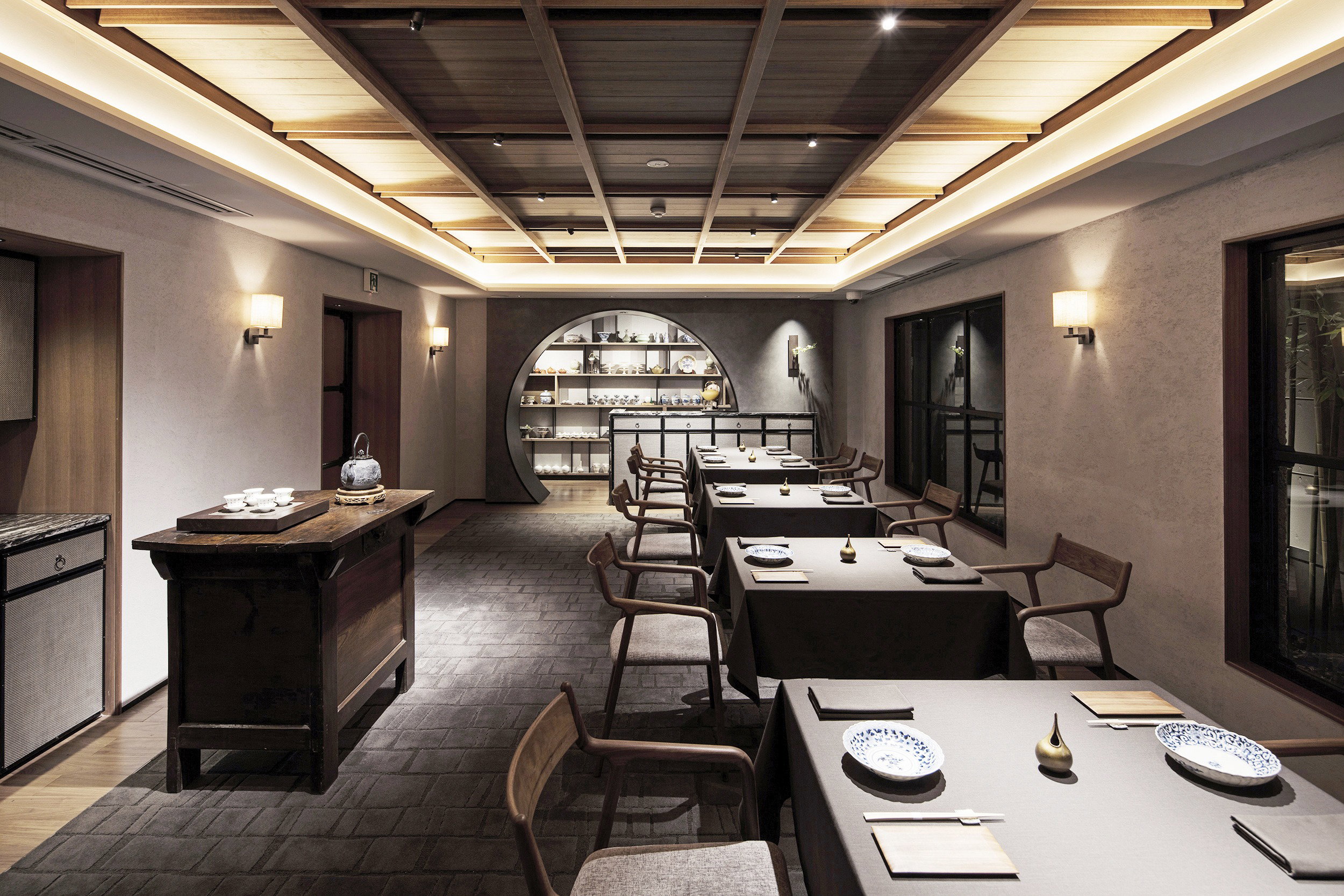
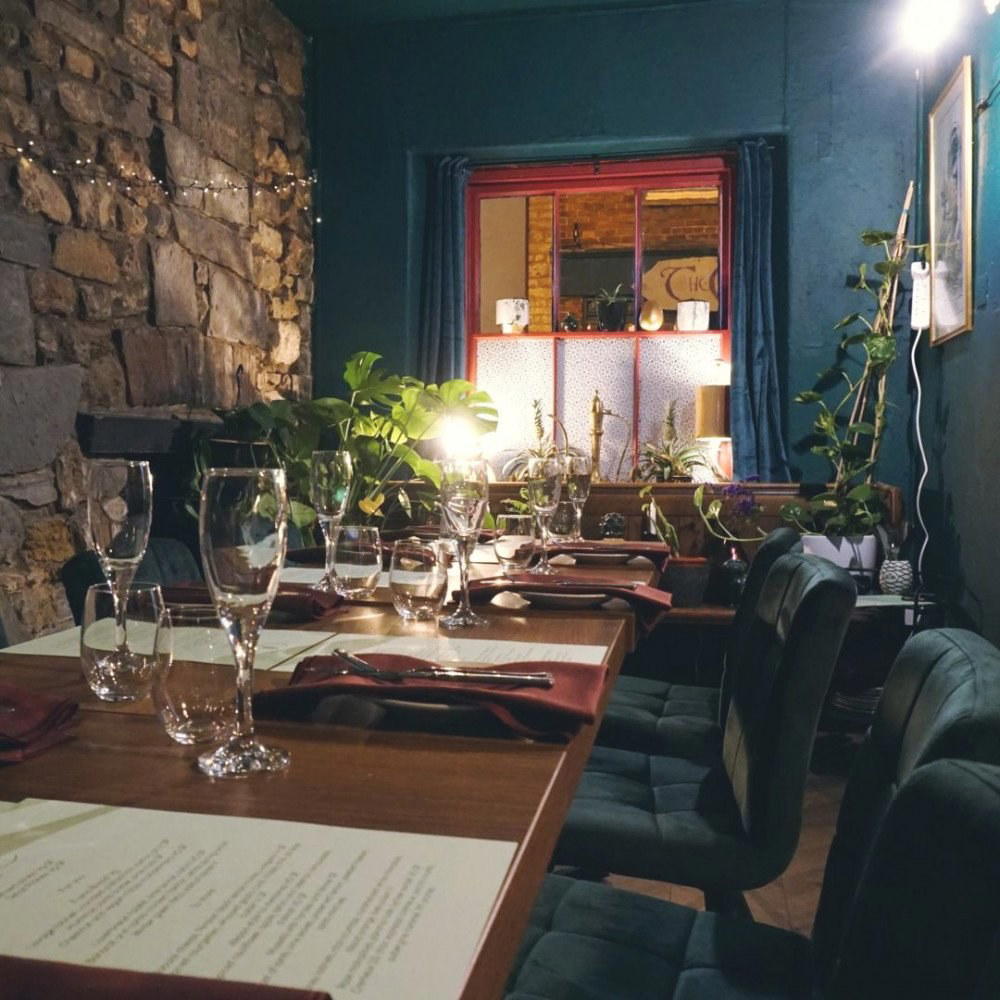
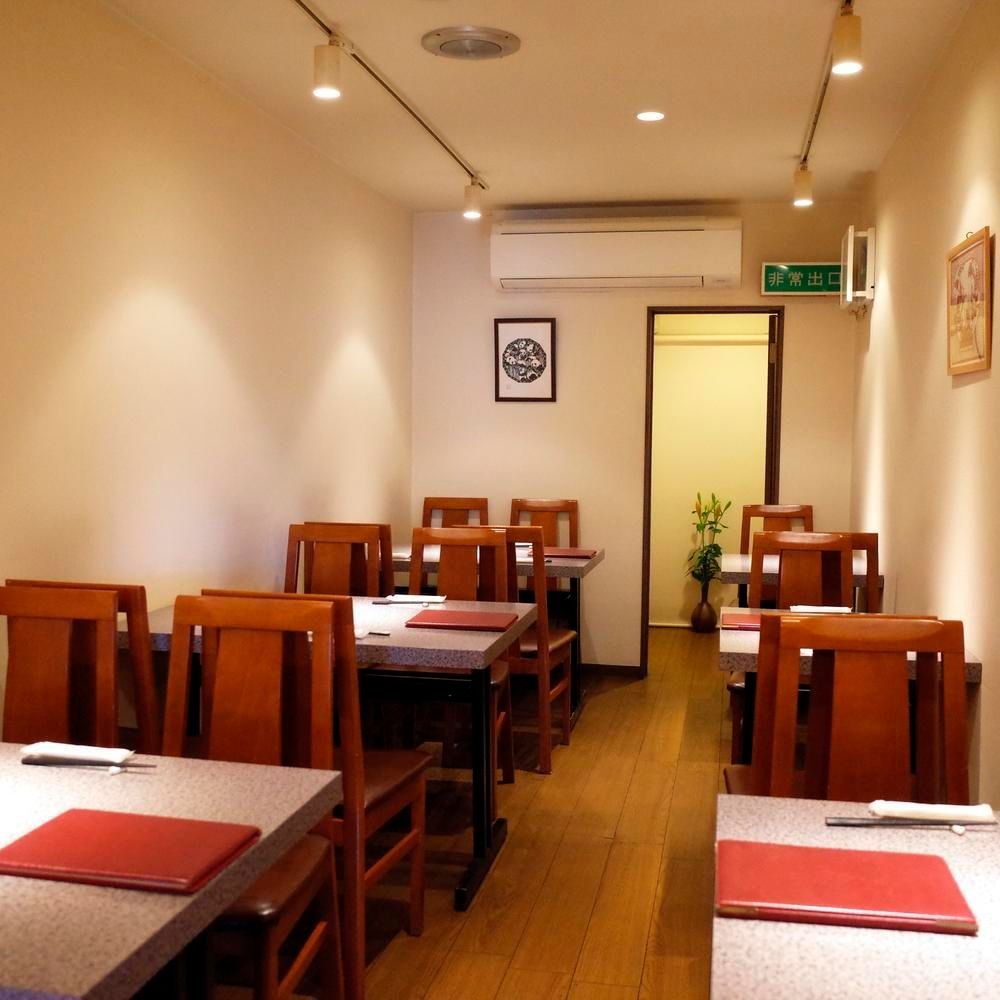
Walk down to the basement level on Nishinippori's quieter residential stretch in Arakawa City and you arrive somewhere that does not perform for you. The walls carry framed Chinese paper-cutout art — a visual language that signals exactly where this kitchen's loyalties lie. The sound of the erhu sets a mood that is warm without being theatrical. On a second visit, you notice these details more than you did the first time, because the room asks nothing of you except that you pay attention to what is on the plate.
The kitchen is managed by the elder of the two sisters; the younger runs the floor. That division of labour matters less as a story and more as a structural fact: the cooking and the service share a common point of view, and the result is a room that feels coherent rather than assembled. For a special occasion, a date, a birthday dinner, a meal where you want to be somewhere that has genuine character, that coherence is exactly what you are paying for.
The menu reads as home-style Sichuan done with precision. Stir-fried vegetables come alongside pickled vegetables and fermented tofu, the kind of combination that sounds modest but requires real calibration to get right. Steamed chicken and mapo tofu are built around spice as a tool for drawing out flavour rather than overwhelming it. These are not dishes that announce themselves with visual drama; they reward attention rather than photographs. If you are bringing a guest who expects a showpiece plate, temper expectations early, Meishan's register is quieter than that, and better for it.
At the ¥¥ price point, Meishan sits well below the Tokyo fine-dining tier. That positioning is relevant: you are not paying for ceremony or a tasting menu architecture. You are paying for a kitchen that has a clear identity and executes within it reliably. For a special occasion on a measured budget, or as a considered late addition to a night that started elsewhere, the value calculation is direct. The Bib Gourmand is specifically awarded for good food at a moderate price, and Meishan fits that description without qualification.
The Nishinippori location places Meishan slightly off the circuits most visitors to Tokyo follow. That is not a disadvantage if you are staying in the northeast of the city or ending a night in that part of Arakawa. As a late-night option, its positioning in a quieter residential area means the atmosphere does not compete with the noise and foot traffic you would encounter in Shinjuku or Shibuya. If you want to close out an evening over mapo tofu and a Sichuan-spiced vegetable plate without the surrounding city asserting itself, this is a reasonable place to do it.
For context on how Sichuan cooking sits within Tokyo's broader Chinese restaurant picture, Chugoku Hanten Fureika and Chugoku Hanten Kohakukyu (Amber Palace) both operate at a higher price tier and a different level of formality. Ippei Hanten is another reference point for Chinese cooking in Tokyo that takes its source material seriously. If you are building a broader picture of what the city offers in this register, itsuka and Koshikiryori Koki round out the neighbourhood dining conversation usefully.
For Chinese restaurants with a comparable seriousness of purpose in other cities, Restaurant Tim Raue in Berlin and Mister Jiu's in San Francisco offer instructive comparisons, both operate at a higher price point and with a more self-consciously contemporary frame, which clarifies what Meishan is doing by contrast: it is not trying to reinterpret the cuisine, it is trying to cook it well.
If your trip extends beyond Tokyo, the Pearl guides for HAJIME in Osaka, Gion Sasaki in Kyoto, akordu in Nara, Goh in Fukuoka, 1000 in Yokohama, and 6 in Okinawa cover the broader Japan dining circuit. For everything else in the city, our full Tokyo restaurants guide, hotels guide, bars guide, wineries guide, and experiences guide cover the full picture.
Practical Details
| Detail | Meishan | Chugoku Hanten Fureika | Ippei Hanten |
|---|---|---|---|
| Cuisine | Sichuan Chinese | Chinese | Chinese |
| Price range | ¥¥ | ¥¥¥+ | ¥¥–¥¥¥ |
| Award | Michelin Bib Gourmand 2024 | Michelin recognised | |
| Booking difficulty | Easy | Moderate | Moderate |
| Location | Nishinippori, Arakawa | Central Tokyo | Central Tokyo |
| Leading for | Special occasion on a budget, late-night Sichuan | Formal celebration | Classic Chinese dining |
Planning details
- Location
- Japan, 〒116-0013 Tokyo, Arakawa City, Nishinippori, 5 Chome−24−2 地下1階
- Website
- ubereats.com/jp/tokyo/food-delivery/%E7%BE%8E%E9%A6%99%E9%BA%BB%E8%BE%A3%E6%B9%AF-%E8%A5%BF%E6%97%A5%E6%9A%AE%E9%87%8C%E6%9C%AC%E5%BA%97-meixiangmalatang/t8ju4VrESuOCybJi-sMIxw
- Phone
- +81 3-6806-8148
The take
The Take
The Vibe
Meishan presents Sichuan home-cooking in an unlikely corner of Tokyo, creating the feel of a well-kept local discovery rather than a tourist destination. The writing emphasises wok-driven technique — ‘wok hei’ and high-heat cooking — and the Michelin Bib Gourmand recognition frames the kitchen’s achievement as striking value within a modest price bracket. The neighbourhood setting in Nishinippori reinforces the sense of a quietly brilliant, under-the-radar spot: focused on bold flavours and technical skill rather than showy formality. The overall impression is of authentic, ingredient-forward Sichuan cooking tucked away in a non-central pocket of the city.
Best For
Meishan is best experienced at dinner, when the wok-fired dishes and layered Sichuan flavours read most fully. Its mid-range pricing and Bib Gourmand status make it a strong option for diners seeking high-quality, flavour-forward Chinese food without the formality or price of Tokyo’s top-tier kaiseki and formal Chinese rooms. The kitchen’s emphasis on heat and wok technique suits groups and couples who want bold, direct flavours; it also appeals to diners who prioritise value and technical cooking over ornate presentation. The location rewards those willing to travel off the usual central circuits for serious Sichuan fare.
Ordering Tips
Look for the kitchen’s signature expressions of Sichuan technique: the mala silken tofu, dandan noodles and steamed chicken are highlighted dishes that showcase spice, texture and wok-smoked depth. Expect pronounced heat and numbing spice where the menu names it (mala), and use those flagged dishes to sample the house style. The Bib Gourmand nod signals strong quality for the price, so consider trying a selection of the highlighted plates to get a rounded sense of the restaurant’s approach to home-style Sichuan and its wok-driven flavours.
Venue details
Ambiance
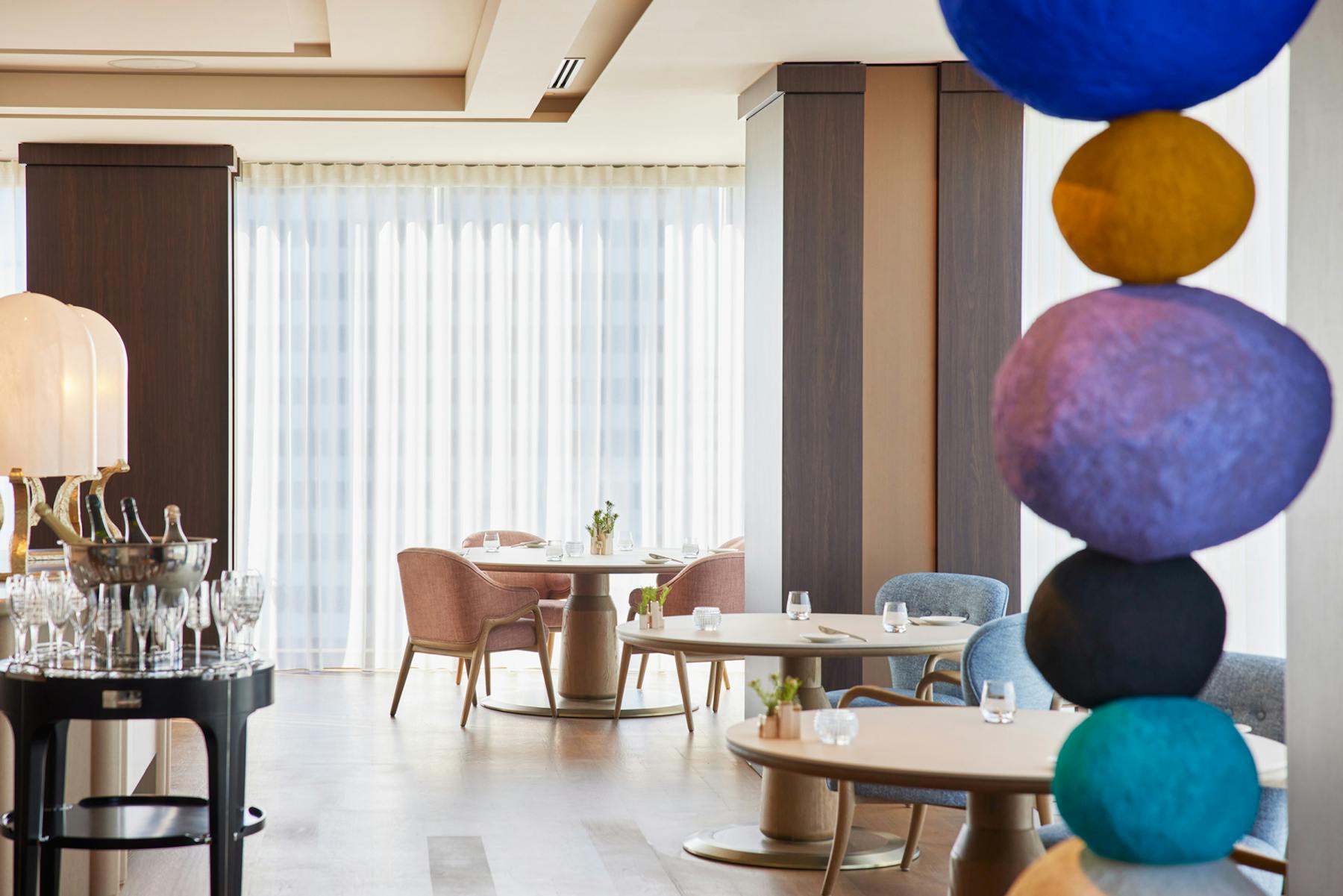
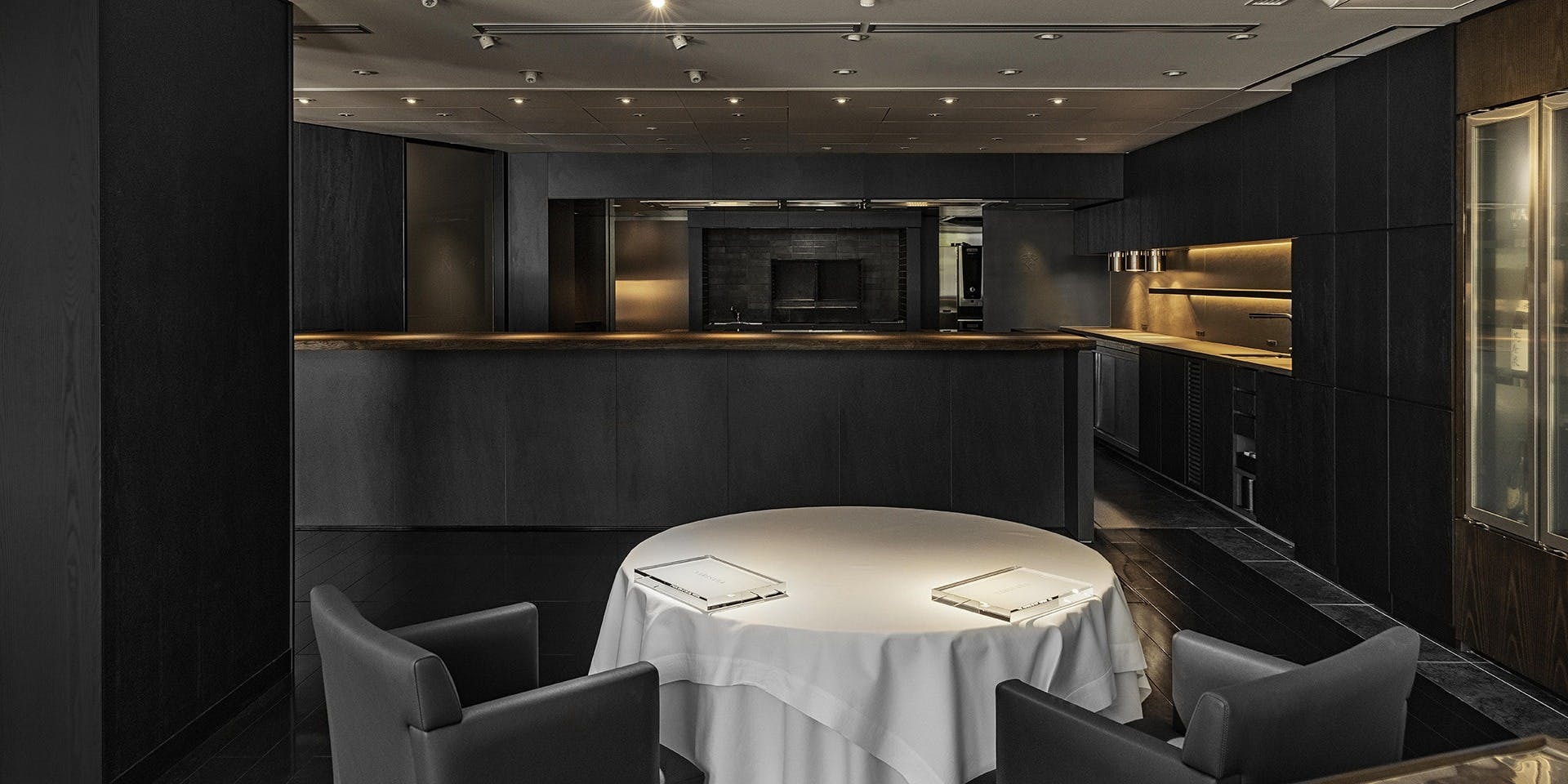
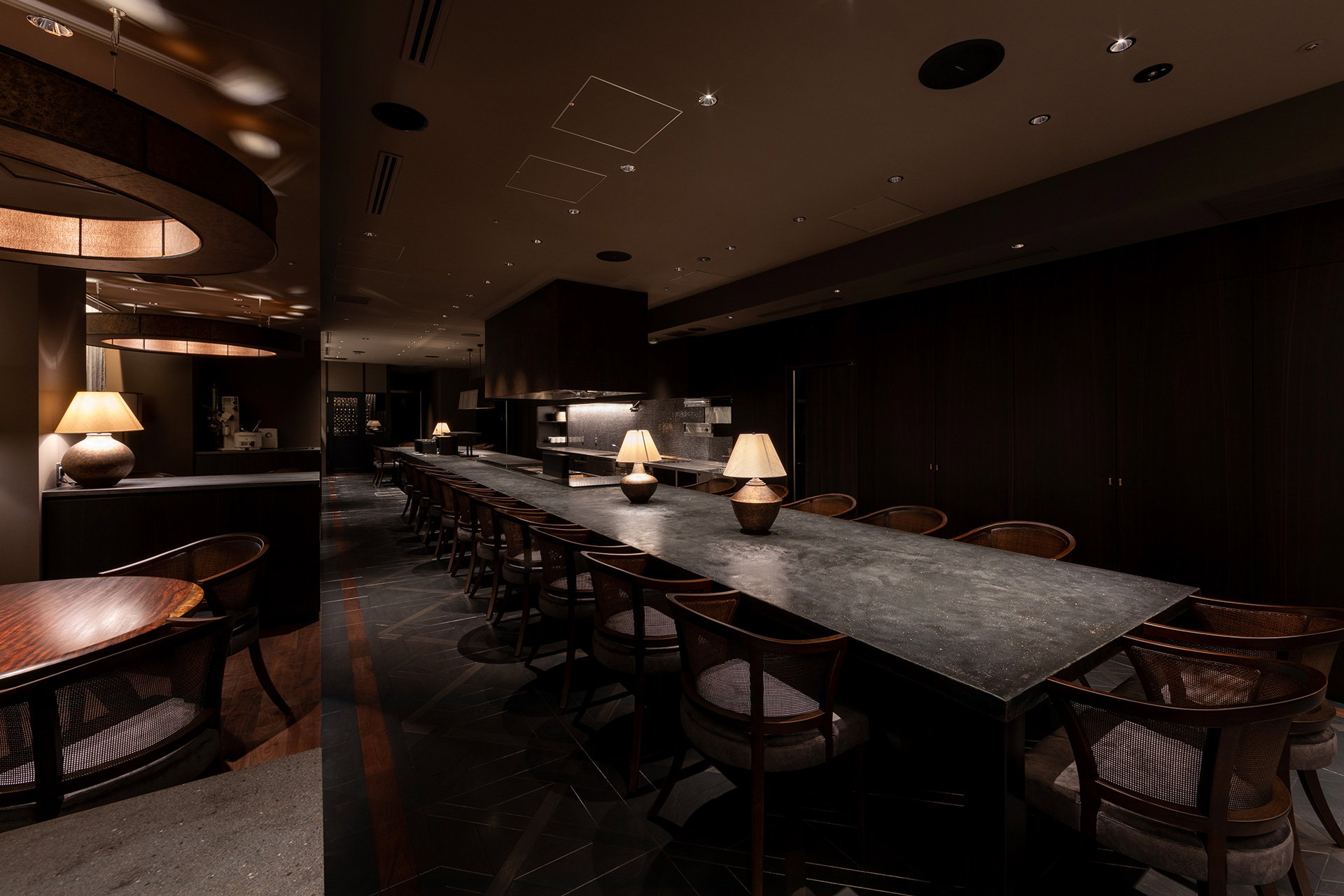
Softened lighting, hush of polished wood, understated elegance with intuitive hospitality.
Tags
Vibe
Best For
Experience
At the Table
- Dress Code
- Smart Casual
- Noise Level
- Quiet
- Service Style
- Upscale Casual
- Meal Pacing
- Leisurely
- Capacity
- Intimate
Signature Dishes
- steamed chicken
- mala silken tofu
- dandan noodles
Know before you go
Know Before You Go
- Getting there
- Japan, 〒116-0013 Tokyo, Arakawa City, Nishinippori, 5 Chome−24−2 地下1階
Planning details
Location
Japan, 〒116-0013 Tokyo, Arakawa City, Nishinippori, 5 Chome−24−2 地下1階 · Directions
Recognition and awards
Also consider
Also Consider
- Harutaka, Sushi, ¥¥¥¥
- L'Effervescence, French, ¥¥¥¥
- RyuGin, Kaiseki, Japanese, ¥¥¥¥
- HOMMAGE, Innovtive French, French, ¥¥¥¥
- Crony, Innovative, French, ¥¥¥¥
Restaurant context
Meishan operates at ¥¥ with a Bib Gourmand, which puts it in a different category from the ¥¥¥¥ Tokyo circuit altogether. Harutaka, L'Effervescence, RyuGin, HOMMAGE, and Crony are all ¥¥¥¥ venues where you are paying for a full fine-dining architecture: tasting menus, highly composed plating, and the booking pressure that comes with Michelin star recognition. None of them compete directly with what Meishan is offering. The question is not which is better, it is what kind of evening you are planning.
If you want to spend a special-occasion evening eating precisely cooked Sichuan food in a room with genuine character at a price that keeps the total bill reasonable, Meishan is the right choice and none of the ¥¥¥¥ venues above are a substitute. If the occasion demands ceremony, a tasting menu format, or a setting that signals a significant financial gesture, RyuGin for kaiseki or L'Effervescence for French at the high end of the market will serve that purpose better. Harutaka is the right call if sushi at the counter is the format you want. HOMMAGE and Crony are both strong options for innovative French cooking with a Tokyo sensibility, but neither is relevant if Sichuan is your target cuisine.
The most direct peer comparison for Meishan is within Tokyo's Chinese restaurant tier rather than its broader fine-dining circuit. Chugoku Hanten Fureika and Chugoku Hanten Kohakukyu (Amber Palace) sit above Meishan on price and formality. Book Meishan when the evening calls for something personal and considered at a moderate price. Book the Chugoku Hanten venues when the occasion demands a more formal frame and the budget supports it.
Explore Tokyo
Around this place
Discover more on Pearl
Unlock the full Meishan guide in Pearl, including awards, comparisons, FAQs, planning details, and nearby places.
Compare Meishan
| Venue | Cuisine | Price | Awards | Booking Difficulty |
|---|---|---|---|---|
| Meishan | Chinese | ¥¥ | 2026 Bib Gourmand2024 Michelin Bib Gourmand | Easy |
| Harutaka | Sushi | ¥¥¥¥ | 2026 Tabelog Silver · #312026 OAD Top Restaurants in Japan Ranked · #1282026 Michelin 3 Stars2026 La Liste Top RestaurantsTabelog 100 - Sushi - TOKYO - 2025 · #372025 Asia's 50 Best Restaurants · #762025 OAD Top Restaurants in Japan Ranked · #1172025 La Liste Top Restaurants2025 Tabelog Bronze | Unknown |
| L'Effervescence | French | ¥¥¥¥ | 2026 Tabelog Silver · #682026 OAD Top Restaurants in Japan Ranked · #103Star Wine Lists 20262026 Black Pearl 2 Diamond2026 Relais Chateaux Restaurants2026 La Liste Top Restaurants2026 Michelin 3 Stars2025 Asia's 50 Best Restaurants · #692025 OAD Top Restaurants in Japan Ranked · #92 | Unknown |
| RyuGin | Kaiseki, Japanese | ¥¥¥¥ | 2026 OAD Top Restaurants in Japan Ranked · #802026 Tabelog Bronze · #3772026 Michelin 3 Stars2026 La Liste Top RestaurantsTabelog 100 - Japanese cuisine - TOKYO - 2025 · #212025 OAD Top Restaurants in Japan Ranked · #542025 Michelin 3 Stars2025 La Liste Top Restaurants2025 The Best Chef Three Knives | Unknown |
| HOMMAGE | Innovtive French, French | ¥¥¥¥ | 2026 Tabelog Bronze · #1232026 OAD Top Restaurants in Japan Highly Recommended2026 Michelin 2 StarsTabelog 100 - French - TOKYO - 2025 · #762025 Asia's 50 Best Restaurants · #782025 OAD Top Restaurants in Japan Ranked · #1752025 Michelin 2 Stars2025 The Best Chef One Knife2025 La Liste Top Restaurants | Unknown |
| Crony | Innovative, French | ¥¥¥¥ | 2026 Asia's 50 Best Restaurants · #34Star Wine Lists 20262026 OAD Top Restaurants in Japan Recommended2026 Michelin 2 Stars2025 Asia's 50 Best Restaurants · #30Tabelog 100 - French - TOKYO - 2025 · #782025 OAD Top Restaurants in Japan Ranked · #227We're Smart World Top Restaurants 20252025 Michelin 2 Stars | Unknown |















A quick look at how Meishan measures up.
FAQ
Frequently Asked Questions
How far ahead should I book Meishan?
Book at least one to two weeks in advance, especially for weekend evenings. The restaurant is small, sister-run, and holds a 2024 Michelin Bib Gourmand, which keeps demand steady. Walk-ins may work on quiet weekday lunches, but it is not worth the risk given the trip to Arakawa City.
Is Meishan good for a special occasion?
It works well for an intimate, low-key occasion where the food is the point rather than the setting. The basement space is personal rather than grand, and the ¥¥ price range means it suits a casual celebration better than a milestone dinner. If you need formal surroundings, look elsewhere — but for a meaningful meal with a Michelin-recognised kitchen, it delivers.
What are alternatives to Meishan in Tokyo?
For Michelin-level ambition at higher spend, L'Effervescence and RyuGin are French and Japanese kaiseki options at a different price tier. HOMMAGE and Harutaka skew fine-dining Japanese. Crony offers a more contemporary, casual Tokyo dining experience. None of these are direct Sichuan alternatives — Meishan is notable precisely because focused Sichuan at Bib Gourmand quality is a short list in Tokyo.
What should I wear to Meishan?
At ¥¥ pricing in a residential Arakawa neighbourhood, this is a come-as-you-are setting. Casual or neat-casual is appropriate — there is no indication of a dress code. You would be overdressed in formal attire.
Is Meishan worth the price?
Yes. At ¥¥, Meishan sits in the affordable tier for Tokyo dining, and the 2024 Michelin Bib Gourmand confirms it overdelivers on value. The Bib Gourmand designation is specifically awarded for quality at a reasonable price, so the case here is straightforward. If you are comparing cost-per-quality across Tokyo, this is one of the stronger arguments in favour of the trip to Nishinippori.