

Maruta
Jindaiji, Tokyo
Restaurant in Tokyo, Japan
 Book with Pearl
The Read
Price
$200–300per person
Dress
Casual
Why go
Maruta is a firewood-cooking destination in Chofu, western Tokyo, built around seasonal vegetables and Japanese grill technique in a garden-adjacent setting. Booking is rated Easy, which is rare at this level. Visit in autumn or spring for the most expressive seasonal menu, and order the house-made kombucha. Worth the journey from central Tokyo for food enthusiasts who want something beyond the standard city dining circuit.
About Maruta
Who Should Book Maruta — and When
Maruta is the right call for food and travel enthusiasts who want something genuinely different from Tokyo's usual fine-dining circuit. If you are looking for a destination that puts live-fire cooking and seasonal vegetables at the centre of the plate, in a setting surrounded by greenery rather than a city tower block, Maruta earns the trip to Chofu. It rewards visitors who time their meal to the season — spring and autumn visits will give you the most expressive produce on the grill, and the gap in the menu between visits is wide enough to make a return booking worthwhile.
The Setting and What You Are Walking Into
Maruta sits in the Chofu district of western Tokyo, adjacent to the Jindaiji Garden. That address matters: the restaurant draws direct inspiration from the garden's seasonal rhythms, and the green surroundings are visible and felt in the dining room. This is not a sleek Marunouchi address or a basement counter in Ginza. The experience is closer to a retreat than a standard city restaurant visit, which makes it a practical choice for anyone who wants a change of register from Tokyo's denser dining neighbourhoods. If you are already exploring western Tokyo or combining a visit with Jindaiji-ji Temple and its famous soba district, the location works in your favour. Diners coming specifically for the meal should factor in the travel time from central Tokyo, Chofu is accessible by Keio Line from Shinjuku but is a meaningful journey, not a short cab ride from most hotel clusters.
What Drives the Menu
Maruta is built around firewood cooking. The kitchen uses grilling, steaming, broiling, fermenting, and concentrating as its primary techniques, and vegetables move through the Japanese grill as the anchoring ingredient rather than as supporting elements. The sourcing and preparation shift with the seasons: what is on the plate in spring is structurally different from an autumn visit, which means the menu you eat is specific to the month you arrive. That seasonality is the strongest argument for visiting more than once. The house-made kombucha is a notable non-alcoholic option worth ordering, it is made in-house and is consistent with the fermentation-forward kitchen philosophy. No specific pricing data is available in our records, but Maruta's format and recognition place it in the upper tier of Tokyo destination dining. Budget accordingly and confirm current pricing directly when booking.
Seasonal Timing: When to Go
The restaurant's deep connection to the Jindaiji Garden means the seasonal argument for timing your visit is stronger here than at most Tokyo restaurants. Autumn, when Japanese produce is at its most varied and firewood cooking feels most appropriate to the climate, is likely the highest-value time to visit. Spring, when the garden itself is at its most visually striking and early-season vegetables are available, is a close second. Midsummer visits are workable but the fireside cooking format is less naturally aligned to the heat. If you are planning a Japan trip and this restaurant is on your list alongside Gion Sasaki in Kyoto or HAJIME in Osaka, sequencing Maruta into an autumn itinerary gives you the leading version of each kitchen.
Booking and Access
Booking difficulty is rated Easy for Maruta, which is notable for a restaurant at this level of recognition. That said, easy does not mean walk-in ready, plan at least a week or two ahead, particularly for weekend evenings or autumn dates when the garden setting draws additional visitors to the area. No phone number or website is available in our current records; confirm booking channels before your trip. The address is 1 Chome-20-1 Jindaiji Kitamachi, Chofu, Tokyo 182-0011.
How It Compares
See the comparison section below for how Maruta sits against Tokyo's broader high-end dining field. For the full picture of where to eat, stay, drink, and explore in the city, see our full Tokyo restaurants guide, our full Tokyo hotels guide, our full Tokyo bars guide, our full Tokyo wineries guide, and our full Tokyo experiences guide. If you are moving around Japan, akordu in Nara, Goh in Fukuoka, 1000 in Yokohama, and 6 in Okinawa round out a serious itinerary.
Practical Details
| Detail | Maruta | RyuGin | L'Effervescence |
|---|---|---|---|
| Location | Chofu, western Tokyo | Roppongi, central Tokyo | Nishi-Azabu, central Tokyo |
| Price tier | Not confirmed, upper tier expected | ¥¥¥¥ | ¥¥¥¥ |
| Booking difficulty | Easy | Moderate to difficult | Moderate |
| Cuisine focus | Firewood, seasonal vegetables | Kaiseki, Japanese | French, seasonal |
| Setting | Garden-adjacent, suburban | City high-rise | Quiet Nishi-Azabu townhouse |
| Leading season to visit | Autumn or spring | Year-round | Year-round |
Planning details
- Location
- 1 Chome-20-1 Jindaiji Kitamachi, Chofu, Tokyo 182-0011, Japan
- Reservations
- Book on TableCheck
- Website
- maruta.green
- Phone
- +81 50-1720-7006
The take
The Take
The Vibe
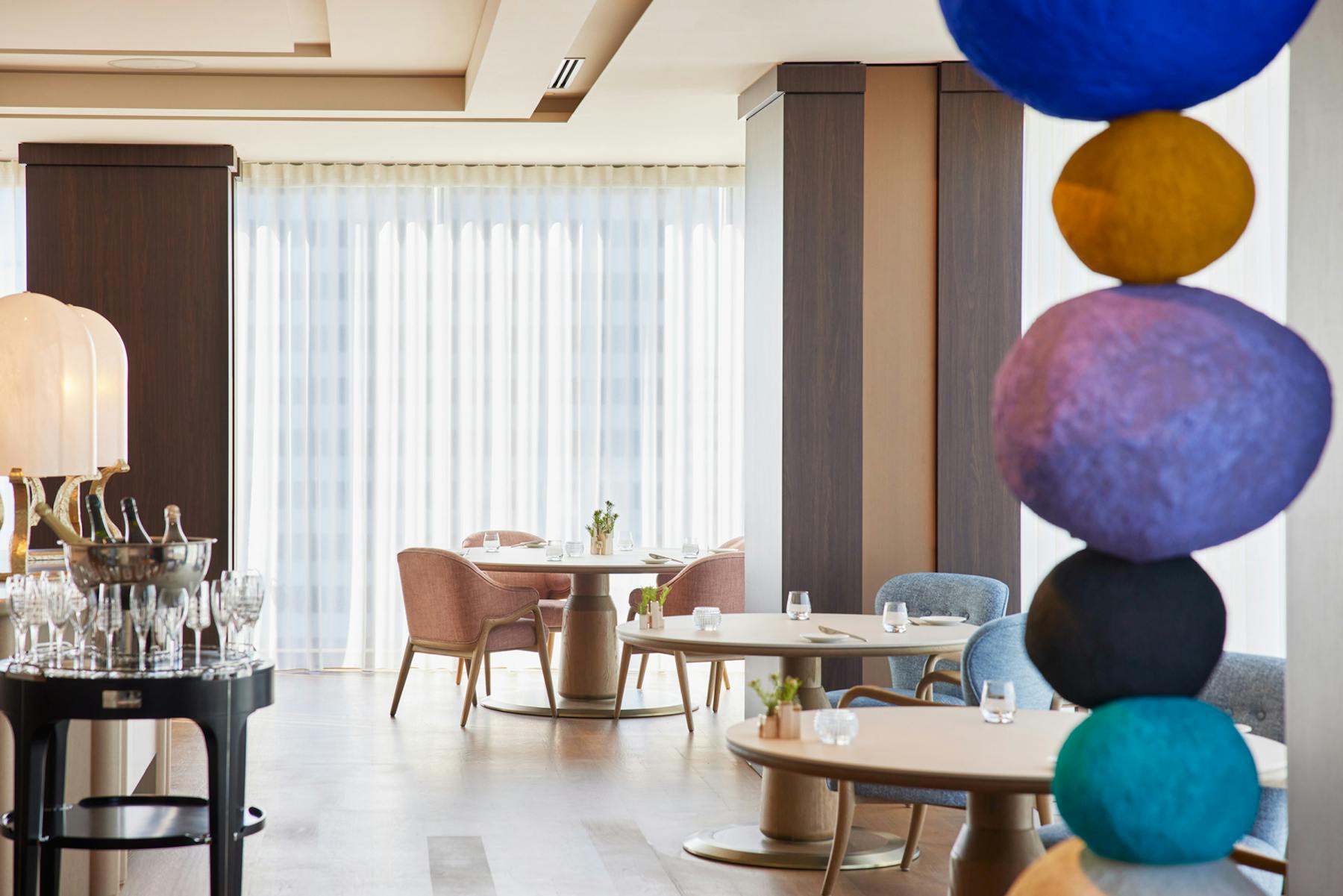
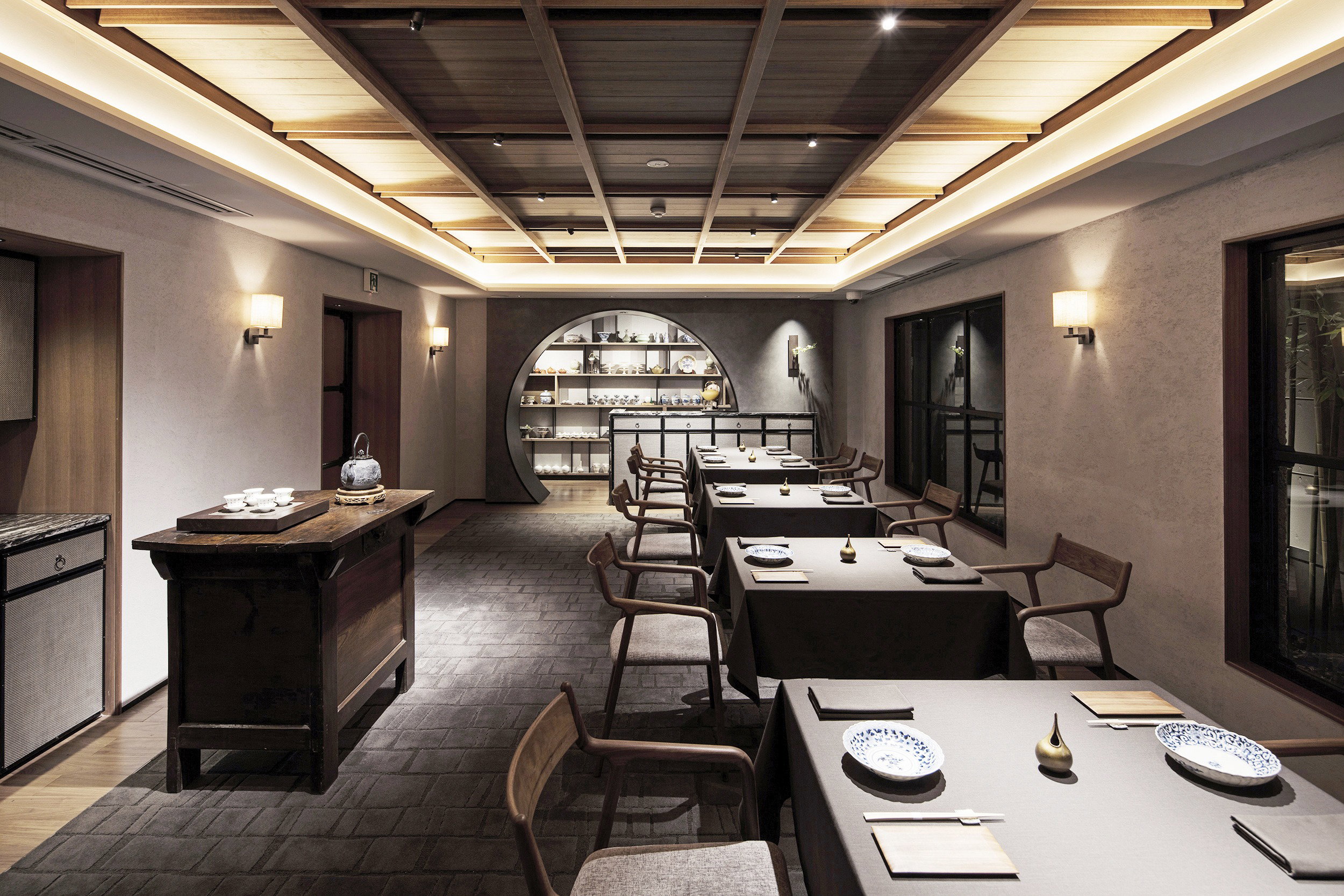
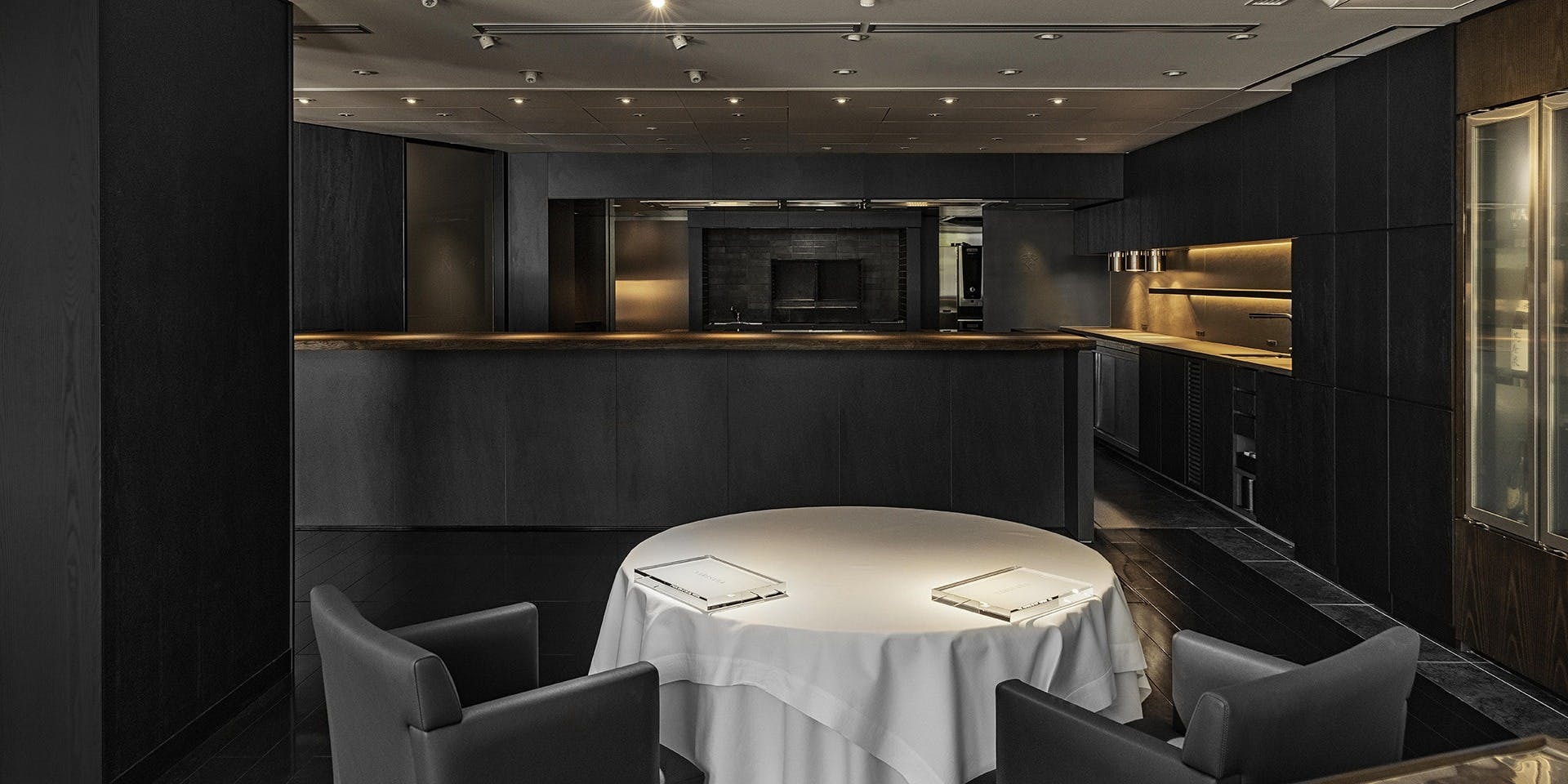
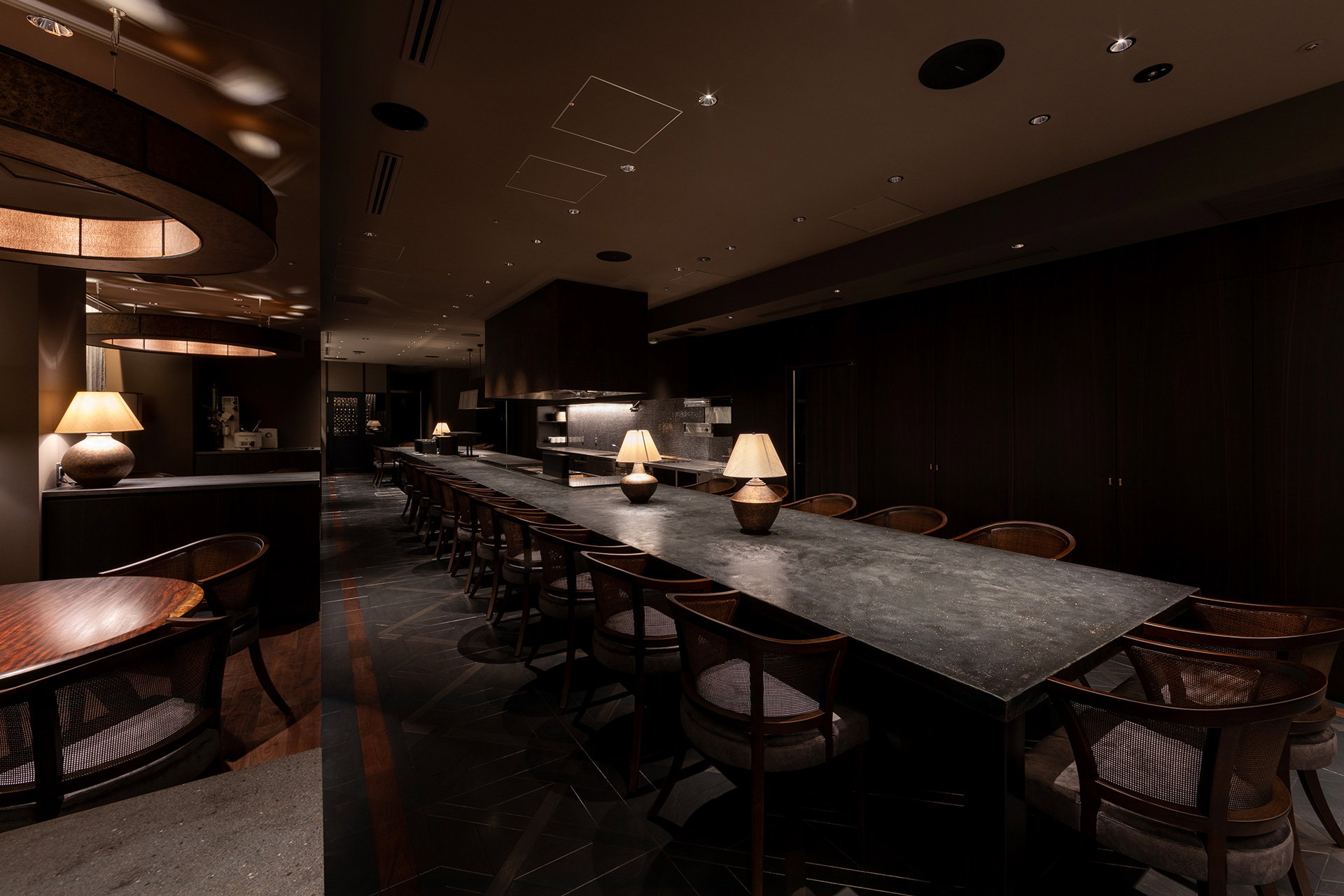
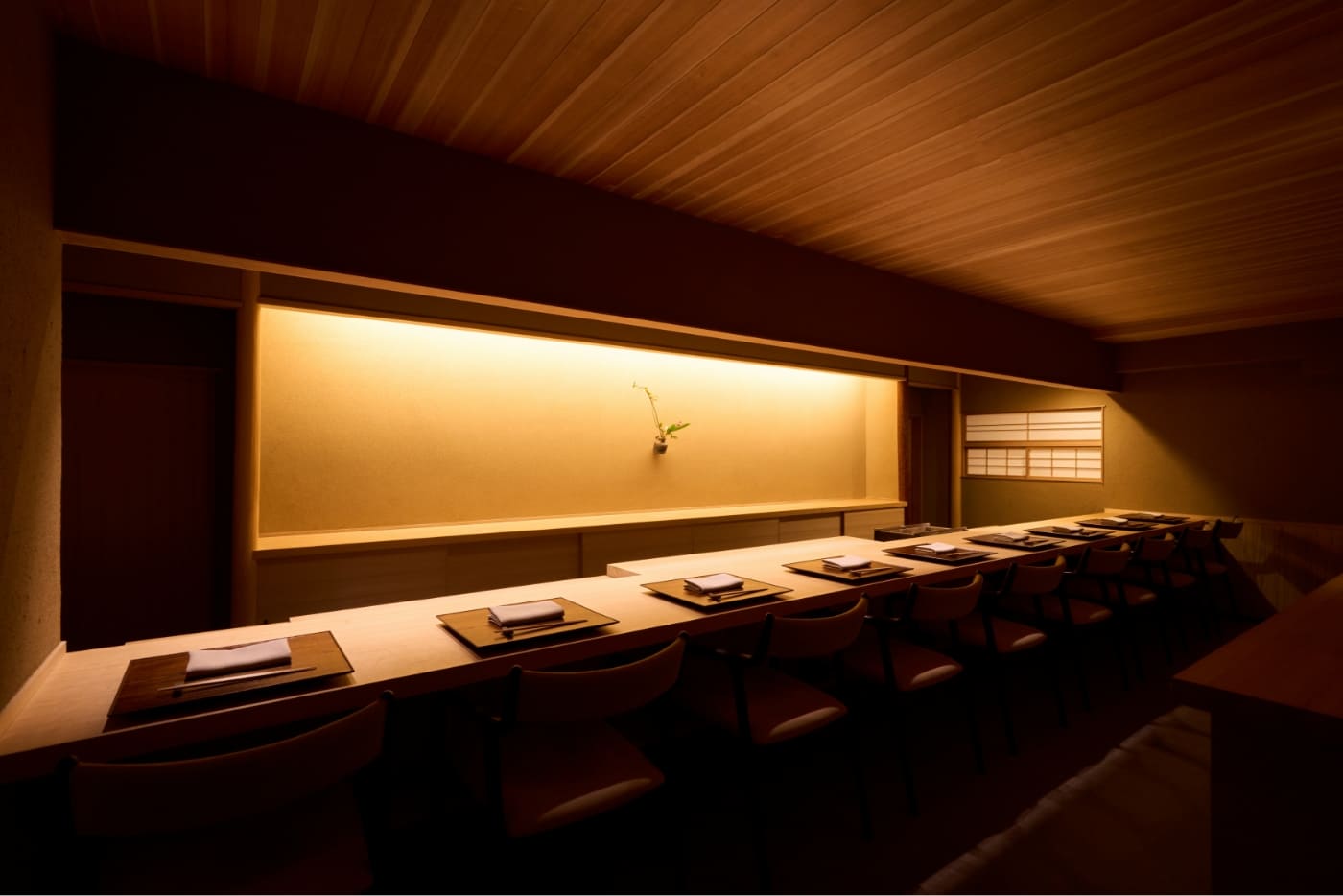
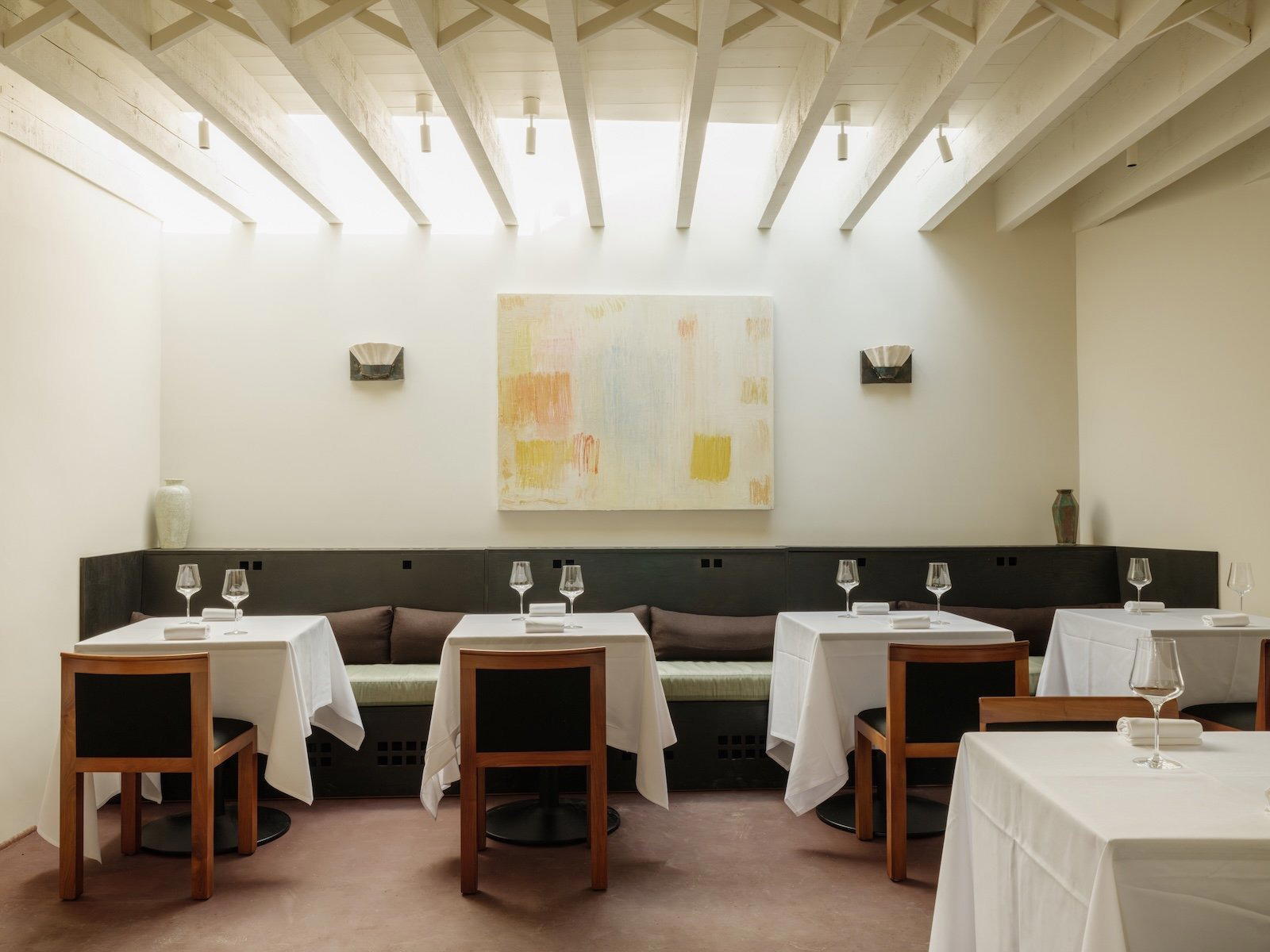
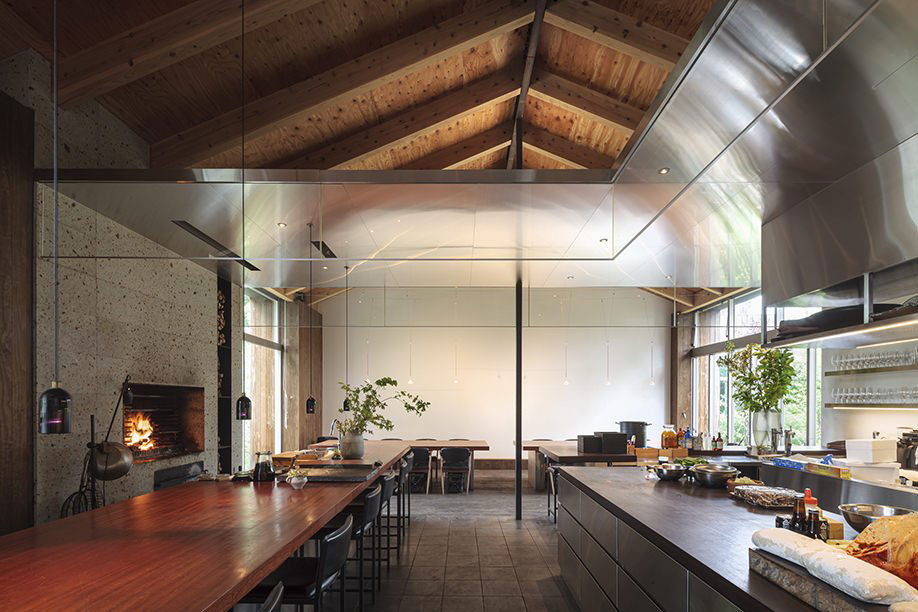
Maruta feels like a measured, craft-focused destination removed from central Tokyo’s gloss. Set in Chofu beside Jindaiji Garden, the restaurant’s character is shaped by its green, residential surroundings rather than flashy urban theatre. The kitchen’s commitment to wood fire and the hearth lends a tangible warmth to both food and room: smoke and char are integral techniques rather than accents. Vegetables play a starring role, treated with the same technical attention usually reserved for high-end proteins, which gives the dining experience a quietly refined, seasonal calm that leans toward sophistication rather than spectacle.
Best For
Maruta suits diners who make a point of travelling for a meal and those looking for a refined, seasonal experience anchored in technique. Its location in western Tokyo makes it a destination restaurant — an opportunity to sample a wood-fire driven menu shaped by immediate proximity to Jindaiji Garden. The kitchen’s plant-forward focus and the seriousness of its firewood cooking position Maruta most naturally for evening service and special-occasion bookings when guests are seeking thoughtful, seasonally driven plates rather than quick or casual dining.
Ordering Tips
Approach Maruta expecting a menu that foregrounds vegetables and wood-fire flavor. The restaurant treats the hearth as a primary instrument, so opt for dishes that showcase char, smoke and caramelization; vegetables move through the grill and acquire concentrated flavor. Ask the staff about what’s in season and how the wood fire is being used that day — the write-up makes seasonality and proximity to the garden central to the menu’s logic. Prioritize items that emphasize the hearth’s effects rather than assuming traditional, protein-first ordering.
Venue details
Ambiance
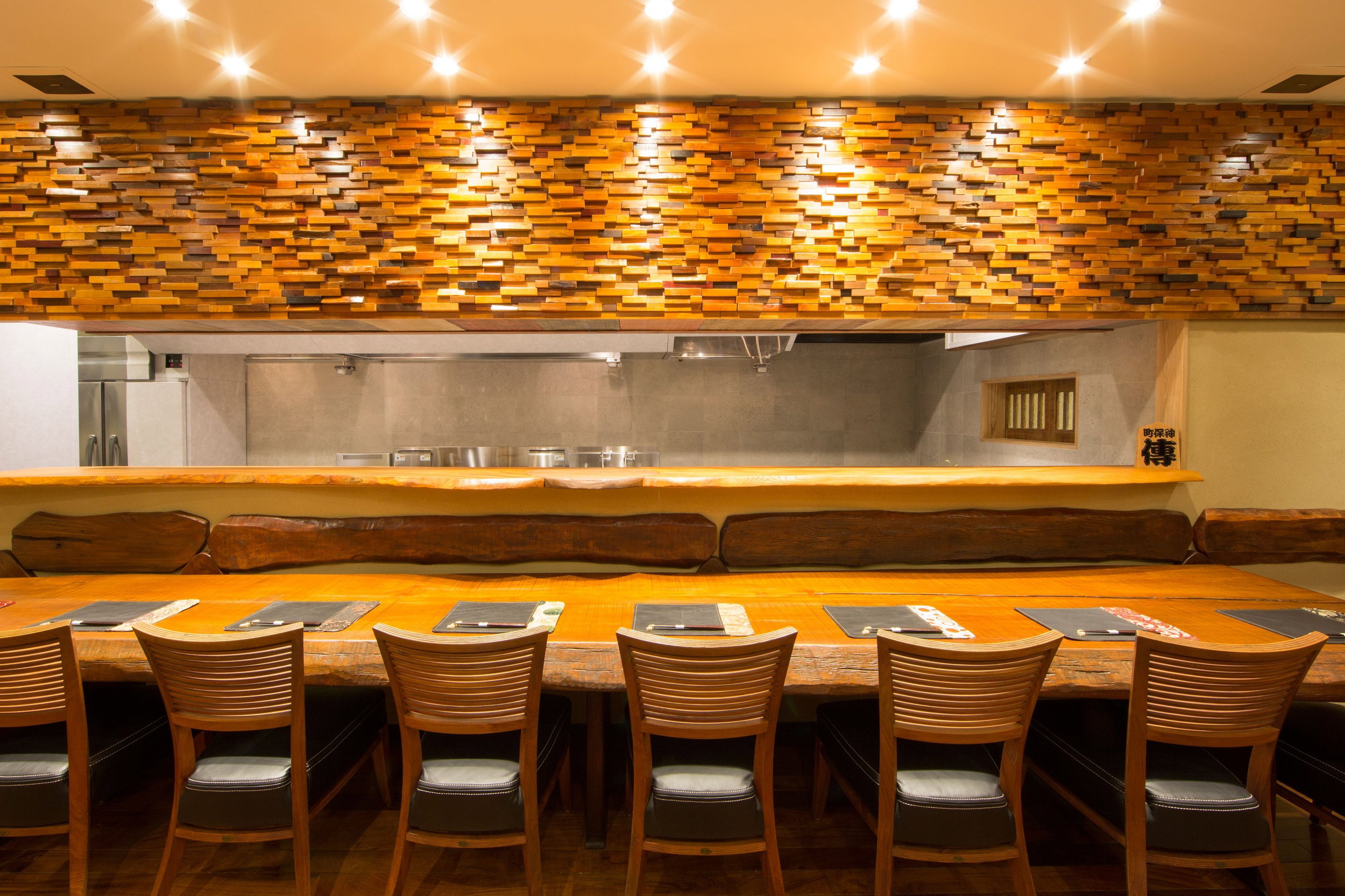
Cozy and warm with wood-fired aroma, open kitchen, surrounded by lush greenery and garden.
Tags
Vibe
Best For
Experience
Sourcing
View
At the Table
- Dress Code
- Casual
- Noise Level
- Conversational
- Service Style
- Upscale Casual
- Meal Pacing
- Leisurely
- Capacity
- Intimate
- Kitchen
- Seasonal
- Wine Program
- Curated
Know before you go
Know Before You Go
- Getting there
- 1 Chome-20-1 Jindaiji Kitamachi, Chofu, Tokyo 182-0011, Japan
Planning details
Location
1 Chome-20-1 Jindaiji Kitamachi, Chofu, Tokyo 182-0011, Japan · Directions
Recognition and awards

Also consider
Also Consider
- Harutaka, Sushi, ¥¥¥¥
- L'Effervescence, French, ¥¥¥¥
- RyuGin, Kaiseki, Japanese, ¥¥¥¥
- HOMMAGE, Innovtive French, French, ¥¥¥¥
- Crony, Innovative, French, ¥¥¥¥
Restaurant context
Maruta sits in a different category from most of Tokyo's top-tier dining options, which makes direct comparisons imprecise but useful for deciding where to spend your budget. RyuGin is the clearest alternative if you want a technically rigorous Japanese tasting menu: it is in Roppongi, easier to reach, and harder to book. Maruta's vegetable-forward firewood format is more casual in register than RyuGin's kaiseki precision, but the garden setting gives it an atmospheric edge for diners who value environment as much as technique. If you can only do one in Tokyo, RyuGin is the safer choice for a first Japan trip; Maruta rewards those who already know the kaiseki format and want something with a different grammar.
For French-influenced seasonal tasting menus, both L'Effervescence and Crony are strong options with central addresses and strong seasonal produce credentials. L'Effervescence is the better pick for a special occasion dinner in the city without the logistical commitment of the Chofu journey. HOMMAGE sits in a similar French-influenced tier and is worth comparing on price and booking ease before you decide. Maruta wins over all of these if the live-fire format and outdoor-adjacent setting are specifically what you are after.
For pure sushi, Harutaka is the benchmark in Tokyo's top tier and a genuinely different experience from Maruta's vegetable-led menu. These two are not competing for the same meal, book Harutaka when sushi is the priority, Maruta when you want fire, fermentation, and seasonal produce. Booking difficulty at Maruta is rated Easy, which gives it a clear practical advantage over most of its peer group. If access is a limiting factor in your planning, that alone puts Maruta ahead of harder-to-secure alternatives.
Explore Tokyo
Around this place
Discover more on Pearl
Unlock the full Maruta guide in Pearl, including awards, comparisons, FAQs, planning details, and nearby places.
Compare Maruta
| Venue | Location | Cuisine | Awards | Price |
|---|---|---|---|---|
| Maruta | Tokyo | , | Star Wine Lists 2026We're Smart World Top Restaurants 2025 | , |
| Harutaka | Tokyo | Sushi | 2026 Tabelog Silver · #312026 OAD Top Restaurants in Japan Ranked · #1282026 Michelin 3 Stars2026 La Liste Top RestaurantsTabelog 100 - Sushi - TOKYO - 2025 · #372025 Asia's 50 Best Restaurants · #762025 OAD Top Restaurants in Japan Ranked · #1172025 La Liste Top Restaurants2025 Tabelog Bronze | ¥¥¥¥ |
| L'Effervescence | Tokyo | French | 2026 Tabelog Silver · #682026 OAD Top Restaurants in Japan Ranked · #103Star Wine Lists 20262026 Black Pearl 2 Diamond2026 Relais Chateaux Restaurants2026 La Liste Top Restaurants2026 Michelin 3 Stars2025 Asia's 50 Best Restaurants · #692025 OAD Top Restaurants in Japan Ranked · #92 | ¥¥¥¥ |
| RyuGin | Tokyo | Kaiseki, Japanese | 2026 OAD Top Restaurants in Japan Ranked · #802026 Tabelog Bronze · #3772026 Michelin 3 Stars2026 La Liste Top RestaurantsTabelog 100 - Japanese cuisine - TOKYO - 2025 · #212025 OAD Top Restaurants in Japan Ranked · #542025 Michelin 3 Stars2025 La Liste Top Restaurants2025 The Best Chef Three Knives | ¥¥¥¥ |
| HOMMAGE | Tokyo | Innovtive French, French | 2026 Tabelog Bronze · #1232026 OAD Top Restaurants in Japan Highly Recommended2026 Michelin 2 StarsTabelog 100 - French - TOKYO - 2025 · #762025 Asia's 50 Best Restaurants · #782025 OAD Top Restaurants in Japan Ranked · #1752025 Michelin 2 Stars2025 The Best Chef One Knife2025 La Liste Top Restaurants | ¥¥¥¥ |
| Crony | Tokyo | Innovative, French | 2026 Asia's 50 Best Restaurants · #34Star Wine Lists 20262026 OAD Top Restaurants in Japan Recommended2026 Michelin 2 Stars2025 Asia's 50 Best Restaurants · #30Tabelog 100 - French - TOKYO - 2025 · #782025 OAD Top Restaurants in Japan Ranked · #227We're Smart World Top Restaurants 20252025 Michelin 2 Stars | ¥¥¥¥ |












How Maruta Tokyo compares with similar nearby venues.
FAQ
Frequently Asked Questions
What should I order at Maruta?
Maruta runs a set menu format driven by firewood cooking, so there is no à la carte selection to navigate. The kitchen leans heavily on vegetables, passing most of them through the Japanese grill, and uses fermentation and concentrating techniques throughout. The house-made kombucha is specifically flagged as worth trying, so do not skip it.
How far ahead should I book Maruta?
Booking difficulty is rated Easy for Maruta, which is unusual for a restaurant at this level of acclaim in Tokyo. That said, easy does not mean same-week availability is guaranteed. Booking two to three weeks out should be sufficient for most dates, with more lead time advisable around peak autumn and spring seasons when the Jindaiji Garden connection makes timing especially relevant.
Is Maruta good for a special occasion?
Yes, with a clear caveat: this works best for occasions where the setting and cooking format are the point, not just the backdrop. The garden environment, firewood-driven menu, and deliberate seasonal focus make it a strong choice for food-focused celebrations. If someone in your group wants a conventional fine-dining room with tableside service and wine list theatre, look elsewhere.
What are alternatives to Maruta in Tokyo?
For high-recognition Tokyo tasting menus in a more central setting, RyuGin and L'Effervescence are the closest comparators in ambition. Crony offers a less formal but similarly produce-driven approach. If the firewood and garden elements are what appeal, no close substitute within Tokyo replicates that specific combination, which is part of the case for making the trip to Chofu.
What should I wear to Maruta?
No dress code is specified in available venue data. Given the garden-adjacent setting in western Tokyo and the restaurant's focus on seasonal, nature-connected cooking rather than formal ceremony, smart casual is a reasonable working assumption. Avoid anything too casual — this is still a destination-level restaurant — but a jacket is unlikely to be required.
What should a first-timer know about Maruta?
Maruta is not in central Tokyo: the Chofu district in western Tokyo requires a deliberate journey, and that is worth building into your plans. The cooking is firewood-centred and vegetable-forward, with fermentation techniques running through the menu, so arrive expecting that format rather than a classic Japanese kaiseki structure. The house-made kombucha is worth your attention.