.png?width=1200&quality=80)
Loiseau de France
French · Shinjuku, Tokyo
Restaurant in Tokyo, Japan
 Book with Pearl
The Read
Provincial Burgundy Precision
Price
¥¥
Dress
Smart Casual
Why go
A Michelin Plate Burgundian French table inside Institut Français de Tokyo, Loiseau de France is the most atmospheric option at the ¥¥ price tier in the city. Classical cooking — red wine eggs, braised beef, trolley desserts — in a courtyard setting that genuinely earns its occasion-dining reputation. Easy to book and significantly better value than its starred competitors.
About Loiseau de France
A 4.2-rated Michelin Plate French table inside Tokyo's Institut Français — easy to book, hard to categorise
Loiseau de France sits inside the Institut Français de Tokyo in Shinjuku's Ichigayafunagawaramachi district, and that setting is the first thing that shapes your decision. This is French cuisine operating inside a cultural institution — a chalk-white building designed to evoke a village in the south of France, with a courtyard that genuinely slows the pace of the city outside. At the ¥¥ price tier, it is among the most accessible Michelin Plate French tables in Tokyo, and that combination of setting, price, and recognition makes it worth serious consideration for the right kind of occasion.
The Space
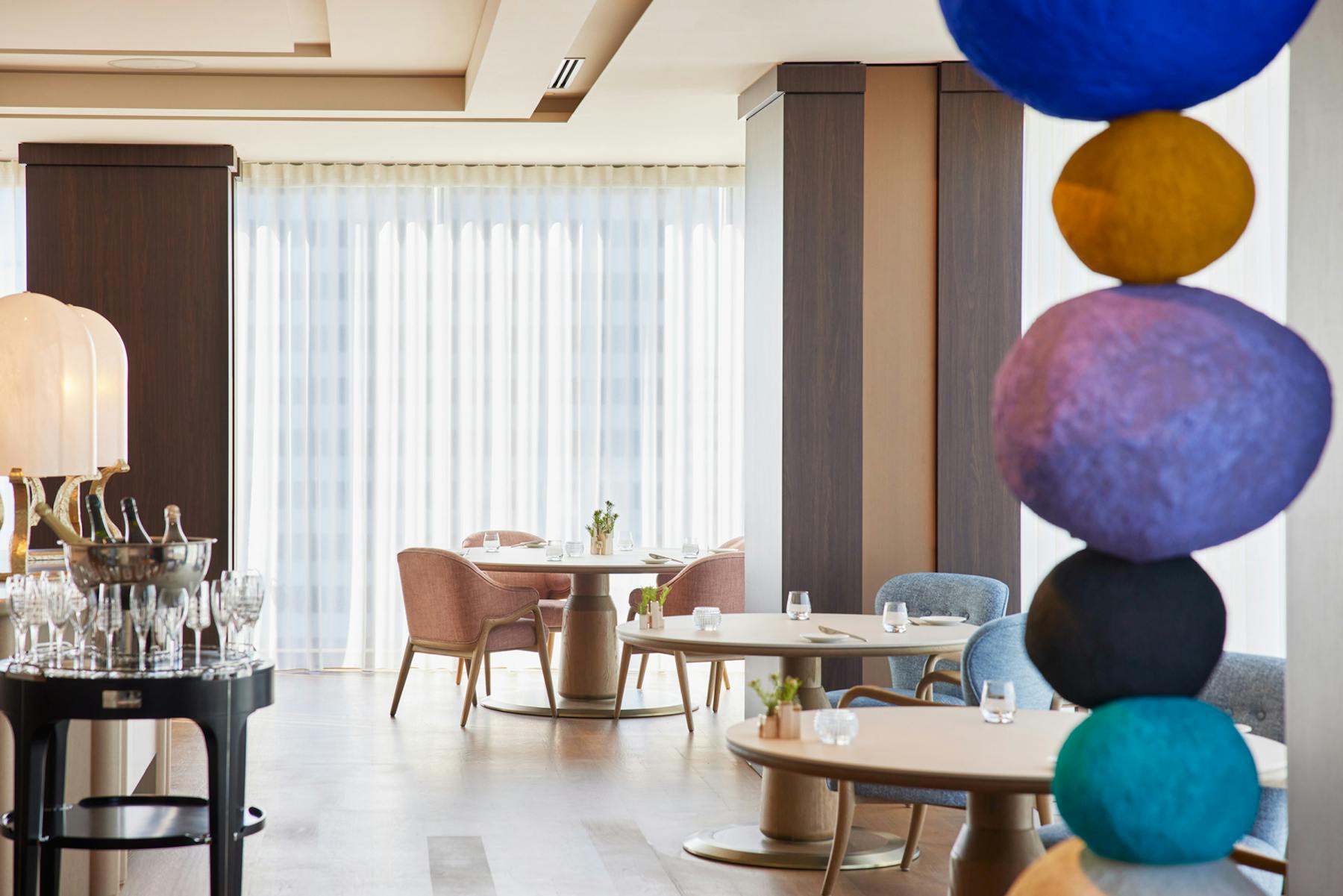
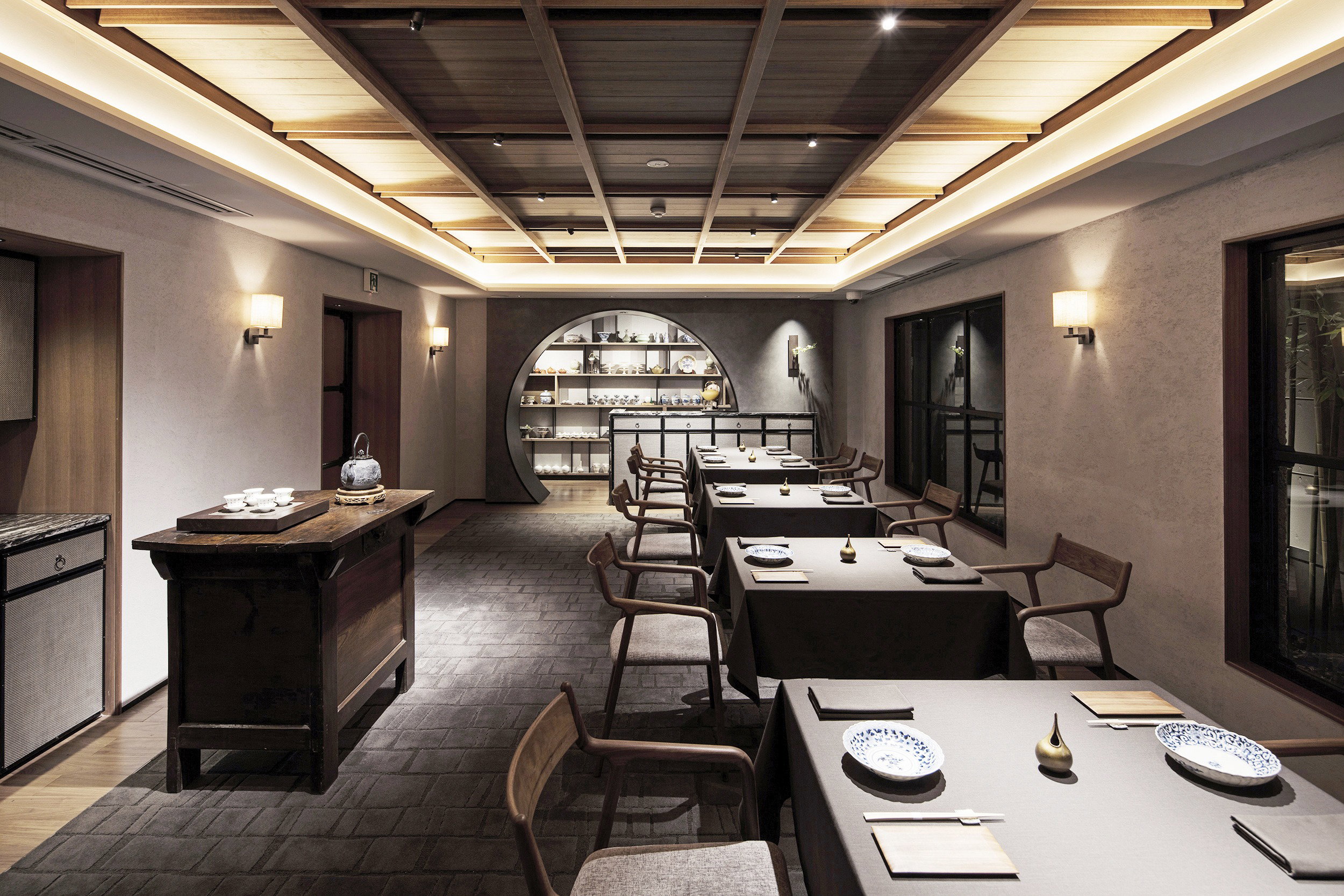
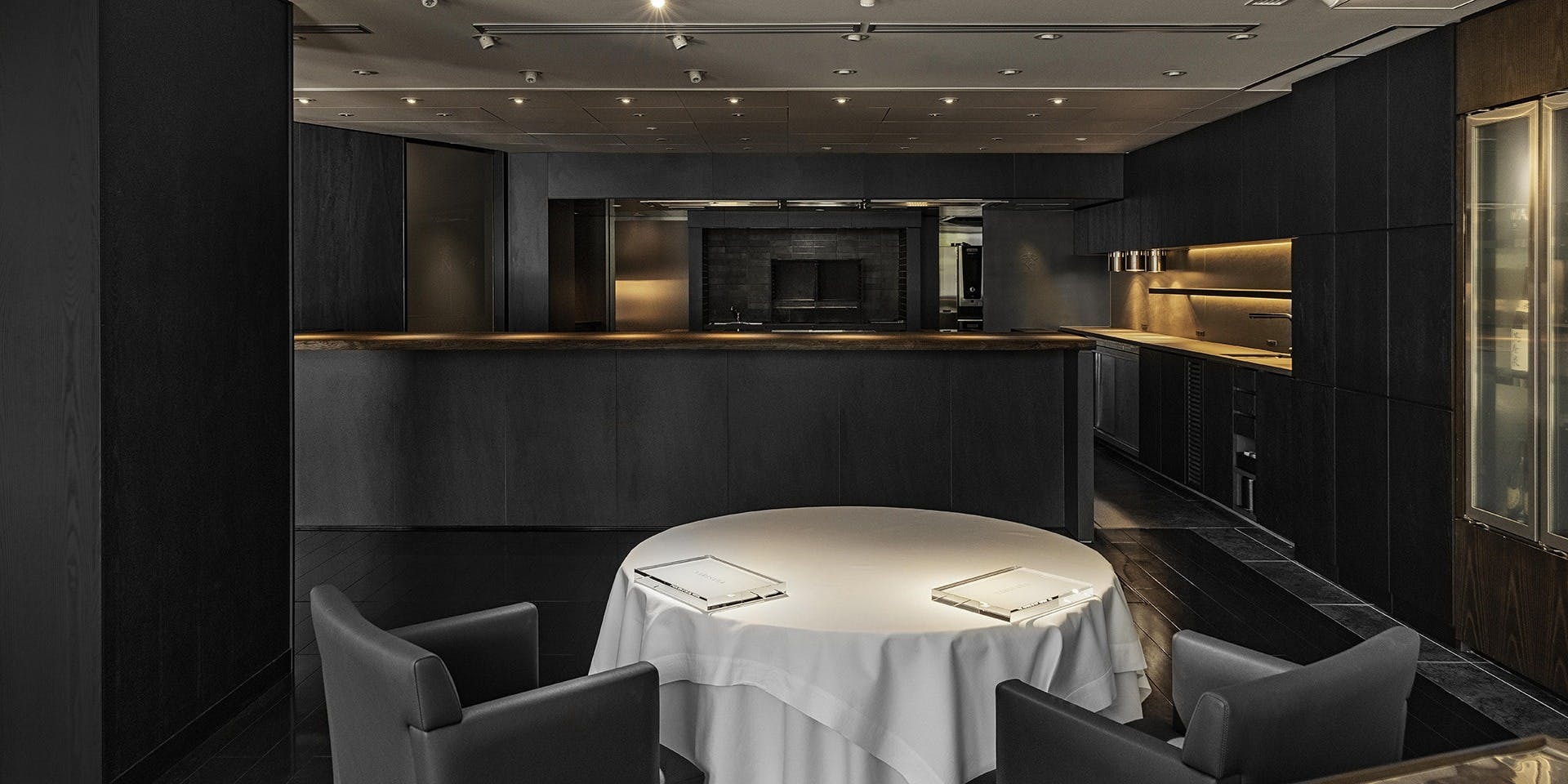
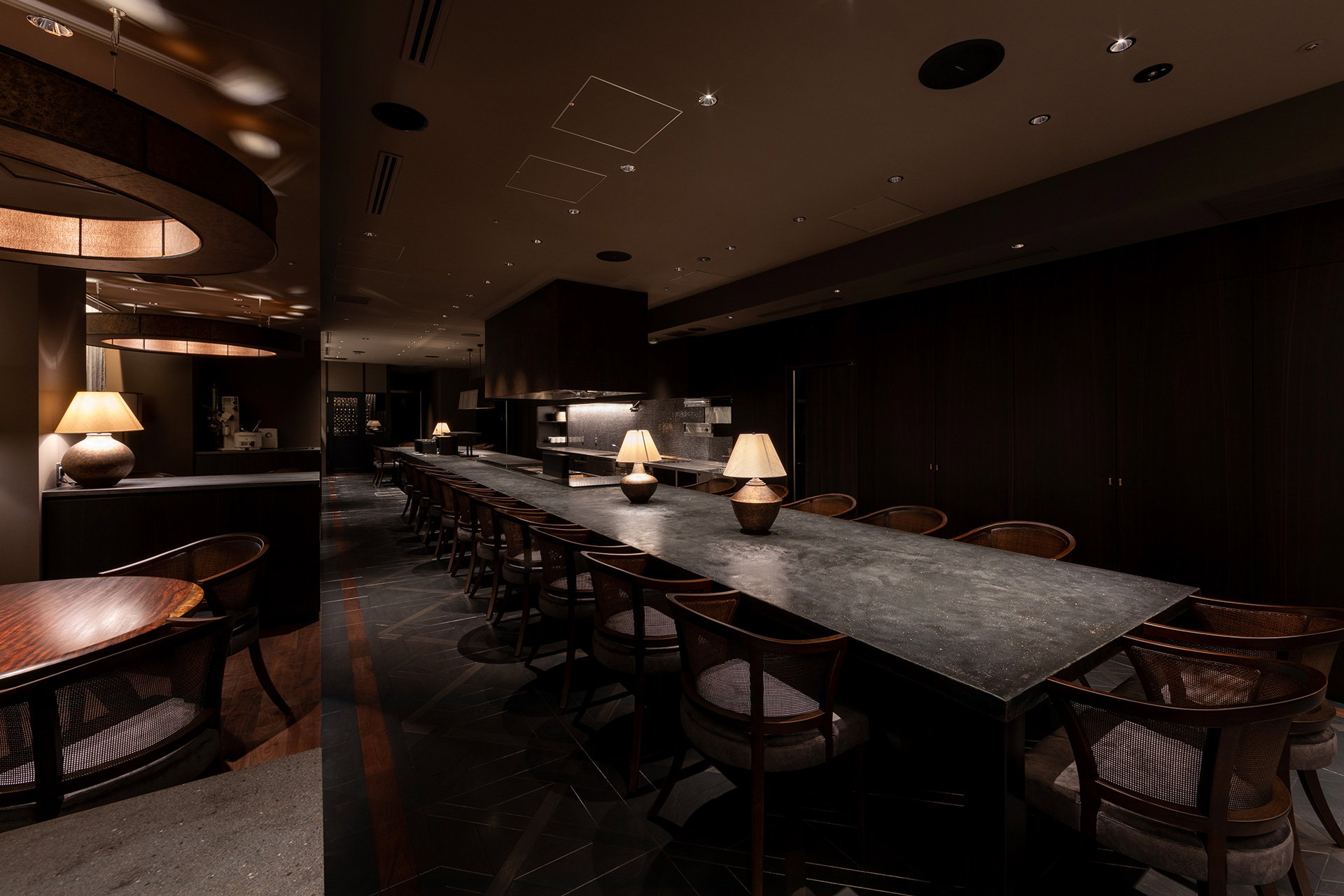
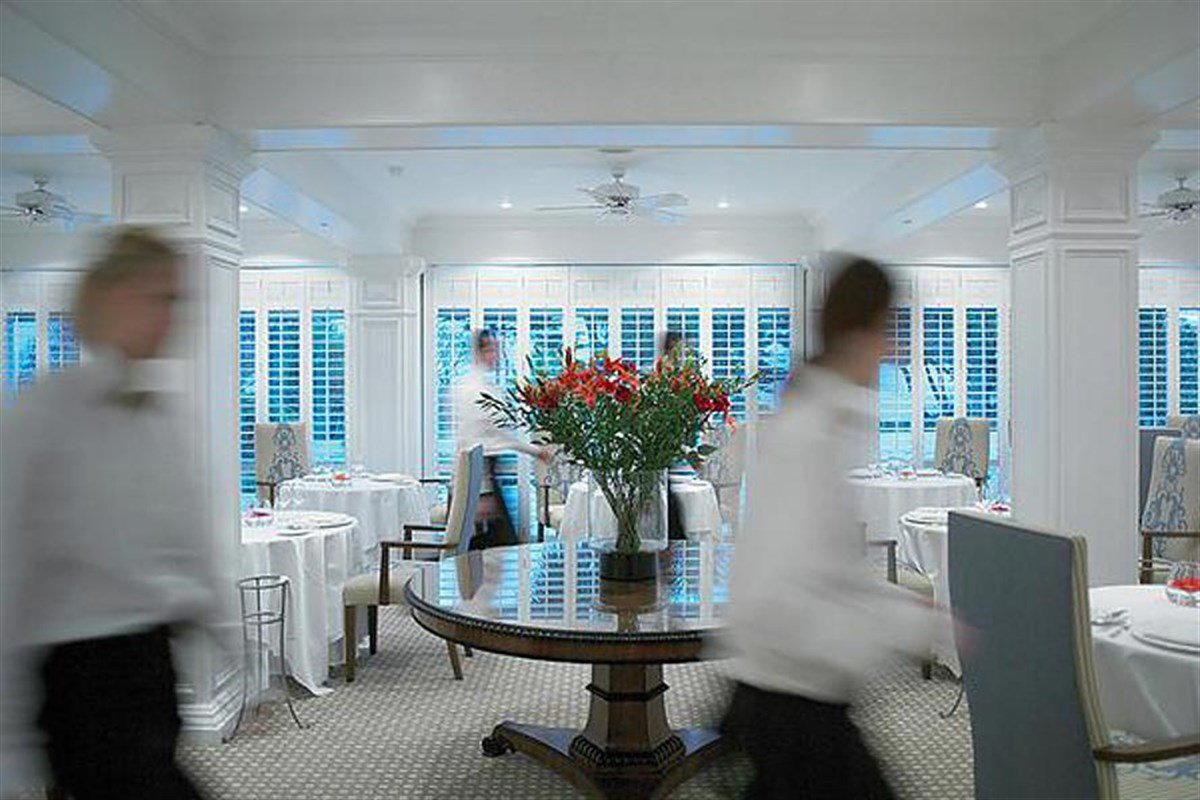
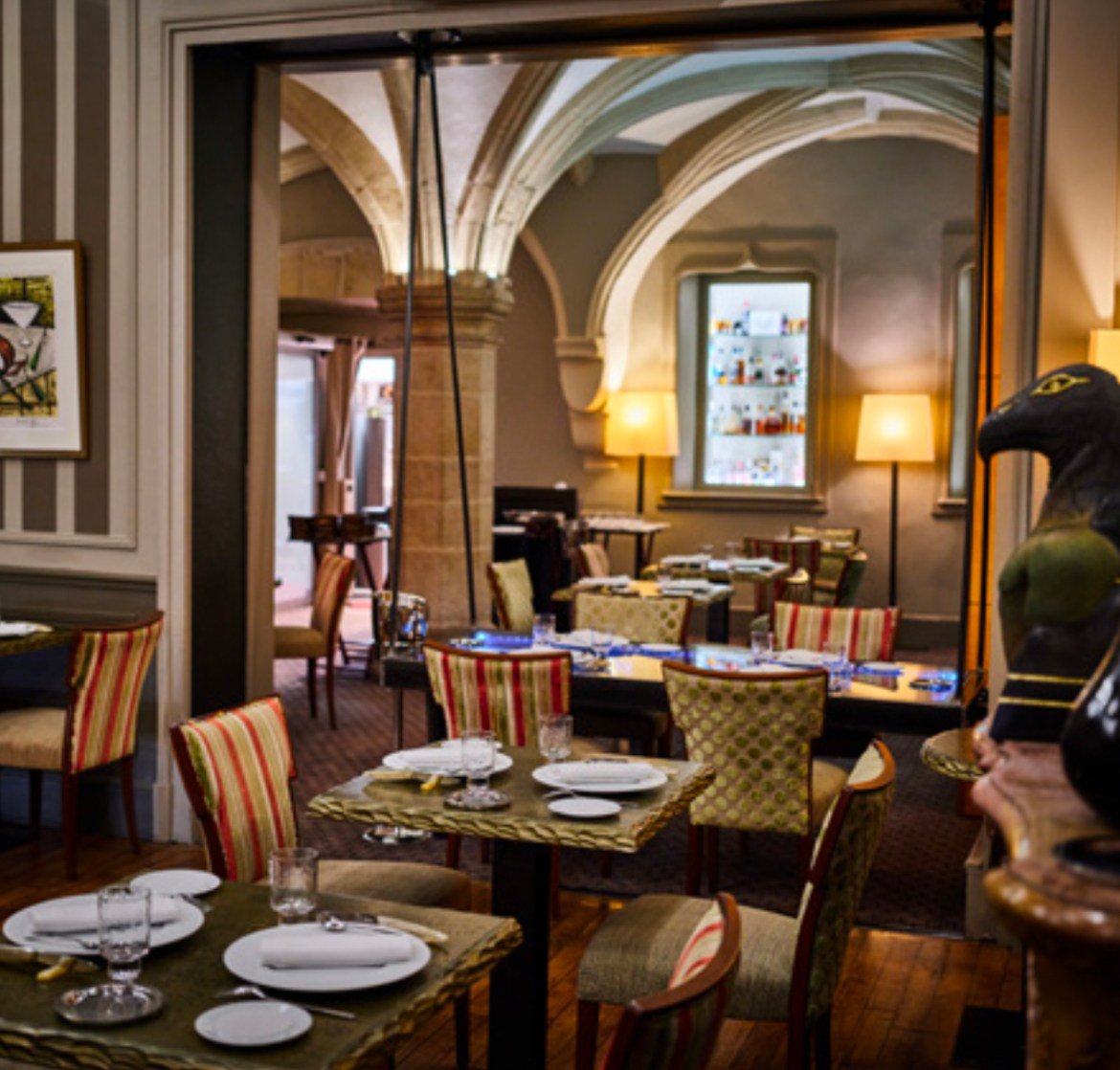
The Institut Français de Tokyo building was designed to suggest a small Provençal village, and the effect is deliberate and consistent. A courtyard anchors the property, and the architecture's chalk-white facades create a sense of remove from Shinjuku's density. For a special occasion, this spatial contrast matters: you are not eating in a generic hotel dining room or a narrow Tokyo townhouse. The room itself communicates a particular kind of European formality without being stiff, closer to a French provincial restaurant than to the capital-C Cuisine of, say, Château Restaurant Joël Robuchon. If the physical setting is part of what you are paying for, and at ¥¥, it very much is, Loiseau de France delivers more atmosphere per yen than most of its price-tier peers.
The Food
The cooking draws its reference point from Saulieu in Burgundy's Côte d'Or, the town historically associated with the Loiseau culinary tradition. Practically, that means poached eggs in red wine sauce, beef simmered in red wine, and a dessert trolley of classic French sweets, the kind of service detail that has largely disappeared from Tokyo's French dining scene. This is not a menu chasing contemporary French trends. If you want technique-forward modern French, L'Effervescence or Florilège are better fits. If you want ESqUISSE-level precision in a contemporary European register, that is a different category entirely. What Loiseau de France offers is classical Burgundian French cooking, executed in a setting that reinforces the tradition rather than subverting it. The Michelin Plate recognition in 2025 confirms the cooking is consistent and competent, not at the starred level, but clearly not dismissible either.
Dessert trolley is worth flagging specifically for anyone planning a celebratory meal. Tableside dessert service has become rare enough in Tokyo that its presence here functions as a genuine differentiator. It slows the meal, extends the occasion, and gives the experience a pacing that works well for birthdays, anniversaries, or any meal where lingering is the point.
Drinks
Drinks program at Loiseau de France is the area where the most uncertainty remains without direct menu data. Given the Burgundian culinary identity, oeufs en meurette, boeuf bourguignon, the classical canon, the logical inference is that the wine list leans French, with Burgundy and Bordeaux as its backbone. For a special occasion table at the ¥¥ price tier, the wine pairing question matters: classical French cuisine at this price point often comes with a wine list that punches above the food bill, so it is worth asking about by-the-glass options versus bottle commitments when you book. If a strong cocktail program is your primary reason for choosing a venue, this is not where to focus, for bar-first French dining in Tokyo, the options at Sézanne and similar addresses offer more documented depth. Loiseau de France's drinks program is almost certainly there to serve the food and the occasion, not to stand alone as a destination in itself. That is consistent with the classical French brasserie model it appears to follow.
Who Should Book
Book here if: you want a special occasion dinner that feels distinctly French rather than Franco-Japanese fusion; you are working with a ¥¥ budget and want the most atmospheric room in that tier; or you want a slower, more ceremonial meal than Tokyo's contemporary French restaurants typically provide. The dessert trolley and courtyard setting make this a genuinely good anniversary or birthday option at a price point that will not require the same financial commitment as a starred table.
Skip it if: you want cutting-edge French technique, a strong standalone cocktail program, or the kind of meal you would cite for its culinary innovation. For those priorities, Florilège or L'Effervescence are stronger choices. If you are travelling wider in Japan, similar classical European ambition can be found at HAJIME in Osaka and akordu in Nara, both with different price profiles and formats.
For context across the region, the classical French dining category is well-represented in Asia, Les Amis in Singapore and Hotel de Ville Crissier in Crissier represent different points on the same spectrum, but Loiseau de France occupies a genuinely distinct position: Burgundian cooking inside a French cultural institution in central Tokyo, at a price that makes the occasion accessible.
Know Before You Go
- Price tier: ¥¥, among the most accessible Michelin Plate French tables in Tokyo
- Recognition: Michelin Plate 2025
- Location: Inside Institut Français de Tokyo, Ichigayafunagawaramachi, Shinjuku City
- Booking difficulty: Easy, no significant waitlist pressure reported
- Leading for: Anniversaries, birthdays, date dinners, cultural occasion meals
- Cuisine style: Classical Burgundian French, oeufs en meurette, boeuf bourguignon, trolley desserts
- Dress code: Not confirmed, smart casual is a safe assumption for a Michelin Plate French table
- Hours/booking: Not confirmed in available data, check directly with the venue
See our full Tokyo restaurants guide for the broader picture, or explore Tokyo bars, Tokyo hotels, Tokyo wineries, and Tokyo experiences to build the rest of your trip. Beyond Tokyo, Gion Sasaki in Kyoto, Goh in Fukuoka, 1000 in Yokohama, and 6 in Okinawa offer further reference points across Japan's dining spectrum.
Planning details
- Location
- Japan, 〒162-0826 Tokyo, Shinjuku City, Ichigayafunagawaramachi, 15 ロワゾー・ドゥ・フランス
- Website
- ldf-tokyo.jp/?men=1
- Phone
- +81 50-1721-3724
The take
The Take
The Vibe
Loiseau de France presents itself as a small corner of Burgundy in Ichigaya, staying faithful to provincial French traditions rather than chasing contemporary Tokyo trends. The chalk-white building, arranged to suggest a village and wrapping a quiet courtyard, creates a calming prelude to the meal: the architecture intentionally slows the visitor down. Inside, the tone is provincial and unpretentious, where Burgundian classics shape the menu and the room feels like an auberge relocated to Tokyo. It’s quietly considered rather than theatrical—an understated, classic experience that privileges comfort, regional technique and a sense of place.
Best For
This is an ideal dinner destination for people looking for earnest, regional French cooking in a calm setting. The atmosphere suits intimate date nights and low-key special occasions where the food and setting are in close agreement: think relaxed conversations over traditional Burgundian plates rather than spectacle. Travelers or locals who appreciate provenance and classical technique—rather than trend-driven tasting menus—will find the mid-range pricing and provincial focus useful. The courtyard-wrapped building keeps the room hushed, making it a good option when you want food-forward, quietly elegant dining.
Ordering Tips
Lean into the house’s Burgundian repertoire: the menu’s signature items—poached eggs in red wine sauce, beef bourguignon and fish quenelle with Nantua sauce—define the kitchen’s priorities. Expect faithful, regional preparations rather than experimental reinterpretations; choose one of the hearty, slow-cooked mains if you want a canonical taste of Burgundy, or the quenelle for a classic, lighter alternative. Given the restaurant’s devotion to provincial cooking and modest price positioning, order dishes that speak to traditional techniques and sauces to get the clearest sense of what the kitchen does best.
Venue details
Ambiance
Elegant bistro decor with fine materials, oak wine cellar, Belle Époque influences, and views of a beautiful French garden courtyard.
Tags
Vibe
Best For
Experience
View
Accessibility
At the Table
- Dress Code
- Smart Casual
- Noise Level
- Quiet
- Service Style
- Upscale Casual
- Meal Pacing
- Standard
- Capacity
- Medium
Signature Dishes
- poached eggs in red wine sauce
- beef bourguignon
- fish quenelle with Nantua sauce
Know before you go
Know Before You Go
- Getting there
- Japan, 〒162-0826 Tokyo, Shinjuku City, Ichigayafunagawaramachi, 15 ロワゾー・ドゥ・フランス
Planning details
Location
Japan, 〒162-0826 Tokyo, Shinjuku City, Ichigayafunagawaramachi, 15 ロワゾー・ドゥ・フランス · Directions
Recognition and awards
Also consider
Also Consider
- Harutaka, Sushi, ¥¥¥¥
- L'Effervescence, French, ¥¥¥¥
- RyuGin, Kaiseki, Japanese, ¥¥¥¥
- HOMMAGE, Innovtive French, French, ¥¥¥¥
- Crony, Innovative, French, ¥¥¥¥
Restaurant context
Loiseau de France sits at ¥¥, which immediately sets it apart from every meaningful comparison venue in Tokyo's French category. L'Effervescence (¥¥¥¥) and HOMMAGE (¥¥¥¥) both operate at double or more the price point with starred-level ambition and contemporary technique. If your priority is the most refined, technically demanding French cooking in Tokyo, those are the correct choices and Loiseau de France does not compete with them directly. But if your priority is atmosphere, a distinct sense of place, and classical French cooking at a price that keeps the bill manageable, Loiseau de France delivers things neither of those venues can, specifically, the Institut Français courtyard setting and the Burgundian classical tradition.
Crony (¥¥¥¥) occupies a different register entirely, innovative, contemporary, and priced accordingly. For a guest choosing between Crony and Loiseau de France, the question is format and expectation: Crony for a forward-looking creative meal, Loiseau de France for a slower, more ceremonial occasion that references French culinary history rather than subverting it. Against RyuGin (¥¥¥¥, Kaiseki), comparison is less relevant, they serve different cuisines and different rituals, though both make a credible case for special-occasion dining in Tokyo.
The practical decision is cleaner than it looks: Loiseau de France is the right choice if budget matters, if the setting is part of what you are celebrating, or if classical French cooking is specifically what you want. It is the wrong choice if you need starred-level technique, a serious cocktail program, or the kind of contemporary innovation that HOMMAGE and Crony offer at their price points. On booking difficulty, Loiseau de France is the easiest table in this comparison set, no significant waitlist pressure, versus the planning required for the ¥¥¥¥ competition.
Explore Tokyo
Around this place
Discover more on Pearl
Unlock the full Loiseau de France guide in Pearl, including awards, comparisons, FAQs, planning details, and nearby places.
Compare Loiseau de France
| Venue | Price | Awards |
|---|---|---|
| Loiseau de France | ¥¥ | 2026 Bib Gourmand2025 Michelin Plate |
| Harutaka | ¥¥¥¥ | 2026 Tabelog Silver · #312026 OAD Top Restaurants in Japan Ranked · #1282026 Michelin 3 Stars2026 La Liste Top RestaurantsTabelog 100 - Sushi - TOKYO - 2025 · #372025 Asia's 50 Best Restaurants · #762025 OAD Top Restaurants in Japan Ranked · #1172025 La Liste Top Restaurants2025 Tabelog Bronze |
| L'Effervescence | ¥¥¥¥ | 2026 Tabelog Silver · #682026 OAD Top Restaurants in Japan Ranked · #103Star Wine Lists 20262026 Black Pearl 2 Diamond2026 Relais Chateaux Restaurants2026 La Liste Top Restaurants2026 Michelin 3 Stars2025 Asia's 50 Best Restaurants · #692025 OAD Top Restaurants in Japan Ranked · #92 |
| RyuGin | ¥¥¥¥ | 2026 OAD Top Restaurants in Japan Ranked · #802026 Tabelog Bronze · #3772026 Michelin 3 Stars2026 La Liste Top RestaurantsTabelog 100 - Japanese cuisine - TOKYO - 2025 · #212025 OAD Top Restaurants in Japan Ranked · #542025 Michelin 3 Stars2025 La Liste Top Restaurants2025 The Best Chef Three Knives |
| HOMMAGE | ¥¥¥¥ | 2026 Tabelog Bronze · #1232026 OAD Top Restaurants in Japan Highly Recommended2026 Michelin 2 StarsTabelog 100 - French - TOKYO - 2025 · #762025 Asia's 50 Best Restaurants · #782025 OAD Top Restaurants in Japan Ranked · #1752025 Michelin 2 Stars2025 The Best Chef One Knife2025 La Liste Top Restaurants |
| Crony | ¥¥¥¥ | 2026 Asia's 50 Best Restaurants · #34Star Wine Lists 20262026 OAD Top Restaurants in Japan Recommended2026 Michelin 2 Stars2025 Asia's 50 Best Restaurants · #30Tabelog 100 - French - TOKYO - 2025 · #782025 OAD Top Restaurants in Japan Ranked · #227We're Smart World Top Restaurants 20252025 Michelin 2 Stars |
.png?width=1200&quality=80)














How Loiseau de France stacks up against the competition.
FAQ
Frequently Asked Questions
What should I order at Loiseau de France?
Anchor your meal around the two signature Burgundian preparations: poached eggs in red wine sauce and beef simmered in red wine. Both reference the Saulieu tradition the restaurant is built on. For dessert, the trolley service is a set-piece worth staying for rather than skipping.
Does Loiseau de France handle dietary restrictions?
The menu is rooted in classical Burgundian cooking — butter, red wine, and beef feature prominently — so the format is not naturally flexible for vegetarians or those avoiding alcohol. Call or email ahead rather than assuming substitutions are available; the kitchen's orientation is traditional, not adaptive. Specific dietary data is not confirmed, so raise requirements at the time of booking.
Is the tasting menu worth it at Loiseau de France?
At a ¥¥ price point, Loiseau de France offers the Michelin Plate credential and a distinctive Burgundian menu format that is rare in Tokyo at this spend level. If you are looking for a structured multi-course French experience, the value case is solid relative to comparable French tables in the city. For a fully immersive tasting menu with more courses and wine pairing depth, L'Effervescence sits above this in ambition and price.
Is Loiseau de France good for a special occasion?
Yes, with caveats. The Institut Français de Tokyo courtyard setting — a chalk-white building designed to suggest a Provençal village — gives the meal a genuinely different atmosphere from standard Tokyo dining rooms, which is useful for occasions that need to feel memorable without relying on scale or spectacle. It works best for two people who want a Francophile evening; it is less suited to larger groups looking for a high-energy celebratory room.
Is Loiseau de France worth the price?
At ¥¥, this is one of the more credible ways to eat classical French cooking in Tokyo without paying fine-dining prices. The Michelin Plate recognition (2025) confirms kitchen competence, and the Institut Français setting adds ambient value that most restaurants at this price level cannot offer. For diners who want French food with a stronger contemporary edge, HOMMAGE or Crony are closer comparisons worth pricing against.