.png?width=1200&quality=80)
LE PRISTINE TOKYO
Contemporary · Minato, Tokyo
Restaurant in Tokyo, Japan
 Book with Pearl
The Read
Zeeland-Italian Fusion Counter
Price
$150–200per person
Dress
Smart Casual
Why go
Le Pristine Tokyo brings Sergio Herman's 'New Italian' concept from Antwerp to the ground floor of Hotel Toranomon Hills, earning a Michelin Plate in 2025 and. At ¥¥¥, it sits below Tokyo's top fine-dining tier but delivers a coherent European concept worth multiple visits. Book easily with a week or two of lead time.
About LE PRISTINE TOKYO
Who Should Book Le Pristine Tokyo
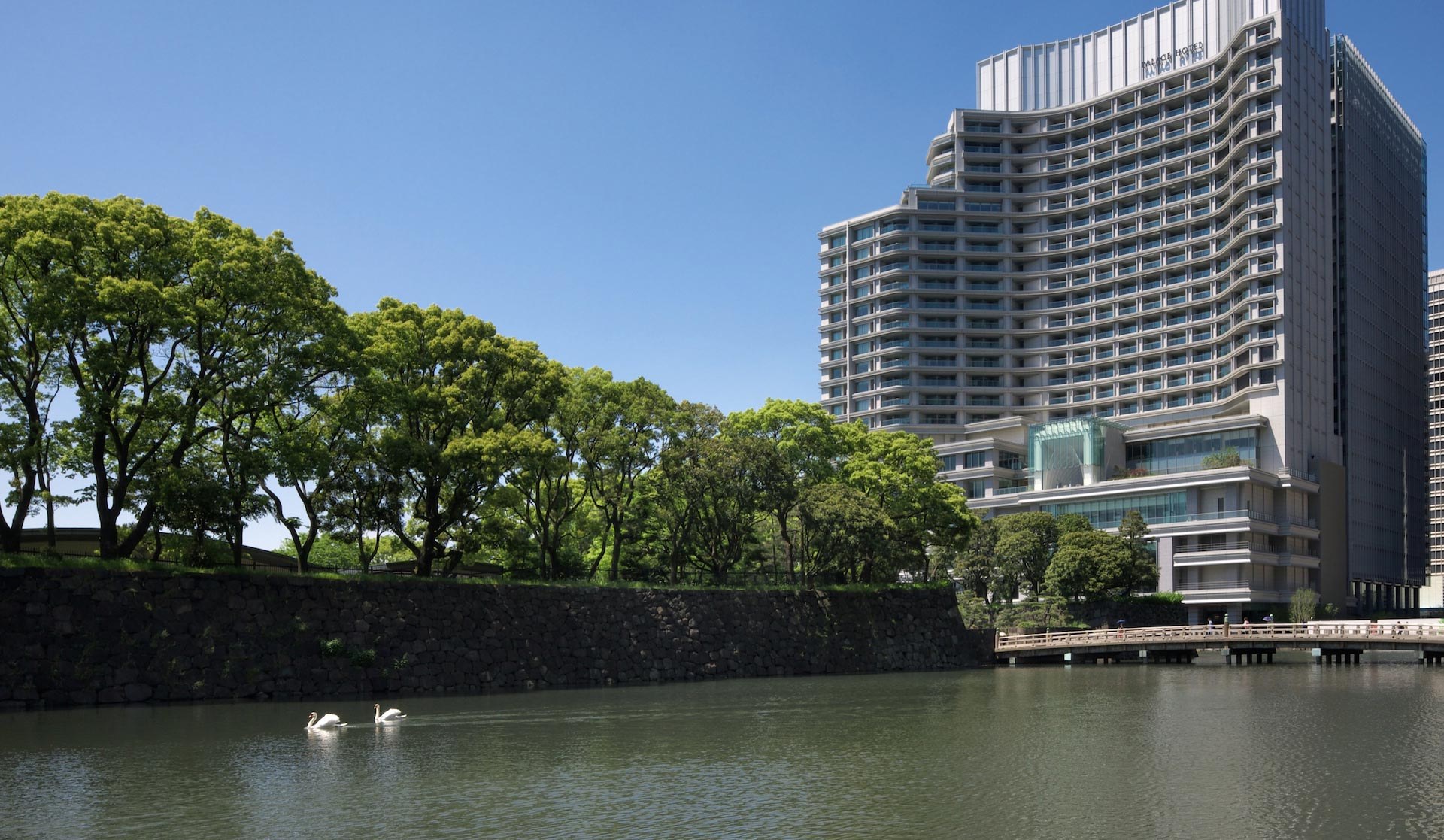
Le Pristine Tokyo is the right call for food and travel enthusiasts who want a genuinely European dining experience inside one of Tokyo's most architecturally considered hotel properties, without committing to the price tier of a full Michelin-starred tasting menu. It sits at ¥¥¥, which places it below the ¥¥¥¥ bracket occupied by Tokyo's kaiseki and French fine-dining establishments, making it a defensible choice for a weeknight dinner with a serious appetite or a long lunch between other commitments. If you are visiting Toranomon Hills Station Tower for the first time, the ground-floor Hotel Toranomon Hills location makes Le Pristine easy to sequence into a broader day in the neighborhood.
The Space
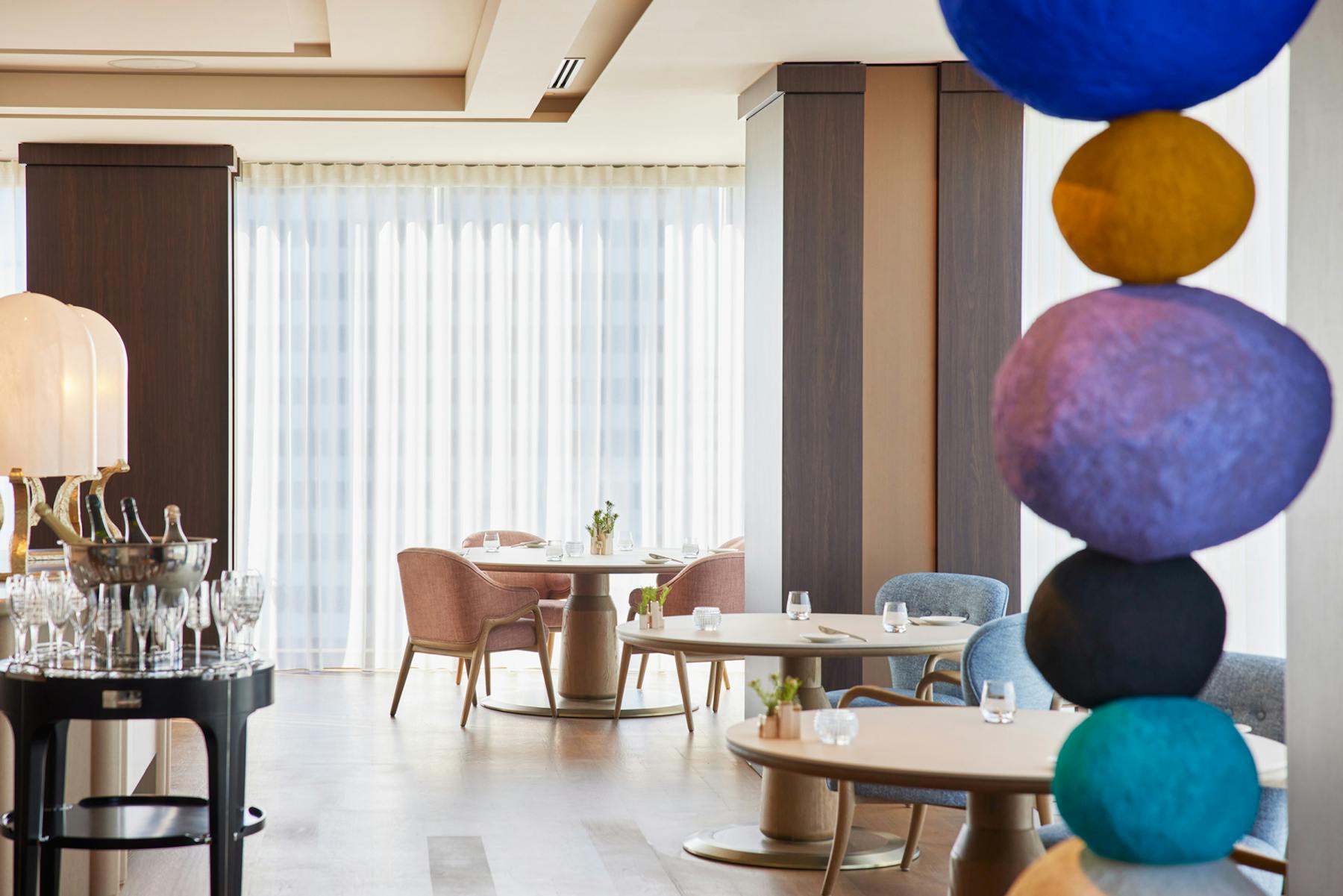
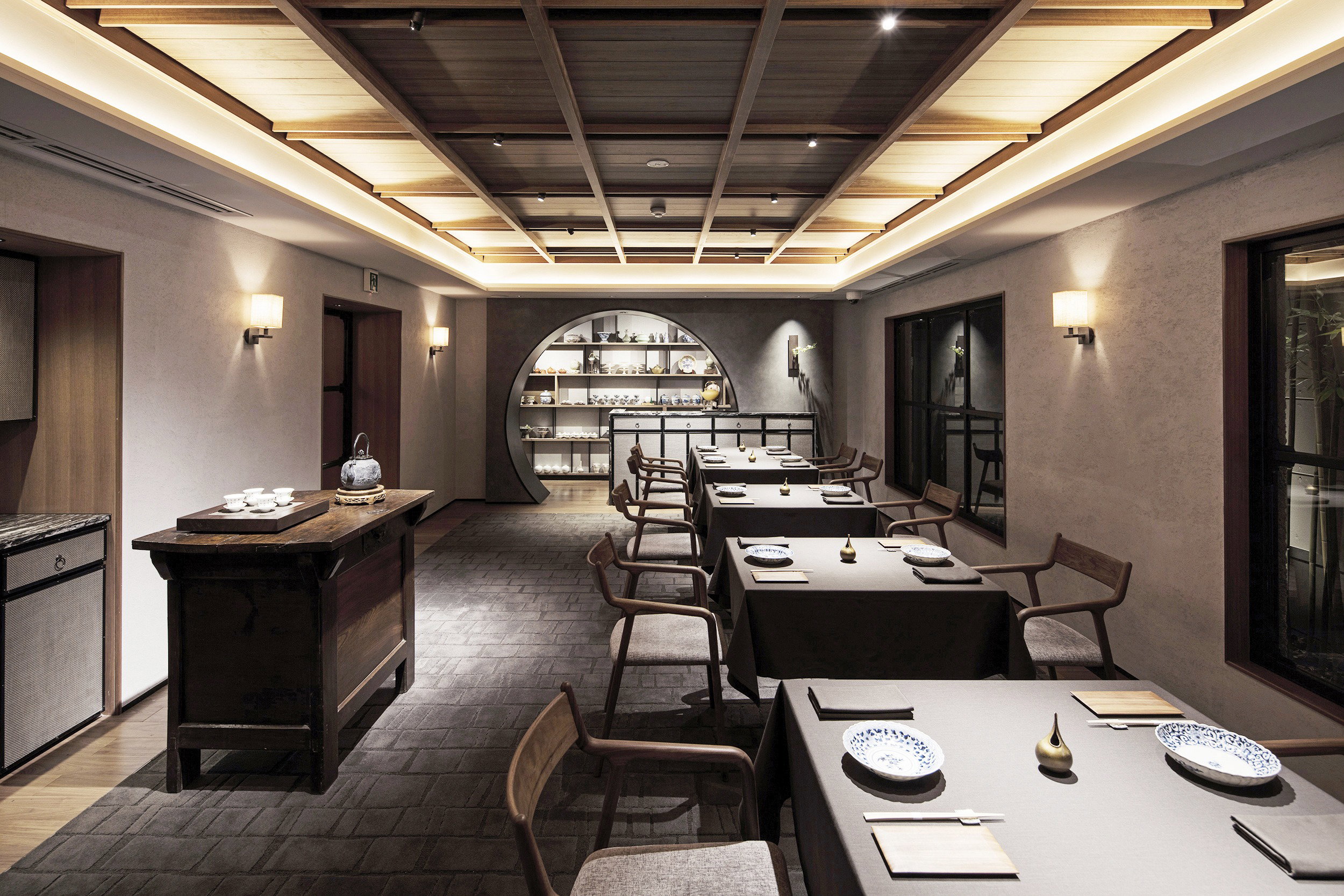
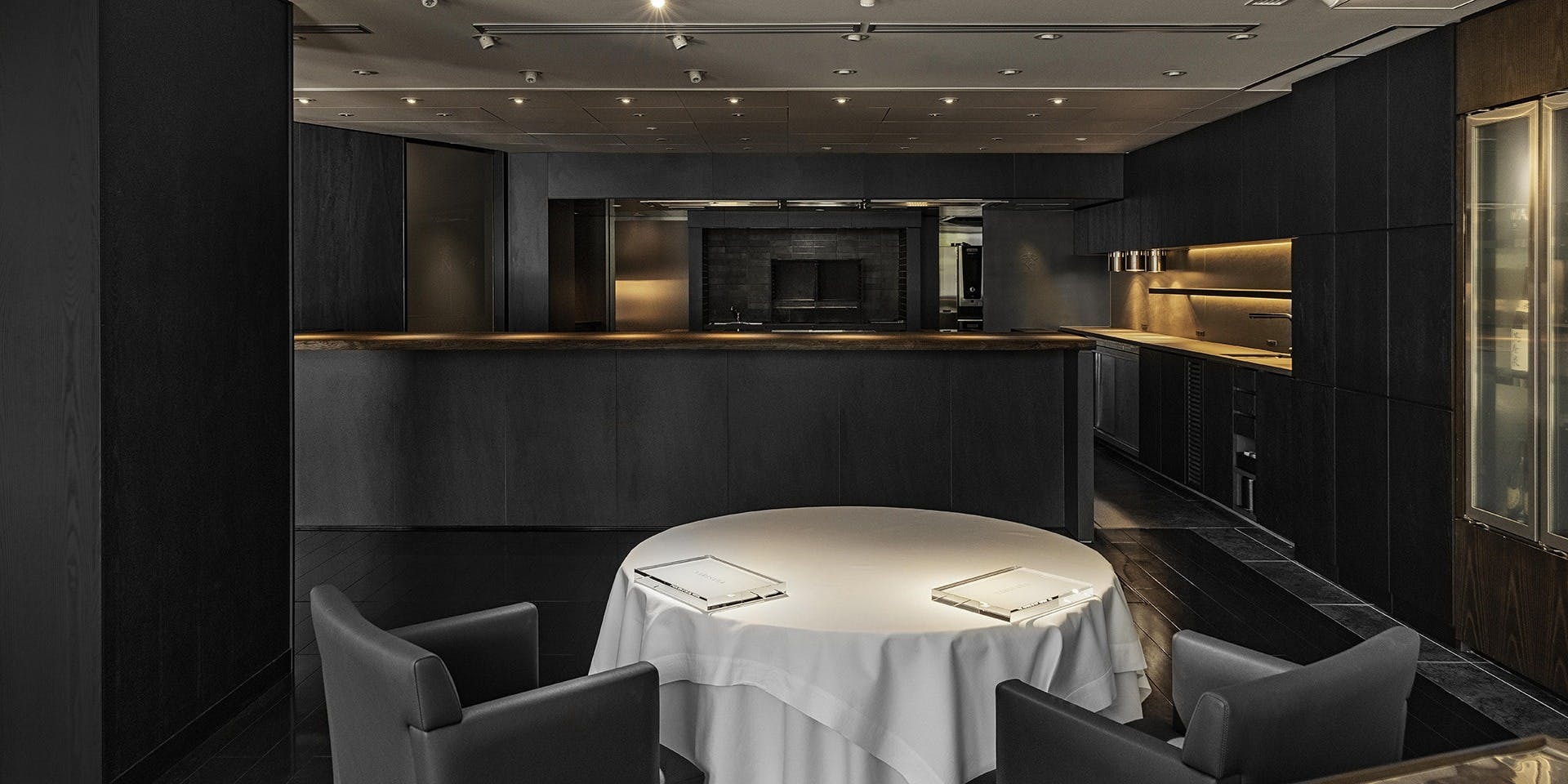
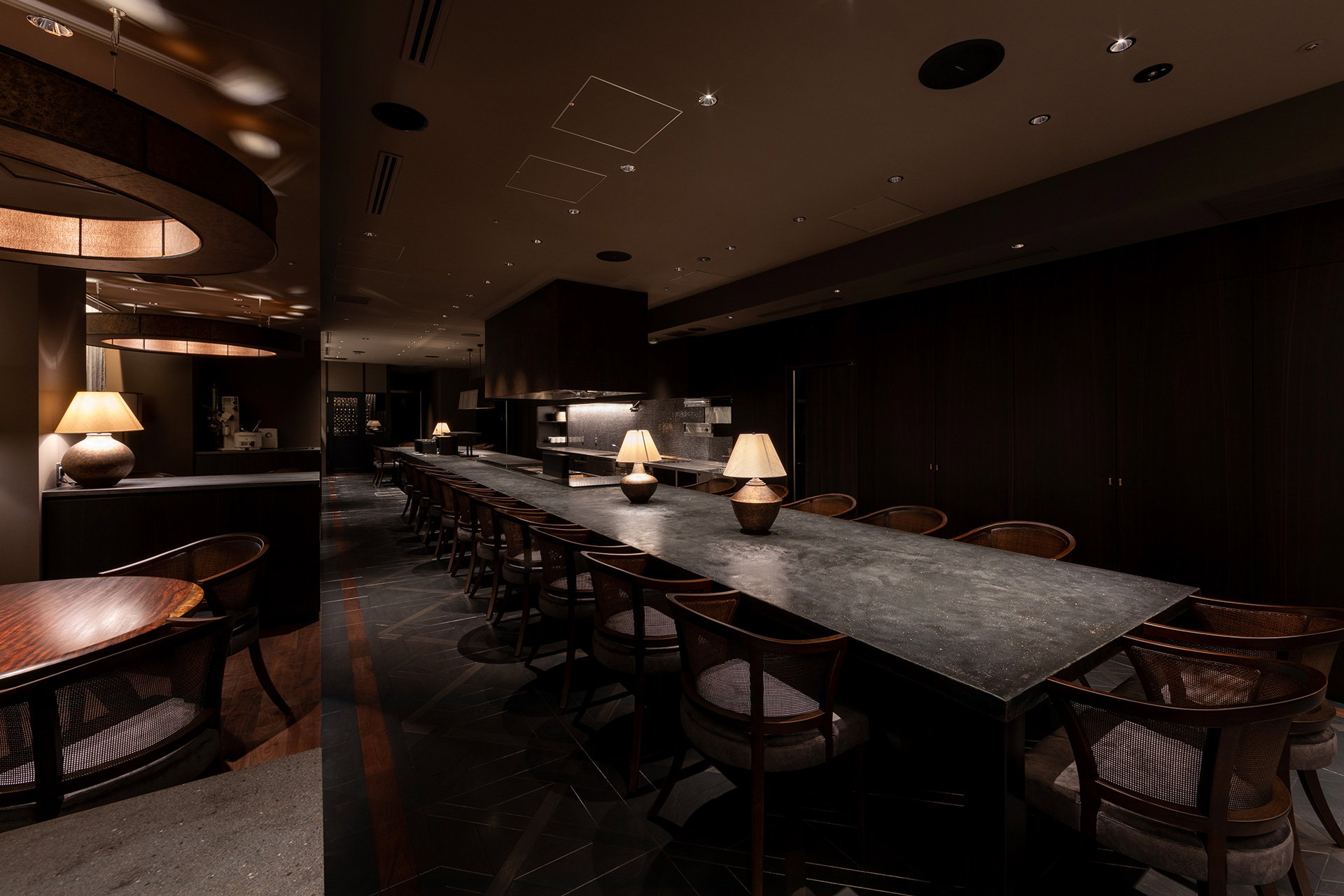
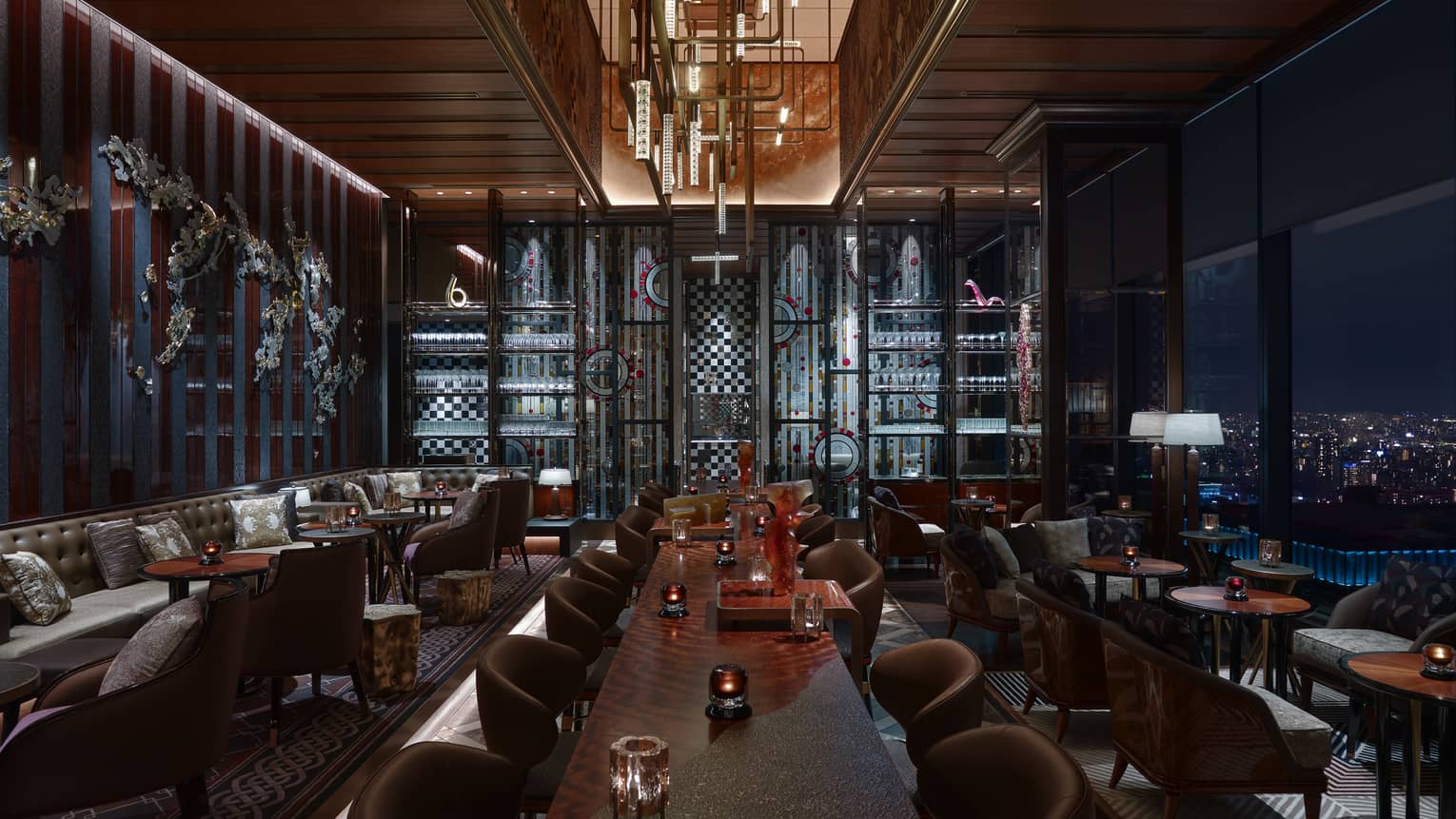
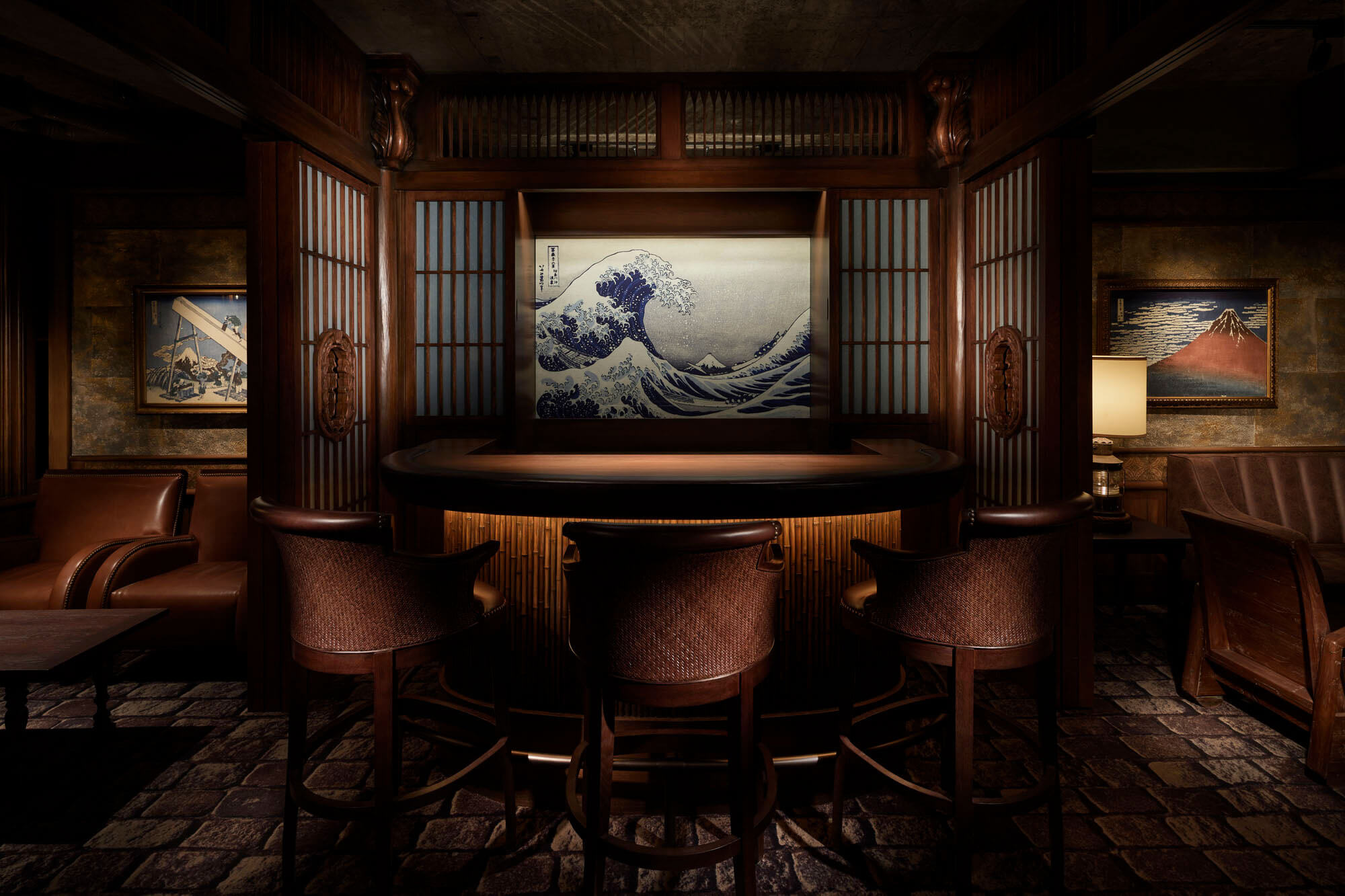
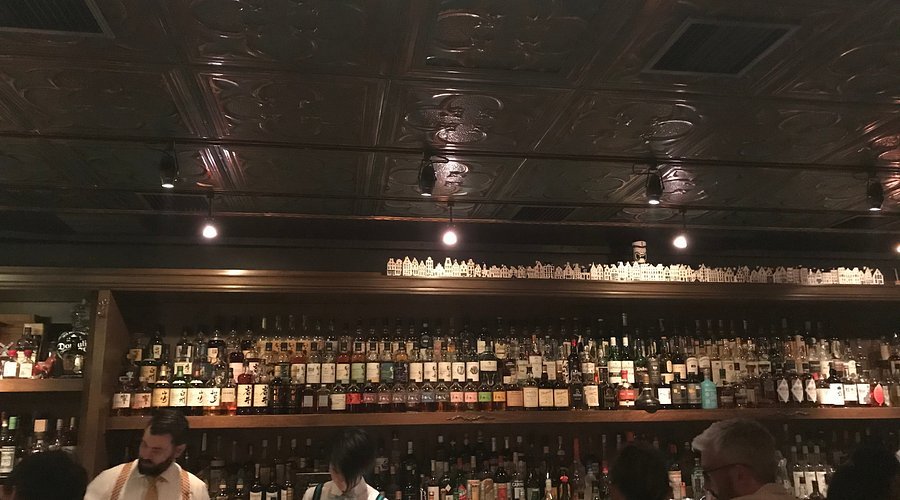
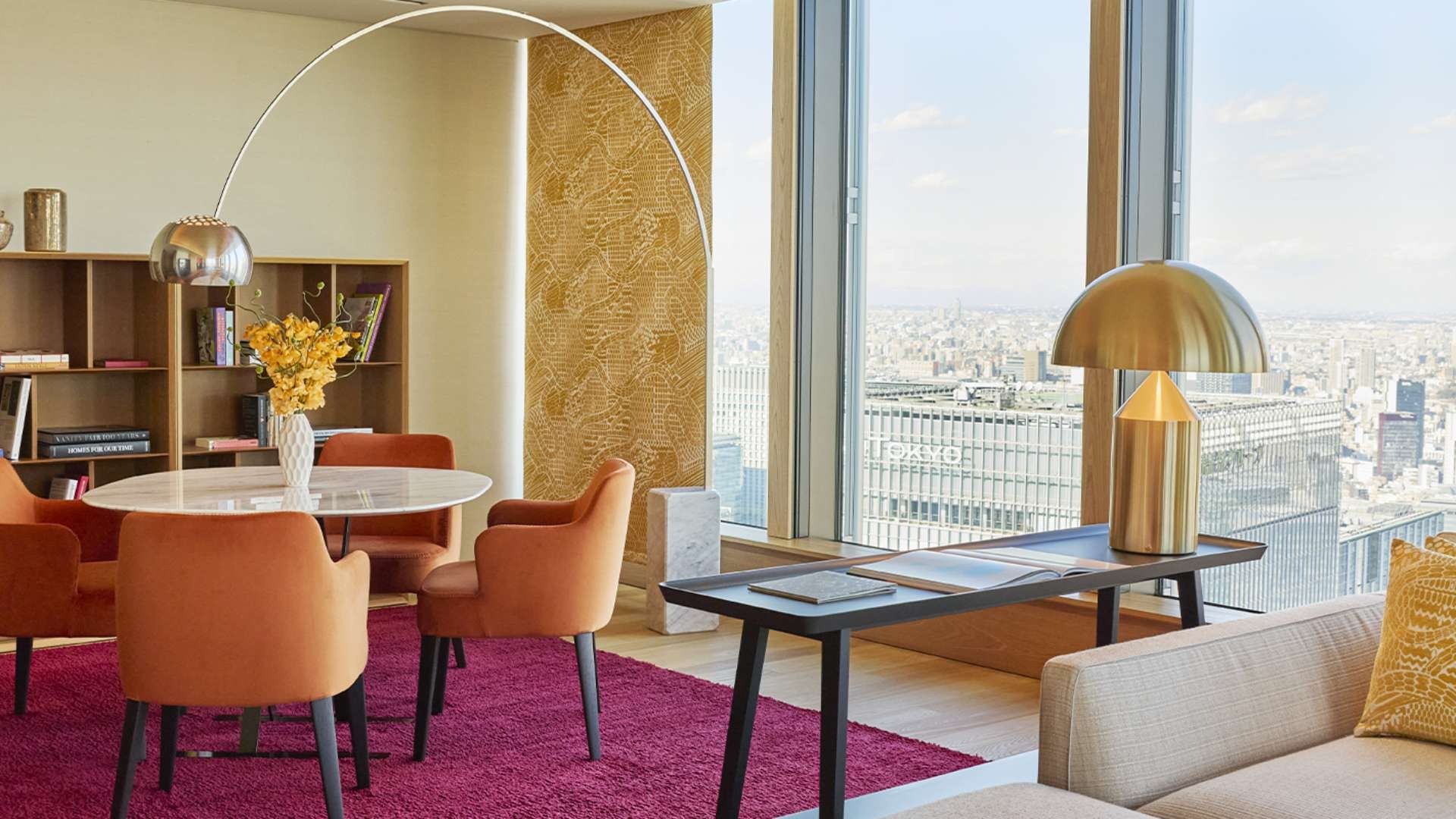
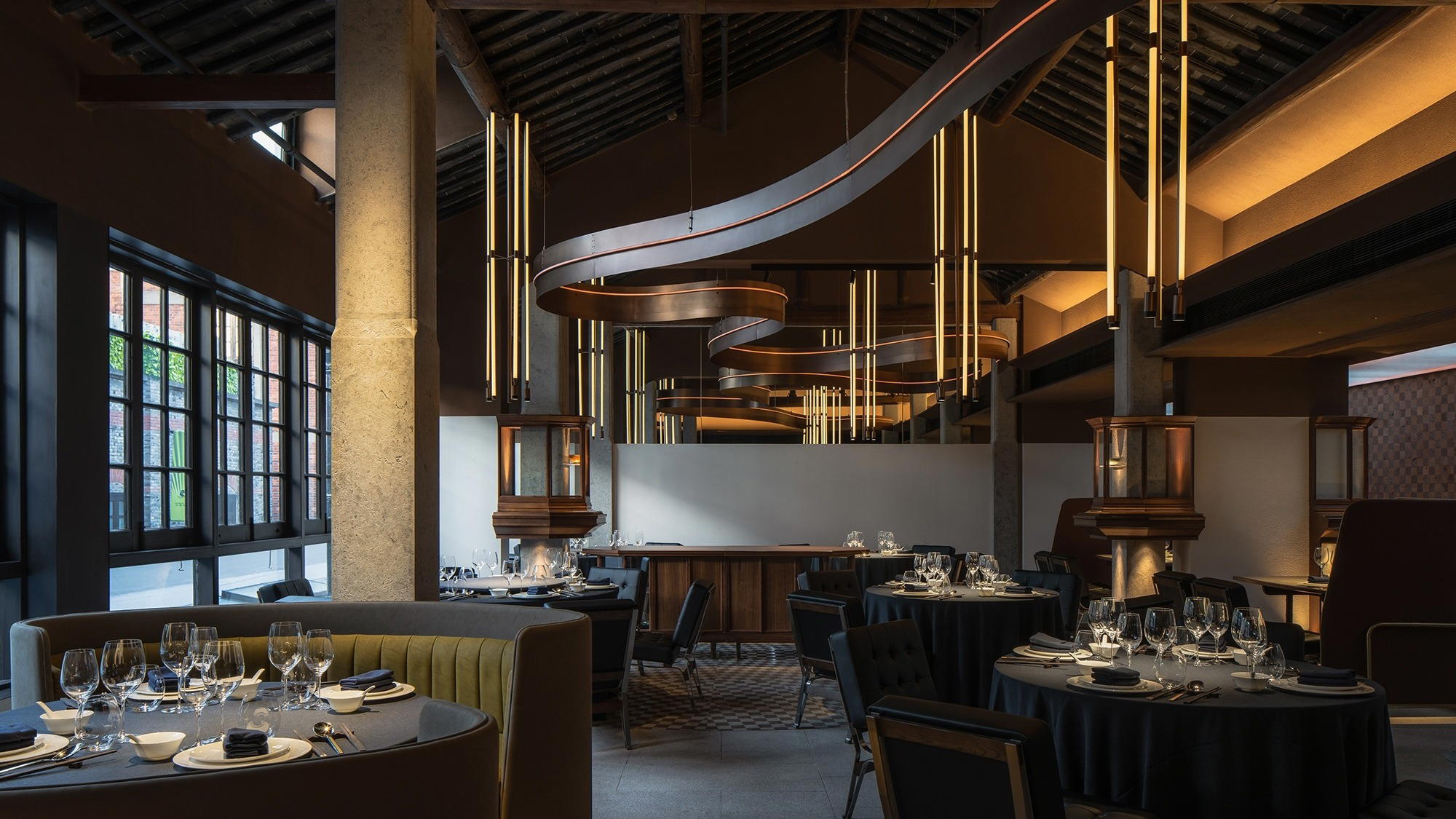
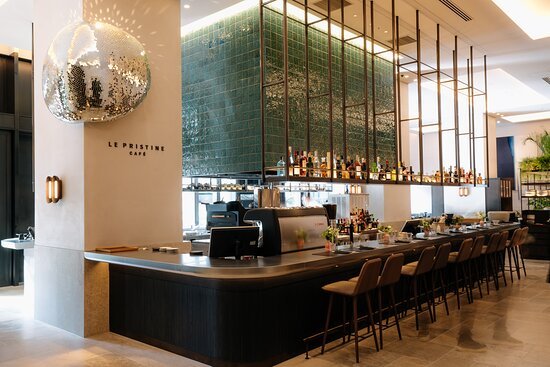
The restaurant occupies the ground floor of Hotel Toranomon Hills, a setting that is contemporary rather than cozy. Expect a room where the design language is deliberate: art on the walls and a curated background music selection work together to frame the meal as a modern dining experience rather than a formal occasion. The atmosphere skews more animated brasserie than hushed destination restaurant, which matters when you are deciding how to use the room. It holds up well for a business lunch or a relaxed dinner with someone you want to actually talk to; it is less suited to a high-ceremony anniversary if that is what you are after. For that kind of occasion, consider RyuGin or L'Effervescence instead.
The Concept and Why It Is Worth Understanding
Le Pristine is the Tokyo extension of the original Antwerp restaurant, and the kitchen operates under the direction of Sergio Herman, known as a defining figure in contemporary Dutch cuisine. The concept is described as 'New Italian': Italian flavour profiles and technique filtered through Herman's culinary background in Zeeland, in the southwestern Netherlands. This is not Italian-Japanese fusion, nor is it Italian food served in Tokyo for the sake of novelty. The result is a European register that travels intact, anchored by dishes developed at the original Le Pristine in Belgium and now available here. The orecchiette is cited as the house classic and Herman's signature across the group. The 2025 Michelin Plate recognition confirms the kitchen is operating at a consistent standard, even if it is not yet at star level.
Multi-Visit Strategy: How to Work Through Le Pristine Tokyo
Because the format is contemporary European rather than a fixed tasting menu, Le Pristine rewards repeat visits more than most Tokyo restaurants in its tier. Here is how to think about sequencing across two or three visits.
First visit: anchor on the classics. The orecchiette is explicitly identified as the restaurant's signature and the dish most directly bearing Sergio Herman's stamp. Order it on your first visit to calibrate the kitchen's baseline. Pair it with whatever pasta or protein is currently prominent on the menu. The point of this visit is to understand what 'New Italian' actually means in execution rather than in description.
Second visit: explore the broader menu. Once you have the signature as a reference point, a second visit lets you move into the rest of the menu with more context. Contemporary European formats at this price range typically cycle seasonal ingredients through a core set of techniques, so returning in a different season, particularly as Tokyo moves from the cooler months into spring or summer, will give you a meaningfully different plate lineup while the kitchen's underlying approach stays consistent.
Third visit: use the room differently. Le Pristine's design and music program make it a functional choice for both solo counter dining and group tables. If your first two visits were dinner, a third as a longer lunch changes the pacing entirely and often reveals the kitchen's strengths with lighter preparations. The Toranomon Hills location also makes a lunch visit practical if you are working in or transiting through Minato City.
For travelers building a broader Tokyo dining itinerary, Le Pristine fits well alongside more Tokyo-specific restaurants. Consider pairing it with hakunei or nôl for contrast, or JULIA and HYÈNE if you want to map the wider contemporary restaurant scene in the city. See our full Tokyo restaurants guide for a wider set of options across cuisine types and price tiers.
Context: Le Pristine in Japan's Broader Fine Dining Picture
Tokyo is one of the most competitive restaurant cities in the world by any credible measure, and European imports operate under real scrutiny here. Le Pristine's Michelin Plate in 2025 is a meaningful marker: it signals that the Michelin inspectors have visited, found the kitchen consistent, and positioned it just below star consideration. For a restaurant at ¥¥¥ rather than ¥¥¥¥, that is a reasonable outcome and a useful signal for how to calibrate expectations. If you are building a Japan trip that extends beyond Tokyo, you might benchmark this visit against other contemporary dining experiences: HAJIME in Osaka, Gion Sasaki in Kyoto, or akordu in Nara for a different register entirely. For contemporary dining in other Asian cities, Jungsik in Seoul operates at a comparable international-concept positioning.
Know Before You Go
- Location: Ground floor, Hotel Toranomon Hills, 2-6-4 Toranomon, Minato City, Tokyo
- Price tier: ¥¥¥
- Recognition: Michelin Plate 2025
- Rating:
- Cuisine concept: 'New Italian' — Italian flavours combined with Dutch/Zeeland culinary traditions
- Booking difficulty: Easy — book ahead but no extreme lead time required
- Leading for: Food-forward travelers, business dinners, multi-visit itinerary building
- Getting there: Directly accessible from Toranomon Hills Station (Tokyo Metro Hibiya Line)
- Also explore: Tokyo hotels · Tokyo bars · Tokyo experiences
Planning details
- Location
- Japan, 〒105-0001 Tokyo, Minato City, Toranomon, 2 Chome−6−4 虎ノ門ヒルズステーションタワー 1階 ホテル虎ノ門ヒルズ
- Reservations
- Book on the venue's website
- Website
- lepristinetokyo.com
- Phone
- +81 3-6830-1077
The take
The Take
The Vibe
Le Pristine Tokyo presents a measured, design-forward atmosphere rooted in a hotel setting. The dining room is programmed with art and carefully curated background sound, which the restaurant treats as an active element of the experience rather than incidental noise. The kitchen’s approach—'New Italian' informed by Zeeland coastal ingredients—keeps service precise and produce-led, while the overall tone is notably more open and accessible than ceremonial fine dining. The result is an intimate, refined place that balances European restraint with approachable execution, suited to guests who want clarity of technique without a multi-hour tasting ritual.
Best For
This is a restaurant that bifurcates lunch and dinner: lunch operates as a lighter expression of the concept, while dinner delivers the full articulation of Sergio Herman’s 'New Italian' interplay between Italian pasta traditions and North Sea ingredients. Its placement on the ground floor of a prominent hotel in Toranomon makes it a natural pick for business dinners and celebratory meals, and the composed room and attention to detail also suit date-night dining. The kitchen’s mid-premium positioning means guests get serious technique without the heavy formality of the top tier of Tokyo fine dining.
Ordering Tips
Reserve dinner if you want the fullest expression of the house concept—the menu leans on the crossover between Italian forms and coastal ingredients. Make room for signature items such as the Seafood Orecchiette, which showcases that cross-Channel sensibility, and the Pizzette for a more casual, focused bite. Because the kitchen is produce-led and precise, consider selecting a small set of dishes to share so you can sample the different ways Italian technique meets Zeeland-sourced flavors.
Venue details
Ambiance
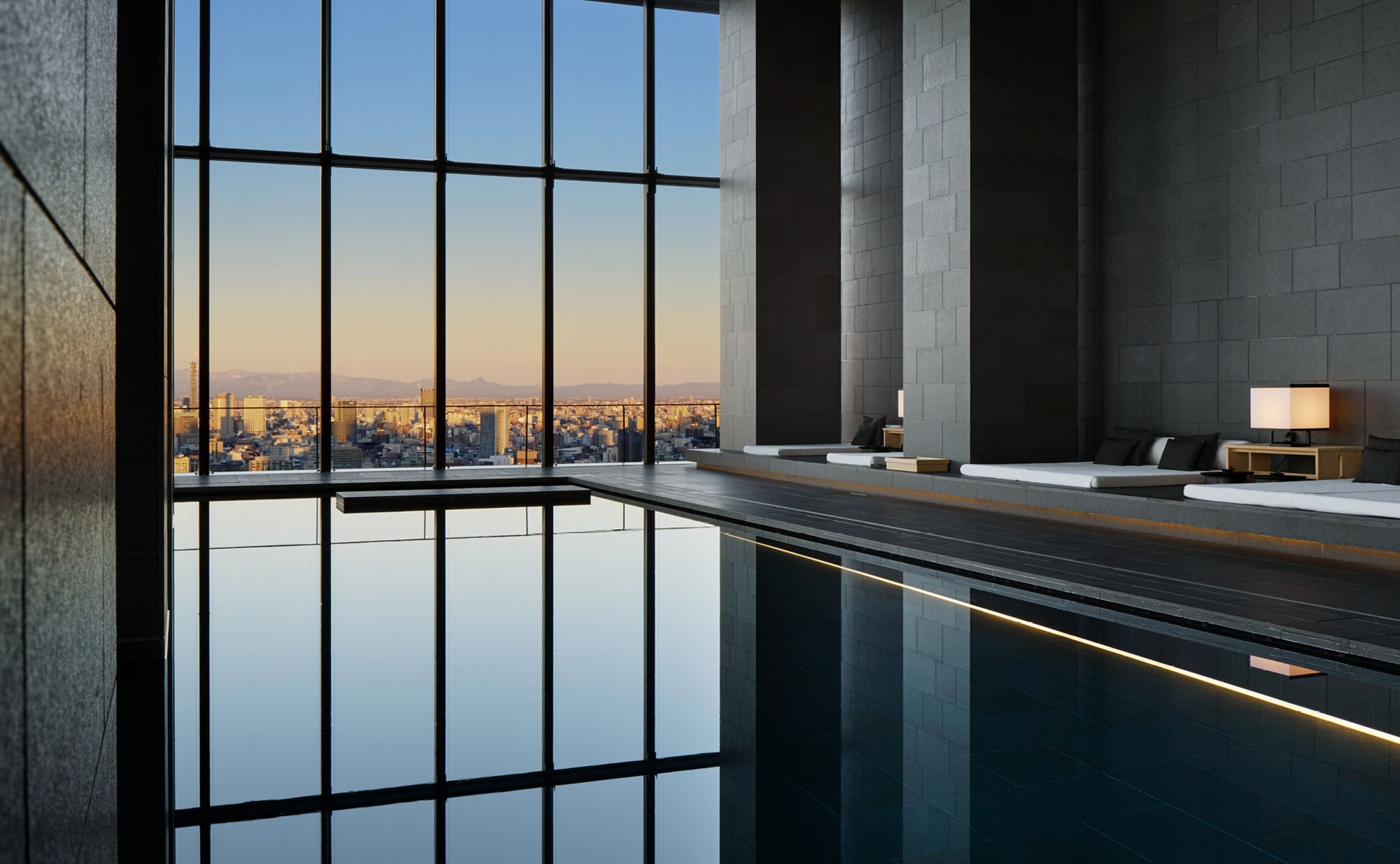
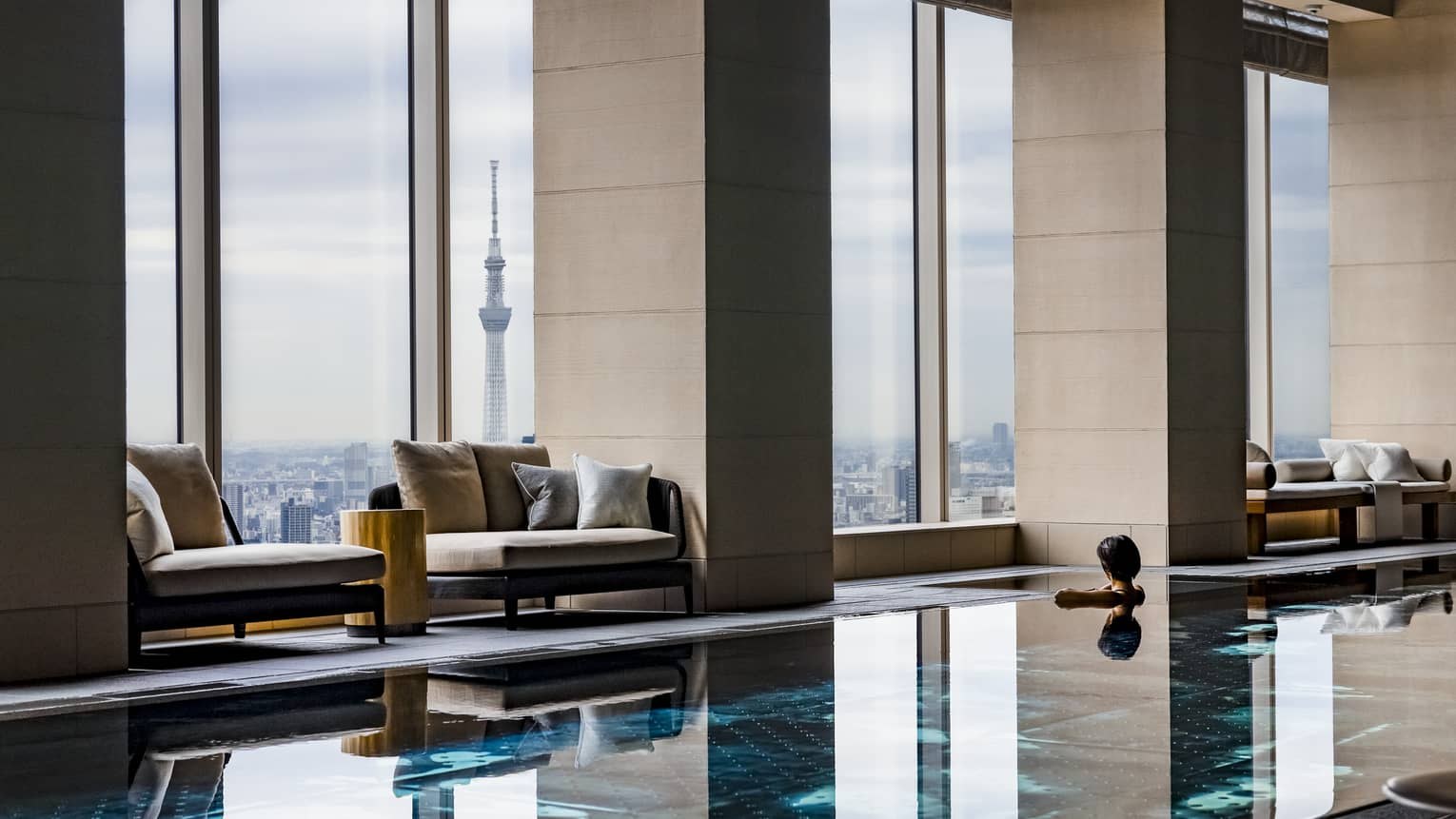
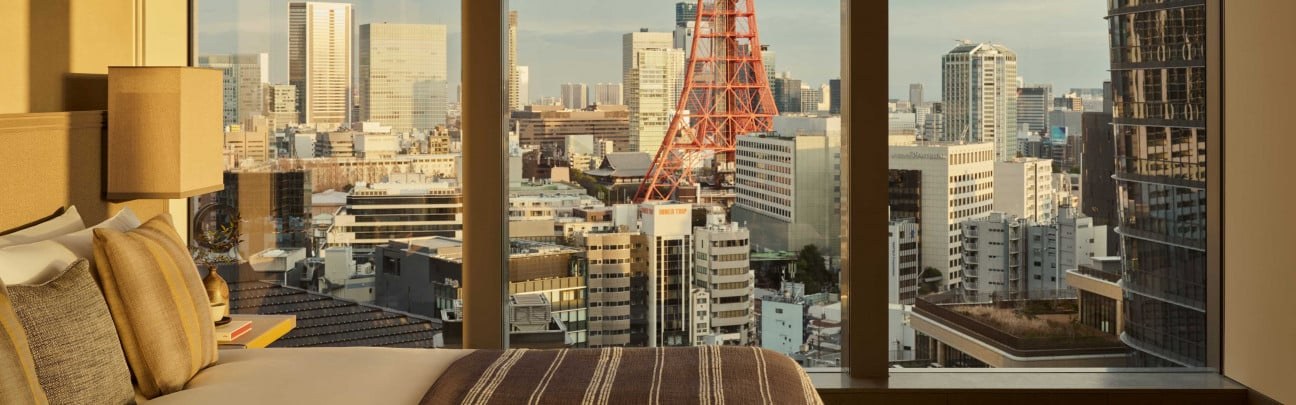
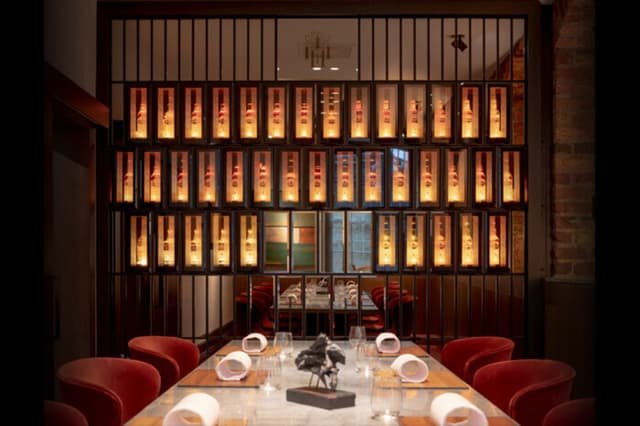
Stylish and elegant space with floor-to-ceiling windows filling the dining room with warm sunshine, enhanced by art, music, and a modern sophisticated atmosphere.
Tags
Vibe
Best For
Experience
Sourcing
View
Accessibility
At the Table
- Dress Code
- Smart Casual
- Noise Level
- Conversational
- Service Style
- Upscale Casual
- Meal Pacing
- Leisurely
- Capacity
- Medium
- Kitchen
- Modern
- Menu Format
- A la carte, Tasting menu
- Wine Program
- Curated
- Drinks Focus
- Wine, Cocktails
- Dietary
- Vegetarian friendly
- Private Dining
- Available
- Outdoor Seating
- Yes
Signature Dishes
- Seafood Orecchiette
- Pizzette
Know before you go
Know Before You Go
- Getting there
- Japan, 〒105-0001 Tokyo, Minato City, Toranomon, 2 Chome−6−4 虎ノ門ヒルズステーションタワー 1階 ホテル虎ノ門ヒルズ
Planning details
Location
Japan, 〒105-0001 Tokyo, Minato City, Toranomon, 2 Chome−6−4 虎ノ門ヒルズステーションタワー 1階 ホテル虎ノ門ヒルズ · Directions
Recognition and awards
Also consider
Also Consider
- Harutaka, Sushi, ¥¥¥¥
- RyuGin, Kaiseki, Japanese, ¥¥¥¥
- L'Effervescence, French, ¥¥¥¥
- HOMMAGE, Innovtive French, French, ¥¥¥¥
- Florilège, French, ¥¥¥
Restaurant context
Le Pristine Tokyo sits at ¥¥¥, which immediately separates it from most of its natural comparison set. Harutaka, RyuGin, L'Effervescence, and HOMMAGE all operate at ¥¥¥¥, meaning Le Pristine is the entry point if you want a serious contemporary European meal in Tokyo without committing to the full spend. Against Florilège, the closest price-tier peer at ¥¥¥ French, Le Pristine offers a different cultural register, the 'New Italian' concept grounded in Dutch culinary tradition is genuinely distinct from what Florilège does, so the choice between them comes down to which cuisine direction you want rather than which is objectively stronger.
For booking difficulty, Le Pristine is the easiest option in this peer group. RyuGin and Harutaka both require significantly more advance planning, and L'Effervescence can be competitive depending on the season. If your Tokyo trip has limited flexibility in dates and you want a strong meal without the reservation logistics, Le Pristine is the practical call. If you have the lead time and want the full kaiseki or sushi counter experience, RyuGin and Harutaka deliver something Le Pristine does not attempt.
On value for money, the 2025 Michelin Plate at ¥¥¥ make Le Pristine the most accessible high-confidence option in this comparison. L'Effervescence and HOMMAGE operate at a higher absolute standard, but you are paying accordingly. The honest framing: book Le Pristine for a well-executed contemporary European meal with a coherent concept and easy access; book RyuGin or L'Effervescence when the occasion justifies the additional spend and the advance planning.
Explore Tokyo
Around this place
Discover more on Pearl
Unlock the full LE PRISTINE TOKYO guide in Pearl, including awards, comparisons, FAQs, planning details, and nearby places.
Compare LE PRISTINE TOKYO
| Venue | Price | Booking Difficulty | Awards |
|---|---|---|---|
| LE PRISTINE TOKYO | ¥¥¥ | Easy | 2026 Michelin Plate2025 Michelin Plate2024 Michelin Plate |
| Harutaka | ¥¥¥¥ | Unknown | 2026 Tabelog Silver · #312026 OAD Top Restaurants in Japan Ranked · #1282026 Michelin 3 Stars2026 La Liste Top RestaurantsTabelog 100 - Sushi - TOKYO - 2025 · #372025 Asia's 50 Best Restaurants · #762025 OAD Top Restaurants in Japan Ranked · #1172025 La Liste Top Restaurants2025 Tabelog Bronze |
| RyuGin | ¥¥¥¥ | Unknown | 2026 OAD Top Restaurants in Japan Ranked · #802026 Tabelog Bronze · #3772026 Michelin 3 Stars2026 La Liste Top RestaurantsTabelog 100 - Japanese cuisine - TOKYO - 2025 · #212025 OAD Top Restaurants in Japan Ranked · #542025 Michelin 3 Stars2025 La Liste Top Restaurants2025 The Best Chef Three Knives |
| L'Effervescence | ¥¥¥¥ | Unknown | 2026 Tabelog Silver · #682026 OAD Top Restaurants in Japan Ranked · #103Star Wine Lists 20262026 Black Pearl 2 Diamond2026 Relais Chateaux Restaurants2026 La Liste Top Restaurants2026 Michelin 3 Stars2025 Asia's 50 Best Restaurants · #692025 OAD Top Restaurants in Japan Ranked · #92 |
| HOMMAGE | ¥¥¥¥ | Unknown | 2026 Tabelog Bronze · #1232026 OAD Top Restaurants in Japan Highly Recommended2026 Michelin 2 StarsTabelog 100 - French - TOKYO - 2025 · #762025 Asia's 50 Best Restaurants · #782025 OAD Top Restaurants in Japan Ranked · #1752025 Michelin 2 Stars2025 The Best Chef One Knife2025 La Liste Top Restaurants |
| Florilège | ¥¥¥ | Unknown | 2026 Asia's 50 Best Restaurants · #312026 Tabelog Bronze · #712026 OAD Top Restaurants in Japan Ranked · #1242026 Black Pearl 1 Diamond2026 Michelin 2 Stars2026 La Liste Top Restaurants2025 Asia's 50 Best Restaurants · #172025 World's 50 Best Restaurants · #36Tabelog 100 - French - TOKYO - 2025 · #68 |













Key differences to consider before you reserve.
FAQ
Frequently Asked Questions
What should I order at LE PRISTINE TOKYO?
The orecchiette is the one dish the venue explicitly identifies as a Le Pristine signature, bearing Sergio Herman's direct stamp and carried over from the original Antwerp restaurant. If it is on the menu during your visit, it is the clearest expression of the New Italian concept the kitchen is built around. Beyond that, the format is contemporary rather than a fixed tasting menu, so the selection will shift.
What are alternatives to LE PRISTINE TOKYO in Tokyo?
For contemporary European fine dining at a comparable price tier, L'Effervescence and Florilège both operate in Tokyo and carry stronger local Michelin recognition than Le Pristine's current 2025 Plate. If you want Japanese fine dining at ¥¥¥, RyuGin and Harutaka represent entirely different formats but sit in a similar spend bracket. HOMMAGE is worth considering if French-inflected technique matters more to you than Italian flavour profiles.
Is LE PRISTINE TOKYO worth the price?
At ¥¥¥, Le Pristine Tokyo is priced at the upper tier of Tokyo dining. The value case rests on the New Italian concept directed by Sergio Herman, a chef with a documented track record in European fine dining, and the Michelin Plate recognition in 2025. If you want European cooking with a clear authorial point of view in a contemporary hotel setting, the price is defensible. If you want Michelin-starred Japanese cuisine at the same spend, Tokyo gives you better-credentialed options.
Is the tasting menu worth it at LE PRISTINE TOKYO?
Le Pristine Tokyo does not operate as a fixed tasting-menu format. The concept is contemporary European with à la carte flexibility, which is part of what distinguishes it from Tokyo's many omakase and kaiseki tasting formats. If a structured progression of courses is what you are after, RyuGin or L'Effervescence will suit that preference more directly.
Is LE PRISTINE TOKYO good for a special occasion?
Yes, with the right expectations. The ground-floor setting inside Hotel Toranomon Hills is contemporary and design-forward rather than intimate or hushed, which suits celebratory dinners where the room energy matters. The ¥¥¥ price point and Michelin Plate standing make it a credible special-occasion choice. If you need a private or enclosed space for the occasion, verify room configuration with the hotel before booking.