.png?width=1200&quality=80)
Le Jardin de Kamo
French · Chūō, Tokyo
Restaurant in Tokyo, Japan
 Book with Pearl
The Read
Seto Inland Sea Provençal
Price
¥¥¥
Dress
Smart Casual
Why go
Le Jardin de Kamo brings southern French cooking — Seto Inland Sea seafood paired with citrus, herbs, and Mediterranean spice — to Nihonbashi at the ¥¥¥ tier. With a Michelin Plate in both 2024 and 2025 and, it delivers a focused, well-executed meal for considerably less than Tokyo's starred French rooms. Easy to book; strong value for the category.
About Le Jardin de Kamo
Verdict
Le Jardin de Kamo is not another Tokyo interpretation of French cooking filtered through Japanese technique. It is something more specific: a focused argument for the cuisine of southern France, anchored by Seto Inland Sea seafood and built on a philosophy inherited directly from the Montpellier kitchen of Le Jardin des Sens. The common misconception about French restaurants in Tokyo is that they trade in Parisian elegance or Japan-inflected fusion. Le Jardin de Kamo does neither. If you are looking for Provençal flavour logic — citrus, herbs, spice, sea — expressed with disciplined restraint, this is the room to book. At ¥¥¥, it sits a full price tier below L'Effervescence and Florilège without conceding much in seriousness. That gap matters when you are deciding where your yen goes.
The Experience
Chef Kamoda's cooking starts at the coast. The Seto Inland Sea is one of Japan's most productive and diverse fishing grounds, and using its catch as the canvas for Mediterranean flavour thinking is an editorial choice, not a gimmick. Pairing seafood with citrus fruits, herbs, and spices follows the discipline of his mentors at Le Jardin des Sens in Montpellier, where the name of this Tokyo restaurant was itself chosen. That lineage is worth understanding before you book: this is a restaurant shaped by a specific regional French tradition, not a broad European-Japanese negotiation.
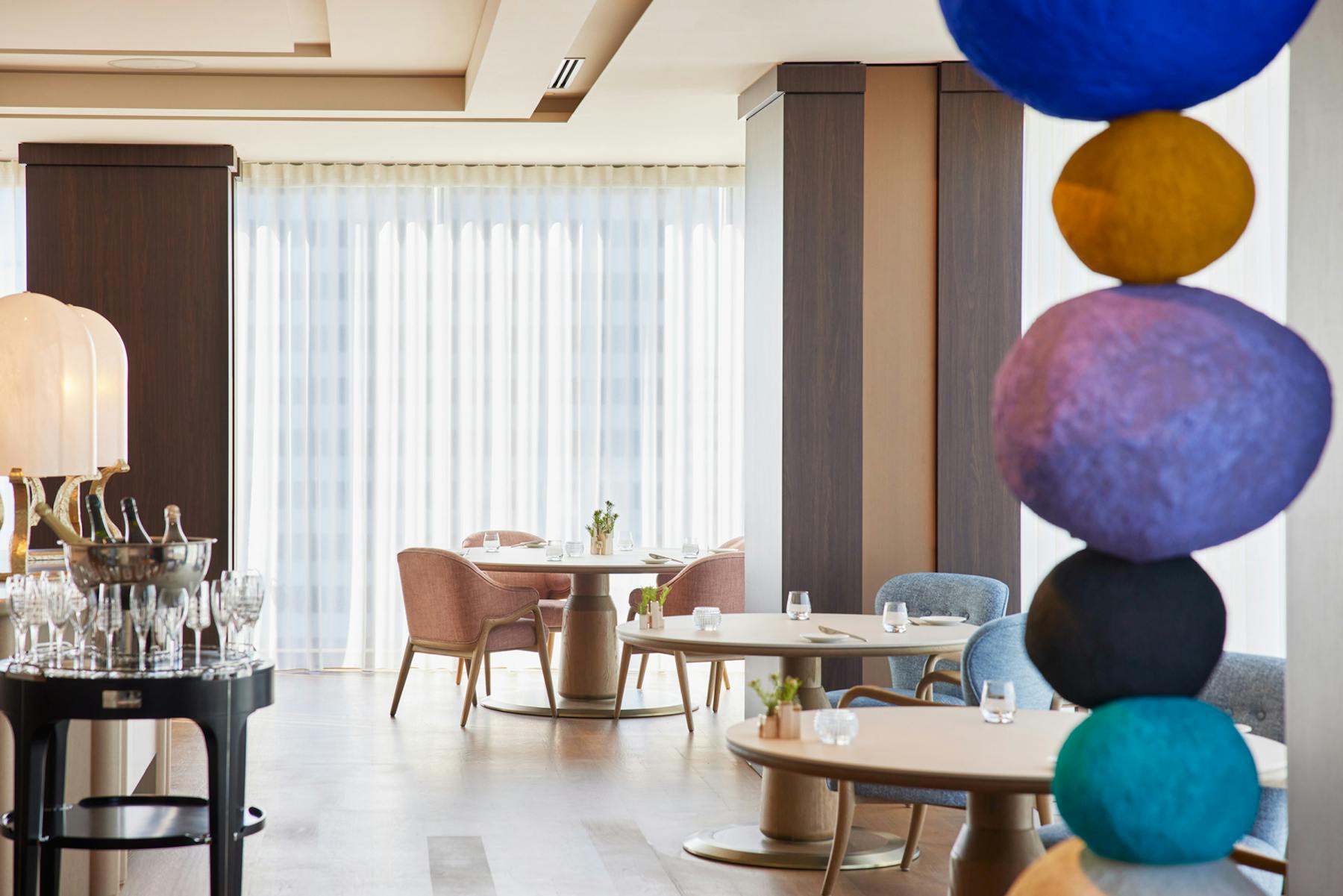
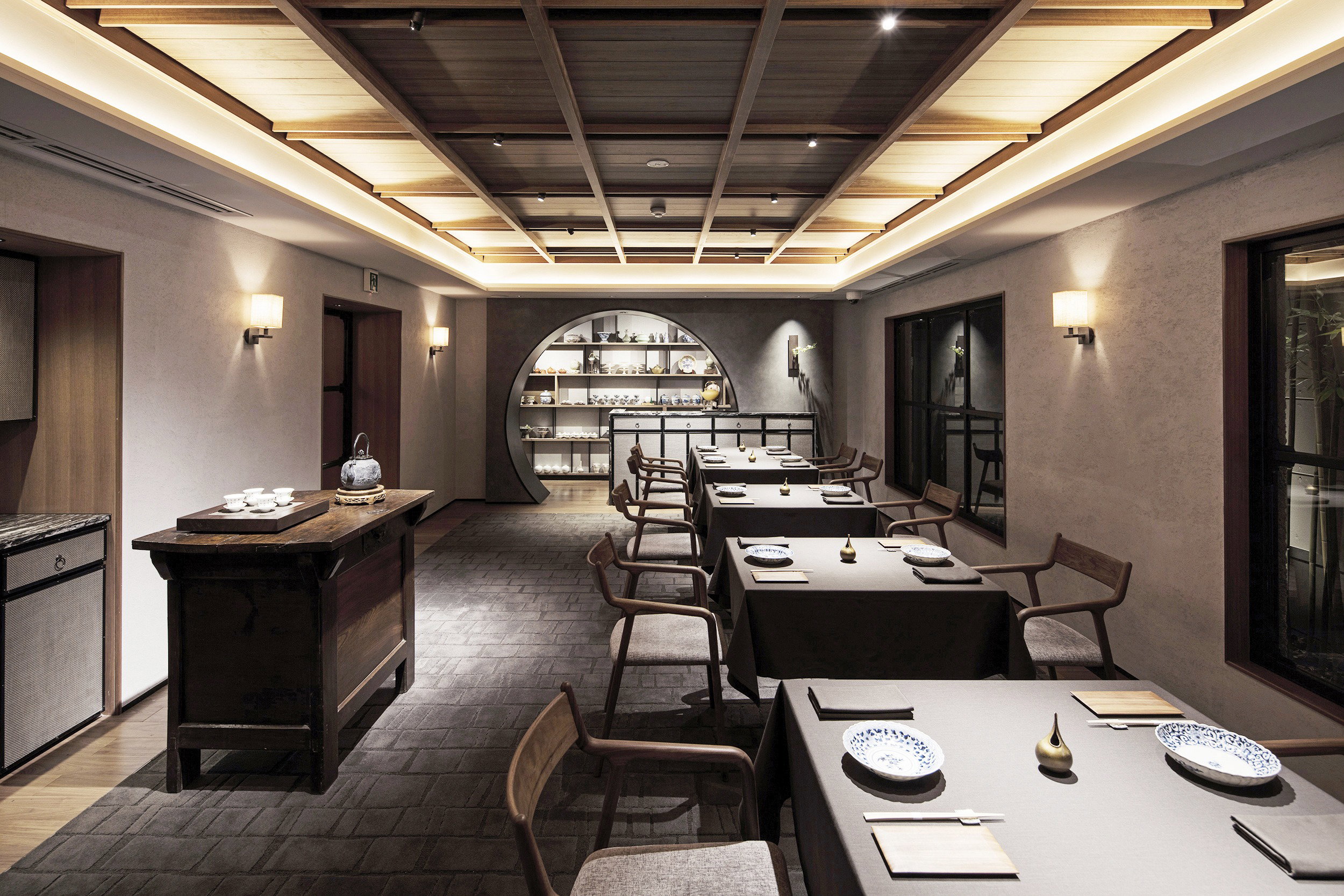
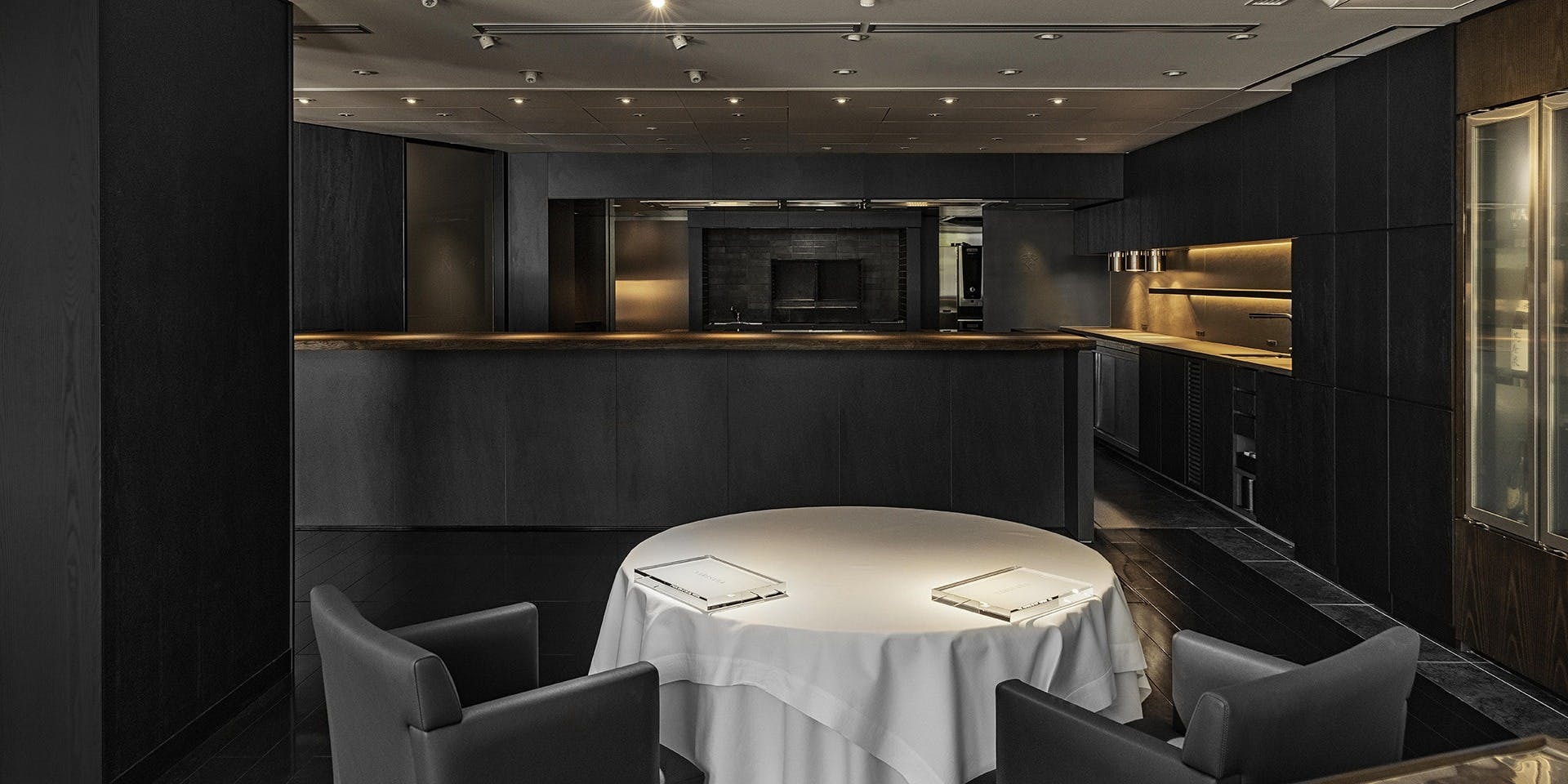
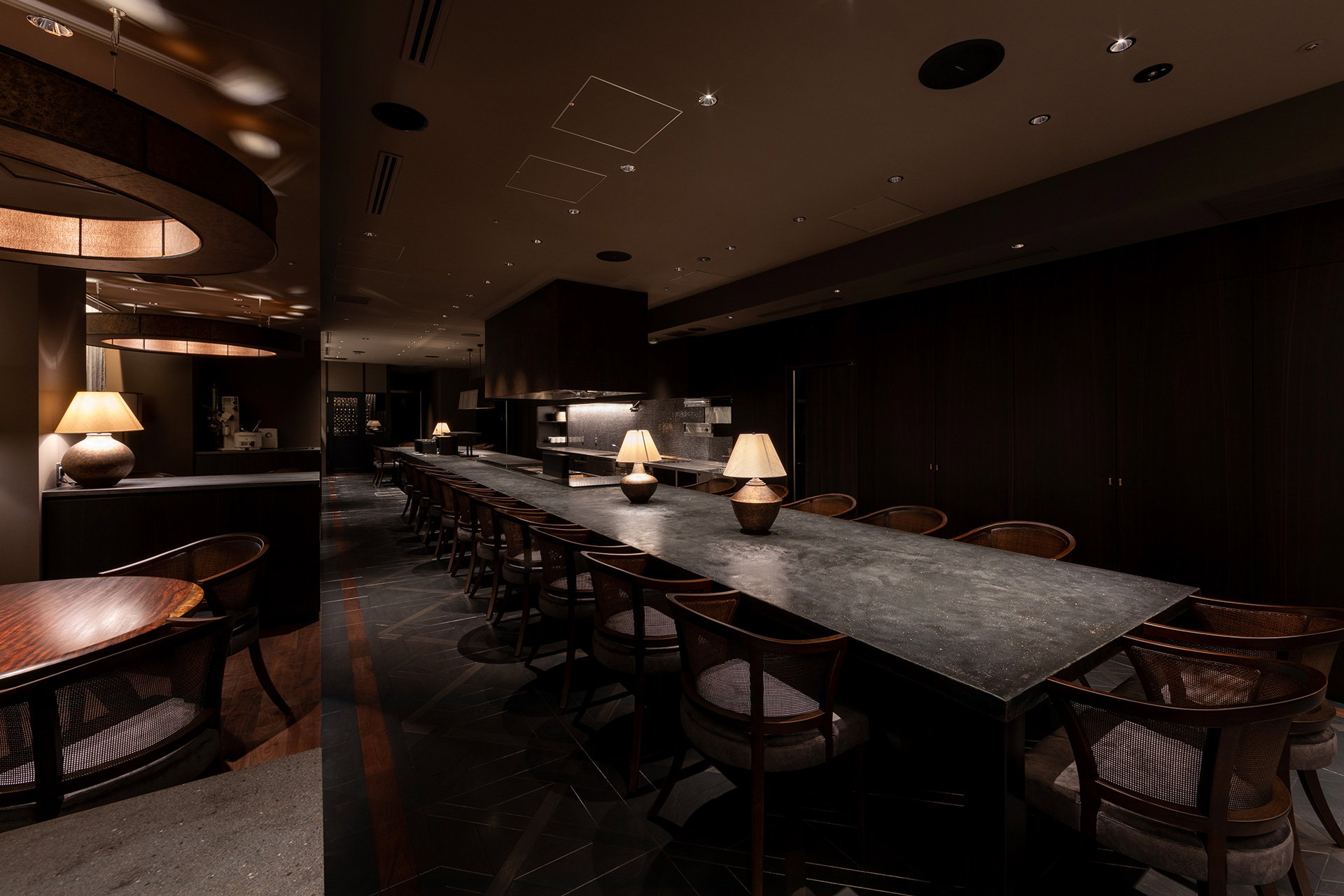
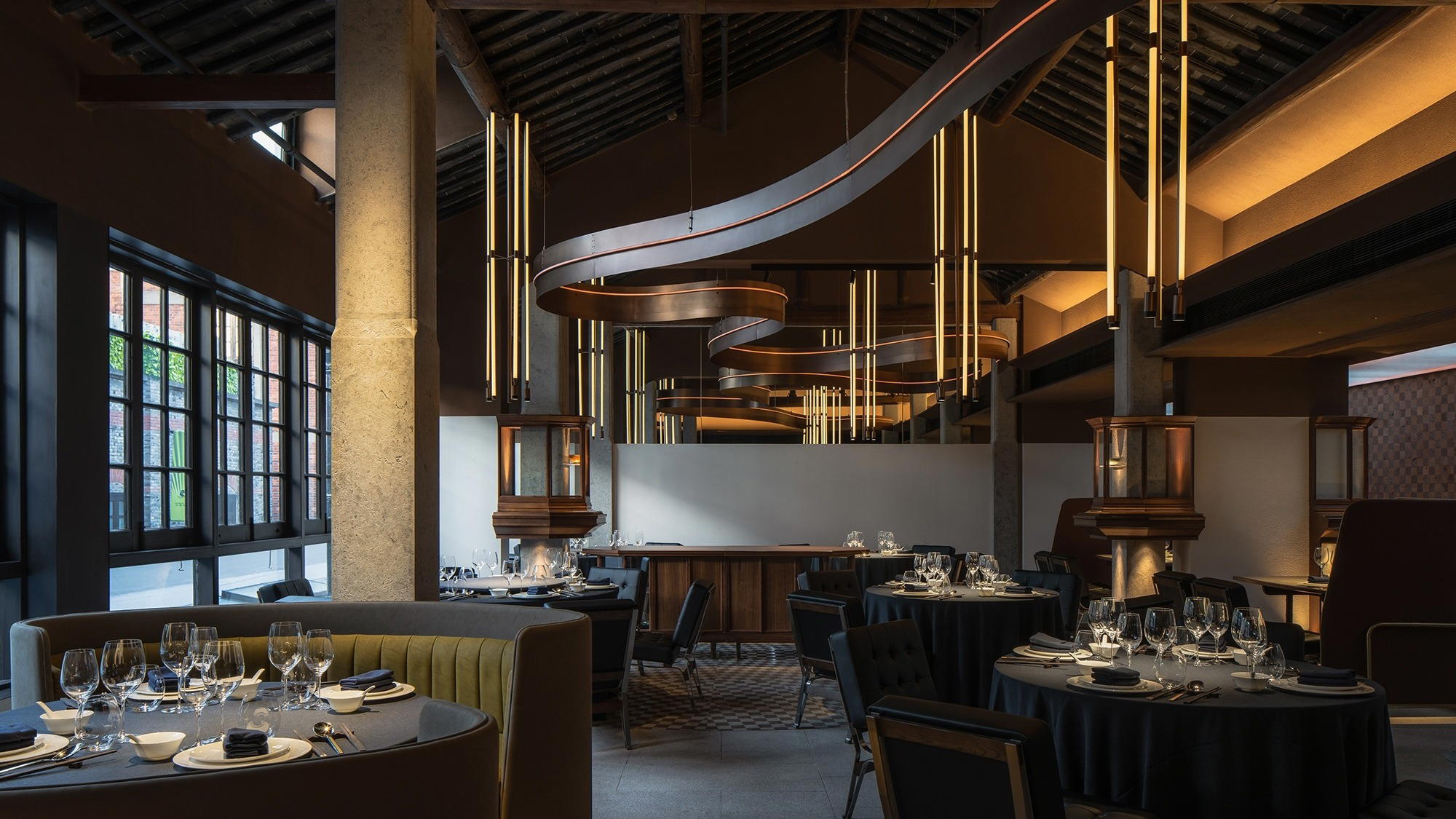
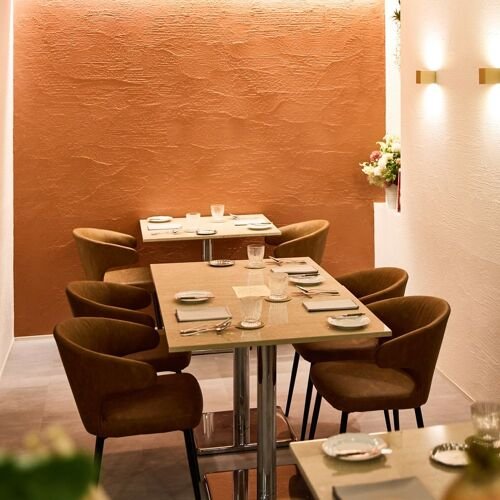
The interior reinforces the intent. Stucco walls and warm service create a room that reads as southern French without theatrical staging. It is not a dramatic dining environment, and that is a deliberate choice. The atmosphere is calm, the proportions are considered, and the service has the kind of unhurried warmth that formal French rooms in Tokyo can sometimes lack. For a returning visitor, the question is not whether the room holds up, it does, but whether you are working through the menu with more intention this time.
If you have been once, the thing to focus on next is how Kamoda handles seafood in the current season. The Mediterranean logic of matching catch with citrus and herb changes character depending on what the Seto Inland Sea is producing. Winter and early spring tend to bring shellfish and firm white fish; the pairing of those with brighter citrus notes is where this kitchen's philosophy becomes most legible. Coming back with that seasonal lens gives the meal a different register than a first visit focused on simply understanding the concept.
Pearl's editorial angle flags the morning and weekend service as worth specific attention. Japanese French restaurants at the ¥¥¥ tier in Tokyo more often anchor their value in dinner tasting menus, so a lunch or brunch-adjacent format, where available, can represent a more accessible entry point into the same kitchen. Without confirmed hours in the database, the practical advice is to check directly, but the restaurant's Chuo City location in Nihonbashi makes it reachable for a midday visit if you are already in the central Tokyo corridor. Nihonbashi is a business-forward neighbourhood, which means lunch service is typically structured and efficient rather than leisurely, a consideration if you want the full experience of Kamoda's cooking rather than an edited version of it.
Michelin has awarded a Plate in both 2024 and 2025, which signals consistent quality without the reservation pressure of a starred room. A Michelin Plate is a mark of a good meal, not a landmark one, but at this price tier, that is exactly the right expectation to calibrate around. You are not paying for a once-in-a-decade occasion; you are paying for a well-executed, intellectually coherent dinner that punches above its price. For broader context on where this fits among Tokyo's French options, see our full Tokyo restaurants guide.
If you are travelling from outside Tokyo, the French cooking traditions being expressed here have close parallels at HAJIME in Osaka and, in a different register, at akordu in Nara. For a regional French comparison closer to the source, Hotel de Ville Crissier in Switzerland and Les Amis in Singapore show how Mediterranean-influenced French cooking travels. Within Japan, Gion Sasaki in Kyoto and Goh in Fukuoka are worth knowing if you want contrast from the Japanese side of the equation. Tokyo's broader food scene beyond French is covered in our full Tokyo experiences guide, our full Tokyo bars guide, and our full Tokyo hotels guide.
Ratings at a Glance
- Michelin: Plate 2024, Plate 2025
- Price tier: ¥¥¥
Booking
Booking difficulty is rated Easy. With a Michelin Plate rather than stars, Le Jardin de Kamo does not face the same reservation pressure as Tokyo's starred French rooms. No online booking link is confirmed in our data, check directly with the restaurant or use a third-party reservation platform covering Chuo City venues.
Quick reference: ¥¥¥ | Michelin Plate 2025 | Nihonbashi, Chuo City, Tokyo | Easy to book | French, southern France focus | Seto Inland Sea seafood
How It Compares
Also Worth Considering in Tokyo
- L'Effervescence, French, ¥¥¥¥, higher price tier, broader recognition
- Sézanne, French, strong critical standing
- ESqUISSE, French, established Tokyo reputation
- Château Restaurant Joël Robuchon, French, grand format
- Florilège, French, ¥¥¥, closest price-tier peer
- 1000 in Yokohama, for Greater Tokyo French options
- 6 in Okinawa, for island-sourced cooking contrast
Planning details
- Location
- Japan, 〒103-0015 Tokyo, Chuo City, Nihonbashihakozakicho, 8−6 ルミネ日本橋第二
- Website
- le-jardin-de-kamo.jimdofree.com
The take
The Take
The Vibe
Le Jardin de Kamo reads as a quietly assured room that channels the south of France into a compact, Tokyo context. The writing emphasizes regionalism over spectacle: expect focused, Mediterranean-flavored cooking rather than flashy culinary theatrics. The service and dining rhythm favor precision and restraint; the space aligns with the neighborhood’s long-standing commercial calm and a clientele that prizes heritage and technique. Overall the restaurant presents a classic, intimate tone that rewards diners looking for understated elegance — a measured, refined experience rather than loud or trend-driven drama.
Best For
This is a dinner destination that suits date nights, special occasions and professional meals. Located in Nihonbashi and described as attracting a largely local, professional clientele, the restaurant fits business dinners where conversation and discreet service matter. The kitchen’s commitment to a specific regional identity also makes it a deliberate choice for couples or small groups seeking a considered, culinary-focused evening rather than a boisterous night out. The atmosphere and cuisine combine to make it especially appropriate for quieter, celebratory dinners.
Ordering Tips
Lean into the Mediterranean grammar the chef favors: seafood arrives treated with citrus, herbs and spice rather than heavy cream. Highlighted preparations like the poached flounder with crab bisque are emblematic of the kitchen’s approach and a sensible choice. Finish with the linden-scented madeleines if they’re on the menu. Because the restaurant’s philosophy emphasizes Languedoc sourcing and pairing, ask the staff about regional wine or pairing suggestions — the front-of-house perspective can illuminate how the menu’s flavors are intended to work with Languedoc-style wines.
Venue details
Ambiance
Warm, sun-washed stucco walls with softened light create a serene, Mediterranean villa-like atmosphere, complemented by poised and hospitable service.
Tags
Vibe
Best For
Experience
Sourcing
At the Table
- Dress Code
- Smart Casual
- Noise Level
- Quiet
- Service Style
- Formal
- Meal Pacing
- Leisurely
- Capacity
- Intimate
Signature Dishes
- poached_flounder_with_crab_bisque
- linden_scented_madeleines
Know before you go
Know Before You Go
- Getting there
- Japan, 〒103-0015 Tokyo, Chuo City, Nihonbashihakozakicho, 8−6 ルミネ日本橋第二
Planning details
Location
Japan, 〒103-0015 Tokyo, Chuo City, Nihonbashihakozakicho, 8−6 ルミネ日本橋第二 · Directions
Recognition and awards
Also consider
Also Consider
- Harutaka, Sushi, ¥¥¥¥
- RyuGin, Kaiseki, Japanese, ¥¥¥¥
- L'Effervescence, French, ¥¥¥¥
- HOMMAGE, Innovtive French, French, ¥¥¥¥
- Florilège, French, ¥¥¥
Restaurant context
At the ¥¥¥ tier, Le Jardin de Kamo's closest peer is Florilège, which also sits at ¥¥¥ and pursues a defined French culinary argument rather than a crowd-pleasing survey menu. Florilège carries more international recognition and is harder to book, but Le Jardin de Kamo offers a more specific regional focus, southern France via Montpellier, that gives it a clearer identity. If you want the more celebrated room, Florilège; if you want something easier to access with an equally coherent point of view, Le Jardin de Kamo is the call.
Step up to ¥¥¥¥ and the comparison set changes significantly. L'Effervescence and HOMMAGE both operate at a higher price point with greater critical weight behind them. L'Effervescence is the stronger room for a special-occasion French dinner in Tokyo; HOMMAGE suits diners who want more technical experimentation in the cooking. Le Jardin de Kamo is the right choice when you want serious French food without the occasion-dining price or the booking difficulty. RyuGin at ¥¥¥¥ is a different category entirely, kaiseki, not French, but worth knowing if you are open to the Japanese format as an alternative for the same budget.
For solo diners or those who want a very different kind of precision at ¥¥¥¥, Harutaka is the sushi counter answer to the same price bracket, harder to book, more intimate, and focused on a completely different tradition. Le Jardin de Kamo is the most accessible option in this comparison set and the only one anchored specifically in Provençal cooking logic. Book it when regional French authenticity and value matter more than marquee status.
Explore Tokyo
Around this place
Discover more on Pearl
Unlock the full Le Jardin de Kamo guide in Pearl, including awards, comparisons, FAQs, planning details, and nearby places.
Compare Le Jardin de Kamo
| Venue | Price | Booking Difficulty | Awards |
|---|---|---|---|
| Le Jardin de Kamo | ¥¥¥ | Easy | 2026 Michelin Plate2025 Michelin Plate2024 Michelin Plate |
| Harutaka | ¥¥¥¥ | Unknown | 2026 Tabelog Silver · #312026 OAD Top Restaurants in Japan Ranked · #1282026 Michelin 3 Stars2026 La Liste Top RestaurantsTabelog 100 - Sushi - TOKYO - 2025 · #372025 Asia's 50 Best Restaurants · #762025 OAD Top Restaurants in Japan Ranked · #1172025 La Liste Top Restaurants2025 Tabelog Bronze |
| RyuGin | ¥¥¥¥ | Unknown | 2026 OAD Top Restaurants in Japan Ranked · #802026 Tabelog Bronze · #3772026 Michelin 3 Stars2026 La Liste Top RestaurantsTabelog 100 - Japanese cuisine - TOKYO - 2025 · #212025 OAD Top Restaurants in Japan Ranked · #542025 Michelin 3 Stars2025 La Liste Top Restaurants2025 The Best Chef Three Knives |
| L'Effervescence | ¥¥¥¥ | Unknown | 2026 Tabelog Silver · #682026 OAD Top Restaurants in Japan Ranked · #103Star Wine Lists 20262026 Black Pearl 2 Diamond2026 Relais Chateaux Restaurants2026 La Liste Top Restaurants2026 Michelin 3 Stars2025 Asia's 50 Best Restaurants · #692025 OAD Top Restaurants in Japan Ranked · #92 |
| HOMMAGE | ¥¥¥¥ | Unknown | 2026 Tabelog Bronze · #1232026 OAD Top Restaurants in Japan Highly Recommended2026 Michelin 2 StarsTabelog 100 - French - TOKYO - 2025 · #762025 Asia's 50 Best Restaurants · #782025 OAD Top Restaurants in Japan Ranked · #1752025 Michelin 2 Stars2025 The Best Chef One Knife2025 La Liste Top Restaurants |
| Florilège | ¥¥¥ | Unknown | 2026 Asia's 50 Best Restaurants · #312026 Tabelog Bronze · #712026 OAD Top Restaurants in Japan Ranked · #1242026 Black Pearl 1 Diamond2026 Michelin 2 Stars2026 La Liste Top Restaurants2025 Asia's 50 Best Restaurants · #172025 World's 50 Best Restaurants · #36Tabelog 100 - French - TOKYO - 2025 · #68 |













What to weigh when choosing between Le Jardin de Kamo and alternatives.
FAQ
Frequently Asked Questions
How far ahead should I book Le Jardin de Kamo?
With a Michelin Plate rather than one or two stars, Le Jardin de Kamo does not face the same reservation pressure as Tokyo's starred French rooms. A week or two of lead time is generally sufficient, though weekend dinner slots fill faster. Compare this to L'Effervescence or Florilège, where you will typically need four to six weeks.
Is Le Jardin de Kamo worth the price?
At the ¥¥¥ price point, it sits in the mid-to-upper range for Tokyo French dining without the premium that comes with Michelin stars. The cooking has a specific focus — southern French technique applied to Seto Inland Sea seafood — which gives it more identity than a generic French bistro at the same price. If that proposition interests you, the value case is solid.
Can Le Jardin de Kamo accommodate groups?
No group capacity information is confirmed in the venue data. The ¥¥¥ pricing and formal French format suggest it is better suited to smaller parties of two to four than large celebrations. For confirmed private dining or group bookings, reach out directly at the Nihonbashihakozakicho location.
What should I wear to Le Jardin de Kamo?
No dress code is specified in the venue data. The stucco interior and warm service described in the restaurant's own framing suggest a relaxed but polished atmosphere rather than formal black-tie. Neat, put-together clothing in line with a ¥¥¥ French restaurant is a reasonable baseline.