.png?width=1200&quality=80)
Le Coq
French · Shibuya, Tokyo
Restaurant in Tokyo, Japan
 Book with Pearl
The Read
Unadorned French Precision
Price
$100–150per person
Dress
Smart Casual
Why go
Le Coq is a Michelin Plate French restaurant in Ebisu, Tokyo, where chef Mitsuhiro Hiruma cooks with deliberate restraint — ingredient quality over technique for its own sake. At ¥¥¥, it is a credible choice for precise, unfussy French cooking without the ceremony of a starred address. Booking is rated Easy, making it one of the more accessible French options at this level in the city.
About Le Coq
Le Coq, Ebisu, Tokyo — Verdict
If you are choosing between Le Coq and a grander French address in Tokyo, the decision is direct: L'Effervescence or Florilège will give you more theatrical technique and deeper wine programs at a higher price point. Le Coq is the answer when you want precise, ingredient-led French cooking in Ebisu without the ceremony or the ¥¥¥¥ bill. Holding a Michelin Plate in both 2024 and 2025, it has earned enough recognition to justify a booking — especially for a return visit where you already know what the kitchen does well.
The Cooking
Chef Mitsuhiro Hiruma trained in local restaurants before opening Le Coq, and that grounding shows in how the menu is constructed. The philosophy is restraint: nothing extraneous, nothing decorative for its own sake. The thick-cut smoked salmon cited in Michelin's own notes is the clearest statement of intent, a preparation that asks the ingredient to carry the dish rather than disguising it with complexity. For a returning guest, this means the kitchen rewards attention. Come back and you will notice how consistent the execution is, and how deliberately Hiruma avoids the kind of elaboration that can make a second visit feel less satisfying than the first. If you found the food precise and clean on your first visit, that is not an accident, it is the point of the place.
The name Le Coq references the rooster, the national symbol of France, and while that framing is symbolic rather than literal, it does signal something useful about the room's orientation: this is French cooking with a clear identity, not a fusion exercise or a Tokyo-specific reinterpretation. What you get is classical French sensibility applied with the ingredient discipline that Tokyo's dining culture demands.
Drinks at Le Coq
The venue database does not carry a detailed drinks list, so specific wine or cocktail recommendations are outside what can be confirmed here. What is reasonable to expect from a ¥¥¥ Michelin-acknowledged French restaurant in Ebisu is a considered French-leaning wine list, likely with both a bottle selection and a glass program suited to the food. For a returning guest, asking the kitchen or floor staff directly about what they are pouring currently is the most reliable way to move through the drinks. If a serious bar program is your primary reason for visiting, our full Tokyo bars guide will point you toward venues where the cocktail or wine offering is the centrepiece rather than a supporting element. At Le Coq, the drinks program exists in service of the food, which, given Hiruma's cooking philosophy, is exactly the correct hierarchy.
Getting There and When to Go
Le Coq is in Ebisu-nishi, Shibuya, a neighbourhood that is walkable from Ebisu Station on the JR Yamanote Line and the Tokyo Metro Hibiya Line. Ebisu is a quieter pocket of Shibuya ward, which makes it a reasonable choice for an evening where you want proximity to central Tokyo without the foot traffic of Shibuya proper. The current season is relevant here: Tokyo's spring and autumn months tend to push reservation demand across mid-range French restaurants as locals treat the shoulder seasons as peak dining periods. If you are planning a visit in March through May or September through November, booking further in advance than you might otherwise is sensible even at a venue rated Easy for booking difficulty.
Practical Details
Reservations: Booking difficulty is rated Easy, which means walk-ins may be possible, but calling ahead or booking in advance is still the safer approach given the small size typical of restaurants in this category. Dress: No dress code is confirmed in our data; smart casual is a reliable default for a ¥¥¥ French restaurant in Tokyo. Budget: Price range is ¥¥¥, expect a per-head spend in the mid-to-upper range for Tokyo French dining, meaningfully below ¥¥¥¥ venues like Sézanne or ESqUISSE. Groups: Seat count is not confirmed in our data; parties larger than four should contact the restaurant directly to confirm capacity.
How Le Coq Fits the Broader Tokyo Picture
Tokyo's French dining spectrum runs from the grand formality of Château Restaurant Joël Robuchon at the leading end down through a tier of tightly focused neighbourhood restaurants where the chef and the cooking are the entire proposition. Le Coq sits comfortably in that second tier. It is not attempting to compete with the Michelin-starred flagship addresses, and the Michelin Plate recognition reflects that positioning accurately: good enough to be worth seeking out, not yet in the conversation for the city's most technically ambitious kitchens.
If your trip takes you beyond Tokyo, the same ingredient-led ethos appears at other Japanese addresses worth considering: HAJIME in Osaka applies a different register of precision to French technique, and akordu in Nara brings a European sensibility to a very different setting. For French cooking benchmarked internationally, Les Amis in Singapore and Hotel de Ville Crissier are the reference points. Closer to Tokyo, 1000 in Yokohama and Goh in Fukuoka are worth knowing if you are extending your itinerary. See also Gion Sasaki in Kyoto and 6 in Okinawa for Japanese fine dining that operates at a different register entirely. Our full Tokyo restaurants guide, Tokyo hotels guide, Tokyo wineries guide, and Tokyo experiences guide cover the broader picture.
Planning details
- Location
- Japan, 〒150-0021 Tokyo, Shibuya, Ebisunishi, 2 Chome−7−2 ウィンズビル 1F
- Reservations
- Book on the venue's website
- Website
- lecoq.co.jp
- Phone
- +81 3-3770-1915
The take
The Take
The Vibe
Le Coq sits discreetly in Ebisunishi, the kind of neighbourhood-scaled French kitchen that values restraint over spectacle. The room is intentionally small — fewer covers and less ceremony — so the focus lands squarely on ingredient quality and careful, ingredient-led technique. That approach produces a quietly confident feel: elegant and sophisticated without grand gesture, and intimate in scale. The Michelin Plate nod in 2024 and 2025 underlines the restaurant’s quiet competence: precise cooking that rewards close attention rather than theatrical presentation, making the overall vibe warm, composed, and quietly refined.
Best For
Le Coq suits evenings when you want focused, ingredient-forward French cooking in a compact, low-key setting. Its ¥¥¥ positioning and Michelin Plate recognition make it appropriate for date nights and small special occasions where quality matters but you don’t want the full formality of multi-course starred houses. The scaled-back service and limited covers also make it a comfortable choice for solo dining: attentive without fuss. Because the kitchen makes its case through restraint rather than elaboration, reservations for a quieter table are worth considering for a calmer experience.
Ordering Tips
Prioritize dishes that showcase single high-quality ingredients: the thick-cut smoked salmon called out in the Michelin note is a useful benchmark for the kitchen’s strength with focused preparations. Expect shorter ingredient lists and direct methods; order items that read simply on the menu so the raw material and handling can shine. If the beef steak with red-wine notes appears, it’s also a sensible choice to evaluate the kitchen’s approach to classic French proteins. Keep expectations aligned with a neighbourhood, ingredient-first philosophy rather than a maximal tasting-menu spectacle.
Venue details
Ambiance
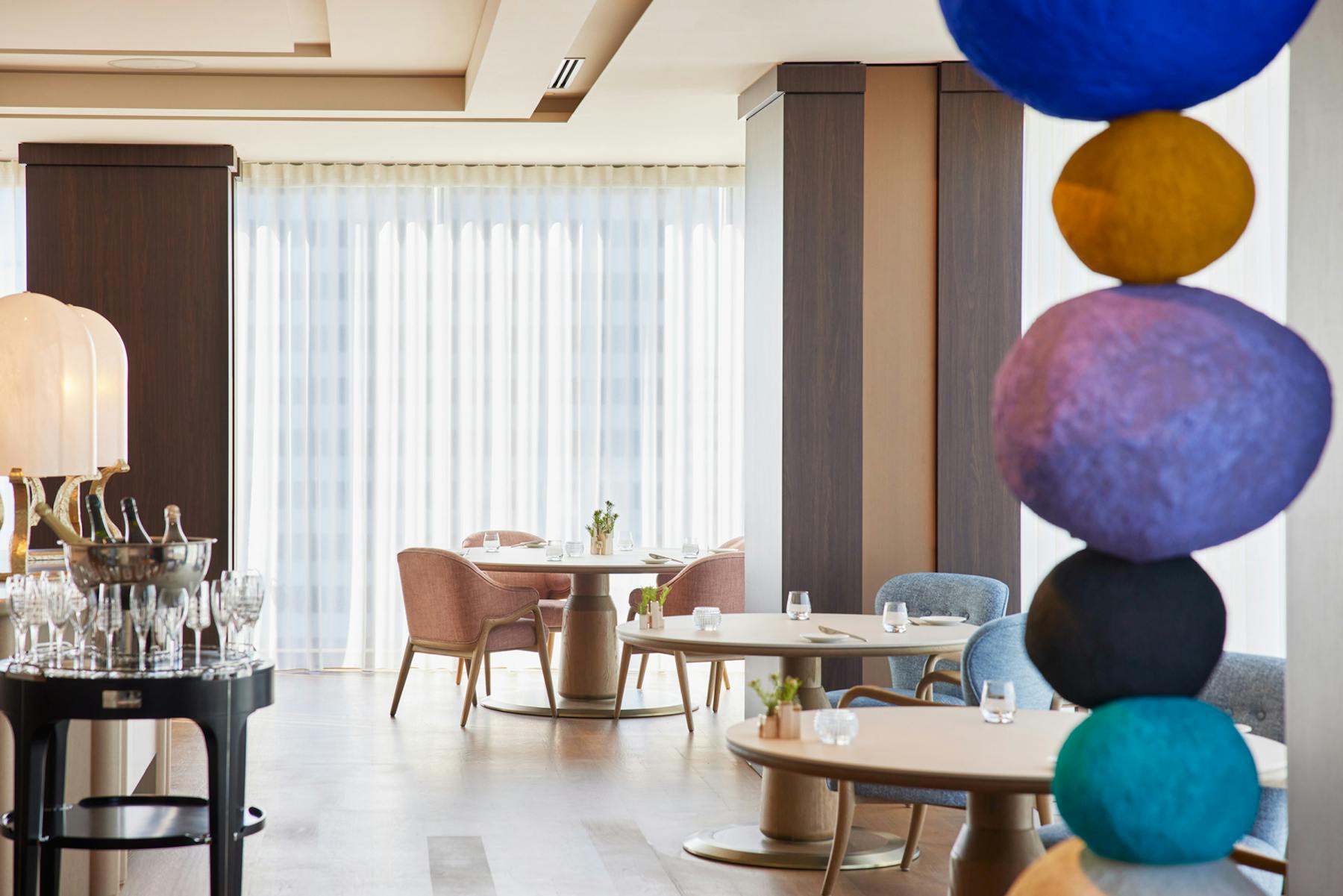
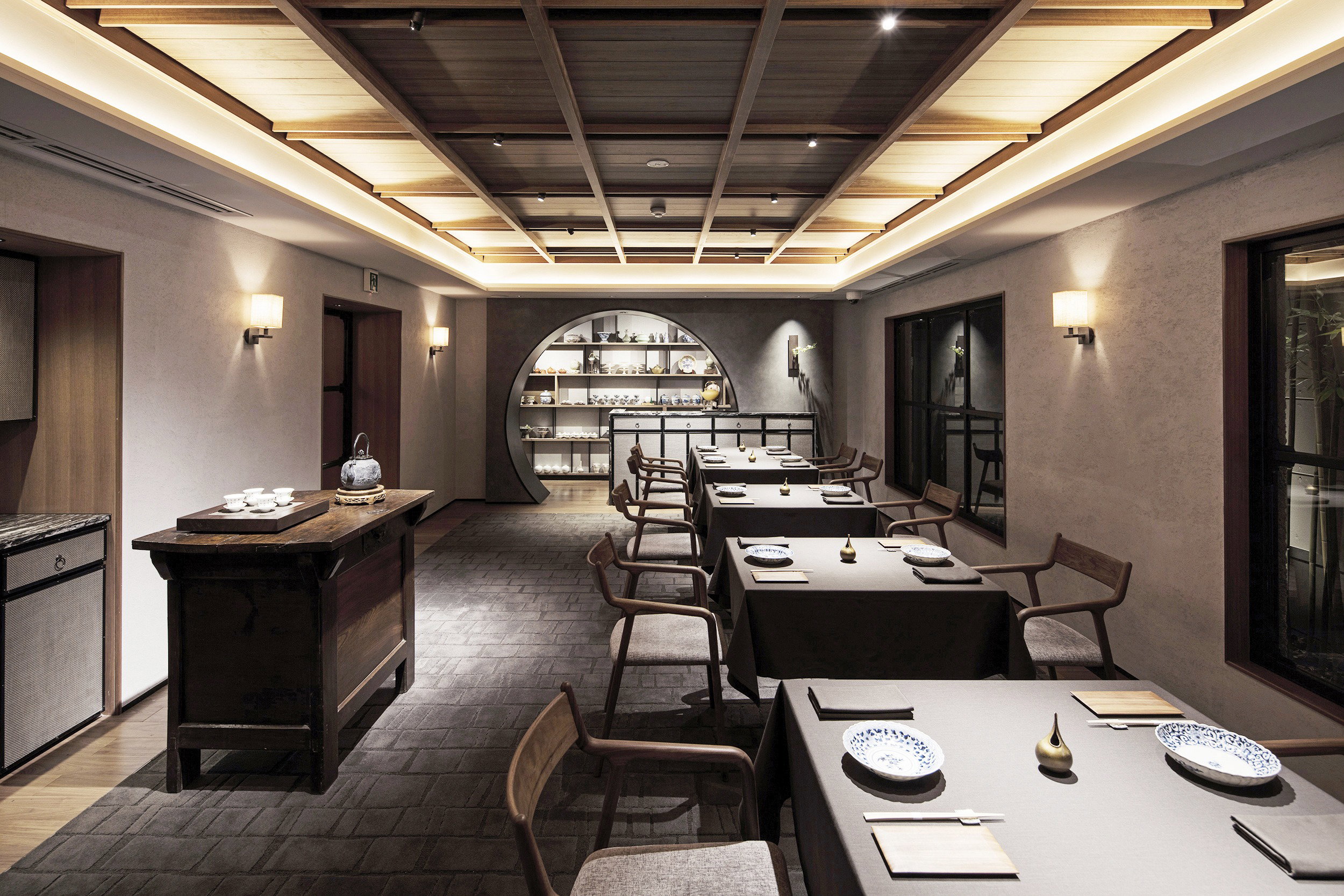
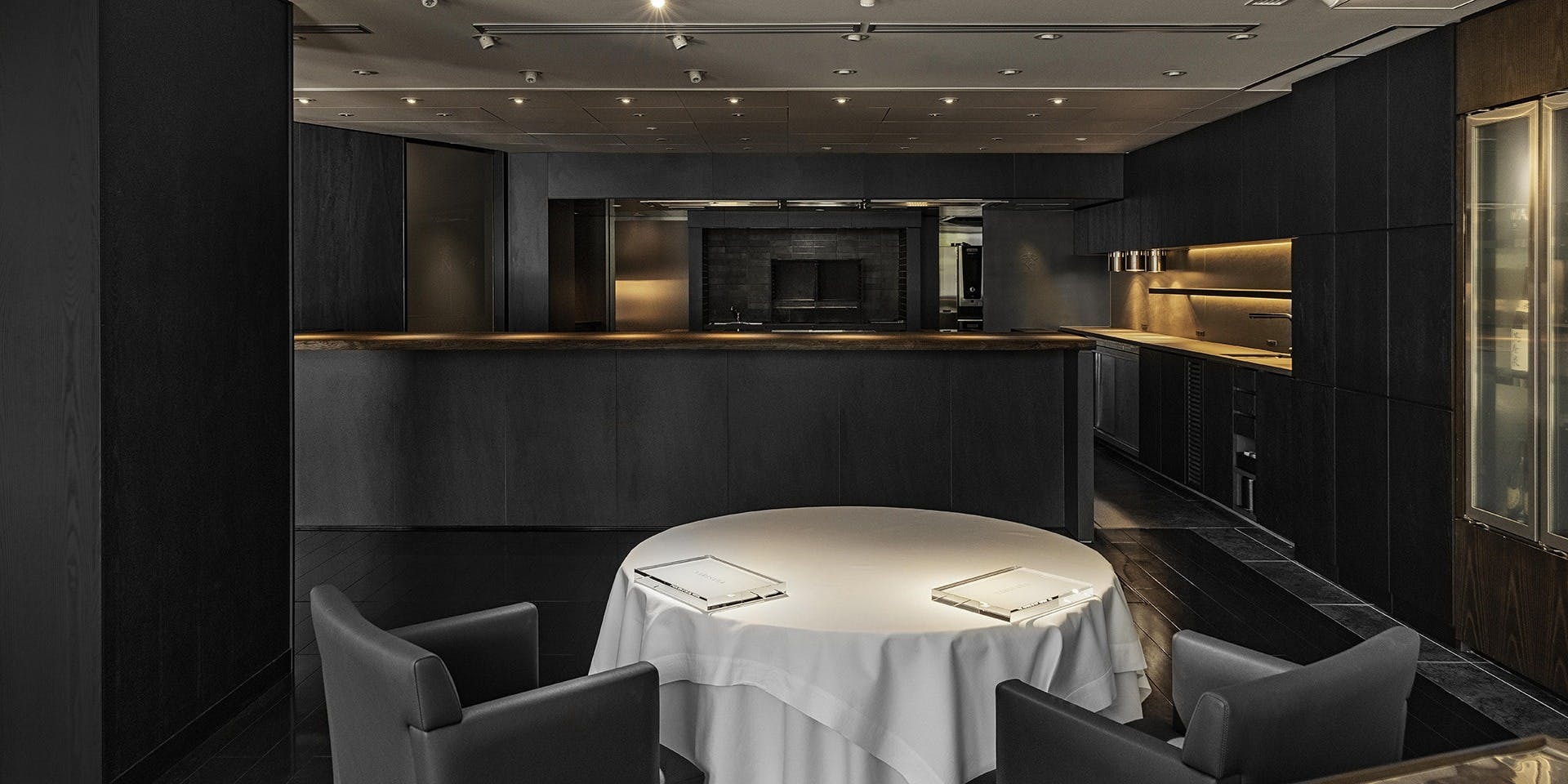
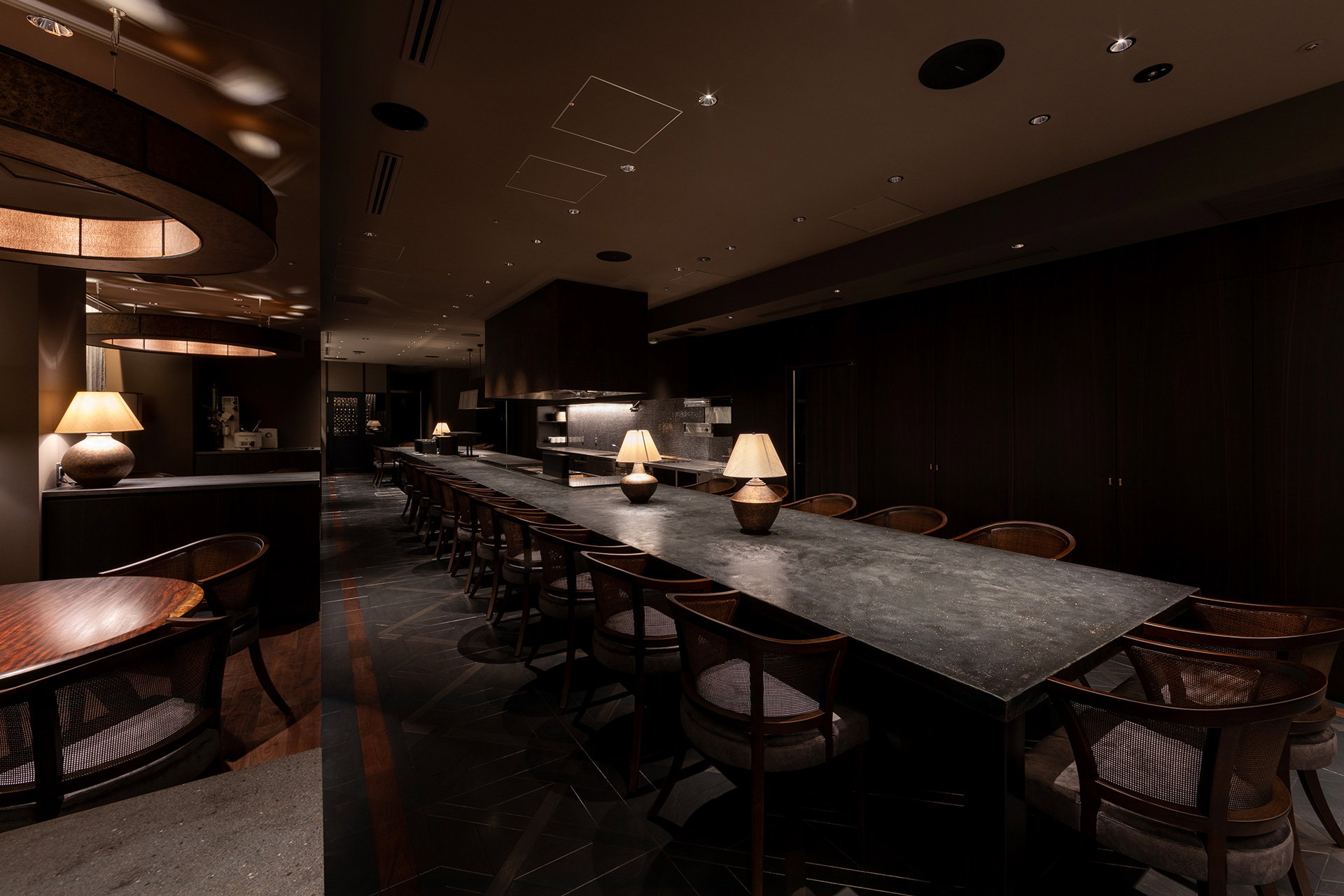
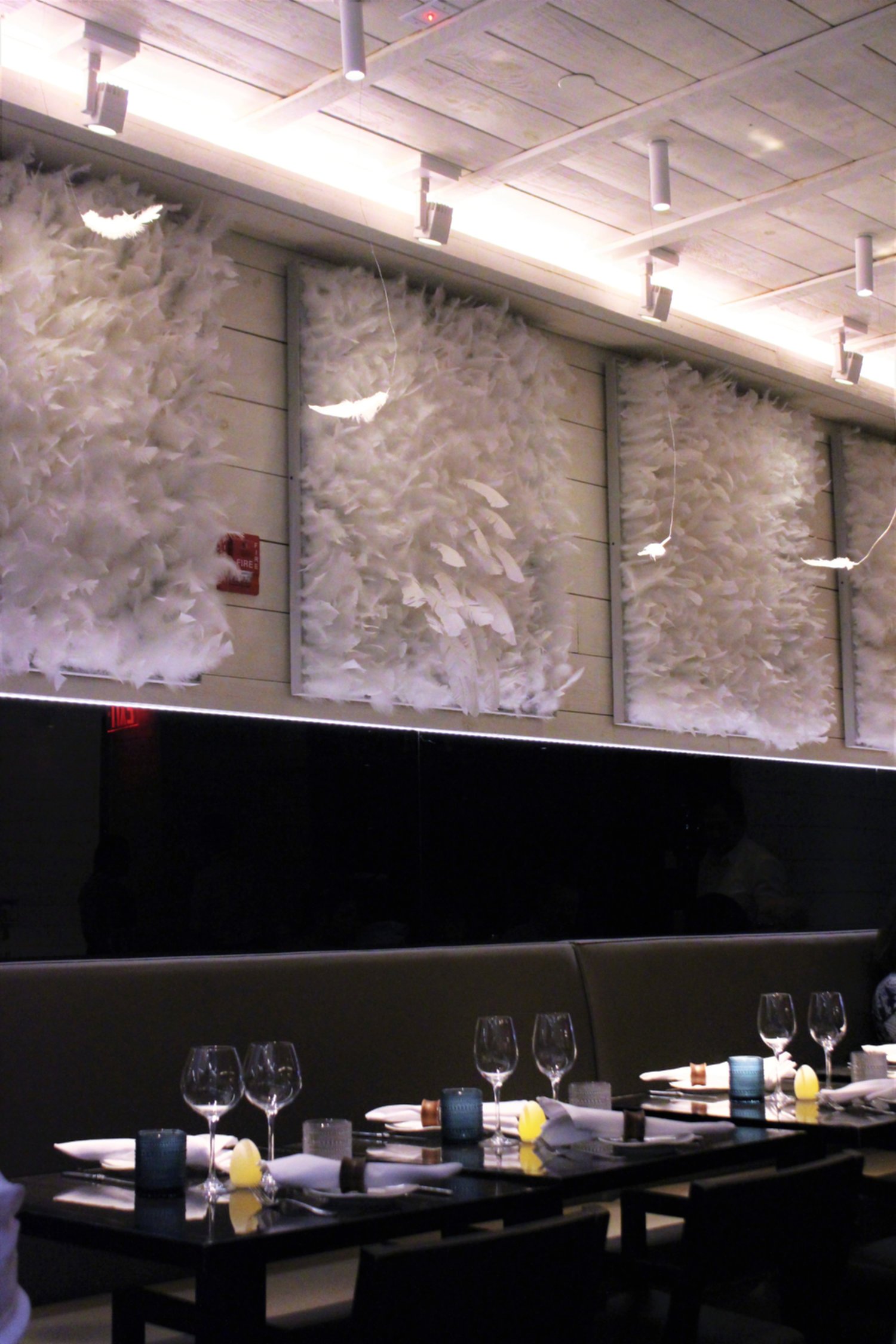
Serene and relaxing interior with white tones, offering an intimate, adult-oriented atmosphere praised for its upper-quality simplicity.
Tags
Vibe
Best For
At the Table
- Dress Code
- Smart Casual
- Noise Level
- Quiet
- Service Style
- Upscale Casual
- Meal Pacing
- Leisurely
- Capacity
- Intimate
- Kitchen
- Traditional
- Menu Format
- A la carte, Set menu
- Wine Program
- Curated
- Drinks Focus
- French wine
Signature Dishes
- smoked_salmon
- beef_steak_red_wine
Know before you go
Know Before You Go
- Getting there
- Japan, 〒150-0021 Tokyo, Shibuya, Ebisunishi, 2 Chome−7−2 ウィンズビル 1F
Planning details
Location
Japan, 〒150-0021 Tokyo, Shibuya, Ebisunishi, 2 Chome−7−2 ウィンズビル 1F · Directions
Recognition and awards
Also consider
Also Consider
- Harutaka, Sushi, ¥¥¥¥
- RyuGin, Kaiseki, Japanese, ¥¥¥¥
- L'Effervescence, French, ¥¥¥¥
- HOMMAGE, Innovtive French, French, ¥¥¥¥
- Florilège, French, ¥¥¥
Restaurant context
Le Coq sits at ¥¥¥ against a comparison set that is mostly ¥¥¥¥, and that price gap is the clearest reason to choose it. Florilège is the most direct rival: also French, also in the ¥¥¥ tier, but with a higher public profile, stronger booking demand, and a more contemporary presentation style. If you want French cooking that has more critical momentum behind it, Florilège is the booking to prioritise. Le Coq is the better option when you want a quieter room and a kitchen that is not trying to make a statement.
L'Effervescence and HOMMAGE both operate at ¥¥¥¥ and offer more elaborate experiences, deeper wine programs, more theatrical plating, longer tasting formats. If budget allows and you want French dining as the centrepiece of your trip, those are stronger choices than Le Coq. Harutaka and RyuGin are not direct style comparisons, sushi and kaiseki respectively, but both illustrate the higher tier of commitment required if you are chasing Tokyo's most technically demanding kitchens.
For value, Le Coq wins against the ¥¥¥¥ set on price and wins on booking ease against Florilège. The trade-off is that it carries less critical weight and a smaller reviewer base, which makes it a better fit for a returning Tokyo visitor who already knows the city's French dining tier and wants something consistent and considered rather than something to impress a first-time guest.
Explore Tokyo
Around this place
Discover more on Pearl
Unlock the full Le Coq guide in Pearl, including awards, comparisons, FAQs, planning details, and nearby places.
Compare Le Coq
| Venue | Cuisine | Price | Booking Difficulty | Awards |
|---|---|---|---|---|
| Le Coq | French | ¥¥¥ | Easy | 2026 Michelin Plate2025 Michelin Plate2024 Michelin Plate |
| Harutaka | Sushi | ¥¥¥¥ | Unknown | 2026 Tabelog Silver · #312026 OAD Top Restaurants in Japan Ranked · #1282026 Michelin 3 Stars2026 La Liste Top RestaurantsTabelog 100 - Sushi - TOKYO - 2025 · #372025 Asia's 50 Best Restaurants · #762025 OAD Top Restaurants in Japan Ranked · #1172025 La Liste Top Restaurants2025 Tabelog Bronze |
| RyuGin | Kaiseki, Japanese | ¥¥¥¥ | Unknown | 2026 OAD Top Restaurants in Japan Ranked · #802026 Tabelog Bronze · #3772026 Michelin 3 Stars2026 La Liste Top RestaurantsTabelog 100 - Japanese cuisine - TOKYO - 2025 · #212025 OAD Top Restaurants in Japan Ranked · #542025 Michelin 3 Stars2025 La Liste Top Restaurants2025 The Best Chef Three Knives |
| L'Effervescence | French | ¥¥¥¥ | Unknown | 2026 Tabelog Silver · #682026 OAD Top Restaurants in Japan Ranked · #103Star Wine Lists 20262026 Black Pearl 2 Diamond2026 Relais Chateaux Restaurants2026 La Liste Top Restaurants2026 Michelin 3 Stars2025 Asia's 50 Best Restaurants · #692025 OAD Top Restaurants in Japan Ranked · #92 |
| HOMMAGE | Innovtive French, French | ¥¥¥¥ | Unknown | 2026 Tabelog Bronze · #1232026 OAD Top Restaurants in Japan Highly Recommended2026 Michelin 2 StarsTabelog 100 - French - TOKYO - 2025 · #762025 Asia's 50 Best Restaurants · #782025 OAD Top Restaurants in Japan Ranked · #1752025 Michelin 2 Stars2025 The Best Chef One Knife2025 La Liste Top Restaurants |
| Florilège | French | ¥¥¥ | Unknown | 2026 Asia's 50 Best Restaurants · #312026 Tabelog Bronze · #712026 OAD Top Restaurants in Japan Ranked · #1242026 Black Pearl 1 Diamond2026 Michelin 2 Stars2026 La Liste Top Restaurants2025 Asia's 50 Best Restaurants · #172025 World's 50 Best Restaurants · #36Tabelog 100 - French - TOKYO - 2025 · #68 |













Comparing your options in Tokyo for this tier.
FAQ
Frequently Asked Questions
Can Le Coq accommodate groups?
Le Coq is a compact neighbourhood French restaurant in a ground-floor Ebisu-nishi building, which makes it better suited to couples or small parties of two to three than to large groups. If you are planning a group of six or more, a venue with a private room option will serve you better. Check availability directly when booking.
Is Le Coq worth the price?
At ¥¥¥, Le Coq is priced in the mid-range for Tokyo French dining, and the Michelin Plate recognition in both 2024 and 2025 confirms the cooking clears a credible quality bar. Chef Hiruma's approach strips out excess and focuses on ingredients, so if you want elaborate plating or theatre, you will feel underserved. For a focused, no-frills French meal in Ebisu, the price-to-quality ratio holds up.
Is Le Coq good for a special occasion?
Le Coq works for a low-key celebration where the food is the point, not the spectacle. The Michelin Plate standing gives it enough credibility to feel considered as a choice, but the stripped-back, ingredient-led format means it will not deliver grand-occasion atmosphere. For a milestone dinner where setting and service ceremony matter as much as the plate, L'Effervescence or Florilège are better fits.
What should I wear to Le Coq?
The venue data does not specify a dress code. Given the neighbourhood bistro format in Ebisu-nishi and the understated cooking philosophy, neat casual is a reasonable baseline — think the kind of outfit you would wear to a serious but unpretentious dinner, not a formal jacket occasion.
What are alternatives to Le Coq in Tokyo?
For more ambition at a higher price, L'Effervescence and Florilège are the obvious French upgrades in Tokyo, both with stronger accolades and more formal formats. If you want Japanese precision at a comparable or higher price point, Harutaka covers omakase rather than French. Le Coq's specific value is ingredient-led simplicity in a walkable Ebisu location — alternatives that match that exact brief are harder to find at this price band.