.png?width=1200&quality=80)
LAUBURU
French · Minato, Tokyo
Restaurant in Tokyo, Japan
 Book with Pearl
The Read
Basque Charcuterie Counter
Price
$50–100per person
Chef
Chanchavee Skulkunt
Dress
Casual
Why go
LAUBURU is a Basque pork specialist in Minami-Aoyama running a blackboard-only menu of charcuterie, boudin noir, brawn, and confit: the focused vision of a chef who cooked in France and came back with a single obsession. At the ¥¥ price tier, it delivers specialist craft at a price that makes it worth booking for any diner who eats pork. Visit October to March for the fullest charcuterie menu.
About LAUBURU
A Basque pork specialist tucked off Kotto-dori: book it if charcuterie-led French cooking is your format
This is not a venue trying to please everyone. Chef Shinichiro Sakurai has built LAUBURU around the food he actually wants to cook: brawn, boudin noir, confit of shank, char-grilled pork loin, pâté, pig's-head terrine. If that list reads like your kind of meal, book without hesitation. If you need a broad menu with fish, poultry, and vegetable-forward options as fallbacks, go elsewhere.
What LAUBURU is and why the number on the door matters
The name and the number 64 on the door are intentional markers. Lauburu is the Basque cross, a symbol of Basque identity, and 64 refers to Pyrénées-Atlantiques, the French department that contains the heart of Basque Country. Sakurai spent time in France and returned with a specific obsession: the pork culture of the Basque region, its charcuterie traditions, and the kind of country cooking that rarely travels well to restaurant tables because it requires patience and technique in equal measure. At LAUBURU, it has travelled. The menu is written on a blackboard and changes according to what Sakurai is working, which means what you eat will depend on when you visit.
How the season shapes what you should order
Because the menu is blackboard-only and rotates with Sakurai's focus, timing your visit matters more here than at a restaurant with a fixed printed menu. The Basque charcuterie tradition is rooted in cooler-season production: boudin noir, terrines, and brawn are foods of autumn and winter, when pork culture in the southwest of France is at its most active. Visiting LAUBURU in the colder months, roughly October through March, is likely to give you the fullest expression of what the kitchen does. In warmer months, expect the char-grilled preparations and confit dishes to take more prominence as the heavier terrines step back. The blackboard is the only reliable guide to what is on offer on any given day, so if you have a specific dish in mind, calling ahead or visiting early in a session to check the board before committing is sensible practice.
For food enthusiasts travelling specifically to eat Basque-influenced French cooking in Tokyo, this is one of the few addresses where that specificity is genuinely the whole point. Compare this with the broader French menus at L'Effervescence, Sézanne, or ESqUISSE, all of which offer seasonal French cooking at a higher price tier with more formal service structures. LAUBURU's value is in its concentration: a chef cooking one cuisine from one region, the way he chooses, at a price point (¥¥) that makes it accessible for a regular meal rather than a special-occasion outlay.
The atmosphere and what to expect walking in
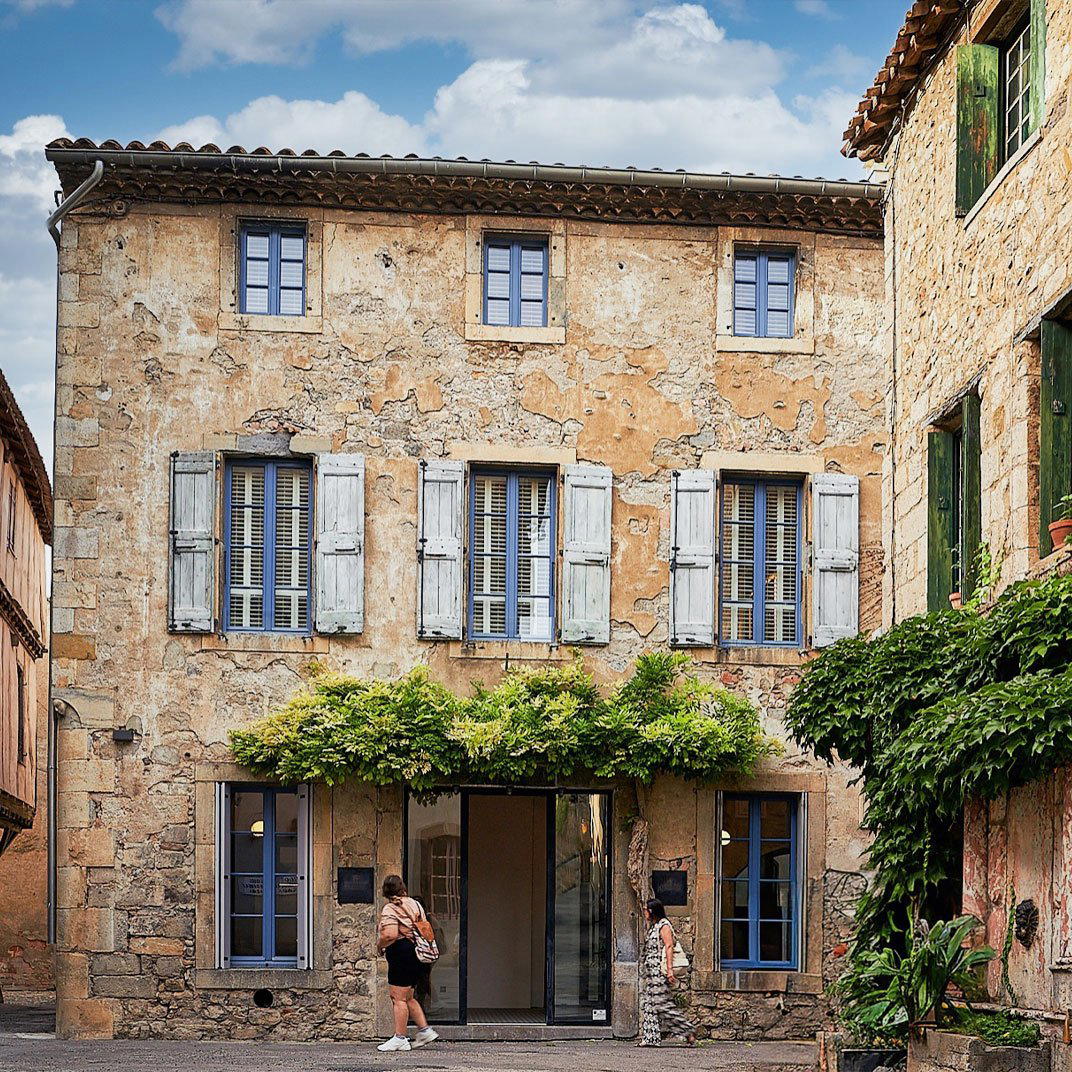
The address is 6 Chome-8-18 Minamiaoyama, a back alley off Kotto-dori Street in Minato City. The approach through a back alley is part of the experience rather than an obstacle: LAUBURU is not signposting itself aggressively. The number 64 on the door is the tell. Inside, the kitchen's output gives the room its character. Basque charcuterie cookery carries aroma: rendered fat, cured pork, the iron-edged scent of boudin noir in the pan. These are smells that belong to a Basque farmhouse kitchen rather than a white-tablecloth dining room, and at LAUBURU the room does not try to sanitise that. Diners who find that kind of kitchen scent off-putting should know what they are walking into. For those who find it compelling, it is part of the draw.
For broader context on where LAUBURU sits within Tokyo's French dining options, see Florilège and Château Restaurant Joël Robuchon for the formal end of the spectrum. LAUBURU operates with none of that ceremony, which is precisely its appeal at the ¥¥ price range.
Is LAUBURU worth the price?
At the ¥¥ price tier, LAUBURU represents strong value for what it delivers: specialist technique, a chef with a clear point of view, and cooking rooted in a tradition that takes years to execute properly. Basque charcuterie is labour-intensive. Brawn, pâté, and terrines are not quick dishes. The time Sakurai puts into each preparation is built into what you are eating, not into the price. For the depth of craft on the plate, this is a good deal by Tokyo standards. If your benchmark for value is volume or variety, LAUBURU will disappoint. If your benchmark is precision within a narrow discipline, it delivers.
Travellers moving through Japan and building a restaurant itinerary across cities should note that Basque-focused cooking of this specificity is rare outside Tokyo. HAJIME in Osaka, Gion Sasaki in Kyoto, and akordu in Nara each offer distinct regional cooking but none with this specific Basque pork focus. Goh in Fukuoka, 1000 in Yokohama, and 6 in Okinawa round out a picture of Japan's regional dining breadth, but if Basque French is the specific draw, LAUBURU in Tokyo is where to go. For comparable Basque-influenced French cooking in a European context, Hotel de Ville Crissier and Les Amis in Singapore are the nearest reference points in terms of French technique applied with regional conviction, though neither shares LAUBURU's specific pork-culture focus.
Know Before You Go
- Price range: ¥¥: accessible by Tokyo standards for this level of cooking
- Cuisine: Basque French, pork-focused, charcuterie-led
- Menu format: Blackboard only, rotates with season and chef's focus
- Booking difficulty: Easy
- Leading season to visit: October to March for the fullest charcuterie menu
- Address: 6 Chome-8-18 Minamiaoyama, Minato City, Tokyo 107-0062: back alley off Kotto-dori Street, look for the number 64 on the door
- Good for: Solo diners, food enthusiasts, Basque cuisine devotees, counter dining
- Not ideal for: Groups wanting a broad menu, vegetarians, diners who need fixed printed menus in advance
- More Tokyo dining: Our full Tokyo restaurants guide | Hotels | Bars | Wineries | Experiences
Planning details
- Location
- 6 Chome-8-18 Minamiaoyama, Minato City, Tokyo 107-0062, Japan
- Website
- lauburu.jp
- Phone
- +81 3-3498-1314
The take
The Take
The Vibe
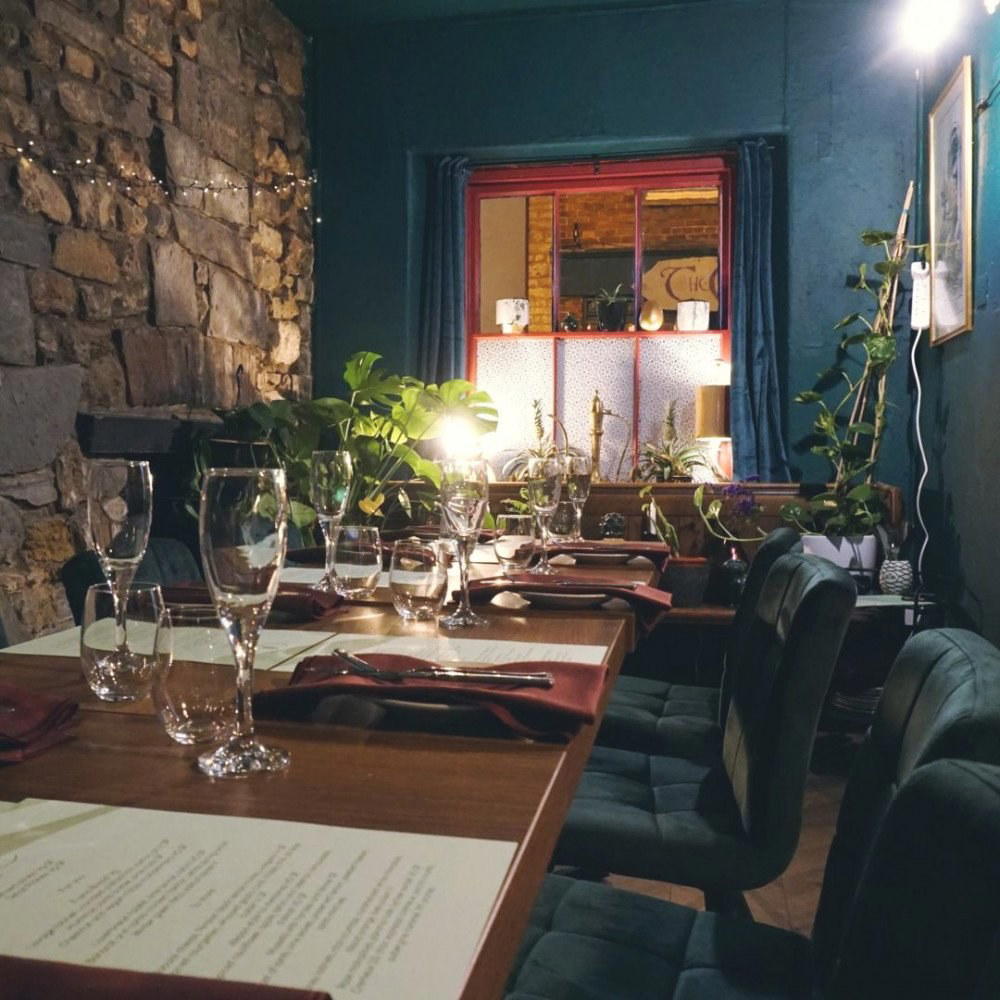
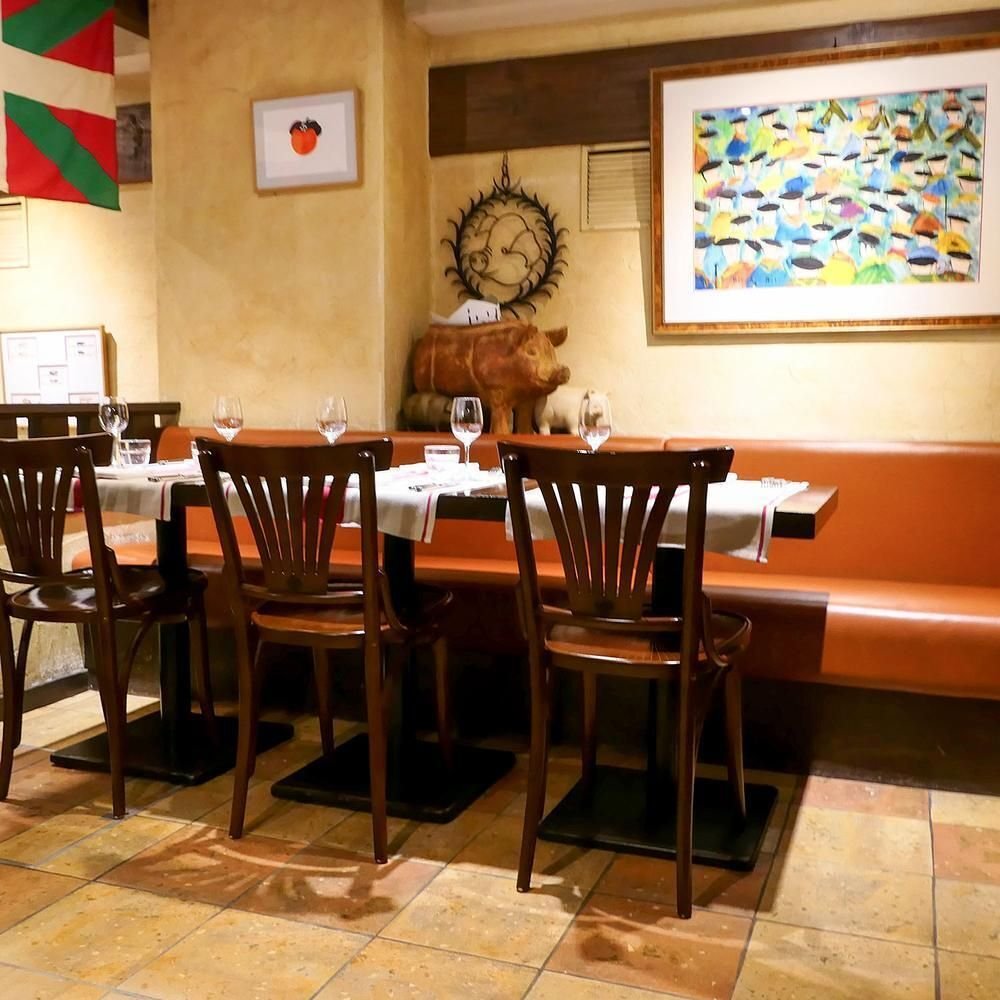
LAUBURU reads like a focused, old-school bistro transplanted into a Tokyo back alley. The restaurant stakes a clear claim on Basque farmhouse cooking, its door number references Pyrénées-Atlantiques, so the mood is quietly purposeful rather than flashy. Dishes are built around robust pork charcuterie and hearth-forward preparations, and the presentation favors the language of a farmhouse kitchen over Parisian refinement. The scale and location give it a tucked-away, charming quality: low-lit, meat-forward, and inwardly confident. It feels like a classic, intimate neighborhood bistro with a distinct regional thesis rather than a destination for spectacle.
Best For
LAUBURU is best experienced in the evening when its hearty, region-specific mains take center stage. The menu repeatedly emphasizes Basque pork traditions (pâté, pig’s-head terrine, boudin noir and cassoulet) so it suits diners who want a muscular, rustic French meal rather than a delicate tasting menu. The quietly serious tone and intimate scale make it a natural pick for date nights and special-occasion dinners where guests plan to linger over multiple courses and share charcuterie and mains drawn from the blackboard.
Ordering Tips
Lean into the Basque pork program: start with the pâté and pig’s-head terrine as shared appetisers, then move to a main such as boudin noir, confit of shank or the char-grilled pork loin. The blackboard lists daily items like brawn and other preparations: ask about those to experience what the chef is prioritizing that day. Cassoulet appears among the heartier options and works well for sharing. The menu reads like a farmhouse kitchen, so expect rustic, meat-forward dishes rather than Parisian tasting-room courses.
Venue details
Ambiance
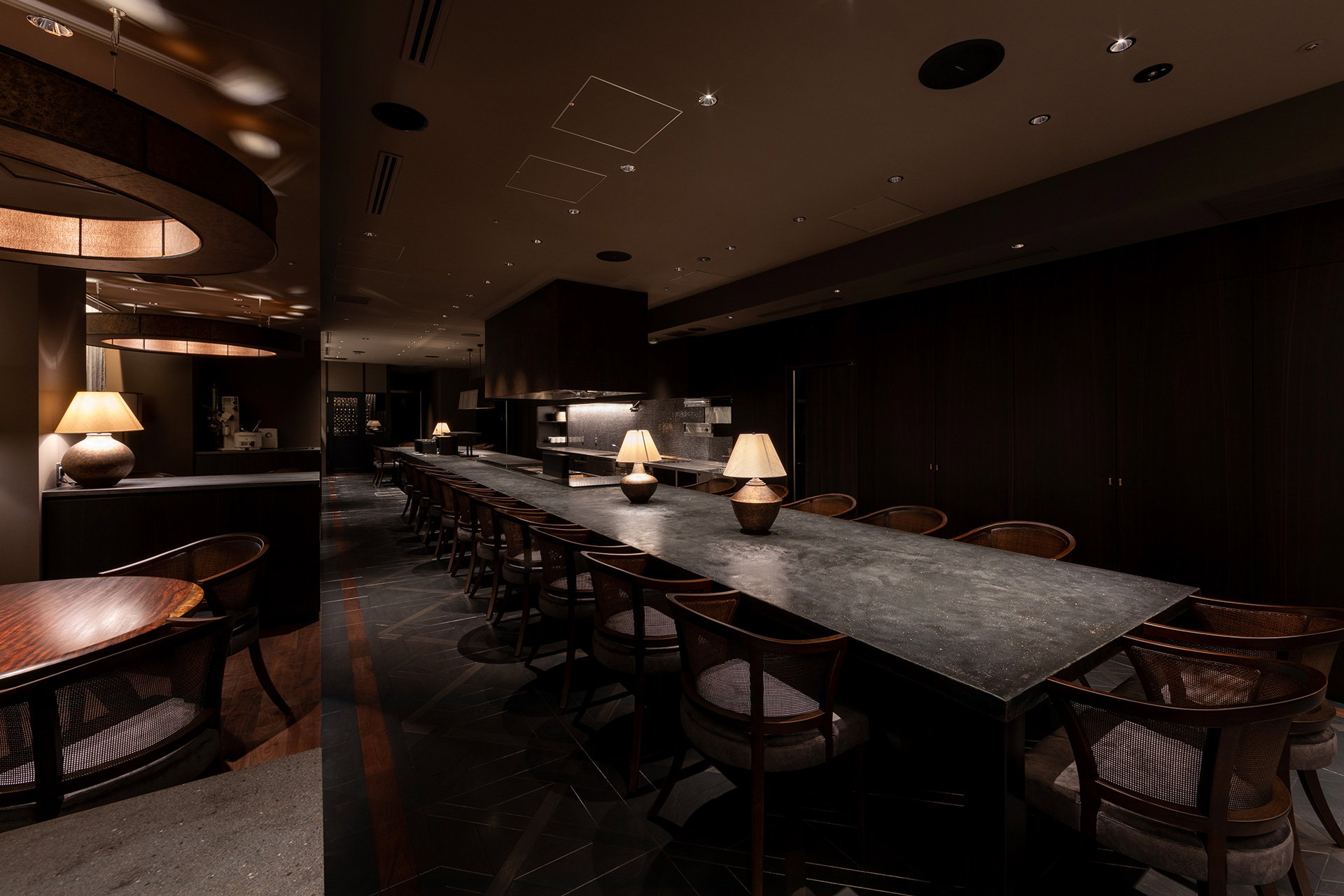
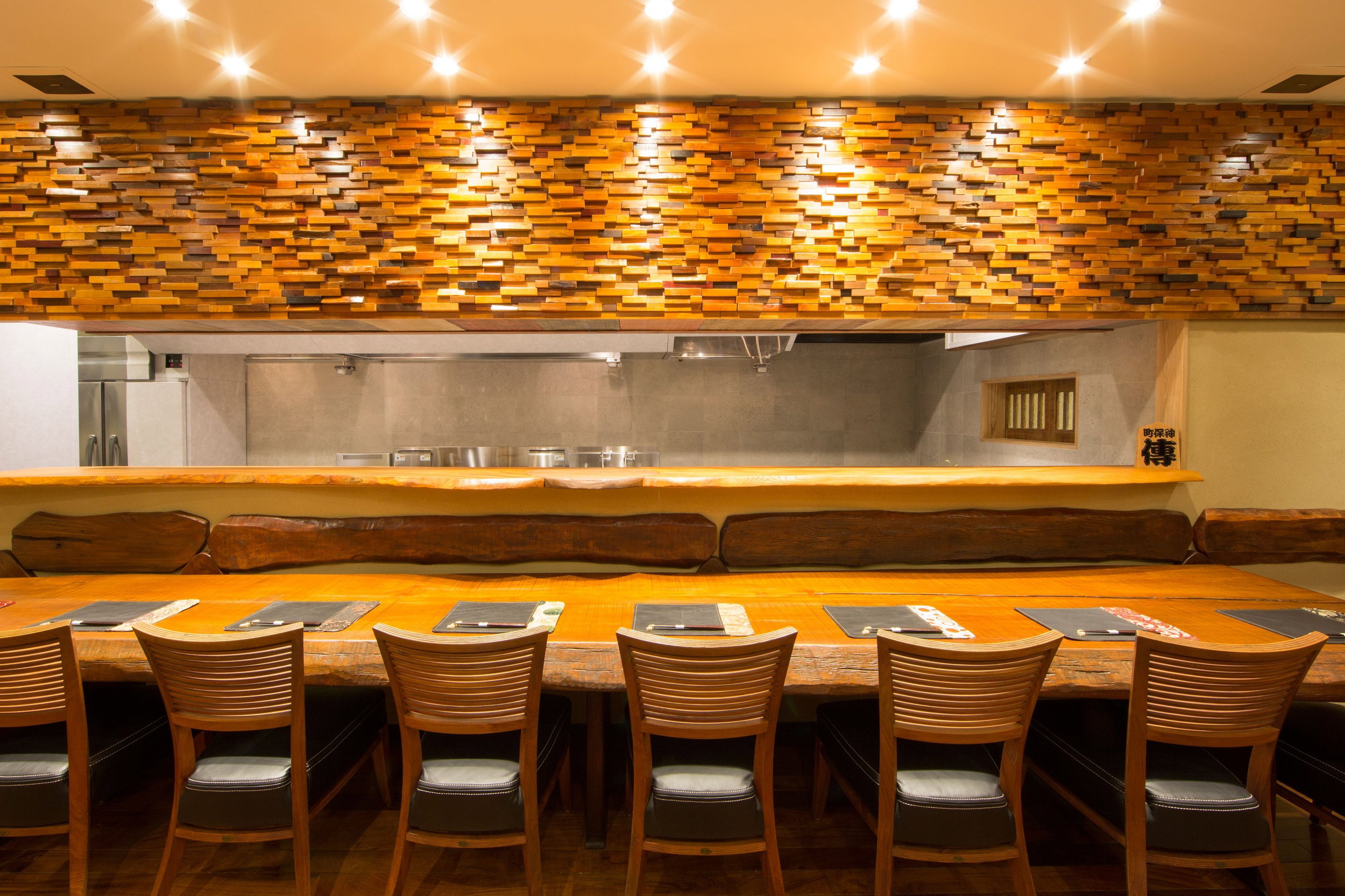
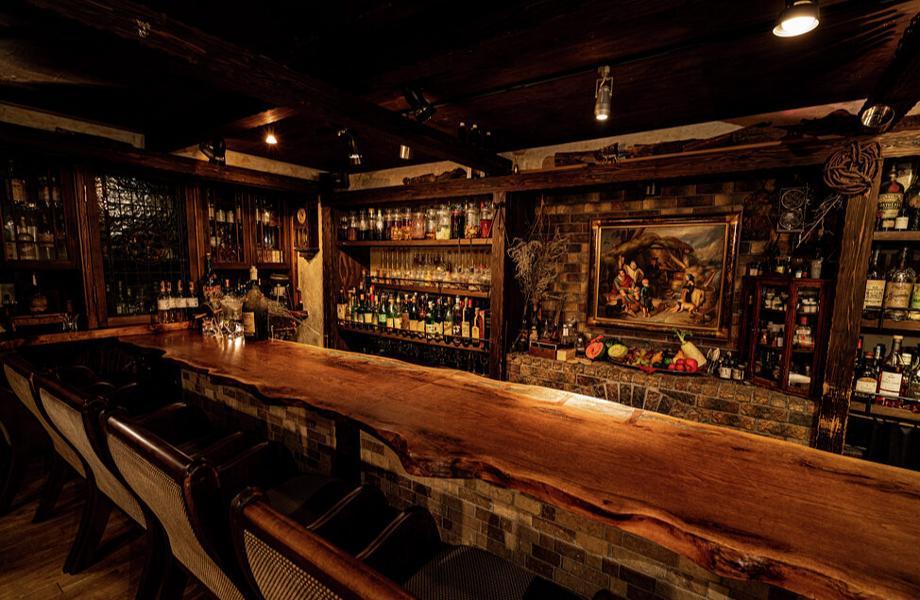
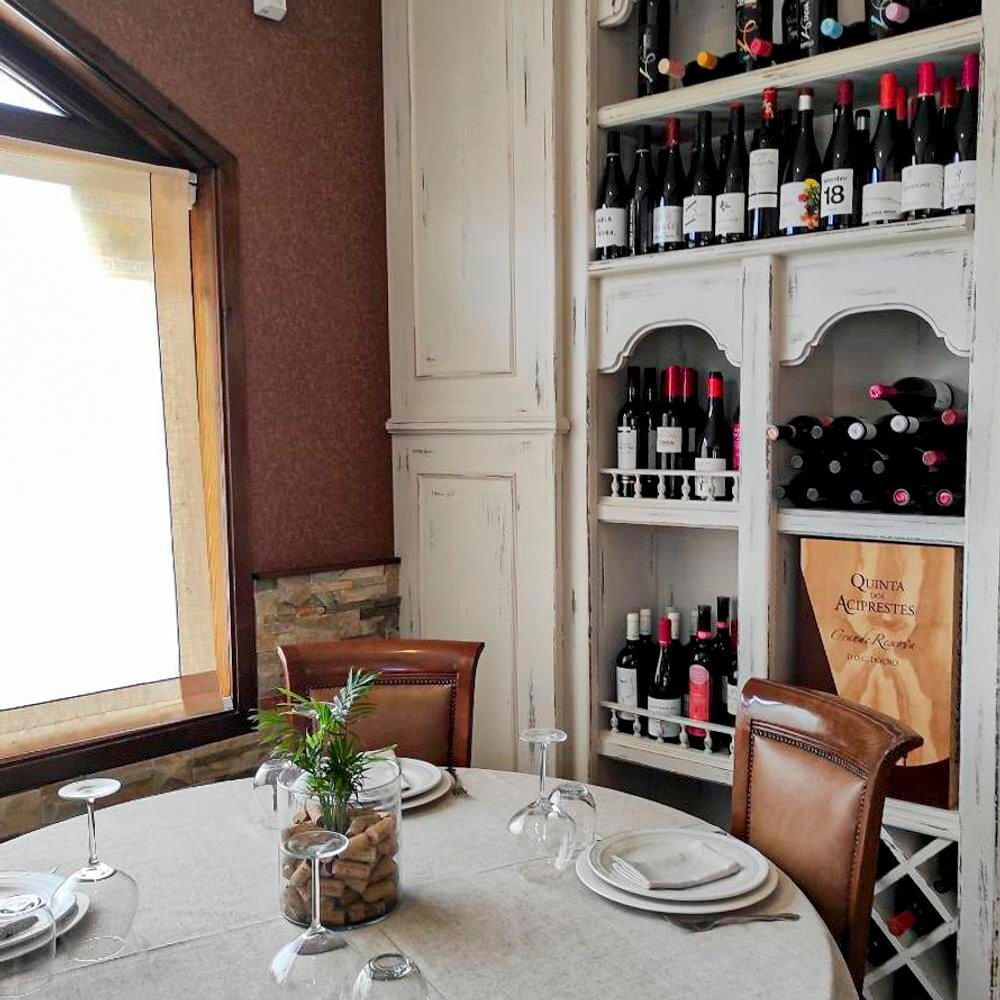
Simple and rustic atmosphere with heart-warming, homey cuisine in an intimate 24-seat setting.
Tags
Vibe
Best For
Experience
At the Table
- Dress Code
- Casual
- Noise Level
- Conversational
- Service Style
- Upscale Casual
- Meal Pacing
- Leisurely
- Capacity
- Intimate
- Kitchen
- Traditional
- Menu Format
- A la carte
Signature Dishes
- pâté
- pig’s-head terrine
- boudin noir
- cassoulet
Know before you go
Know Before You Go
- Getting there
- 6 Chome-8-18 Minamiaoyama, Minato City, Tokyo 107-0062, Japan
Planning details
Location
Recognition and awards
Also consider
Also Consider
- Harutaka: Sushi, ¥¥¥¥
- L'Effervescence: French, ¥¥¥¥
- RyuGin: Kaiseki, Japanese, ¥¥¥¥
- HOMMAGE: Innovtive French, French, ¥¥¥¥
- Crony: Innovative, French, ¥¥¥¥
Restaurant context
LAUBURU sits in a different category from most of Tokyo's French dining options, and that is the most useful thing to know when deciding where to book. L'Effervescence and HOMMAGE are both ¥¥¥¥ operations with ambitious seasonal menus, strong wine programs, and formal service: the kind of French dining where the full evening is the product. Crony sits in innovative French territory at the same price tier with a more contemporary edge. If you want a complete formal French evening in Tokyo, any of those three will deliver more breadth than LAUBURU. But breadth is not what LAUBURU is selling.
LAUBURU's comparison class is really restaurants where a single chef cooks a narrow repertoire with complete conviction. At ¥¥ versus the ¥¥¥¥ of its French peers, it is significantly more accessible for a regular dinner rather than a special-occasion booking. Harutaka (¥¥¥¥, sushi) and RyuGin (¥¥¥¥, kaiseki) are both technically serious and highly regarded, but they operate in completely different culinary traditions. If your Tokyo dining budget has room for one French meal and you want depth over ceremony, LAUBURU at ¥¥ is the stronger call. If you want the full formal French experience, L'Effervescence is the peer benchmark.
On booking difficulty, LAUBURU is rated easy, which distinguishes it from the harder-to-book ¥¥¥¥ options where reservations require more lead time. That accessibility, combined with the ¥¥ price tier, makes LAUBURU the most practical entry point into serious French cooking in Tokyo for a diner who does not need white tablecloths to validate the meal.
Explore Tokyo
Around this place
Discover more on Pearl
Unlock the full LAUBURU guide in Pearl, including awards, comparisons, FAQs, planning details, and nearby places.
Compare LAUBURU
| Venue | Awards | Price |
|---|---|---|
| LAUBURU | 2026 Bib Gourmand2024 Michelin Bib Gourmand | ¥¥ |
| Harutaka | 2026 Tabelog Silver · #312026 OAD Top Restaurants in Japan Ranked · #1282026 Michelin 3 Stars2026 La Liste Top RestaurantsTabelog 100 - Sushi - TOKYO - 2025 · #372025 Asia's 50 Best Restaurants · #762025 OAD Top Restaurants in Japan Ranked · #1172025 La Liste Top Restaurants2025 Tabelog Bronze | ¥¥¥¥ |
| L'Effervescence | 2026 Tabelog Silver · #682026 OAD Top Restaurants in Japan Ranked · #103Star Wine Lists 20262026 Black Pearl 2 Diamond2026 Relais Chateaux Restaurants2026 La Liste Top Restaurants2026 Michelin 3 Stars2025 Asia's 50 Best Restaurants · #692025 OAD Top Restaurants in Japan Ranked · #92 | ¥¥¥¥ |
| RyuGin | 2026 OAD Top Restaurants in Japan Ranked · #802026 Tabelog Bronze · #3772026 Michelin 3 Stars2026 La Liste Top RestaurantsTabelog 100 - Japanese cuisine - TOKYO - 2025 · #212025 OAD Top Restaurants in Japan Ranked · #542025 Michelin 3 Stars2025 La Liste Top Restaurants2025 The Best Chef Three Knives | ¥¥¥¥ |
| HOMMAGE | 2026 Tabelog Bronze · #1232026 OAD Top Restaurants in Japan Highly Recommended2026 Michelin 2 StarsTabelog 100 - French - TOKYO - 2025 · #762025 Asia's 50 Best Restaurants · #782025 OAD Top Restaurants in Japan Ranked · #1752025 Michelin 2 Stars2025 The Best Chef One Knife2025 La Liste Top Restaurants | ¥¥¥¥ |
| Crony | 2026 Asia's 50 Best Restaurants · #34Star Wine Lists 20262026 OAD Top Restaurants in Japan Recommended2026 Michelin 2 Stars2025 Asia's 50 Best Restaurants · #30Tabelog 100 - French - TOKYO - 2025 · #782025 OAD Top Restaurants in Japan Ranked · #227We're Smart World Top Restaurants 20252025 Michelin 2 Stars | ¥¥¥¥ |















Comparing your options in Tokyo for this tier.
FAQ
Frequently Asked Questions
Is LAUBURU good for solo dining?
Yes: a small back-alley spot with a blackboard menu suits solo diners well. The format is built around a chef's personal vision rather than table theatre, so eating alone lets you focus on the food without friction. At the ¥¥ price tier, it's a low-stakes solo commitment compared to Tokyo's omakase circuit.
Can I eat at the bar at LAUBURU?
Given the venue's back-alley format and small footprint off Kotto-dori, seating is likely limited and worth confirming when you book. Arriving without a reservation and expecting counter flexibility is a risk at a specialist this size.
What should I order at LAUBURU?
Go straight for the pork: pâté and pig's-head terrine are the documented appetisers, boudin noir is the main to anchor your meal around. The blackboard also lists brawn, confit of shank, and char-grilled pork loin depending on what Sakurai is cooking that day. If pork isn't your focus, this isn't the right room.
What are alternatives to LAUBURU in Tokyo?
For French cooking with similar conviction, HOMMAGE in Tokyo operates in a comparable register of chef-driven, technique-focused French without the Basque pork specialisation. L'Effervescence is the step-up option if you want more formal tasting-menu French at a higher price tier. Crony suits diners who want natural-wine-forward bistro energy over charcuterie craft.
Is LAUBURU worth the price?
At ¥¥, yes: specialist charcuterie technique and a chef with a clearly defined point of view at this price point is good value for Minami-Aoyama. You're not paying for a grand room or a famous name; you're paying for cooking rooted in genuine affection for Basque pork culture. If that format fits, the price-to-conviction ratio is strong.
Is the tasting menu worth it at LAUBURU?
The menu structure isn't confirmed as a fixed tasting format: LAUBURU runs a blackboard that reflects what Sakurai is focused on, which functions more like a short seasonal à la carte than a scripted sequence. That's worth knowing before you book: expect a but flexible selection, not a locked multi-course progression. For a formal tasting menu experience, L'Effervescence is the Tokyo comparison.