.png?width=1200&quality=80)
La Lune
French · Minato, Tokyo
Restaurant in Tokyo, Japan
 Book with Pearl
The Read
Seasonal French-Japanese Fusion
Price
$100–150per person
Dress
Smart Casual
Why go
La Lune is a Michelin Plate French restaurant in Higashi-Azabu that integrates Japanese seasonal logic into its menu — think foie gras alongside Shogoin daikon and chopstick service. At ¥¥¥ with easy booking, it is the most accessible entry point into Tokyo's Franco-Japanese fine dining tier, and the high-ceilinged, chandelier-lit room earns its place for a date or business dinner.
About La Lune
La Lune, Tokyo: French Cuisine with Japanese Soul in Higashi-Azabu
The common assumption about Franco-Japanese fusion restaurants in Tokyo is that the Japanese elements are decorative — a garnish of yuzu here, a miso glaze there. La Lune in Higashi-Azabu works the other way around. The Japanese influence is structural: service arrives on wooden trays with chopsticks, amuse-bouches centre on seafood in tribute to Japan's coastal abundance, and the menu rotates through the seasons in a way that mirrors kaiseki discipline — spring pulses, summer watermelon, autumn chestnuts, winter Shogoin daikon. This is not a French restaurant with Japanese accents. It is a French kitchen that has organised itself around Japanese culinary logic.
For a special occasion dinner in Tokyo's ¥¥¥ tier, that distinction matters. If you want straight French technique without the cultural dialogue, Florilège is the more focused option at the same price point. If you want the full Franco-Japanese conversation pushed further and harder, L'Effervescence operates at ¥¥¥¥ with a stronger critical profile. La Lune sits between those two: a considered, atmospheric room with a clear culinary perspective, at a price that does not require a special occasion to justify.
The Room and the Experience
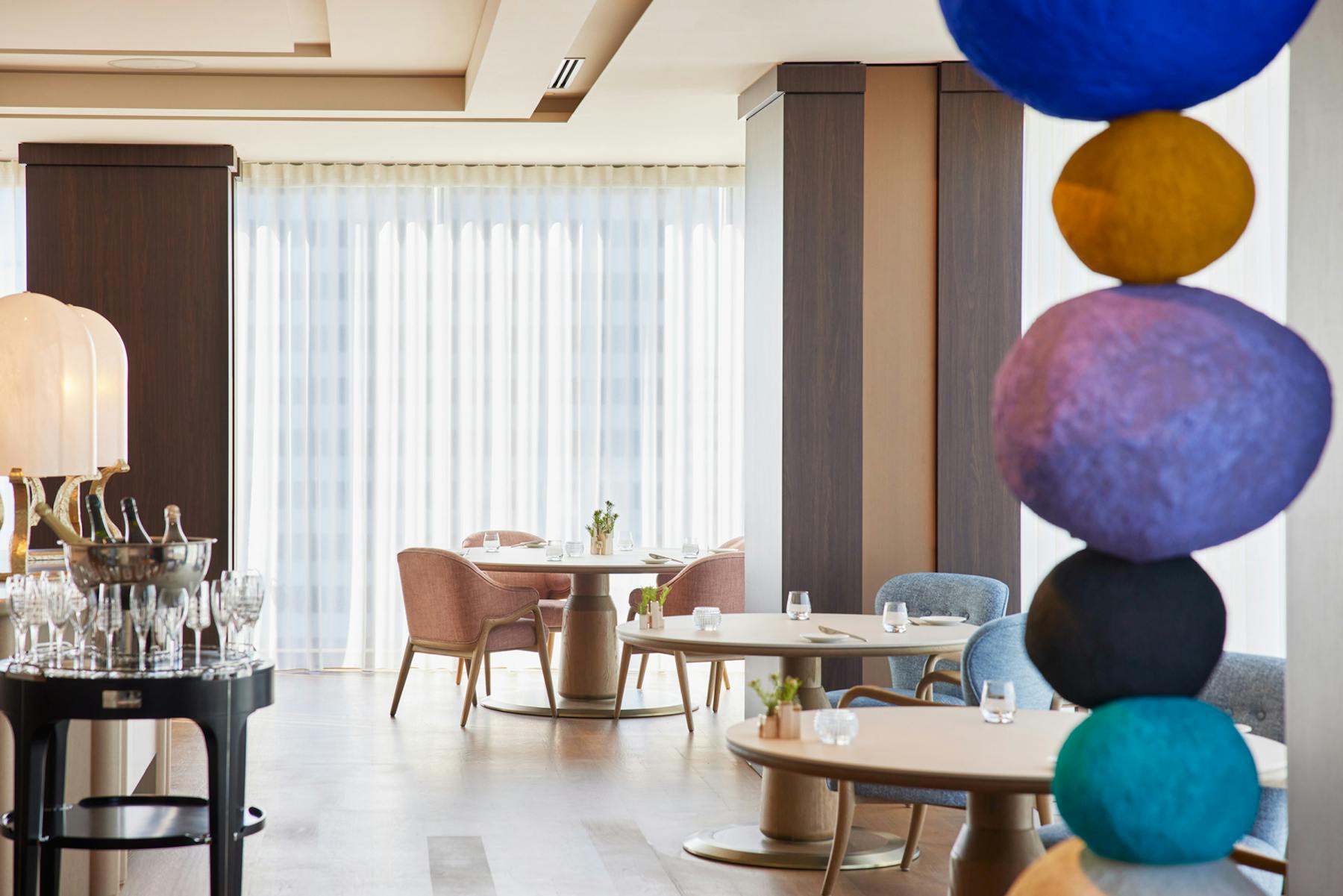
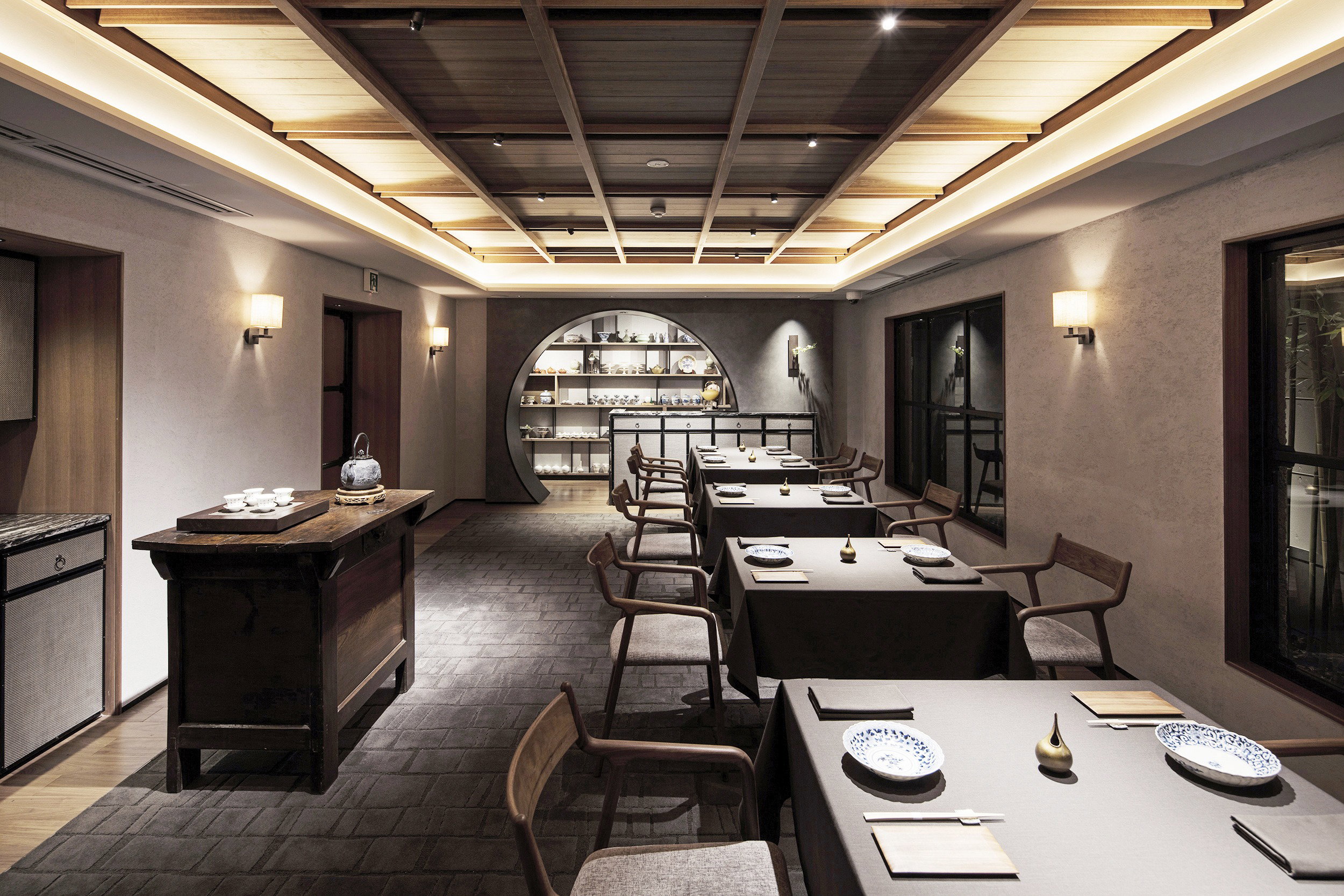
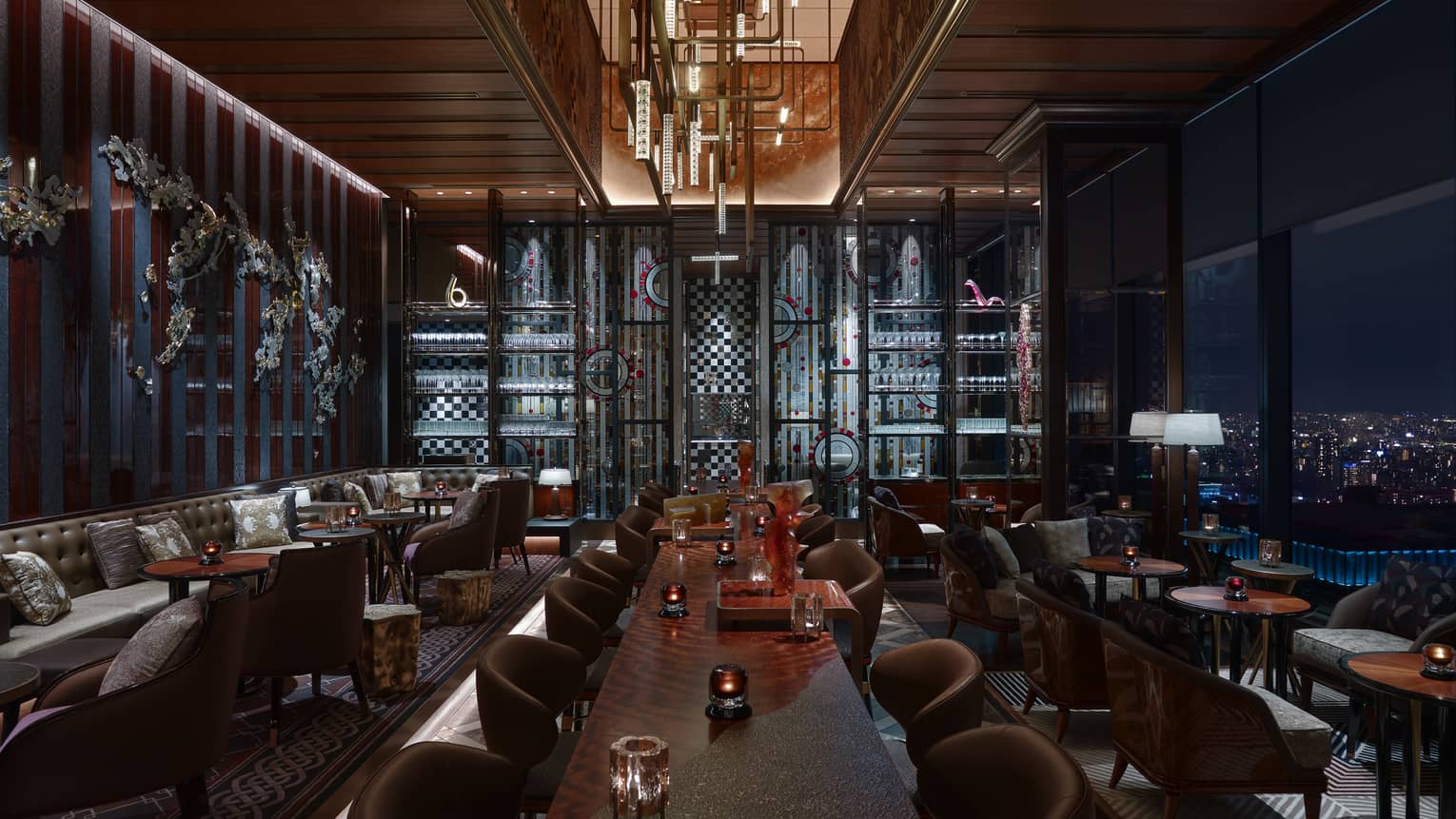
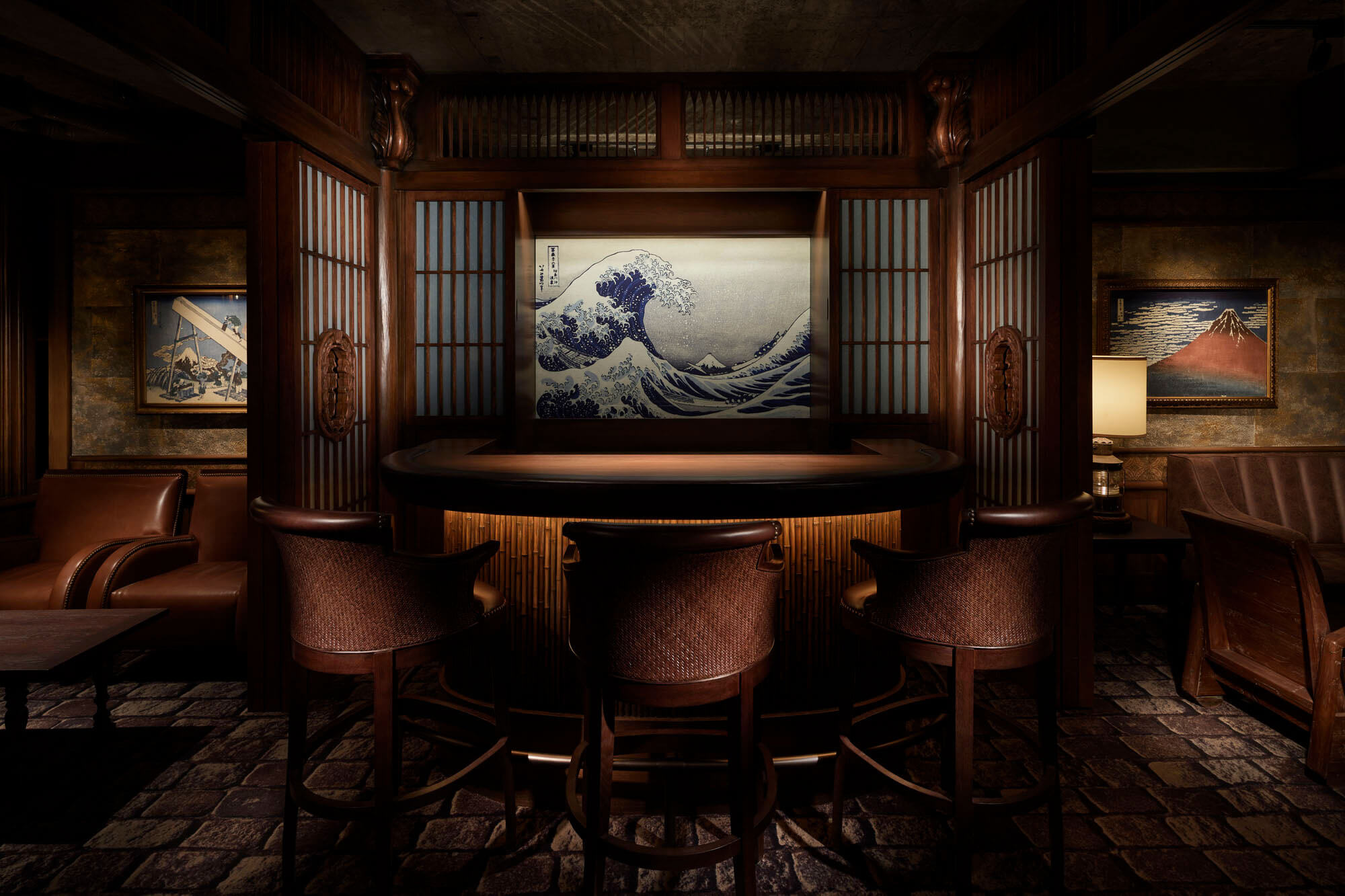
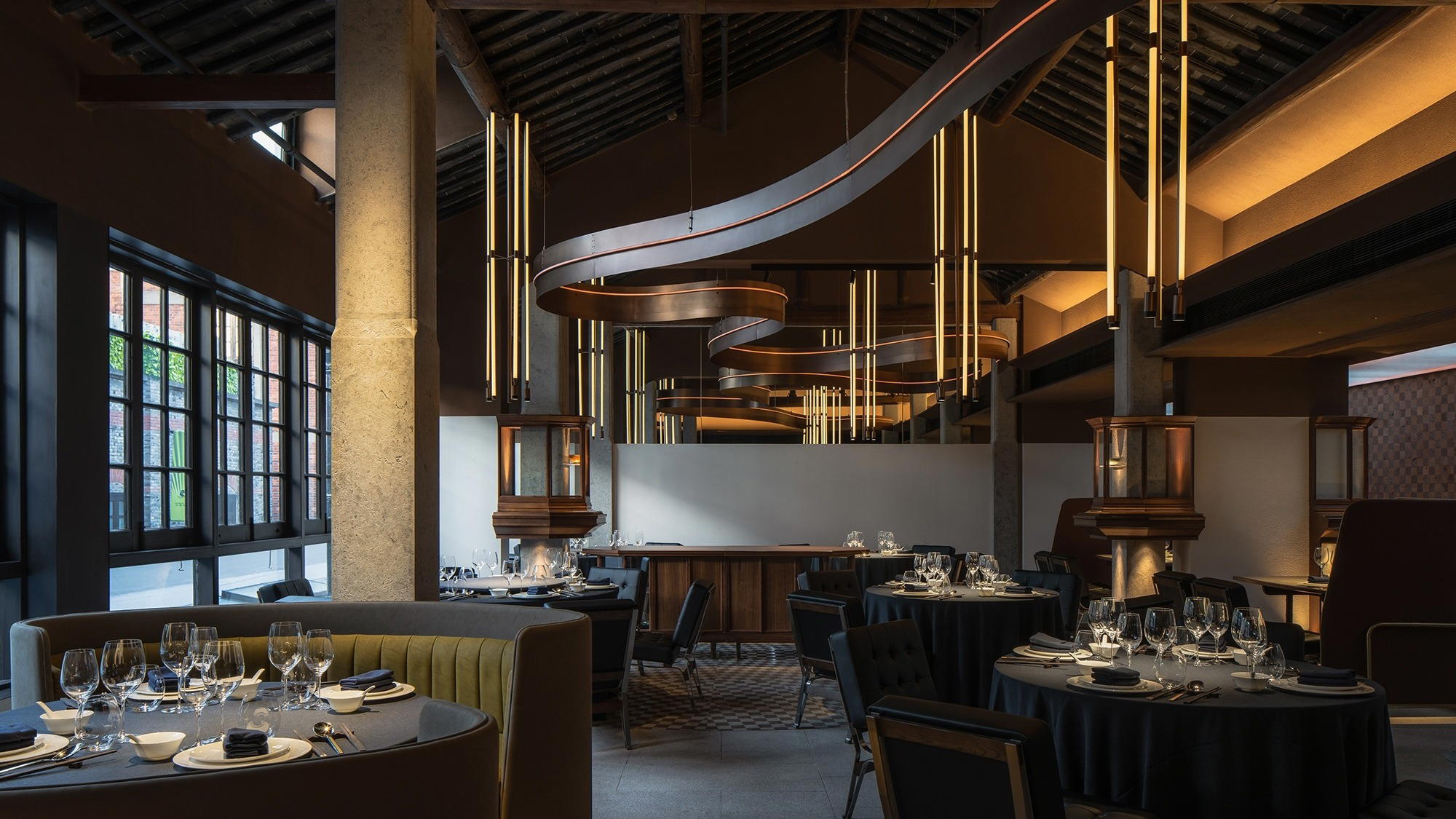
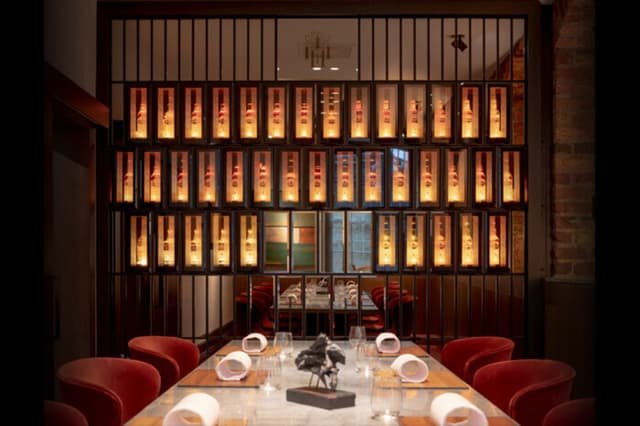
The dining room at La Lune's address in FUJI RESIDENCE, Higashi-Azabu, Minato City, is lavishly appointed: high ceilings, chandeliers, ceiling fans, and elaborate architectural trims. For a date or a business dinner where the setting needs to carry some of the weight, the room delivers without tipping into the austere minimalism that many Tokyo fine-dining spaces default to. The visual richness here makes it more useful for celebrations or client meals where you need atmosphere, not just good food.
The house staple, foie gras poêlé, is worth noting as an anchor of reliability. It signals a kitchen that respects the classical canon while building outward from it. The seasonal vegetable and fruit programme is where the Japanese influence shows most directly: the menu changes not just in response to the chef's preferences but in response to what Japan's agricultural calendar produces. Winter brings Shogoin daikon, a Kyoto heritage variety; summer brings watermelon used in ways that would be unexpected in a purely French context. If you are visiting Tokyo between November and February, the winter menu here is the version with the most to say.
Late-Night and Timing Considerations
Booking at La Lune is rated Easy, which in Tokyo's competitive fine-dining market is genuinely useful information. Restaurants at the ¥¥¥¥ tier, Sézanne, ESqUISSE, Château Restaurant Joël Robuchon, routinely require lead times of four to eight weeks. La Lune's accessibility means it is a credible option when you are planning a trip with shorter notice, or when a last-minute special occasion requires a room that can perform.
Hours are not confirmed in our data, so contact the restaurant directly to verify service times. What the accessible booking difficulty does suggest is that this is not a venue where a late-sitting table is impossible to secure. If you are working through an evening in Minato and want to extend into a proper dinner after 9 PM, La Lune is worth checking for availability in a way that many of its peers are not. For context on what else Minato and the broader Tokyo dining scene offers after standard hours, see our full Tokyo restaurants guide and our full Tokyo bars guide.
Trust and Recognition
La Lune holds a Michelin Plate (2025), which in the Michelin framework indicates a restaurant producing food worth noting, below star level but above the unmarked majority of Tokyo's restaurants. At ¥¥¥, that recognition provides a useful floor: the kitchen has cleared a quality threshold that Michelin's Tokyo inspectors consider notable.
For comparison, HAJIME in Osaka and Gion Sasaki in Kyoto show how seriously Japan treats Franco-Japanese and fusion cooking at the top tier. La Lune is not operating at that level, but it is operating with a clear point of view and a room that earns its price. If you are also travelling beyond Tokyo, akordu in Nara, Goh in Fukuoka, and 1000 in Yokohama cover the Franco-Japanese and innovative fine-dining space in other Japanese cities. For completeness, 6 in Okinawa is worth knowing if your trip extends south.
Internationally, the Franco-Japanese dialogue La Lune pursues has analogues in restaurants like Les Amis in Singapore and the classical French rigour of Hotel de Ville Crissier in Crissier, useful reference points for understanding where La Lune sits on the spectrum between French classicism and genuine East-West integration. La Lune leans further toward integration than most.
The Verdict
Book La Lune if: you want a French dinner in Tokyo with a coherent Japanese perspective rather than surface-level fusion; you need a room that performs for a date or business meal; or you are working with shorter booking notice than the ¥¥¥¥ tier allows. Go in winter if timing is flexible, the seasonal menu is at its most distinctively Japanese in the cold months. For hotels and other experiences in the area, see our full Tokyo hotels guide, our full Tokyo wineries guide, and our full Tokyo experiences guide.
Quick reference: Address: FUJI RESIDENCE, 2 Chome-26-16 Higashiazabu, Minato City, Tokyo 106-0044.
Planning details
- Location
- FUJI RESIDENCE, 2 Chome-26-16 Higashiazabu, Minato City, Tokyo 106-0044, Japan
- Website
- la-lune.tokyo
- Phone
- +81 3-3589-2005
The take
The Take
The Vibe
La Lune lands in Tokyo’s quieter, mid-luxury register—a French kitchen that reads Japanese seasons with restraint rather than spectacle. The profile is technically assured and intimate: the writing highlights amuse-bouches built around seafood and a shifting seasonal agenda that moves from pulses and watermelon to chestnuts and daikon. It occupies a tasteful middle ground between heavy-investment flagship dining and brasserie value, offering a composed, low-key atmosphere that rewards planning. The Michelin Plate for 2025 underscores the focus on craft without the full formality or pricing of starred rooms, making the room feel deliberately measured and quietly notable.
Best For
La Lune is best experienced as an evening destination when the kitchen’s seasonal sequence and small, seafood-led amuse-bouches cohere. The restaurant’s Michelin Plate signals cooking worth seeking at a ¥¥¥ price point, so it naturally suits date nights and special occasions when you’re planning rather than defaulting to a brasserie. The menu frames French technique through a Japanese seasonal logic, so diners who appreciate technical precision, careful pacing and ingredient-driven courses will find the most satisfying visit here. It’s a deliberate, considered alternative to Tokyo’s more ostentatious flagships.
Ordering Tips
Look for the kitchen’s seafood amuse-bouches as a throughline and sample the seasonal sequence rather than picking à la carte; the service and menu framing suggest a composed, course-forward approach. Don’t miss the venue’s signature sweets—the Sea Urchin Sorbet and the Ginger Ice Cream—which are called out as house specialties. Given the restaurant’s mid-luxury positioning and Michelin Plate recognition, plan ahead and expect a menu that shifts with the calendar to highlight seasonal ingredients.
Venue details
Ambiance
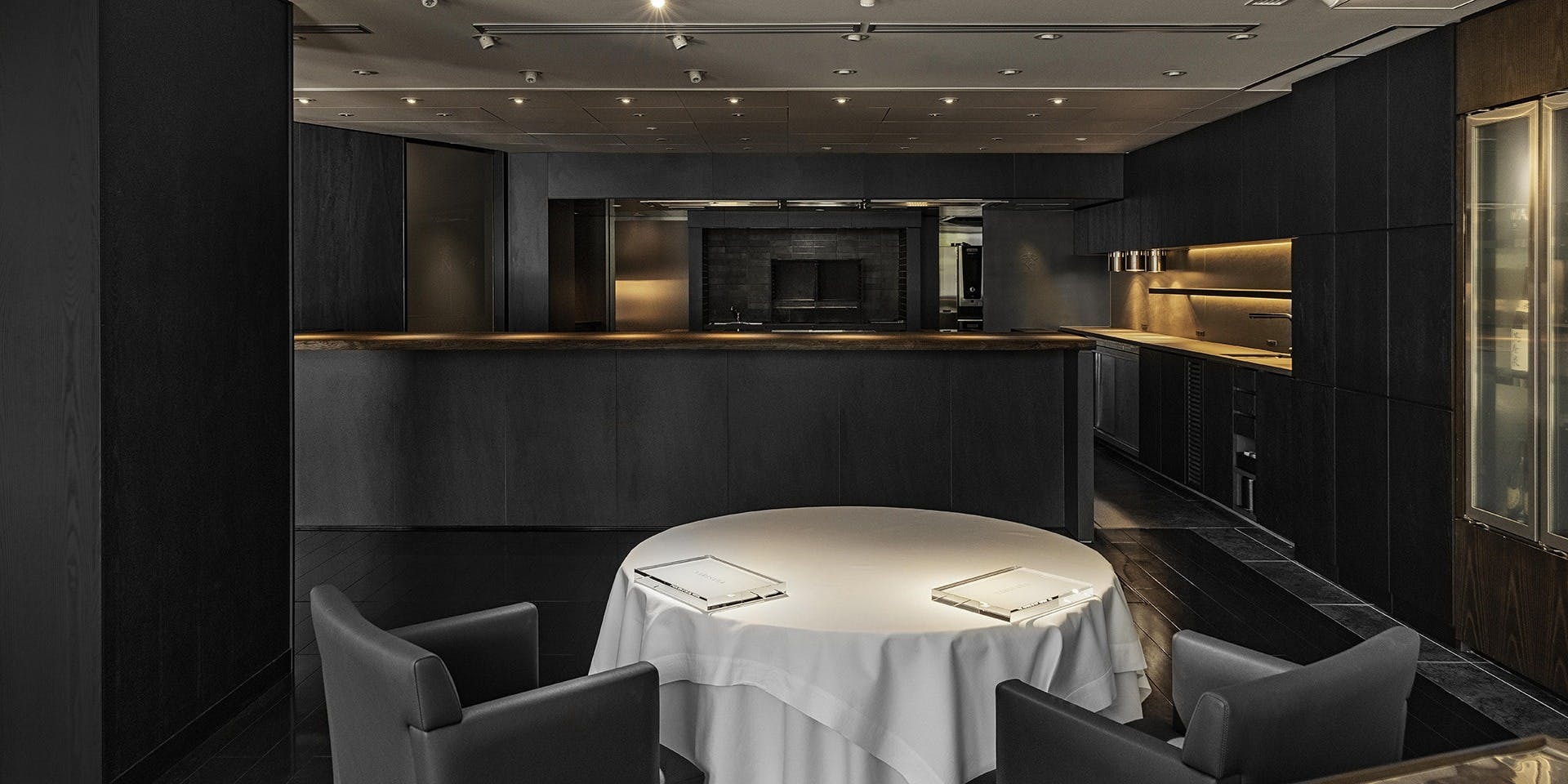
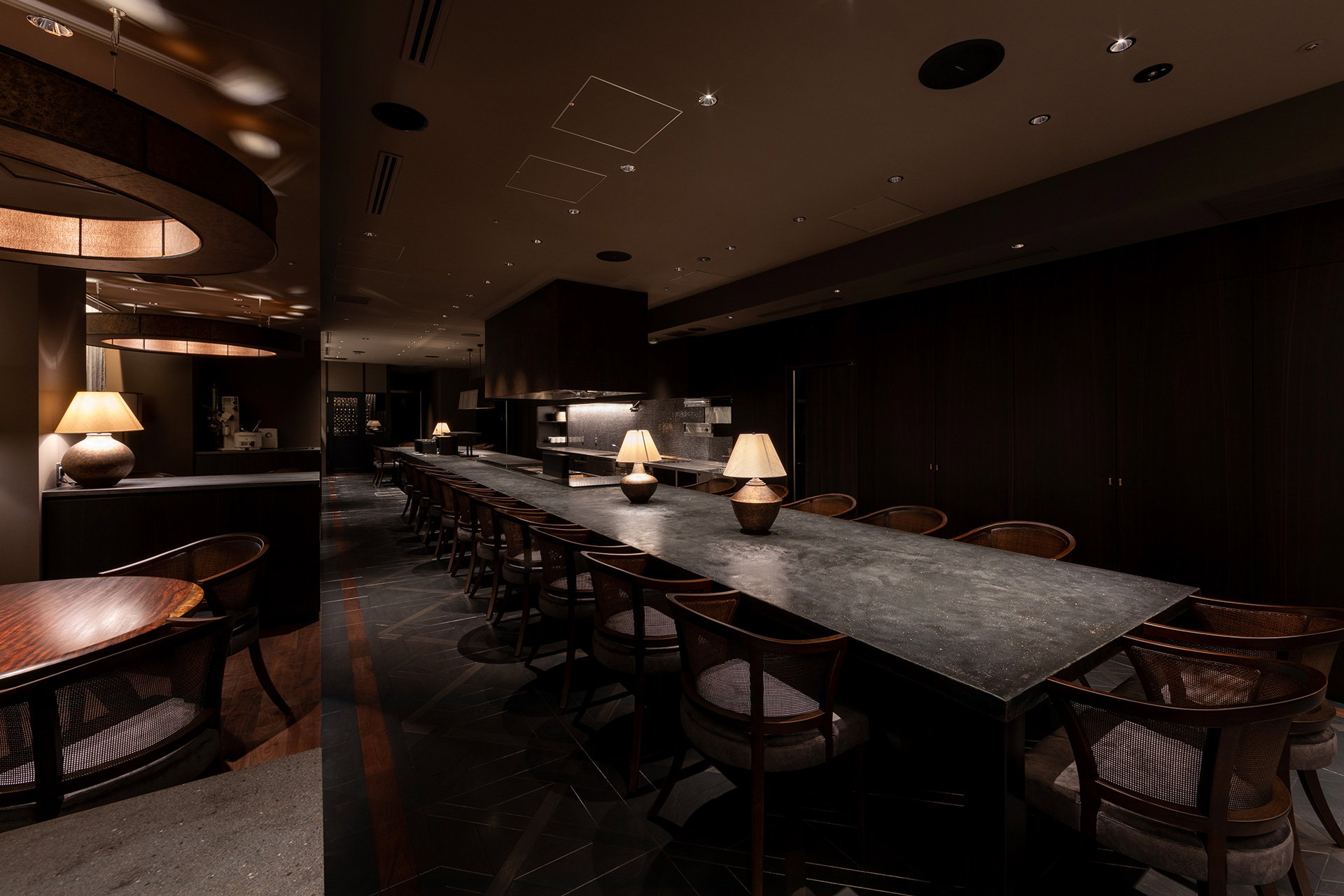
Elegant and inviting with soft Nordic-style lighting in a black-themed glass interior, modern dining area with kitchen view, creating a bright, spacious, and comfortable atmosphere.
Tags
Vibe
Best For
Experience
Accessibility
At the Table
- Dress Code
- Smart Casual
- Noise Level
- Quiet
- Service Style
- Upscale Casual
- Meal Pacing
- Leisurely
- Capacity
- Intimate
- Kitchen
- Modern
- Menu Format
- A la carte
- Wine Program
- Curated
- Drinks Focus
- Wine
Signature Dishes
- Sea Urchin Sorbet
- Ginger Ice Cream
Know before you go
Know Before You Go
- Getting there
- FUJI RESIDENCE, 2 Chome-26-16 Higashiazabu, Minato City, Tokyo 106-0044, Japan
Planning details
Location
FUJI RESIDENCE, 2 Chome-26-16 Higashiazabu, Minato City, Tokyo 106-0044, Japan · Directions
Recognition and awards
Also consider
Also Consider
- Harutaka, Sushi, ¥¥¥¥
- RyuGin, Kaiseki, Japanese, ¥¥¥¥
- L'Effervescence, French, ¥¥¥¥
- HOMMAGE, Innovtive French, French, ¥¥¥¥
- Florilège, French, ¥¥¥
Restaurant context
How La Lune Compares
Within Tokyo's French dining tier, La Lune's most direct competitor is Florilège, which operates at the same ¥¥¥ price point. Florilège runs a tighter, more modernist French programme with a strong sustainability focus; La Lune offers more visual opulence in the room and a more explicit East-West dialogue on the plate. If the setting matters as much as the food for your occasion, La Lune has the edge. If you want the more technically progressive kitchen, Florilège wins.
Stepping up to ¥¥¥¥, L'Effervescence and HOMMAGE both push the French-in-Japan format harder, L'Effervescence with a nature-driven, producer-led philosophy, HOMMAGE with more inventive technique. Both require longer lead times to book and carry higher price floors. If budget is a consideration or you are booking within two weeks of your visit, La Lune is the practical call. If you can plan four to six weeks out and the occasion justifies the spend, L'Effervescence delivers more critical weight.
Harutaka and RyuGin serve different formats, premium sushi and kaiseki respectively, so the comparison is more about the type of evening you want than a direct quality contest. For a group that is undecided between Japanese and French, La Lune's Franco-Japanese synthesis is actually the most useful compromise: you get French structure, Japanese seasonality, and a room that reads as a special occasion without the ¥¥¥¥ commitment.
Explore Tokyo
Around this place
Discover more on Pearl
Unlock the full La Lune guide in Pearl, including awards, comparisons, FAQs, planning details, and nearby places.
Compare La Lune
| Venue | Cuisine | Price | Booking Difficulty | Awards |
|---|---|---|---|---|
| La Lune | French | ¥¥¥ | Easy | 2026 Michelin Plate2025 Michelin Plate2024 Michelin Plate |
| Harutaka | Sushi | ¥¥¥¥ | Unknown | 2026 Tabelog Silver · #312026 OAD Top Restaurants in Japan Ranked · #1282026 Michelin 3 Stars2026 La Liste Top RestaurantsTabelog 100 - Sushi - TOKYO - 2025 · #372025 Asia's 50 Best Restaurants · #762025 OAD Top Restaurants in Japan Ranked · #1172025 La Liste Top Restaurants2025 Tabelog Bronze |
| RyuGin | Kaiseki, Japanese | ¥¥¥¥ | Unknown | 2026 OAD Top Restaurants in Japan Ranked · #802026 Tabelog Bronze · #3772026 Michelin 3 Stars2026 La Liste Top RestaurantsTabelog 100 - Japanese cuisine - TOKYO - 2025 · #212025 OAD Top Restaurants in Japan Ranked · #542025 Michelin 3 Stars2025 La Liste Top Restaurants2025 The Best Chef Three Knives |
| L'Effervescence | French | ¥¥¥¥ | Unknown | 2026 Tabelog Silver · #682026 OAD Top Restaurants in Japan Ranked · #103Star Wine Lists 20262026 Black Pearl 2 Diamond2026 Relais Chateaux Restaurants2026 La Liste Top Restaurants2026 Michelin 3 Stars2025 Asia's 50 Best Restaurants · #692025 OAD Top Restaurants in Japan Ranked · #92 |
| HOMMAGE | Innovtive French, French | ¥¥¥¥ | Unknown | 2026 Tabelog Bronze · #1232026 OAD Top Restaurants in Japan Highly Recommended2026 Michelin 2 StarsTabelog 100 - French - TOKYO - 2025 · #762025 Asia's 50 Best Restaurants · #782025 OAD Top Restaurants in Japan Ranked · #1752025 Michelin 2 Stars2025 The Best Chef One Knife2025 La Liste Top Restaurants |
| Florilège | French | ¥¥¥ | Unknown | 2026 Asia's 50 Best Restaurants · #312026 Tabelog Bronze · #712026 OAD Top Restaurants in Japan Ranked · #1242026 Black Pearl 1 Diamond2026 Michelin 2 Stars2026 La Liste Top Restaurants2025 Asia's 50 Best Restaurants · #172025 World's 50 Best Restaurants · #36Tabelog 100 - French - TOKYO - 2025 · #68 |













What to weigh when choosing between La Lune and alternatives.
FAQ
Frequently Asked Questions
Is La Lune worth the price?
At ¥¥¥, La Lune sits below Tokyo's top-tier French rooms in price and below star level in Michelin recognition, but it holds a 2025 Michelin Plate, which means the food is worth the trip. The value case is strong: seasonal Japanese produce integrated into French technique, a lavish room, and easy booking — a combination that's rare at this price point. If you want full Michelin-star French in Tokyo, L'Effervescence or Florilège costs more and books harder, but La Lune covers the ground for a fraction of the effort.
What should I wear to La Lune?
The room is lavishly furnished with chandeliers and elaborate trims — this is a formal dining environment. Dress accordingly: business casual at minimum, with smart dress or a jacket the safer call. Showing up in casual streetwear at a Michelin Plate venue in Minato City will feel out of place.
Is the tasting menu worth it at La Lune?
The menu format at La Lune follows the French tasting structure with a clear Japanese seasonal logic: each course tracks the current season through local produce, and service arrives on wooden trays with chopsticks, which reinforces the concept rather than decorating it. At ¥¥¥ with a 2025 Michelin Plate, that level of conceptual coherence is worth the commitment. If you prefer à la carte flexibility over a set progression, La Lune may not be the right fit — but the tasting format is where the restaurant's identity makes the most sense.
Can I eat at the bar at La Lune?
Bar or counter seating details are not publicly confirmed for La Lune. The venue occupies a formal dining room in FUJI RESIDENCE, Higashi-Azabu, and the available information points to a table-service format. Given how easy the restaurant is to book relative to comparable Tokyo fine-dining venues, securing a table reservation is the more reliable route.