.png?width=1200&quality=80)
LA BOTTEGAIA
Italian · Chūō, Tokyo
Restaurant in Tokyo, Japan
 Book with Pearl
The Read
Japanese-Ingredient Italian
Price
$50–100per person
Dress
Smart Casual
Why go
A Michelin Plate Italian in Ginza that earns its place through serious Japanese ingredient sourcing rather than imported nostalgia. Chef Flavia Amad Di Leo weaves bamboo shoot, clam, milt, and dried mullet roe into Italian formats with French-inflected sauces, backed by an organic wine program. At the ¥¥ price tier, it is one of the more accessible and bookable Italian tables in central Tokyo.
About LA BOTTEGAIA
Who Should Book LA BOTTEGAIA — and When
If you have already eaten at LA BOTTEGAIA once and left thinking the Italian-Japanese crossover worked better than you expected, this is the portrait for you. The Ginza address suits a long lunch or a dinner with someone who appreciates wine as much as food: the prix fixe menus come with wine pairings built in, and the staff will guide you to the right glass if you order à la carte instead. At the ¥¥ price tier, this is one of the more accessible Italian tables in central Tokyo, which also makes it easier to book than the ¥¥¥¥ rooms nearby. Aim for two to three weeks out if you want a specific time slot; you are unlikely to find yourself turned away on short notice the way you would at Aroma Fresca or Gucci Osteria da Massimo Bottura Tokyo.
The Room and the Format
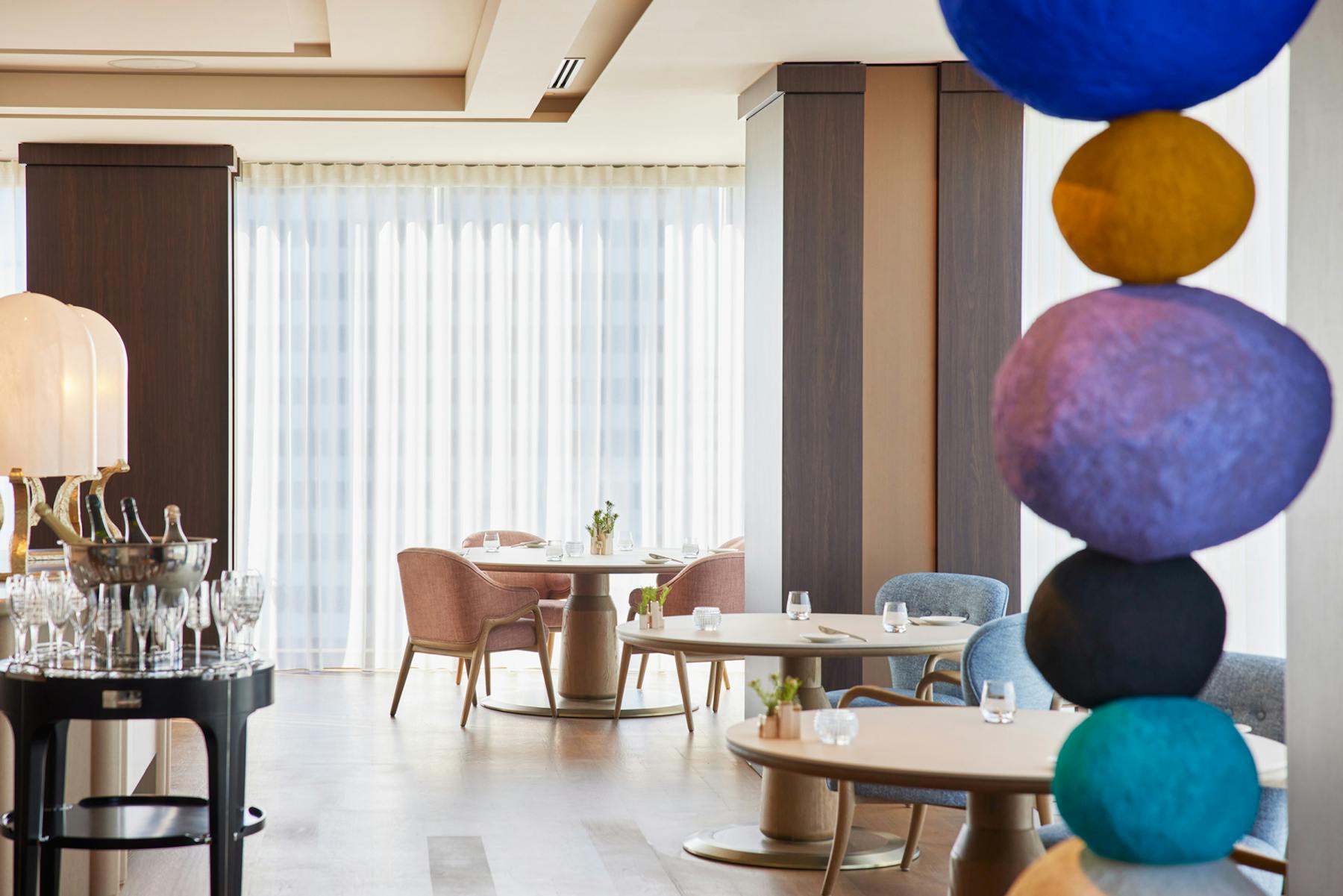
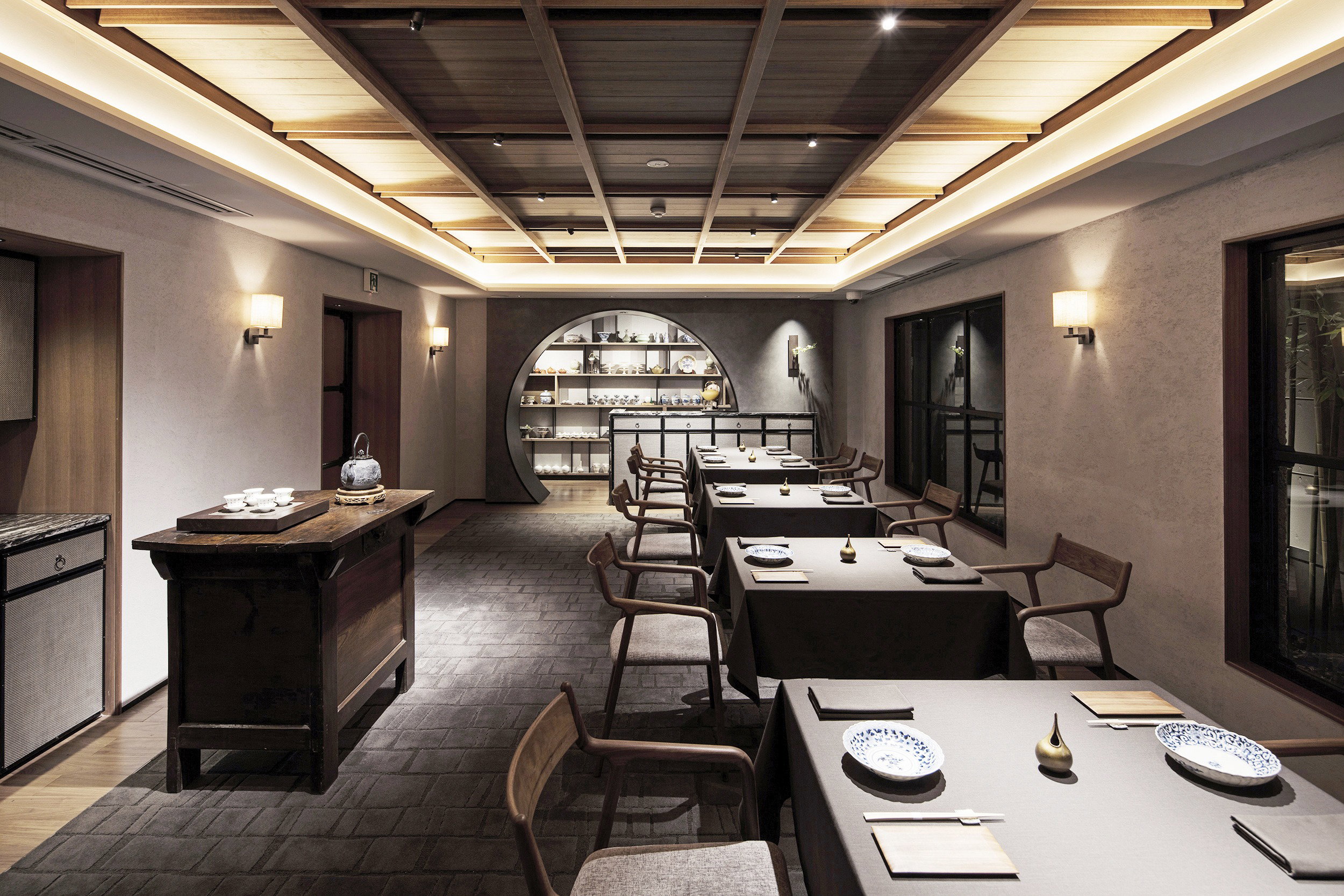
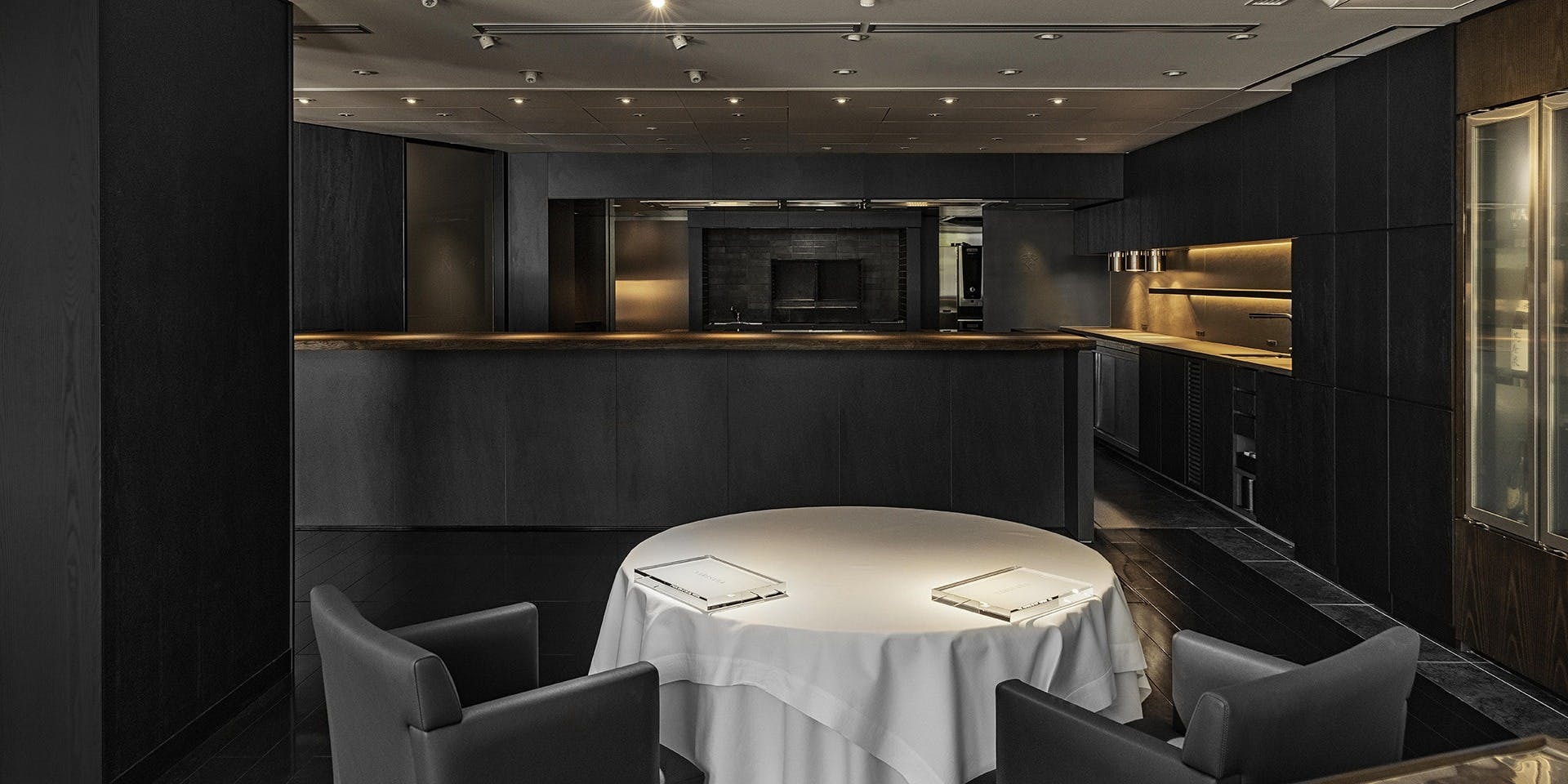
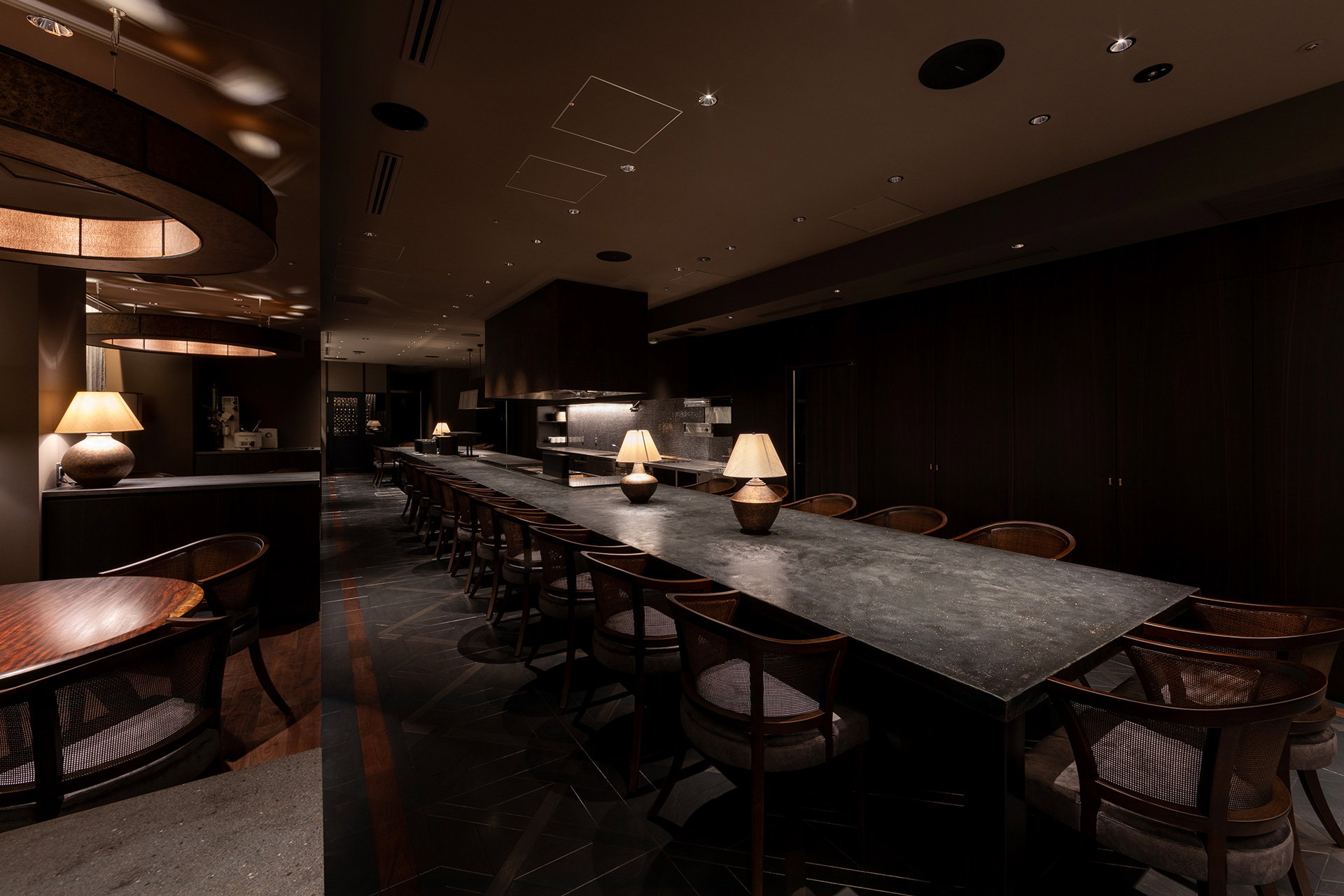
LA BOTTEGAIA sits in the 3-chome block of Ginza, which puts it in the denser, quieter stretch of the neighbourhood rather than the main boulevard. The space reads as intimate rather than grand: this is not a room designed to impress on arrival the way a hotel restaurant might, but one that settles into itself once you are seated. For two, the format works well at any configuration the room allows; for larger groups, it is worth calling ahead to understand what the kitchen can accommodate, since smaller Italian rooms in Tokyo often have limited flexibility beyond tables of four. The prix fixe structure means the meal has a clear shape from the start, which suits diners who prefer a guided progression over a long à la carte deliberation.
Sourcing as the Menu's Logic
The menu at LA BOTTEGAIA is where the sourcing decisions become visible, and they are the main reason to return rather than default to a more conventional Italian address. The kitchen draws on Japanese ingredients to reframe Italian formats: clam and bamboo shoot appear together inside ravioli, and spaghetti arrives with milt and dried mullet roe, a combination that sits somewhere between a Roman pasta tradition and a Japanese coastal pantry. Neither dish reads as a novelty act. The ingredient pairings hold because the kitchen is treating Japanese produce as a primary material rather than a garnish, which is a different proposition from the Italian restaurants in Tokyo that import everything and treat local sourcing as an afterthought.
Chef Flavia Amad Di Leo brings a French technique background to this, and the effect shows most clearly in the sauces: vermouth and port appear with some regularity, functioning less as a flavour statement and more as a structural bridge between the Italian frame and the Japanese ingredients. This is not an approach you will find at Principio or AlCeppo, which operate closer to the Italian original without the French-inflected sauce work. If the Japanese-ingredient angle is what drew you the first time, the sauces are worth paying attention to on a return visit: they are doing more than they appear to.
Seasonal cooking reinforces this logic. The bamboo shoot in the ravioli is a spring-specific choice, which means the menu shifts with the Japanese agricultural calendar rather than following a fixed Italian seasonal template. That makes a second visit at a different time of year a genuinely different meal, not just a variation on the same dishes. For reference on how other Italian kitchens in Japan handle this question, cenci in Kyoto takes a comparable approach, and akordu in Nara works a similar seasonal-sourcing logic from a Spanish base.
The Wine Program
Organic wine is a deliberate focus here rather than a token section of the list. The pairing menus are designed around it, and the staff involvement in à la carte wine selection suggests the floor team knows the list well enough to give useful guidance rather than defaulting to the safest option. Vermouth and port in the food means the kitchen is already thinking in wine-compatible terms, which makes the pairing format more coherent than it might be at a restaurant where the kitchen and the sommelier are working independently. If organic wine is not a priority for you, the à la carte glass selection is still worth exploring rather than anchoring to the pairing menu automatically.
Awards and Standing
LA BOTTEGAIA holds a Michelin Plate for both 2024 and 2025. The Plate designation means Michelin's inspectors consider the food good without placing it in the star tier; it is a credible baseline signal, not a superlative one. At the ¥¥ price level, the Plate makes this one of the better-value Italian options in Ginza, where the price-to-quality ratio is harder to sustain than in less central neighbourhoods. For context on what the Italian category looks like at higher price points in Tokyo, PRISMA operates at a different tier entirely.
Practical Details
The address is 3 Chome-12-15 Ginza, Chuo City, Tokyo. Booking is rated easy, which at a Ginza Italian at the ¥¥ tier is a genuine advantage: you do not need to plan weeks in advance the way you would for kaiseki at RyuGin or sushi at Harutaka. Search directly for the restaurant name alongside the Ginza address to locate current reservation options. Dress code is not formally stated, but Ginza dining conventions lean toward smart casual as a baseline: avoid athletic wear, and you will be fine. For a broader view of where LA BOTTEGAIA sits within the Tokyo dining picture, see our full Tokyo restaurants guide. If you are building a longer Japan itinerary, comparable ingredient-led cooking appears at HAJIME in Osaka, Gion Sasaki in Kyoto, and Goh in Fukuoka. For everything else in the city, our Tokyo hotels guide, bars guide, and experiences guide cover the rest of the trip.
FAQ
What should I order at LA BOTTEGAIA?
The prix fixe menu is the clearest path through the kitchen's logic, and the wine pairing that comes with it is worth keeping rather than swapping for à la carte. If the menu is running a pasta with Japanese ingredients — the clam and bamboo shoot ravioli or the spaghetti with milt and dried mullet roe are documented examples, order it. These are the dishes where the sourcing philosophy is most legible, and they are the main reason LA BOTTEGAIA is worth choosing over a more conventional Italian address in the same price bracket.
Can I eat at the bar at LA BOTTEGAIA?
Contact the restaurant directly to ask; if you are a solo diner or a pair looking for a less formal option, it is a reasonable question to raise when booking.
Can LA BOTTEGAIA accommodate groups?
For groups of more than four, call ahead before assuming a table is possible. At the ¥¥ price tier in Ginza, most Italian rooms of this size can handle a table of four without difficulty but may not have private dining or large-table configurations. If a group dinner is the priority and flexibility matters, our Tokyo restaurants guide covers options with larger-format seating.
Is LA BOTTEGAIA worth the price?
Yes, at the ¥¥ level with a Michelin Plate and an organic wine program, the value ratio is good for Ginza. You are not paying for a star-level experience, but you are getting a kitchen that treats Japanese sourcing seriously and a floor team that knows the wine list. Compared to the ¥¥¥¥ Italian options in the city, the trade-off is a smaller room and less ceremony, not lower cooking quality. For most diners, that is a reasonable exchange.
Is the tasting menu worth it at LA BOTTEGAIA?
Yes, if wine is part of why you are here. The prix fixe menus come with wine pairings, and the pairing is built around an organic wine focus that the kitchen's sauce work is designed to complement. If you order à la carte instead, the staff will suggest wines by the glass, so you are not penalised for skipping the set menu. The tasting format is the more coherent way to eat here on a return visit, though: it lets the seasonal sourcing logic play out across multiple courses rather than resting on a single dish.
What should I wear to LA BOTTEGAIA?
No dress code is formally stated, but Ginza sets its own expectations: smart casual is the practical baseline for a ¥¥ Michelin-recognised restaurant in this neighbourhood. A jacket is not required, but the room will likely include diners dressed for a business lunch or a considered evening out. Athletic wear or very casual clothing would feel out of place. Err on the side of neat rather than formal.
Planning details
- Location
- 3 Chome-12-15 Ginza, Chuo City, Tokyo 104-0061, Japan
- Website
- da-felice.com/bottegaia
- Phone
- +81 3-6264-3565
The take
The Take
The Vibe
LA BOTTEGAIA occupies a purposeful middle ground in Ginza’s Italian scene, blending rigorous Italian technique with Japanese seasonal ingredients. It reads as credentialed without striving for haute formality: the Michelin Plate signals consistent technical standards while the pricing and service steer away from the tasting-counter extreme. The kitchen’s editorial argument—seasonality, precision and a wine list that favors organic producers—gives the dining room a modern-classic personality. The result feels thoughtfully calibrated: refined and measured rather than flashy, welcoming diners who want a polished, ingredient-forward Italian meal in the heart of Ginza.
Best For
This is a restaurant for diners who seek a serious yet accessible Italian experience in Ginza. It suits date nights and business dinners that call for reliable technique and a quiet display of culinary craft, and it works for special occasions where Michelin Plate credentials matter but a full tasting counter isn’t desired. The prix fixe with paired wines appeals to guests who appreciate a curated progression, while à la carte options let those preferring a looser pace still enjoy the kitchen’s seasonal strengths and thoughtful wine selections.
Ordering Tips
Menus come as prix fixe sequences with wine pairings built in, though à la carte choices are available for a less structured meal. Given the program’s emphasis on organic producers, opt into the wine pairing if you want the full editorial experience—the pairings are a clear part of the restaurant’s argument. Highlight dishes to consider include the signature clam and bamboo-shoot ravioli and the pâté with figs, both referenced as house standouts. The Michelin Plate designation underscores steady technique, so ordering to sample seasonal plates alongside the recommended wines rewards the kitchen’s strengths.
Venue details
Ambiance
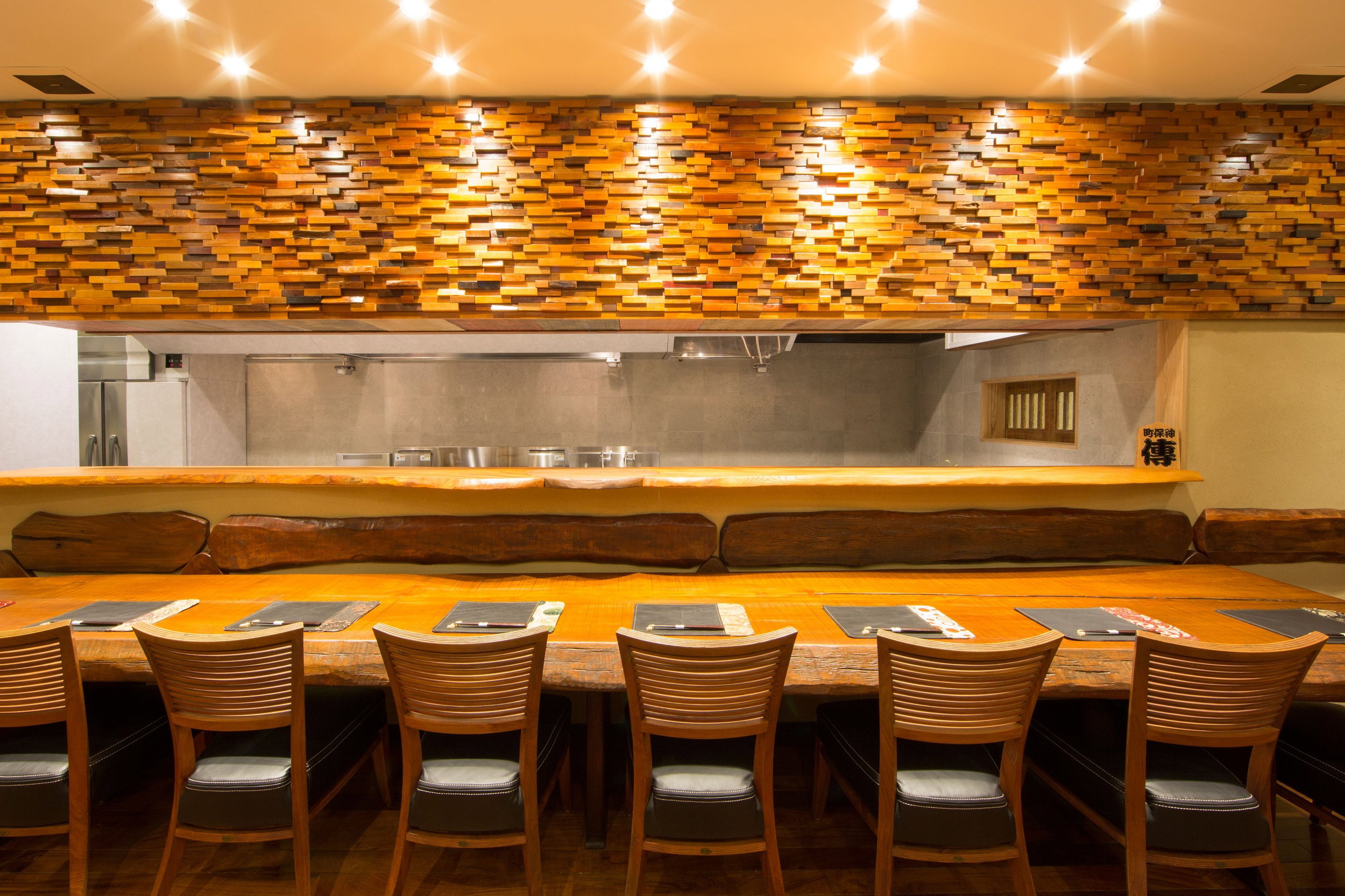
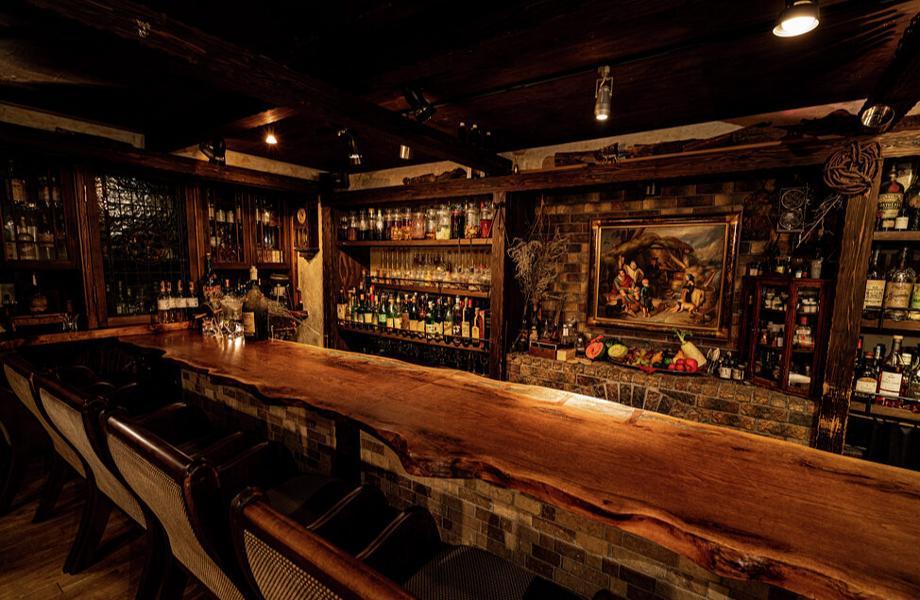
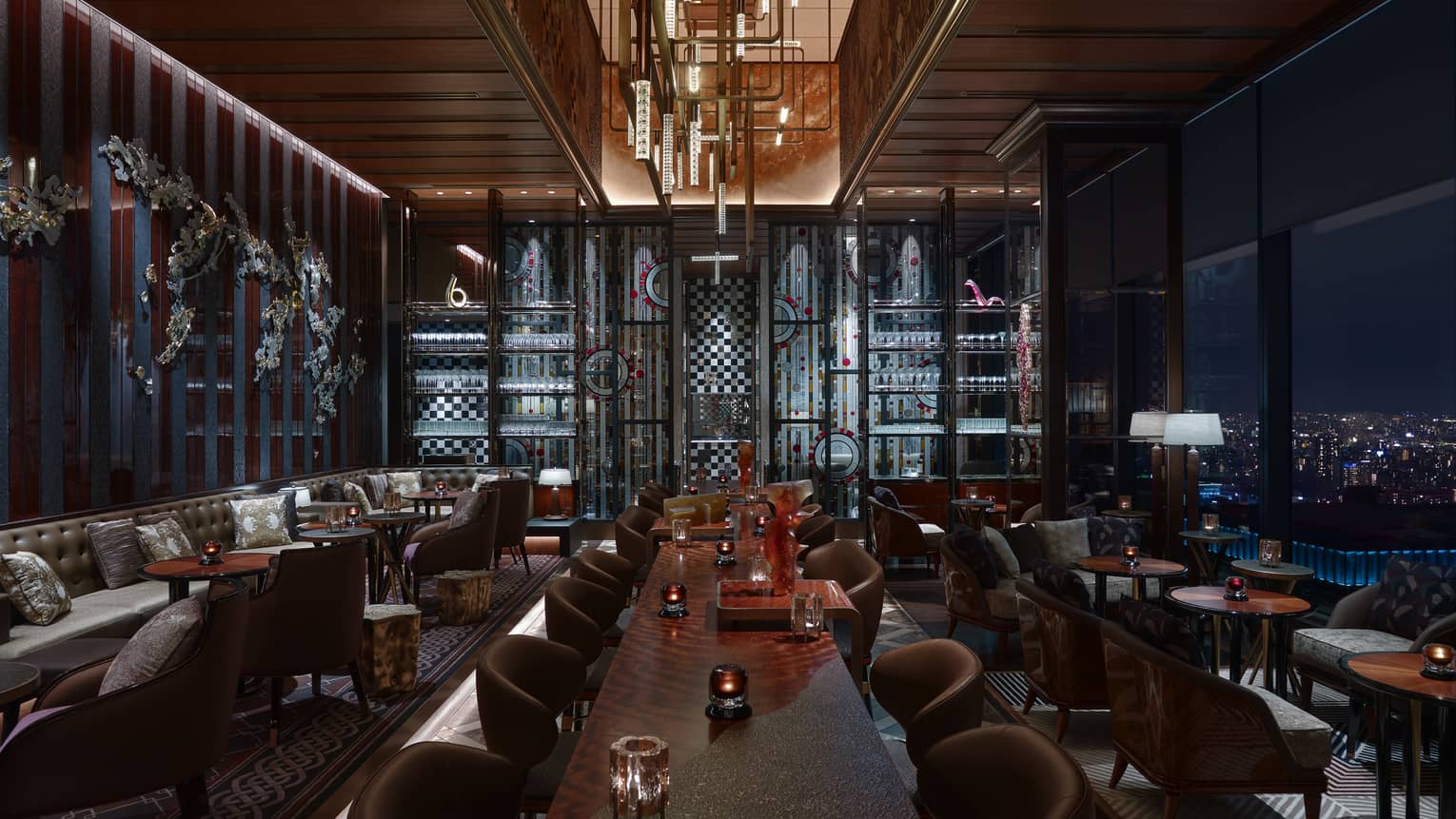
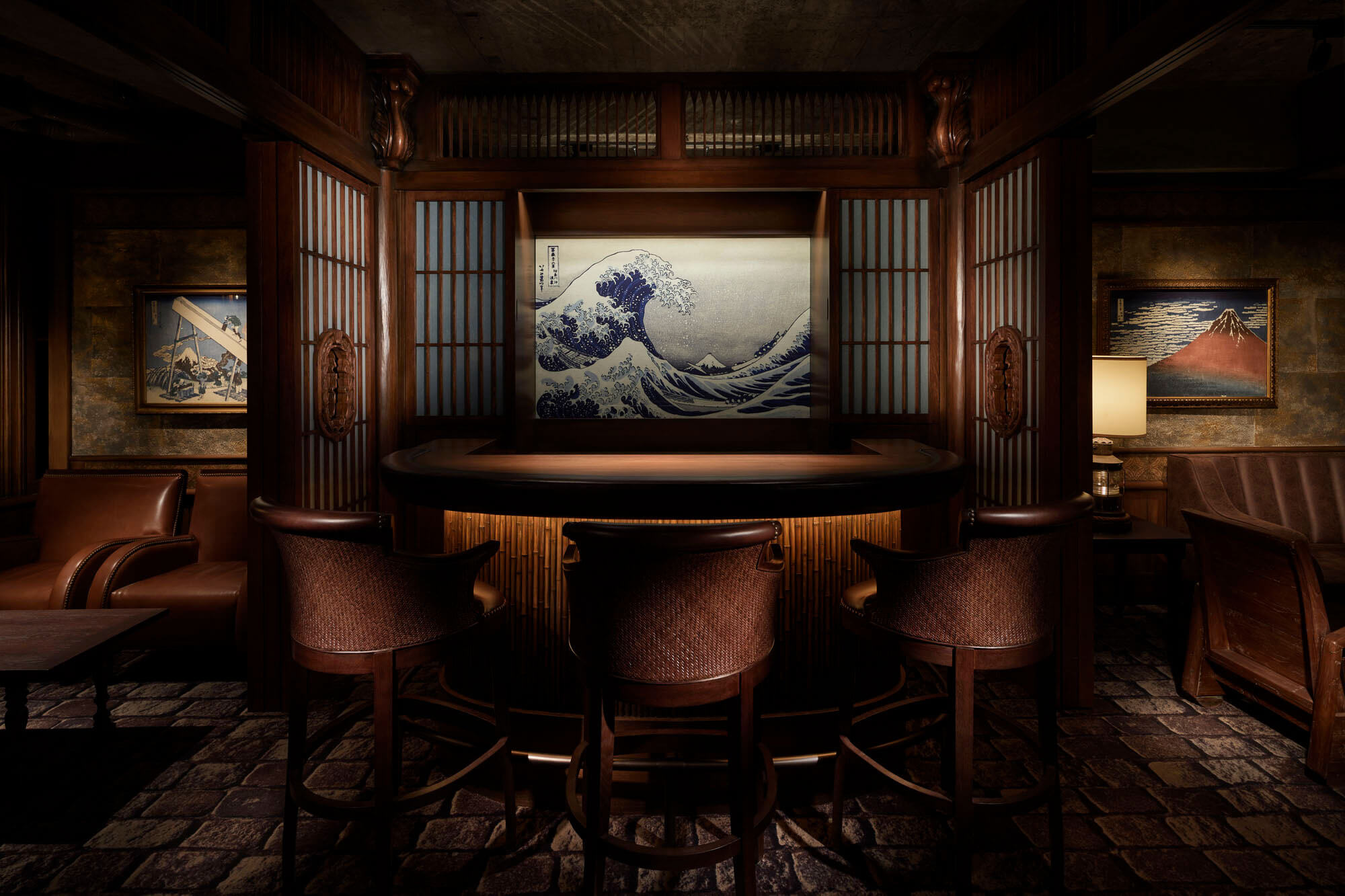
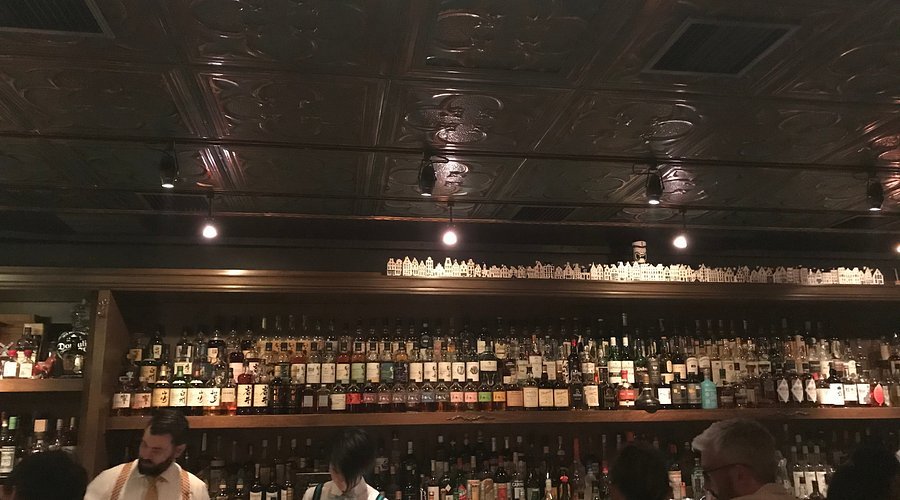
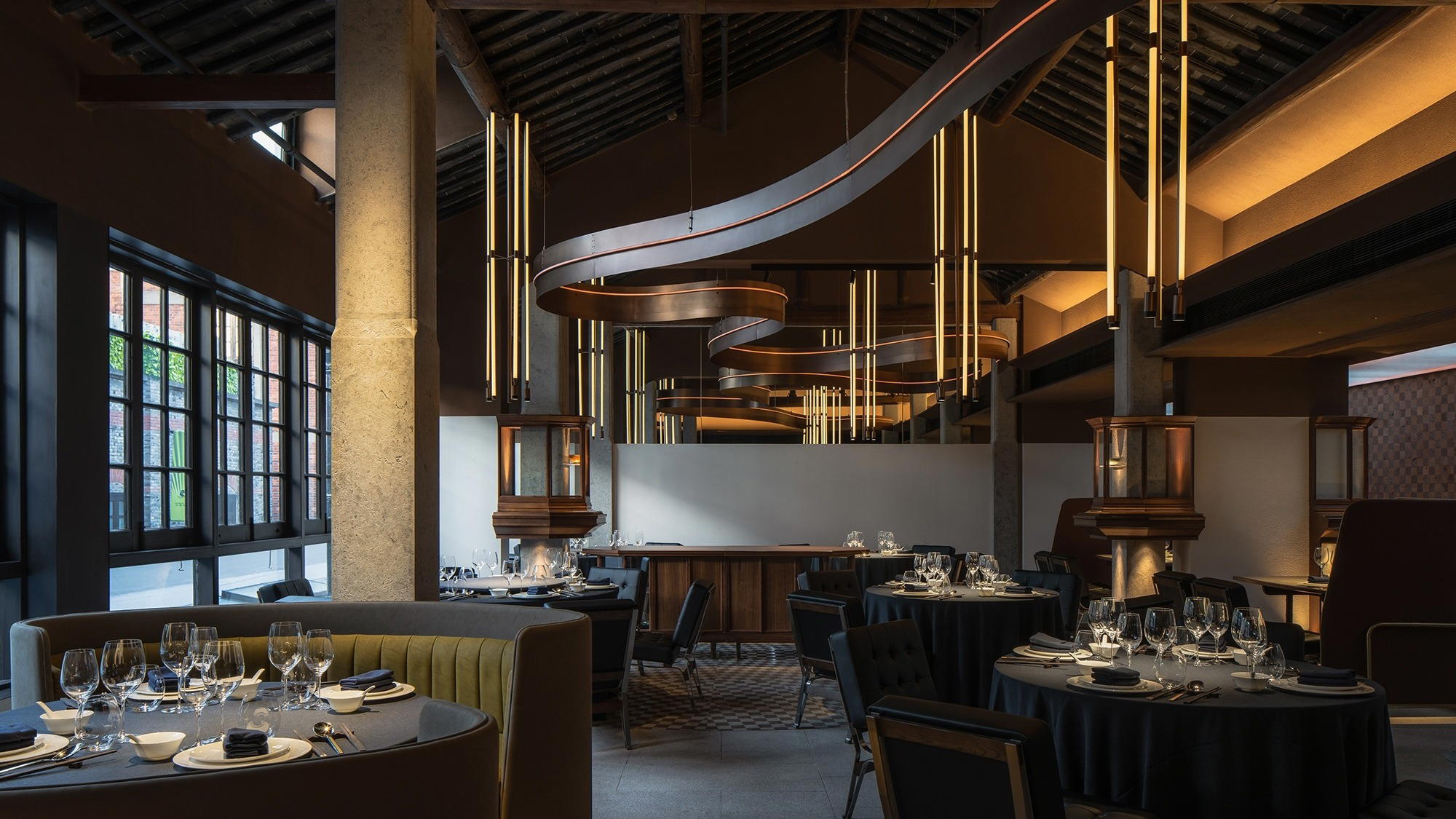
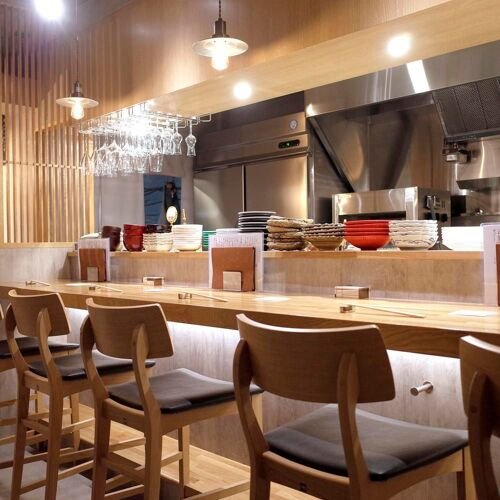
Woody interior with amber lighting creating a warm, relaxing adult hideout atmosphere.
Tags
Vibe
Best For
At the Table
- Dress Code
- Smart Casual
- Noise Level
- Conversational
- Service Style
- Upscale Casual
- Meal Pacing
- Leisurely
- Capacity
- Intimate
- Kitchen
- Seasonal
- Menu Format
- A la carte, Prix fixe
- Wine Program
- Curated
- Drinks Focus
- Natural wine
- Private Dining
- Available
Signature Dishes
- clam and bamboo shoot ravioli
- pâté with figs
Know before you go
Know Before You Go
- Getting there
- 3 Chome-12-15 Ginza, Chuo City, Tokyo 104-0061, Japan
Planning details
Location
3 Chome-12-15 Ginza, Chuo City, Tokyo 104-0061, Japan · Directions
Recognition and awards
Also consider
Also Consider
- Harutaka, Sushi, ¥¥¥¥
- RyuGin, Kaiseki, Japanese, ¥¥¥¥
- L'Effervescence, French, ¥¥¥¥
- HOMMAGE, Innovtive French, French, ¥¥¥¥
- Florilège, French, ¥¥¥
Restaurant context
LA BOTTEGAIA sits at ¥¥ in a Tokyo dining scene where most of the restaurants it is compared against operate at ¥¥¥¥. That price gap is the most useful frame for deciding where to book. If you are choosing between this and L'Effervescence or HOMMAGE for a special occasion, both of those French rooms offer more ceremony, a more involved service style, and a higher degree of technical ambition. But if the occasion does not require that level of formality and the Japanese-Italian ingredient crossover interests you specifically, LA BOTTEGAIA delivers a more focused and considerably less expensive meal.
Against the Japanese formats at this price level, the comparison is different. Harutaka at ¥¥¥¥ is harder to book, more expensive, and operates in a completely different register: sushi counter precision versus an Italian prix fixe. RyuGin at ¥¥¥¥ is the kaiseki benchmark in Tokyo, and booking difficulty is meaningfully higher. Neither is a direct alternative to LA BOTTEGAIA; they serve different occasions. Florilège at ¥¥¥ is the closest peer in terms of price tier and the seriousness of its sourcing philosophy, but it operates in French cuisine and offers a different kind of wine experience.
The clearest recommendation: book LA BOTTEGAIA when you want Italian with genuine Japanese ingredient integration at a price that does not require a special-occasion justification. Book Florilège if you want a comparable price-to-quality ratio in French rather than Italian. Book L'Effervescence or HOMMAGE when the occasion calls for more, and when you are prepared to spend accordingly.
Explore Tokyo
Around this place
Discover more on Pearl
Unlock the full LA BOTTEGAIA guide in Pearl, including awards, comparisons, FAQs, planning details, and nearby places.
Compare LA BOTTEGAIA
| Venue | Cuisine | Price | Booking Difficulty | Awards |
|---|---|---|---|---|
| LA BOTTEGAIA | Italian | ¥¥ | Easy | 2026 Michelin Plate2025 Michelin Plate2024 Michelin Plate |
| Harutaka | Sushi | ¥¥¥¥ | Unknown | 2026 Tabelog Silver · #312026 OAD Top Restaurants in Japan Ranked · #1282026 Michelin 3 Stars2026 La Liste Top RestaurantsTabelog 100 - Sushi - TOKYO - 2025 · #372025 Asia's 50 Best Restaurants · #762025 OAD Top Restaurants in Japan Ranked · #1172025 La Liste Top Restaurants2025 Tabelog Bronze |
| RyuGin | Kaiseki, Japanese | ¥¥¥¥ | Unknown | 2026 OAD Top Restaurants in Japan Ranked · #802026 Tabelog Bronze · #3772026 Michelin 3 Stars2026 La Liste Top RestaurantsTabelog 100 - Japanese cuisine - TOKYO - 2025 · #212025 OAD Top Restaurants in Japan Ranked · #542025 Michelin 3 Stars2025 La Liste Top Restaurants2025 The Best Chef Three Knives |
| L'Effervescence | French | ¥¥¥¥ | Unknown | 2026 Tabelog Silver · #682026 OAD Top Restaurants in Japan Ranked · #103Star Wine Lists 20262026 Black Pearl 2 Diamond2026 Relais Chateaux Restaurants2026 La Liste Top Restaurants2026 Michelin 3 Stars2025 Asia's 50 Best Restaurants · #692025 OAD Top Restaurants in Japan Ranked · #92 |
| HOMMAGE | Innovtive French, French | ¥¥¥¥ | Unknown | 2026 Tabelog Bronze · #1232026 OAD Top Restaurants in Japan Highly Recommended2026 Michelin 2 StarsTabelog 100 - French - TOKYO - 2025 · #762025 Asia's 50 Best Restaurants · #782025 OAD Top Restaurants in Japan Ranked · #1752025 Michelin 2 Stars2025 The Best Chef One Knife2025 La Liste Top Restaurants |
| Florilège | French | ¥¥¥ | Unknown | 2026 Asia's 50 Best Restaurants · #312026 Tabelog Bronze · #712026 OAD Top Restaurants in Japan Ranked · #1242026 Black Pearl 1 Diamond2026 Michelin 2 Stars2026 La Liste Top Restaurants2025 Asia's 50 Best Restaurants · #172025 World's 50 Best Restaurants · #36Tabelog 100 - French - TOKYO - 2025 · #68 |













How LA BOTTEGAIA stacks up against the competition.
FAQ
Frequently Asked Questions
What should I order at LA BOTTEGAIA?
Go with the prix fixe if you want to see the kitchen's logic in full: dishes like ravioli of clam and bamboo shoot or spaghetti with milt and dried mullet roe show what happens when Japanese ingredients are worked into Italian formats. The vermouth and port sauces are a deliberate throughline, so ordering à la carte and skipping wine pairings will cost you some of the point. Ask staff for glass pours if you go à la carte — that service is explicitly offered.
Can I eat at the bar at LA BOTTEGAIA?
Contact the restaurant directly to ask; if you are a solo diner or a pair looking for a less formal option, it is a reasonable question to raise when booking.
Can LA BOTTEGAIA accommodate groups?
For parties of four or more, book early and ask directly about table configuration. At the ¥¥ tier in Ginza, most restaurants of this type seat small groups comfortably but private dining rooms are not guaranteed. Booking here is easy, so lead time is less of a constraint than at comparable Ginza addresses.
Is LA BOTTEGAIA worth the price?
At the ¥¥ tier in Ginza, LA BOTTEGAIA is one of the more accessible entry points into serious Italian-Japanese cooking in the neighbourhood — most comparable Ginza restaurants run ¥¥¥ or above. Two consecutive Michelin Plate recognitions (2024 and 2025) show that the food is inspected and considered good. If you want a low-pressure Ginza dinner that still shows real sourcing intent, the value case is solid.
Is the tasting menu worth it at LA BOTTEGAIA?
Yes, if the Italian-Japanese crossover is what you are here for. The prix fixe comes with wine pairings built around the organic wine program, and the vermouth and port sauces are calibrated to those wines — that pairing logic does not carry over as well to à la carte ordering. For a standalone wine-and-food experience at ¥¥ in Ginza, it is a practical choice over spending more at a French or Japanese tasting menu nearby.
What should I wear to LA BOTTEGAIA?
No dress code is specified, but a Ginza Italian with Michelin recognition at the ¥¥ tier sits in conventionally smart-casual territory — collared shirts or neat casual wear are appropriate. Avoid very casual attire; the neighbourhood sets a baseline regardless of venue policy. If in doubt, dress as you would for a mid-range European restaurant in a business district.