.png?width=1200&quality=80)
L'ALCHIMIA ASTRATTA
Italian · Setagaya, Tokyo
Restaurant in Tokyo, Japan
 Book with Pearl
The Read
Emilia-Romagna Technique, Residential Tokyo
Price
$50–100per person
Dress
Smart Casual
Why go
A Michelin Plate Italian restaurant in Setagaya's residential Okusawa neighbourhood, L'Alchimia Astratta is built around traceable sourcing and Emilia-Romagna pasta craft. At ¥¥¥, it costs less than Tokyo's central Italian options and delivers more technical ambition than its quiet address suggests. Book ahead and come specifically for the handmade pasta.
About L'ALCHIMIA ASTRATTA
The Verdict
L'Alchimia Astratta is not a casual Italian restaurant in Tokyo. If you arrive expecting pizza, pasta as a side, or a relaxed trattoria format, reset those expectations now. This is a chef-driven Italian dining room in Okusawa, Setagaya, built around ingredient sourcing and pasta craft, earning a Michelin Plate in 2025. At ¥¥¥ pricing, it sits a tier below the ¥¥¥¥ Italian options in central Tokyo, which makes it worth considering if you want serious Italian cooking without the full-splurge commitment.
What to Expect
The name translates as 'the abstract alchemist', and the concept is rooted in the four classical elements: fire, air, water, earth. That framing is less about theatrics and more about sourcing philosophy. Seafood comes from Uwajima in Ehime Prefecture, known for clean coastal waters and quality shellfish. Vegetables are sourced from Yachimata in Chiba, a region with strong agricultural output. These are deliberate, traceable supply chains, not a marketing story.
The pasta is the main reason to book. The chef trained in Emilia-Romagna, the region responsible for some of Italy's most technically demanding pasta formats: tortellini, tagliatelle, and their relatives. At L'Alchimia Astratta, you will find tortelli and tagliolini on the menu, executed with the kind of precision that comes from time spent in that region. For a first-timer, the pasta course is what the kitchen does leading, and it should be your anchor for the meal.
Seasonal Rotation and When to Visit
Because the kitchen sources from specific producers rather than working with a fixed menu, what arrives on your plate shifts with what is in season and what those producers have available. The Yachimata vegetables in particular change substantially across the year: spring brings leafy greens and early alliums; summer shifts to tomatoes, corn, and aubergine; autumn and winter produce root vegetables and brassicas. The Uwajima seafood supply also varies by season, with different shellfish and fish moving in and out. There is no single 'leading' time to visit, but if you have a preference for specific ingredients, it is worth contacting the restaurant before booking to understand what the current menu reflects. Repeat visits across seasons will give you meaningfully different meals.
Location and Access
L'Alchimia Astratta is at Mezon de Midorigaoka 1F, 2-25-2 Okusawa, Setagaya, Tokyo. Okusawa is a residential neighbourhood on the Tokyu Den-en-toshi line, about 30 minutes from Shibuya. This is not a restaurant district: there are no other destination restaurants clustered nearby, and the area is quiet and residential. That is not a problem if you are coming specifically for this restaurant, but it does mean you should plan the meal as a standalone event rather than combining it with other dining or bar stops in the same evening. Travel into central Tokyo or toward Nakameguro for drinks before or after.
Booking
Booking difficulty is rated Easy. No phone or website details are currently available in Pearl's database, so check Google Maps or tabelog for current reservation options. Given the location and format, reservations are advisable, particularly at weekends. The restaurant's scale is not confirmed, but neighbourhood Italian restaurants in Tokyo at this price point typically seat between 20 and 40 covers; do not assume walk-in availability on a Friday or Saturday evening.
Pearl Rating
The Michelin Plate recognition in 2025 is a more reliable quality indicator at this stage: it marks the restaurant as worth knowing about, even if it has not yet accumulated the volume of public feedback that higher-traffic restaurants carry.
Internal Links
For more Italian options in Tokyo, see PRISMA, Aroma Fresca, Gucci Osteria da Massimo Bottura Tokyo, Principio, and AlCeppo. If you are planning a broader trip, our full Tokyo restaurants guide, Tokyo hotels guide, Tokyo bars guide, Tokyo wineries guide, and Tokyo experiences guide cover the full picture. For Italian dining elsewhere in Japan, cenci in Kyoto and 8 1/2 Otto e Mezzo Bombana in Hong Kong are the regional reference points. Other Japan destinations worth considering: HAJIME in Osaka, Gion Sasaki in Kyoto, akordu in Nara, Goh in Fukuoka, 1000 in Yokohama, and 6 in Okinawa.
Planning details
- Location
- Japan, 〒158-0083 Tokyo, Setagaya City, Okusawa, 2 Chome−25−2 メゾンド緑が丘 1F
- Reservations
- Book on TableCheck
- Website
- lalchimiaastratta.jp
- Phone
- +81 3-5726-8717
The take
The Take
The Vibe
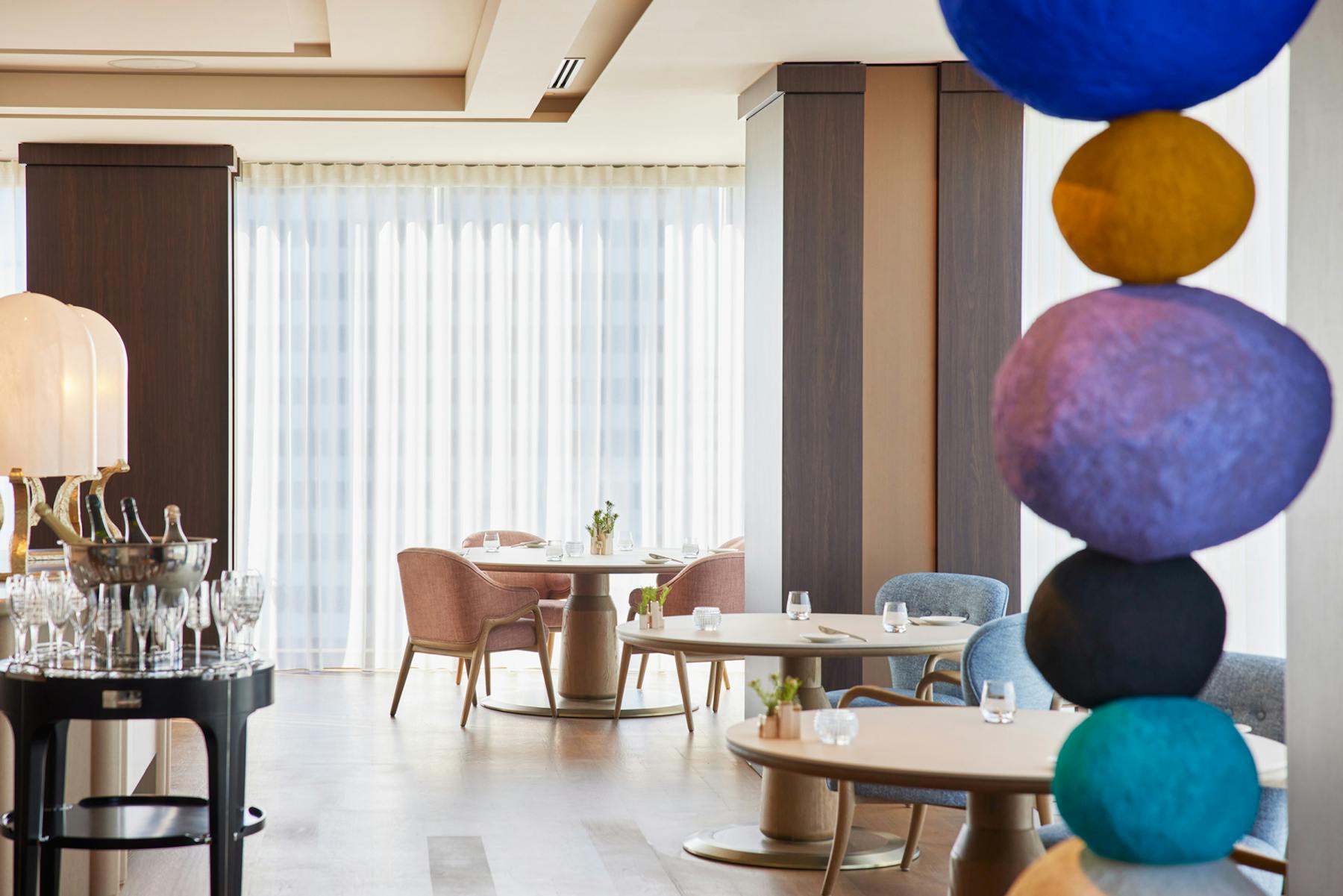
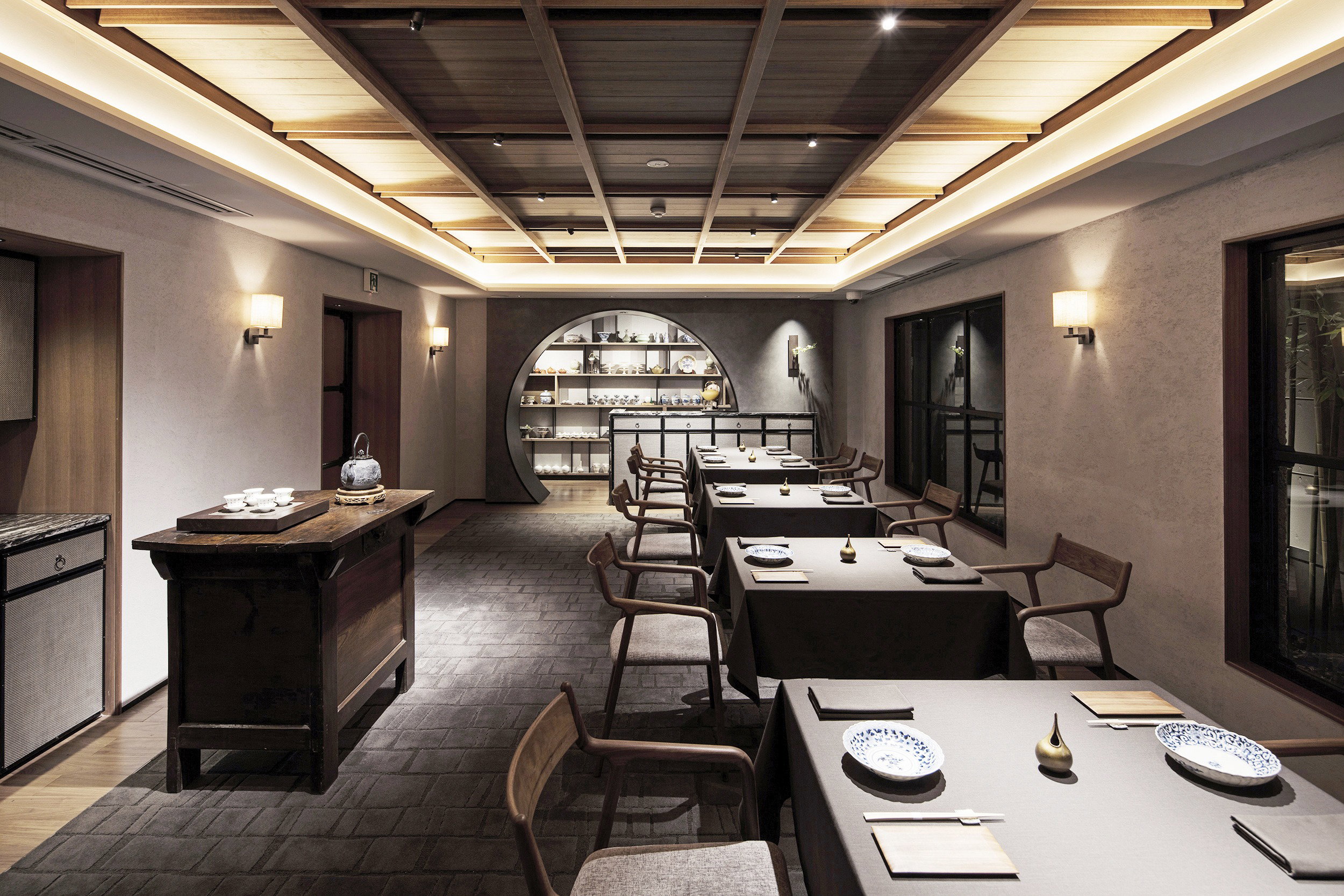
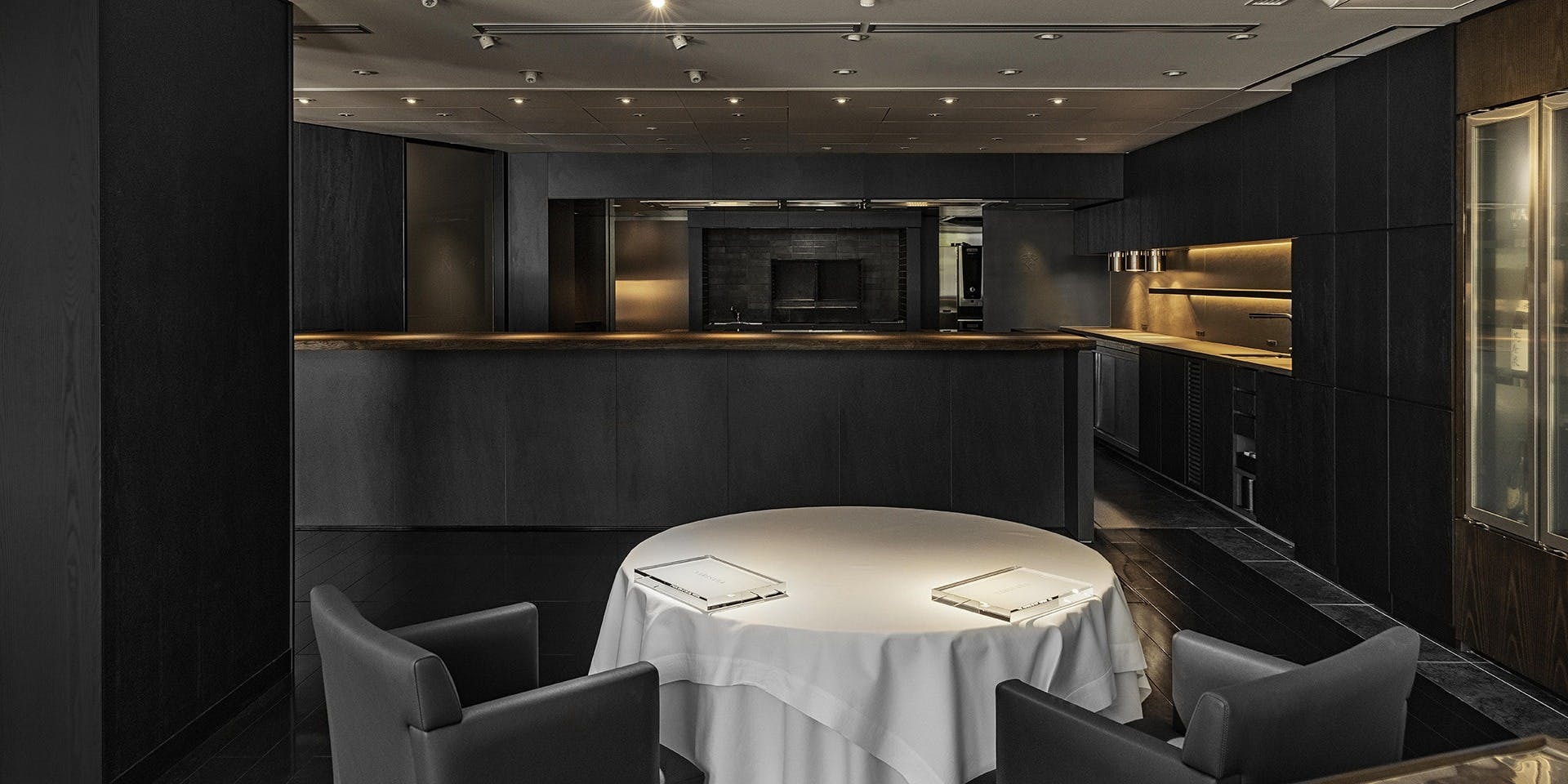
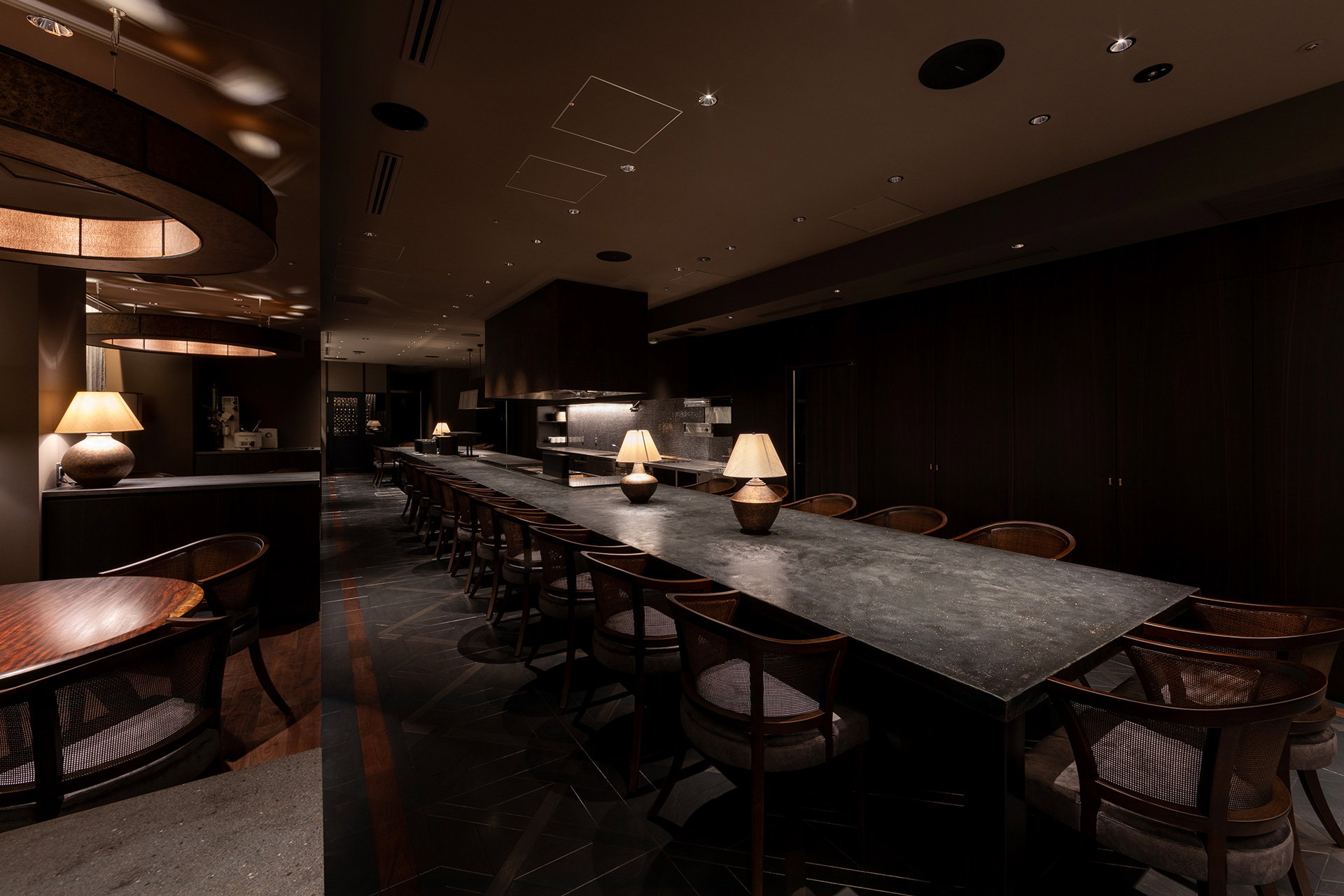
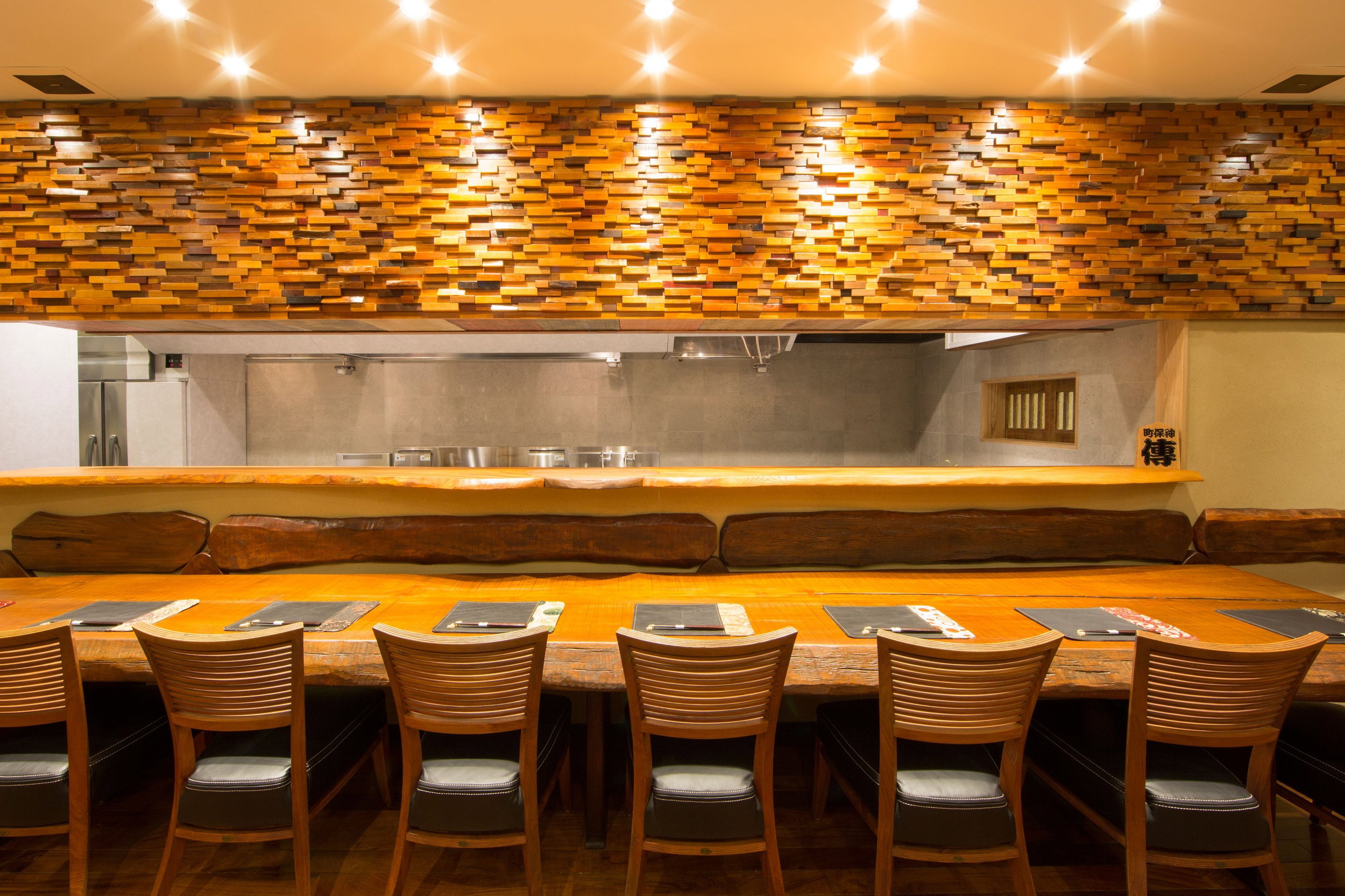
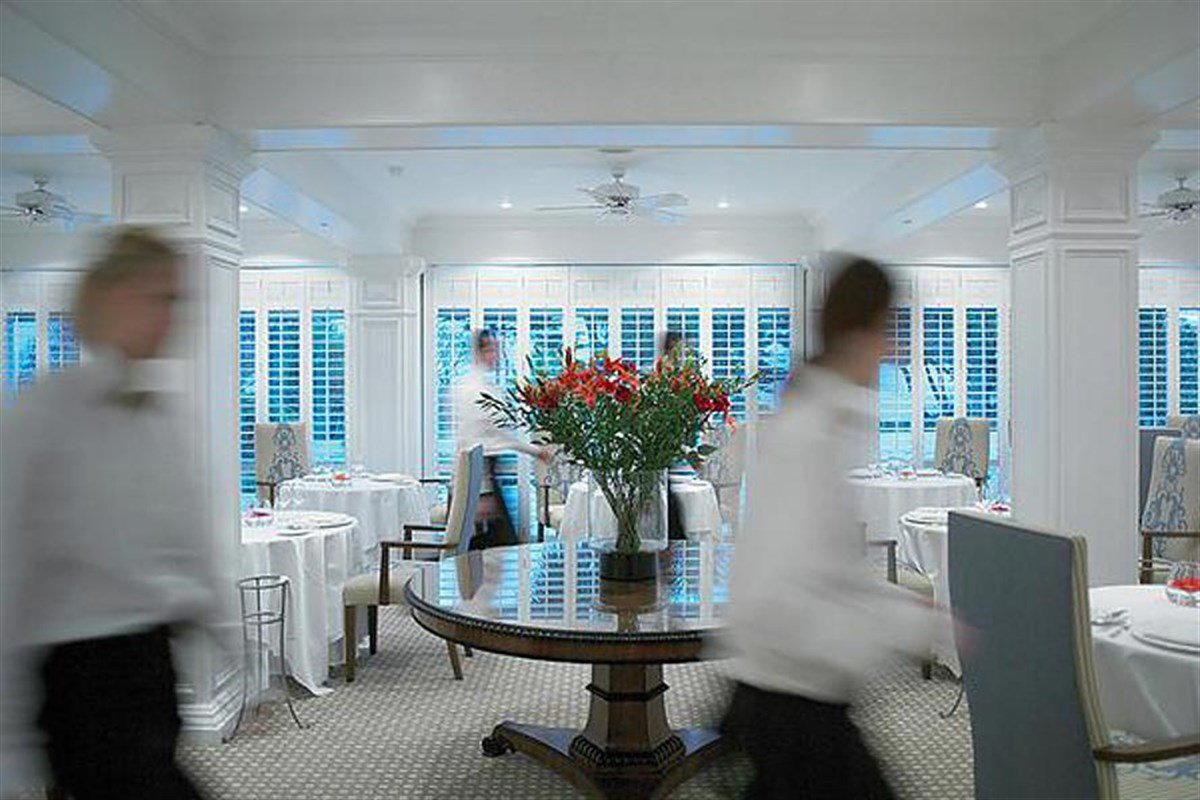
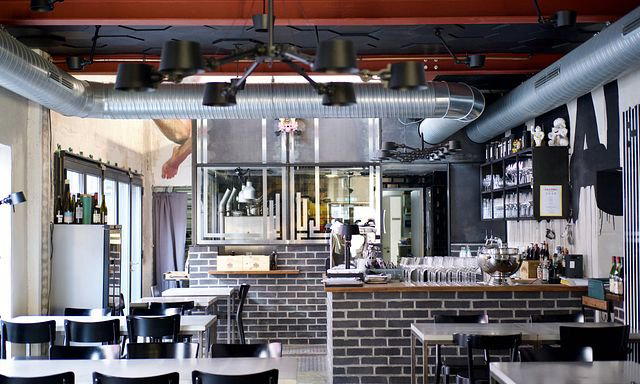
L'Alchimia Astratta lives quietly on a tree-lined residential street in Okusawa, trading spectacle for the discipline of its cooking. The ground-floor room is small and plainly finished; there are no theatrical lighting rigs or imported flourishes. Instead the kitchen sits close to the tables and the spatial argument of the room is carried by what arrives on the plate. The result is an understated, classic neighbourhood restaurant that reads like a hidden gem: attentive and intentional, the atmosphere privileges restraint and ingredient-focused craft over performance.
Best For
This is a place for diners who prioritize thoughtful cooking over showmanship. With a Michelin Plate and a ¥¥¥ price tier, L'Alchimia Astratta sits between a neighbourhood trattoria and Tokyo's more formal Italian houses, so it suits quieter date nights or modest special occasions where the meal itself is the focus. The clientele is largely local and repeat, and the scale is small, making it better for intimate dinners than large groups or loud celebrations. It rewards guests who come ready to engage with seasonal, ingredient-led cuisine.
Ordering Tips
Expect ingredient-led plates and a menu that leans on craft rather than spectacle: the description repeatedly frames ingredients as the editorial frame and emphasizes the kitchen's proximity to the dining room. Choose dishes that highlight seasonal produce and preparations that let the primary ingredients register clearly. Given the restaurant's small, local character and its positioning between casual trattoria and formal dining, let the kitchen lead the experience—prioritize the tasting or composed multi-course options if offered, and approach the meal as a focused, culinary-forward dinner.
Venue details
Ambiance
Intimate and nuanced atmosphere where elemental forces are transformed into contemporary culinary art, fostering a harmonious and spiritual dining experience.
Tags
Vibe
Best For
Experience
Sourcing
At the Table
- Dress Code
- Smart Casual
- Noise Level
- Quiet
- Service Style
- Formal
- Meal Pacing
- Leisurely
- Capacity
- Intimate
- Kitchen
- Modern
- Menu Format
- Tasting menu
- Wine Program
- Curated
- Drinks Focus
- Wine
Know before you go
Know Before You Go
- Getting there
- Japan, 〒158-0083 Tokyo, Setagaya City, Okusawa, 2 Chome−25−2 メゾンド緑が丘 1F
Planning details
Location
Japan, 〒158-0083 Tokyo, Setagaya City, Okusawa, 2 Chome−25−2 メゾンド緑が丘 1F · Directions
Recognition and awards
Also consider
Also Consider
- Harutaka, Sushi, ¥¥¥¥
- L'Effervescence, French, ¥¥¥¥
- RyuGin, Kaiseki, Japanese, ¥¥¥¥
- HOMMAGE, Innovtive French, French, ¥¥¥¥
- Crony, Innovative, French, ¥¥¥¥
Restaurant context
L'Alchimia Astratta sits at ¥¥¥, a full price tier below the four comparison venues here, all of which operate at ¥¥¥¥. That gap matters. If your priority is spending less while still eating at a Michelin-recognised restaurant in Tokyo, L'Alchimia Astratta is the clearest choice in this set. What you trade away is central location, higher service polish, and name recognition. What you keep is a chef with genuine regional Italian training and a sourcing model that changes your meal with the seasons.
L'Effervescence and HOMMAGE are the obvious alternatives if you want French fine dining at ¥¥¥¥ with stronger booking infrastructure and more central addresses. RyuGin is the right choice if kaiseki is on the table, and Harutaka if sushi is your format. Crony is worth considering if you want innovative cooking at ¥¥¥¥ with a more casual format. None of these four compete directly with L'Alchimia Astratta on Italian pasta craft.
The practical comparison: L'Alchimia Astratta is easier to book than any of the ¥¥¥¥ venues listed, costs meaningfully less, and requires a longer journey from central Tokyo. If Italian cooking specifically is your goal and you are comfortable travelling to Setagaya, it has no real competition in this peer group. If location and format flexibility matter more than cuisine specificity, one of the ¥¥¥¥ French or Japanese options will give you a smoother, more established experience.
Explore Tokyo
Around this place
Discover more on Pearl
Unlock the full L'ALCHIMIA ASTRATTA guide in Pearl, including awards, comparisons, FAQs, planning details, and nearby places.
Compare L'ALCHIMIA ASTRATTA
| Venue | Cuisine | Awards | Booking Difficulty |
|---|---|---|---|
| L'ALCHIMIA ASTRATTA | Italian | 2026 Michelin Plate2025 Michelin Plate | Easy |
| Harutaka | Sushi | 2026 Tabelog Silver · #312026 OAD Top Restaurants in Japan Ranked · #1282026 Michelin 3 Stars2026 La Liste Top RestaurantsTabelog 100 - Sushi - TOKYO - 2025 · #372025 Asia's 50 Best Restaurants · #762025 OAD Top Restaurants in Japan Ranked · #1172025 La Liste Top Restaurants2025 Tabelog Bronze | Unknown |
| L'Effervescence | French | 2026 Tabelog Silver · #682026 OAD Top Restaurants in Japan Ranked · #103Star Wine Lists 20262026 Black Pearl 2 Diamond2026 Relais Chateaux Restaurants2026 La Liste Top Restaurants2026 Michelin 3 Stars2025 Asia's 50 Best Restaurants · #692025 OAD Top Restaurants in Japan Ranked · #92 | Unknown |
| RyuGin | Kaiseki, Japanese | 2026 OAD Top Restaurants in Japan Ranked · #802026 Tabelog Bronze · #3772026 Michelin 3 Stars2026 La Liste Top RestaurantsTabelog 100 - Japanese cuisine - TOKYO - 2025 · #212025 OAD Top Restaurants in Japan Ranked · #542025 Michelin 3 Stars2025 La Liste Top Restaurants2025 The Best Chef Three Knives | Unknown |
| HOMMAGE | Innovtive French, French | 2026 Tabelog Bronze · #1232026 OAD Top Restaurants in Japan Highly Recommended2026 Michelin 2 StarsTabelog 100 - French - TOKYO - 2025 · #762025 Asia's 50 Best Restaurants · #782025 OAD Top Restaurants in Japan Ranked · #1752025 Michelin 2 Stars2025 The Best Chef One Knife2025 La Liste Top Restaurants | Unknown |
| Crony | Innovative, French | 2026 Asia's 50 Best Restaurants · #34Star Wine Lists 20262026 OAD Top Restaurants in Japan Recommended2026 Michelin 2 Stars2025 Asia's 50 Best Restaurants · #30Tabelog 100 - French - TOKYO - 2025 · #782025 OAD Top Restaurants in Japan Ranked · #227We're Smart World Top Restaurants 20252025 Michelin 2 Stars | Unknown |














A quick look at how L'ALCHIMIA ASTRATTA measures up.
FAQ
Frequently Asked Questions
Is the tasting menu worth it at L'ALCHIMIA ASTRATTA?
At the ¥¥¥ price point, it earns its Michelin Plate recognition through sourcing discipline: seafood comes from Uwajima, vegetables from Yachimata, and the pasta draws on the chef's time in Emilia-Romagna. That combination of traceable provenance and regional Italian technique is not common in Tokyo. If you want a casual pasta dinner, this is not it — the format rewards diners who care about where ingredients come from.
Does L'ALCHIMIA ASTRATTA handle dietary restrictions?
No specific dietary accommodation policy is documented in Pearl's database. Because the kitchen works with a rotating, producer-led menu rather than a fixed à la carte list, dietary restrictions should be communicated well in advance. Contact the restaurant through Google Maps or tabelog before booking if this is a concern.
What should a first-timer know about L'ALCHIMIA ASTRATTA?
Come expecting a chef-driven Italian experience rooted in Emilia-Romagna technique, not a trattoria. The menu rotates with producer availability, so dishes like tortelli and tagliolini appear when seasonal sourcing supports them. It is in Okusawa, a quiet residential area of Setagaya — not central Tokyo — so factor travel time on the Tokyu Den-en-toshi line into your evening.
Is L'ALCHIMIA ASTRATTA worth the price?
For ¥¥¥ in Tokyo, you are paying for direct-from-producer ingredients and a chef with hands-on Emilia-Romagna training, backed by a 2025 Michelin Plate. That is a defensible price for what is on the plate. If you want a more accessible Italian meal, AlCeppo or Principio in Tokyo offer lower-commitment options; if you want more formal recognition at a similar spend, HOMMAGE or Crony serve as reference points in the Tokyo fine dining tier.
Is L'ALCHIMIA ASTRATTA good for a special occasion?
Yes, with the right expectations. The concept — four classical elements expressed through trusted producers and Italian technique — has a considered identity that suits a meaningful dinner. The Okusawa location in Setagaya gives it a neighbourhood feel rather than a hotel-dining grandeur, which works well for occasions where the meal itself is the focus.
What are alternatives to L'ALCHIMIA ASTRATTA in Tokyo?
For Italian specifically, Aroma Fresca and Gucci Osteria da Massimo Bottura Tokyo operate at a higher recognition tier with stronger booking demand. PRISMA and Principio are worth considering if you want Italian dining closer to central Tokyo. If your priority is the chef-driven, produce-focused format rather than the Italian cuisine itself, HOMMAGE and Crony offer comparable seriousness at the ¥¥¥ level from different culinary angles.