.png?width=1200&quality=80)
Kyoryori Aun
Japanese · Shibuya, Tokyo
Restaurant in Tokyo, Japan
 Book with Pearl
The Read
Dashi Devotion
Price
$100–150per person
Dress
Smart Casual
Why go
Kyoryori Aun holds a Michelin Plate (2024, 2025) and for a reason: Chef Eiji Onoyama builds every course around Rishiri kombu dashi with unusual technical focus. At ¥¥¥, it delivers serious Japanese cooking at a price well below Tokyo's top kaiseki rooms. Booking is Easy by Tokyo standards — a week or two of lead time is enough.
About Kyoryori Aun
Is Kyoryori Aun Worth Booking in Tokyo?
Yes — if Japanese kaiseki-adjacent cooking built around dashi mastery is what you are after, Kyoryori Aun in Shibuya's Tomigaya neighbourhood earns a confident booking. At ¥¥¥ pricing, it sits below the capital's top-tier kaiseki rooms like RyuGin and Kagurazaka Ishikawa, which makes it one of the more accessible serious Japanese dining options in the city. Booking is rated Easy, so there is no need to plan months ahead — but read on for timing advice.
The Kitchen and What It Actually Does
Kyoryori Aun is structured around a single, disciplined idea: that dashi, specifically broth drawn from ripened Rishiri kombu, can carry the full expressive weight of a meal from first bite to last. Chef Eiji Onoyama applies this not as a supporting element but as the architectural spine of the menu. Appetizers arrive seasoned with it. The soup course and the takiawase (simmered vegetable and protein dishes) are shaped by it. The meal closes with takikomi-gohan, rice cooked with various ingredients and finished with dashi that has been built over the course of service. If you have eaten through a dozen kaiseki meals in Tokyo and felt the dashi was always doing the same thing, this kitchen offers a counter-argument.
Sashimi at Aun takes a specific format worth knowing before you sit down: rather than the standard presentation of fish over rice or on a cutting board, certain preparations arrive in a jellied dashi broth. Depending on the fish, this may be accompanied by ume or nori. It is a technical choice that changes the way the fish reads on the palate, the broth's umami wraps the fish rather than leaving it exposed on its own terms. For tuna sushi, an egg-yolk soy sauce is used to pull the fish's natural richness into focus. These are not decoration decisions; they are flavour engineering decisions, and that distinction is what separates Aun from a competent but undistinguished Japanese dining room.
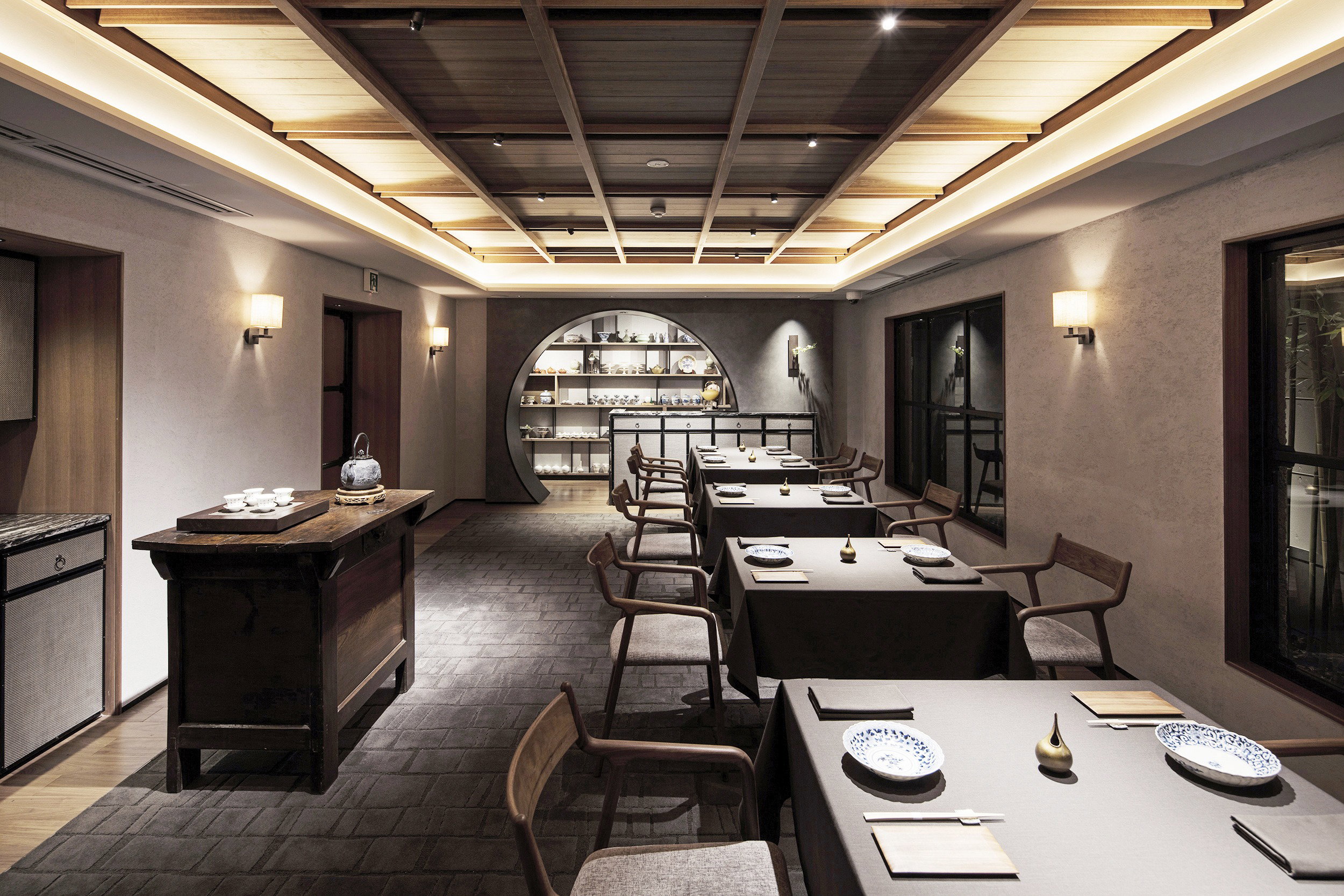
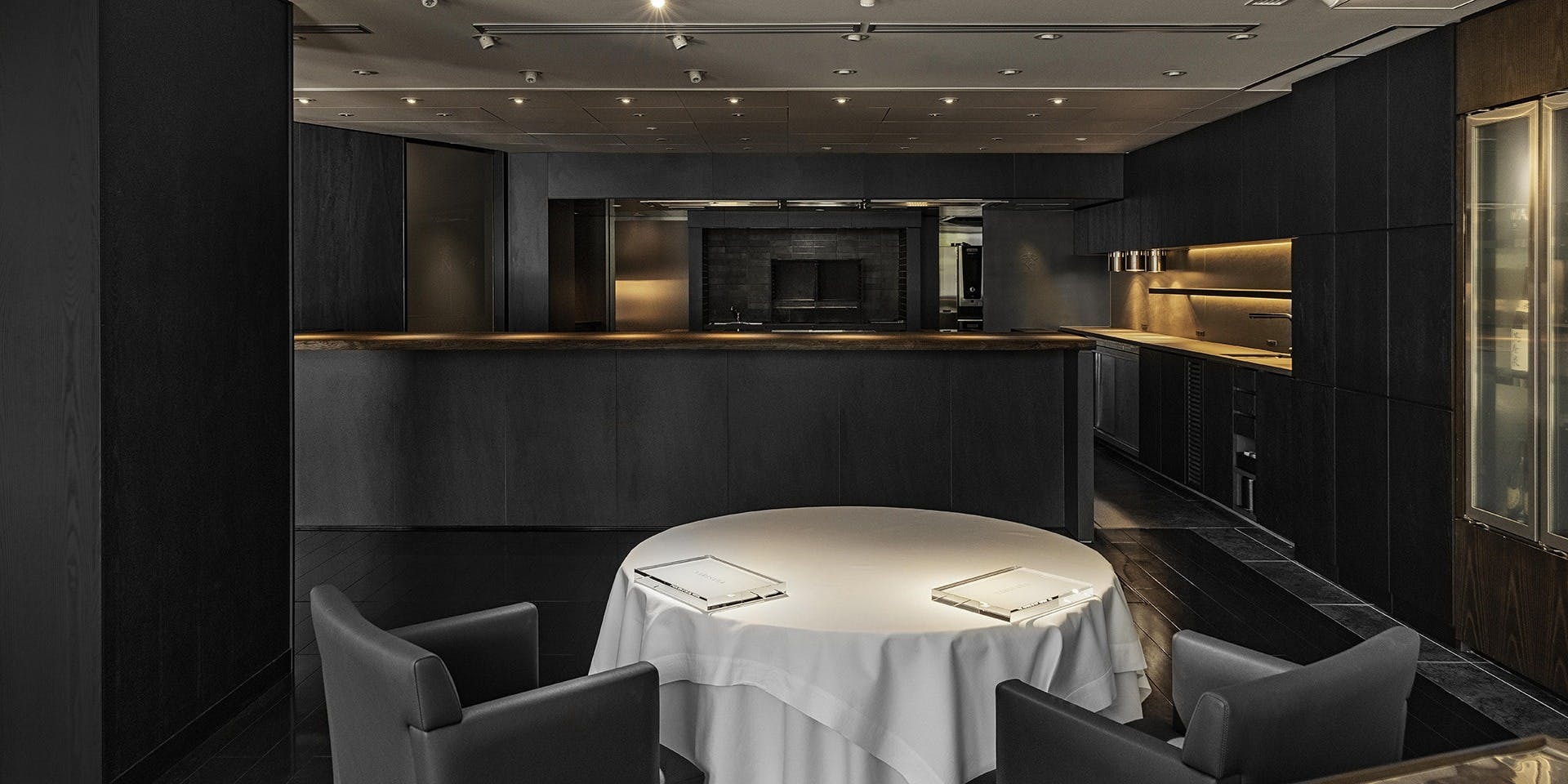
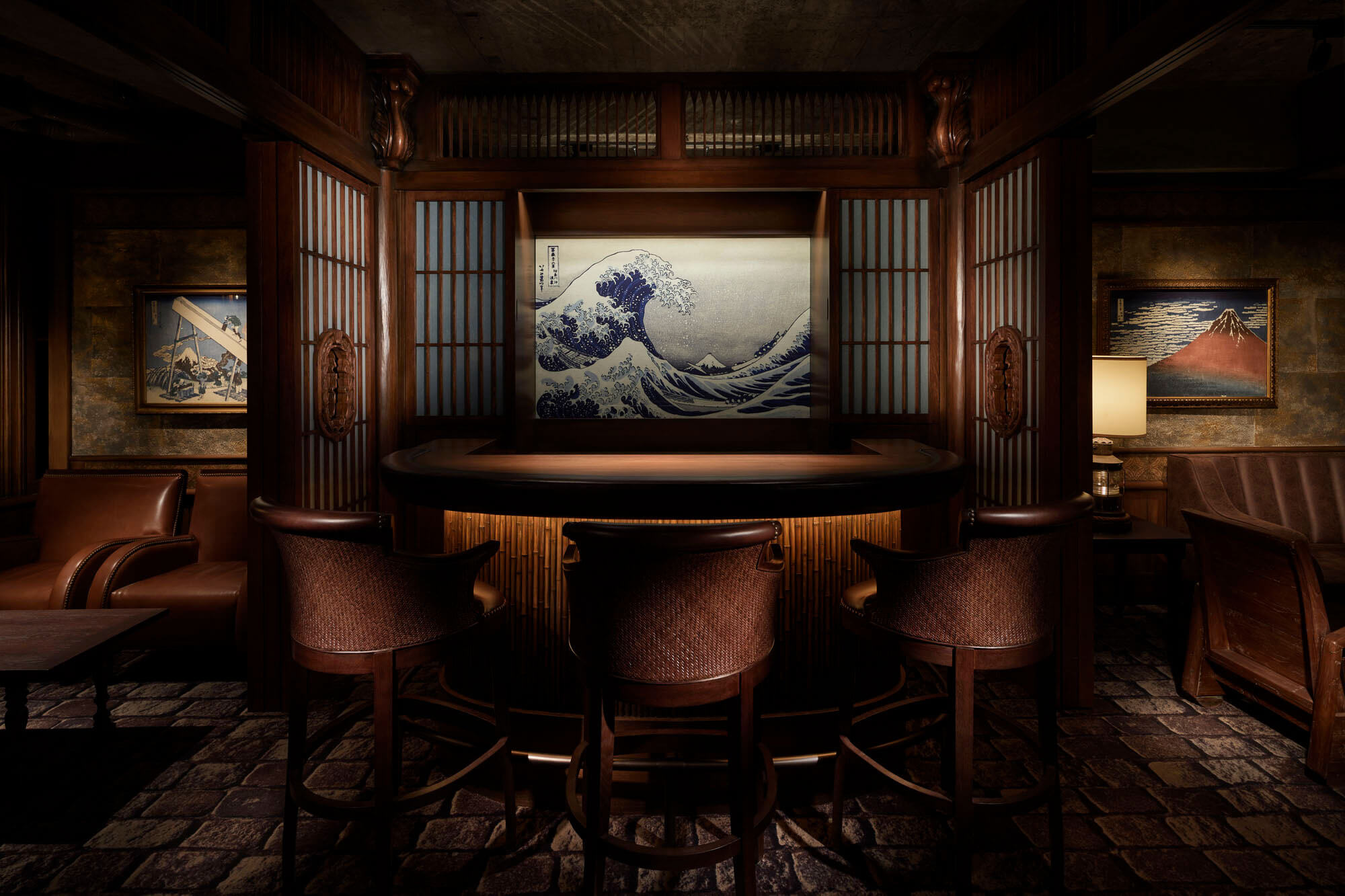
The restaurant is located in the basement level (B1) of a building in Tomigaya, a quieter residential pocket of Shibuya that lacks the commercial intensity of the neighbourhood's centre. The basement setting means the room is calm rather than lively, low ambient noise, controlled light, an atmosphere that asks you to pay attention to what is in the bowl rather than what is happening at the next table. For a diner who wants to track the development of a menu across multiple courses, this is the right environment. For someone looking for the energy and theatre of a louder room, this is the wrong choice, Florilège or L'Effervescence will give you more room energy if that matters to the evening.
Tomigaya itself is worth noting as a destination. The area has developed a reputation among Tokyo's food-aware residents as a neighbourhood with above-average dining density for its size, without the tourist-facing pressure of Ginza or Roppongi. Dining here sits alongside venues like Jingumae Higuchi and within reach of Myojaku, making the area a credible base for an evening dedicated to serious Japanese cooking. If you are building a Tokyo itinerary around restaurant visits, our full Tokyo restaurants guide covers the broader picture, and our Tokyo hotels guide can help with positioning.
Who This Is Right For
Kyoryori Aun is squarely suited to a food-focused traveller who wants technical depth at a price point that does not require a special-occasion budget. At ¥¥¥, it is positioned below Azabu Kadowaki and Ginza Fukuju in cost terms, and it earns that comparison favourably on technique per yen. Solo diners will find the basement counter or intimate table format well-suited to quiet, attentive eating. It is less suited to groups celebrating a milestone who want ceremony and theatre, for that, a ¥¥¥¥ kaiseki room with more service layers will feel more proportionate to the occasion.
For context across Japan's broader dining circuit: if you are making a wider trip and want to benchmark against other technically serious kitchens, Gion Sasaki in Kyoto and Isshisoden Nakamura offer Kyoto's answer to this kind of restrained dashi-led precision. In Osaka, Kashiwaya Osaka Senriyama and HAJIME represent different points on the ambition spectrum. akordu in Nara and Goh in Fukuoka show how far the category extends outside the main cities. For those completing Japan's outer circuit, 1000 in Yokohama and 6 in Okinawa are worth holding alongside Aun as proof that strong technical cooking is not confined to Tokyo's central wards.
Practical Details
Kyoryori Aun is at 1 Chome-33-6 Tomigaya, Shibuya, Tokyo, basement level. Booking is rated Easy relative to Tokyo's competitive reservation pool, this is not a room you need to chase three months in advance, though a week or two of lead time is sensible for weekends. No phone or website data is in the record, so reservations are most reliably handled through a hotel concierge or a specialist booking service if you are visiting from abroad. Hours are not confirmed in the available data, so verify current service times before arrival. Pricing is ¥¥¥, placing it in the mid-to-upper tier without reaching the summit pricing of Tokyo's Michelin-starred kaiseki rooms. Dress expectations are not formally stated but a smart-casual approach is appropriate given the room's tone and the Michelin Plate recognition. For bar recommendations nearby, see our Tokyo bars guide, and for local wineries and sake producers worth pairing with an evening here, our Tokyo wineries guide covers the options. More curated local activities are in our Tokyo experiences guide.
Planning details
- Location
- Japan, 〒151-0063 Tokyo, Shibuya, Tomigaya, 1 Chome−33−6 代々木パークサイド B1
- Reservations
- Book on TableCheck
- Website
- guide.michelin.com/jp/ja/tokyo-region/tokyo/restaurant/kyoryori-aun
- Phone
- +81 50-3628-6763
The take
The Take
The Vibe
Kyoryori Aun presents a restrained, crystalline take on Tokyo fine dining. Tucked into quiet backstreets, the restaurant favors a minimalist, counter-led room where the chef’s rhythm defines the evening. The service and space lean into kaiseki-informed classics, producing a calm, almost meditative pace that highlights nuance over spectacle. At the heart of the experience is matured Rishiri kombu and dashi-focused technique, which lends every course an understated gravitas. The overall effect is serene and classical, appealing to diners who appreciate discipline, clarity of flavor, and an intimate, hospitality-forward presentation.
Best For
This is a destination for discerning diners seeking a focused tasting-menu experience at dinner. Michelin recognition and a structured, dashi-centered progression make the restaurant especially well suited to special occasions, celebration meals, date nights and solo visits by gastronomes who want to watch the chef work. The counter setting keeps the experience intimate rather than social or boisterous, so it’s not ideal for large groups. Expect a formal fine-dining cadence geared toward appreciation of technique, seasonality and umami balance.
Ordering Tips
The meal is presented as a structured progression built around house dashi, so guests should approach the evening as a tasting experience and allow the chef to guide pacing and sequence. The menu highlights techniques such as jellied dashi for sashimi and a house egg-yolk soy that dresses nigiri, details that reward attentive tasting. The kitchen explicitly accommodates select dietary needs when arranged in advance, so communicate restrictions ahead of time. Because seating is counter-led, plan for an intimate, chef-focused service rather than a flexible à la carte visit.
Venue details
Ambiance
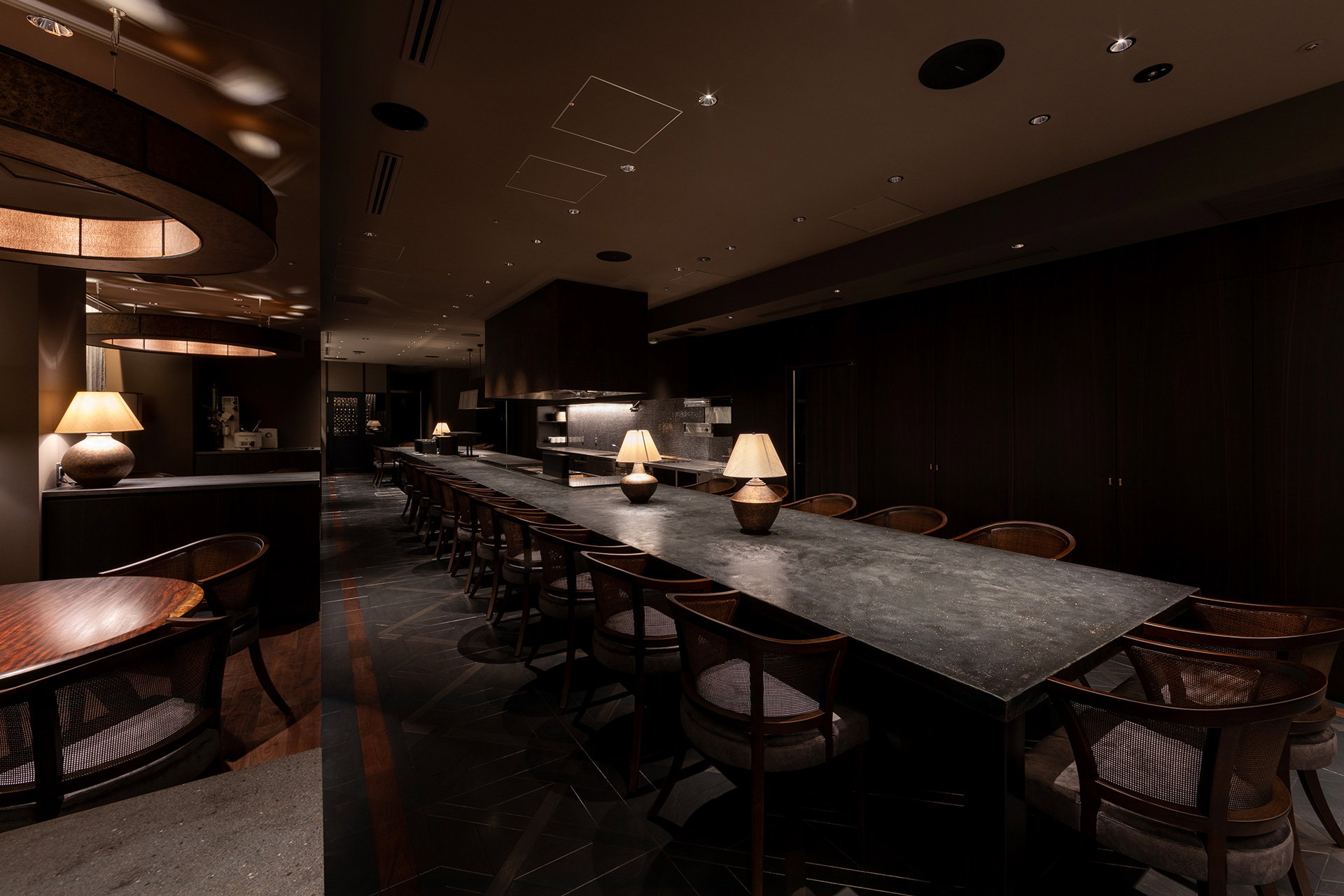
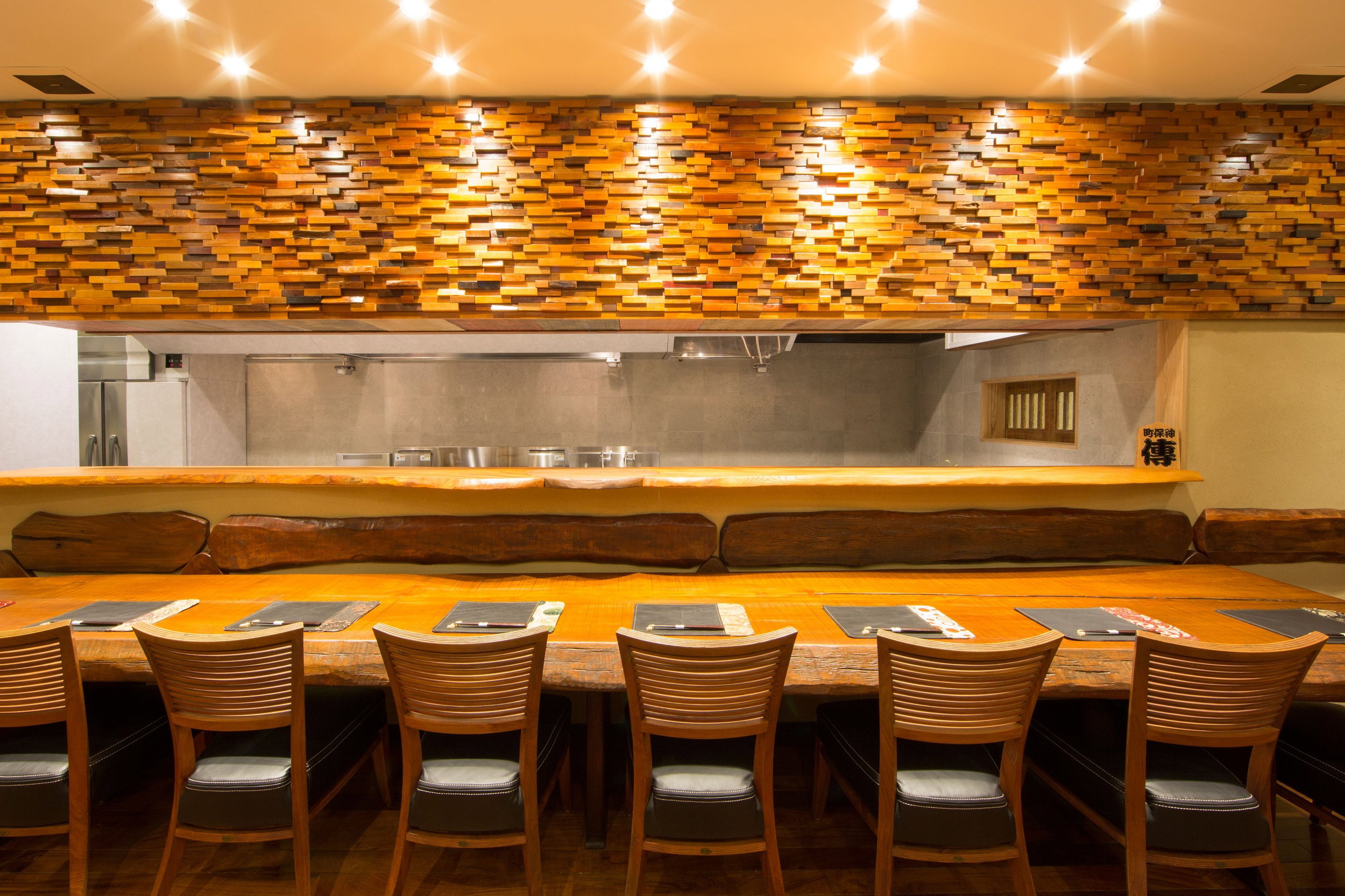
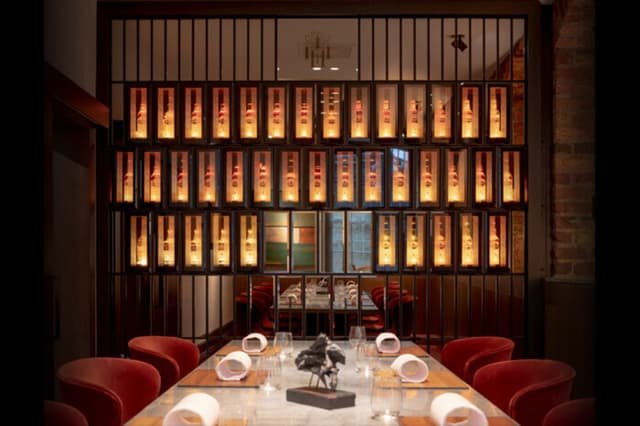
Intimate counter seating in a cozy basement space with a quiet, welcoming atmosphere focused on the chef's precise preparation.
Tags
Vibe
Best For
Experience
At the Table
- Dress Code
- Smart Casual
- Noise Level
- Quiet
- Service Style
- Upscale Casual
- Meal Pacing
- Leisurely
- Capacity
- Intimate
- Kitchen
- Traditional
- Menu Format
- Counter dining, Set menu
- Wine Program
- Curated
- Drinks Focus
- Sake program
Know before you go
Know Before You Go
- Getting there
- Japan, 〒151-0063 Tokyo, Shibuya, Tomigaya, 1 Chome−33−6 代々木パークサイド B1
Planning details
Location
Japan, 〒151-0063 Tokyo, Shibuya, Tomigaya, 1 Chome−33−6 代々木パークサイド B1 · Directions
guide.michelin.com/jp/ja/tokyo-region/tokyo/restaurant/kyoryori-aun
Recognition and awards
Also consider
Also Consider
- Harutaka, Sushi, ¥¥¥¥
- RyuGin, Kaiseki, Japanese, ¥¥¥¥
- L'Effervescence, French, ¥¥¥¥
- HOMMAGE, Innovtive French, French, ¥¥¥¥
- Florilège, French, ¥¥¥
Restaurant context
How Kyoryori Aun Compares
Against Tokyo's serious Japanese dining options, Kyoryori Aun sits in a practical position: Michelin-recognised, technically focused, and priced at ¥¥¥ rather than the ¥¥¥¥ that the city's flagship kaiseki rooms command. RyuGin is the benchmark for theatrical kaiseki at the top of the market, more ceremony, more layers of service, and a price to match. If the occasion demands that kind of formal architecture, RyuGin earns its premium. Aun is the better choice when you want the cooking to carry the evening without the added cost of kaiseki theatre.
Harutaka operates at ¥¥¥¥ and is focused on sushi rather than dashi-led Japanese cuisine, a different category entirely, and harder to book. If sushi is your priority, Harutaka is the stronger choice; if you want a menu built around a single technical idea executed across multiple course formats, Aun is more relevant. For French-leaning diners comparing across cuisines, L'Effervescence and HOMMAGE both operate at ¥¥¥¥ with more room energy and international-facing menus, while Florilège at ¥¥¥ is the closest pricing peer, though its French modern cooking is a fundamentally different proposition from Aun's dashi discipline.
The practical summary: book Aun if you want technically serious Japanese cooking at a ¥¥¥ price point with easy reservation access. Book RyuGin if budget is not the constraint and full kaiseki ceremony is what you are after. Book Florilège if you want comparable pricing in a livelier room with a French-modern menu instead.
Explore Tokyo
Around this place
Discover more on Pearl
Unlock the full Kyoryori Aun guide in Pearl, including awards, comparisons, FAQs, planning details, and nearby places.
Compare Kyoryori Aun
| Venue | Price | Awards |
|---|---|---|
| Kyoryori Aun | ¥¥¥ | 2026 Michelin Plate2025 Michelin Plate2024 Michelin Plate |
| Harutaka | ¥¥¥¥ | 2026 Tabelog Silver · #312026 OAD Top Restaurants in Japan Ranked · #1282026 Michelin 3 Stars2026 La Liste Top RestaurantsTabelog 100 - Sushi - TOKYO - 2025 · #372025 Asia's 50 Best Restaurants · #762025 OAD Top Restaurants in Japan Ranked · #1172025 La Liste Top Restaurants2025 Tabelog Bronze |
| RyuGin | ¥¥¥¥ | 2026 OAD Top Restaurants in Japan Ranked · #802026 Tabelog Bronze · #3772026 Michelin 3 Stars2026 La Liste Top RestaurantsTabelog 100 - Japanese cuisine - TOKYO - 2025 · #212025 OAD Top Restaurants in Japan Ranked · #542025 Michelin 3 Stars2025 La Liste Top Restaurants2025 The Best Chef Three Knives |
| L'Effervescence | ¥¥¥¥ | 2026 Tabelog Silver · #682026 OAD Top Restaurants in Japan Ranked · #103Star Wine Lists 20262026 Black Pearl 2 Diamond2026 Relais Chateaux Restaurants2026 La Liste Top Restaurants2026 Michelin 3 Stars2025 Asia's 50 Best Restaurants · #692025 OAD Top Restaurants in Japan Ranked · #92 |
| HOMMAGE | ¥¥¥¥ | 2026 Tabelog Bronze · #1232026 OAD Top Restaurants in Japan Highly Recommended2026 Michelin 2 StarsTabelog 100 - French - TOKYO - 2025 · #762025 Asia's 50 Best Restaurants · #782025 OAD Top Restaurants in Japan Ranked · #1752025 Michelin 2 Stars2025 The Best Chef One Knife2025 La Liste Top Restaurants |
| Florilège | ¥¥¥ | 2026 Asia's 50 Best Restaurants · #312026 Tabelog Bronze · #712026 OAD Top Restaurants in Japan Ranked · #1242026 Black Pearl 1 Diamond2026 Michelin 2 Stars2026 La Liste Top Restaurants2025 Asia's 50 Best Restaurants · #172025 World's 50 Best Restaurants · #36Tabelog 100 - French - TOKYO - 2025 · #68 |













What to weigh when choosing between Kyoryori Aun and alternatives.
FAQ
Frequently Asked Questions
Is the tasting menu worth it at Kyoryori Aun?
Yes, for the format it offers. The menu is structured around dashi drawn from ripened Rishiri kombu, running from appetizers through to the closing takikomi-gohan — so every course is part of a coherent argument rather than a loose sequence of dishes. At the ¥¥¥ price point, this is kaiseki-adjacent cooking with genuine technical intent, and it holds a Michelin Plate for both 2024 and 2025. If you want individual showstopper dishes rather than a broth-driven through-line, look elsewhere.
How far ahead should I book Kyoryori Aun?
Booking difficulty is rated Easy relative to Tokyo's competitive reservation pool, which means you are unlikely to need months of lead time here. A week to two weeks ahead is a reasonable baseline for most dates, though weekends in peak travel periods warrant earlier action. This compares favourably to heavier hitters like RyuGin or Harutaka, where months-out planning is standard.
What should I wear to Kyoryori Aun?
No dress code is specified in the venue record. For a basement-level kaiseki-adjacent restaurant in Tomigaya at the ¥¥¥ tier, neat and presentable is a safe default — think the kind of outfit you would wear to any focused, quality-led dinner in Tokyo without going full formal. Overly casual resort wear would be out of step with the atmosphere.
Is Kyoryori Aun worth the price?
At ¥¥¥, Kyoryori Aun sits in the mid-to-upper range without pushing into the ¥¥¥¥ territory of Michelin-starred destinations like RyuGin or L'Effervescence. For a Michelin Plate restaurant with a defined culinary philosophy — dashi mastery across every course — the price-to-craft ratio is solid. It is a stronger value case than comparable special-occasion restaurants in the same bracket, particularly for travellers who care about technique over theatre.
What should a first-timer know about Kyoryori Aun?
The cooking at Kyoryori Aun is organised around a single idea: that Rishiri kombu dashi can carry the full expression of a meal, from the first appetizer to the rice course at the end. Dishes like sashimi in jellied dashi broth and tuna sushi finished with egg-yolk soy sauce are built to show what dashi does to flavour, not to dazzle on Instagram. Come with an appetite for restraint and precision rather than bold, high-contrast tastes.
Is Kyoryori Aun good for solo dining?
Likely yes. The Tomigaya neighbourhood and the basement-level setting suggest a counter or small-room format well-suited to solo diners, and the tasting menu structure means there is no awkwardness around ordering. Booking difficulty is rated Easy, so securing a single seat should not be an issue. Confirm counter availability when you reserve.