
.png?width=1200&quality=80)

Kyorakutei
Soba · Shinjuku, Tokyo
Restaurant in Tokyo, Japan
 Book with Pearl
The Read
Aizu-Sourced Inaka Soba
Price
$20–30per person
Dress
Smart Casual
Why go
A Michelin Bib Gourmand soba counter in Kagurazaka that ranked #54 on OAD Casual Japan 2025, Kyorakutei delivers thick inaka soba made with Aizu buckwheat at one of Tokyo's most accessible price points. The queue forms before opening, but booking is rated Easy. The extensive tempura program and seasonal tomato soba make it worth planning around, especially at dinnertime for a more relaxed pace.
About Kyorakutei
Verdict: One of Tokyo's Most Accessible Michelin-Recognised Soba Counters
Getting into Kyorakutei is less about luck than timing. The queue forms before the doors open — that detail alone tells you what kind of place this is. But unlike many high-demand Tokyo restaurants, this one sits at the ¥ price tier, holds a Michelin Bib Gourmand (2024), and ranked #54 on the Opinionated About Dining Casual Japan list for 2025. Booking is rated Easy. That combination — Michelin recognition, a real following, and a price point almost anyone can justify, makes Kyorakutei one of the stronger cases for a soba lunch or dinner in Shinjuku's Kagurazaka neighbourhood.
Portrait
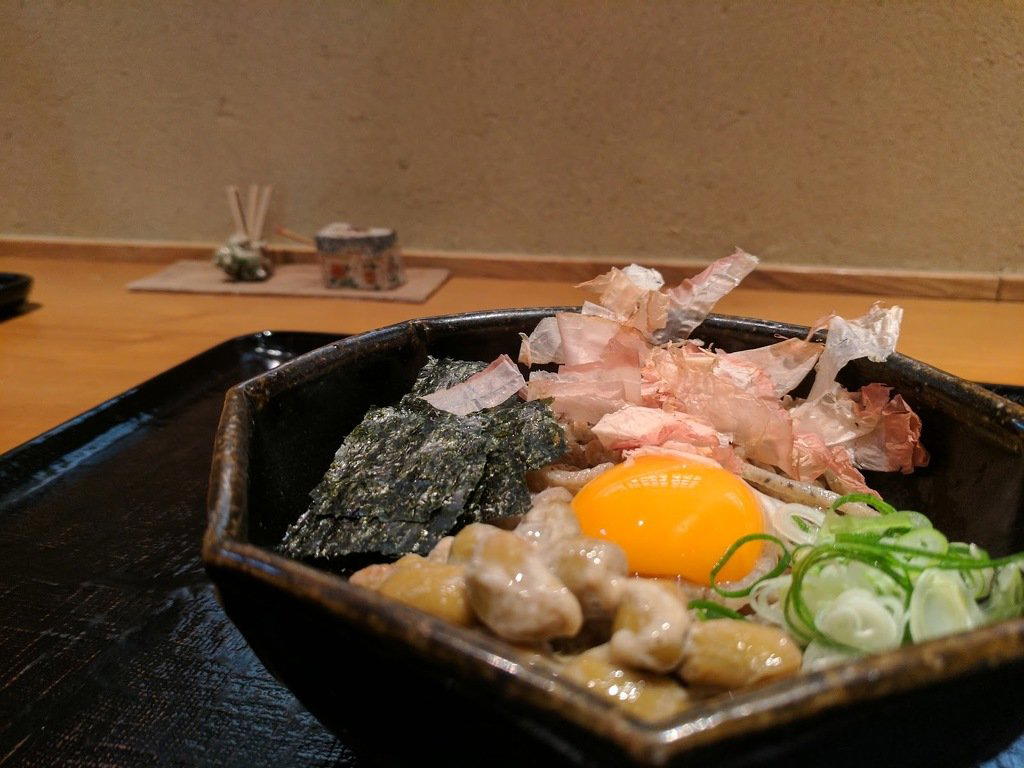
Kyorakutei is the kind of restaurant that earns its queue on merit. Chef Kaneko Yasushi sources buckwheat from Aizu, his native region, and focuses the menu around cold inaka soba: thick, whole-buckwheat noodles that carry more of the grain's flavour than the finer cuts served elsewhere. The texture is coarser, the taste more assertive. If you've only eaten the delicate, pale soba common at mid-range Tokyo restaurants, inaka soba reads differently, earthier, with more substance on the palate.
The menu is deliberately wide. Beyond the soba itself, there are drinks and snacks designed to draw out the meal, plus an extensive selection of tempura available both as combination platters and individual items. This format matters for how you plan your visit. Kyorakutei is not a place built for a quick bowl and exit, it's structured for a longer sit, which changes the calculus for both solo diners and groups.
Lunch vs Dinner: How the Two Experiences Compare
The awards data flags something useful: the venue works well at any hour, described explicitly as worth visiting whether day or evening. That is not always true at soba restaurants, where lunch service is often leaner and dinner feels more considered. At Kyorakutei, the full menu appears across both services, and the tempura program runs throughout, meaning the value proposition does not shift dramatically depending on when you arrive.
That said, practical differences do apply. The queue is a documented feature, and lunch slots at popular Tokyo casual spots fill fastest. If you are visiting on a weekday and flexibility is possible, an early-evening visit may mean a shorter wait, though this is not guaranteed. For a special occasion or a date where pace and comfort matter more than speed, dinner gives you more room to work through the snacks and drinks between soba courses without feeling the pressure of a lunchtime turnover. Lunch, by contrast, suits solo diners or anyone who wants the core soba experience without a multi-hour commitment.
One seasonal note worth planning around: the tomato soba, an early summer speciality, is specifically flagged as worth the wait. If your visit falls between late May and July, that dish changes the calculus and makes a dedicated trip more defensible.
The Kagurazaka Setting
Kyorakutei sits in Kagurazaka, Shinjuku City, a neighbourhood with a density of quality casual dining that makes it a sensible base for an evening in that part of Tokyo. The address puts it in an area known for a mix of traditional Japanese restaurants and French-influenced spots, which means if Kyorakutei has a queue, alternatives are within reach. For other soba-focused options in Tokyo, Akasaka Sunaba, Azabukawakamian, Edosoba Hosokawa, and Hamacho Kaneko are all worth having on your list. For a broader view of what Tokyo's dining scene offers across price tiers and cuisines, see our full Tokyo restaurants guide.
If you are building a longer Japan itinerary, the soba format has strong regional representation: Ayamedo in Osaka and Chikuyuan Taro no Atsumori in Kyoto are both worth considering as comparisons in their respective cities. For dining well beyond the soba category during a Japan trip, options like HAJIME in Osaka, Gion Sasaki in Kyoto, akordu in Nara, Goh in Fukuoka, 1000 in Yokohama, and 6 in Okinawa represent the range of what serious restaurant travel in Japan can look like. Tokyo also has strong options beyond restaurants: see our Tokyo hotels guide, bars guide, wineries guide, and experiences guide for a fuller picture. Hamadaya is also worth considering if you want traditional Japanese dining in Tokyo at a higher price tier.
Who Should Book
Kyorakutei makes the most sense if you want Michelin-acknowledged quality at casual pricing and are willing to arrive before opening to manage the queue. It works for solo diners (the format is counter-friendly), for couples who want a low-pressure special meal without the outlay of a kaiseki dinner, and for anyone visiting Tokyo specifically to explore regional soba traditions. The Aizu buckwheat sourcing gives the kitchen a clear identity that separates it from generic soba counters. Groups who want a longer, more structured occasion should lean toward the dinner service and use the tempura program to pace the meal.
If the queue on a given day is prohibitive, the soba alternatives listed above cover similar ground. But if Kyorakutei is open and accessible, the combination of price, recognition, and a focused culinary point of view makes it the stronger call in its tier.
Know Before You Go
- Price tier: ¥, one of the most affordable Michelin Bib Gourmand picks in Tokyo
- Awards: Michelin Bib Gourmand (2024); OAD Casual Japan #54 (2025)
- Booking difficulty: Easy, but the queue forms before opening; arrive early
- Ideal time to visit: Early summer if you want the tomato soba speciality
- Cuisine focus: Cold inaka soba (thick whole-buckwheat), extensive tempura, snacks and drinks
- Buckwheat sourcing: Aizu region (Chef Kaneko Yasushi's native area)
- Good for: Solo diners, couples, casual special occasions, soba enthusiasts
- Location: Kagurazaka, Shinjuku City, Tokyo
- Chef: Kaneko Yasushi
Planning details
- Location
- Japan, 〒162-0825 Tokyo, Shinjuku City, Kagurazaka, 3 Chome−6 神楽坂館1階
- Website
- gc23000.gorp.jp
- Phone
- +81 3-3269-3233
The take
The Take
The Vibe
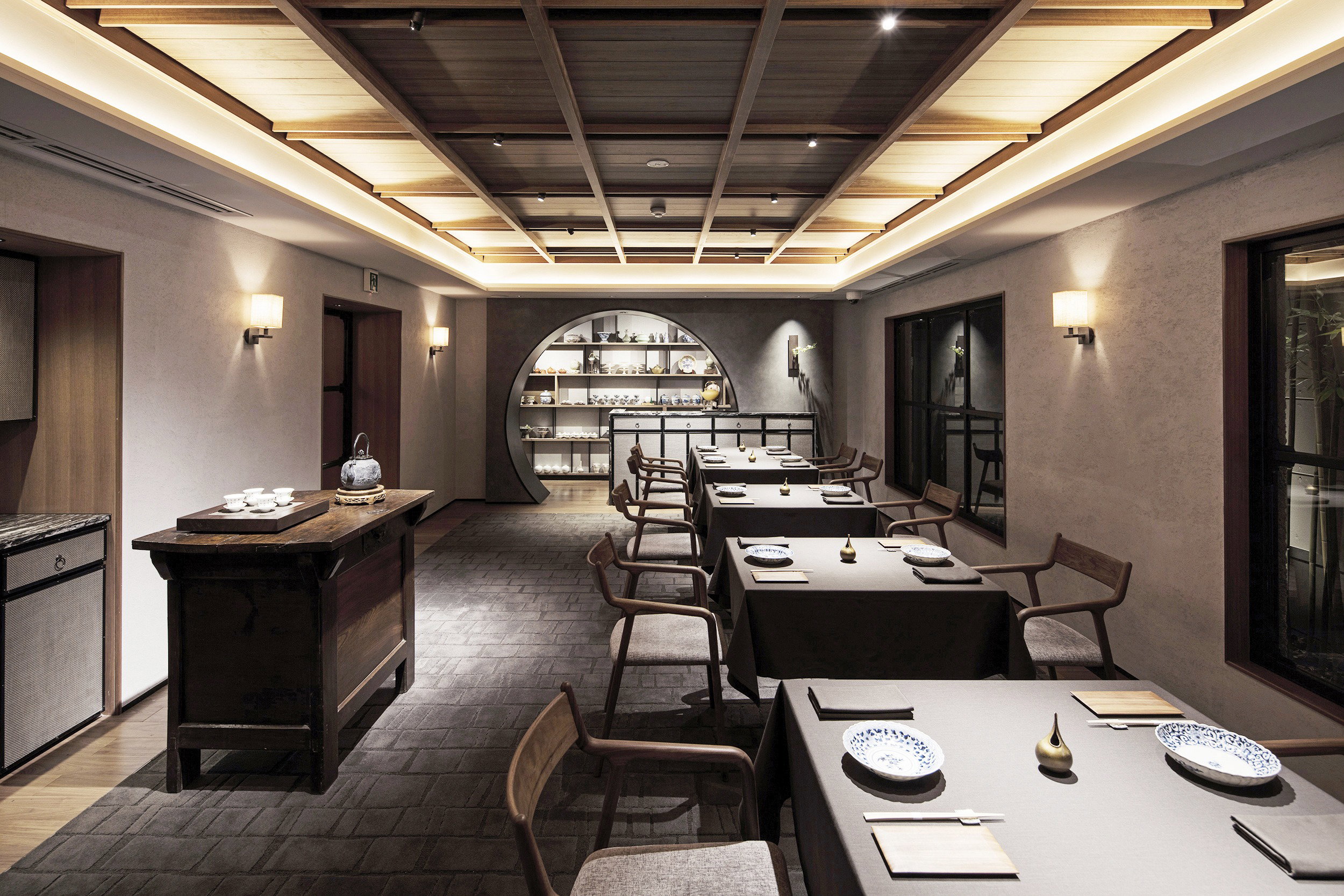
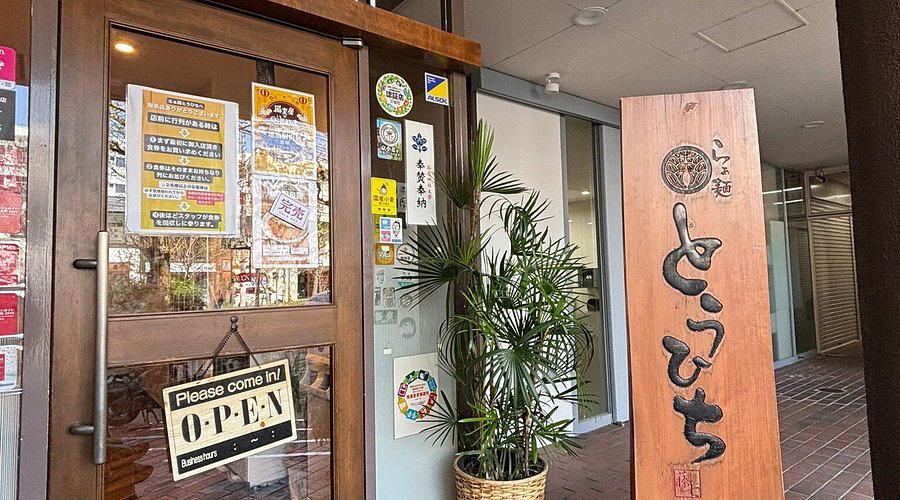
Kyorakutei sits squarely within Kagurazaka’s quietly storied streets, where narrow flagstone lanes and cobblestone alleys set a slower, more deliberate pace. The restaurant reads like a neighbourhood institution: unassuming from the sidewalk, discreet at the ground floor of a low-rise building, and rewarded with a steady pre-service queue. Recognition such as a 2024 Michelin Bib Gourmand and a place on a national casual-dining list underline its standing. Overall, the room feels historic and calm, inviting diners to slow down and focus on craft more than ceremony.
Best For
The restaurant makes a clear case for treating soba as an occasion: a meal defined by craftsmanship, provenance and pace rather than formality or price. It suits diners who want an unhurried, focused experience—visitors interested in Tokyo’s craft-food scene as well as locals who value precision and seasonality. The steady lines and awards suggest this is a place to reserve time for the meal rather than a quick bite, making it appropriate for meaningful outings where the quality of the noodles and tempura are the central attraction.
Ordering Tips
Arrive early: the queue forms before doors open, so plan to get there ahead of service to avoid a long wait. Lean into the house specialties—juwari soba and the tomato soba—and order seasonal tempura when available to sample the kitchen’s approach to provenance and texture. Given the place’s Bib Gourmand status and its reputation within Tokyo’s soba circuit, order with the expectation of a deliberate, thoughtful meal rather than a rush service; take time to taste the noodles and the seasonal accompaniments.
Venue details
Ambiance
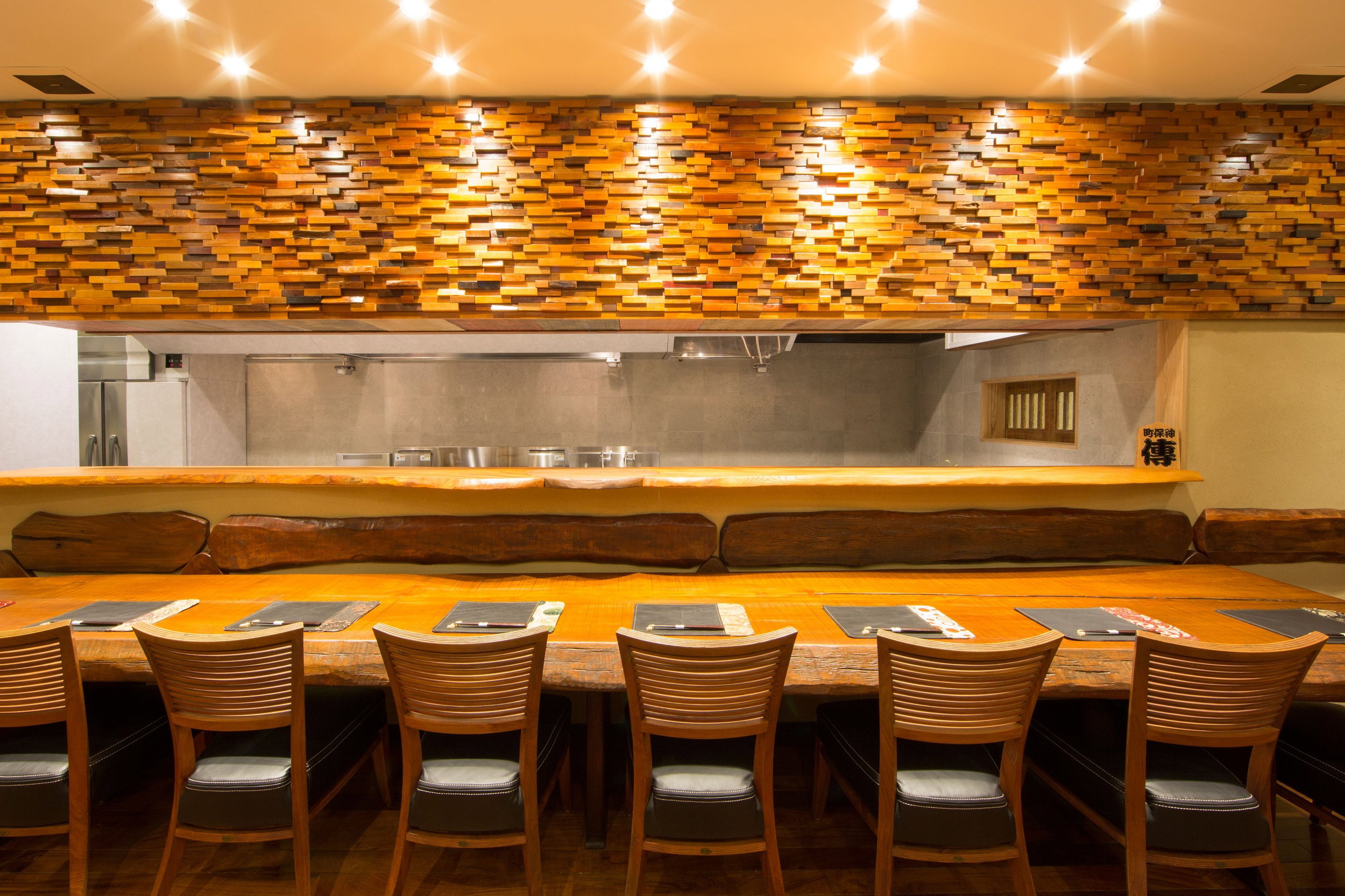
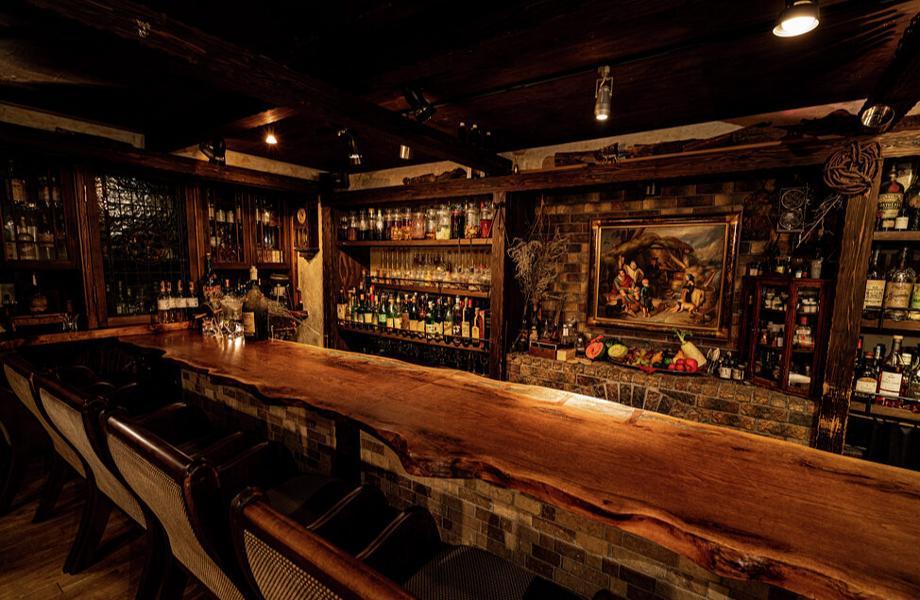
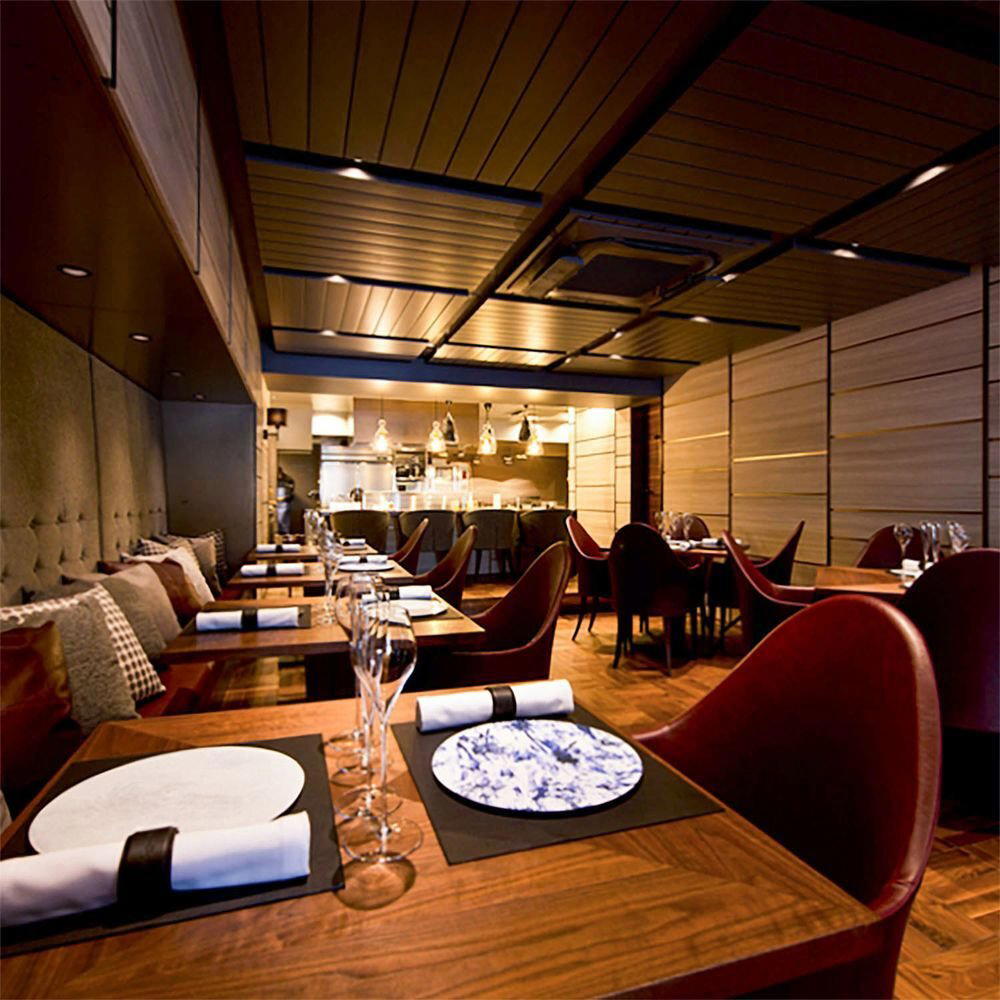
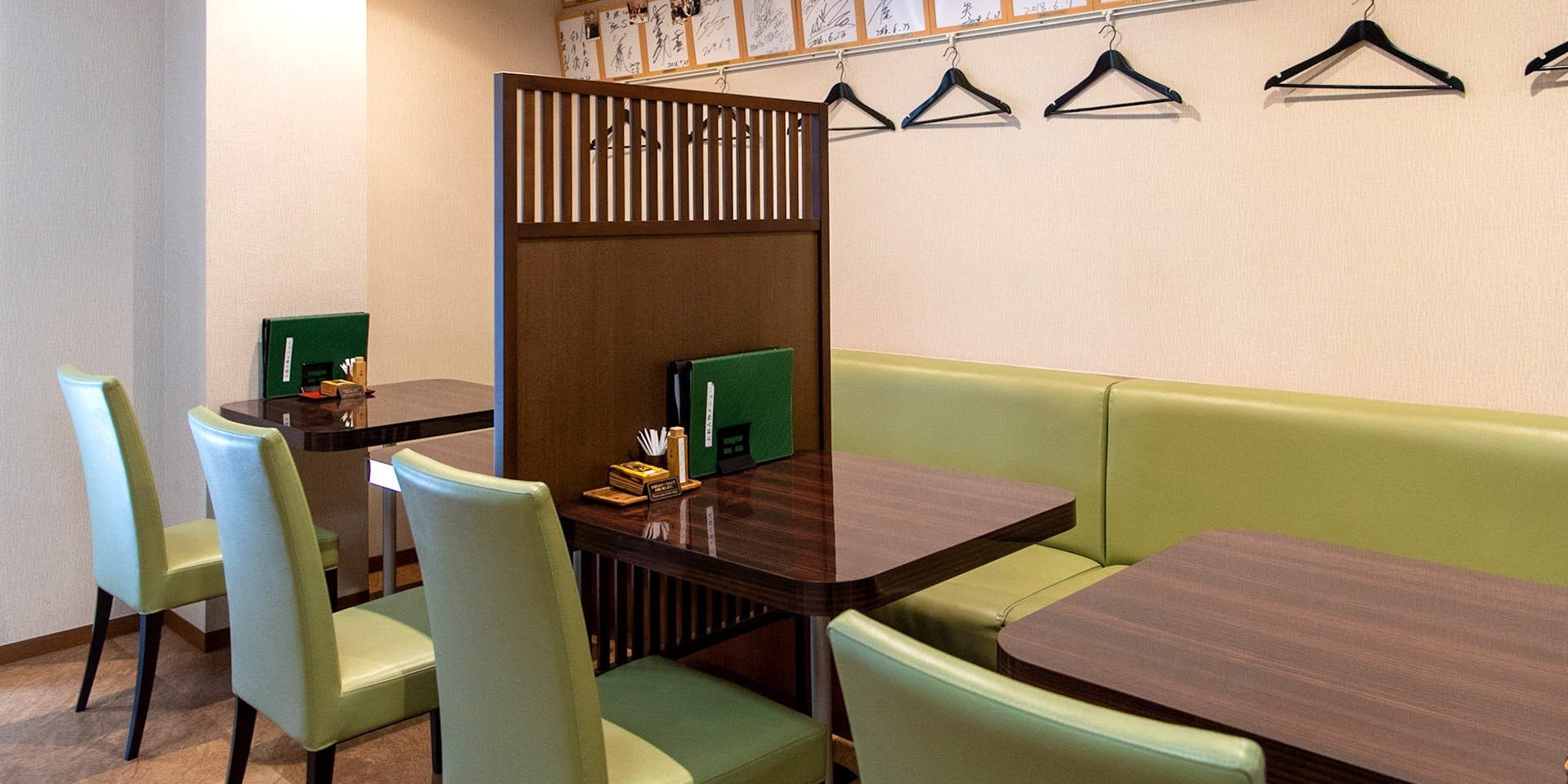
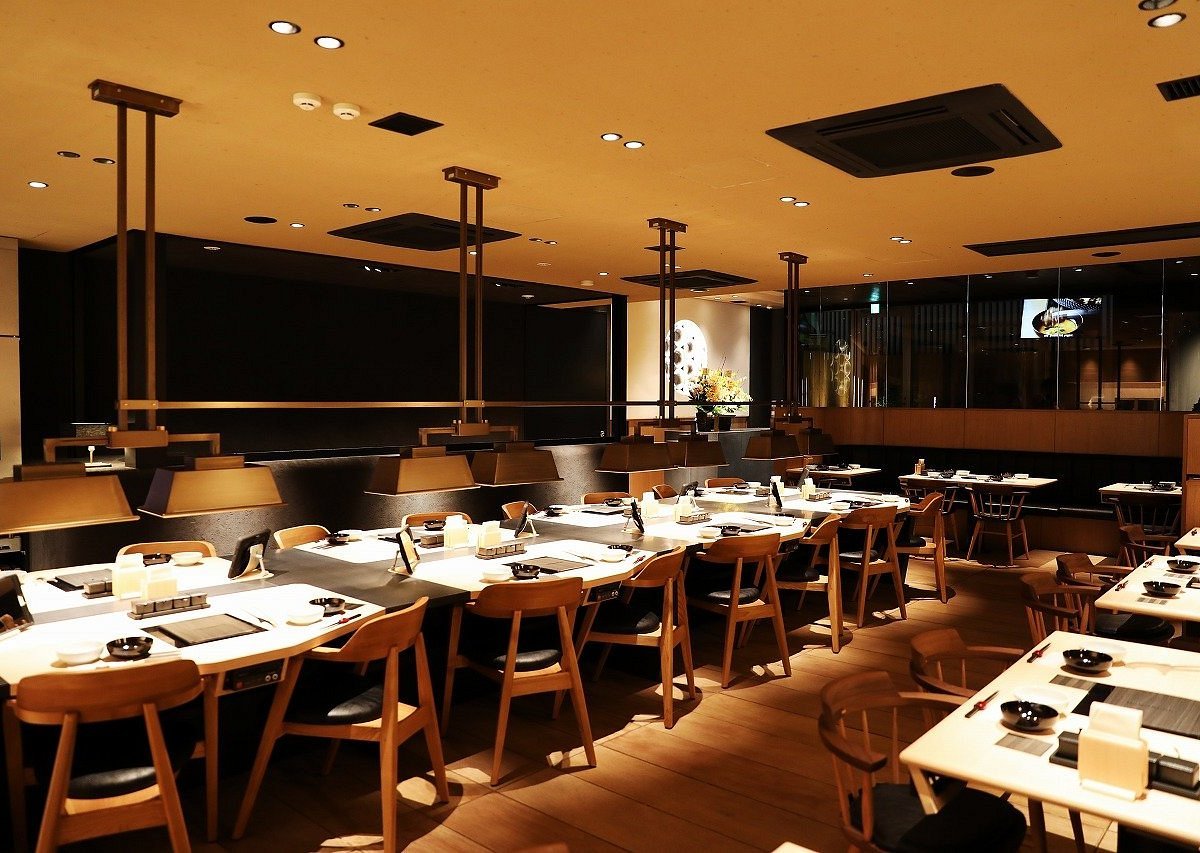
Warm and intimate with soft lighting creating depth in the small space, filled with assorted knick-knacks for a hidden grotto-like atmosphere.
Tags
Vibe
Best For
Sourcing
At the Table
- Dress Code
- Smart Casual
- Noise Level
- Quiet
- Service Style
- Upscale Casual
- Meal Pacing
- Standard
- Capacity
- Intimate
- Kitchen
- Traditional
- Menu Format
- A la carte
- Wine Program
- Curated
- Drinks Focus
- Sake
- Dietary
- Vegetarian friendly
Signature Dishes
- juwari soba
- tomato soba
- seasonal tempura
Know before you go
Know Before You Go
- Getting there
- Japan, 〒162-0825 Tokyo, Shinjuku City, Kagurazaka, 3 Chome−6 神楽坂館1階
Planning details
Location
Japan, 〒162-0825 Tokyo, Shinjuku City, Kagurazaka, 3 Chome−6 神楽坂館1階 · Directions
Recognition and awards

Also consider
Also Consider
- Harutaka, Sushi, ¥¥¥¥
- RyuGin, Kaiseki, Japanese, ¥¥¥¥
- L'Effervescence, French, ¥¥¥¥
- HOMMAGE, Innovtive French, French, ¥¥¥¥
- Florilège, French, ¥¥¥
Restaurant context
Kyorakutei sits at a different price tier from most of its Tokyo peers, and that is its clearest competitive advantage. Where Harutaka and RyuGin both operate at ¥¥¥¥, Harutaka as one of Tokyo's most technically demanding sushi counters, RyuGin as a kaiseki reference point, Kyorakutei delivers Michelin-recognised quality at the ¥ tier. The experiences are not directly comparable, but if your goal is a serious, considered meal without a four-figure bill, Kyorakutei wins on value by a significant margin. RyuGin is the right call if you want the full kaiseki format; Kyorakutei is the right call if you want culinary rigour in a casual register.
Against the French options in Tokyo's ¥¥¥¥ bracket, the comparison is less about quality than format. L'Effervescence, HOMMAGE, and Florilège all require advance planning, higher spend, and a commitment to tasting-menu pacing. Florilège at ¥¥¥ is the closest in price but still a step above Kyorakutei. For a special occasion dinner where the goal is a multi-course experience with wine pairings, those restaurants are the stronger choice. For a special meal that leaves room in the budget, or where the occasion calls for something more relaxed, Kyorakutei's combination of Bib Gourmand recognition and affordable pricing makes it hard to pass over.
Within the soba category specifically, Edosoba Hosokawa and Akasaka Sunaba are the most direct Tokyo comparisons. Kyorakutei differentiates itself through its Aizu buckwheat sourcing, the breadth of its tempura program, and the snacks-and-drinks format that supports a longer meal. If you want the purest, most minimal soba expression, some of those alternatives may suit you better. If you want a fuller evening built around soba as the anchor rather than the entire event, Kyorakutei is the stronger option.
Explore Tokyo
Around this place
Discover more on Pearl
Unlock the full Kyorakutei guide in Pearl, including awards, comparisons, FAQs, planning details, and nearby places.
Compare Kyorakutei
| Venue | Cuisine | Price | Awards | Booking Difficulty |
|---|---|---|---|---|
| Kyorakutei | Soba | ¥ | 2026 OAD Casual in Japan Ranked · #922026 Bib GourmandTabelog 100 - Soba - EAST - 2025 · #322025 OAD Casual in Japan Ranked · #542024 Michelin Bib Gourmand | Easy |
| Harutaka | Sushi | ¥¥¥¥ | 2026 Tabelog Silver · #312026 OAD Top Restaurants in Japan Ranked · #1282026 Michelin 3 Stars2026 La Liste Top RestaurantsTabelog 100 - Sushi - TOKYO - 2025 · #372025 Asia's 50 Best Restaurants · #762025 OAD Top Restaurants in Japan Ranked · #1172025 La Liste Top Restaurants2025 Tabelog Bronze | Unknown |
| RyuGin | Kaiseki, Japanese | ¥¥¥¥ | 2026 OAD Top Restaurants in Japan Ranked · #802026 Tabelog Bronze · #3772026 Michelin 3 Stars2026 La Liste Top RestaurantsTabelog 100 - Japanese cuisine - TOKYO - 2025 · #212025 OAD Top Restaurants in Japan Ranked · #542025 Michelin 3 Stars2025 La Liste Top Restaurants2025 The Best Chef Three Knives | Unknown |
| L'Effervescence | French | ¥¥¥¥ | 2026 Tabelog Silver · #682026 OAD Top Restaurants in Japan Ranked · #103Star Wine Lists 20262026 Black Pearl 2 Diamond2026 Relais Chateaux Restaurants2026 La Liste Top Restaurants2026 Michelin 3 Stars2025 Asia's 50 Best Restaurants · #692025 OAD Top Restaurants in Japan Ranked · #92 | Unknown |
| HOMMAGE | Innovtive French, French | ¥¥¥¥ | 2026 Tabelog Bronze · #1232026 OAD Top Restaurants in Japan Highly Recommended2026 Michelin 2 StarsTabelog 100 - French - TOKYO - 2025 · #762025 Asia's 50 Best Restaurants · #782025 OAD Top Restaurants in Japan Ranked · #1752025 Michelin 2 Stars2025 The Best Chef One Knife2025 La Liste Top Restaurants | Unknown |
| Florilège | French | ¥¥¥ | 2026 Asia's 50 Best Restaurants · #312026 Tabelog Bronze · #712026 OAD Top Restaurants in Japan Ranked · #1242026 Black Pearl 1 Diamond2026 Michelin 2 Stars2026 La Liste Top Restaurants2025 Asia's 50 Best Restaurants · #172025 World's 50 Best Restaurants · #36Tabelog 100 - French - TOKYO - 2025 · #68 | Unknown |












A quick look at how Kyorakutei measures up.
FAQ
Frequently Asked Questions
Can I eat at the bar at Kyorakutei?
No counter-specific seating layout is documented in available venue data, but Kyorakutei is a casual soba restaurant in Kagurazaka and the format is conducive to solo drop-in dining. The queue that forms before opening suggests seating fills quickly, so arriving early gives you the best shot at any seat you want.
How far ahead should I book Kyorakutei?
Walk-ins are the operative format here — the queue forms before the doors open, which is how most guests secure a table. If you want to plan around the early summer tomato soba speciality, build that timing into your trip rather than trying to lock in a reservation weeks out.
Is Kyorakutei worth the price?
Yes, clearly. Michelin Bib Gourmand recognition in 2024 and a top-60 ranking on Opinionated About Dining Japan 2025 at a ¥ price point make this one of Tokyo's stronger value propositions in the Michelin-acknowledged category. You are paying casual-dining prices for soba sourced from the chef's home region of Aizu.
Is Kyorakutei good for solo dining?
It is one of the better solo options in Tokyo's casual Michelin tier. The format — queue, counter-style soba, snacks and drinks between bites — suits a single diner comfortably, and the ¥ price range means you can order widely without the cost pressure that solo dining creates at higher price points.
Is Kyorakutei good for a special occasion?
Not the natural choice. The Bib Gourmand designation signals quality without ceremony, and the queue-before-opening dynamic doesn't suit a celebratory booking. For a special occasion in Tokyo, RyuGin or L'Effervescence offer the formality and menu structure that marks an occasion dinner. Kyorakutei is better positioned as a deliberate highlight of a food-focused itinerary.
What are alternatives to Kyorakutei in Tokyo?
For soba at a similar price tier, Kyorakutei sits at the top of the Michelin-recognised casual category and direct like-for-like alternatives are limited. If you want to step up in formality and spend, RyuGin (kaiseki) and L'Effervescence (French) are both well-credentialled Tokyo options, but they are different formats entirely. Stay in the casual tier and Kyorakutei, ranked #54 on Opinionated About Dining Japan 2025, is the benchmark.