.png?width=1200&quality=80)
Kiyosumi Takahara
Japanese · Kōtō, Tokyo
Restaurant in Tokyo, Japan
 Book with Pearl
The Read
Kyoto-Lineage Seasonal Kaiseki
Price
$100–150per person
Dress
Smart Casual
Why go
Kiyosumi Takahara is a Michelin Plate–recognised Japanese restaurant in Koto City, Tokyo, where Kyoto-trained chef Shimon Takahara builds his menu around daily seasonal sourcing. At ¥¥¥ pricing with easy availability, it delivers more booking flexibility than comparable Tokyo kaiseki addresses. Best for a quiet dinner or special occasion where the food, not the scene, is the focus.
About Kiyosumi Takahara
Should You Book Kiyosumi Takahara?
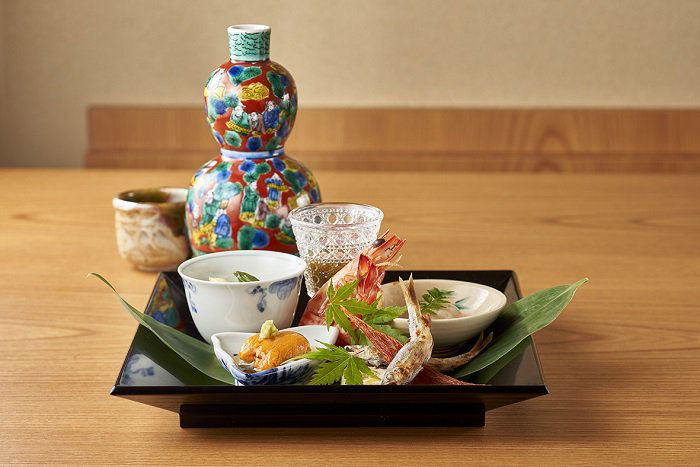
If you have been once, the question on a return visit is whether the menu has moved with the season. At Kiyosumi Takahara, the answer is almost always yes. Chef Shimon Takahara rebuilds the daily appetiser around whatever is most seasonal, which means the meal you had in spring — bamboo shoots, asparagus, dishes that read like a colour chart of the season — will look and taste different in autumn. That calendar-driven approach is the core reason to come back, and the core reason to book in the first place.
Kiyosumi Takahara holds a Michelin Plate in both 2024 and 2025, which places it in recognised territory without the three-month booking window that a star requires. At ¥¥¥ pricing, it sits below the ¥¥¥¥ tier occupied by venues like RyuGin and Harutaka, which means you are getting Kyoto-trained technique and Michelin recognition without paying for a flagship address.
The Space and the Format
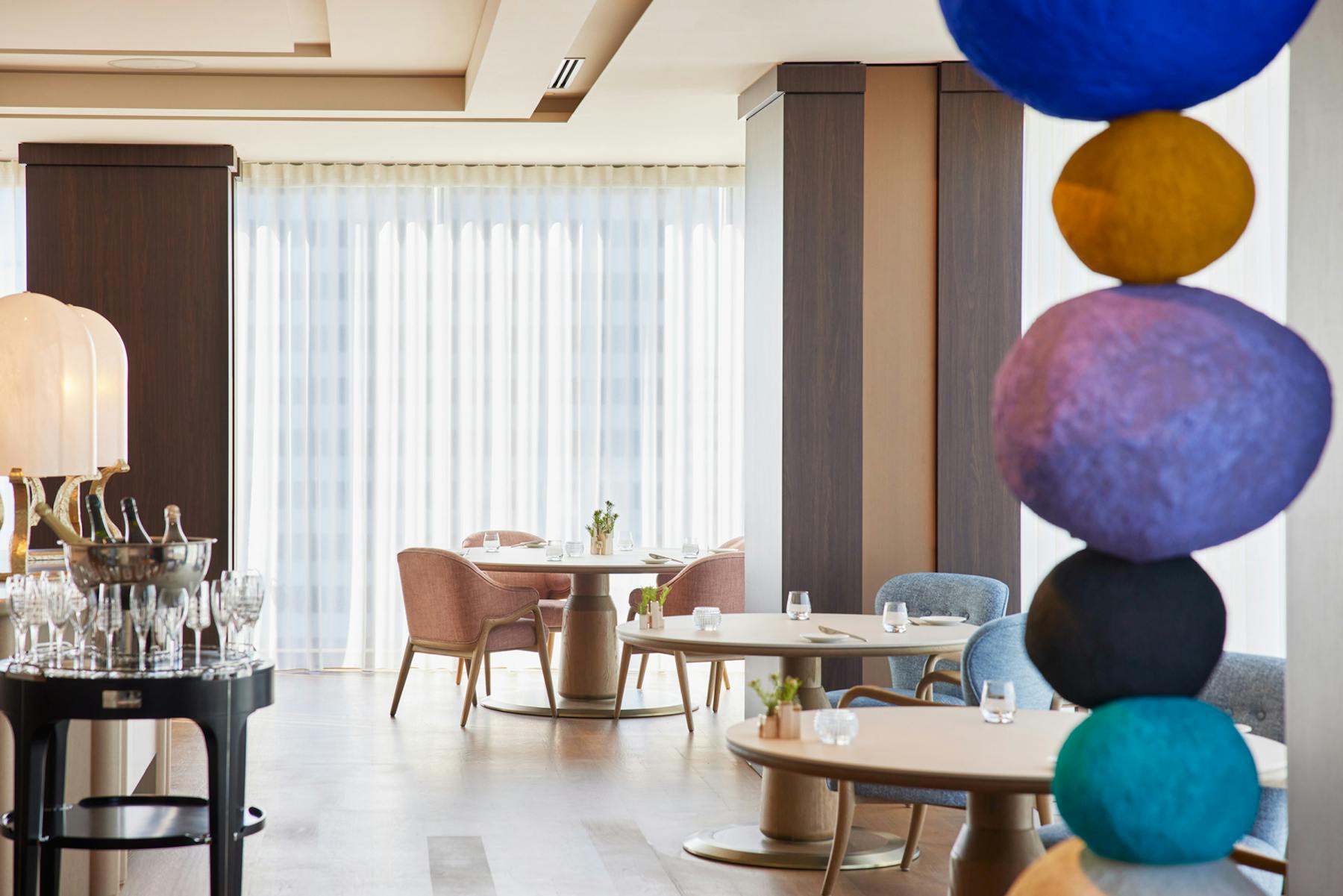
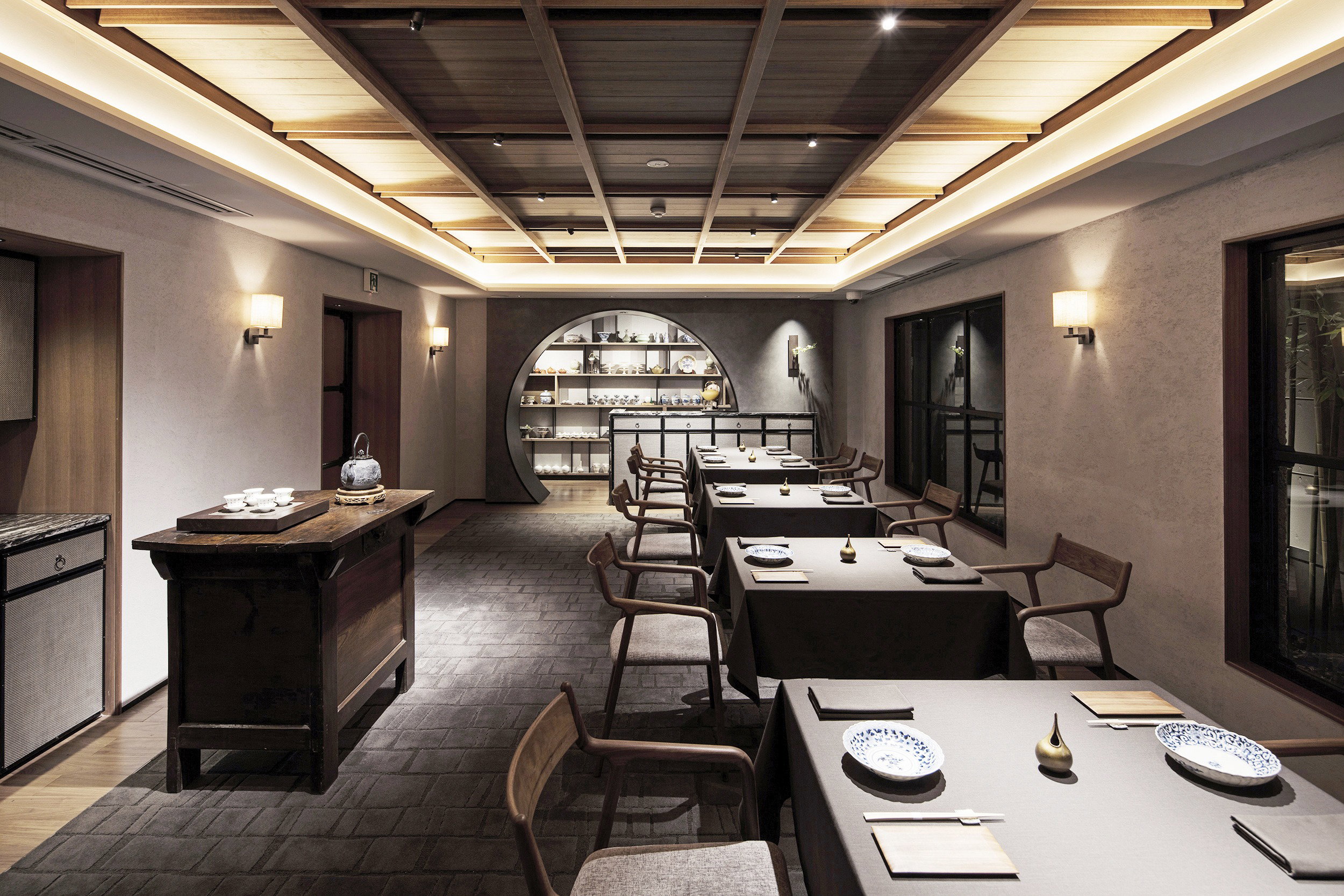
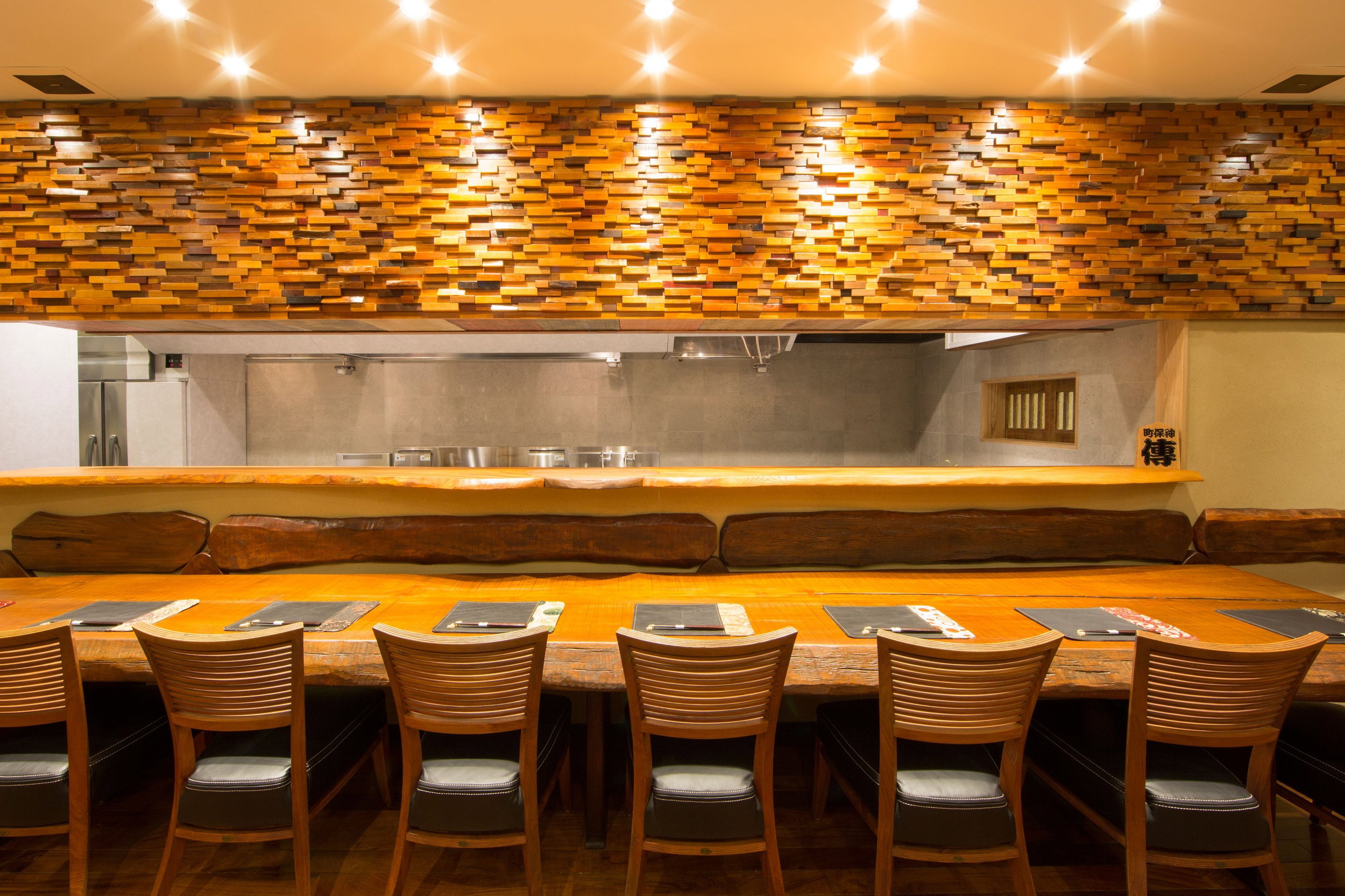
The restaurant is on the ground floor of a building in Kiyosumi, Koto City, a neighbourhood that sits east of central Tokyo and has a quieter, less commercial feel than Ginza or Roppongi. The address (2 Chome-15-4, Bay Window 1F) suggests an intimate room rather than a large dining hall. For a special occasion or a date where the conversation should carry the evening, that scale works in your favour. You are not competing with a noisy room. For groups expecting a banquet-style setup, check capacity before booking, the venue data does not confirm seat count, so contact directly.
The physical setting reinforces why this works for celebration dining: Kiyosumi as a neighbourhood is calm and considered, the kind of place where the meal itself is the event rather than a backdrop to a louder night out. If you are comparing it against a Ginza kaiseki room like Ginza Fukuju for a formal dinner, Takahara offers a more personal atmosphere at a lower price point. If you want the full ceremony of a grand kaiseki address, Kagurazaka Ishikawa or Azabu Kadowaki will deliver more theatre.
Ingredient Sourcing and Why It Matters to the Price
Sourcing logic at Kiyosumi Takahara is the clearest signal of its value proposition. Chef Takahara trained in Kyoto, as his father did before him, under a mentor whose philosophy prioritises seasonal produce over fixed menus. That training means the kitchen sources daily around what is available and at peak quality, rather than committing to a static dish list. In practice, this produces meals where the appetiser course alone shifts week to week. Bamboo shoots in spring. Different textures and aromatics as the year moves. The menu is, in effect, a live document.
For the price tier, that level of sourcing discipline is harder to find than the Michelin Plate recognition suggests. Many ¥¥¥ Japanese restaurants in Tokyo operate on semi-fixed seasonal menus that change quarterly at most. A kitchen that adjusts the daily appetiser based on the morning market represents a meaningful operational commitment. That is what you are paying for at Takahara, and it is the right reason to choose it over a more static alternative at the same price. For Kyoto-trained Japanese cuisine elsewhere in Japan, Gion Sasaki in Kyoto and Isshisoden Nakamura in Kyoto offer the tradition closer to its source.
Booking and Logistics
Booking difficulty is rated Easy. That is a practical advantage over the star-holder tier in Tokyo, where venues like RyuGin or Myojaku require significant lead time. No booking method is confirmed in the data, so approach via the address directly or check current availability through a hotel concierge if you are staying nearby. Hours are not confirmed in the available data, verify before travelling, particularly if you are planning around a specific evening.
Kiyosumi is accessible from central Tokyo, and the Kiyosumi-Shirakawa area has developed a reputation as a destination neighbourhood for considered dining and craft coffee, which means the surrounding area rewards an early arrival or a post-dinner walk. For a fuller picture of where Takahara sits in the Tokyo dining picture, see our full Tokyo restaurants guide. For hotels near Koto City, our Tokyo hotels guide covers options across the city.
Who This Is For
Kiyosumi Takahara is the right booking if you want Kyoto-trained kaiseki sensibility in Tokyo at ¥¥¥ pricing, without fighting for a reservation. It suits a date or a quiet celebration better than a large group dinner. The seasonal sourcing philosophy means a return visit delivers a different meal, which makes it genuinely worth revisiting rather than treating as a one-time booking. If you are building a broader Japan itinerary, pair it with HAJIME in Osaka or akordu in Nara for a contrasting approach to seasonal Japanese produce. For the full picture on dining, bars, and experiences in the city, see our Tokyo bars guide and our Tokyo experiences guide.
Planning details
- Location
- Japan, 〒135-0024 Tokyo, Koto City, Kiyosumi, 2 Chome−15−4 清澄白河 1F ベイウィンドウ
- Reservations
- Book on TableCheck
- Website
- kiyosumi-takahara.instatry.jp
- Phone
- +81 3-6240-3037
The take
The Take
The Vibe
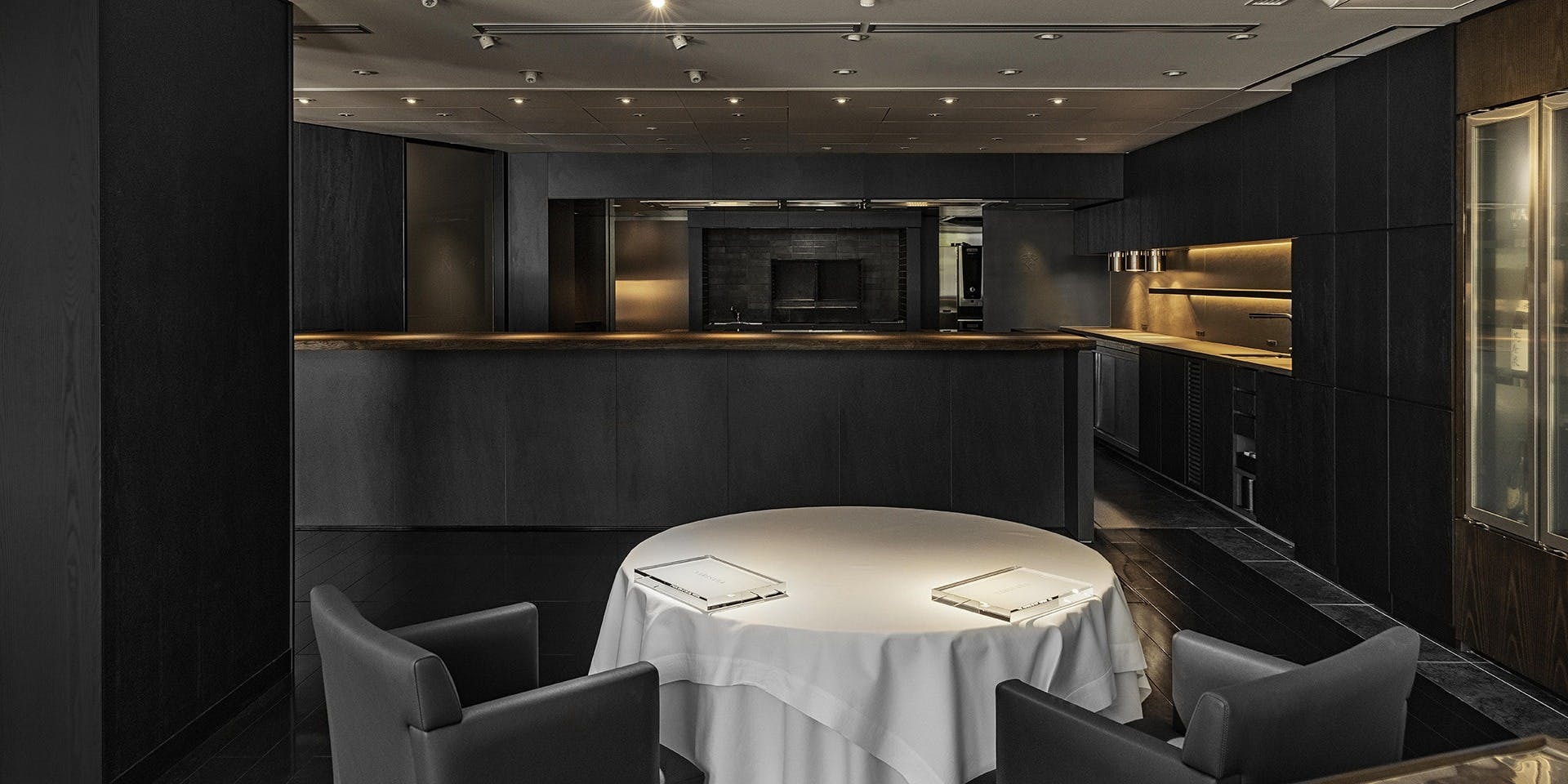
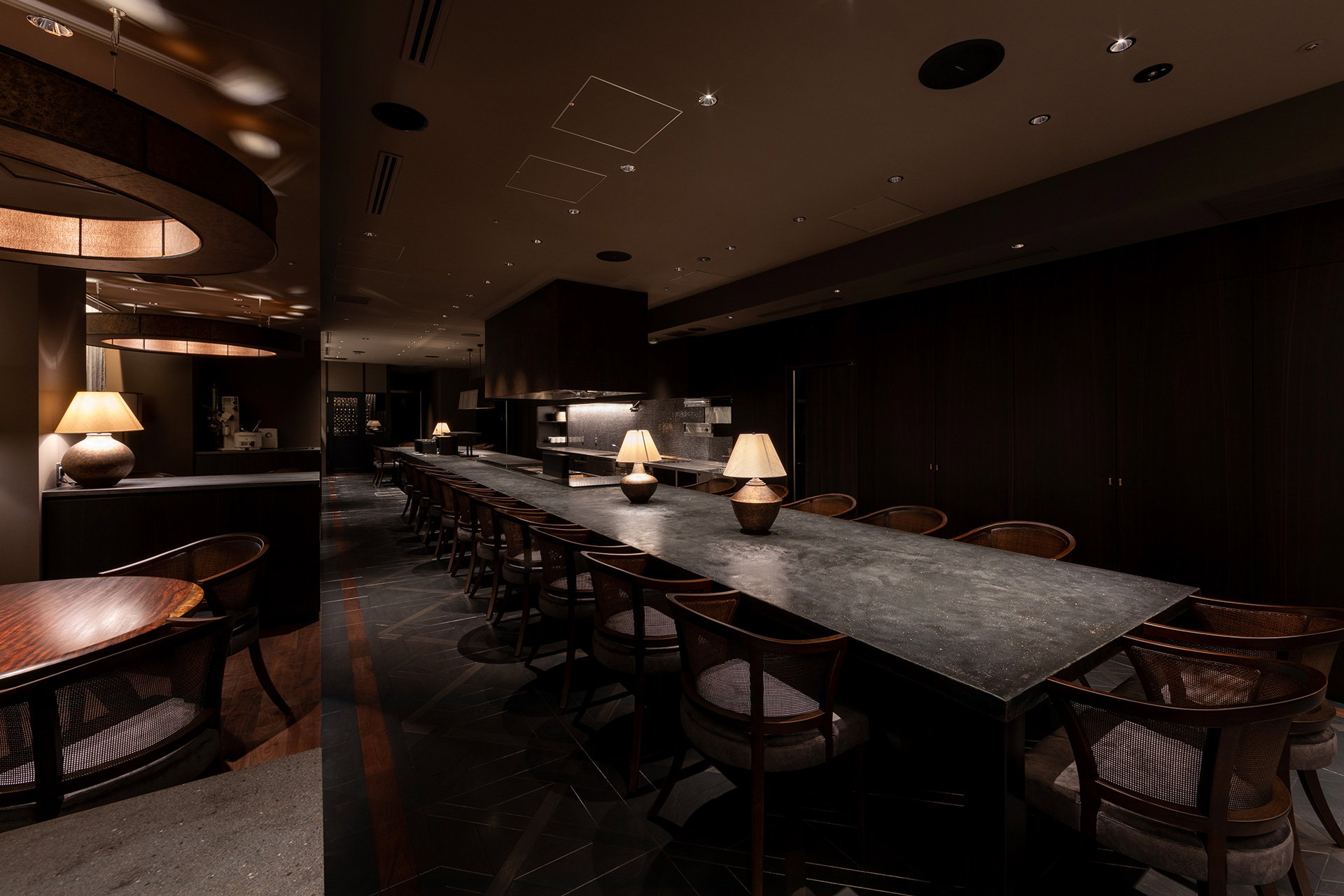
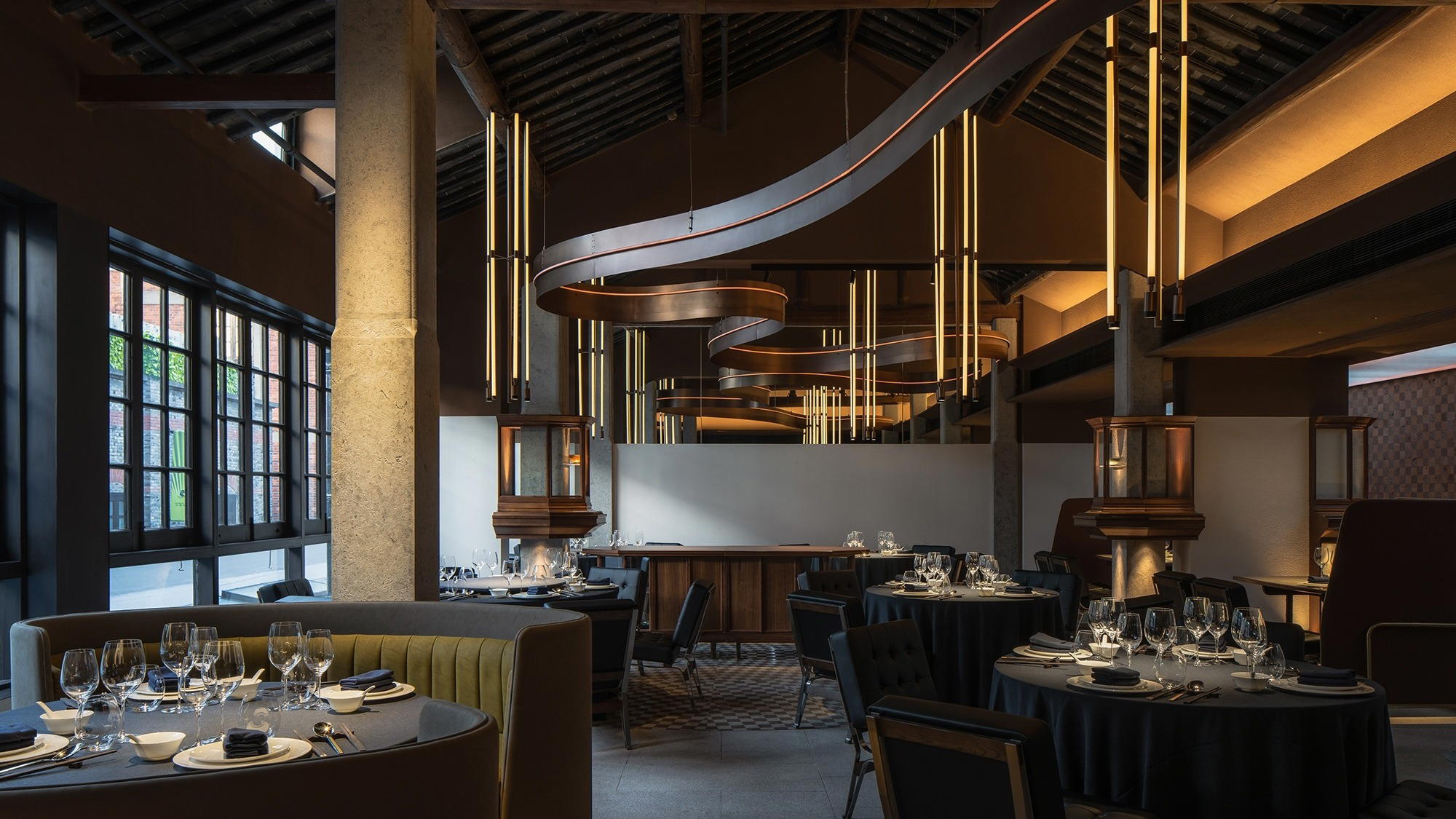
Kiyosumi Takahara presents an understated, classical kaiseki experience transplanted from Kyoto into a quiet Tokyo neighbourhood. The room is centred on a ground-level counter where training, technique and seasonality take precedence over theatricality. Michelin Plate mentions and a two-generation Kyoto lineage reinforce a disciplined, refined approach: courses are precise, restrained and attentive to what’s freshest in market. The scale and setting feel intimate and deliberate rather than grand — a neighbourhood counter that values subtlety, tradition and exacting craft over flash, making for a quietly sophisticated evening.
Best For
This counter-driven kaiseki restaurant is best for intimate dinners and special evenings when the focus is on the food’s craft and seasonality. The format suits couples and small parties who appreciate a close-up view of skilled service and a chef-led progression of plates; it also appeals to diners seeking serious Japanese cooking without the price point of the city’s top-tier kaiseki houses. The neighbourhood setting and restrained pace make it a good choice for date nights and low-key celebrations centered on culinary precision.
Ordering Tips
The menu follows Kyoto kaiseki logic, prioritizing seasonality and the market’s freshest elements, so lean into the chef’s choices and seasonal progression when dining here. Signature items called out for the venue include a Shokado Bento and Homemade Bottarga; consider sampling those to understand the kitchen’s approach. Given the counter format and focused service style, expect a composed, multi-course rhythm rather than à la carte variety. The write-up notes a ¥¥¥ price band, positioning it as serious kaiseki that is somewhat more accessible than top-tier Tokyo counterparts.
Venue details
Ambiance
Tranquil and refined Japanese atmosphere with a focus on seasonal artistry, counter seating overlooking the kitchen, and private rooms for discreet dining.
Tags
Vibe
Best For
Experience
Sourcing
At the Table
- Dress Code
- Smart Casual
- Noise Level
- Quiet
- Service Style
- Formal
- Meal Pacing
- Leisurely
- Capacity
- Intimate
- Kitchen
- Traditional
- Menu Format
- Tasting menu
- Wine Program
- Curated
- Drinks Focus
- Sake, Wine
- Private Dining
- Available
Signature Dishes
- Shokado Bento
- Homemade Bottarga
Know before you go
Know Before You Go
- Getting there
- Japan, 〒135-0024 Tokyo, Koto City, Kiyosumi, 2 Chome−15−4 清澄白河 1F ベイウィンドウ
Planning details
Location
Japan, 〒135-0024 Tokyo, Koto City, Kiyosumi, 2 Chome−15−4 清澄白河 1F ベイウィンドウ · Directions
Recognition and awards
Also consider
Also Consider
- Harutaka, Sushi, ¥¥¥¥
- RyuGin, Kaiseki, Japanese, ¥¥¥¥
- L'Effervescence, French, ¥¥¥¥
- HOMMAGE, Innovtive French, French, ¥¥¥¥
- Florilège, French, ¥¥¥
Restaurant context
Against the ¥¥¥¥ tier in Tokyo, Kiyosumi Takahara's clearest advantage is access. RyuGin is the benchmark for high-end kaiseki in the city, technically precise, celebrated, and priced to match, but getting a table requires planning weeks or months ahead. Takahara operates at ¥¥¥ with easy booking, which makes it the more practical choice for visitors who cannot plan far in advance or want a quieter, less ceremonial room. If budget is less of a constraint and you want the full kaiseki production, RyuGin justifies the premium. If you want Kyoto-trained technique without the booking difficulty or the top-tier price, Takahara is the stronger call.
Harutaka operates at ¥¥¥¥ in the sushi format rather than kaiseki, so the comparison is less direct, but both serve a diner who values craft and precision over spectacle. For a special occasion where the cuisine type is flexible, Harutaka's omakase format offers a different kind of intimacy. Florilège is the closest peer on price, also ¥¥¥, but it operates in the French rather than Japanese tradition, which makes it a different decision rather than a direct substitute. For a celebration dinner where French technique is acceptable, Florilège has stronger international recognition; for a guest who specifically wants Japanese seasonal cooking, Takahara is the right choice at the price point.
L'Effervescence and HOMMAGE both sit at ¥¥¥¥ in the French category and are worth considering if the occasion calls for a grander room or a longer tasting format. Neither competes directly with Takahara on seasonal Japanese sourcing, but both are strong alternatives for a formal dinner where the guest prefers a Western menu. For diners committed to Japanese cuisine and working within a ¥¥¥ budget, Kiyosumi Takahara and Jingumae Higuchi are the two names worth comparing directly before booking. Also see Kashiwaya Osaka Senriyama if you are open to travelling for a Kyoto-tradition meal at a higher tier.
Explore Tokyo
Around this place
Discover more on Pearl
Unlock the full Kiyosumi Takahara guide in Pearl, including awards, comparisons, FAQs, planning details, and nearby places.
Compare Kiyosumi Takahara
| Venue | Cuisine | Price | Booking Difficulty | Awards |
|---|---|---|---|---|
| Kiyosumi Takahara | Japanese | ¥¥¥ | Easy | 2026 Michelin Plate2025 Michelin Plate2024 Michelin Plate |
| Harutaka | Sushi | ¥¥¥¥ | Unknown | 2026 Tabelog Silver · #312026 OAD Top Restaurants in Japan Ranked · #1282026 Michelin 3 Stars2026 La Liste Top RestaurantsTabelog 100 - Sushi - TOKYO - 2025 · #372025 Asia's 50 Best Restaurants · #762025 OAD Top Restaurants in Japan Ranked · #1172025 La Liste Top Restaurants2025 Tabelog Bronze |
| RyuGin | Kaiseki, Japanese | ¥¥¥¥ | Unknown | 2026 OAD Top Restaurants in Japan Ranked · #802026 Tabelog Bronze · #3772026 Michelin 3 Stars2026 La Liste Top RestaurantsTabelog 100 - Japanese cuisine - TOKYO - 2025 · #212025 OAD Top Restaurants in Japan Ranked · #542025 Michelin 3 Stars2025 La Liste Top Restaurants2025 The Best Chef Three Knives |
| L'Effervescence | French | ¥¥¥¥ | Unknown | 2026 Tabelog Silver · #682026 OAD Top Restaurants in Japan Ranked · #103Star Wine Lists 20262026 Black Pearl 2 Diamond2026 Relais Chateaux Restaurants2026 La Liste Top Restaurants2026 Michelin 3 Stars2025 Asia's 50 Best Restaurants · #692025 OAD Top Restaurants in Japan Ranked · #92 |
| HOMMAGE | Innovtive French, French | ¥¥¥¥ | Unknown | 2026 Tabelog Bronze · #1232026 OAD Top Restaurants in Japan Highly Recommended2026 Michelin 2 StarsTabelog 100 - French - TOKYO - 2025 · #762025 Asia's 50 Best Restaurants · #782025 OAD Top Restaurants in Japan Ranked · #1752025 Michelin 2 Stars2025 The Best Chef One Knife2025 La Liste Top Restaurants |
| Florilège | French | ¥¥¥ | Unknown | 2026 Asia's 50 Best Restaurants · #312026 Tabelog Bronze · #712026 OAD Top Restaurants in Japan Ranked · #1242026 Black Pearl 1 Diamond2026 Michelin 2 Stars2026 La Liste Top Restaurants2025 Asia's 50 Best Restaurants · #172025 World's 50 Best Restaurants · #36Tabelog 100 - French - TOKYO - 2025 · #68 |













Comparing your options in Tokyo for this tier.
FAQ
Frequently Asked Questions
What should I order at Kiyosumi Takahara?
The format is set-menu kaiseki, so ordering à la carte is not the model here. The strongest reason to come is the daily seasonal appetiser, which shifts with what is at peak — bamboo shoots and asparagus in spring, for example. Trust the menu as constructed rather than trying to direct it.
Is Kiyosumi Takahara good for solo dining?
Yes. Counter-format kaiseki restaurants in Tokyo generally suit solo diners well, and Kiyosumi Takahara's booking difficulty is rated Easy, which means you are not fighting a months-long waitlist to get a single seat. It is a lower-friction solo option than Michelin-starred rivals in the same city.
Is Kiyosumi Takahara good for a special occasion?
It works for a special occasion if the occasion calls for a considered, seasonal Japanese meal rather than a big-room celebration. At ¥¥¥ pricing with a Michelin Plate (2024, 2025) and a Kyoto-trained chef, there is enough substance to mark something meaningful. For a larger group celebration, the format and neighbourhood may feel too understated.
Is Kiyosumi Takahara worth the price?
At ¥¥¥, it is priced below the Michelin-starred tier in Tokyo and offers Kyoto-trained kaiseki discipline with a genuine seasonal sourcing commitment. That combination is hard to find at this price point without a difficult reservation. The value case is solid if seasonal Japanese cuisine is what you are after.
Is the tasting menu worth it at Kiyosumi Takahara?
Yes, particularly if you visit during a seasonal transition — spring through early summer is well-documented as a strong period for the kitchen based on the chef's stated sourcing approach. The Michelin Plate recognition in both 2024 and 2025 confirms the menu is operating at a consistent standard. It is worth it for the price relative to star-holding alternatives.
What are alternatives to Kiyosumi Takahara in Tokyo?
RyuGin is the step up in prestige and price, with Michelin stars and a reservation process to match. Harutaka is worth considering for counter omakase in a different format. For those who want Western-influenced tasting menus instead of kaiseki, Florilège and L'Effervescence offer strong alternatives at comparable or higher price points. Kiyosumi Takahara's advantage over all of them is accessibility.