.png?width=1200&quality=80)
Kappo Ryu
Japanese · Minato, Tokyo
Restaurant in Tokyo, Japan
 Book with Pearl
The Read
Umami-Stacked Kappo
Price
$150–200per person
Dress
Smart Casual
Why go
A Michelin Plate kappo in Shinbashi with a tight focus on wagyu beef cookery. The kitchen layers umami deliberately — dashi vinegar on beef tongue, boiled-down sake with sardine dashi on grilled items — rather than working through a broad seasonal sequence. At ¥¥¥ with easy booking availability, it is a strong choice for food-focused visitors who want a technically argued specialist rather than a full kaiseki arc.
About Kappo Ryu
Should You Book Kappo Ryu?
If you are weighing up Tokyo kappo restaurants in the ¥¥¥ tier, Kappo Ryu earns a clear recommendation — but for a specific kind of diner. This is not a broad Japanese tasting menu in the kaiseki tradition, and it is not trying to be. The kitchen has made a deliberate structural choice: no soups, no appetiser platters, a tight focus on wagyu beef cookery, and a layering technique that builds flavour through cumulative umami. That is a narrower brief than you will find at Kagurazaka Ishikawa or Azabu Kadowaki, and it is exactly why the right guest will find it more satisfying. If you want the full arc of a Japanese seasonal menu, look elsewhere. If you want a chef with a precise technical argument about beef, dashi, and vinegar, book here.
The Kitchen's Approach
Kappo Ryu's cooking philosophy is built around a single discipline: addition. The chef works by compounding flavour rather than restraining it, arriving at dishes where umami is layered deliberately rather than presented in isolation. The tsukuri course illustrates this clearly — raw fish is paired with grated onion and a Tosa vinegar jelly, a combination that introduces acidity and allium sharpness as counterweights to the fish's natural sweetness. It reads as a considered technical decision, not a flourish.
The grilled section is equally argued. Sake that has been boiled down is mixed with dried sardine dashi before being applied to grilled items, which amplifies the grain character of the sake without losing the marine depth of the dashi. This is the kind of pairing logic you encounter in serious kappo kitchens, the sauce is as constructed as the ingredient it accompanies. Compared to the broader approach you would find at Myojaku or the more classically structured sequences at Ginza Fukuju, Kappo Ryu is narrower in scope but more concentrated in its central argument.
The chef's stated pride is in two preparations: beef tongue in dashi vinegar, and wagyu cutlets wrapped in bread. Both reflect the kitchen's beef-forward orientation, and both use dashi or vinegar as a structural element rather than a finishing note. This is not simply a steakhouse logic applied to a Japanese format, the dashi vinegar preparation in particular requires the kind of technical calibration that justifies the ¥¥¥ pricing tier.
What the Recognition Tells You
Kappo Ryu holds a Michelin Plate for both 2024 and 2025. A Plate designation in the Michelin Guide Tokyo, one of the most competitive restaurant guides in the world, confirms that inspectors found the cooking to meet a quality threshold worth noting, even if it did not reach the star tier. In Tokyo, where the guide covers thousands of establishments, a Plate in consecutive years is a signal of consistent execution. It does not place Kappo Ryu in the same conversation as RyuGin or starred kaiseki institutions, but it does mean this is not a casual neighbourhood kappo that happens to charge ¥¥¥. The cooking is credentialled.
For further context on what Tokyo's Japanese dining tier looks like at this level and above, our full Tokyo restaurants guide covers the range from Plate-level dining through to multi-starred destinations.
Practical Considerations
Kappo Ryu is located in Shinbashi, Minato City, on the second floor of the Takamatsu Building at 3-2-12 Shinbashi. Shinbashi is a working professional district with strong JR and subway access, and it is a neighbourhood more commonly associated with izakayas and salaryman dining than destination restaurants, which means Kappo Ryu sits slightly outside the Ginza or Azabu circuits where international visitors tend to concentrate. That is not a drawback; it is a positioning choice that keeps the room focused on locals and informed visitors rather than the broader tourism stream. Booking difficulty is rated Easy, which is a meaningful advantage in a city where serious restaurants at this price tier can require weeks of advance planning. No website or phone number is listed in our data, so reservations may need to be arranged through a hotel concierge or a booking platform that covers Tokyo's smaller specialist restaurants. If you are travelling with a concierge-equipped hotel, that is the most reliable channel here.
For broader planning around your Tokyo visit, our Tokyo hotels guide and Tokyo bars guide are good starting points. If you are extending your trip to other Japanese cities, comparable Japanese dining depth is available at Gion Sasaki in Kyoto, HAJIME in Osaka, Kashiwaya Osaka Senriyama, and Isshisoden Nakamura in Kyoto.
Know Before You Go
- Price tier: ¥¥¥
- Location: Shinbashi, Minato City, Tokyo (2F, Takamatsu Building, 3-2-12 Shinbashi)
- Recognition: Michelin Plate 2024 and 2025
- Booking difficulty: Easy
- Booking method: Hotel concierge or Tokyo-specific reservation platform recommended; no website or direct phone listed
- Menu focus: Wagyu beef-forward kappo; no soups or appetiser platters
- Leading for: Beef-focused Japanese dining with technical layering; food-focused visitors who want a credentialled specialist rather than a broad kaiseki sequence
How Kappo Ryu Fits the Wider Tokyo Picture
Kappo Ryu is one approach within a city that offers extraordinary range in Japanese dining. If you want to explore the full spectrum, Jingumae Higuchi offers a different kappo register, while 1000 in Yokohama, akordu in Nara, and 6 in Okinawa extend the regional picture further. Goh in Fukuoka is worth considering if your itinerary reaches Kyushu. Our Tokyo experiences guide and wineries guide round out the broader visit planning.
Planning details
- Location
- Japan, 〒105-0004 Tokyo, Minato City, Shinbashi, 3 Chome−2−12 高松ビル 2F
- Reservations
- Book on Omakase
- Website
- restaurant.ikyu.com/148627
- Phone
- +81 3-3501-4477
The take
The Take
The Vibe
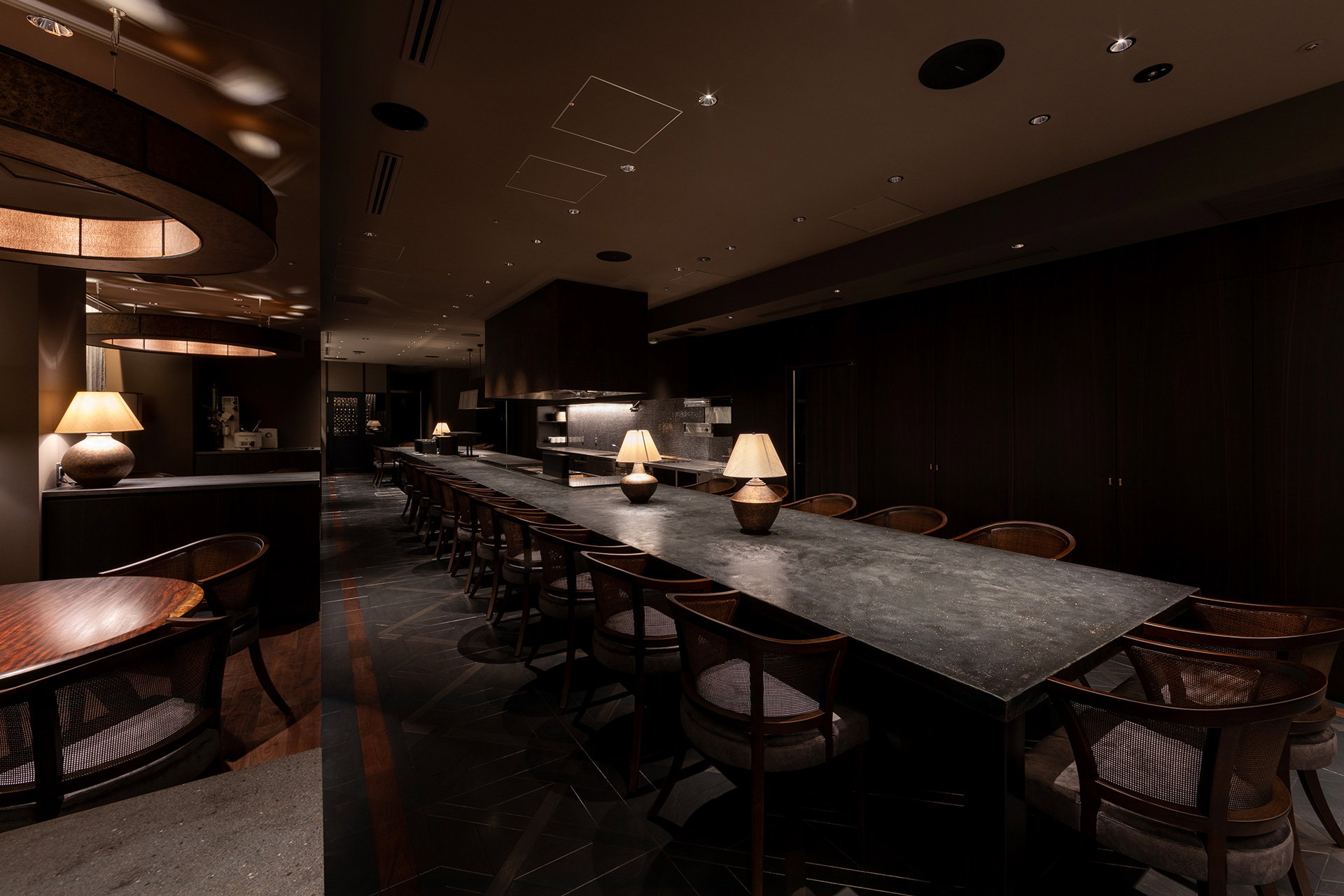
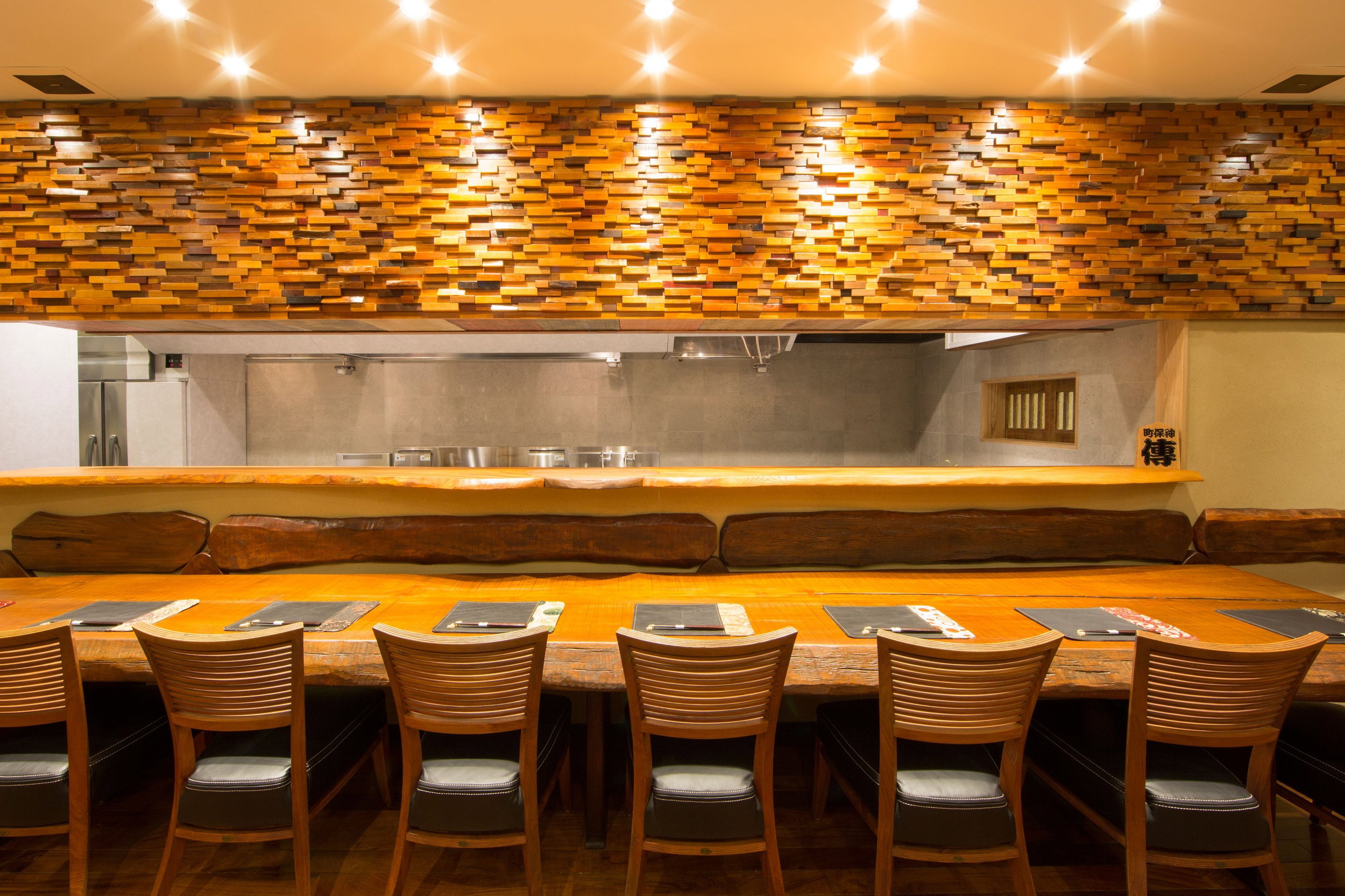
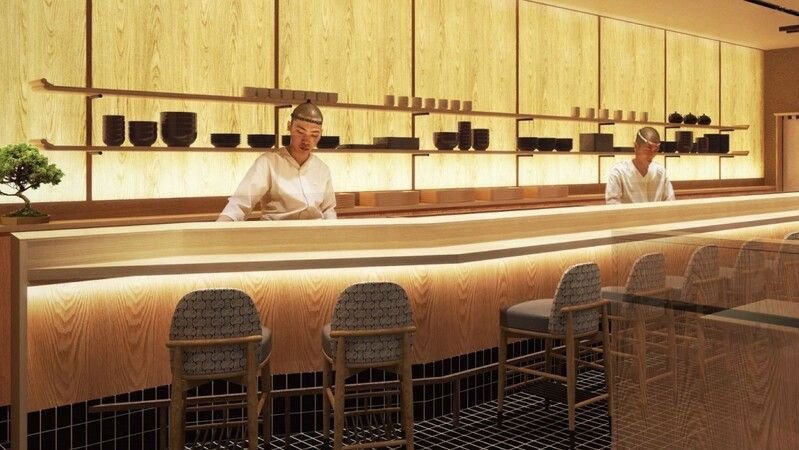
Kappo Ryu feels like a compact, quietly authoritative address tucked above a Shinbashi backstreet. The room centers on a counter where the chef stages a direct, theatrical flow of dishes; that proximity keeps service intimate and the atmosphere cozy. The kitchen favors accumulation over subtraction—flavours are compounded and intensified rather than pared back—so the experience reads as deliberate and sophisticated rather than minimalist. Recognition from the Michelin guide confirms a high standard, but the restaurant's location and scale give it the air of a hidden gem for diners willing to seek out a more concentrated, chef-led meal.
Best For
This kappo counter suits intimate evenings and focused tasting sessions: think date nights, small business dinners, solo visits at the counter, or pared-back special occasions. Its Michelin Plate and structured set-menu progression deliver a clear sense of occasion without the formality of three-star kaiseki, and the mid-tier pricing makes it an accessible highlight during a Tokyo trip. The second-floor, backstreet location further cements its appeal for guests who prize quiet, chef-driven dining over flashing, tourist-facing hotspots.
Ordering Tips
Expect a chef-led set progression rather than à la carte ordering: the kitchen adjusts the sequence as ingredients dictate, so lean into the tasting format. The house philosophy compounds umami across courses, so flavours build and intensify through the meal—plan to taste from the beginning to the end to appreciate that arc. Signature points of the menu include wagyu and the taizuke seabream chazuke, the latter working well as a concluding note; allow the chef to guide pacing at the counter and focus on the sequence rather than assembling a bespoke plate-by-plate menu.
Venue details
Ambiance
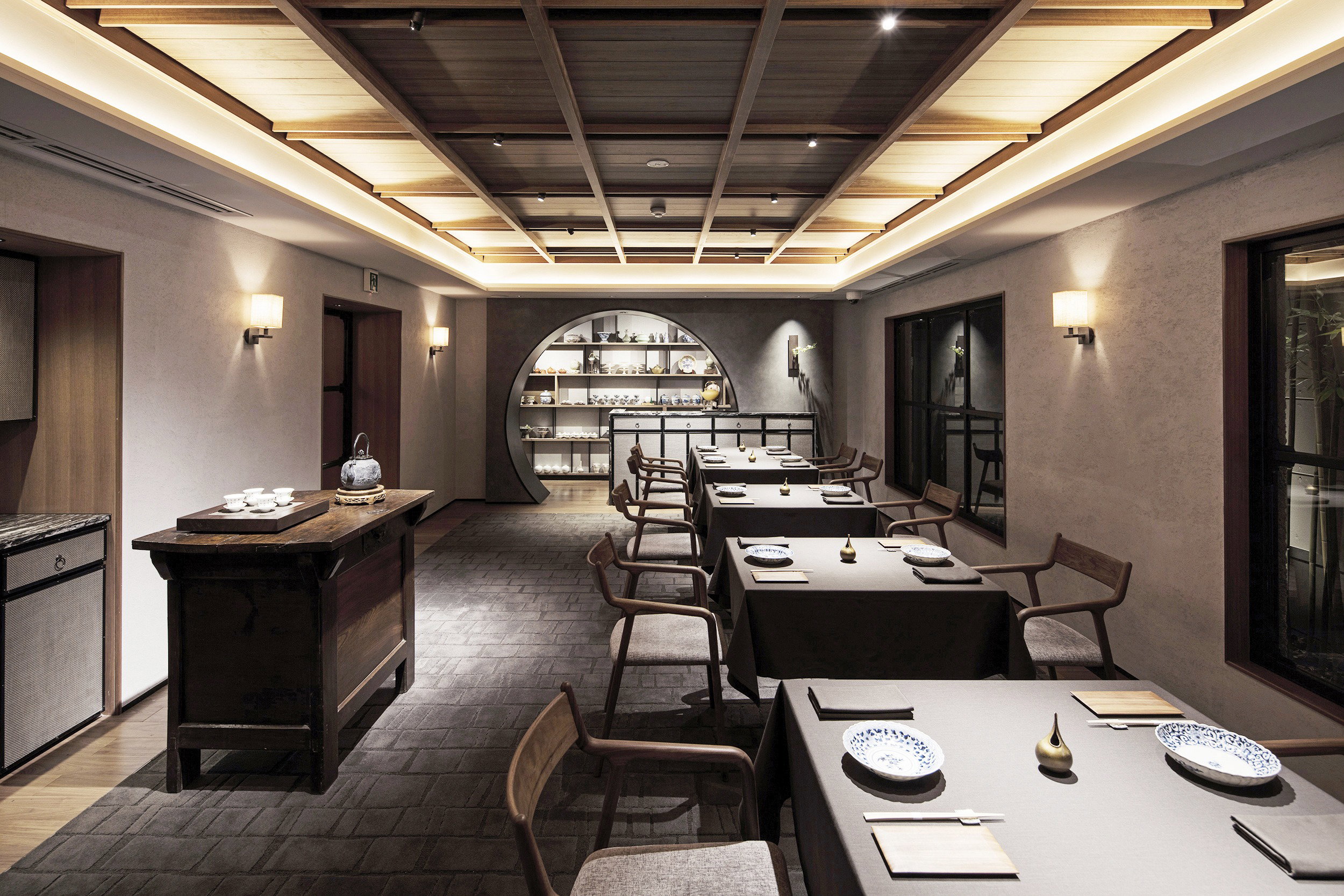
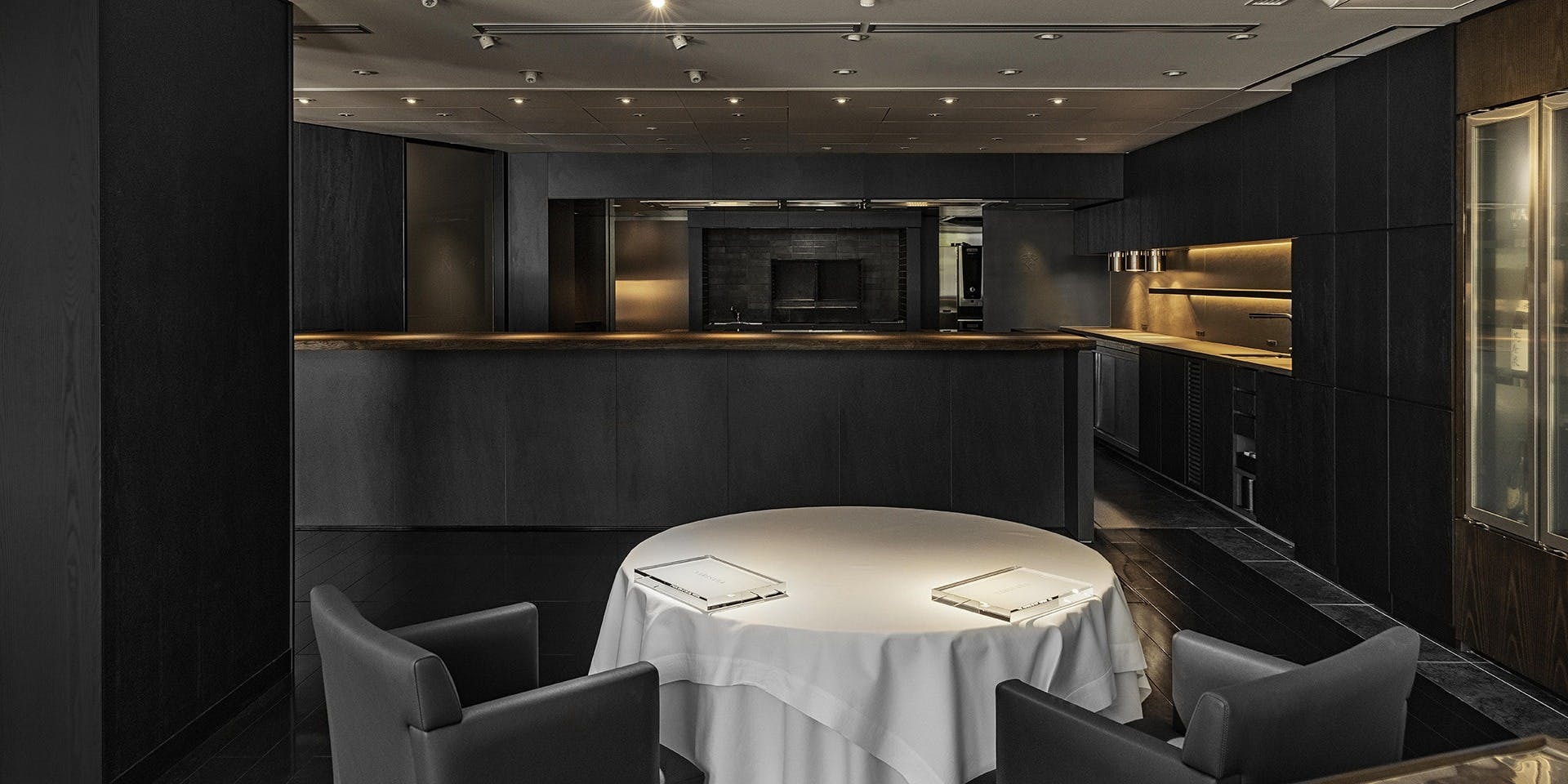
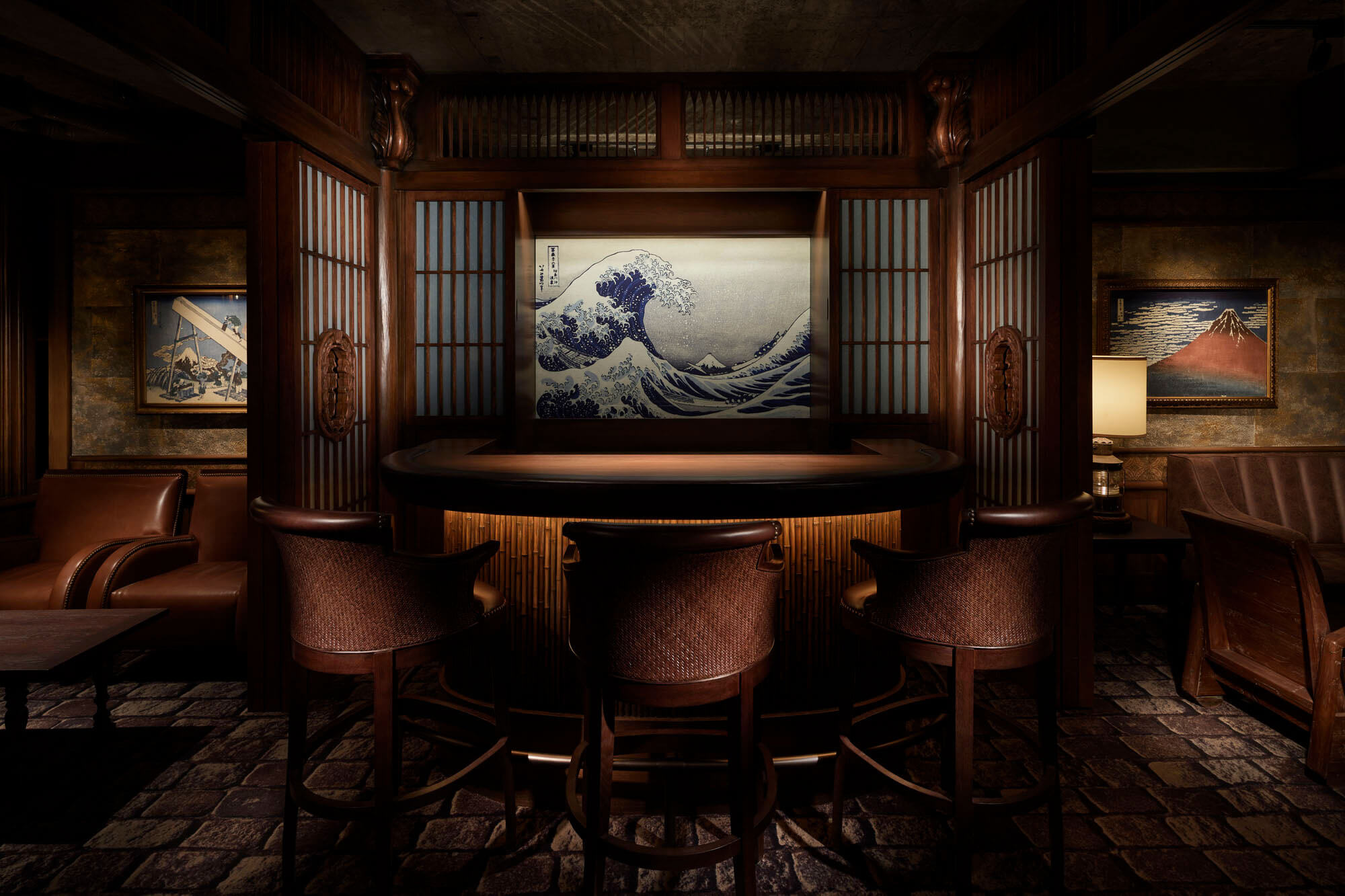
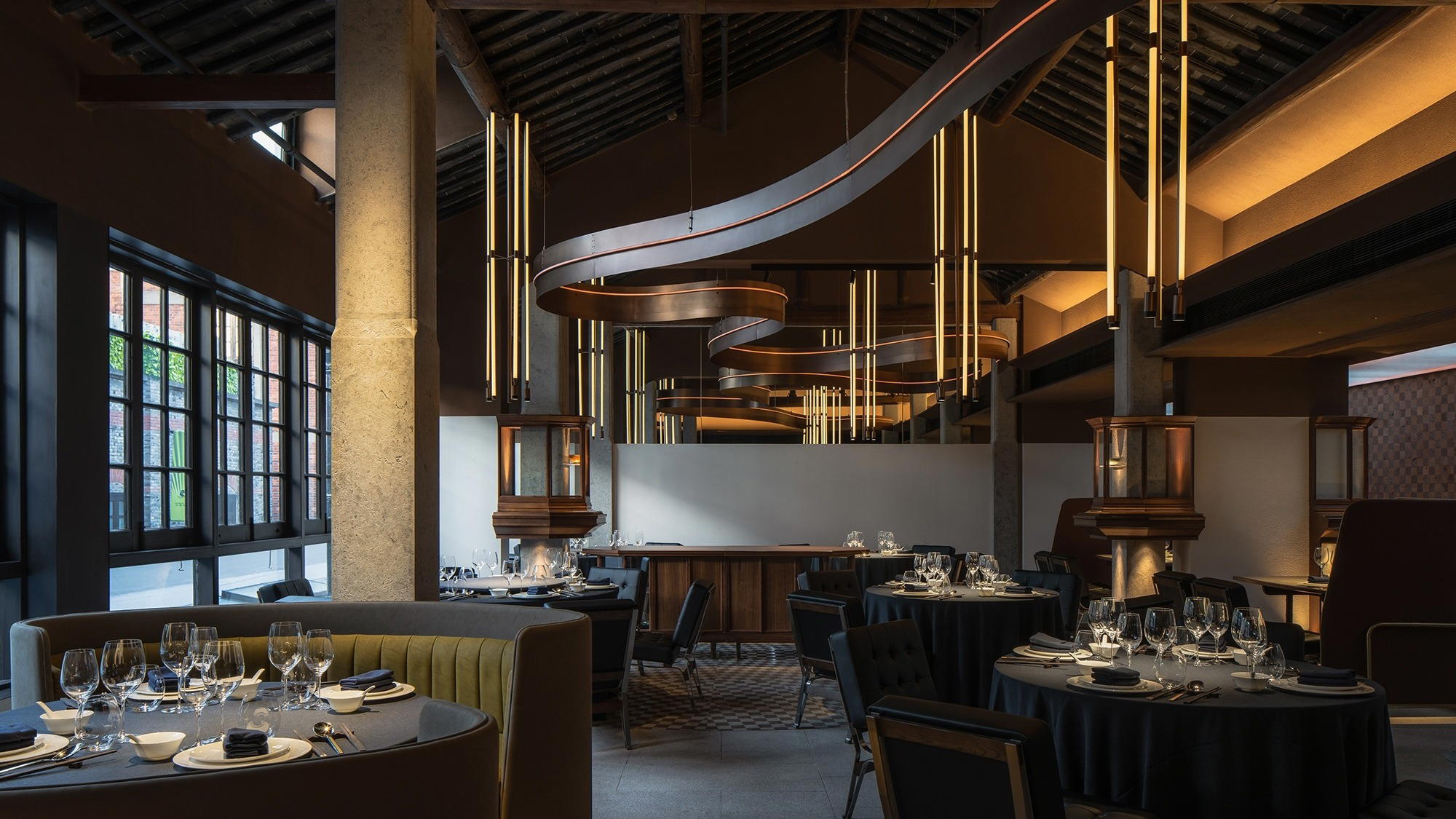
Sophisticated basement den with muted grey and black stone walls, exotic ikebana arrangement behind open kitchen, darkwood hinoki counter, and subdued lighting evoking a members-only club.
Tags
Vibe
Best For
Experience
At the Table
- Dress Code
- Smart Casual
- Noise Level
- Quiet
- Service Style
- Formal
- Meal Pacing
- Leisurely
- Capacity
- Intimate
- Kitchen
- Seasonal
- Menu Format
- Omakase, Counter dining, Tasting menu
- Wine Program
- Curated
- Drinks Focus
- Sake program
- Private Dining
- Available
Signature Dishes
- taizuke seabream chazuke
- wagyu beef
Know before you go
Know Before You Go
- Getting there
- Japan, 〒105-0004 Tokyo, Minato City, Shinbashi, 3 Chome−2−12 高松ビル 2F
Planning details
Location
Japan, 〒105-0004 Tokyo, Minato City, Shinbashi, 3 Chome−2−12 高松ビル 2F · Directions
Recognition and awards
Also consider
Also Consider
- Harutaka, Sushi, ¥¥¥¥
- RyuGin, Kaiseki, Japanese, ¥¥¥¥
- L'Effervescence, French, ¥¥¥¥
- HOMMAGE, Innovtive French, French, ¥¥¥¥
- Florilège, French, ¥¥¥
Restaurant context
Kappo Ryu sits in a different register from most of the obvious Tokyo dining comparisons. Against RyuGin (¥¥¥¥, multi-starred kaiseki), the gap is significant in both price and scope: RyuGin delivers a full seasonal arc with high ceremony; Kappo Ryu delivers a tighter, beef-focused argument at a lower price point. If technical breadth and prestige matter to your decision, RyuGin is the stronger room. If you want specialist depth at ¥¥¥ with easier booking, Kappo Ryu has the better case. Harutaka (¥¥¥¥, sushi) is a completely different format, counter omakase with premium fish rather than beef-forward kappo, so the comparison is really about which cuisine argument you want to commit to for the evening, not which kitchen is more accomplished.
Against the French alternatives in the same tier, Florilège (¥¥¥, French) offers the closest price match and a similarly strong technical reputation, but in a French contemporary idiom rather than Japanese kappo. If you are open to either cuisine, Florilège may offer broader appeal across a mixed group; Kappo Ryu is the better call if Japanese cooking technique is specifically what you are there for. L'Effervescence and HOMMAGE (both ¥¥¥¥, French) move up in price and formality, they are worth the premium if French fine dining is the goal, but they do not compete directly with Kappo Ryu's format.
The clearest decision framework: book Kappo Ryu if you want credentialled Japanese kappo cooking with a wagyu focus, easy availability, and ¥¥¥ pricing. Book RyuGin if budget allows and you want the full kaiseki experience with starred recognition. Book Florilège if the cuisine type is flexible and you want a similarly priced technical kitchen with a French approach. Kappo Ryu is the right pick for the food-focused explorer who has already done the broader kaiseki circuit and wants something more focused on a single culinary argument.
Explore Tokyo
Around this place
Discover more on Pearl
Unlock the full Kappo Ryu guide in Pearl, including awards, comparisons, FAQs, planning details, and nearby places.
Compare Kappo Ryu
| Venue | Price | Awards |
|---|---|---|
| Kappo Ryu | ¥¥¥ | 2026 Michelin Plate2025 Michelin Plate2024 Michelin Plate |
| Harutaka | ¥¥¥¥ | 2026 Tabelog Silver · #312026 OAD Top Restaurants in Japan Ranked · #1282026 Michelin 3 Stars2026 La Liste Top RestaurantsTabelog 100 - Sushi - TOKYO - 2025 · #372025 Asia's 50 Best Restaurants · #762025 OAD Top Restaurants in Japan Ranked · #1172025 La Liste Top Restaurants2025 Tabelog Bronze |
| RyuGin | ¥¥¥¥ | 2026 OAD Top Restaurants in Japan Ranked · #802026 Tabelog Bronze · #3772026 Michelin 3 Stars2026 La Liste Top RestaurantsTabelog 100 - Japanese cuisine - TOKYO - 2025 · #212025 OAD Top Restaurants in Japan Ranked · #542025 Michelin 3 Stars2025 La Liste Top Restaurants2025 The Best Chef Three Knives |
| L'Effervescence | ¥¥¥¥ | 2026 Tabelog Silver · #682026 OAD Top Restaurants in Japan Ranked · #103Star Wine Lists 20262026 Black Pearl 2 Diamond2026 Relais Chateaux Restaurants2026 La Liste Top Restaurants2026 Michelin 3 Stars2025 Asia's 50 Best Restaurants · #692025 OAD Top Restaurants in Japan Ranked · #92 |
| HOMMAGE | ¥¥¥¥ | 2026 Tabelog Bronze · #1232026 OAD Top Restaurants in Japan Highly Recommended2026 Michelin 2 StarsTabelog 100 - French - TOKYO - 2025 · #762025 Asia's 50 Best Restaurants · #782025 OAD Top Restaurants in Japan Ranked · #1752025 Michelin 2 Stars2025 The Best Chef One Knife2025 La Liste Top Restaurants |
| Florilège | ¥¥¥ | 2026 Asia's 50 Best Restaurants · #312026 Tabelog Bronze · #712026 OAD Top Restaurants in Japan Ranked · #1242026 Black Pearl 1 Diamond2026 Michelin 2 Stars2026 La Liste Top Restaurants2025 Asia's 50 Best Restaurants · #172025 World's 50 Best Restaurants · #36Tabelog 100 - French - TOKYO - 2025 · #68 |













How Kappo Ryu stacks up against the competition.
FAQ
Frequently Asked Questions
Does Kappo Ryu handle dietary restrictions?
The menu is built specifically around wagyu beef — beef tongue in dashi vinegar and breaded cutlets are the chef's stated centrepieces, and the kitchen layers flavour through meat-based dashi and sardine stock. Guests with red meat restrictions or pescatarian requirements will find the format a poor fit. If dietary flexibility is a priority, a broader kappo menu elsewhere in Tokyo will serve you better.
Can I eat at the bar at Kappo Ryu?
Kappo by format is counter dining — the interaction between guest and chef at the pass is built into the experience. Kappo Ryu is located on the second floor of the Takamatsu Building in Shinbashi, and the intimate setting typical of this price tier (¥¥¥) strongly suggests counter seating is the primary configuration. Confirm with the venue directly when booking, as table alternatives are not documented in available records.
Can Kappo Ryu accommodate groups?
The ¥¥¥ kappo format generally suits parties of two to four; larger groups often conflict with the pacing of counter service. Kappo Ryu's Shinbashi address and second-floor positioning suggest a compact room, making bookings for six or more unlikely without prior arrangement. For a group dining occasion in Tokyo at this tier, a ryotei or a venue with private room options will give you more flexibility.
Is Kappo Ryu good for a special occasion?
Yes, with the right expectations — the Michelin Plate recognition for 2024 and 2025 signals a kitchen operating with clear intention, and the wagyu-forward menu gives the meal a defined character that reads as celebratory rather than workaday. It suits a one-on-one dinner or an intimate anniversary more than a milestone group event. If you need a private room or a more ceremonial setting, a kaiseki venue may be a stronger match.
Is the tasting menu worth it at Kappo Ryu?
The kitchen's approach — stacking umami through tsukuri with Tosa vinegar jelly, sake reduced with sardine dashi, and wagyu as the structural core — is deliberate and cohesive rather than broad. At ¥¥¥, you are paying for a point of view, not a sprawling multi-course showcase. If you want range and variety across Japanese produce categories, RyuGin or a kaiseki format will cover more ground; if a focused, beef-led progression sounds right, the format is worth the price.
Is Kappo Ryu worth the price?
At ¥¥¥ with two consecutive Michelin Plate designations, Kappo Ryu sits in a competitive but not unreasonable bracket for Tokyo kappo. The value case is strongest for diners who specifically want a wagyu-centred menu with a layered, additive cooking philosophy — the chef's pride in the beef tongue and cutlet preparations signals these are not afterthoughts. If you want a broader Japanese tasting experience at the same price, Harutaka at the sushi counter or a kaiseki option gives you more category range.