
.png?width=1200&quality=80)
Kanshin
Japanese · Minato, Tokyo
Restaurant in Tokyo, Japan
 Book with Pearl
The Read
Kyoto Ryotei Precision
Price
¥¥¥
Dress
Smart Casual
Why go
Kanshin is a Michelin Plate-recognised ryotei in Minato City that brings Kyoto-rooted cooking — vegetable-forward, restrained, warmly served — to Tokyo at a ¥¥¥ price point that undercuts most serious Japanese dining in the city. The semi-flexible menu format and calm atmosphere make it a practical choice for food-focused travellers who want the depth of the tradition without the ceremonial rigidity. Book for a weekday lunch or early evening sitting.
About Kanshin
Who Should Book Kanshin — and When
Kanshin is the right call for a food-focused traveller who wants a genuine ryotei experience without the formality that typically gates that format in Tokyo. The ¥¥¥ pricing puts it meaningfully below the ¥¥¥¥ tier occupied by kaiseki landmarks like RyuGin, which makes it a considered choice for a solo diner or a pair who want depth without the full-occasion price commitment. It earns a Michelin Plate in 2025, which signals a kitchen with consistent standards rather than a venue coasting on reputation. If your trip has room for one traditional Japanese meal that leans calm and personal rather than theatrical and ceremonial, this is a strong candidate.
Timing matters here. A weekday lunch or early evening sitting is the setting where Kanshin's character comes through most clearly. The space is described as designed for calm comfort, and a quieter mid-week visit gives you that atmosphere without competition. For travellers building an itinerary around Tokyo's broader dining map, this fits well as a counterweight to louder, higher-energy nights elsewhere — pair it with a look at our full Tokyo bars guide if you want to plan the surrounding evening. Seasonal timing is worth considering too: Kyoto vegetables are central to the kitchen's identity, and those ingredients shift across the year, so visiting in spring or autumn aligns with peak produce.
What the Experience Actually Delivers
The name Kanshin draws on Japanese words expressing relaxation and a generous spirit, and the dining format reflects that directly. The meal opens with a selection of smaller dishes, after which guests choose from the menu rather than being locked into a fixed sequence. That structure matters practically: it is more forgiving of dietary preferences than a rigid omakase or kaiseki progression, and it gives the table more agency than most venues at this tier.
The chef trained in Kyoto and the kitchen shows it. Kyoto vegetables and tofu skins appear throughout; the wanmono (soup course) is described as light and wholesome rather than rich or heavily reduced. If you have eaten at Gion Sasaki in Kyoto or Isshisoden Nakamura and found the Kyoto style of cooking, precise, vegetable-forward, restrained in seasoning, to be your register, Kanshin is the Tokyo venue that most directly brings that sensibility to the city. Guests who prefer a bolder, more assertive flavour profile would be better served elsewhere.
On the drinks side, there is no specific sake or wine list data available in the record, but a venue of this style and price tier in Minato City will typically carry a considered selection of sake and Japanese whisky alongside standard beverage options. The house tone described, warmth, generosity, attentive service, suggests the drinks service is guided by the same hospitality philosophy as the food: offered with care rather than pushed for revenue. For travellers building a drinks-forward Tokyo evening, our Tokyo bars guide covers the neighbourhood's options in full.
The address in Higashiazabu, Minato City, puts Kanshin in a quieter residential-commercial pocket of Tokyo, a few minutes from the broader Azabu corridor. This is not a venue you stumble into; it is a place you go deliberately. That geography adds to the calm the space promises. For context on what else is worth your time in this part of the city, Azabu Kadowaki and Myojaku are both nearby and worth considering as part of a multi-night Minato-focused itinerary. If you want to survey the full range of serious Japanese dining in Tokyo, Kagurazaka Ishikawa and Ginza Fukuju offer useful comparison points at similar or adjacent price tiers.
Take it as early evidence of quality rather than a settled consensus. The Michelin Plate recognition is the more reliable anchor here: it means the guide found the kitchen worth flagging without yet awarding a star, which at this price tier is a meaningful position to occupy.
For travellers whose Japan trip extends beyond Tokyo, the Kyoto-rooted kitchen at Kanshin creates a natural through-line. You might follow a meal here with visits to Kashiwaya Osaka Senriyama in Osaka or HAJIME to see how the Kansai culinary philosophy scales across different contexts. If Nara is on the itinerary, akordu offers an interesting counterpoint. For Fukuoka-bound travellers, Goh is worth the detour.
The short version: Kanshin is a well-priced, low-friction entry into genuine Tokyo ryotei cooking, grounded in Kyoto technique and run with warmth. It is not the place for an occasion-defining, table-for-eight celebration dinner. It is the right place for a focused, calm, quality meal that respects both the tradition and your time. Book it with intention and you will leave with a clear sense of what this cooking style is actually about.
Know Before You Go
- Address: 1 Chome-19-2 Higashiazabu, Minato City, Tokyo 106-0044
- Cuisine: Japanese (ryotei style, Kyoto-influenced)
- Price range: ¥¥¥
- Awards: Michelin Plate 2025
- Booking difficulty: Easy, advance booking still recommended
- Leading timing: Weekday lunch or early evening; spring or autumn for peak Kyoto produce
- Format: Opens with small dishes; guests then select from the menu (not a fixed-progression omakase)
- Phone / Website: Not publicly listed, check reservation platforms or contact directly
- Neighbourhood: Higashiazabu, Minato City, quiet, residential-commercial; go with purpose
- More Tokyo: Full Tokyo restaurants guide | Hotels | Experiences | Wineries
Planning details
- Location
- 1 Chome-19-2 Higashiazabu, Minato City, Tokyo 106-0044, Japan
- Website
- kanshin-tokyo.com
- Phone
- +81 50-1722-2599
The take
The Take
The Vibe
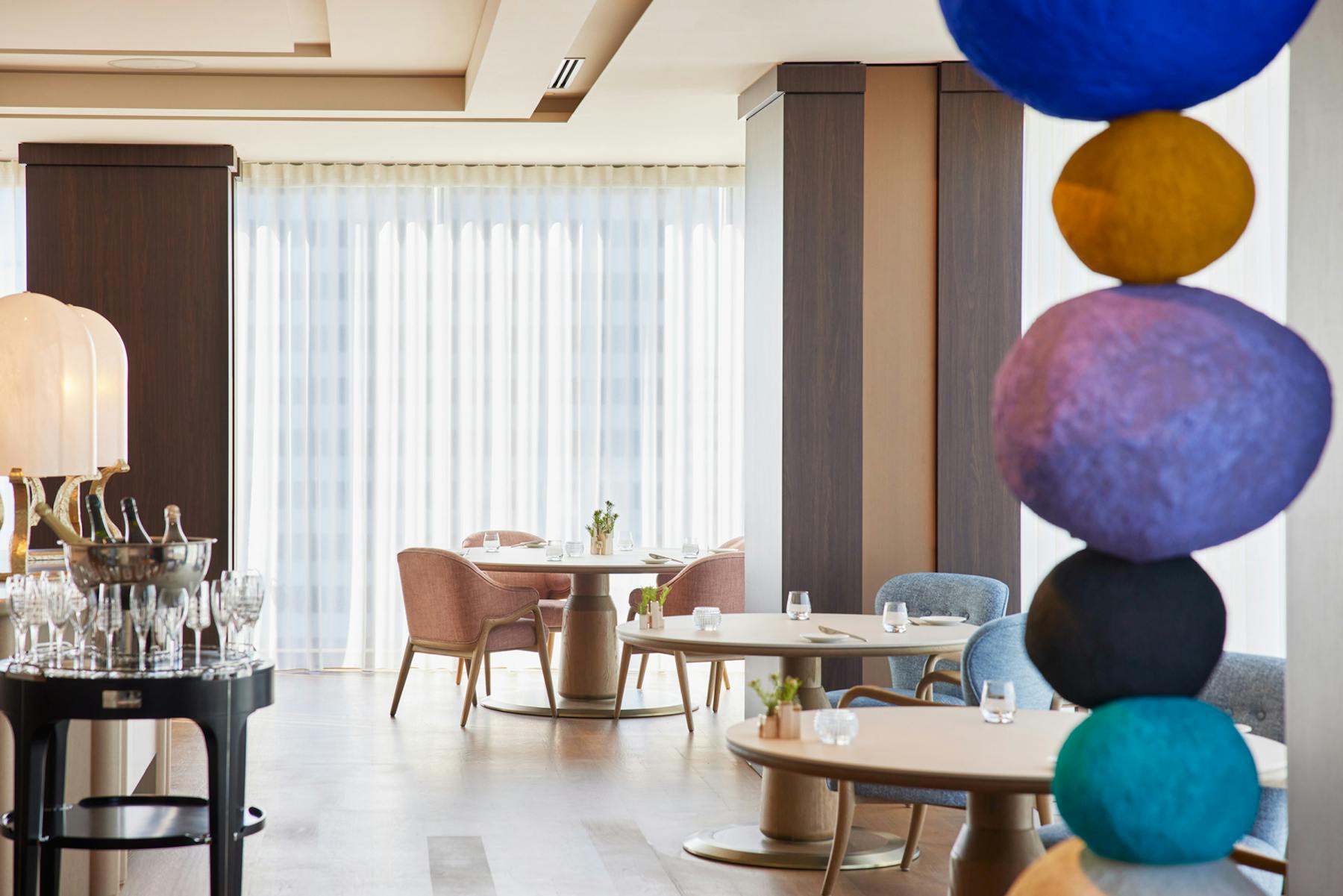
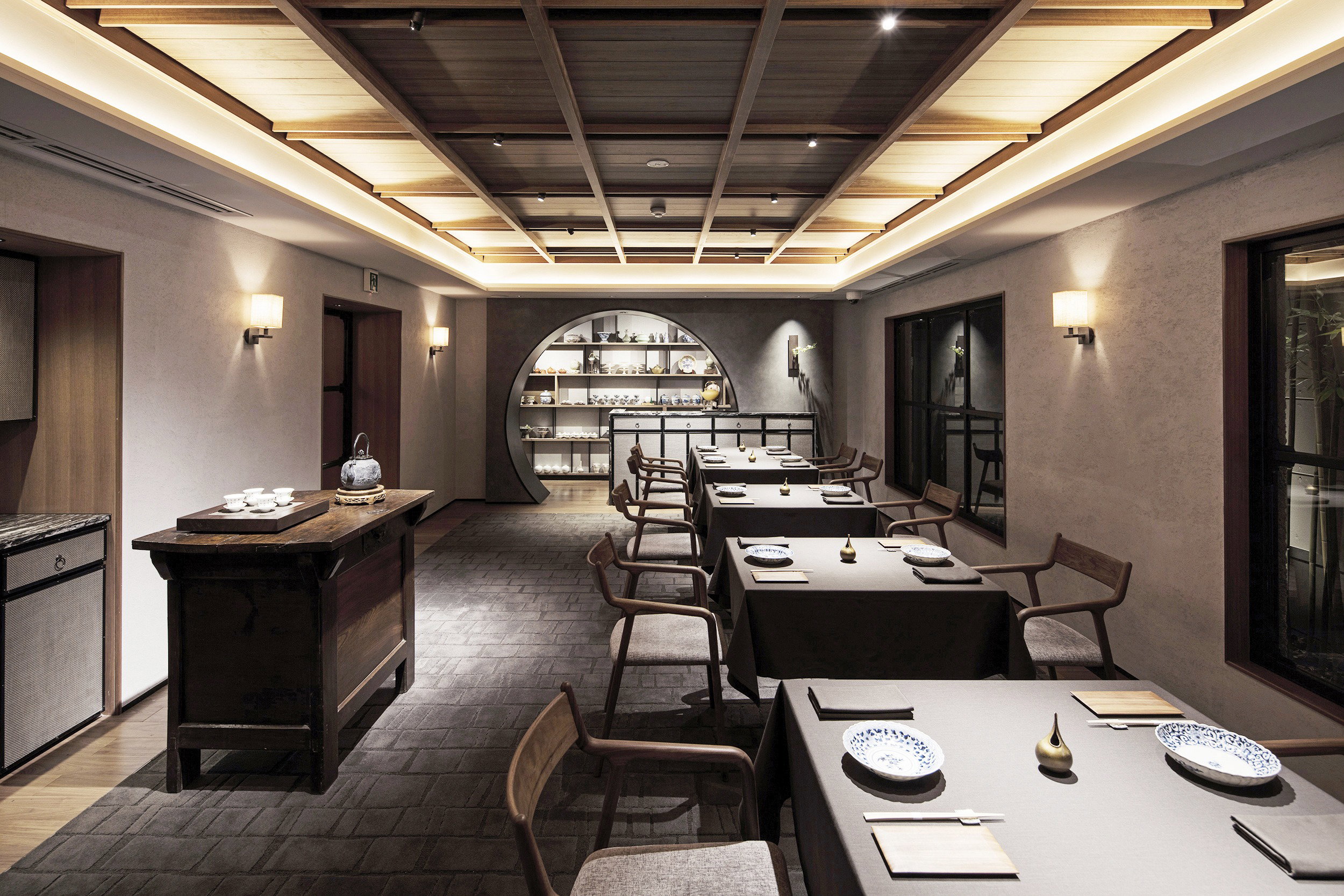
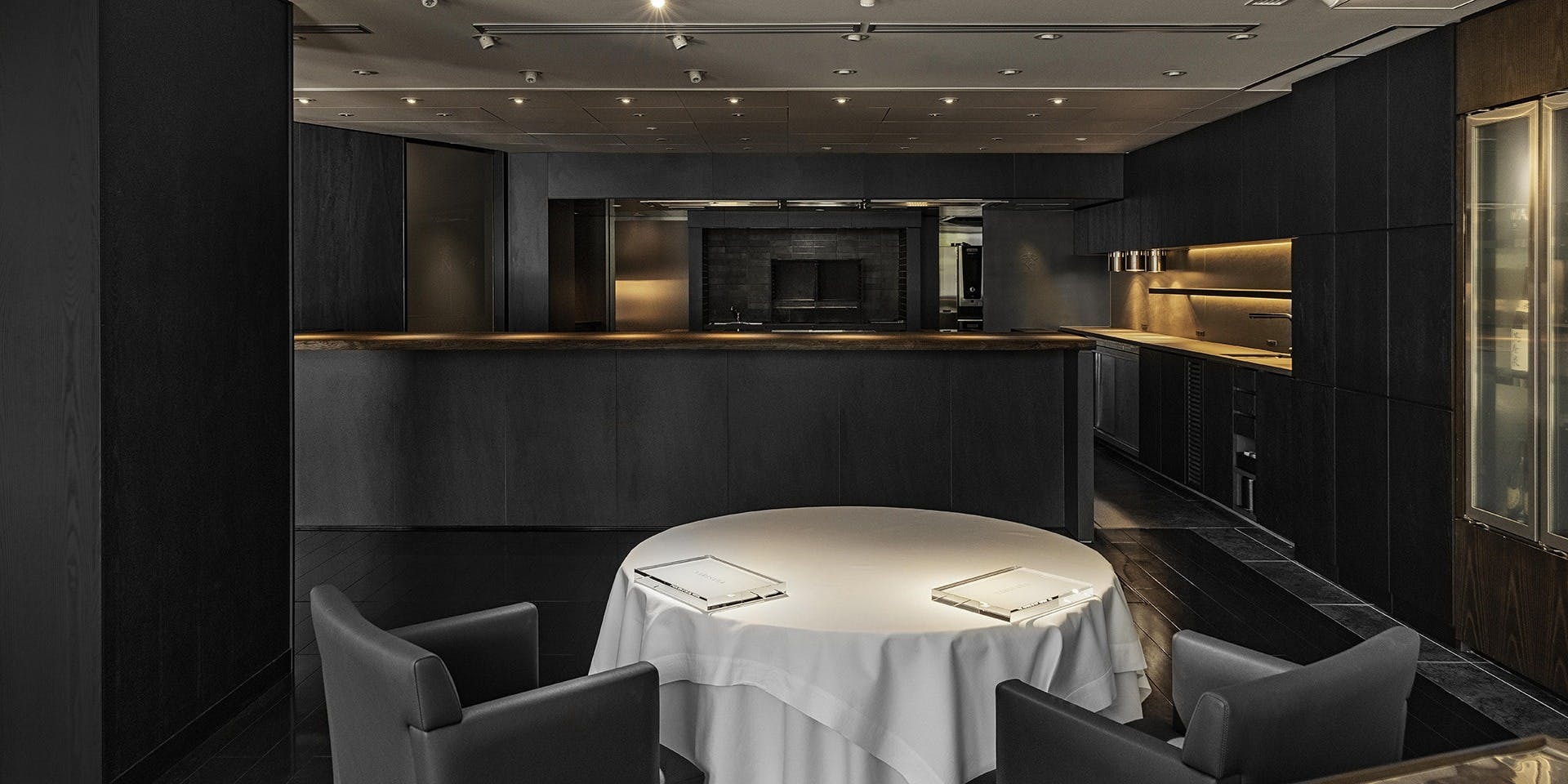
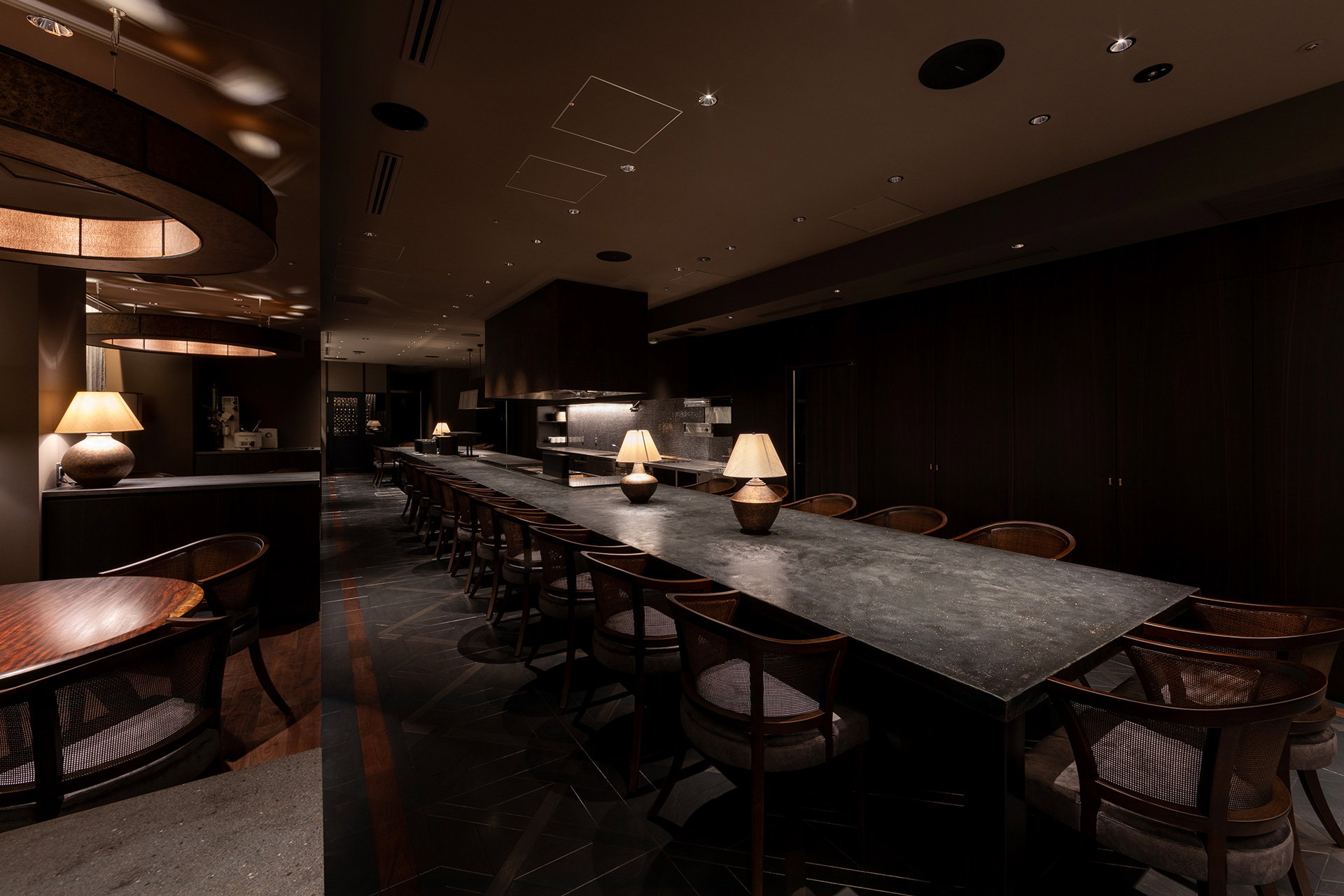
Kanshin reads as a quietly composed ryotei tucked into Higashi-Azabu, where restraint is the point. The approach along a side street and a composed, unassuming entrance set a low, calming tempo before you sit. Interiors and service are built around ease and generosity: staff are warmly attentive and unhurried, and the house places emphasised value on relaxation rather than spectacle. Rather than theatrical flourishes, the room cultivates a thoughtful, ritualized calm consistent with Tokyo kaiseki — a place for diners who appreciate tradition delivered with soft-spoken confidence.
Best For
This is a dinner destination for guests seeking an unhurried, refined experience: think business dinners that favour discretion, celebrations that prize composure over show, and date nights that benefit from focus and intimacy. Kanshin’s kaiseki and ryotei context frames a multi-course rhythm that feels formal without being rigid; the meal’s structure supports attentive conversation and lingering at the table. The neighbourhood setting — close to embassies and residential Azabu-Juban — also suits small family dinners where calm and careful service matter.
Ordering Tips
The meal at Kanshin opens with a passage of smaller dishes that explains the kitchen’s seasonal instincts; that introductory sequence is designed to orient the palate before guests make subsequent choices. Allow the service to set a measured pace and be prepared to move slowly through courses so the meal’s ritual can unfold. Ask about the season’s ingredients as that is central to the kitchen’s sensibility, and lean on staff guidance when selecting the follow-on items after the opening passage to experience the intended balance of the evening.
Venue details
Ambiance
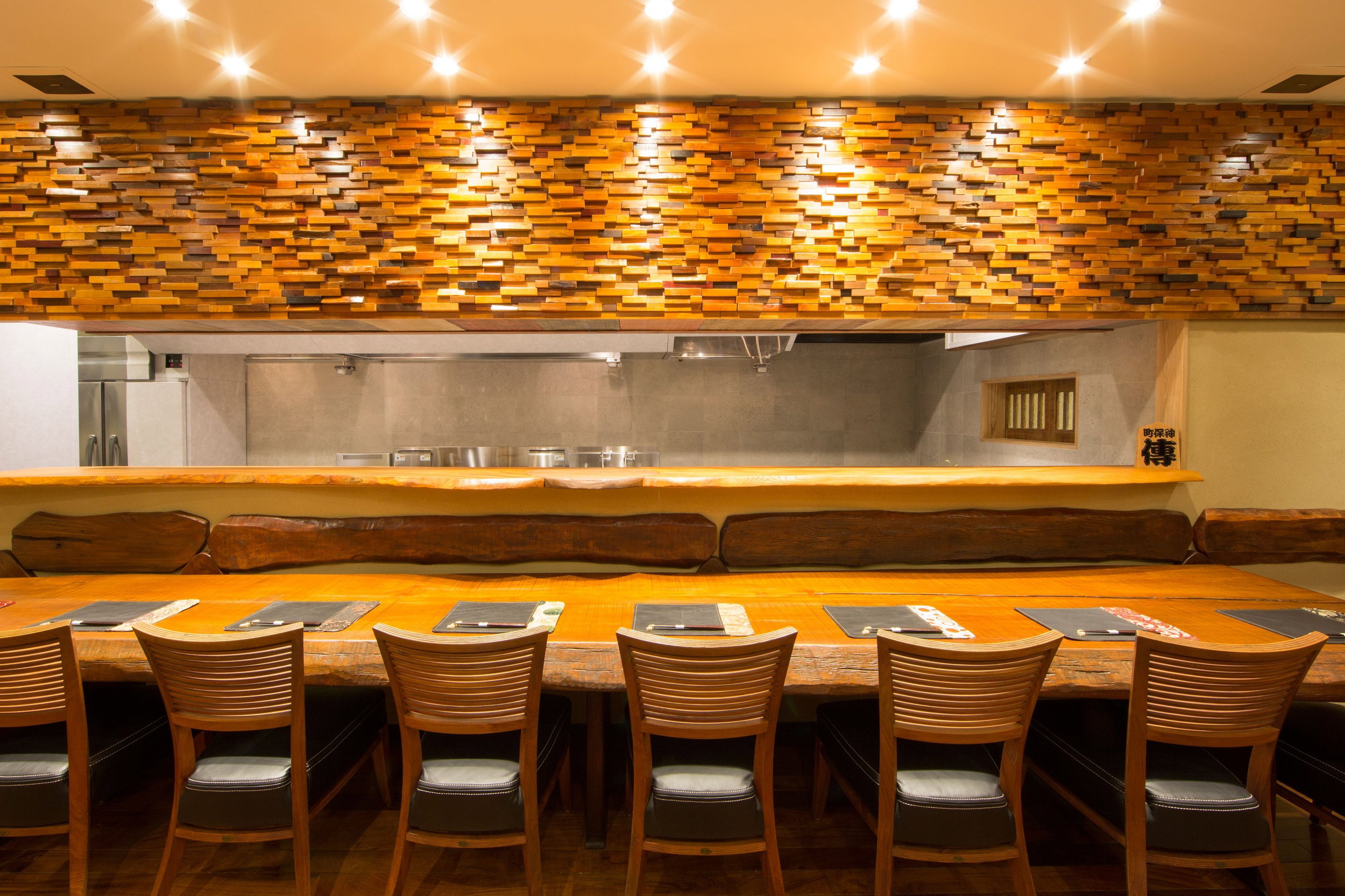
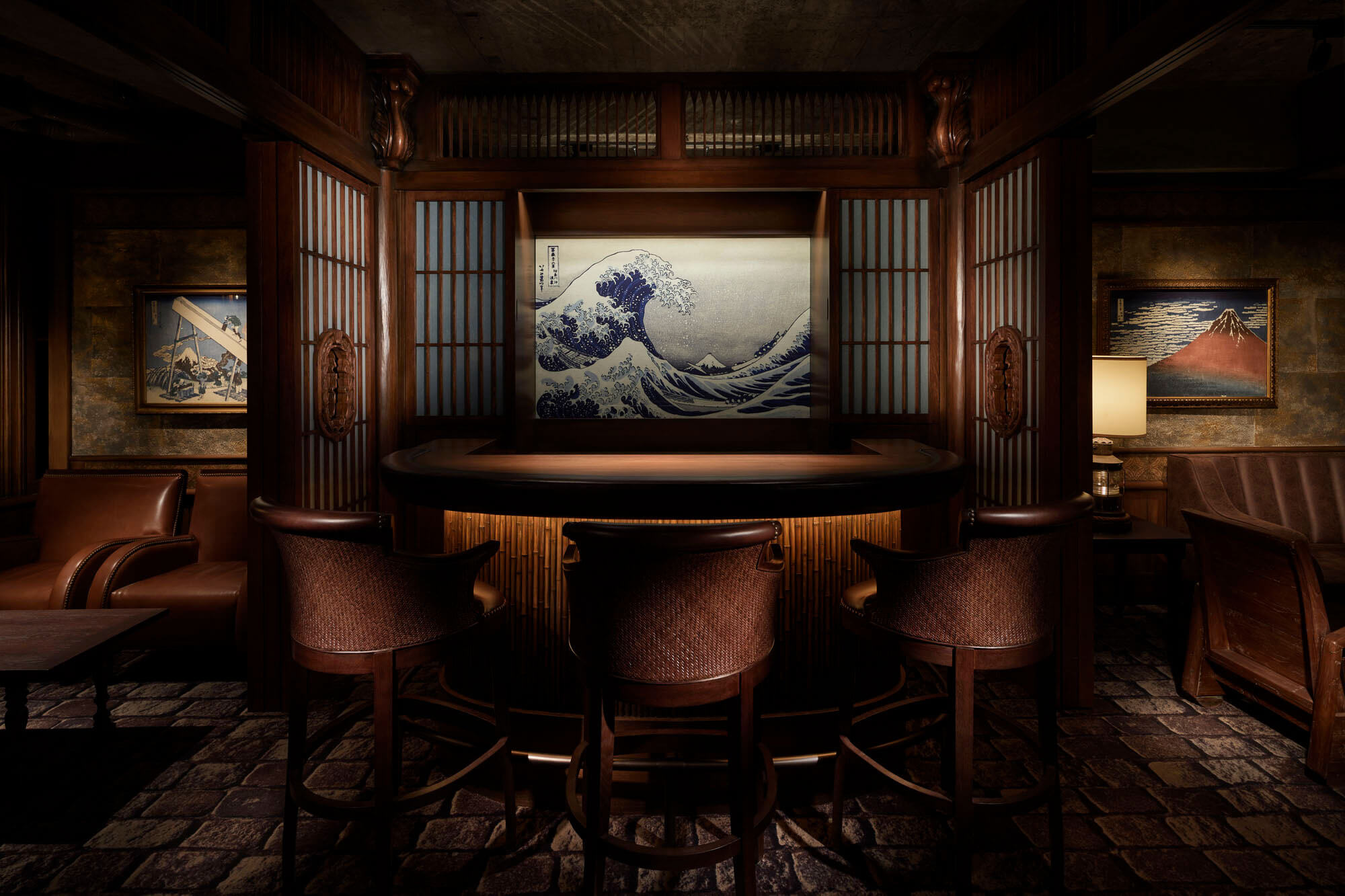
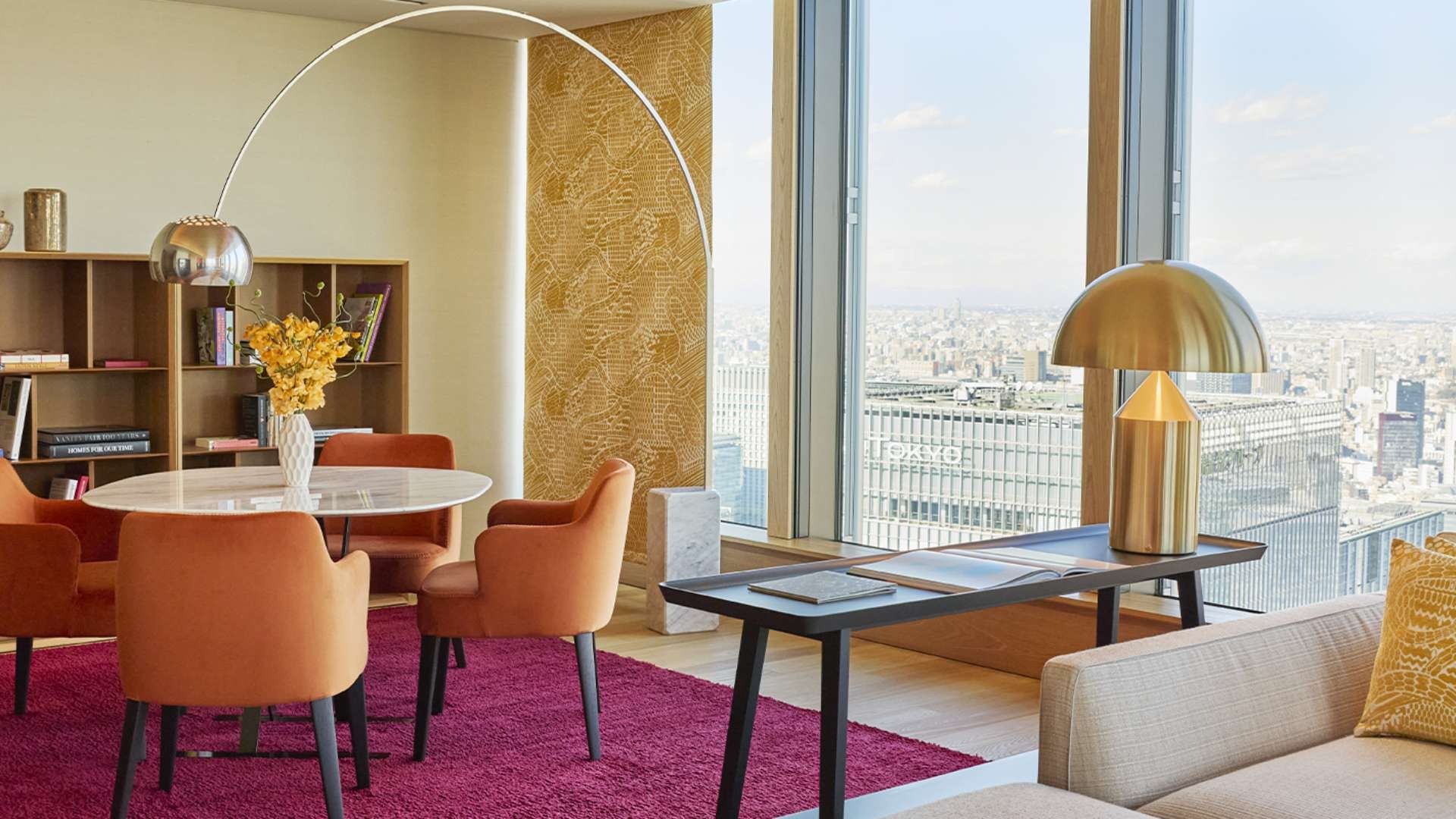
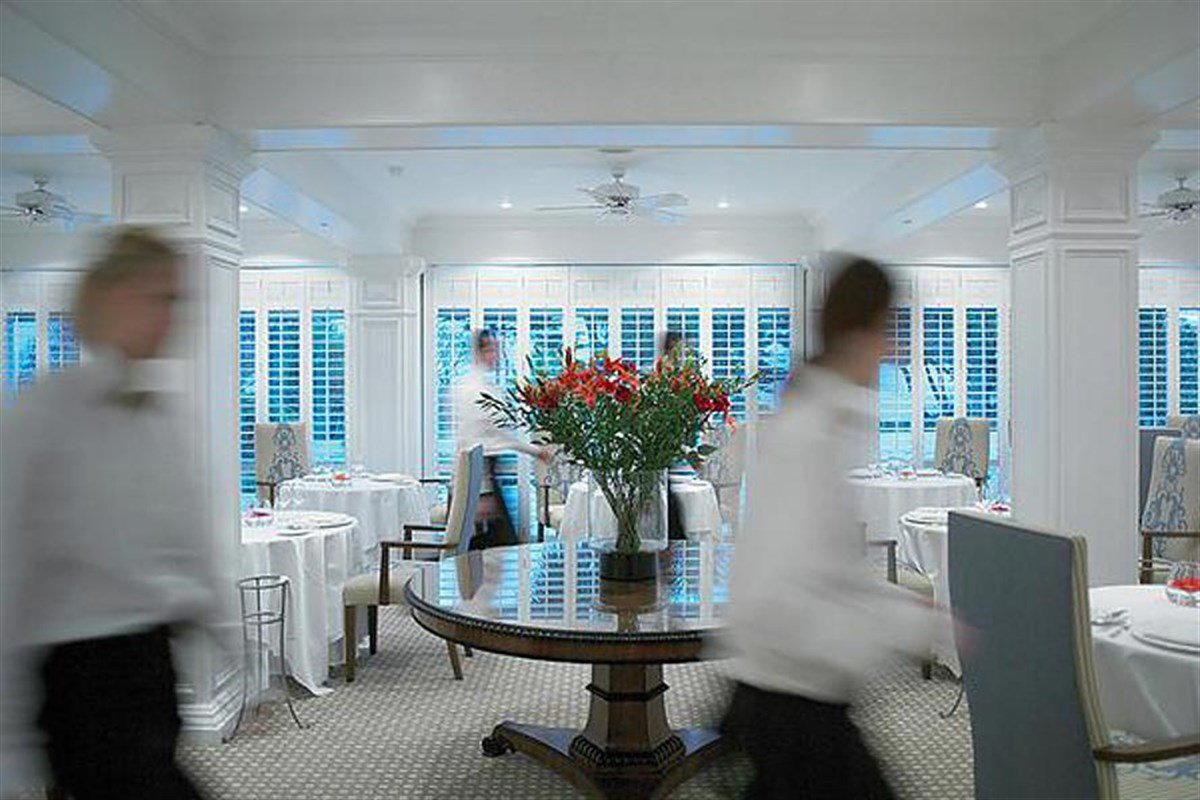
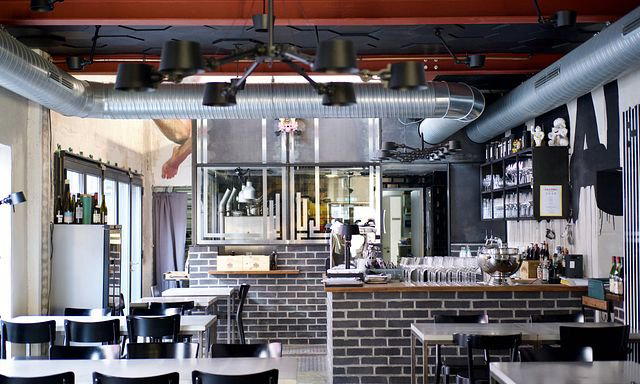
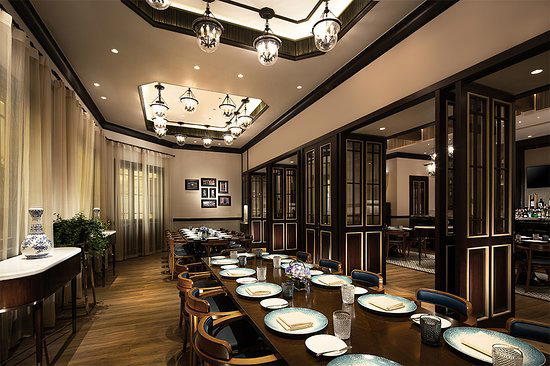
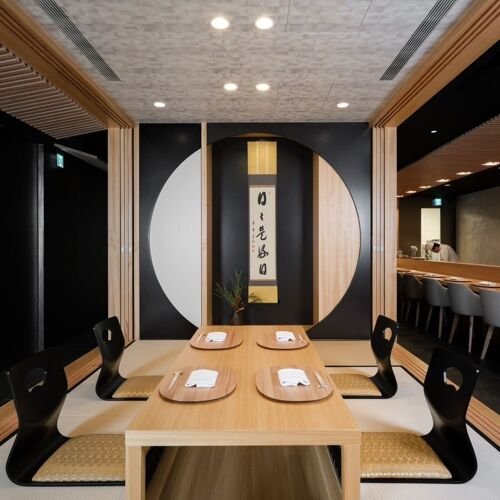
Warm, welcoming, and calm with wood-based design featuring counter seating and private rooms that create a relaxed yet refined atmosphere.
Tags
Vibe
Best For
Experience
Sourcing
At the Table
- Dress Code
- Smart Casual
- Noise Level
- Quiet
- Service Style
- Upscale Casual
- Meal Pacing
- Leisurely
- Capacity
- Intimate
Know before you go
Know Before You Go
- Getting there
- 1 Chome-19-2 Higashiazabu, Minato City, Tokyo 106-0044, Japan
Planning details
Location
1 Chome-19-2 Higashiazabu, Minato City, Tokyo 106-0044, Japan · Directions
Recognition and awards

Also consider
Also Consider
- Harutaka, Sushi, ¥¥¥¥
- L'Effervescence, French, ¥¥¥¥
- RyuGin, Kaiseki, Japanese, ¥¥¥¥
- HOMMAGE, Innovtive French, French, ¥¥¥¥
- Crony, Innovative, French, ¥¥¥¥
Restaurant context
How Kanshin Compares
At ¥¥¥, Kanshin sits a full price tier below most of its peers worth naming in this category. RyuGin is the direct quality benchmark for serious kaiseki in Tokyo: it operates at ¥¥¥¥, carries Michelin stars, and delivers a more technically elaborate and theatrically staged experience. If the occasion calls for a landmark dinner and budget is flexible, RyuGin is the stronger choice. If you want Kyoto-style restraint and genuine warmth at a lower outlay, Kanshin makes a more honest case for itself.
Harutaka is at ¥¥¥¥ and operates in sushi rather than ryotei, so the comparison is format-driven: if raw fish precision matters more to you than vegetable-forward cooking, Harutaka is the call. For travellers drawn to French influence on Tokyo fine dining, both L'Effervescence and HOMMAGE operate at ¥¥¥¥ and offer a completely different register, ingredient-driven French technique with a Japanese sensibility. Crony sits at the same ¥¥¥¥ tier with a more innovative, less ceremonial French approach. None of those four are direct substitutes for what Kanshin does; they are alternatives for a different type of night.
The clearest practical distinction: Kanshin is easy to book, does not require months of advance planning, and costs less than any of its Michelin-starred Tokyo peers. For a food-focused traveller who wants a genuinely traditional Japanese meal on a trip that also includes one or two higher-commitment bookings, Kanshin is a well-calibrated addition rather than a compromise. Also worth considering nearby: Jingumae Higuchi for a different expression of refined Japanese cooking in the city.
Explore Tokyo
Around this place
Discover more on Pearl
Unlock the full Kanshin guide in Pearl, including awards, comparisons, FAQs, planning details, and nearby places.
Compare Kanshin
| Venue | Cuisine | Price | Booking Difficulty | Awards |
|---|---|---|---|---|
| Kanshin | Japanese | ¥¥¥ | Easy | 2026 OAD Top Restaurants in Japan Recommended2026 Michelin Plate2025 Michelin Plate |
| Harutaka | Sushi | ¥¥¥¥ | Unknown | 2026 Tabelog Silver · #312026 OAD Top Restaurants in Japan Ranked · #1282026 Michelin 3 Stars2026 La Liste Top RestaurantsTabelog 100 - Sushi - TOKYO - 2025 · #372025 Asia's 50 Best Restaurants · #762025 OAD Top Restaurants in Japan Ranked · #1172025 La Liste Top Restaurants2025 Tabelog Bronze |
| L'Effervescence | French | ¥¥¥¥ | Unknown | 2026 Tabelog Silver · #682026 OAD Top Restaurants in Japan Ranked · #103Star Wine Lists 20262026 Black Pearl 2 Diamond2026 Relais Chateaux Restaurants2026 La Liste Top Restaurants2026 Michelin 3 Stars2025 Asia's 50 Best Restaurants · #692025 OAD Top Restaurants in Japan Ranked · #92 |
| RyuGin | Kaiseki, Japanese | ¥¥¥¥ | Unknown | 2026 OAD Top Restaurants in Japan Ranked · #802026 Tabelog Bronze · #3772026 Michelin 3 Stars2026 La Liste Top RestaurantsTabelog 100 - Japanese cuisine - TOKYO - 2025 · #212025 OAD Top Restaurants in Japan Ranked · #542025 Michelin 3 Stars2025 La Liste Top Restaurants2025 The Best Chef Three Knives |
| HOMMAGE | Innovtive French, French | ¥¥¥¥ | Unknown | 2026 Tabelog Bronze · #1232026 OAD Top Restaurants in Japan Highly Recommended2026 Michelin 2 StarsTabelog 100 - French - TOKYO - 2025 · #762025 Asia's 50 Best Restaurants · #782025 OAD Top Restaurants in Japan Ranked · #1752025 Michelin 2 Stars2025 The Best Chef One Knife2025 La Liste Top Restaurants |
| Crony | Innovative, French | ¥¥¥¥ | Unknown | 2026 Asia's 50 Best Restaurants · #34Star Wine Lists 20262026 OAD Top Restaurants in Japan Recommended2026 Michelin 2 Stars2025 Asia's 50 Best Restaurants · #30Tabelog 100 - French - TOKYO - 2025 · #782025 OAD Top Restaurants in Japan Ranked · #227We're Smart World Top Restaurants 20252025 Michelin 2 Stars |













Comparing your options in Tokyo for this tier.
FAQ
Frequently Asked Questions
What are alternatives to Kanshin in Tokyo?
For a higher-stakes omakase at a similar price tier, Harutaka is the sharper comparison — tighter format, more seafood-focused. RyuGin raises the price ceiling and the theatre considerably. If you want European technique applied to Japanese produce, L'Effervescence is the call. Kanshin sits apart from all three by offering the ryotei format with genuine flexibility in how you move through the menu, which makes it the better fit for first-timers to the style.
How far ahead should I book Kanshin?
Kanshin's booking difficulty is not publicly documented, but ryotei-format restaurants in Minato City at the ¥¥¥ tier typically require at least two to four weeks' notice, and international visitors should aim for the longer end of that window. The address — 1 Chome-19-2 Higashiazabu — puts it in a residential pocket of Tokyo where foot-traffic walk-ins are not a realistic option. Secure a reservation before travel, not on arrival.
Is the tasting menu worth it at Kanshin?
At ¥¥¥, Kanshin sits in Tokyo's mid-to-upper tier, and the Michelin Plate recognition in 2025 confirms the kitchen is cooking at a credible level. The format — smaller opening dishes followed by guest-led menu selection — gives you more control than a rigid omakase, which is meaningful if you have preferences or restrictions. For the price, you are paying for a ryotei experience with Kyoto-vegetable and tofu-skin traditions at its core, not for a modernist showcase; if that is the meal you want, it earns the spend.
What should a first-timer know about Kanshin?
The house is designed around ease: the name itself draws on Japanese words for relaxation and generosity, and the service tone follows that. The meal opens with a spread of smaller dishes, then pivots to guest-selected courses, so you are not locked into a fixed sequence. The chef's Kyoto background means the kitchen leans on Kyoto vegetables, tofu skins, and light wanmono broth dishes — flavours that are clean and restrained rather than rich. First-timers to ryotei dining will find Kanshin a more forgiving entry point than most equivalents in Tokyo.