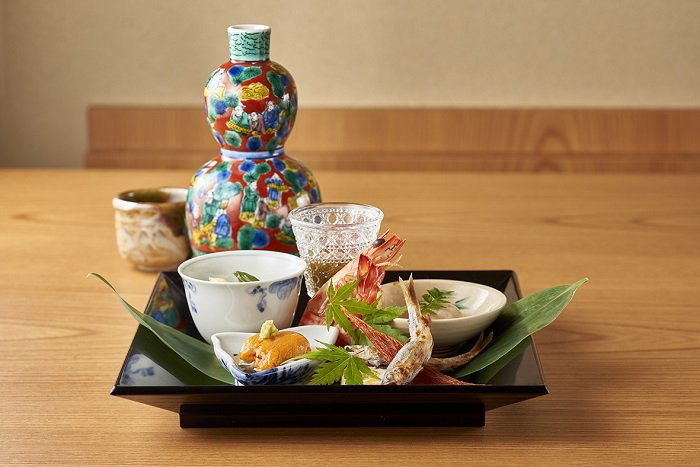
.png?width=1200&quality=80)
Kandanishikicho Sushi Takaharu
Sushi · Chiyoda, Tokyo
Restaurant in Tokyo, Japan
 Book with Pearl
The Read
Edomae-Plus Deep-Fry Counter
Price
$150–200per person
Dress
Smart Casual
Why go
A Michelin Plate sushi counter in Kanda Nishikicho that pairs traditional edomae technique with an unusual willingness to deep-fry. Easier to book than most recognised Tokyo counters, with a service approach that works well for international visitors and special occasions. At the ¥¥¥ tier, it delivers more creative range than a standard nigiri counter without the exclusivity barrier of top-tier Tokyo omakase.
About Kandanishikicho Sushi Takaharu
Verdict: A Michelin-recognised sushi counter in Kanda Nishikicho that earns its price point through technical depth and a service model built around genuine access
Kandanishikicho Sushi Takaharu is one of the easier high-quality sushi bookings in Tokyo, and that accessibility is part of its appeal. You are not fighting a months-long waitlist. You are not relying on a concierge introduction. The counter is there, the craft is serious, and the Michelin Plate recognition in 2025 confirms this is not a neighbourhood sushi shop you stumble into by accident. If you are in Tokyo for a special meal and want technically grounded edomae sushi with some genuine creative thinking, this is a credible choice at the ¥¥¥ price tier.
What You Are Actually Booking
The kitchen at Takaharu works with a deliberately wider format than a strictly traditional omakase counter. The signature item on the record is a cream croquette of tiger prawn, finished with a reduction of shrimp miso. That single dish communicates the kitchen's position clearly: this is a chef who applies classical technique to non-traditional forms without abandoning the craft logic behind them. Deep-fried preparations appear in the menu, which is unusual for a serious sushi counter and, according to the venue's Michelin recognition notes, delivers a satisfaction that most sushi restaurants do not attempt. The sushi itself is prepared in a time-honoured edomae framework: brining, marinating, and simmering are the tools, not just raw fish over rice. That approach requires more preparation time and more skill than a straight nigiri counter, and it is reflected in the quality of what arrives in front of you.
The chef's language capability is worth noting practically, not as biography. The fact that he was selected to cater a diplomatic dinner between Japanese and American heads of state is a documented public credential that speaks to trust, precision, and the ability to perform under conditions where execution cannot fail. For international visitors who want a sushi experience in Tokyo without a language barrier adding friction to the evening, that matters.
Service and the Price Question
Editorial question this counter raises most directly is whether the service philosophy earns the ¥¥¥ price point. At this tier in Tokyo you have options: you can pay more at a ¥¥¥¥ counter and receive a more formal, sometimes more pressurised experience, or you can pay less and accept fewer creative ambitions. Takaharu sits in a position where the service appears calibrated for genuine hospitality rather than ceremony. The booking is accessible. The format allows for deep-fried courses alongside traditional nigiri, which signals a kitchen that wants to feed you well rather than impress you with restraint. For a date dinner or a celebratory solo meal, that balance is more enjoyable than a counter where the formality overwhelms the food.
Compared to a top-tier Tokyo omakase at ¥¥¥¥, you are trading some ceremony and exclusivity for greater ease of access and a broader menu format. That is a reasonable trade for most diners, and a preferable one for anyone who finds the most expensive counters in the city more intimidating than pleasurable.
How It Compares
See the comparison section below for how Takaharu positions against Harutaka and other Tokyo sushi counters at the ¥¥¥¥ tier.
Know Before You Go
Practical Details
- Location: 1F, Daiwa Kandabashi Building, 1-17-5 Kanda Nishikicho, Chiyoda City, Tokyo
- Cuisine: Sushi (edomae, with deep-fried courses)
- Price tier: ¥¥¥
- Recognition: Michelin Plate 2025
- Booking difficulty: Easy — no extended waitlist required
- Leading for: Date dinners, celebration meals, solo dining, international visitors who want an English-comfortable counter
- Hours: Contact venue directly — not confirmed in current data
- Website / phone: Not listed, search directly or book via a Tokyo reservation platform
Tokyo Sushi in Context
Tokyo's sushi spectrum runs from neighbourhood lunch counters at ¥ to destination omakase at ¥¥¥¥¥. Takaharu operates at the serious end of the ¥¥¥ tier, which in Tokyo means you are eating food that would be considered destination-level in almost any other city. For international visitors planning a broader Japan itinerary, the Tokyo sushi scene is worth anchoring your dining around. Pearl also covers Sukiyabashi Jiro Roppongiten, Sushi Kanesaka, Edomae Sushi Hanabusa, and Hiroo Ishizaka for comparison across price tiers. If you are planning a longer Japan trip, Pearl's guides to HAJIME in Osaka, Gion Sasaki in Kyoto, akordu in Nara, Goh in Fukuoka, 1000 in Yokohama, and 6 in Okinawa cover the full range of serious dining across the country. For high-quality sushi elsewhere in Asia, Sushi Shikon in Hong Kong and Shoukouwa in Singapore are the closest comparators in format and ambition. See Pearl's full Tokyo restaurants guide, Tokyo hotels guide, Tokyo bars guide, Tokyo wineries guide, and Tokyo experiences guide for full planning coverage.
Planning details
- Location
- Japan, 〒101-0054 Tokyo, Chiyoda City, Kanda Nishikicho, 1 Chome−17−5 Daiwa Kandabashi, 1F
- Reservations
- Book on TableCheck
- Website
- instagram.com/sushi_takaharu
- Phone
- +81 3-3518-9218
The take
The Take
The Vibe
Kandanishikicho Sushi Takaharu reads as a quietly confident counter restaurant that prioritises craft over address. Sitting outside Ginza’s orbit in a precinct of old office buildings, it cultivates an unostentatious, food-first atmosphere: precise edomae technique on the sushi side balanced against an unexpected dedication to deep-fried formats. The result is an intimate, focused experience — modest in décor but serious in execution — where the counter, not the postcode, creates the impression. Accolades like a 2025 Michelin Plate reinforce that the room’s restraint is deliberate, not accidental.
Best For
This counter suits diners who are drawn to technical sushi and concentrated, counter-side attention rather than theatrical dining. It is a good fit for quiet date nights, business dinners with a food-minded colleague, or a solo visit when you want to watch technique up close. The kitchen occupies a middle price band (¥¥¥) and has been recognised by inspectors and reviewers, so expect a serious, competency-driven meal. The menu’s tension between orthodox edomae sushi and carefully executed fried items gives curious diners a rounded, distinctive experience.
Ordering Tips
The kitchen’s defining trait is its split personality: orthodox edomae sushi alongside a willingness to serve deep-fried preparations. When ordering, sample both strands of the menu so you can appreciate the brining, ageing and other edomae treatments as well as the counter’s fried specialties. Don’t miss the signature shrimp cream croquettes highlighted among the kitchen’s offerings — they illustrate the deep-fried side of the counter’s identity. Given the restaurant’s focused, counter-driven format and Michelin Plate recognition, opt for a sequence that balances sushi and fried courses to understand the kitchen’s coherent intent.
Venue details
Ambiance
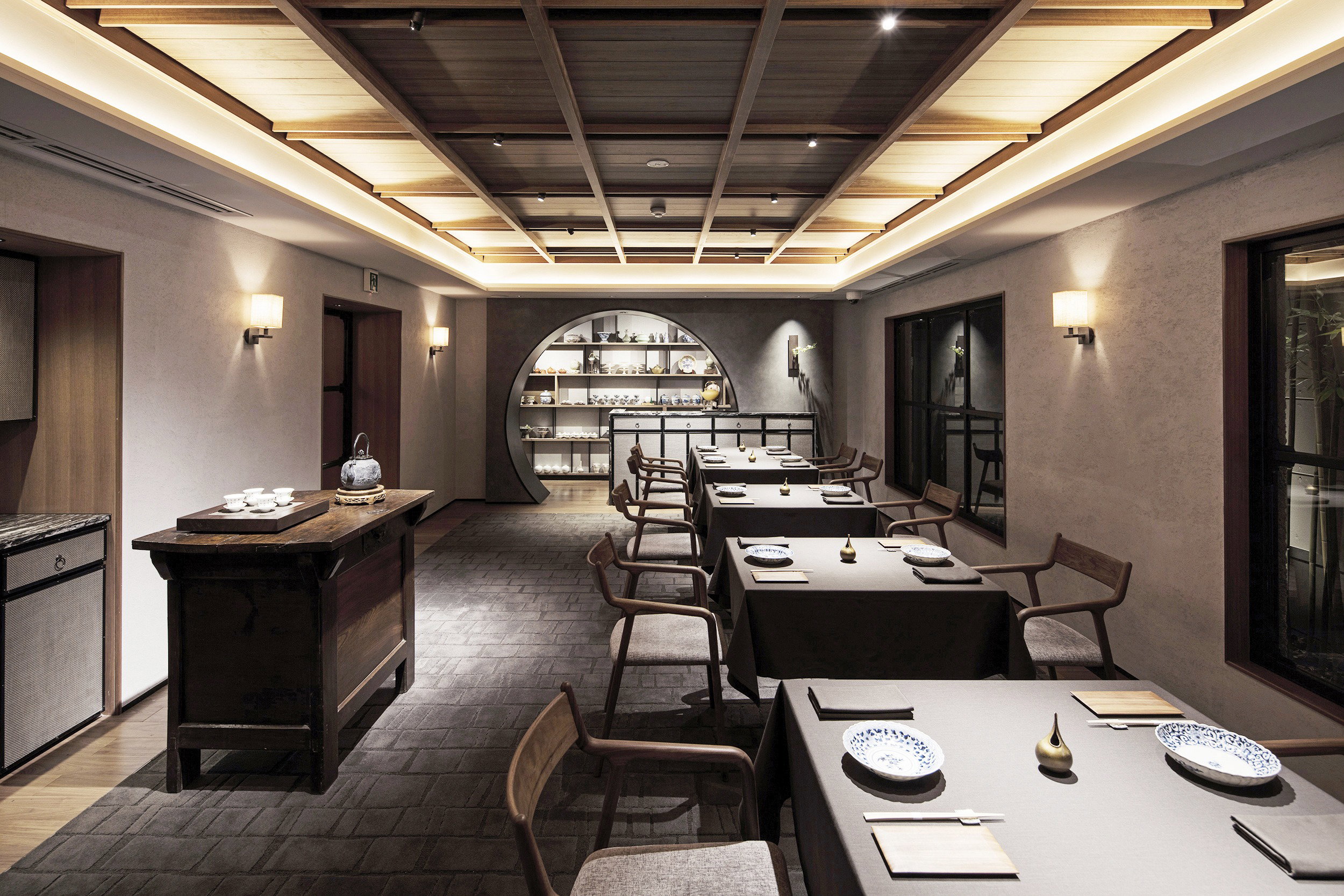
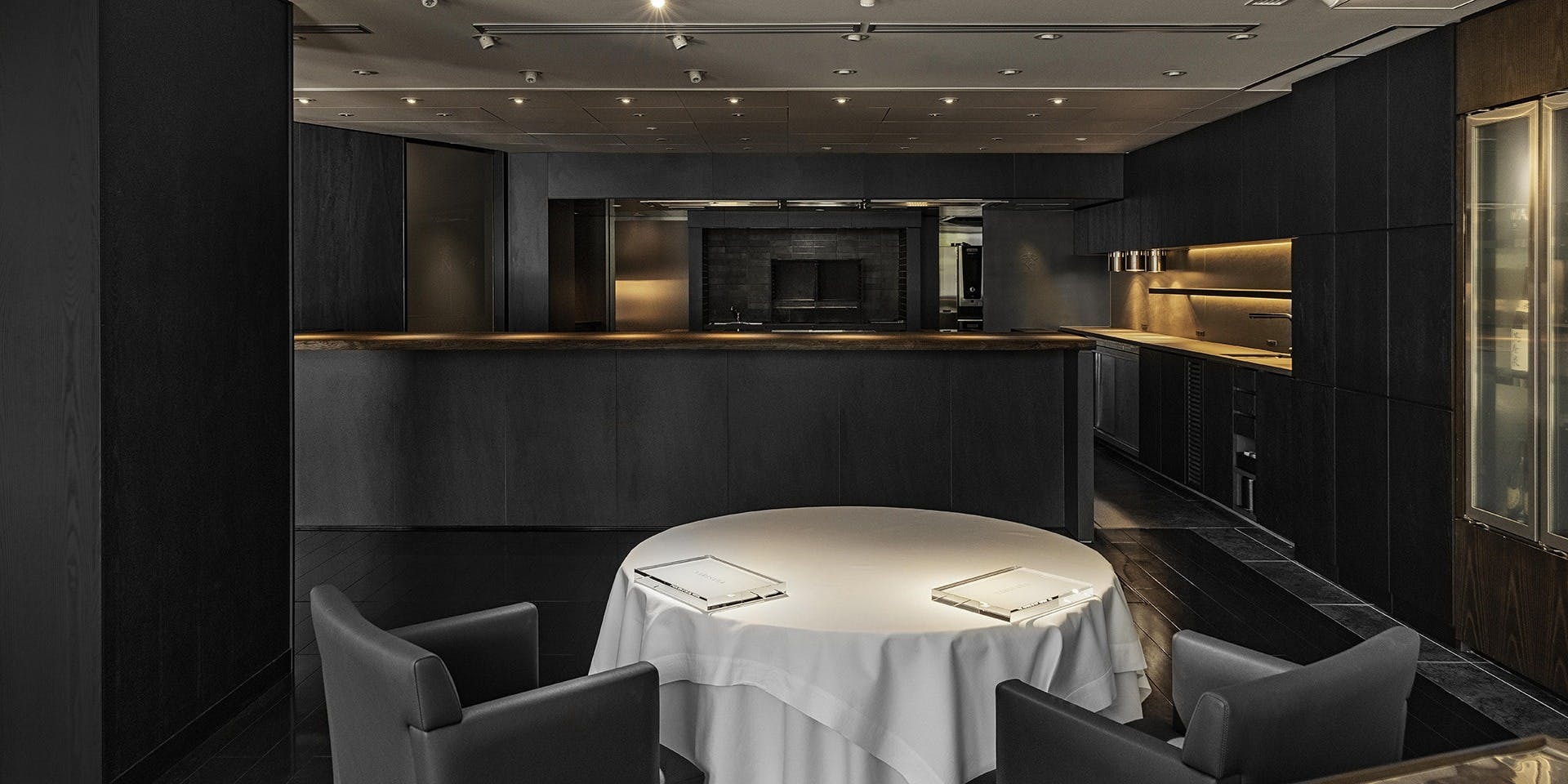
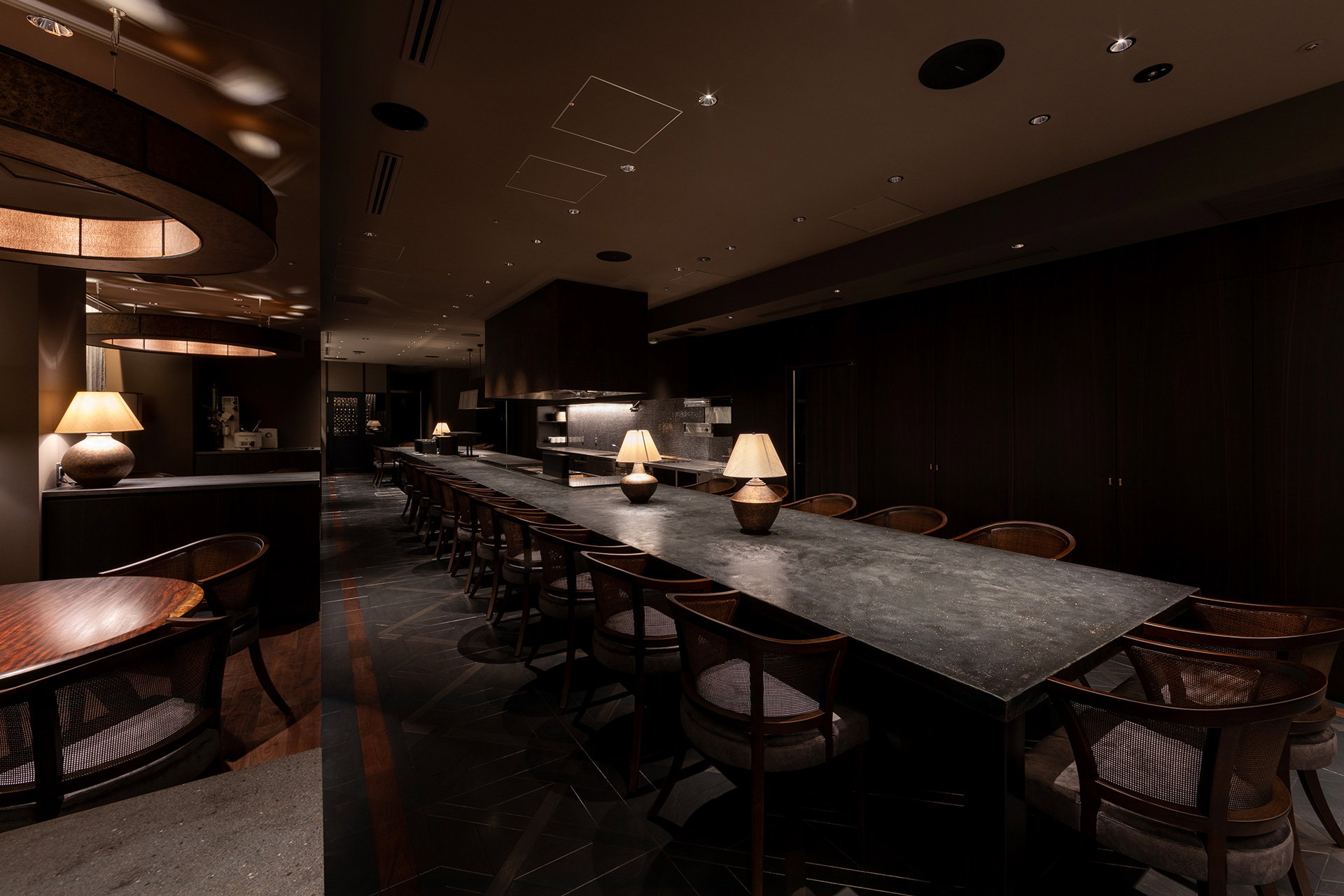
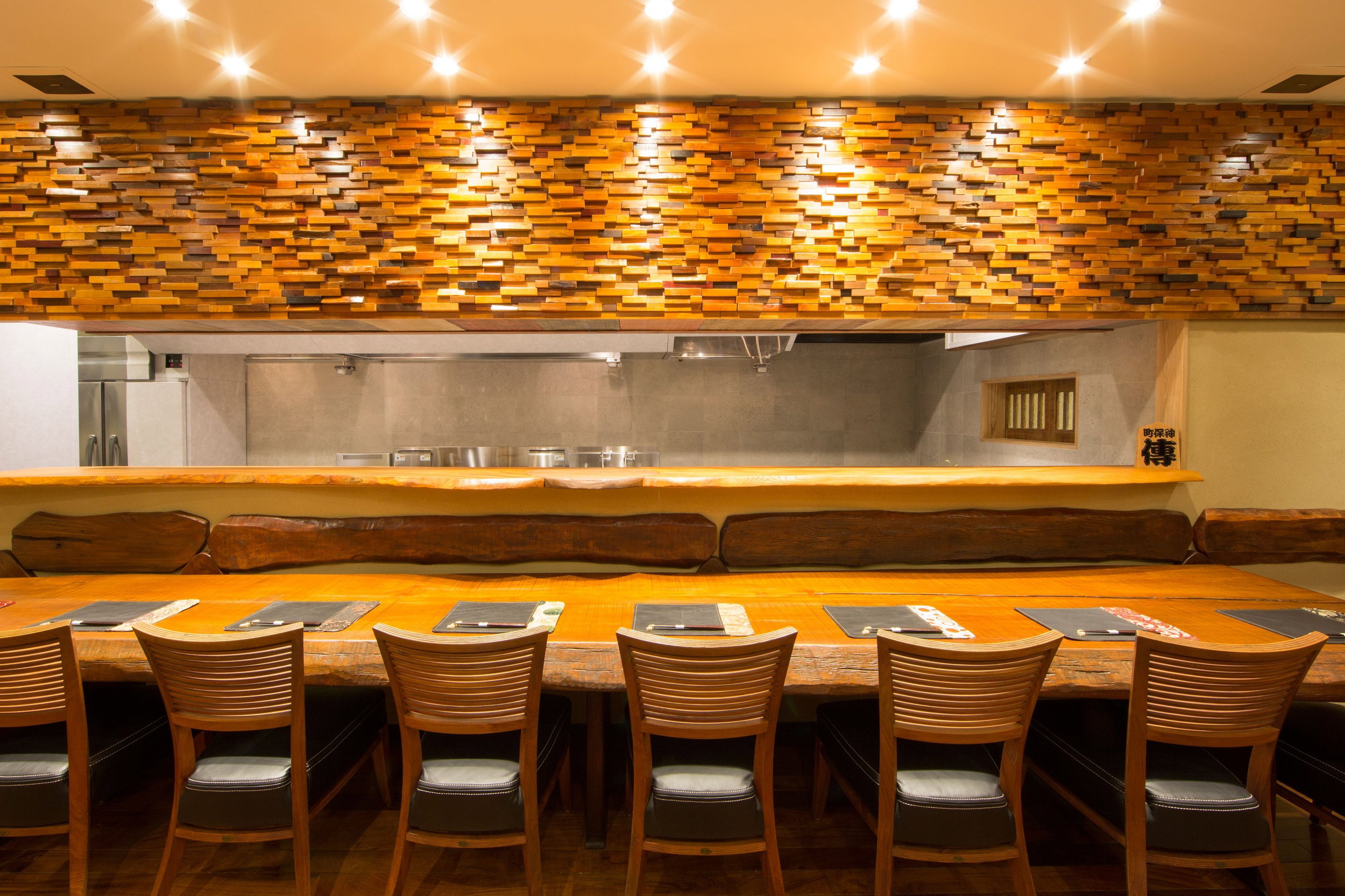
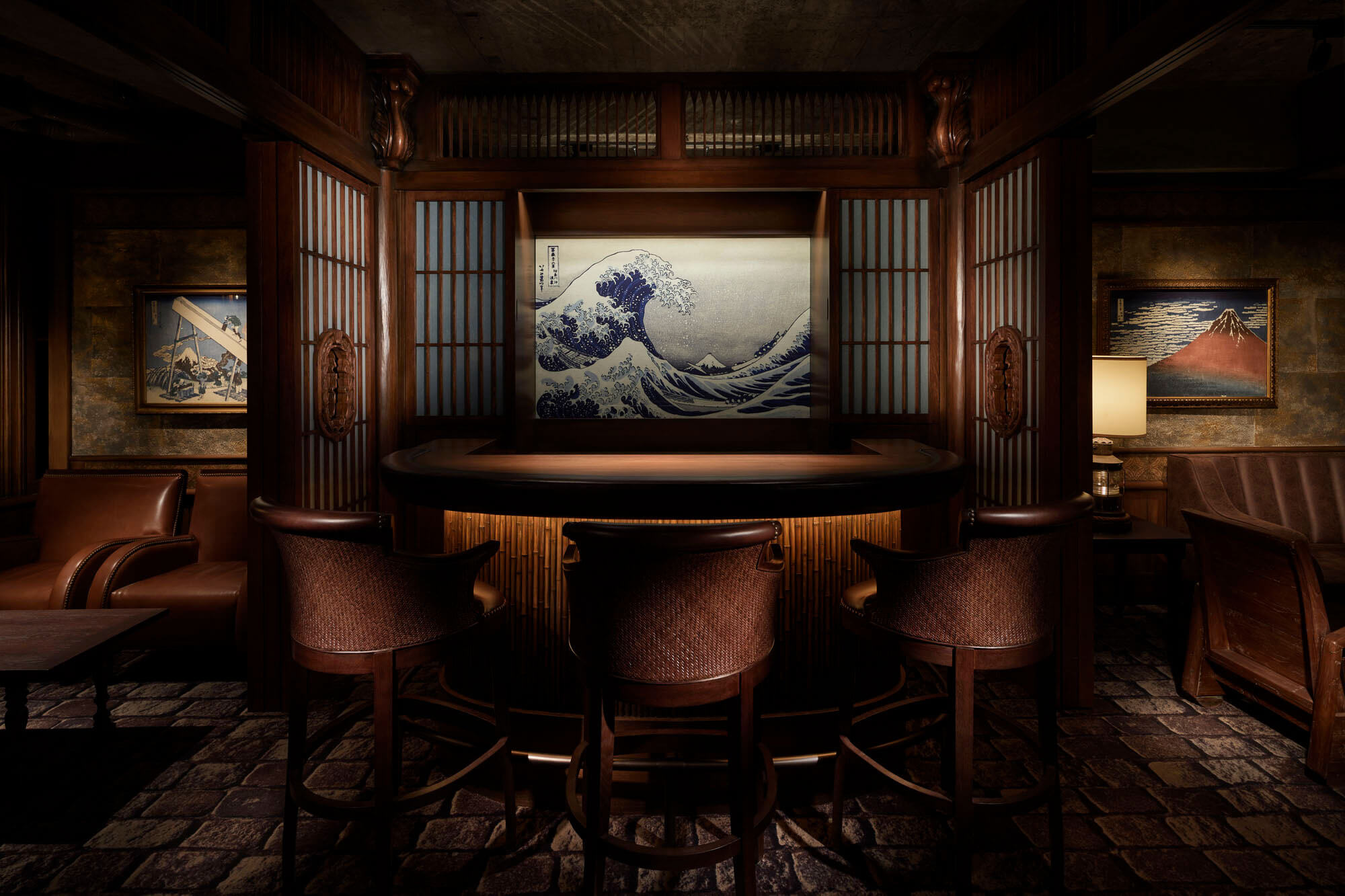
Serene wooden counter seating with beautiful Yoshino cypress grain and aroma, fostering a relaxing and sophisticated atmosphere.
Tags
Vibe
Best For
Experience
Sourcing
At the Table
- Dress Code
- Smart Casual
- Noise Level
- Quiet
- Service Style
- Omakase Bar
- Meal Pacing
- Leisurely
- Capacity
- Intimate
- Kitchen
- Traditional
- Menu Format
- Omakase, Counter dining
- Wine Program
- Curated
- Drinks Focus
- Sake
Signature Dishes
shrimp cream croquettes
Know before you go
Know Before You Go
- Getting there
- Japan, 〒101-0054 Tokyo, Chiyoda City, Kanda Nishikicho, 1 Chome−17−5 Daiwa Kandabashi, 1F
Planning details
Location
Japan, 〒101-0054 Tokyo, Chiyoda City, Kanda Nishikicho, 1 Chome−17−5 Daiwa Kandabashi, 1F · Directions
Recognition and awards
Also consider
Also Consider
- Harutaka, Sushi, ¥¥¥¥
- L'Effervescence, French, ¥¥¥¥
- RyuGin, Kaiseki, Japanese, ¥¥¥¥
- HOMMAGE, Innovtive French, French, ¥¥¥¥
- Crony, Innovative, French, ¥¥¥¥
Restaurant context
The clearest comparison for Takaharu is Harutaka, which operates at ¥¥¥¥ and is widely regarded as one of Tokyo's most technically precise nigiri counters. Harutaka is the choice if you want pure, stripped-back edomae sushi at the highest level, but it is harder to book and more expensive. Takaharu costs less, is easier to access, and offers a broader menu format including deep-fried courses that Harutaka does not. If the signature croquette and a less ceremonial evening sound more appealing than maximum technical rigour, Takaharu is the better booking for you.
Against the ¥¥¥¥ non-sushi options in Tokyo's serious dining tier, the comparison is about format rather than quality. L'Effervescence and HOMMAGE are French fine dining at a higher price point; RyuGin is kaiseki at ¥¥¥¥ with a more theatrical and seasonal Japanese framework. If the occasion calls for Japanese cuisine specifically, Takaharu's ¥¥¥ positioning makes it the most accessible serious option. Crony is the pick if you want innovative cooking in a more relaxed room without the traditional sushi counter format.
For international visitors weighing Tokyo sushi against the broader Asia sushi tier, Takaharu sits below the price and exclusivity of counters like Sushi Shikon in Hong Kong but delivers a more Tokyo-native experience. If you are in Tokyo specifically to eat sushi, Takaharu is a lower-friction entry point into Michelin-recognised counter dining than most of its Chiyoda-area peers.
Explore Tokyo
Around this place
Discover more on Pearl
Unlock the full Kandanishikicho Sushi Takaharu guide in Pearl, including awards, comparisons, FAQs, planning details, and nearby places.
Compare Kandanishikicho Sushi Takaharu
| Venue | Cuisine | Awards | Booking Difficulty |
|---|---|---|---|
| Kandanishikicho Sushi Takaharu | Sushi | 2026 Michelin Plate2025 Michelin Plate | Easy |
| Harutaka | Sushi | 2026 Tabelog Silver · #312026 OAD Top Restaurants in Japan Ranked · #1282026 Michelin 3 Stars2026 La Liste Top RestaurantsTabelog 100 - Sushi - TOKYO - 2025 · #372025 Asia's 50 Best Restaurants · #762025 OAD Top Restaurants in Japan Ranked · #1172025 La Liste Top Restaurants2025 Tabelog Bronze | Unknown |
| L'Effervescence | French | 2026 Tabelog Silver · #682026 OAD Top Restaurants in Japan Ranked · #103Star Wine Lists 20262026 Black Pearl 2 Diamond2026 Relais Chateaux Restaurants2026 La Liste Top Restaurants2026 Michelin 3 Stars2025 Asia's 50 Best Restaurants · #692025 OAD Top Restaurants in Japan Ranked · #92 | Unknown |
| RyuGin | Kaiseki, Japanese | 2026 OAD Top Restaurants in Japan Ranked · #802026 Tabelog Bronze · #3772026 Michelin 3 Stars2026 La Liste Top RestaurantsTabelog 100 - Japanese cuisine - TOKYO - 2025 · #212025 OAD Top Restaurants in Japan Ranked · #542025 Michelin 3 Stars2025 La Liste Top Restaurants2025 The Best Chef Three Knives | Unknown |
| HOMMAGE | Innovtive French, French | 2026 Tabelog Bronze · #1232026 OAD Top Restaurants in Japan Highly Recommended2026 Michelin 2 StarsTabelog 100 - French - TOKYO - 2025 · #762025 Asia's 50 Best Restaurants · #782025 OAD Top Restaurants in Japan Ranked · #1752025 Michelin 2 Stars2025 The Best Chef One Knife2025 La Liste Top Restaurants | Unknown |
| Crony | Innovative, French | 2026 Asia's 50 Best Restaurants · #34Star Wine Lists 20262026 OAD Top Restaurants in Japan Recommended2026 Michelin 2 Stars2025 Asia's 50 Best Restaurants · #30Tabelog 100 - French - TOKYO - 2025 · #782025 OAD Top Restaurants in Japan Ranked · #227We're Smart World Top Restaurants 20252025 Michelin 2 Stars | Unknown |














Comparing your options in Tokyo for this tier.
FAQ
Frequently Asked Questions
Is Kandanishikicho Sushi Takaharu worth the price?
Yes, at the ¥¥¥ tier this counter delivers more than its price point suggests. The Michelin Plate recognition in 2025 is earned: the kitchen combines traditionally prepared sushi with deep-fried items and a signature tiger prawn cream croquette dressed in shrimp miso reduction — a format that justifies the spend more concretely than a stripped-back omakase at the same price. If you want pure nigiri minimalism, look at lower-cost neighbourhood counters. If you want technical range with genuine craft, Takaharu holds its value.
What should I order at Kandanishikicho Sushi Takaharu?
The signature item documented for this counter is the cream croquette of tiger prawn with a shrimp miso reduction — order it. The sushi itself is prepared traditionally through brining, marinating, and simmering rather than straight raw service, so expect deliberate technique in each piece. Deep-fried items are also part of the format and worth taking, as they represent a deliberate departure from the standard Tokyo omakase template.
How far ahead should I book Kandanishikicho Sushi Takaharu?
Takaharu is noted as one of the more accessible high-quality sushi bookings in Tokyo, which puts it ahead of counters requiring months of lead time. That said, Michelin Plate status in 2025 has raised its profile, so booking at least two to three weeks out is the safe approach. The counter is in Kanda Nishikicho, Chiyoda City — a less tourist-saturated part of central Tokyo, which may ease demand slightly compared to counters in Ginza or Roppongi.
Is the tasting menu worth it at Kandanishikicho Sushi Takaharu?
At ¥¥¥, the omakase format here earns its place: the kitchen does not limit itself to nigiri alone, incorporating fried courses and a signature prawn croquette that broaden the meal into something with more range than a single-track tasting. For a full omakase at ¥¥¥¥ with stricter traditional protocols, counters like Harutaka represent the step up. Takaharu's value is precisely that it delivers Michelin-recognised quality without requiring the ¥¥¥¥ commitment.
Is Kandanishikicho Sushi Takaharu good for solo dining?
Counter-format sushi restaurants in Tokyo are structurally well-suited to solo diners, and Takaharu is no exception. The chef's language skills — documented through his role catering a Japanese-American diplomatic dinner — mean solo international visitors are less likely to encounter a language barrier than at comparable counters. Solo is arguably the format that gets the most out of a counter like this.
Can I eat at the bar at Kandanishikicho Sushi Takaharu?
Sushi Takaharu operates as a counter-format restaurant on the ground floor of the Daiwa Kandabashi building in Chiyoda City, which means counter seating is the core of the experience rather than an alternative option. This is the format the kitchen is built around, so eating at the counter is the intended and recommended way to dine here.
What should I wear to Kandanishikicho Sushi Takaharu?
No dress code is documented for Takaharu specifically. At the ¥¥¥ tier in Tokyo, sushi counters generally expect neat, presentable clothing — think smart casual as a practical floor rather than a rule. Avoid heavy perfume or cologne, which is standard etiquette at any serious sushi counter in Japan, as it interferes with the food.