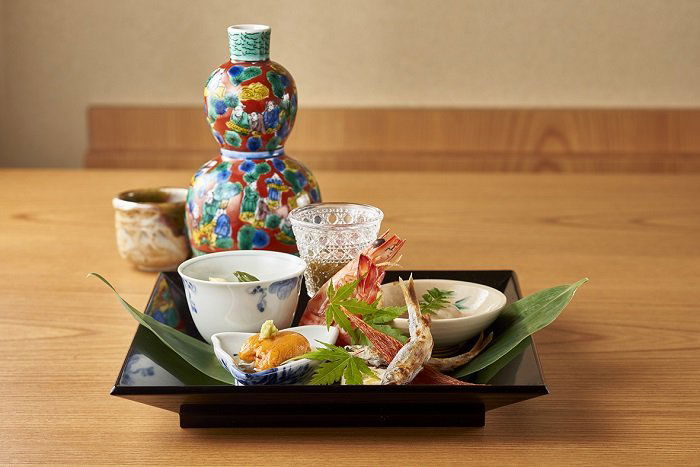
.png?width=1200&quality=80)
Kaiseki Ohara
Japanese · Shinjuku, Tokyo
Restaurant in Tokyo, Japan
 Book with Pearl
The Read
Arakicho Seasonal Progression
Price
¥¥¥
Dress
Smart Casual
Why go
Kaiseki Ohara holds consecutive Michelin Plates (2024 and 2025) in Arakicho, one of Shinjuku's quietest dining pockets. At ¥¥¥, it delivers a credentialed kaiseki experience without the booking difficulty of Tokyo's starred rooms. Book 1–2 weeks out for a preferred time; shorter windows are often workable.
About Kaiseki Ohara
Should You Book Kaiseki Ohara?
Kaiseki Ohara holds a Michelin Plate in both 2024 and 2025 — recognition that signals consistent kitchen standards without the months-long wait that defines Tokyo's top-tier kaiseki rooms. The short version: book it, especially if you are staying in or around Shinjuku and want a neighbourhood kaiseki option that doesn't require a lottery-style reservation system.
The Venue
Kaiseki Ohara sits on the second floor of the Nakabayashi Building in Arakicho, a quiet residential pocket of Shinjuku City that sits at a remove from the neon-heavy corridors most visitors associate with the ward. Arakicho has a reputation among Tokyo insiders as one of the city's most concentrated stretches of intimate dining rooms — small, owner-operated places that serve the neighbourhood as much as they serve destination diners. Kaiseki Ohara fits that profile precisely. It is not a showroom restaurant angling for international press coverage; it is the kind of place that anchors a local dining culture and earns loyalty through consistency rather than spectacle.
Kaiseki as a format demands discipline. The multi-course structure, rooted in the sequencing principles of Japanese cuisine, asks a kitchen to demonstrate range across techniques, textures, and seasonal ingredients, all within a progression that should feel considered rather than arbitrary. A Michelin Plate across consecutive years tells you the kitchen is meeting that standard reliably. It is not a star, but it is a documented quality signal from the same inspection system, and at the ¥¥¥ price tier it represents meaningful value relative to the starred kaiseki rooms in Tokyo's higher brackets.
The Arakicho location is worth treating as a feature rather than an inconvenience. Restaurants in this part of Shinjuku City tend to be quieter, more personal, and less crowded than their counterparts in Ginza, Minami-Aoyama, or Roppongi. If your Tokyo itinerary already includes a night in Shinjuku, Kaiseki Ohara is the kind of local anchor that justifies staying in the neighbourhood for dinner rather than crossing the city. For context on what else the broader area offers, see our full Tokyo restaurants guide, our full Tokyo hotels guide, and our full Tokyo bars guide.
Within the kaiseki category specifically, Ohara sits in a tier that is accessible without being casual. At ¥¥¥, you are spending meaningfully but not at the level of RyuGin or Kagurazaka Ishikawa, both of which carry Michelin stars and price accordingly. That gap matters for repeat visitors and for travellers who want to spread their dining budget across multiple nights rather than consolidating everything into one marquee meal.
For those building a broader Japan itinerary, Kaiseki Ohara makes a sensible Tokyo anchor alongside day trips or onward travel to other kaiseki traditions. Gion Sasaki in Kyoto and Isshisoden Nakamura in Kyoto represent the Kyoto end of the kaiseki spectrum, while Kashiwaya Osaka Senriyama in Osaka offers a comparable format in a different city context. Eating kaiseki in Tokyo and then again in Kyoto or Osaka is a legitimate way to understand how the tradition shifts by region, and Ohara's price tier makes it a reasonable first stop without consuming the entire travel dining budget. Further afield, HAJIME in Osaka, akordu in Nara, and Goh in Fukuoka round out a serious multi-city Japanese dining circuit.
Closer to Kaiseki Ohara geographically, Tokyo's Michelin-recognised Japanese dining scene is dense. Myojaku, Azabu Kadowaki, Ginza Fukuju, and Jingumae Higuchi all sit within Tokyo's recognised dining tier and each serves a different neighbourhood dynamic and price positioning. Ohara's Arakicho address distinguishes it from the Ginza and Minami-Aoyama cluster, which is precisely its advantage for travellers staying west of the city centre. If you are exploring beyond restaurants, our full Tokyo experiences guide, our full Tokyo wineries guide, and our full Tokyo bars guide cover the broader picture.
One practical note for the explorer-minded diner: Arakicho itself rewards a short walk before or after dinner. The neighbourhood's scale is intimate and the atmosphere shifts noticeably from the commercial Shinjuku streets a few minutes away. Arriving with time to orient yourself in the area is a better approach than rushing in from the station. For additional context on Tokyo dining in the Japanese format, 1000 in Yokohama and 6 in Okinawa offer useful points of comparison for what the format looks like outside central Tokyo.
Practical Details
Reservations: Booking difficulty is rated Easy, which is a meaningful advantage in Tokyo's kaiseki category, plan 1 to 2 weeks ahead to secure a preferred time, though shorter windows are often available. Price tier: ¥¥¥, placing it below the starred kaiseki tier in Tokyo. Location: 2F, Nakabayashi Building, Arakicho 1-2, Shinjuku City, a second-floor room in a quiet neighbourhood address. Awards: Michelin Plate 2024 and 2025. Rating:Dress: Not specified in available data; smart casual is a reasonable baseline for a kaiseki room at this level. Solo dining: Kaiseki counters in Tokyo frequently accommodate solo diners well, see FAQ below.
Planning details
- Location
- Japan, 〒160-0007 Tokyo, Shinjuku City, Arakicho, 1−2 「なかばやしビル 2F」
- Website
- sugidaimon.com/oohara.html
- Phone
- +81 3-6380-5223
The take
The Take
The Vibe
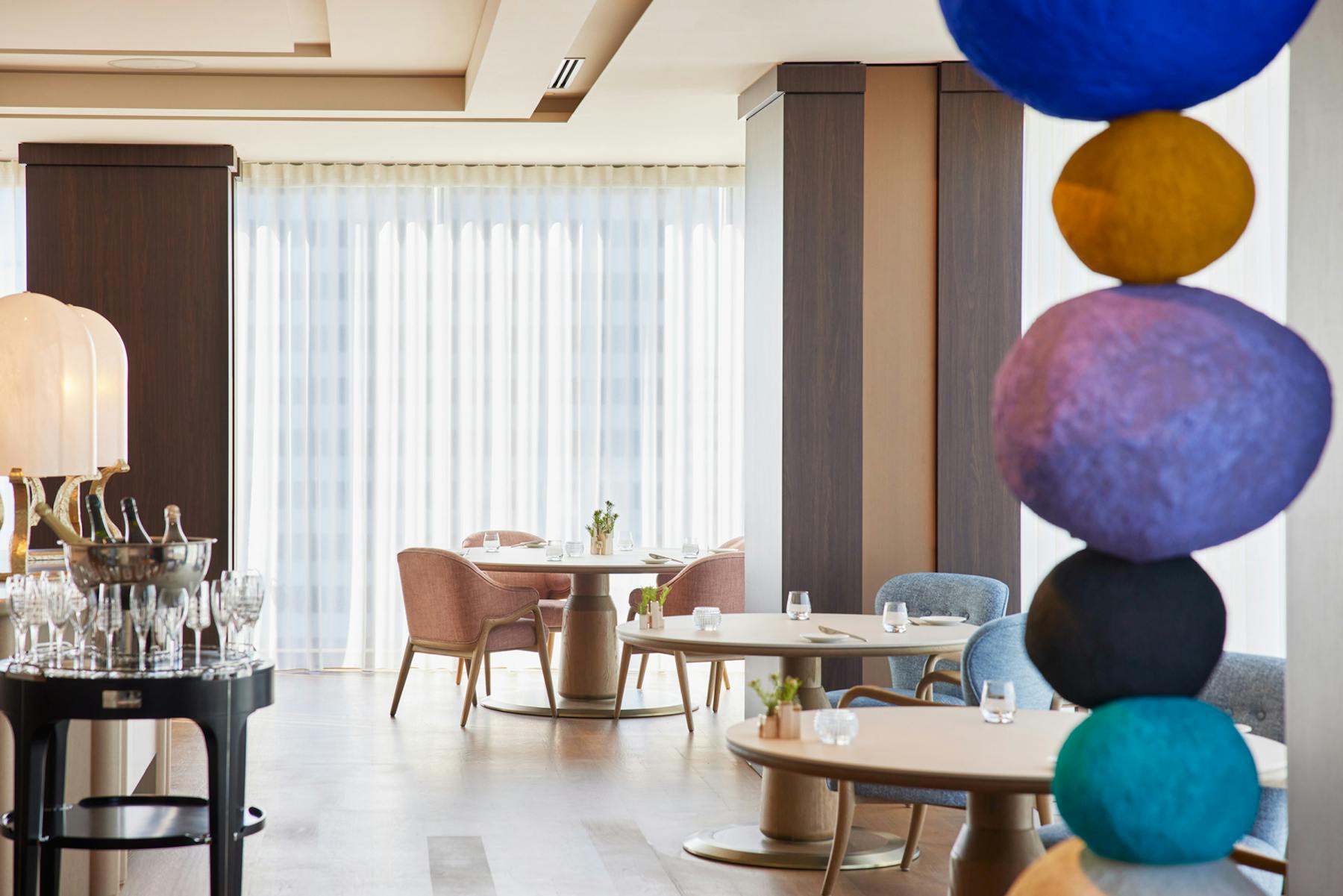
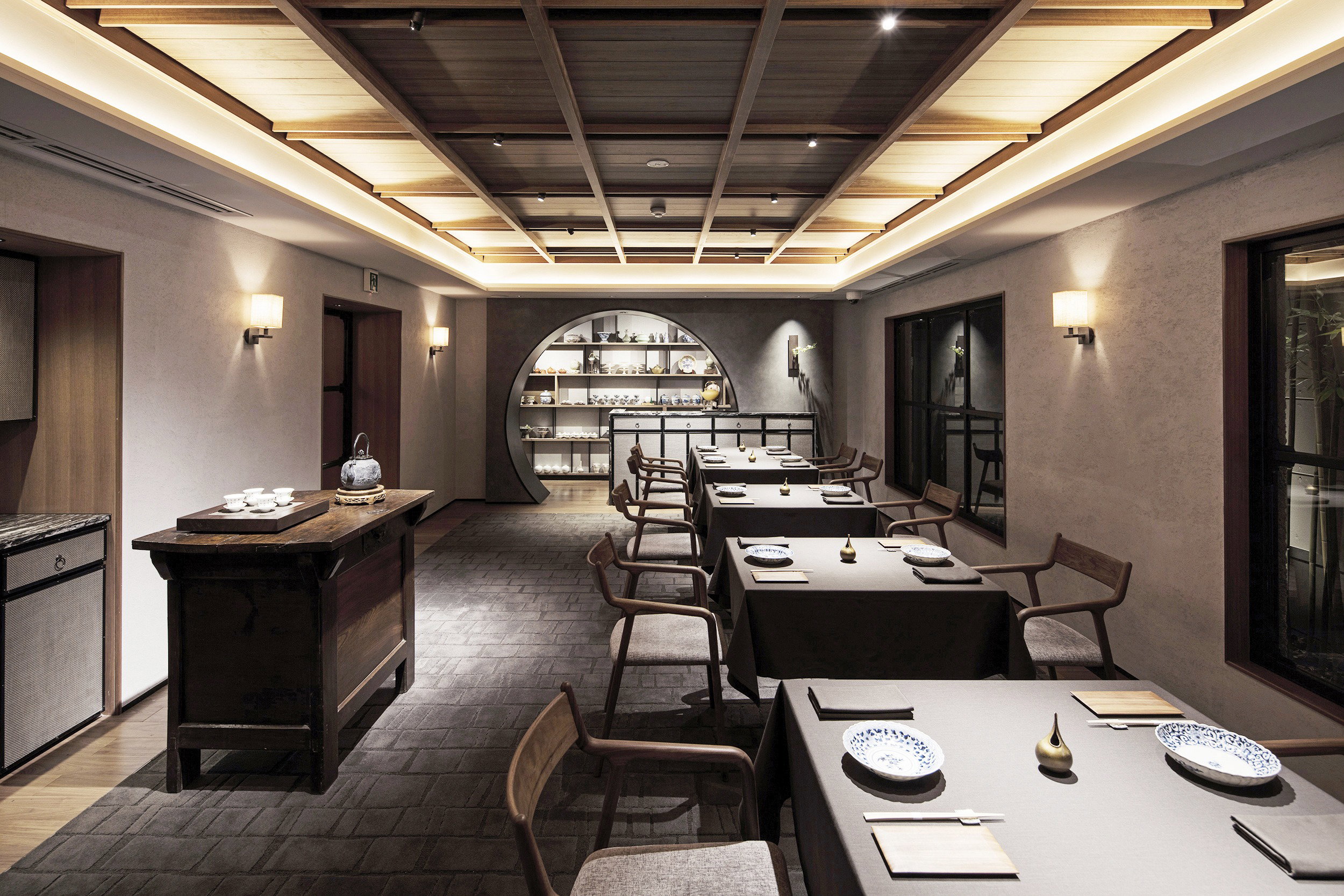
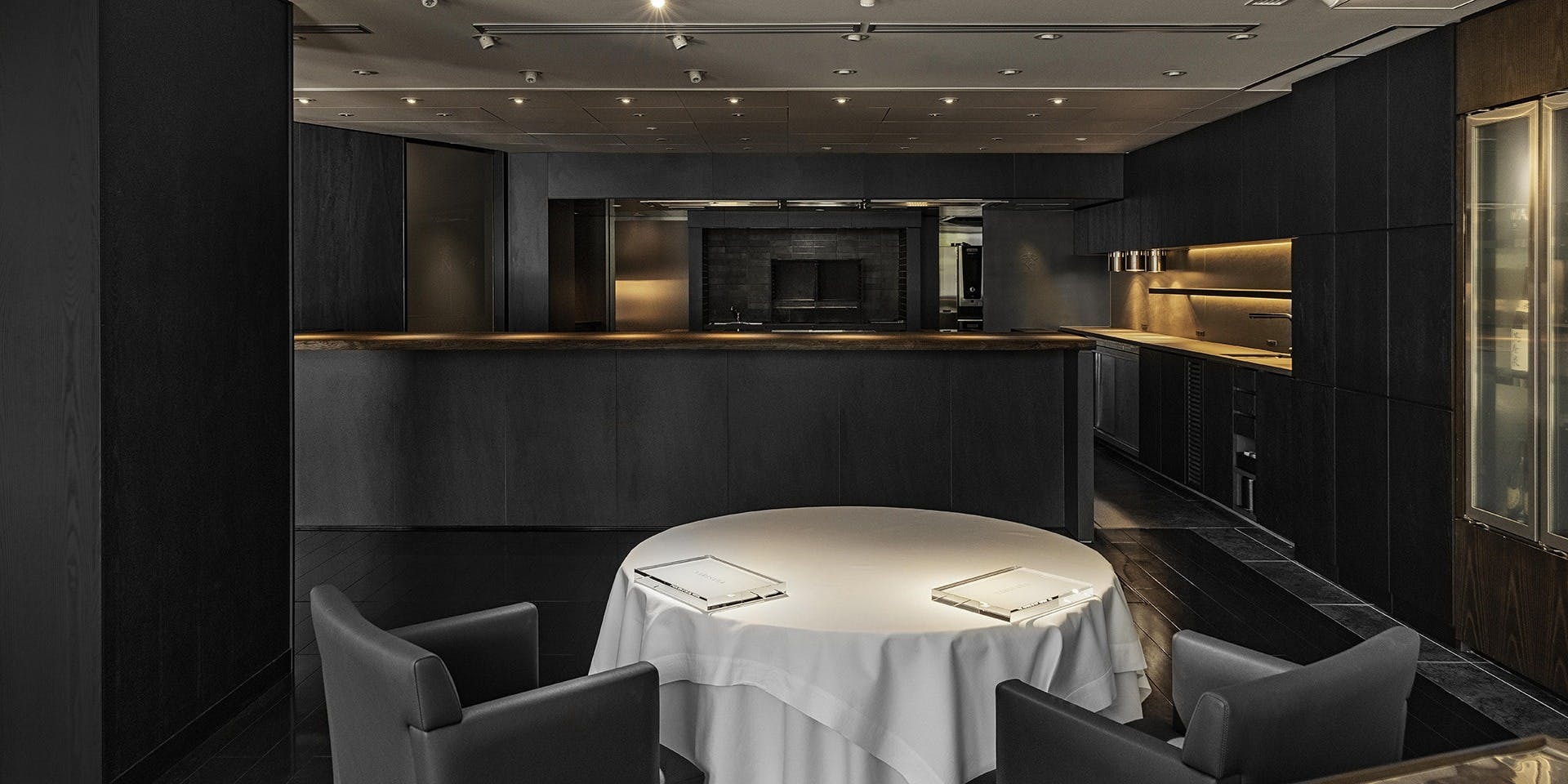
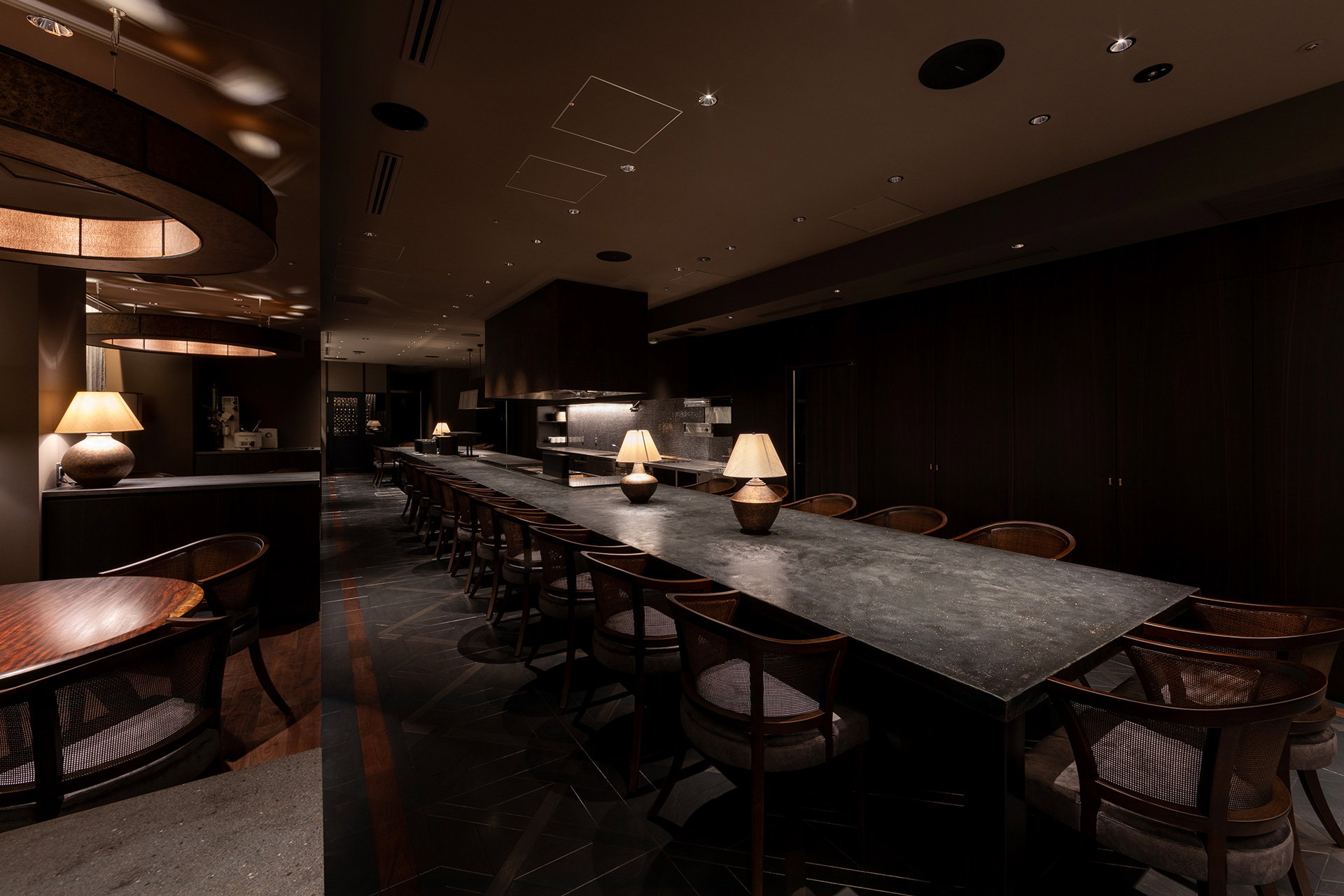
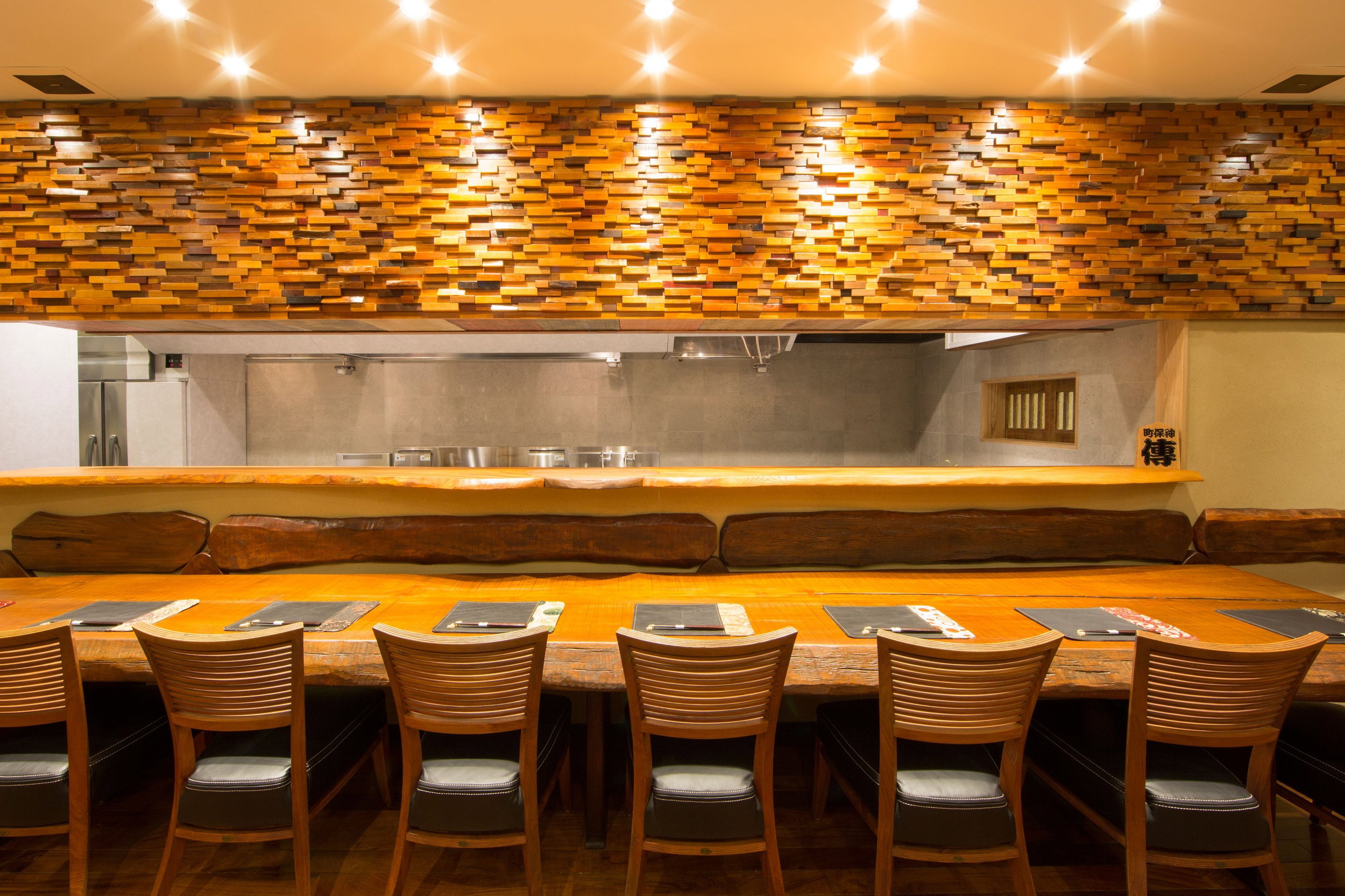
Kaiseki Ohara sits quietly in Arakicho, a low-rise, residential pocket of Shinjuku that feels intentionally removed from the city’s louder dining circuits. The restaurant is presented as a second-floor kaiseki counter where the work of the kitchen takes center stage; it reads like a practitioner’s room more than a spectacle. That low-profile presence, paired with Michelin Plate recognition and talk of disciplined cooking, creates a focused, classic kaiseki atmosphere — intimate and quietly refined, the sort of place where the cuisine and the counter dynamic define the mood rather than loud design or theatrical service.
Best For
This is a venue for diners who value focused, disciplined Japanese cuisine in a discreet setting. The Plate recognition and the description of serious, low-volume cooking suggest guests come for the quality and technique rather than a high-energy evening. The counter setting makes it especially well suited to those who enjoy chef-led presentations and direct attention at the bar; it reads as a place for considered meals and meaningful dining moments rather than casual or noisy group outings.
Ordering Tips
Expect a tightly controlled kaiseki experience at the counter: the description emphasizes a practitioner quietly doing their work and a small, satisfied review base, which together suggest limited seating and a set, kitchen-driven progression. Because the format centers on a counter service and disciplined cooking, guests should plan for an uninterrupted, course-driven meal and appreciate the attention to technique and seasonality implicit in the kaiseki tradition.
Venue details
Ambiance
Calming and relaxing with a cozy home-like atmosphere.
Tags
Vibe
Best For
Experience
At the Table
- Dress Code
- Smart Casual
- Noise Level
- Quiet
- Service Style
- Formal
- Meal Pacing
- Leisurely
- Capacity
- Intimate
Know before you go
Know Before You Go
- Getting there
- Japan, 〒160-0007 Tokyo, Shinjuku City, Arakicho, 1−2 「なかばやしビル 2F」
Planning details
Location
Japan, 〒160-0007 Tokyo, Shinjuku City, Arakicho, 1−2 「なかばやしビル 2F」 · Directions
Recognition and awards
Also consider
Also Consider
- Harutaka, Sushi, ¥¥¥¥
- RyuGin, Kaiseki, Japanese, ¥¥¥¥
- L'Effervescence, French, ¥¥¥¥
- HOMMAGE, Innovtive French, French, ¥¥¥¥
- Florilège, French, ¥¥¥
Restaurant context
How Kaiseki Ohara Compares
The most direct comparison is RyuGin, Tokyo's benchmark for contemporary kaiseki at the ¥¥¥¥ tier. RyuGin carries Michelin stars and the price and booking difficulty to match, expect to plan months in advance and pay significantly more per head. Kaiseki Ohara at ¥¥¥ with Easy booking difficulty is the right choice if you want a serious kaiseki format without committing your entire Tokyo dining budget or reservation runway to a single room. If technical ambition and prestige are your priorities and budget is secondary, RyuGin is the stronger call.
Against the French-leaning ¥¥¥¥ venues in this peer set, L'Effervescence, HOMMAGE, Kaiseki Ohara occupies a different format entirely. Those rooms serve diners whose Tokyo itinerary prioritises French technique in a Japanese context; Ohara is the choice when the kaiseki tradition itself is the point. At one price tier lower and with easier availability, Ohara also wins on accessibility for travellers with less lead time. Florilège matches Ohara on price tier (¥¥¥) but sits firmly in French cuisine, if you are deciding between the two, the question is simply whether you want Japanese or French that night, not which is better value.
Harutaka at ¥¥¥¥ is sushi rather than kaiseki, a different format with its own counter-dining logic. For a Tokyo itinerary that includes both a sushi counter and a kaiseki room, Harutaka and Kaiseki Ohara serve complementary nights rather than competing for the same slot. On pure value-for-money within the kaiseki format, Ohara's Michelin Plate credentials at ¥¥¥ with easy availability is the clearest recommendation in this peer group for travellers who haven't locked in reservations months in advance.
FAQ
- Is Kaiseki Ohara good for solo dining? Yes. Kaiseki rooms in Tokyo, particularly at the intimate neighbourhood scale that describes Arakicho's dining scene, regularly accommodate solo diners, and the counter or small-table format common to this style suits single visitors well. At ¥¥¥ in Tokyo, solo kaiseki is a reasonable spend for an explorer-minded diner who wants a full multi-course experience without coordinating a group. If solo counter dining in Tokyo is a priority, also consider Myojaku as a comparable neighbourhood option.
- How far ahead should I book Kaiseki Ohara? Booking difficulty is rated Easy, so 1 to 2 weeks ahead is typically sufficient for most time slots. That said, preferred evenings, particularly weekends, can fill faster, and travellers with fixed itinerary dates should book as soon as those dates are confirmed. This is a meaningful advantage over Tokyo's starred kaiseki rooms like RyuGin, where advance planning of several months is standard. The Michelin Plate recognition across 2024 and 2025 means demand is not zero, but the room has not yet crossed into the difficult-to-book tier.
Explore Tokyo
Around this place
Discover more on Pearl
Unlock the full Kaiseki Ohara guide in Pearl, including awards, comparisons, FAQs, planning details, and nearby places.
Compare Kaiseki Ohara
| Venue | Awards | Price |
|---|---|---|
| Kaiseki Ohara | 2025 Michelin Plate2024 Michelin Plate | ¥¥¥ |
| Harutaka | 2026 Tabelog Silver · #312026 OAD Top Restaurants in Japan Ranked · #1282026 Michelin 3 Stars2026 La Liste Top RestaurantsTabelog 100 - Sushi - TOKYO - 2025 · #372025 Asia's 50 Best Restaurants · #762025 OAD Top Restaurants in Japan Ranked · #1172025 La Liste Top Restaurants2025 Tabelog Bronze | ¥¥¥¥ |
| RyuGin | 2026 OAD Top Restaurants in Japan Ranked · #802026 Tabelog Bronze · #3772026 Michelin 3 Stars2026 La Liste Top RestaurantsTabelog 100 - Japanese cuisine - TOKYO - 2025 · #212025 OAD Top Restaurants in Japan Ranked · #542025 Michelin 3 Stars2025 La Liste Top Restaurants2025 The Best Chef Three Knives | ¥¥¥¥ |
| L'Effervescence | 2026 Tabelog Silver · #682026 OAD Top Restaurants in Japan Ranked · #103Star Wine Lists 20262026 Black Pearl 2 Diamond2026 Relais Chateaux Restaurants2026 La Liste Top Restaurants2026 Michelin 3 Stars2025 Asia's 50 Best Restaurants · #692025 OAD Top Restaurants in Japan Ranked · #92 | ¥¥¥¥ |
| HOMMAGE | 2026 Tabelog Bronze · #1232026 OAD Top Restaurants in Japan Highly Recommended2026 Michelin 2 StarsTabelog 100 - French - TOKYO - 2025 · #762025 Asia's 50 Best Restaurants · #782025 OAD Top Restaurants in Japan Ranked · #1752025 Michelin 2 Stars2025 The Best Chef One Knife2025 La Liste Top Restaurants | ¥¥¥¥ |
| Florilège | 2026 Asia's 50 Best Restaurants · #312026 Tabelog Bronze · #712026 OAD Top Restaurants in Japan Ranked · #1242026 Black Pearl 1 Diamond2026 Michelin 2 Stars2026 La Liste Top Restaurants2025 Asia's 50 Best Restaurants · #172025 World's 50 Best Restaurants · #36Tabelog 100 - French - TOKYO - 2025 · #68 | ¥¥¥ |













What to weigh when choosing between Kaiseki Ohara and alternatives.
FAQ
Frequently Asked Questions
Is Kaiseki Ohara good for solo dining?
Yes, and it is a stronger solo option than most kaiseki venues in Tokyo. The ¥¥¥ price tier keeps the bill manageable for one, and a counter-format kaiseki setting typically suits solo diners well. Its Michelin Plate recognition in both 2024 and 2025 confirms kitchen consistency, so you are not gambling on a one-off visit. If solo omakase dining is your goal, Kaiseki Ohara is one of the more accessible entry points in the Shinjuku area.
How far ahead should I book Kaiseki Ohara?
One to two weeks is enough in most cases — booking difficulty here is rated Easy, which is a genuine differentiator in Tokyo's kaiseki category where starred rooms often require months of lead time. That said, Friday and Saturday evenings at any Michelin-recognised venue fill faster, so push toward two weeks for weekend slots. At ¥¥¥ pricing, this is one of the few kaiseki spots in Tokyo where a last-minute decision has a realistic chance of working.
What is Kaiseki Ohara known for?
Kaiseki Ohara is primarily known for Japanese in Tokyo.
Where is Kaiseki Ohara located?
Kaiseki Ohara is located in Tokyo, at Japan, 〒160-0007 Tokyo, Shinjuku City, Arakicho, 1−2 「なかばやしビル 2F」.