.png?width=1200&quality=80)
Kagurazaka Marutomi
Japanese · Shinjuku, Tokyo
Restaurant in Tokyo, Japan
 Book with Pearl
The Read
Iwate Wagyu Lineage
Why go
A wagyu-specialist kaiseki restaurant in Kagurazaka with a menu that changes twice monthly, built around Iwate Prefecture beef sourced through chef Kenichi Onodera's family farming connections. Two consecutive Michelin Plates (2024–2025) and confirm consistent quality at ¥¥¥ — a recognised standard without the booking friction of Tokyo's starred rooms.
About Kagurazaka Marutomi
Verdict
The menu at Kagurazaka Marutomi changes twice a month. That's not a marketing detail — it's the reason to book here over a dozen comparable wagyu-forward restaurants in Tokyo. Each bi-monthly reset means the kitchen is working with whatever Iwate Prefecture is producing right now: seasonal wild plants, matsutake mushrooms when they're in, and a rotating cast of preparations across the char-grilled, fried, and sukiyaki formats. If you visited six months ago, you haven't seen the current menu. Come back.
At ¥¥¥, Marutomi sits a tier below the top-end kaiseki circuit, making it one of the more accessible entry points into serious wagyu dining in Kagurazaka. Two consecutive Michelin Plates (2024 and 2025) confirm it's operating at a recognised standard without the booking obstacle or the invoice shock of a starred room.
What Defines the Menu
The sourcing logic at Marutomi is more specific than most wagyu restaurants will tell you. Chef Kenichi Onodera named the restaurant after his grandfather's cattle farm, Marutomi, and his family ran a butcher's shop in Ichinoseki, in Iwate Prefecture. That regional commitment isn't sentiment; it's operational. The beef comes from a supply chain Onodera has known his whole life, which gives the kitchen an unusual degree of control over what it's working.
The result is a format that blends traditional multi-course kaiseki structure with beef as the central thread. Wagyu appears across cooking methods, char-grilled cuts, fried preparations, and sukiyaki built around seasonal foraged ingredients and matsutake mushrooms when the season allows. The menu's twice-monthly refresh means sourcing drives the calendar, not the other way around. That's a meaningfully different model from restaurants that fix a tasting menu and source to match it.
For a return visitor, this is the key question to ask yourself: what season are you going in? Autumn visits coincide with matsutake season, which elevates the sukiyaki course into something worth specifically timing a trip around. Spring brings edible wild plants onto the menu in greater variety. The menu structure doesn't change, but the ingredients do, and the difference is noticeable at the plate.
The Room and Setting
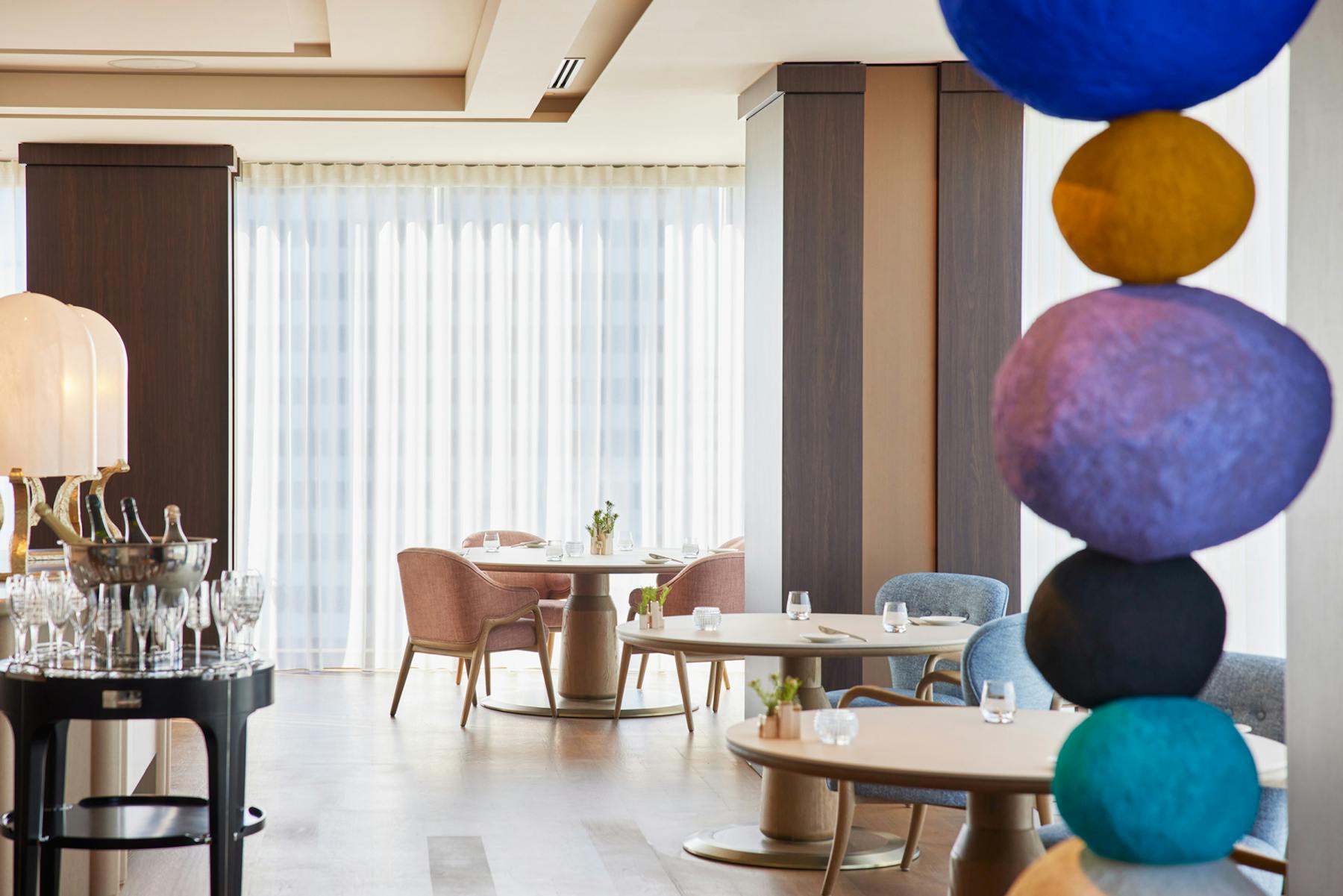
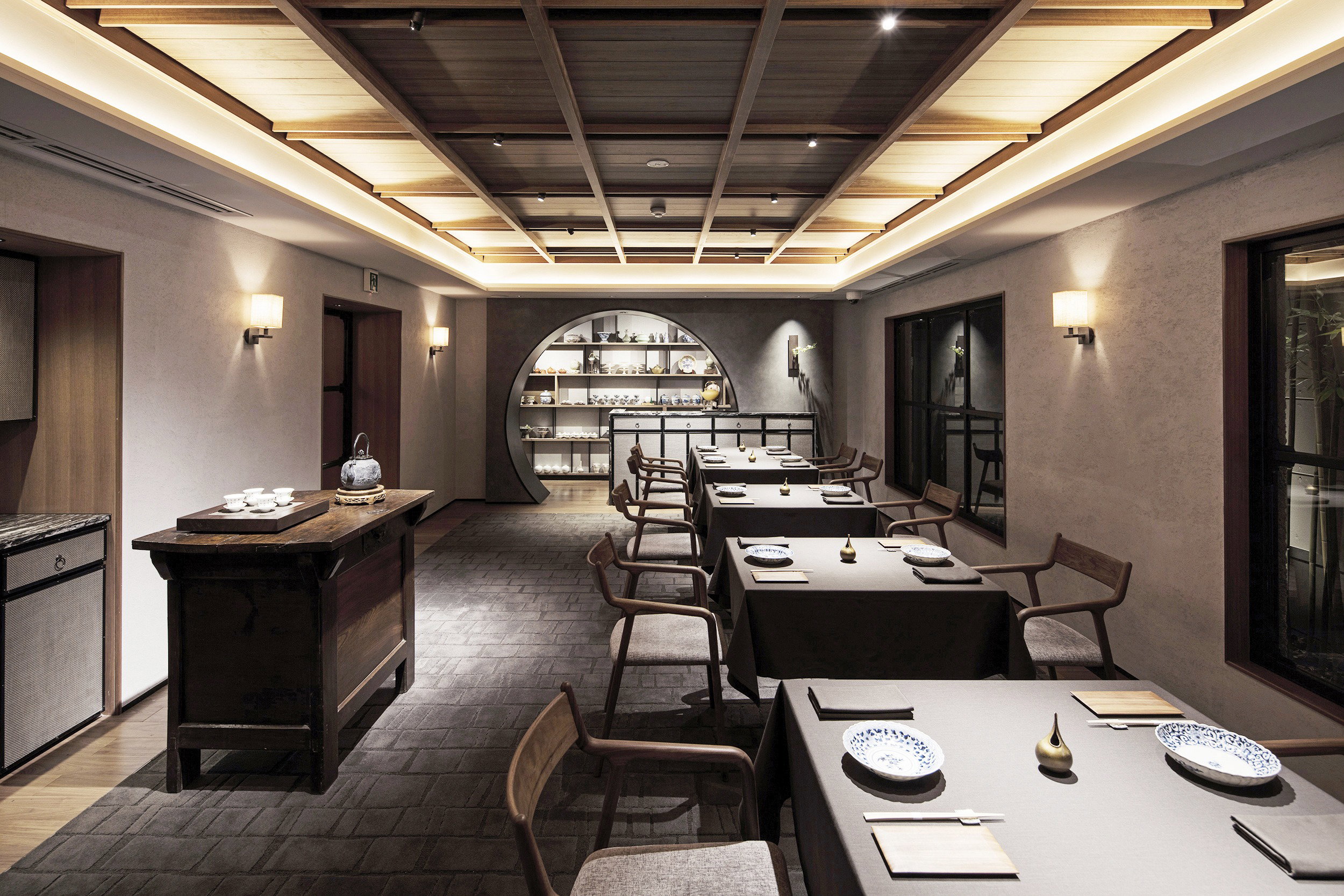
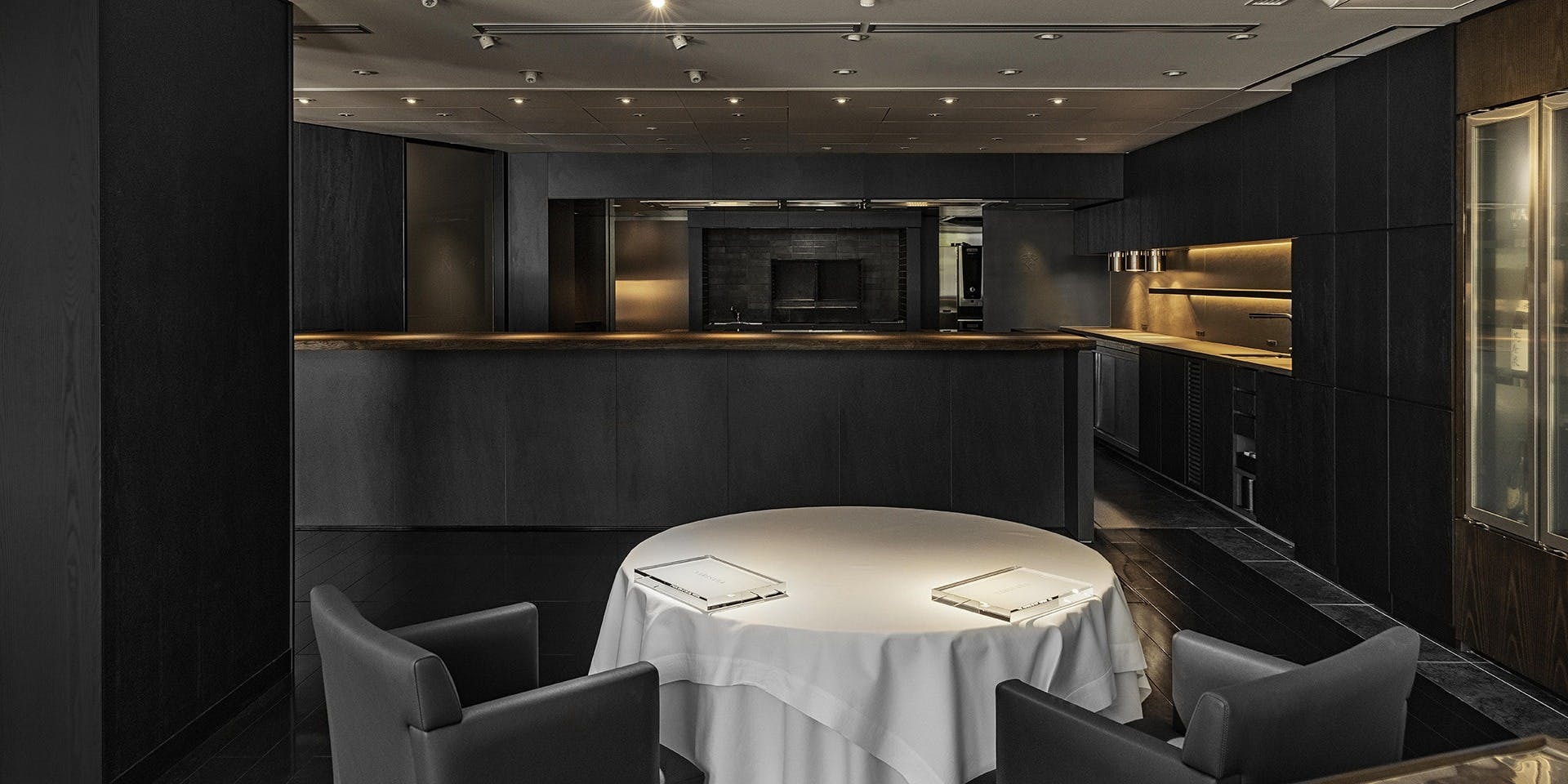
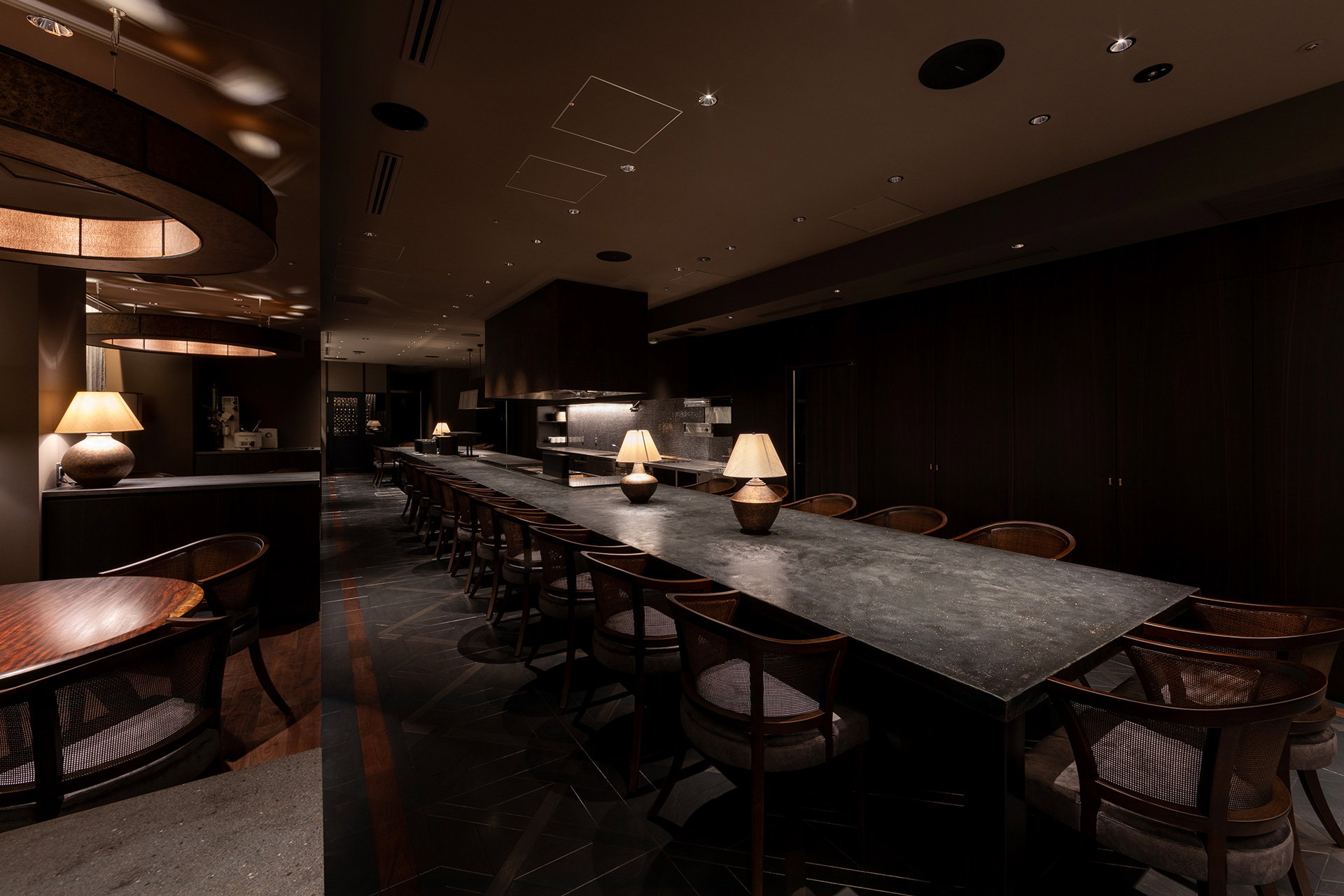
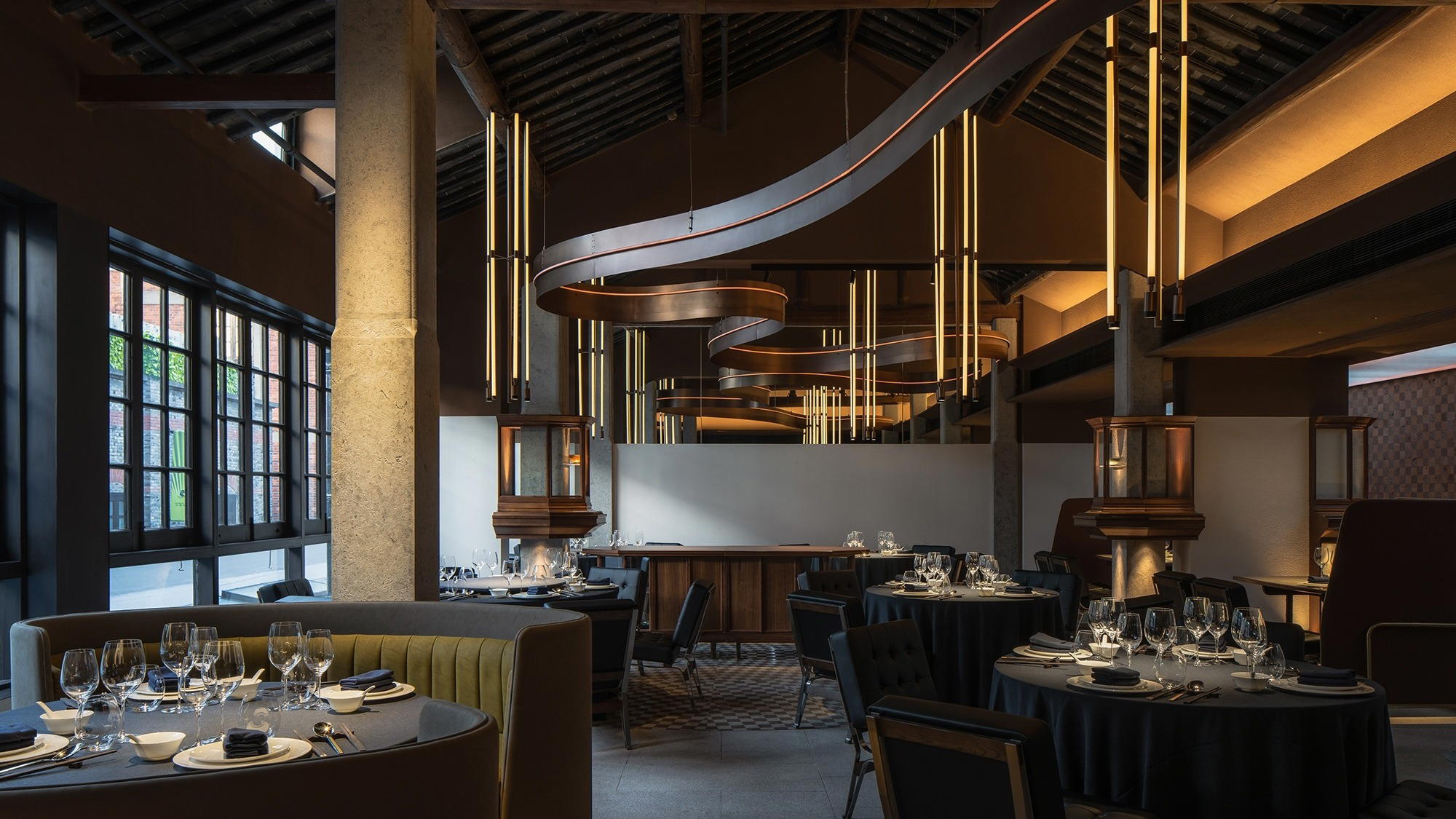
Kagurazaka is one of Tokyo's more visually distinct dining neighbourhoods, a former geisha district with narrow stone lanes and low-lit facades that give the area a different texture from Ginza or Roppongi. Marutomi is located in the Fukuromachi part of Shinjuku City, inside a residential-scale building (クレール神楽坂 14). The setting is quiet and deliberately low-key for a restaurant at this recognition level, which is consistent with the neighbourhood's character. You're not arriving into a designed spectacle; the room is the backdrop, and the food is the focus.
For a first-time visitor to Kagurazaka, the neighbourhood itself warrants arriving early. The streets around the restaurant are worth walking before your reservation. For regulars comparing Marutomi's setting to comparable venues: it's closer in feel to Kagurazaka Ishikawa or Myojaku in its restraint than to the louder design statements you'll find further south in the city.
How It Fits the Tokyo Circuit
If you're building a multi-day Tokyo itinerary around serious Japanese dining, Marutomi fills a specific gap: a wagyu-specialist kaiseki format at a price point that doesn't require the weeks-out booking discipline of the starred tier. It pairs naturally with a sushi night at a counter venue and a lighter lunch, rather than competing with a full kaiseki experience at somewhere like Azabu Kadowaki or Ginza Fukuju.
For visitors extending the trip to other cities: Gion Sasaki in Kyoto and Kashiwaya Osaka Senriyama offer kaiseki comparisons in different regional registers, while HAJIME in Osaka is the logical next step if you want a more technically ambitious multi-course experience. Within Tokyo, Jingumae Higuchi is worth knowing as a further reference point in the Japanese fine dining tier.
See our full Tokyo restaurants guide for the broader picture, alongside our Tokyo hotels guide, bars guide, wineries guide, and experiences guide for planning context. Further afield: akordu in Nara, Goh in Fukuoka, 1000 in Yokohama, 6 in Okinawa, and Isshisoden Nakamura in Kyoto round out the Japan fine dining map worth tracking.
Booking and Practical Notes
Booking difficulty is rated Easy, which is relatively uncommon for a Michelin-recognised wagyu specialist in central Tokyo. That's useful information: you don't need to plan weeks ahead, but the twice-monthly menu change means it's worth being intentional about when you go rather than defaulting to whatever date is available. Autumn is the season to prioritise if your schedule allows.
Phone and website details are not confirmed in our current data, verify booking channels directly. Kagurazaka is served by the Touzai Line (Kagurazaka Station) and is walkable from Iidabashi on the JR and subway lines.
Quick reference:
Planning details
- Location
- Japan, 〒162-0828 Tokyo, Shinjuku City, Fukuromachi, 3 Chome−3−4 クレール神楽坂 14
- Website
- gd4e801.gorp.jp
- Phone
- +81 50-5487-6566
The take
The Take
The Vibe
Marutomi takes a classic, ingredient-driven approach anchored in family history and regional provenance. The restaurant centers an Iwate-wagyu narrative—its name references the owner’s grandfather’s cattle farm and a butcher’s lineage—then expresses that lineage through a seasonally disciplined multi-course structure. The feel is quietly assured rather than showy: the cooking privileges precision and the logic of a single ingredient, and Michelin recognition underscores the kitchen’s exacting standards. Set in Kagurazaka, where old-Edo atmosphere meets contemporary dining, Marutomi reads as a refined, charming spot for diners who appreciate focused techniques and the slow reveal of a thoughtfully ordered progression of courses.
Best For
Marutomi is best approached as an evening destination for diners who want a considered multi-course experience built around Iwate wagyu. The restaurant’s kaiseki-style sequencing and Michelin Plate credentials make it a natural choice for special occasions and date nights, when guests are prepared to savor several courses that spotlight beef alongside seasonal pairings. This is not a casual sushi stop or quick yakiniku; it is a specialist, tasting-driven meal that rewards attention to detail and an appetite for ingredient specificity, so plan to visit for dinner when the kitchen is presenting its fullest expression.
Ordering Tips
Opt into the multi-course, seasonally driven menu: the kitchen’s work is expressly organized around Iwate wagyu and the seasonal discipline of kaiseki, so you get the clearest sense of the restaurant’s strengths by choosing the curated progression. Prioritize dishes that reference the wagyu provenance—many plates are designed to show contrasts in texture and seasoning against that beef. Given the focused nature of the menu and the restaurant’s recognition, allow the kitchen’s sequence to guide you rather than assembling à la carte components.
Venue details
Ambiance
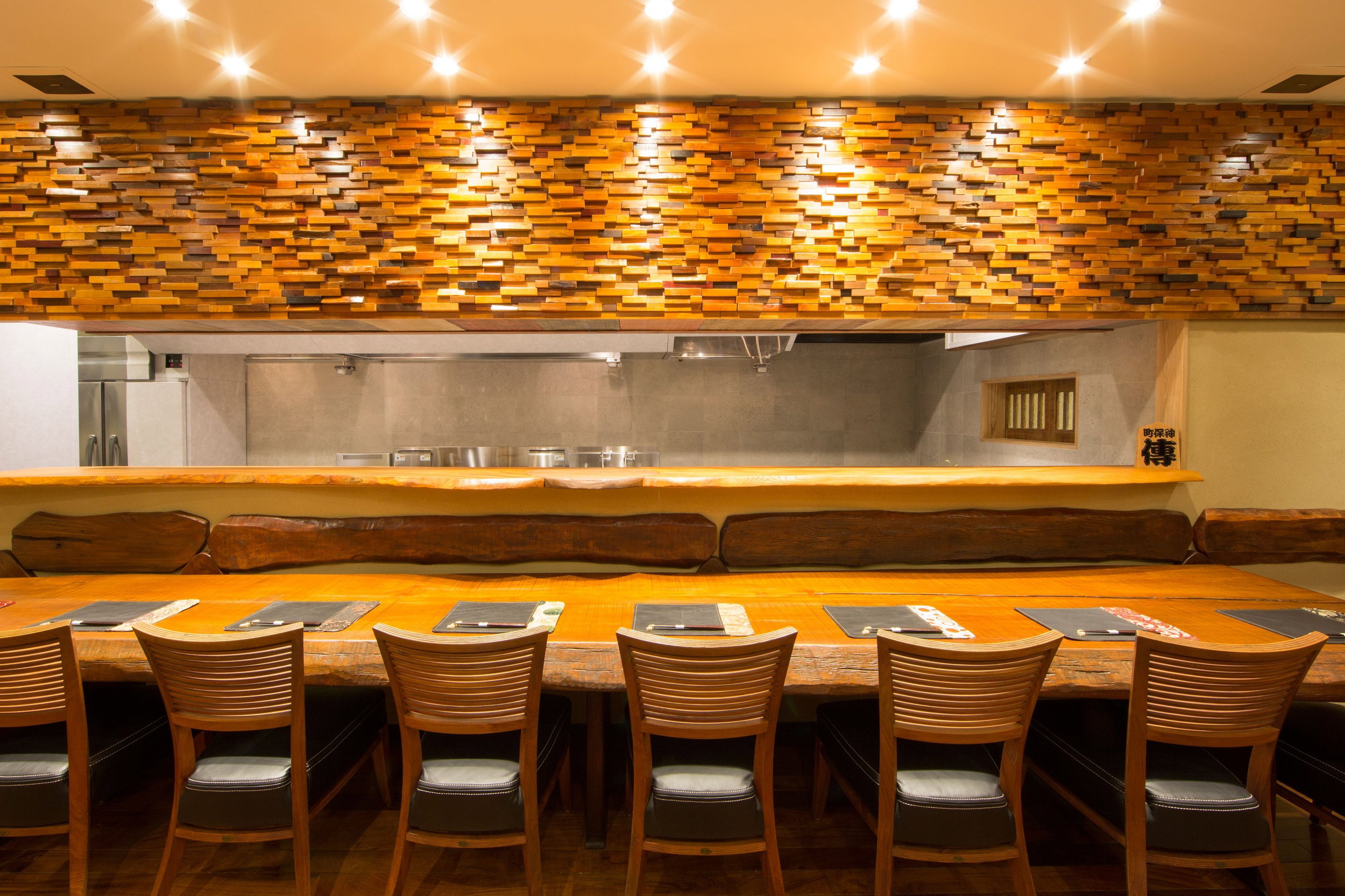
Traditional Japanese setting with stylish, relaxing space, private rooms, and counter seating that evokes seasonal breath and refined intimacy.
Tags
Vibe
Best For
Experience
At the Table
- Noise Level
- Quiet
- Service Style
- Formal
- Meal Pacing
- Leisurely
- Capacity
- Intimate
- Kitchen
- Traditional
- Menu Format
- Omakase
- Wine Program
- Curated
- Private Dining
- Available
Know before you go
Know Before You Go
- Getting there
- Japan, 〒162-0828 Tokyo, Shinjuku City, Fukuromachi, 3 Chome−3−4 クレール神楽坂 14
Planning details
Location
Japan, 〒162-0828 Tokyo, Shinjuku City, Fukuromachi, 3 Chome−3−4 クレール神楽坂 14 · Directions
Recognition and awards
Also consider
Also Consider
- Harutaka, Sushi, ¥¥¥¥
- RyuGin, Kaiseki, Japanese, ¥¥¥¥
- L'Effervescence, French, ¥¥¥¥
- HOMMAGE, Innovtive French, French, ¥¥¥¥
- Florilège, French, ¥¥¥
Restaurant context
Kagurazaka Marutomi sits at ¥¥¥ in a field where most of its serious competition operates at ¥¥¥¥. That price differential matters when you're comparing it to kaiseki rooms like RyuGin, where the technical ambition is higher but so is the cost and the booking difficulty. Marutomi's case isn't that it matches RyuGin on technical range, it doesn't try to. Its case is that the wagyu sourcing model is more specific and traceable than almost anything at a comparable price, and the twice-monthly menu rotation keeps return visits genuinely different. For a first dinner in Tokyo's Japanese fine dining tier, Marutomi is the lower-friction entry point with a real point of view.
Against the French alternatives in the comparison set, the decision comes down to format preference. Florilège at ¥¥¥ is the closest price peer, and it's the better choice if French technique and a more theatrical dining room matter to you. L'Effervescence and HOMMAGE both operate at ¥¥¥¥ and are stronger picks if you want French cooking at the upper end of Tokyo's range. Marutomi wins on ingredient specificity and the wagyu-through-every-course format, it's a clearer, more singular experience than a French tasting menu for a visitor who wants to eat Japanese.
For sushi specifically, Harutaka at ¥¥¥¥ is in a different category entirely and shouldn't be compared directly. Book Marutomi when wagyu kaiseki is the goal; book Harutaka when omakase sushi is the priority. If your Tokyo schedule allows for both, they complement each other well across two evenings, different formats, different proteins, and no overlap in what they're doing.
Explore Tokyo
Around this place
Discover more on Pearl
Unlock the full Kagurazaka Marutomi guide in Pearl, including awards, comparisons, FAQs, planning details, and nearby places.
Compare Kagurazaka Marutomi
| Venue | Cuisine | Price | Booking Difficulty | Awards |
|---|---|---|---|---|
| Kagurazaka Marutomi | Japanese | ¥¥¥ | Easy | 2026 Michelin Plate2025 Michelin Plate2024 Michelin Plate |
| Harutaka | Sushi | ¥¥¥¥ | Unknown | 2026 Tabelog Silver · #312026 OAD Top Restaurants in Japan Ranked · #1282026 Michelin 3 Stars2026 La Liste Top RestaurantsTabelog 100 - Sushi - TOKYO - 2025 · #372025 Asia's 50 Best Restaurants · #762025 OAD Top Restaurants in Japan Ranked · #1172025 La Liste Top Restaurants2025 Tabelog Bronze |
| RyuGin | Kaiseki, Japanese | ¥¥¥¥ | Unknown | 2026 OAD Top Restaurants in Japan Ranked · #802026 Tabelog Bronze · #3772026 Michelin 3 Stars2026 La Liste Top RestaurantsTabelog 100 - Japanese cuisine - TOKYO - 2025 · #212025 OAD Top Restaurants in Japan Ranked · #542025 Michelin 3 Stars2025 La Liste Top Restaurants2025 The Best Chef Three Knives |
| L'Effervescence | French | ¥¥¥¥ | Unknown | 2026 Tabelog Silver · #682026 OAD Top Restaurants in Japan Ranked · #103Star Wine Lists 20262026 Black Pearl 2 Diamond2026 Relais Chateaux Restaurants2026 La Liste Top Restaurants2026 Michelin 3 Stars2025 Asia's 50 Best Restaurants · #692025 OAD Top Restaurants in Japan Ranked · #92 |
| HOMMAGE | Innovtive French, French | ¥¥¥¥ | Unknown | 2026 Tabelog Bronze · #1232026 OAD Top Restaurants in Japan Highly Recommended2026 Michelin 2 StarsTabelog 100 - French - TOKYO - 2025 · #762025 Asia's 50 Best Restaurants · #782025 OAD Top Restaurants in Japan Ranked · #1752025 Michelin 2 Stars2025 The Best Chef One Knife2025 La Liste Top Restaurants |
| Florilège | French | ¥¥¥ | Unknown | 2026 Asia's 50 Best Restaurants · #312026 Tabelog Bronze · #712026 OAD Top Restaurants in Japan Ranked · #1242026 Black Pearl 1 Diamond2026 Michelin 2 Stars2026 La Liste Top Restaurants2025 Asia's 50 Best Restaurants · #172025 World's 50 Best Restaurants · #36Tabelog 100 - French - TOKYO - 2025 · #68 |













Side-by-side comparison to help you decide where to book.
FAQ
Frequently Asked Questions
What should a first-timer know about Kagurazaka Marutomi?
The menu changes twice a month, so what you eat depends heavily on when you visit. The format is a traditional multi-course meal built around wagyu from Iwate Prefecture, with char-grilled, fried, and sukiyaki preparations alongside seasonal ingredients like matsutake mushrooms and edible wild plants. Booking is rated Easy for a Michelin Plate-recognised wagyu specialist in central Tokyo, so you don't need to plan months ahead. Come expecting a kaiseki-style structure, not a à la carte steakhouse.
Can I eat at the bar at Kagurazaka Marutomi?
No bar seating is documented for Marutomi in available venue data. The restaurant operates a set multi-course format rather than a casual counter-dining setup, so walk-in bar dining is not the model here. If counter-style wagyu dining is the priority, that's a different category of Tokyo restaurant.
Is the tasting menu worth it at Kagurazaka Marutomi?
At the ¥¥¥ price tier and with a Michelin Plate in both 2024 and 2025, Marutomi is priced competitively for what it offers: a sourcing-specific wagyu kaiseki from a chef whose family background in Iwate cattle farming is the actual foundation of the menu, not a marketing overlay. The twice-monthly menu rotation means the kitchen is working with genuinely seasonal ingredients rather than a fixed set-piece. For wagyu within a structured multi-course format, the value case is solid.
What are alternatives to Kagurazaka Marutomi in Tokyo?
For Japanese fine dining at a higher price ceiling, RyuGin and Harutaka operate in a different tier of ambition and commitment. Florilège and L'Effervescence are better comparisons if French-inflected tasting menus are on the table rather than wagyu-led kaiseki. HOMMAGE sits closer in spirit to Marutomi's format. Marutomi's specific advantage is the Iwate wagyu provenance and the bimonthly menu rotation, which most Tokyo wagyu restaurants at this price level don't match.
Is Kagurazaka Marutomi worth the price?
At ¥¥¥, Marutomi holds a Michelin Plate for two consecutive years — recognition that marks it as a serious restaurant without reaching the price pressure of Michelin-starred options. The sourcing story is genuine: Chef Kenichi Onodera named the restaurant after his grandfather's cattle farm and focuses on wagyu from Iwate Prefecture, which is a specific and verifiable culinary position. If you want wagyu in a kaiseki format with clear provenance and a menu that changes with the season, this is a reasonable spend. If you want à la carte flexibility or a steakhouse format, look elsewhere.