.png?width=1200&quality=80)
Kabukizaura Masashi
Japanese · Chūō, Tokyo
Restaurant in Tokyo, Japan
 Book with Pearl
The Read
Kabuki-Quarter Cross-Cultural Omakase
Price
$100–150per person
Dress
Smart Casual
Why go
A Michelin Guide-listed omakase behind Ginza's Kabukiza Theatre, Kabukizaura Masashi delivers a personal, owner-led counter experience at the ¥¥¥ tier. The format blends nigiri, tempura, and a standout baked gyoza rooted in the chef's Chinese cooking background. Booking is easy by Tokyo standards, making this a strong call for solo diners and explorers who want depth without the multi-month reservation wait.
About Kabukizaura Masashi
Verdict: Book It for a Different Kind of Tokyo Omakase
Imagine stepping out of the Kabukiza Theatre on a Ginza evening, the neighbourhood still humming, and finding yourself at a counter where the chef greets you like a regular and the proprietress is already considering which drink will suit your mood. That is the proposition at Kabukizaura Masashi: a Michelin Plate-recognised omakase in the heart of Ginza (4 Chome-11-9 Ginza, Chuo City) that trades the reverent silence of a high-ceremony kaiseki for something warmer, more personal, and considerably easier on the wallet at the ¥¥¥ price tier. If you want technical rigour wrapped in genuine hospitality rather than cool precision, book this.
The Experience: What You Are Actually Booking
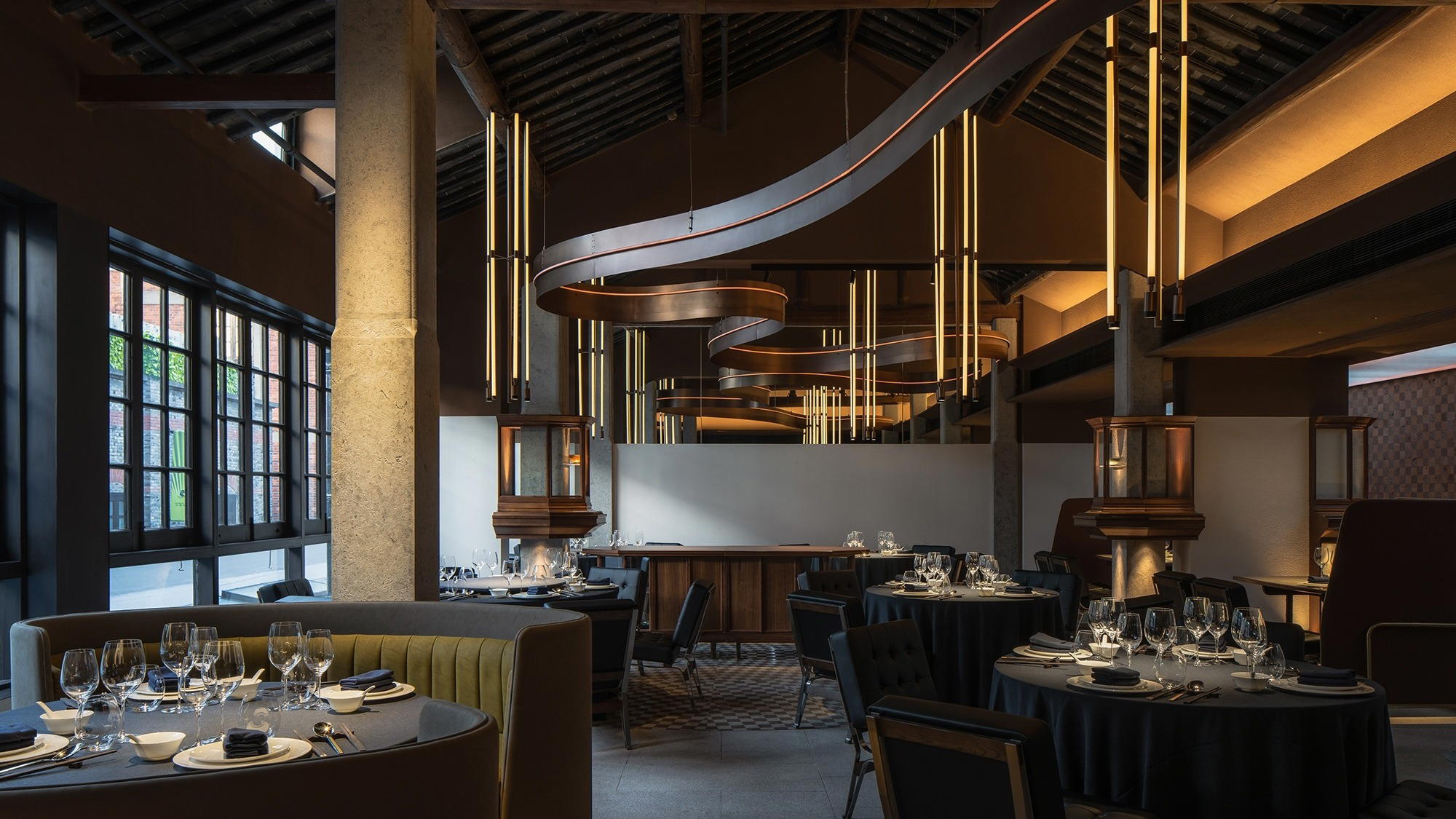
The room announces itself immediately through colour. The walls carry a tableau rendered in kumadori, the bold shaded makeup of kabuki performance, depicting faces and scenes that trace humanity's relationship with food from past to future. It is a considered visual programme, not decorative wallpaper, and it sets the tone for a dining room that takes its ideas seriously while refusing to take itself too seriously. The atmosphere sits at a comfortable midpoint between intimate and animated: expect a room with personality and audible conversation, not the hush of a three-Michelin-starred temple.
The omakase format at Kabukizaura Masashi is structured to move through contrasting textures rather than a single continuous register. Two pieces of nigiri anchor the meal, paired with two preparations that exploit entirely different cooking methods: tempura for its clean, grease-free crunch, and a deep-fried item for richer, heavier texture. The pivot point that most distinguishes this kitchen from the standard Tokyo omakase is the baked gyoza, where the chef's background in Chinese cooking surfaces with real clarity. This is not a fusion gesture; it is the kind of technical cross-pollination that only works when someone has genuinely cooked in both traditions. For explorers who want a meal that makes an argument rather than just executes a format, that gyoza course is the reason to come.
Drink pairing is an area where the proprietress's guidance is the practical advice you should follow, not a suggestion to ignore. Rather than ordering independently, let her steer the pairings. This is the most efficient way to get full value from the visit, particularly if your knowledge of Japanese sake, shochu, or wine pairings with this style of cooking is less developed than your interest in it.
Timing: When to Go
Ginza operates on weekday energy. The neighbourhood draws office professionals and theatre-goers midweek, and the dynamic around Kabukizaura Masashi will reflect that. For the most focused, unhurried version of the experience, a midweek dinner on a Tuesday or Wednesday is the practical call: fewer post-performance rush arrivals from the adjacent Kabukiza Theatre, and a room that settles into its own rhythm. If your Tokyo itinerary is theatre-forward and you want to combine both in one evening, the proximity is a genuine advantage. Weekend dinner in Ginza carries more ambient energy; the meal itself does not change, but the surrounding neighbourhood will.
Group and Solo Dining: What Works
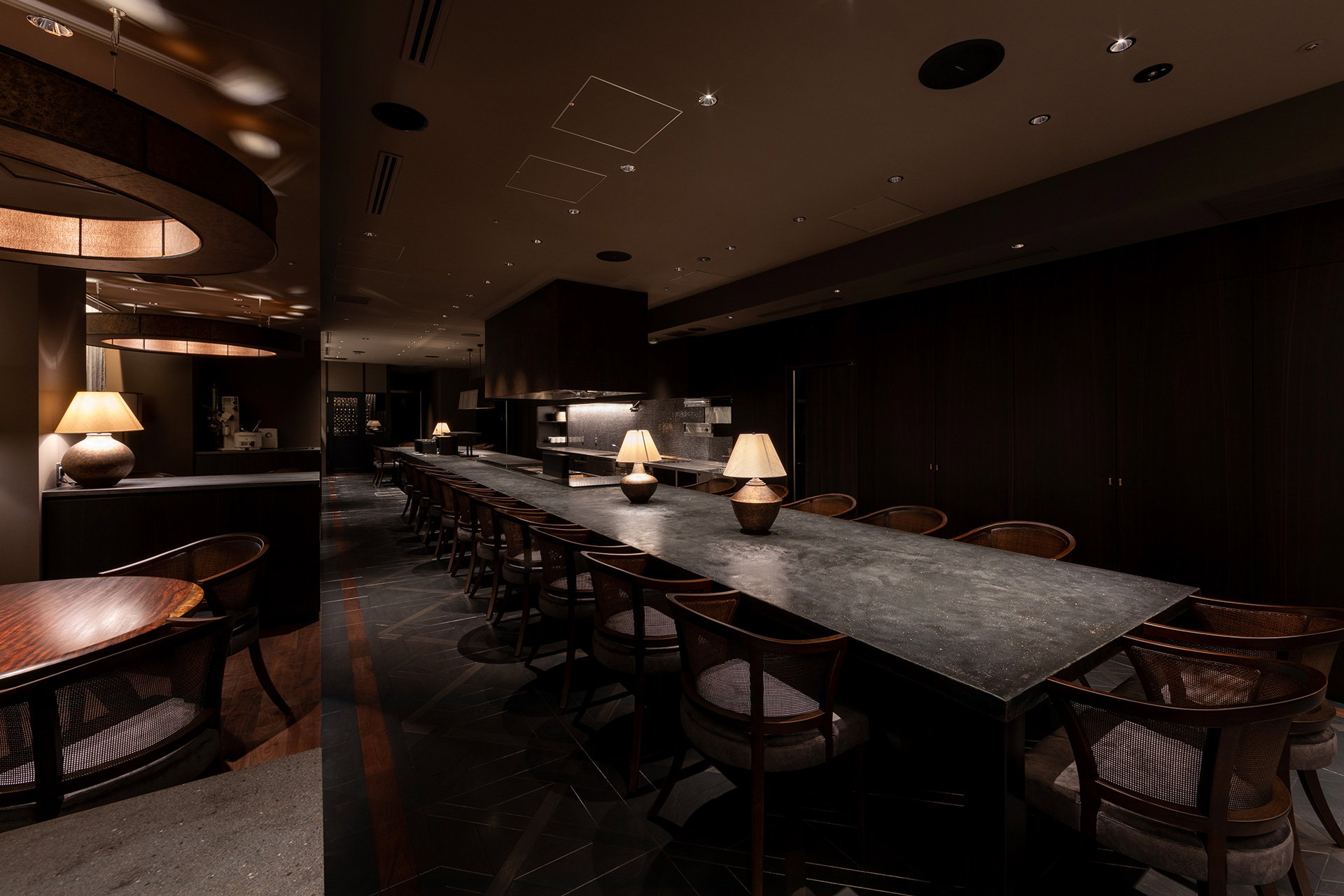
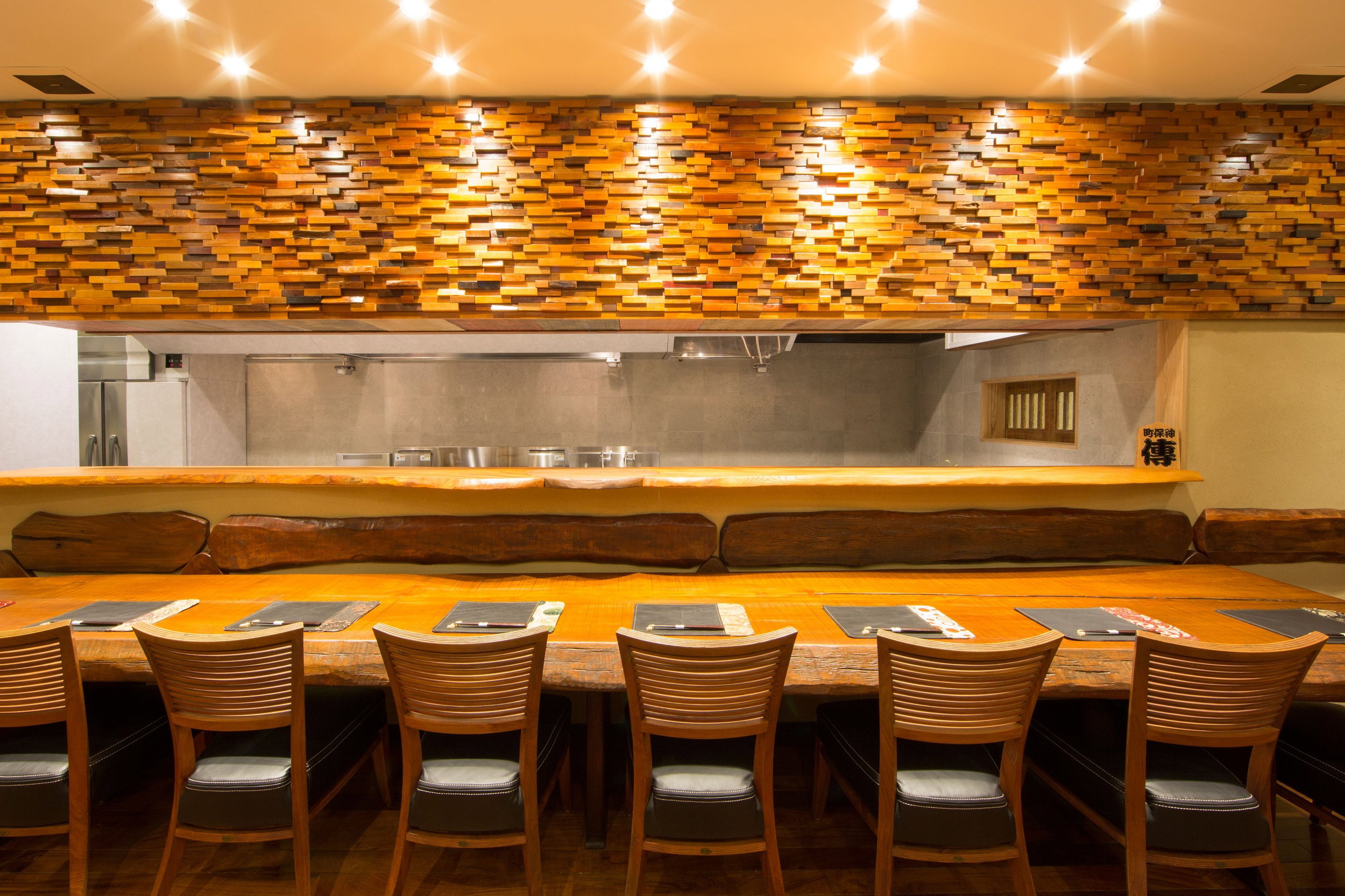
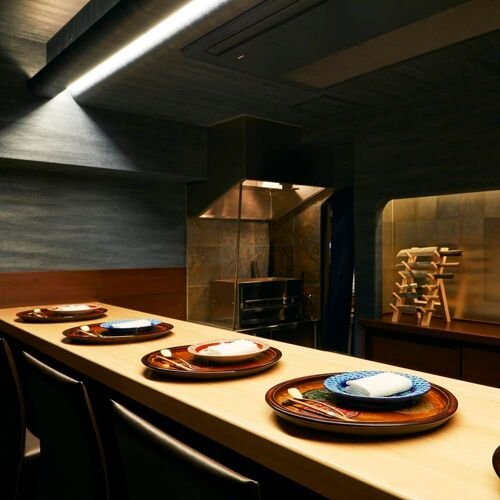
Counter dining at this scale works particularly well for solo travellers and pairs. The open-kitchen format, where the chef works in view and the proprietress manages the room, creates a natural arc of conversation and interaction that makes solo dining here less isolating than a larger, more anonymous restaurant. The drink pairing guidance from the proprietress is especially valuable when dining alone, since she can pace the selection with a single guest in mind. For groups, the question is whether the venue's capacity and format accommodate larger parties without fragmenting the experience. Seat count is not confirmed in available data, so if you are planning for four or more, contact the venue directly to confirm arrangements before booking. Unlike the private dining rooms that anchor experiences at venues such as Azabu Kadowaki or Kagurazaka Ishikawa, Kabukizaura Masashi's appeal is built around the shared counter and owner presence, so groups seeking a separated private room experience should factor that in.
Booking: How to Secure a Table
Booking difficulty is rated Easy, which is a meaningful differentiator in a city where the leading omakase counters require weeks or months of planning. This is one of the practical advantages of the ¥¥¥ price point in Ginza: strong quality credentials without the booking logistics of a Harutaka or a kaiseki destination like RyuGin. Booking a week to ten days out should be sufficient for most dates; for weekend evenings or specific dates aligned with Kabukiza Theatre programming, give yourself a little more lead time. Phone and website details are not confirmed in our current data, so approach the booking through your hotel concierge or a Japan restaurant reservation service if direct contact proves difficult.
How It Compares
See the comparison section below for a direct read against Tokyo's peer venues at different price tiers.
Pearl Picks: More to Explore
If the Ginza-area Japanese dining scene interests you, Ginza Fukuju and Myojaku are both worth cross-referencing before you finalise your Tokyo restaurant itinerary. For a different neighbourhood register, Jingumae Higuchi offers a contrast in setting and style. Outside Tokyo, the same instinct for personal, owner-led Japanese dining is well represented at Gion Sasaki in Kyoto and Isshisoden Nakamura in Kyoto, while Kashiwaya Osaka Senriyama in Osaka and HAJIME in Osaka cover the upper tier of the Kansai region. For a broader view of where to eat and stay while planning your trip, our full Tokyo restaurants guide, full Tokyo hotels guide, and full Tokyo bars guide are the practical starting points. If you are extending beyond the capital, akordu in Nara, Goh in Fukuoka, 1000 in Yokohama, and 6 in Okinawa are all on our radar. Our full Tokyo experiences guide and full Tokyo wineries guide round out the broader picture.
Planning details
- Location
- 4 Chome-11-9 Ginza, Chuo City, Tokyo 104-0061, Japan
- Reservations
- Book on Omakase
- Website
- facebook.com/%E6%AD%8C%E8%88%9E%E4%BC%8E%E5%BA%A7%E8%A3%8F-%E3%81%BE%E3%81%95%E3%81%97-706284029774720
- Phone
- +81 80-2071-0902
The take
The Take
The Vibe
Kabukizaura Masashi reads like a theatrical aside tucked into Ginza’s dense dining fabric. The room foregrounds colour and narrative where many neighbours favour material restraint; kumadori faces and artwork reference kabuki makeup and create a playful, intentional personality. It balances that theatricality with the discipline of a counter-based omakase service, so the playfulness never feels frivolous. The space feels composed rather than flashy—a place that signals cultural reference and quiet confidence. Overall it leans historic in its nods to kabuki while maintaining a charming, focused dining room that rewards attention to both food and context.
Best For
This is a restaurant built around an omakase counter and a set-menu structure, best experienced at dinner when the kitchen runs its sequence. Located directly behind the Kabukiza theatre, Kabukizaura Masashi naturally attracts diners tied to evening performances as well as locals seeking a serious but more accessible omakase than three-star counters. It suits couples and small groups celebrating an occasion or looking for a composed, intimate meal before or after a show. Expect a structured, multi-course progression rather than à la carte options; the room’s tone and placement make it particularly suited to pre-theatre and evening dining.
Ordering Tips
The venue operates as an omakase counter, so the primary ordering choice is to take the set sequence as presented by the kitchen. The description frames the restaurant as a more accessible but still structured alternative to top-tier three-Michelin-star counters, so diners should anticipate a tightly controlled, multi-course meal rather than casual sharing plates. Given the theatre-adjacent location and the emphasis on a single-format service, plan for an evening reservation and commit to the counter experience to get the full sense of the room’s point of view and the kitchen’s sequence.
Venue details
Ambiance
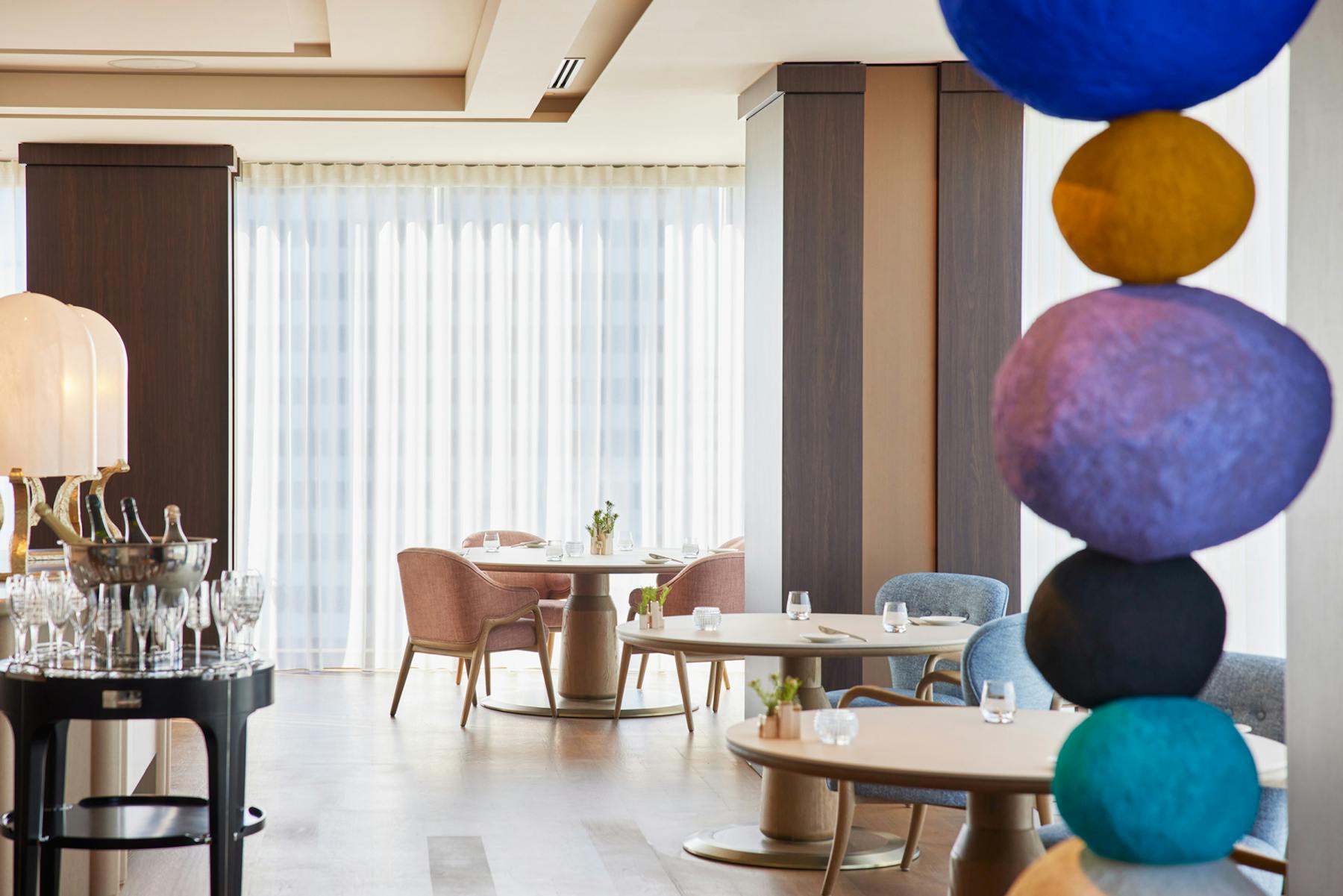
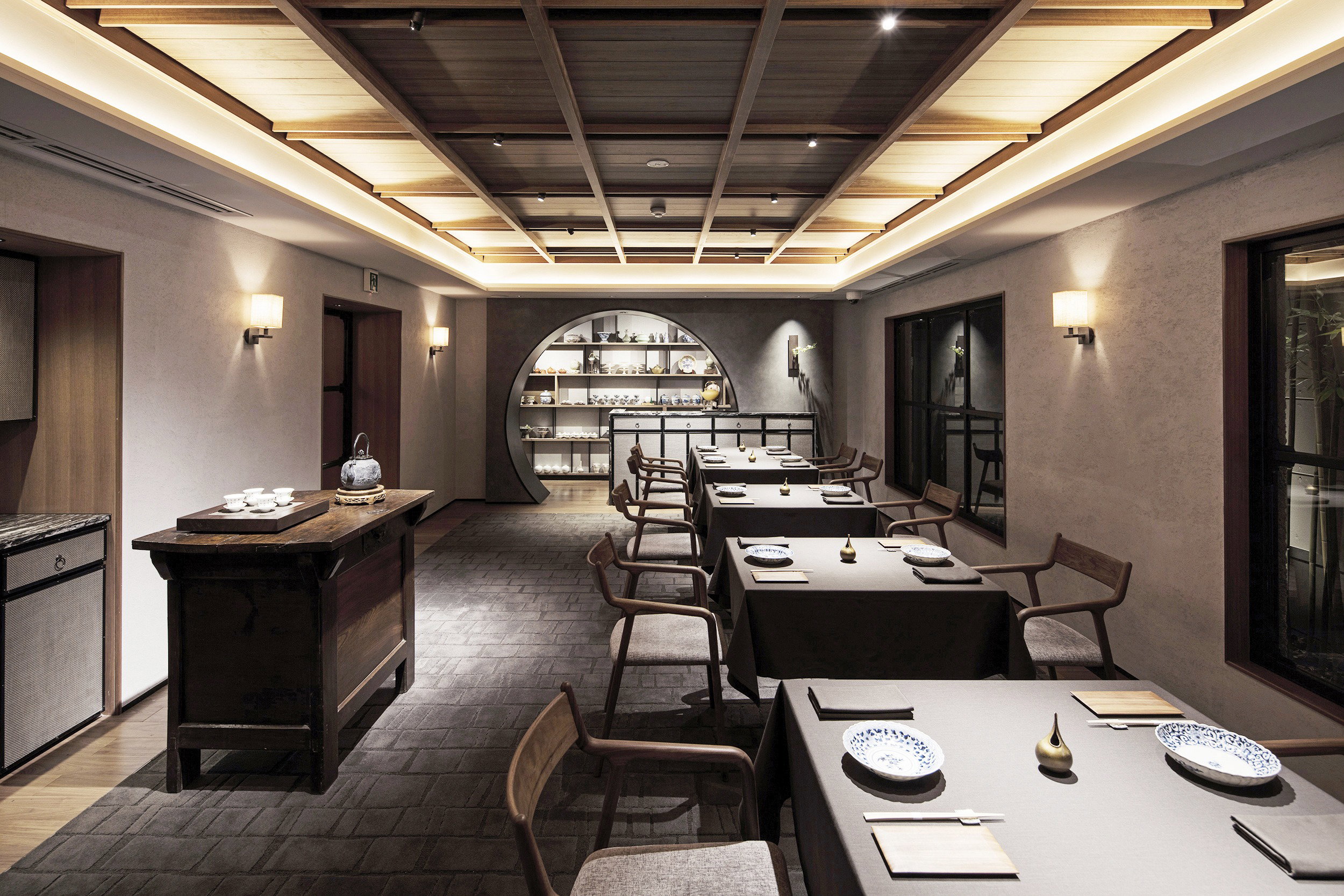
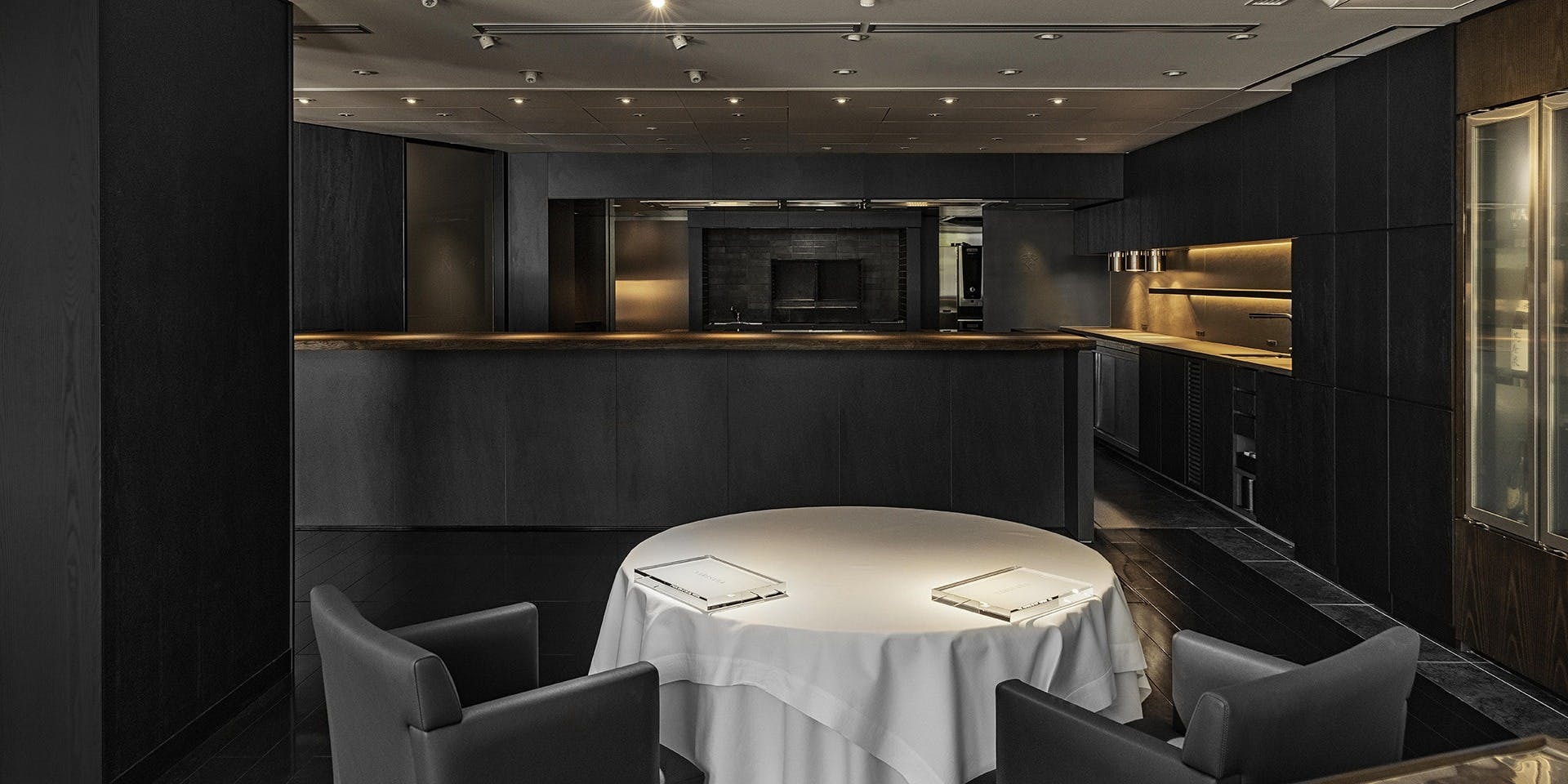
Cozy and colorful interior with playful kabuki makeup-themed wall art, traditional relaxing atmosphere, and open kitchen view of the chef.
Tags
Vibe
Best For
Experience
At the Table
- Dress Code
- Smart Casual
- Noise Level
- Quiet
- Service Style
- Upscale Casual
- Meal Pacing
- Leisurely
- Capacity
- Intimate
- Kitchen
- Seasonal
- Menu Format
- Omakase, Counter dining
- Wine Program
- Curated
- Drinks Focus
- Sake
- Dietary
- Halal
Know before you go
Know Before You Go
- Getting there
- 4 Chome-11-9 Ginza, Chuo City, Tokyo 104-0061, Japan
Planning details
Location
4 Chome-11-9 Ginza, Chuo City, Tokyo 104-0061, Japan · Directions
Recognition and awards
Also consider
Also Consider
- Harutaka, Sushi, ¥¥¥¥
- RyuGin, Kaiseki, Japanese, ¥¥¥¥
- L'Effervescence, French, ¥¥¥¥
- HOMMAGE, Innovtive French, French, ¥¥¥¥
- Florilège, French, ¥¥¥
Restaurant context
How It Compares
Against Tokyo's top-tier omakase and kaiseki destinations, Kabukizaura Masashi occupies a distinct and practical position: Michelin-recognised quality at the ¥¥¥ tier with a booking difficulty that does not require months of planning. Harutaka at ¥¥¥¥ is the benchmark for high-commitment sushi in the city, but it demands significantly more from your wallet and your advance planning. RyuGin at ¥¥¥¥ offers a kaiseki experience with greater ceremony and technical range, but none of the warmth or accessibility that makes Kabukizaura Masashi a practical recommendation for a broader range of travellers. If the choice is between spending more and feeling the occasion more keenly versus spending less and feeling more genuinely welcomed, Kabukizaura Masashi makes the case for the latter.
Against the French-leaning ¥¥¥¥ options in the comparison set, the calculus is different. L'Effervescence and HOMMAGE both deliver serious cooking with strong service architecture, and both suit diners whose priority is a full-format fine dining experience with European wine depth. Kabukizaura Masashi does not compete on those terms. It competes on personality, proximity to a cultural landmark, and a cross-tradition kitchen that gives the omakase format a different kind of interest. Florilège at ¥¥¥ is the closest price-tier peer among the French alternatives, and it is the better call if French technique is your priority; Kabukizaura Masashi is the better call if Japanese omakase with a genuine point of view is what you are after.
The practical recommendation: if your Tokyo dining budget allows one ¥¥¥¥ dinner and one ¥¥¥ dinner, put the higher spend toward a starred sushi or kaiseki counter and use Kabukizaura Masashi as the occasion where you want personal engagement, a more relaxed pace, and a meal that surprises you with its Chinese-influenced detours. It is the right venue for that specific brief, and in Ginza, that brief is harder to fill than you might expect.
Explore Tokyo
Around this place
Discover more on Pearl
Unlock the full Kabukizaura Masashi guide in Pearl, including awards, comparisons, FAQs, planning details, and nearby places.
Compare Kabukizaura Masashi
| Venue | Price | Booking Difficulty | Awards |
|---|---|---|---|
| Kabukizaura Masashi | ¥¥¥ | Easy | 2026 Michelin Plate2025 Michelin Plate2024 Michelin Plate |
| Harutaka | ¥¥¥¥ | Unknown | 2026 Tabelog Silver · #312026 OAD Top Restaurants in Japan Ranked · #1282026 Michelin 3 Stars2026 La Liste Top RestaurantsTabelog 100 - Sushi - TOKYO - 2025 · #372025 Asia's 50 Best Restaurants · #762025 OAD Top Restaurants in Japan Ranked · #1172025 La Liste Top Restaurants2025 Tabelog Bronze |
| RyuGin | ¥¥¥¥ | Unknown | 2026 OAD Top Restaurants in Japan Ranked · #802026 Tabelog Bronze · #3772026 Michelin 3 Stars2026 La Liste Top RestaurantsTabelog 100 - Japanese cuisine - TOKYO - 2025 · #212025 OAD Top Restaurants in Japan Ranked · #542025 Michelin 3 Stars2025 La Liste Top Restaurants2025 The Best Chef Three Knives |
| L'Effervescence | ¥¥¥¥ | Unknown | 2026 Tabelog Silver · #682026 OAD Top Restaurants in Japan Ranked · #103Star Wine Lists 20262026 Black Pearl 2 Diamond2026 Relais Chateaux Restaurants2026 La Liste Top Restaurants2026 Michelin 3 Stars2025 Asia's 50 Best Restaurants · #692025 OAD Top Restaurants in Japan Ranked · #92 |
| HOMMAGE | ¥¥¥¥ | Unknown | 2026 Tabelog Bronze · #1232026 OAD Top Restaurants in Japan Highly Recommended2026 Michelin 2 StarsTabelog 100 - French - TOKYO - 2025 · #762025 Asia's 50 Best Restaurants · #782025 OAD Top Restaurants in Japan Ranked · #1752025 Michelin 2 Stars2025 The Best Chef One Knife2025 La Liste Top Restaurants |
| Florilège | ¥¥¥ | Unknown | 2026 Asia's 50 Best Restaurants · #312026 Tabelog Bronze · #712026 OAD Top Restaurants in Japan Ranked · #1242026 Black Pearl 1 Diamond2026 Michelin 2 Stars2026 La Liste Top Restaurants2025 Asia's 50 Best Restaurants · #172025 World's 50 Best Restaurants · #36Tabelog 100 - French - TOKYO - 2025 · #68 |













What to weigh when choosing between Kabukizaura Masashi and alternatives.
FAQ
Frequently Asked Questions
Is Kabukizaura Masashi good for solo dining?
Yes — the open-counter format is well-suited to solo diners. The owner-chef cooks in full view and the proprietress manages the room, which creates a natural rhythm of interaction that makes solo visits feel engaged rather than isolating. At the ¥¥¥ price tier, it sits in a range where solo dining is a reasonable commitment rather than an extreme one. For solo omakase in Ginza, this is a more approachable entry point than Harutaka, where counter seats are harder to secure.
How far ahead should I book Kabukizaura Masashi?
Booking difficulty is rated Easy, which is genuinely rare for a Michelin Plate omakase counter in central Tokyo. You are unlikely to need weeks of lead time, but confirming a few days to a week ahead is sensible, particularly around Kabukiza Theatre performance dates when the Ginza neighbourhood draws heavier foot traffic. The proprietress handles pairings, so flag any drink preferences at the time of booking.
What is Kabukizaura Masashi known for?
Kabukizaura Masashi is primarily known for Japanese in Tokyo.
Where is Kabukizaura Masashi located?
Kabukizaura Masashi is located in Tokyo, at 4 Chome-11-9 Ginza, Chuo City, Tokyo 104-0061, Japan.