

.png?width=1200&quality=80)

JULIA
Contemporary · Shibuya, Tokyo
Restaurant in Tokyo, Japan
 Book with Pearl
The Read
Ibaraki Terroir Pairing
Price
$200–300per person
Chef
Nao Motohashi
Dress
Smart Casual
Why go
JULIA is a couple-run omakase in Jingumae, Shibuya, where chef Nao Motohashi cooks and husband Kenichiro Motohashi leads a pairings-only wine programme focused on Japanese producers. Michelin Plate-recognised in 2024 and 2025, it earns its ¥¥¥¥ price through intimacy and a clear regional identity rooted in Ibaraki Prefecture. Book if Japanese wine interests you; the pairing format is non-negotiable.
About JULIA
A 4.7-rated omakase in Jingumae that earns its ¥¥¥¥ price point through a service philosophy most Tokyo contemporaries don't attempt
This is not a venue coasting on hype or a famous name. Chef Nao Motohashi cooks; her husband Kenichiro Motohashi pours. The division of labour is precise, and that precision is the reason to book.
The service model at JULIA is where it separates itself from the broader ¥¥¥¥ Tokyo field. Most restaurants at this price tier employ a formal front-of-house team where the sommelier is a function, not a collaborator. At JULIA, Kenichiro's role as sommelier is the editorial spine of the meal. The omakase set is structured entirely around pairings, and crucially, those pairings foreground Japanese wines alongside Japanese ingredients. For diners accustomed to French or Italian bottles anchoring a Tokyo tasting menu, this is a different register entirely. Kenichiro has positioned himself as an advocate for Japan as a wine-producing terroir, and the menu is built to argue that case course by course.
That argument is rooted in geography. Most ingredients at JULIA come from Ibaraki Prefecture, where Kenichiro was born and where the restaurant originally operated before relocating to Tokyo. The provenance isn't decorative; it shapes the flavour logic of the menu. Nao's cooking is described as self-taught and freewheeling, with a clear preference for vegetables and fish paired with fruit. The resulting cuisine is lighter and more colourful than the austere precision you'd find at a traditional kaiseki house. If you're looking for ceremony and lacquerware gravity, JULIA is not that. If you want a meal that feels personal, regionally anchored, and guided by a genuine point of view, it delivers.
Michelin has awarded JULIA a Plate in both 2024 and 2025. A Plate recognition signals cooking that meets Michelin's quality threshold without reaching Star level, which in practical terms means this is a serious kitchen without the reservations difficulty or price escalation that Stars bring. At ¥¥¥¥, JULIA sits in Tokyo's leading price tier, but the absence of a Star means you can book without the three-month lead time that venues like RyuGin require. Booking here is rated Easy by Pearl's standards, which is a genuine advantage for travellers planning on shorter timelines.
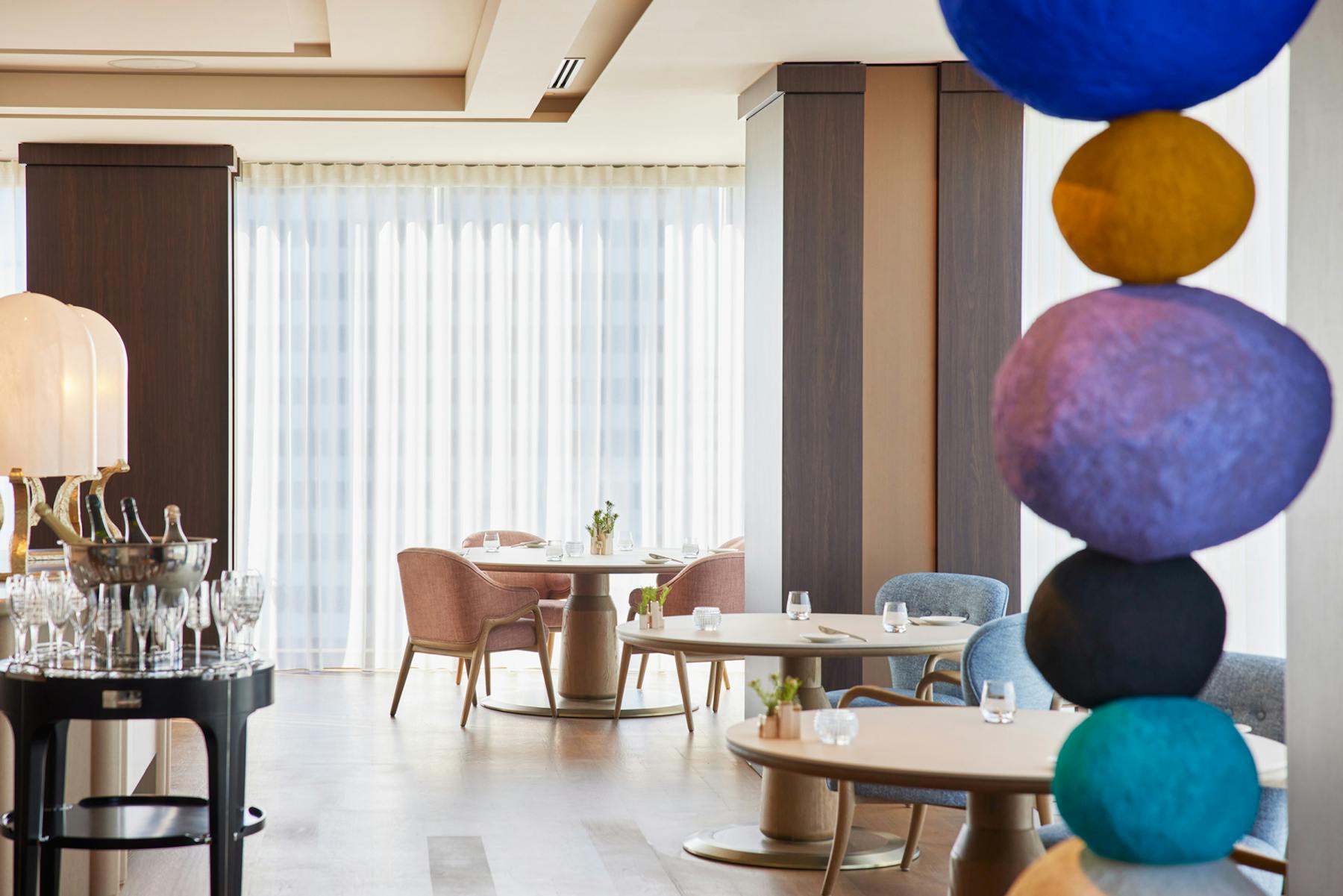
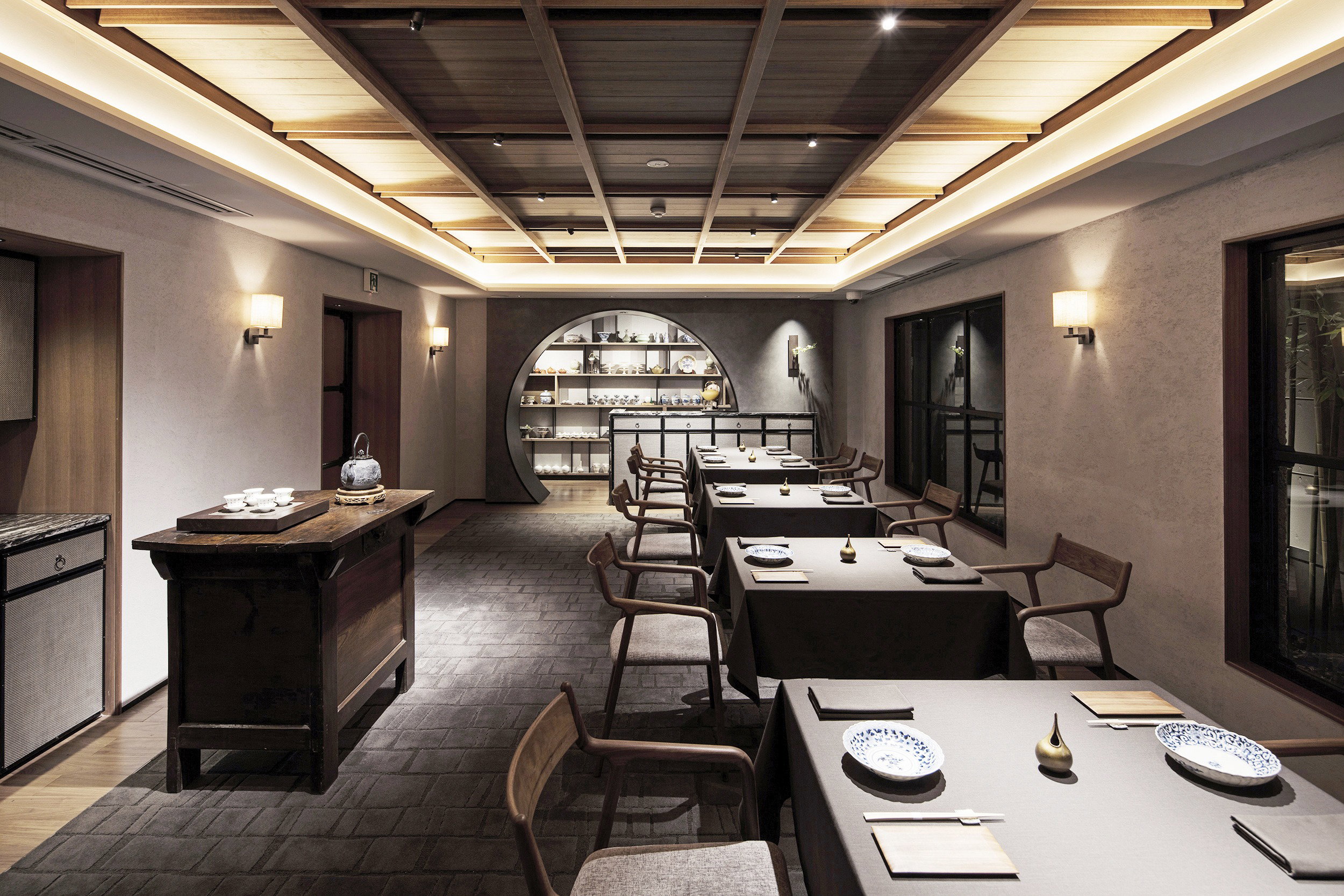
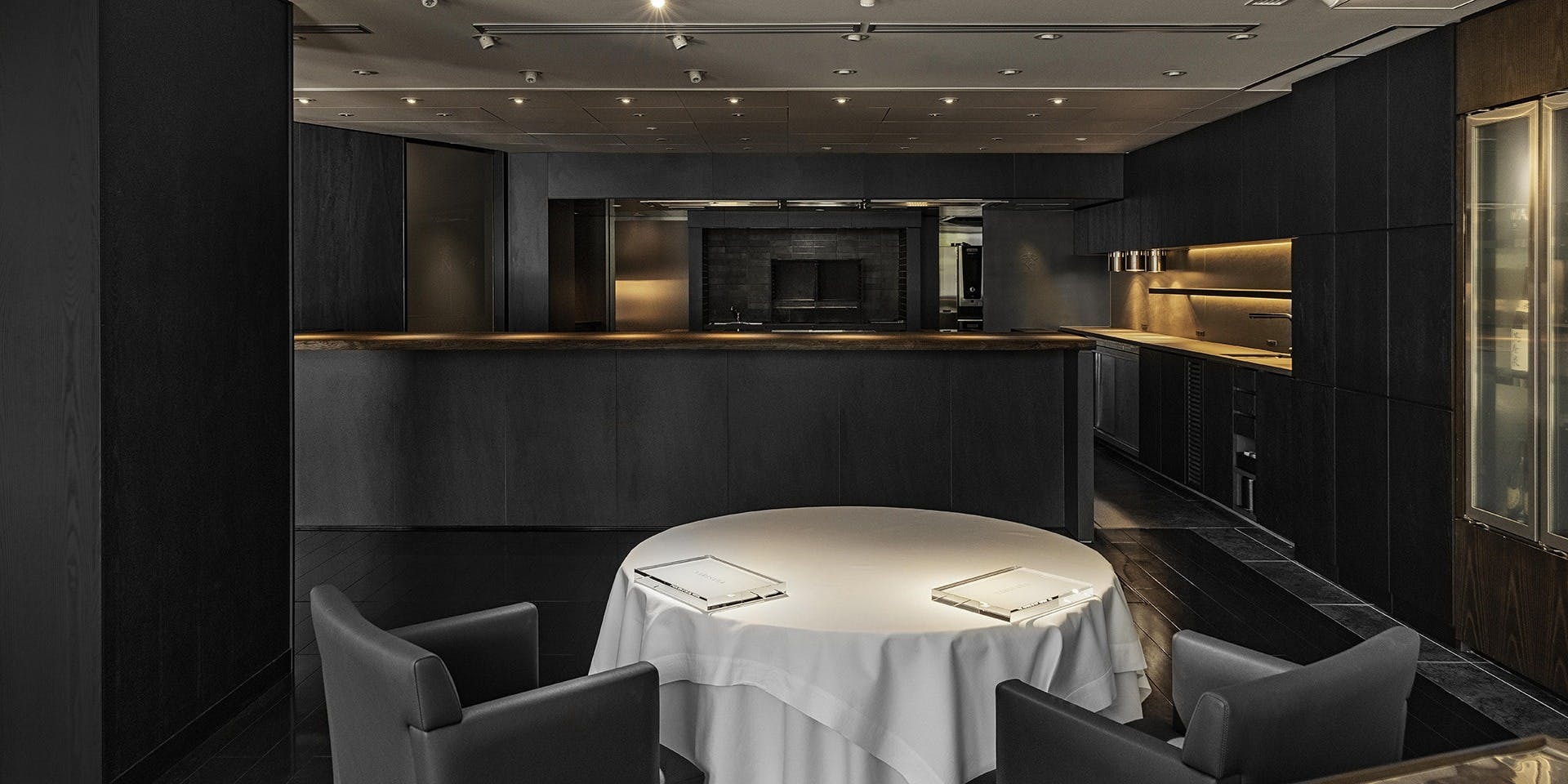
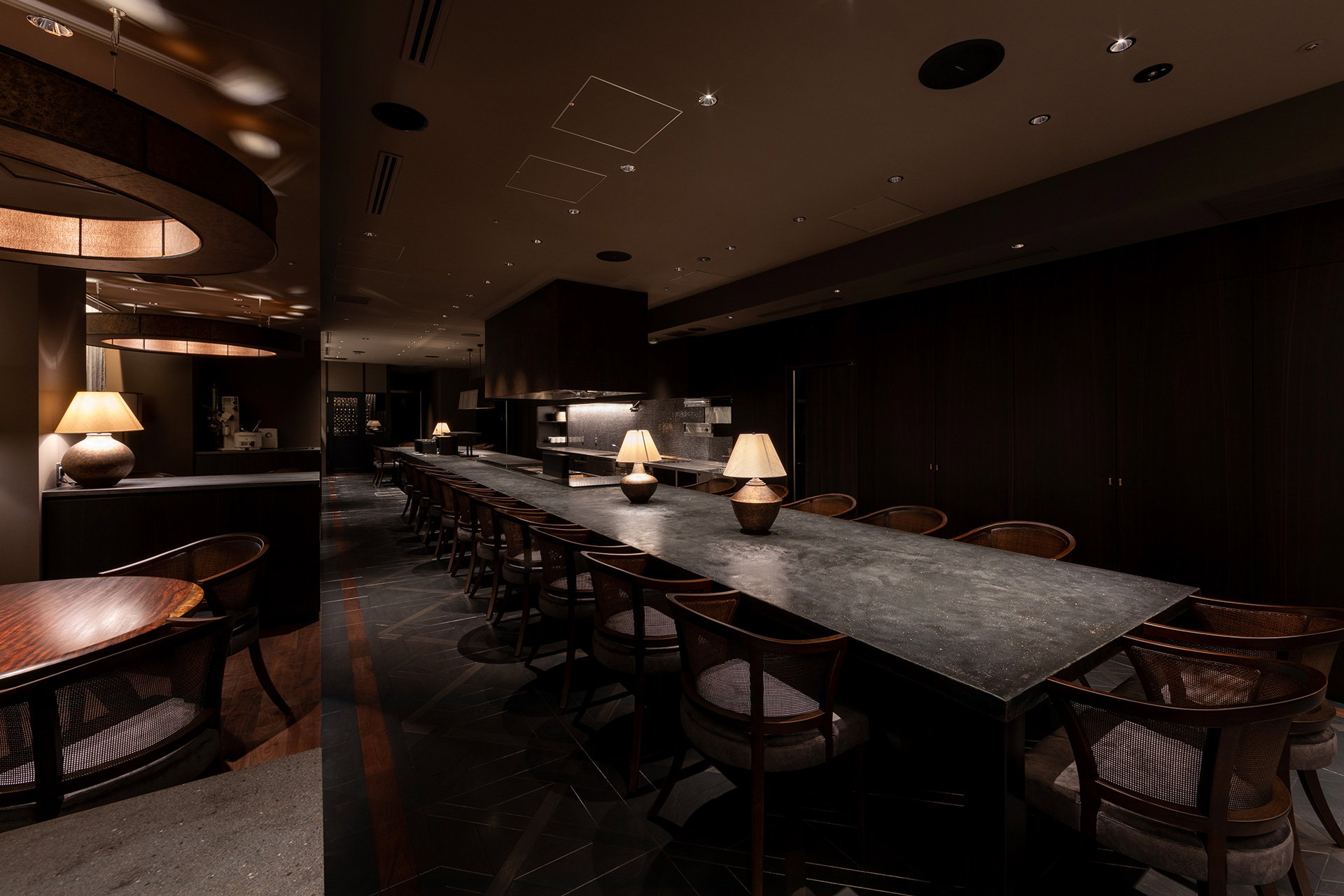
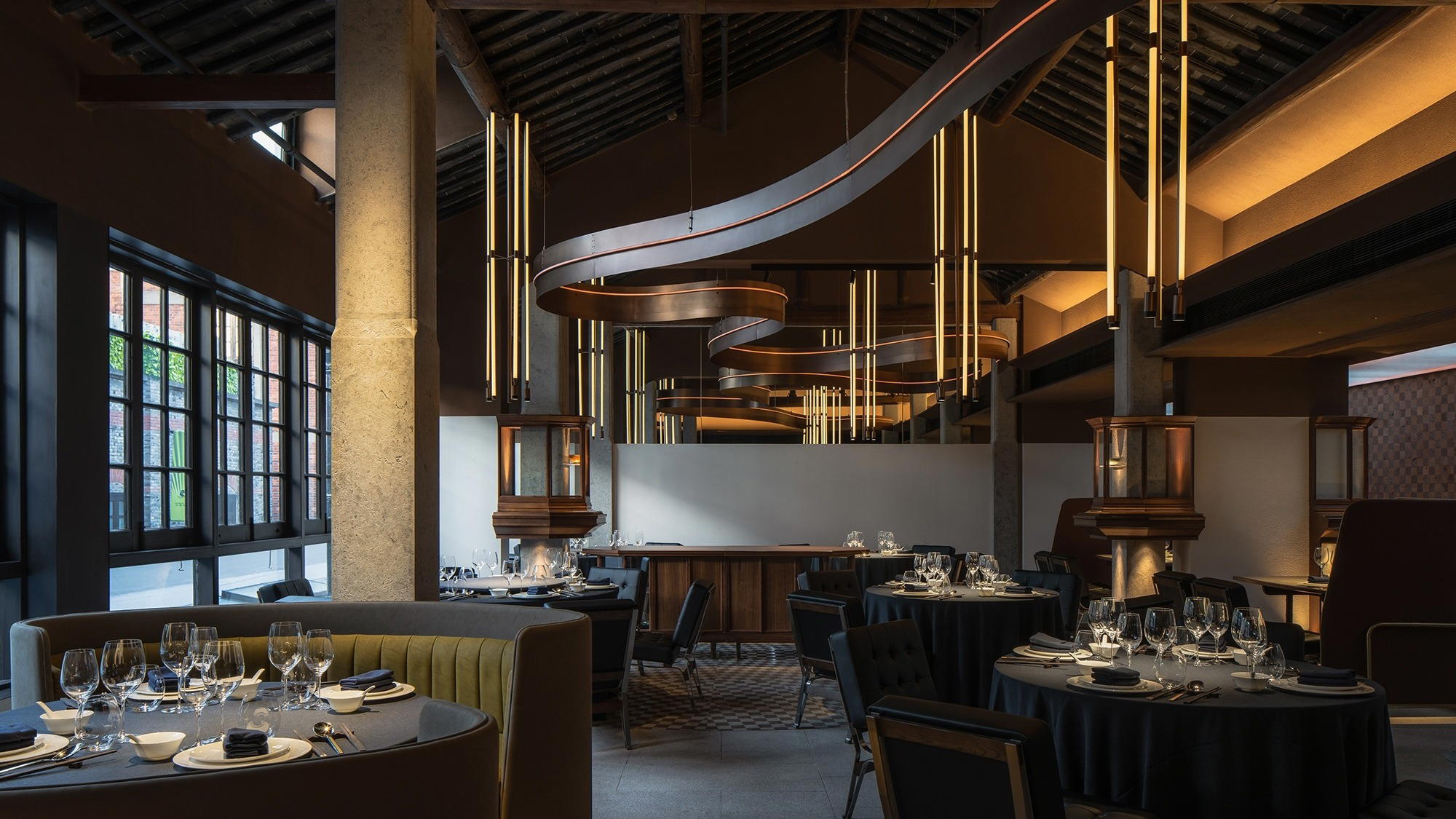
The atmosphere at JULIA is intimate rather than formal. The Jingumae address, on a quiet stretch of 3 Chome in Shibuya, keeps the room away from the noise and foot traffic of Omotesando. Expect a calm, low-energy environment that suits a long dinner rather than a lively night out. The room's energy is set by the couple's presence: attentive without being theatrical, warm without being performative. For a special occasion dinner, a date, or a business meal where the conversation matters as much as the food, that register is an asset. The noise level will not compete with what's on the table.
For first-timers, the key practical detail is that JULIA operates a pairings-only omakase. There is no à la carte option, and there is no way to eat here without engaging with the wine programme. If you want to drink minimally or prefer to order from a list, this format won't suit you. But if you are interested in Japanese wine as a category, and particularly in how domestic producers from regions like Nagano, Yamanashi, or Ibaraki are being matched with Japanese ingredients, this is one of the more focused opportunities to explore that in Tokyo. You won't find this approach at hakunei or nôl, which operate with different service philosophies.
The question of whether JULIA is worth the ¥¥¥¥ price depends on what you're buying. The Michelin Plate places it below Star-level restaurants in the formal hierarchy, but the couple-run format, the Japanese wine focus, and the Ibaraki provenance create an experience that is harder to replicate elsewhere in the city. You are paying partly for a specific editorial stance on Japanese food and wine, and partly for the intimacy of a room where the two people who built the concept are the two people serving you. That service dynamic is what justifies the price tier more than any single dish.
For a broader picture of where JULIA sits within Tokyo's dining scene, our full Tokyo restaurants guide covers the range from accessible to top-tier. If you're extending your trip, comparable venues with strong regional identities include HAJIME in Osaka, Gion Sasaki in Kyoto, and akordu in Nara. For contemporary reference points internationally, Jungsik in Seoul offers a comparable price tier with a different national cuisine argument.
Practical Details
JULIA is located at 3 Chome-1-25 Jingumae, Shibuya, Tokyo. The format is omakase with pairings only; there is no à la carte. Booking difficulty is rated Easy. Price range is ¥¥¥¥. Awards: Michelin Plate 2024 and 2025. Chef: Nao Motohashi. Sommelier: Kenichiro Motohashi. For Tokyo hotels near Jingumae, see our full Tokyo hotels guide. For bar recommendations in the neighbourhood, see our full Tokyo bars guide.
Also Worth Considering in Tokyo
If JULIA's format doesn't suit your plans, Tokyo has strong alternatives at the same price tier. FUSOU, HYÈNE, and KIBUN each offer different formats and atmospheres. For experiences beyond dining, our full Tokyo experiences guide covers the broader picture. If you're exploring Japan further, Goh in Fukuoka, 1000 in Yokohama, and 6 in Okinawa are worth adding to the itinerary. For a global contemporary comparison, César in New York City operates in a similar register.
Planning details
- Location
- 3 Chome-1-25 Jingumae, Shibuya, Tokyo 150-0001, Japan
- Reservations
- Book on TableCheck
- Website
- juliahospitalitygroup.com
- Phone
- +81 3-5843-1982
The take
The Take
The Vibe
JULIA presents a contemporary, design-forward iteration of Tokyo omakase. Situated on a ground-floor address in Jingumae, the restaurant reads modern and considered: its move from a regional Ibaraki identity to a Michelin Plate–recognised Tokyo presence signals technical care without the stiffness of a starred house. The dining experience re-centers the sommelier—the pairing-only structure treats drink and food as co-authors—so the room feels curated and intentional. JULIA’s advocacy for Japanese wines gives the programme a local-minded intelligence that reinforces the restaurant’s contemporary, design-conscious personality.
Best For
JULIA suits diners who want an immersive, purposeful evening—think date nights, special occasions, and those eager to learn about domestic wines. The omakase is presented as a single pairings-driven set, so the meal centers on tasting sequences and the sommelier’s choices rather than à la carte flexibility. Michelin Plate recognition underscores consistent kitchen craft, and the restaurant’s explicit focus on Japanese wines rewards guests interested in the story of local viticulture. Small parties who enjoy a tightly authored, sit-down tasting will get the most from JULIA’s approach.
Ordering Tips
Be prepared to commit to the pairings-only omakase: JULIA structures the experience so the drink programme runs alongside every course rather than acting as an optional supplement. Trust the sommelier—the pairing sequence determines pacing and composition—and ask about the emphasis on Japanese wines if you want to explore that terroir-driven angle. Disclose any allergies or dietary restrictions up front, as substitutions are likely limited in a tightly composed set. The meal rewards curiosity and a willingness to follow the sommelier’s lead rather than casual grazing.
Venue details
Ambiance
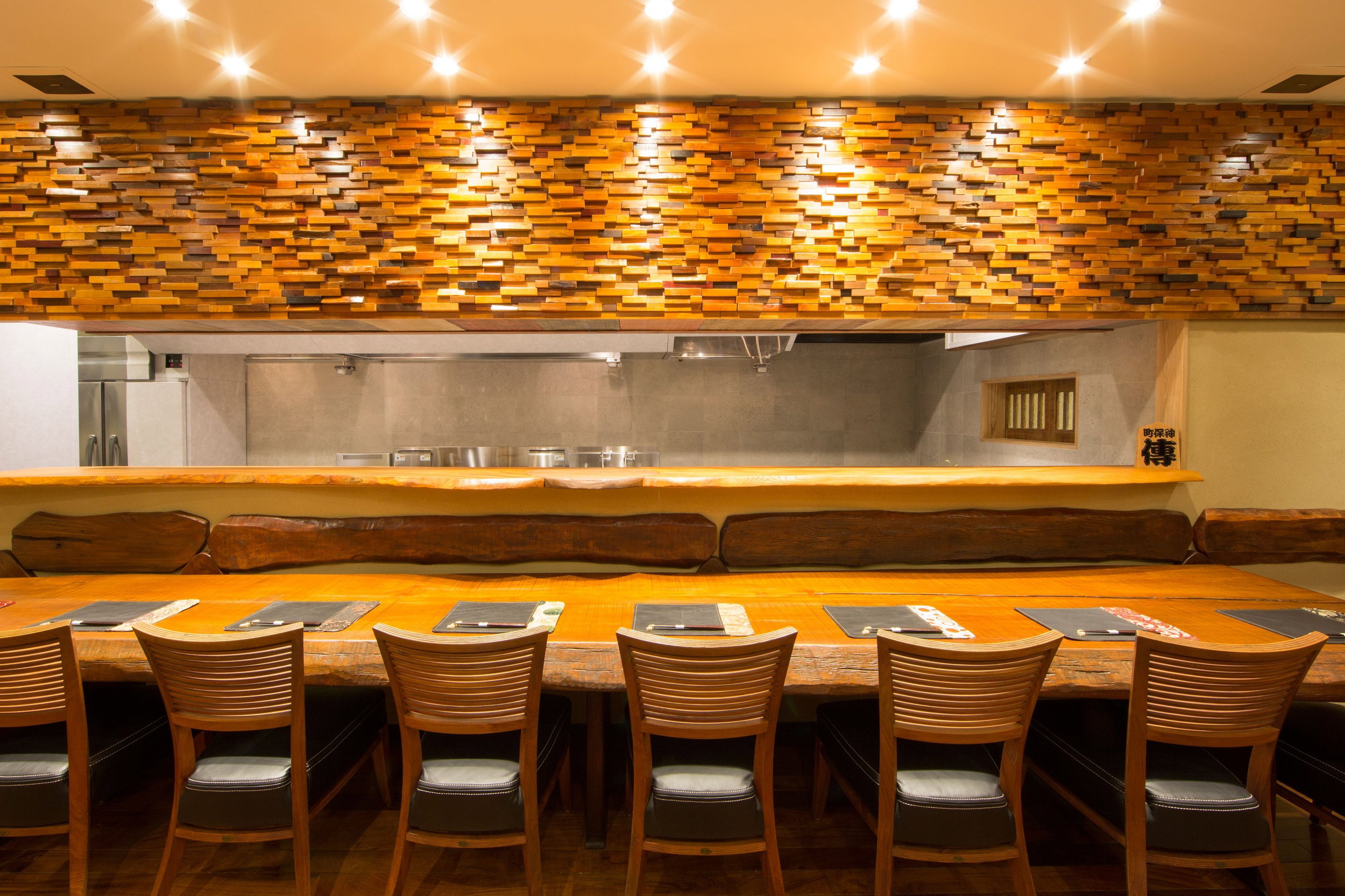
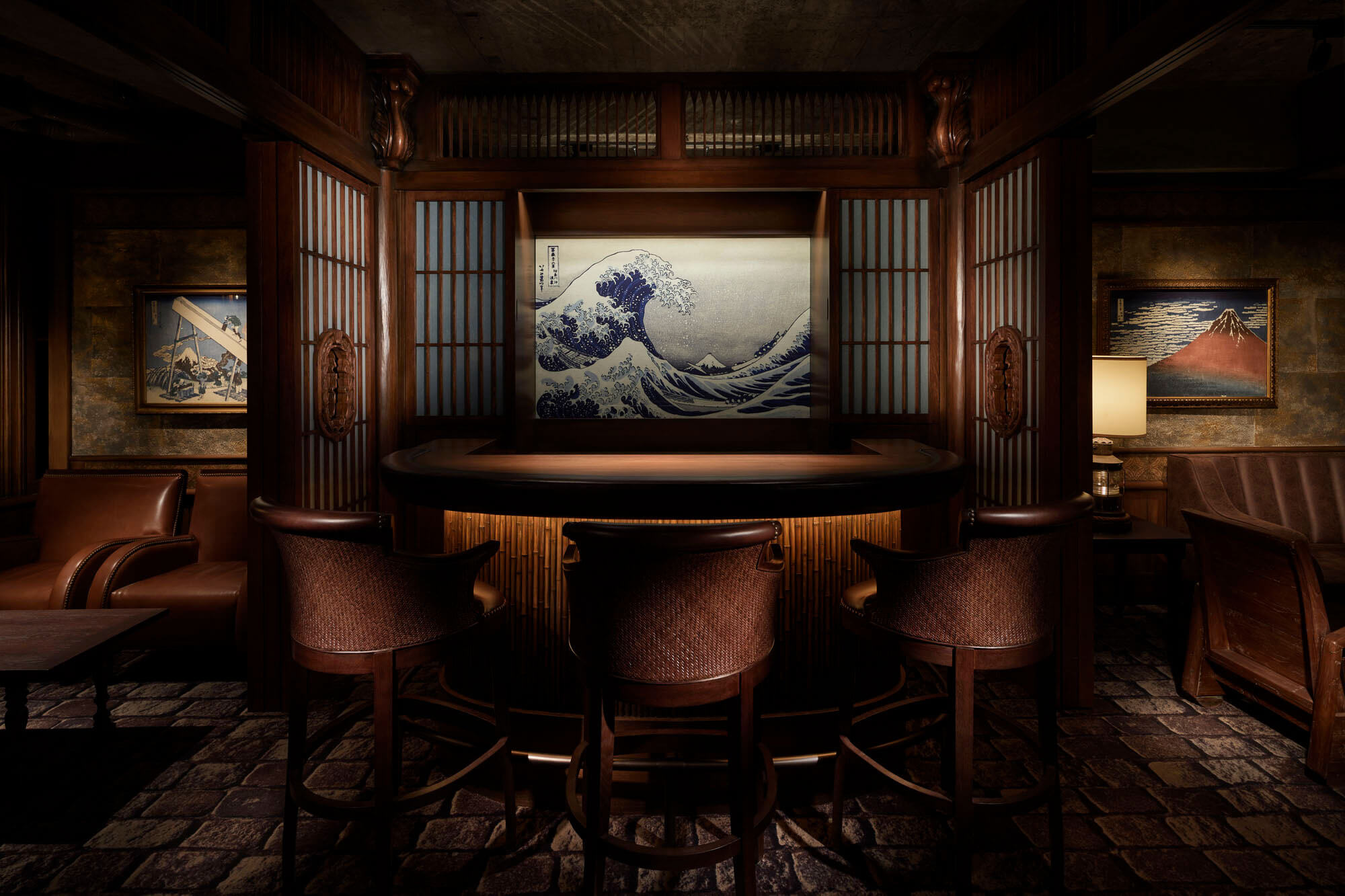
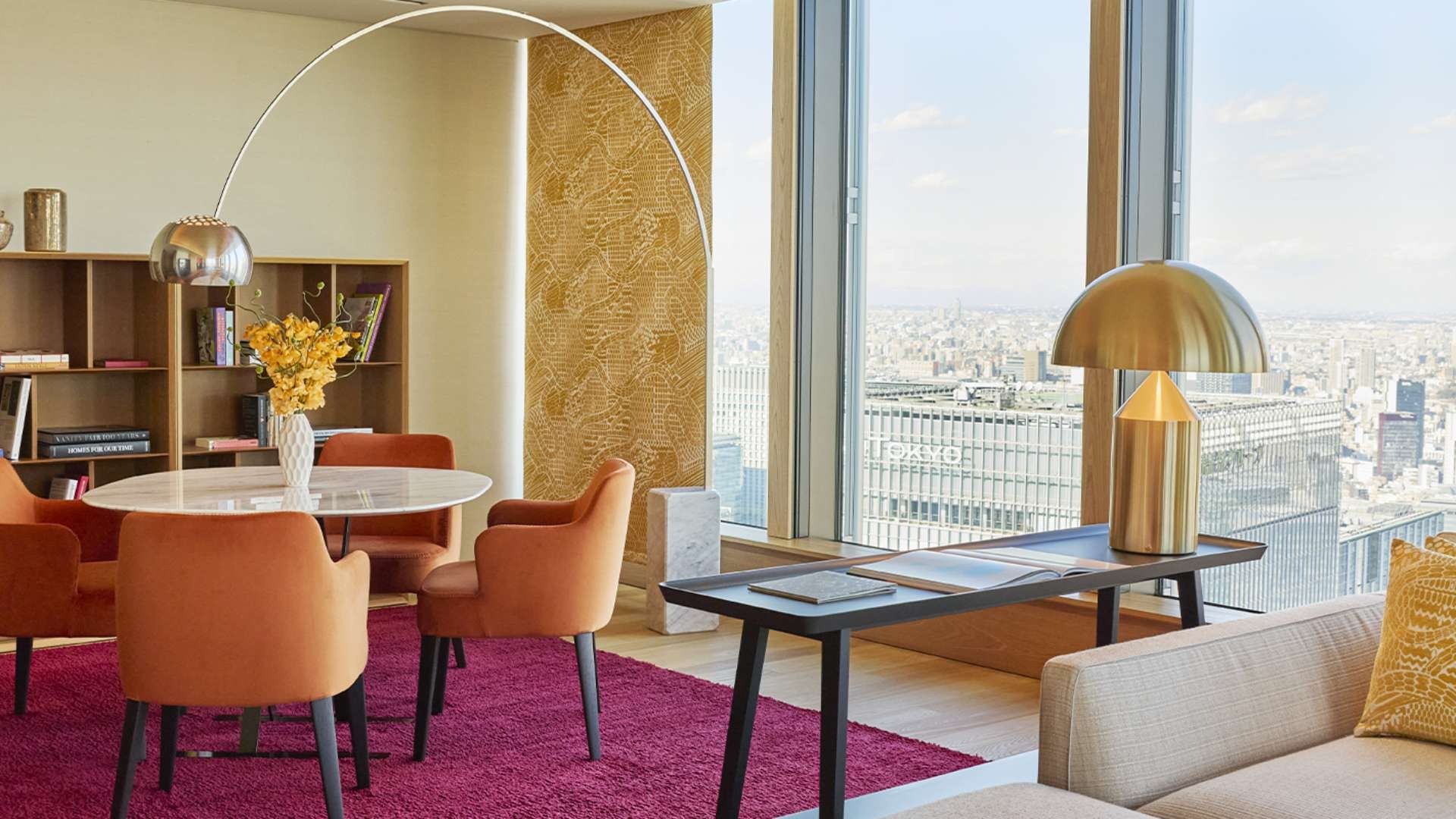
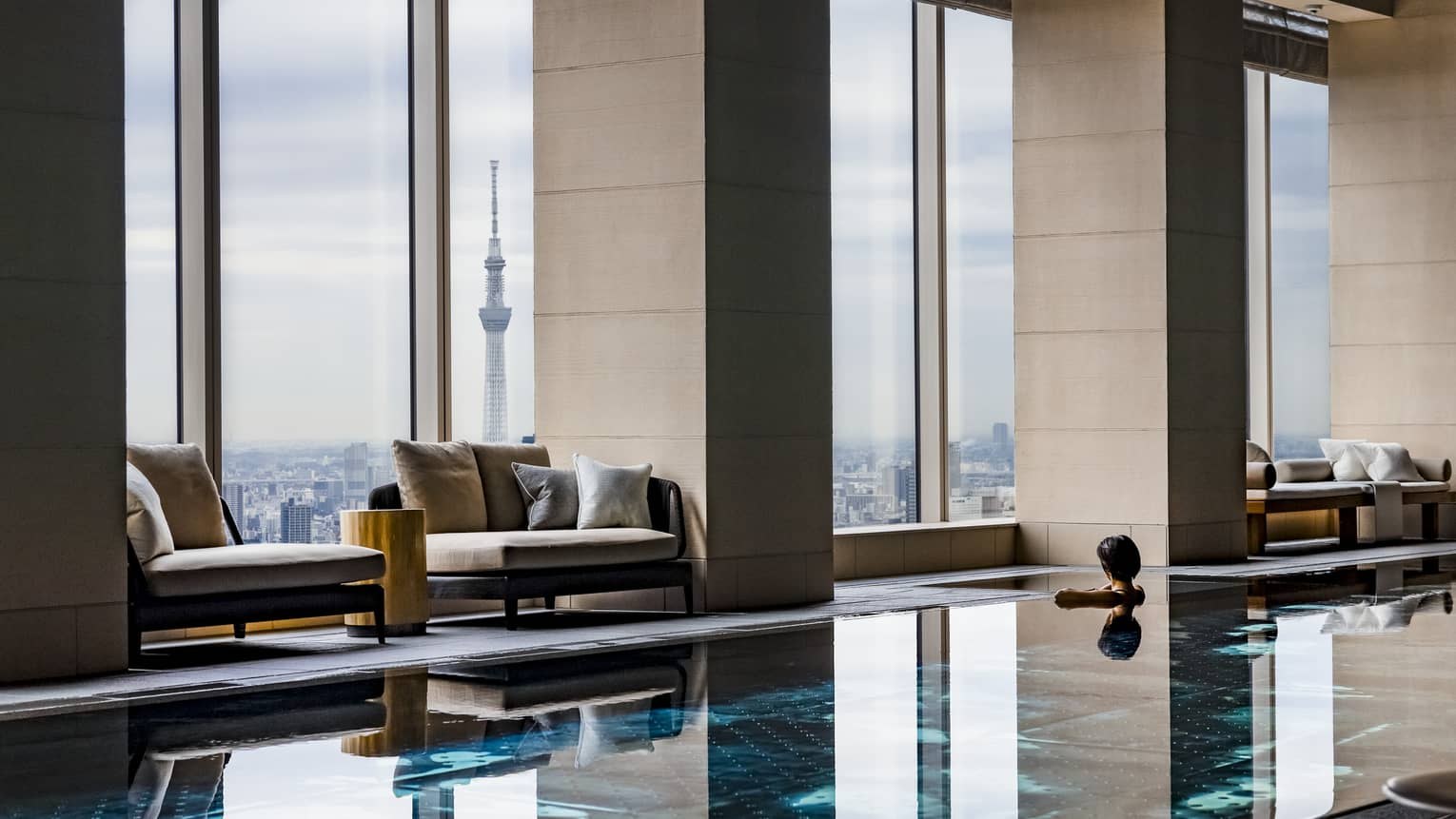
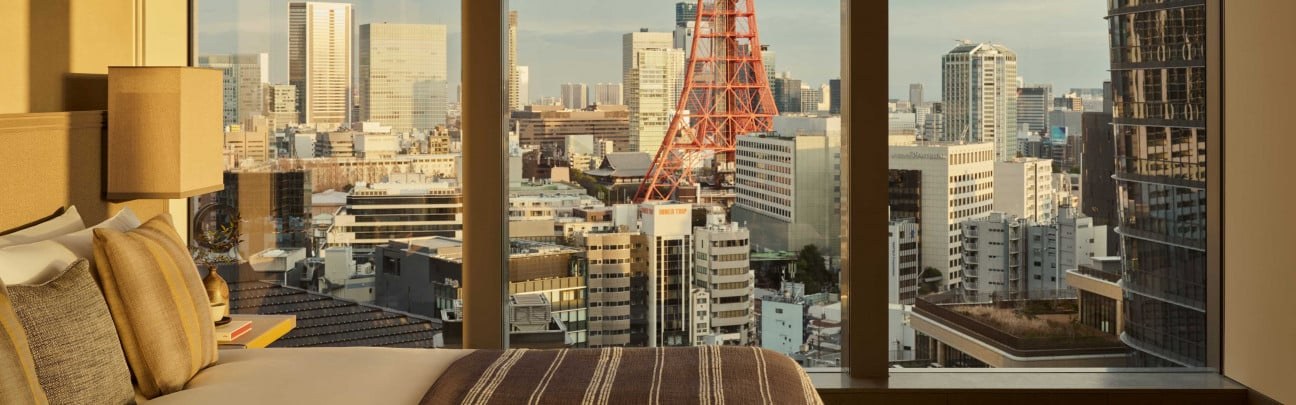
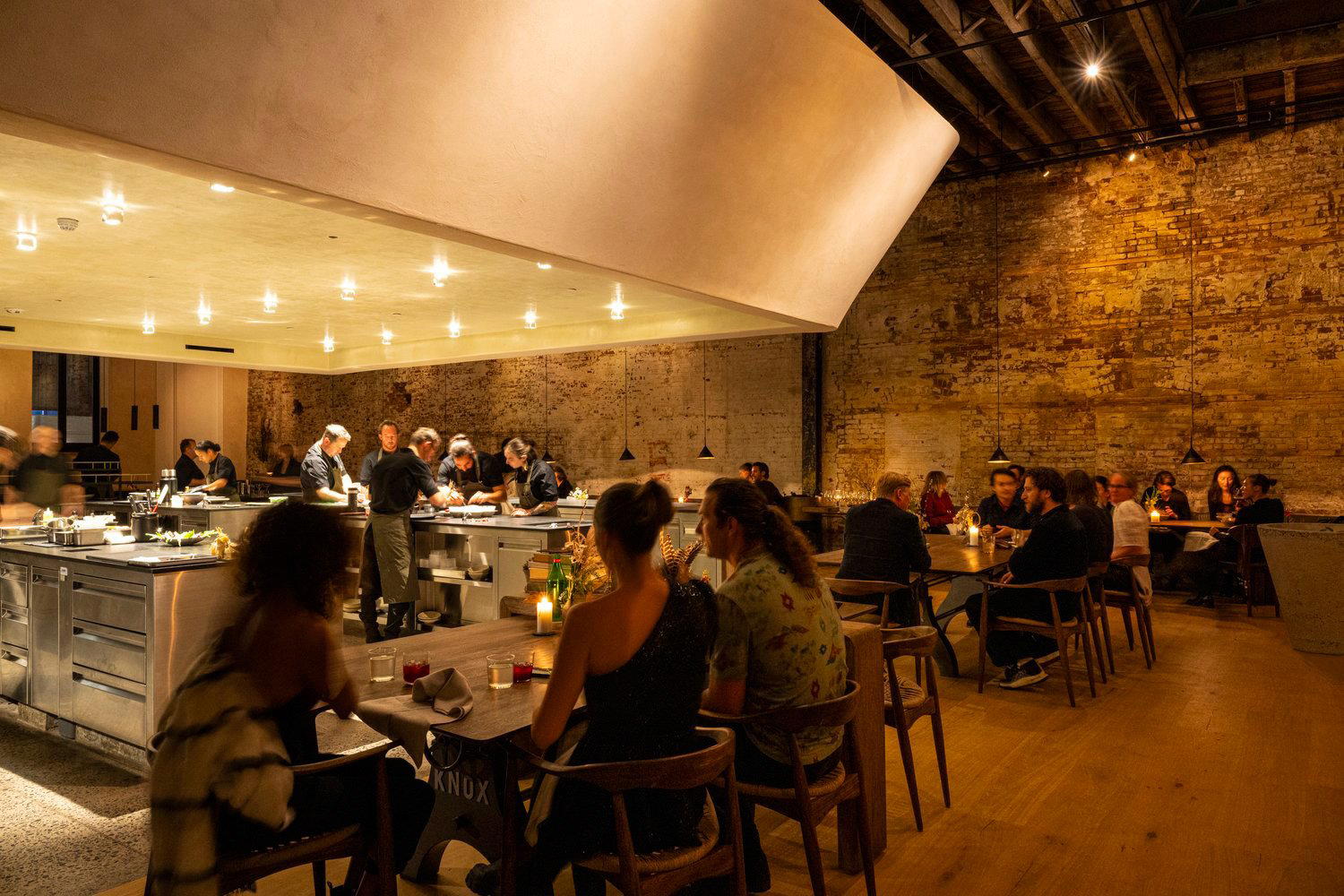
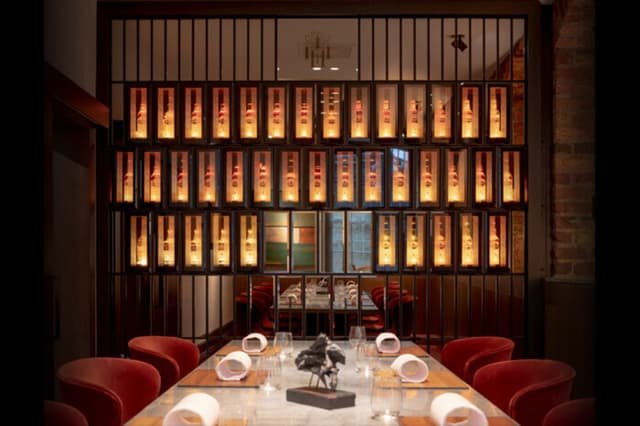
Intimate setting with open kitchen views, white-themed decor, relaxed yet refined atmosphere, welcoming lounge on first floor and upstairs dining.
Tags
Vibe
Best For
Experience
Sourcing
At the Table
- Dress Code
- Smart Casual
- Noise Level
- Quiet
- Service Style
- Formal
- Meal Pacing
- Leisurely
- Capacity
- Small
- Kitchen
- Modern
- Menu Format
- Omakase, Tasting menu
- Wine Program
- Curated
- Drinks Focus
- Japanese wine
Signature Dishes
- cheesecake_ice_cream
- pulled_pork_slider
Know before you go
Know Before You Go
- Getting there
- 3 Chome-1-25 Jingumae, Shibuya, Tokyo 150-0001, Japan
Planning details
Location
3 Chome-1-25 Jingumae, Shibuya, Tokyo 150-0001, Japan · Directions



Also consider
Also Consider
- Harutaka, Sushi, ¥¥¥¥
- L'Effervescence, French, ¥¥¥¥
- RyuGin, Kaiseki, Japanese, ¥¥¥¥
- HOMMAGE, Innovtive French, French, ¥¥¥¥
- Crony, Innovative, French, ¥¥¥¥
Restaurant context
At ¥¥¥¥, JULIA sits in the same price tier as RyuGin, L'Effervescence, and Harutaka, but the booking experience is considerably easier. RyuGin carries two Michelin Stars and requires advance planning that JULIA does not. If you're deciding between them on short notice, JULIA is the more accessible option. If formal kaiseki prestige is the priority, RyuGin justifies the extra effort to secure a reservation.
Against L'Effervescence and HOMMAGE, JULIA occupies a different lane. Both L'Effervescence and HOMMAGE operate within a French culinary framework and pair accordingly. JULIA's value is specifically in its Japanese wine thesis and its Ibaraki provenance. If you want the most technically refined French-influenced cooking in Tokyo at this price tier, L'Effervescence is the stronger choice. If you want a meal that argues for Japanese ingredients and Japanese wine as a complete system, JULIA makes that case more directly than either.
Crony offers a more casual energy at a comparable price point and suits diners who want innovative cooking without the formality of a fixed omakase. For a special occasion where the intimacy of a couple-run room and the specificity of a regional Japanese wine programme matter, JULIA is the better fit. For the highest concentration of technical ambition in Tokyo's ¥¥¥¥ tier, Harutaka remains the benchmark for sushi specifically, and RyuGin for kaiseki. JULIA is not competing on those terms; it's offering something more personal and harder to categorise, which is both its appeal and its limitation depending on what you're after.
Explore Tokyo
Around this place
Discover more on Pearl
Unlock the full JULIA guide in Pearl, including awards, comparisons, FAQs, planning details, and nearby places.
Compare JULIA
| Venue | Cuisine | Awards | Booking Difficulty |
|---|---|---|---|
| JULIA | Contemporary | Star Wine Lists 20262026 OAD Top Restaurants in Japan Recommended2026 Michelin Plate2025 The Best Chef One Knife2025 Michelin Plate2024 Michelin Plate | Easy |
| Harutaka | Sushi | 2026 Tabelog Silver · #312026 OAD Top Restaurants in Japan Ranked · #1282026 Michelin 3 Stars2026 La Liste Top RestaurantsTabelog 100 - Sushi - TOKYO - 2025 · #372025 Asia's 50 Best Restaurants · #762025 OAD Top Restaurants in Japan Ranked · #1172025 La Liste Top Restaurants2025 Tabelog Bronze | Unknown |
| L'Effervescence | French | 2026 Tabelog Silver · #682026 OAD Top Restaurants in Japan Ranked · #103Star Wine Lists 20262026 Black Pearl 2 Diamond2026 Relais Chateaux Restaurants2026 La Liste Top Restaurants2026 Michelin 3 Stars2025 Asia's 50 Best Restaurants · #692025 OAD Top Restaurants in Japan Ranked · #92 | Unknown |
| RyuGin | Kaiseki, Japanese | 2026 OAD Top Restaurants in Japan Ranked · #802026 Tabelog Bronze · #3772026 Michelin 3 Stars2026 La Liste Top RestaurantsTabelog 100 - Japanese cuisine - TOKYO - 2025 · #212025 OAD Top Restaurants in Japan Ranked · #542025 Michelin 3 Stars2025 La Liste Top Restaurants2025 The Best Chef Three Knives | Unknown |
| HOMMAGE | Innovtive French, French | 2026 Tabelog Bronze · #1232026 OAD Top Restaurants in Japan Highly Recommended2026 Michelin 2 StarsTabelog 100 - French - TOKYO - 2025 · #762025 Asia's 50 Best Restaurants · #782025 OAD Top Restaurants in Japan Ranked · #1752025 Michelin 2 Stars2025 The Best Chef One Knife2025 La Liste Top Restaurants | Unknown |
| Crony | Innovative, French | 2026 Asia's 50 Best Restaurants · #34Star Wine Lists 20262026 OAD Top Restaurants in Japan Recommended2026 Michelin 2 Stars2025 Asia's 50 Best Restaurants · #30Tabelog 100 - French - TOKYO - 2025 · #782025 OAD Top Restaurants in Japan Ranked · #227We're Smart World Top Restaurants 20252025 Michelin 2 Stars | Unknown |











A quick look at how JULIA measures up.
FAQ
Frequently Asked Questions
Is JULIA worth the price?
At ¥¥¥¥, JULIA justifies its price point if you're committed to the omakase-with-pairings format. The distinctive angle — Japanese wines matched to vegetables, fish, and fruit from Ibaraki Prefecture — gives the experience a coherence most Tokyo contemporaries at this price tier don't attempt. If you want flexibility or à la carte, the price-to-value case weakens considerably.
What should I order at JULIA?
There is no ordering at JULIA. The format is omakase with pairings only — no à la carte, no menu customisation. Chef Nao Motohashi builds a set sequence, and sommelier Kenichiro Motohashi pairs it entirely with Japanese wines. Accepting that constraint is the prerequisite for booking here.
What should a first-timer know about JULIA?
The format is non-negotiable: pairings only, omakase only, Japanese wines only. Nao Motohashi is self-taught, and the cuisine skews vegetable-forward and fruit-paired rather than the protein-heavy progression many omakase diners expect. The restaurant originated in Ibaraki Prefecture, and most ingredients still come from there — so this is a regional Japanese perspective, not a Tokyo-centric one. Booking difficulty is rated high, so plan well in advance.
Is the tasting menu worth it at JULIA?
Yes, with one condition: the tasting menu IS the only option, and it comes with pairings built in. If the Japanese wine-pairing angle appeals — especially the fruit-and-vegetable matching philosophy that chef-sommelier duo Nao and Kenichiro Motohashi have built around Ibaraki ingredients — the ¥¥¥¥ price point earns its keep. If you'd rather direct your own wine choices or skip pairings entirely, JULIA is structurally the wrong venue.
Can JULIA accommodate groups?
JULIA is a small, couple-run omakase restaurant in Jingumae, and the venue record does not document private dining or group booking capacity. For parties larger than four, verify directly whether the format and room size can accommodate your group before committing at the ¥¥¥¥ price tier.