.png?width=1200&quality=80)

JINBO MINAMI AOYAMA
Italian · Minato, Tokyo
Restaurant in Tokyo, Japan
 Book with Pearl
The Read
Farm-Rooted Italian
Price
$150–200per person
Dress
Smart Casual
Why go
JINBO MINAMI AOYAMA holds consecutive Michelin Selected recognition and for Chef Yoshinaga Jinbo's farm-sourced Italian cooking in Minami-Aoyama. At ¥¥¥, it sits below Tokyo's starred Italian tier while delivering vegetable-forward precision that rewards return visits. Book if produce-driven Italian is your format; look elsewhere if you want broader European fine dining.
About JINBO MINAMI AOYAMA
Verdict: A Michelin-recognised Italian table in Minami-Aoyama worth returning to more than once
JINBO MINAMI AOYAMA sits in the ¥¥¥ tier, which places it below the ¥¥¥¥ spending required at most of Tokyo's headline Italian addresses, and it carries consecutive Michelin Plate recognition in 2024 and 2025. If you have already visited once and are deciding whether to return, the answer is yes — but only if vegetable-forward, farm-sourced Italian is the format you want. If you are chasing a broader European fine-dining experience in Tokyo, look first at L'Effervescence or HOMMAGE.
Portrait
Chef Yoshinaga Jinbo's cooking sits at an unusual intersection: Italian technique applied to Japanese agricultural produce, filtered through a sensibility that takes vegetables as seriously as protein. His role as Ibaraki Food Ambassador is not a marketing footnote, it actively shapes the sourcing, with ingredients pulled from farms across Japan and assembled into dishes that reflect what is growing rather than what a fixed menu requires. That means the plate changes, and it means a second or third visit is structurally different from the first.
The awards record confirms the kitchen's consistency rather than its ambition. Two consecutive Michelin Plate recognitions tell you this is a restaurant the guide considers technically competent and worth recommending, without placing it in the starred tier where omakase counter format and extreme price points become the expectation. At ¥¥¥, you are paying for precision and produce, not for the ceremony of a multi-Michelin-starred room.
The address in Minami-Aoyama, at 4 Chome-11-13 Sunlight Hill Aoyama, places the restaurant in one of Tokyo's quieter upscale residential pockets. This is not the Roppongi dining corridor or the Ginza concentration of international fine dining. The neighbourhood suits the restaurant's register: considered, low-key, frequented by people who live nearby and eat here on repeat. For context on other serious Italian cooking in Tokyo, Aroma Fresca and PRISMA operate in the same city but at different price points and with different emphases. Gucci Osteria da Massimo Bottura Tokyo and Principio offer contrasting interpretations of Italian cooking in Tokyo, and AlCeppo provides a more traditional reference point.
A Multi-Visit Strategy
If you have eaten here once, you likely encountered the vegetable courses that anchor Jinbo's approach. His bagna càuda, the warm, anchovy-and-garlic-driven Italian dip that he frames through a seasonal lens, is the dish most associated with his name. On a second visit, the right move is to pay attention to what has shifted: the farms he is sourcing from at that moment, which Ibaraki producers are on the plate, and how the produce calendar has moved on. The cooking is iterative in a way that rewards return visits more than restaurants with fixed menus.
A third visit, if you are that committed to the format, is where you start to understand his Italian and French influences as a structural grammar rather than an aesthetic choice. The vegetables are not a trend statement, they are the organising principle. Understanding that distinction takes more than one sitting. For comparison, cenci in Kyoto and akordu in Nara operate in a similar Italian-with-Japanese-produce register; visiting all three across a Japan trip gives you a useful triangulation of how this genre plays out in different cities and at different price levels.
Booking and Logistics
No booking method is specified in the available data, so confirming the current reservation channel directly with the restaurant is the practical first step. No phone number or website is listed in the record, which suggests checking Google Maps or a reservation aggregator like Tableall or Omakase for live booking access. The ¥¥¥ price positioning means you should expect a meaningful spend without the financial commitment that Tokyo's starred Italian or French tables require.
Beyond JINBO, our full Tokyo restaurants guide covers the breadth of the city's dining options. If you are building a wider trip, our Tokyo hotels guide, bars guide, and experiences guide cover the rest. For serious Italian cooking elsewhere in Japan, HAJIME in Osaka and Gion Sasaki in Kyoto are worth plotting on the same trip. If your itinerary extends to Fukuoka, Goh is the comparable reference point there. For completeness, 1000 in Yokohama and 6 in Okinawa round out the regional picture. For Italian in the broader Asia region, 8½ Otto e Mezzo Bombana in Hong Kong is the regional benchmark at higher price point. Our Tokyo wineries guide is also available if wine sourcing is part of your planning.
Planning details
- Location
- Japan, 〒107-0062 Tokyo, Minato City, Minamiaoyama, 4 Chome−11−13 サンライトヒル青山
- Reservations
- Book on Omakase
- Website
- jinbo-ma.jp
- Phone
- +81 3-6804-5955
The take
The Take
The Vibe
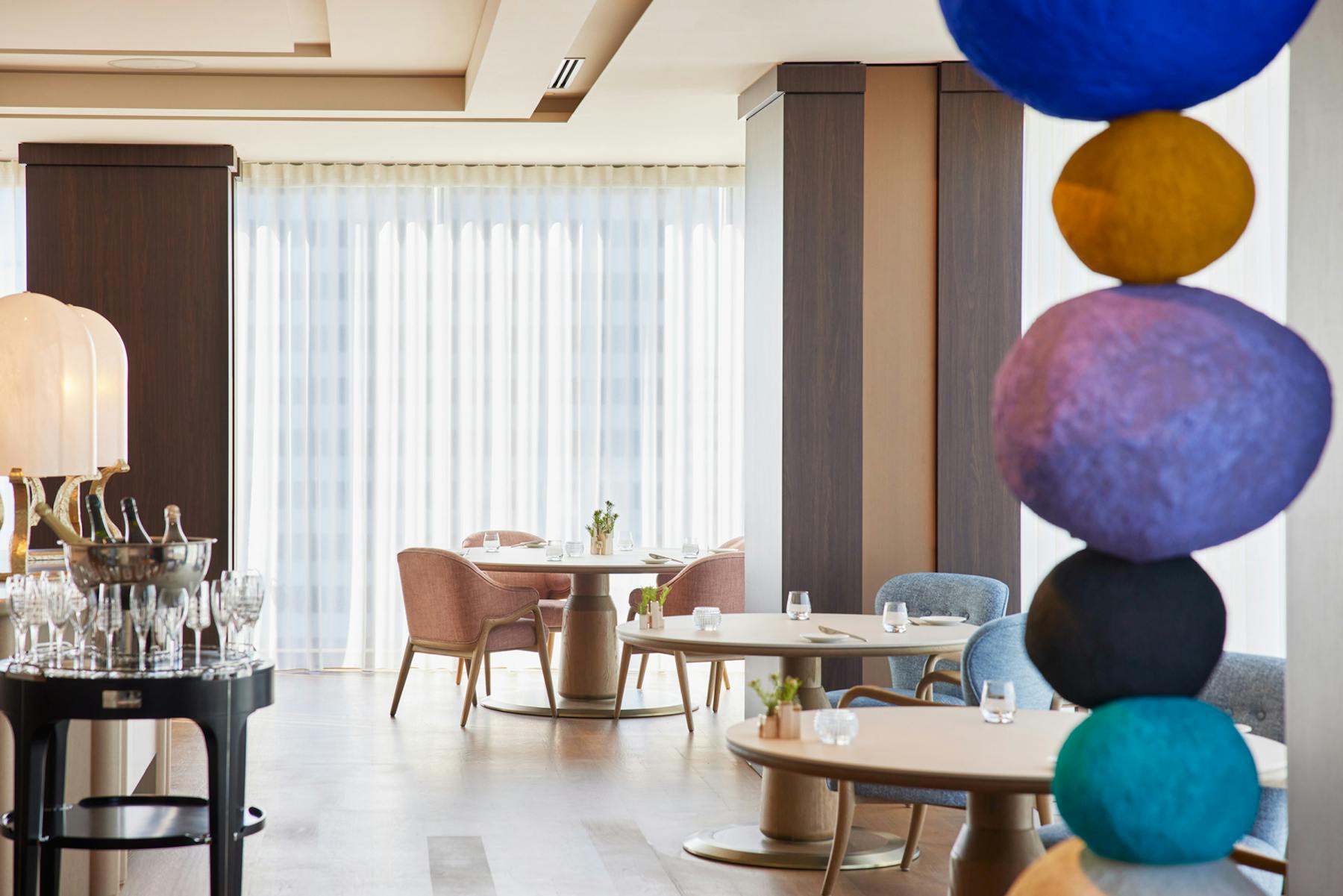
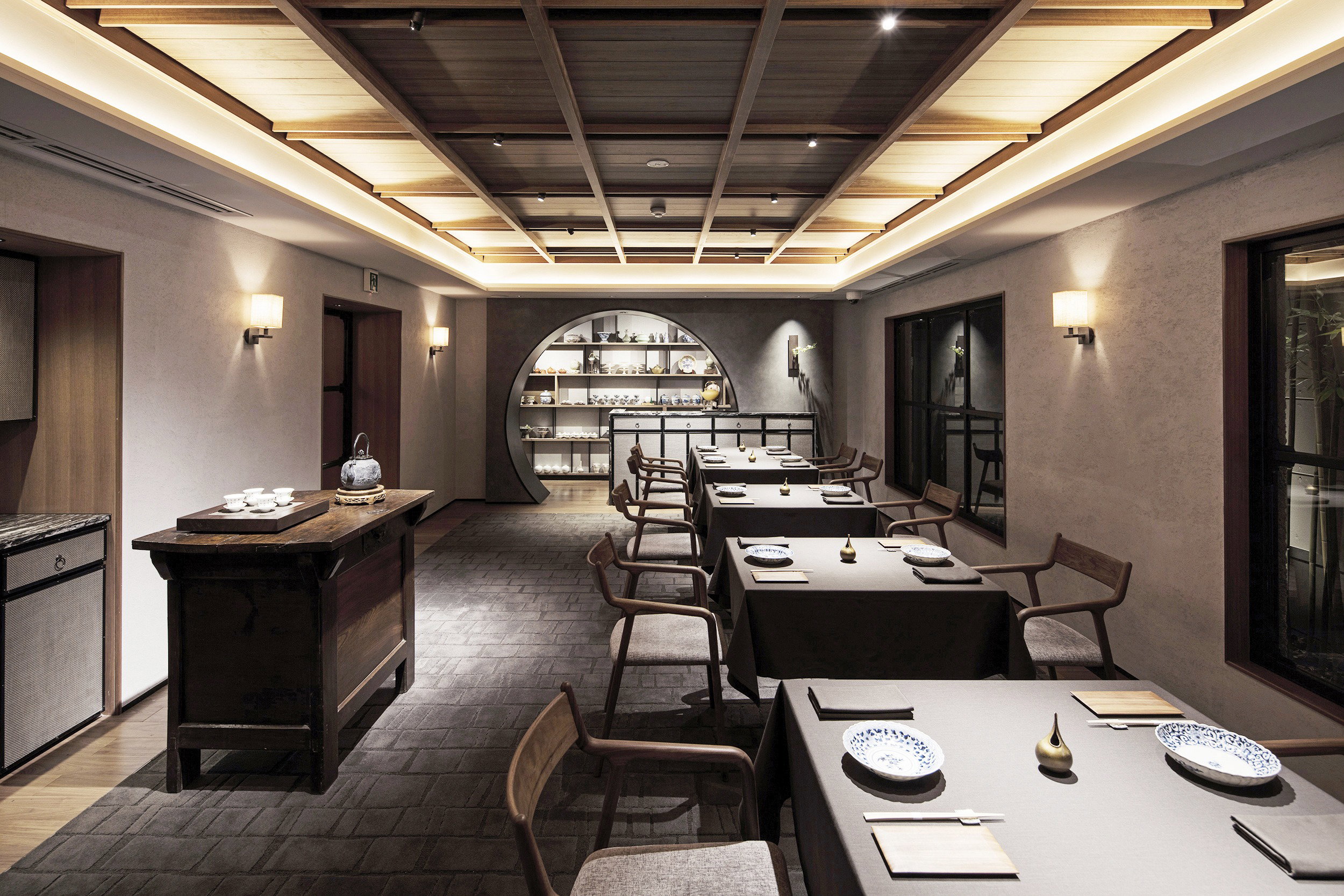
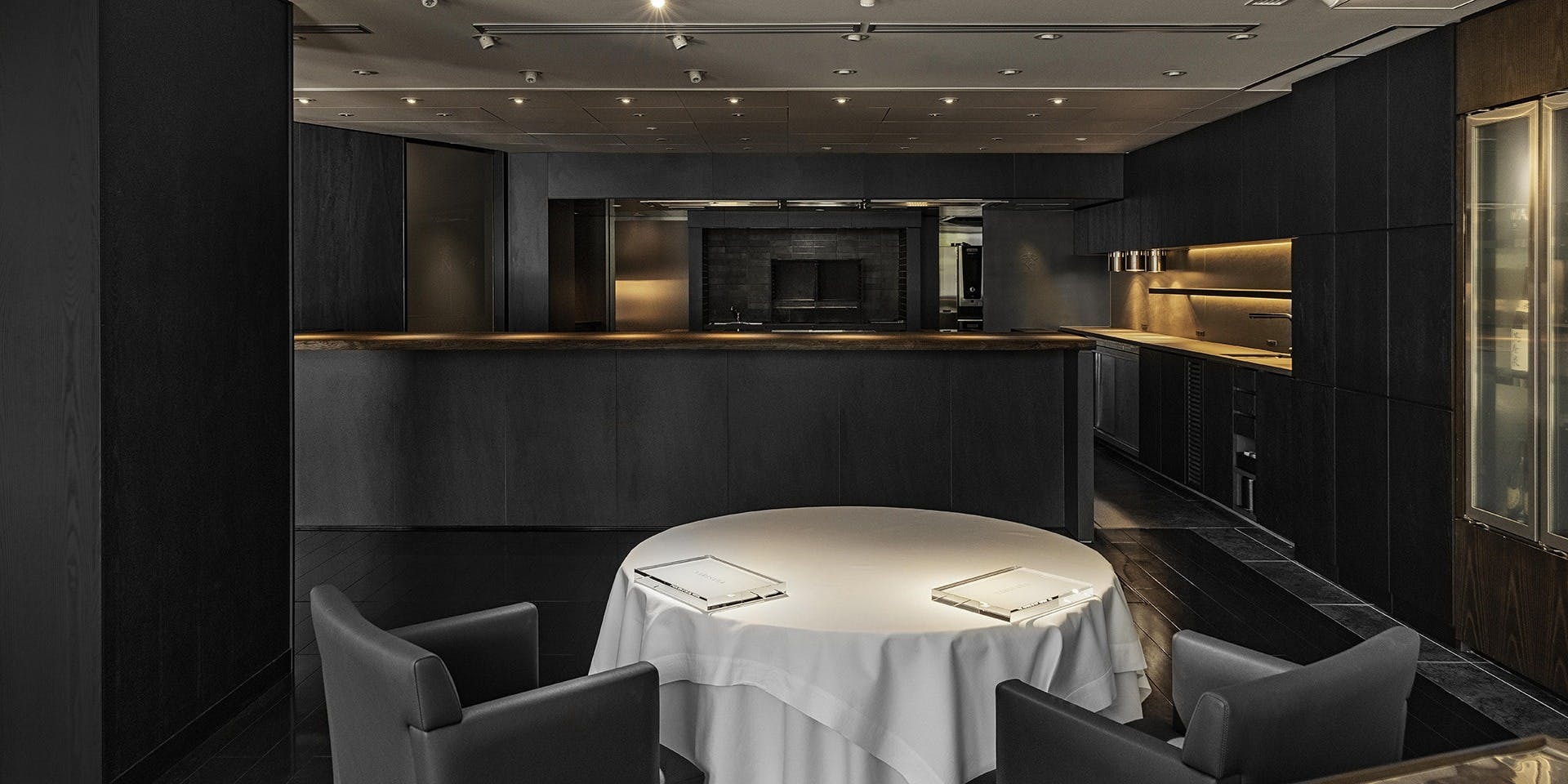
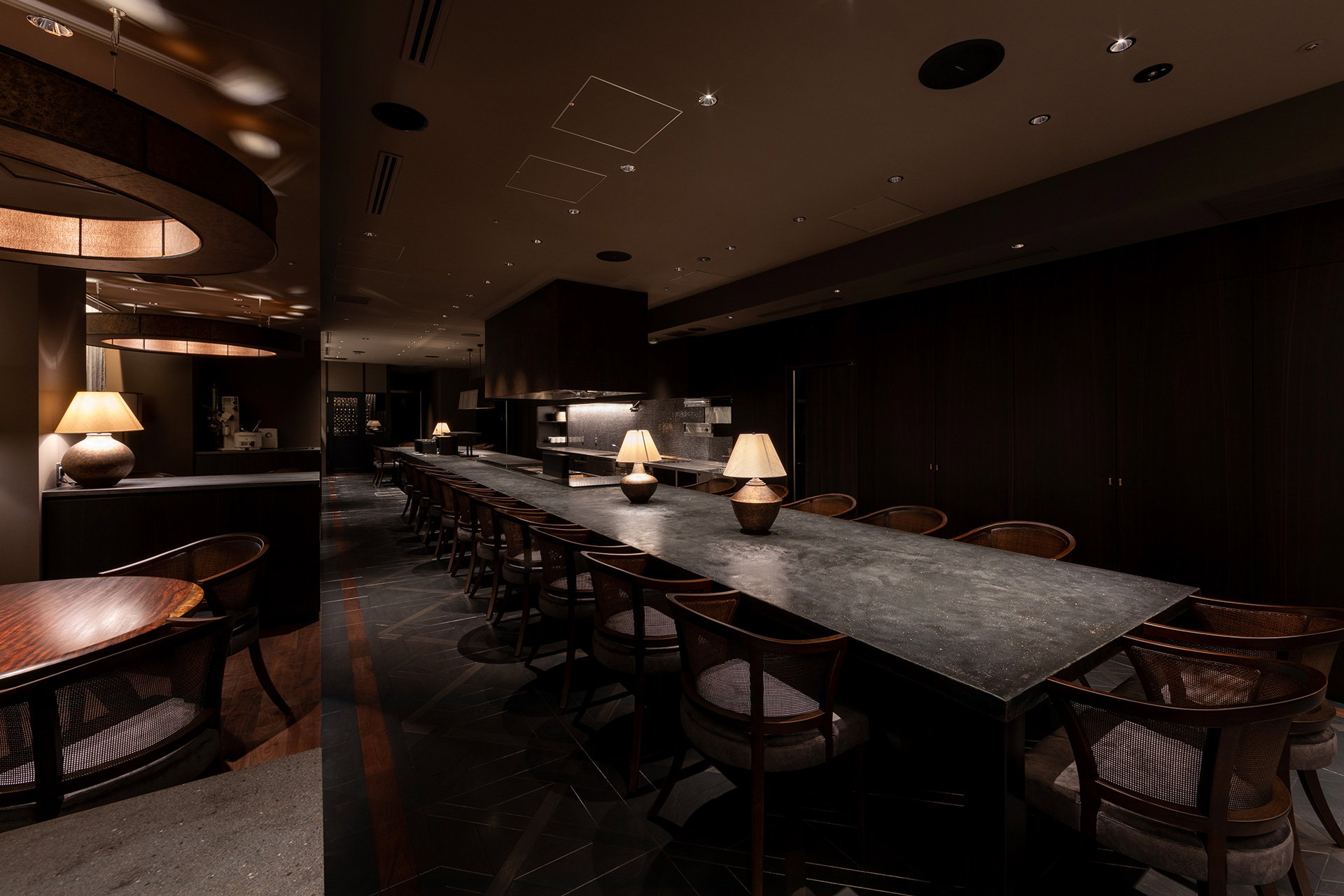
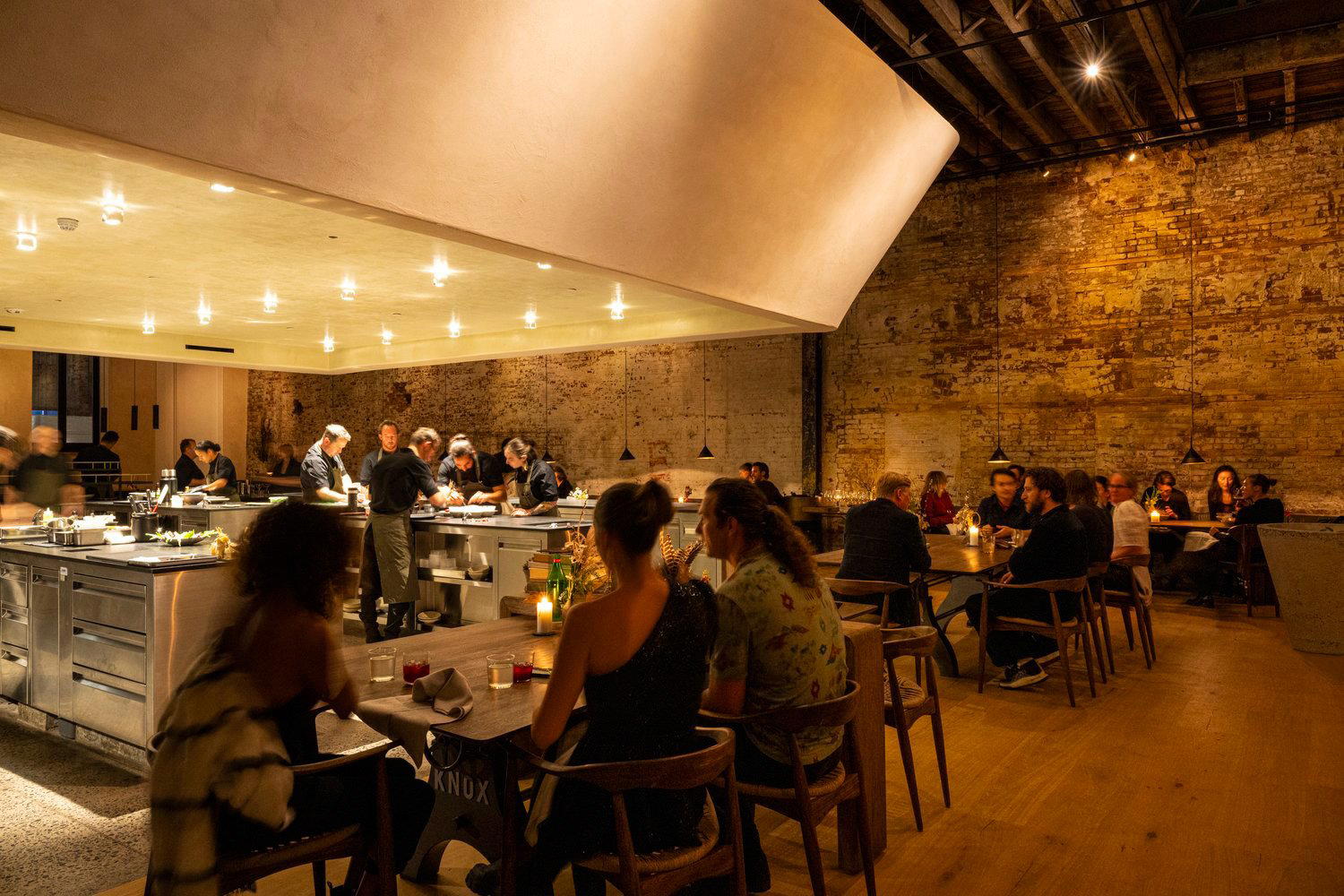
JINBO MINAMI AOYAMA reads like a quietly confident discovery: a neighborhood restaurant that earns attention through technique and seasonality rather than spectacle. It sits in Minami Aoyama’s low-key streets, trading on small dining rooms and counter service where the kitchen’s technical lineage from Italy is balanced by a distinctly Japanese approach to produce. The room feels restrained and focused, the kind of place reviewers note rather than the casual passerby. With a Michelin Plate to its name and a menu that treats aperitivo logic as an opening movement, the restaurant presents a composed, quietly refined atmosphere.
Best For
This is a dinner destination for diners who value thoughtful, ingredient-led cooking and a composed tasting sequence. The kitchen translates northern Italian ideas—like the bagna càuda tradition—into a Japanese seasonal register, often folding aperitivo-like early courses into a set menu. Prices sit in the mid-upscale bracket (¥¥¥) and the restaurant’s pedigree, including consecutive Michelin Plate recognition, makes it well suited to date nights, special occasions and discreet business dinners where the food and service are the evening’s focus.
Ordering Tips
Expect a structured, seasonally driven set menu rather than à la carte aperitivo service; the restaurant absorbs aperitivo into its early courses to open the palate. Make room for the signature bagna càuda-style preparations and the seasonal omakase elements referenced in the description—these signal the kitchen’s approach of pairing Italian structure with Japanese ingredients. Given the small dining rooms and counter-oriented layout, plan for a seated, evening experience that centers the kitchen’s sequence rather than casual grazing.
Venue details
Ambiance
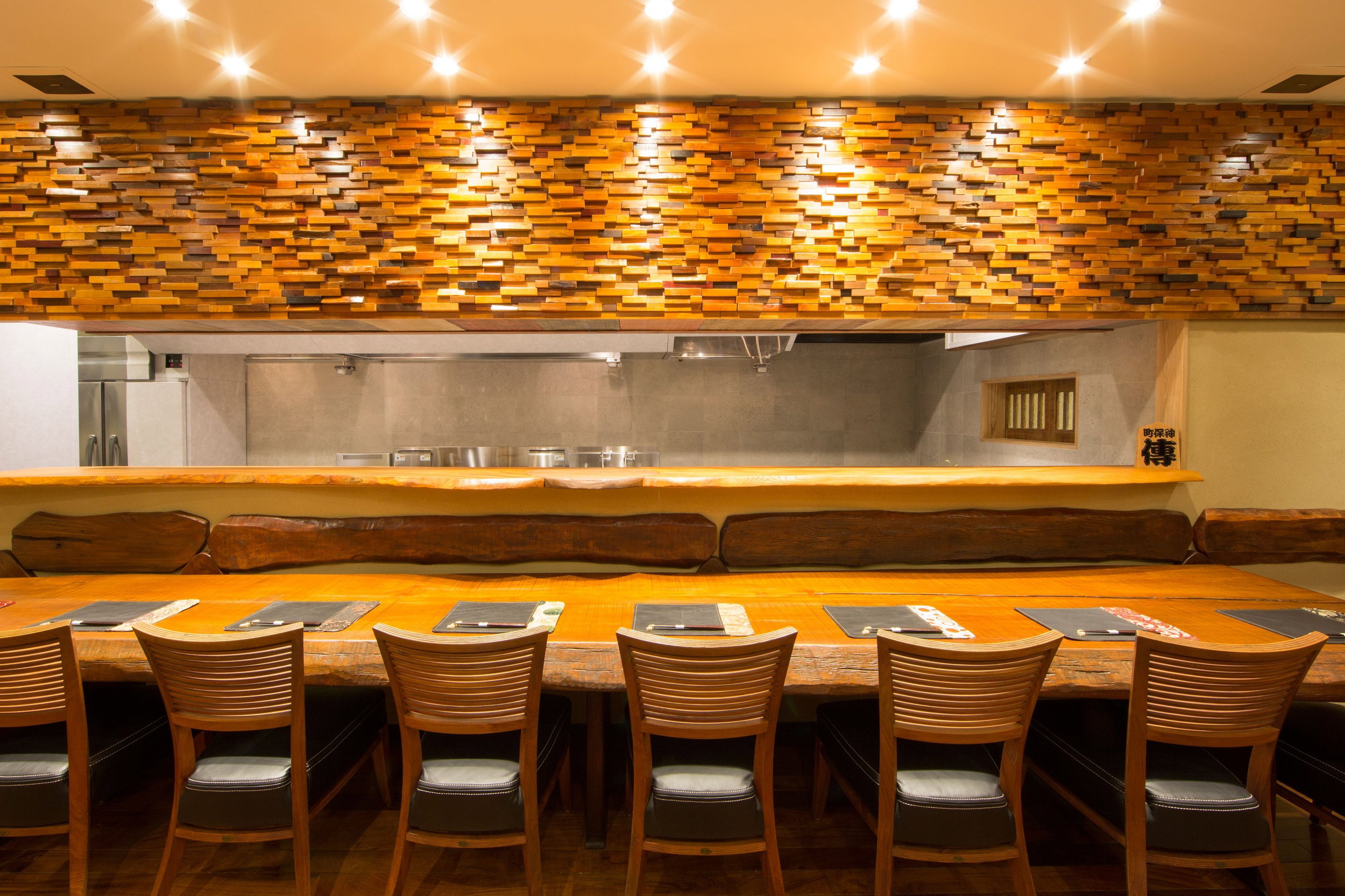
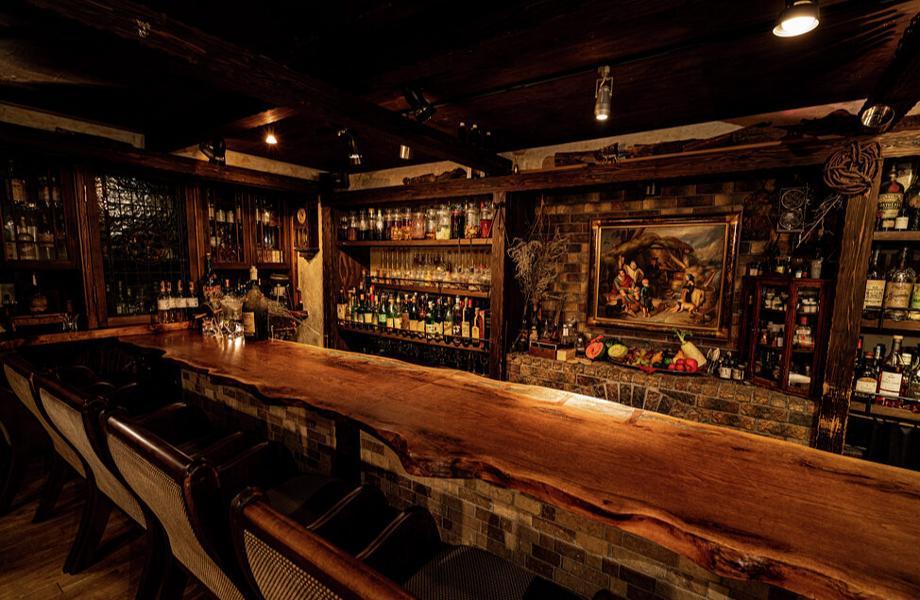
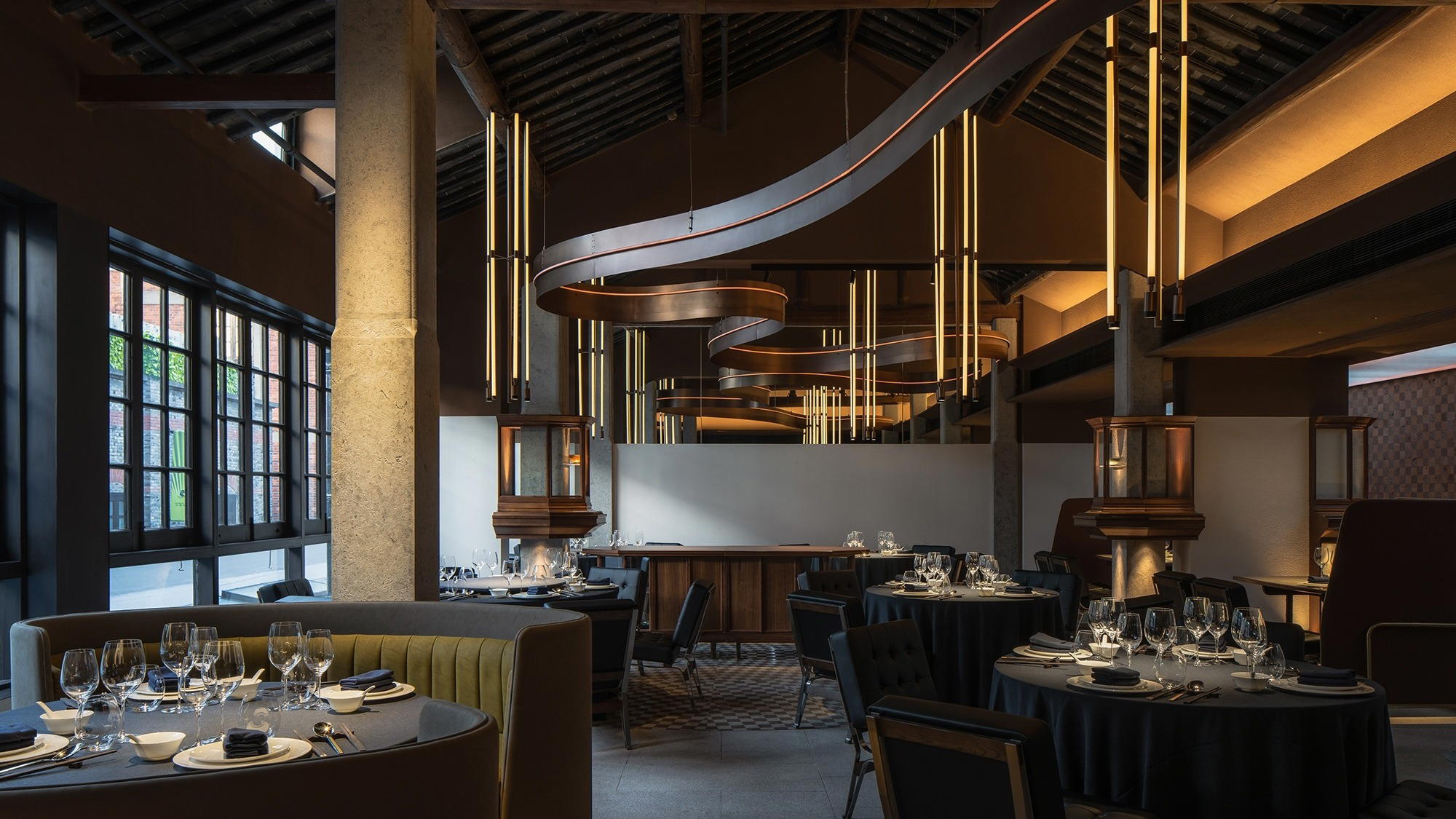
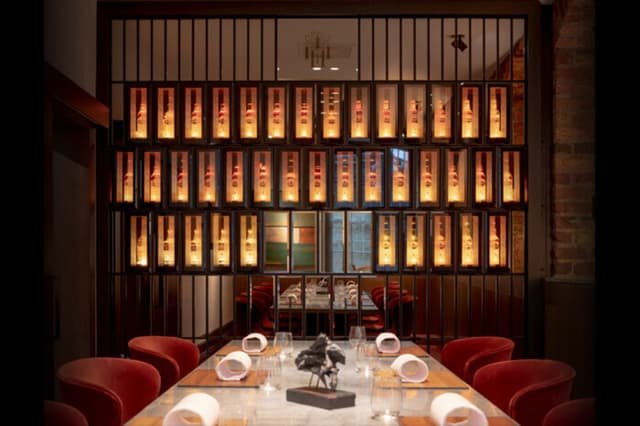
Stylish, relaxing, and serene atmosphere with tasteful decor and impeccable, attentive service.
Tags
Vibe
Best For
Experience
Sourcing
Accessibility
At the Table
- Dress Code
- Smart Casual
- Noise Level
- Quiet
- Service Style
- Upscale Casual
- Meal Pacing
- Leisurely
- Capacity
- Intimate
- Kitchen
- Modern
- Menu Format
- Omakase, Tasting menu
- Wine Program
- Curated
- Drinks Focus
- Wine, Sake
- Private Dining
- Available
Signature Dishes
- bagna_cauda
- seasonal_omakase
Know before you go
Know Before You Go
- Getting there
- Japan, 〒107-0062 Tokyo, Minato City, Minamiaoyama, 4 Chome−11−13 サンライトヒル青山
Planning details
Location
Japan, 〒107-0062 Tokyo, Minato City, Minamiaoyama, 4 Chome−11−13 サンライトヒル青山 · Directions
Recognition and awards
Also consider
Also Consider
- Harutaka, Sushi, ¥¥¥¥
- L'Effervescence, French, ¥¥¥¥
- RyuGin, Kaiseki, Japanese, ¥¥¥¥
- HOMMAGE, Innovtive French, French, ¥¥¥¥
- Crony, Innovative, French, ¥¥¥¥
Restaurant context
JINBO MINAMI AOYAMA at ¥¥¥ is the most accessible price point among the serious options listed here. Harutaka, L'Effervescence, RyuGin, HOMMAGE, and Crony all operate at ¥¥¥¥. That price gap matters: JINBO asks for meaningfully less while carrying Michelin Plate recognition, which makes it the logical starting point if you want a credentialled table without committing to the top-tier spend.
On cooking style, JINBO's Italian-with-Japanese-produce approach is distinct from the French-dominant alternatives. L'Effervescence and HOMMAGE both work in French territory with Japanese ingredients; RyuGin is kaiseki. If you want European cooking grounded in Japanese sourcing and you want it in Italian rather than French, JINBO is the cleaner fit. Crony operates in an innovative French register with a modern edge. For a two-dinner comparison trip, pairing JINBO with Crony covers the most stylistic ground at different price points.
Booking difficulty favours JINBO. The ¥¥¥¥ venues, particularly Harutaka and RyuGin, require more planning and earlier reservation windows. JINBO books at Easy difficulty, which means you can plan a Tokyo trip with less lead time and still get a seat. If one booking falls through, JINBO is the most reliable safety net among credentialled Tokyo tables without sacrificing kitchen quality.
Explore Tokyo
Around this place
Discover more on Pearl
Unlock the full JINBO MINAMI AOYAMA guide in Pearl, including awards, comparisons, FAQs, planning details, and nearby places.
Compare JINBO MINAMI AOYAMA
| Venue | Cuisine | Price | Booking Difficulty | Awards |
|---|---|---|---|---|
| JINBO MINAMI AOYAMA | Italian | ¥¥¥ | Easy | 2026 Michelin PlateWe're Smart World Top Restaurants 20252025 Michelin Plate2024 Michelin Plate |
| Harutaka | Sushi | ¥¥¥¥ | Unknown | 2026 Tabelog Silver · #312026 OAD Top Restaurants in Japan Ranked · #1282026 Michelin 3 Stars2026 La Liste Top RestaurantsTabelog 100 - Sushi - TOKYO - 2025 · #372025 Asia's 50 Best Restaurants · #762025 OAD Top Restaurants in Japan Ranked · #1172025 La Liste Top Restaurants2025 Tabelog Bronze |
| L'Effervescence | French | ¥¥¥¥ | Unknown | 2026 Tabelog Silver · #682026 OAD Top Restaurants in Japan Ranked · #103Star Wine Lists 20262026 Black Pearl 2 Diamond2026 Relais Chateaux Restaurants2026 La Liste Top Restaurants2026 Michelin 3 Stars2025 Asia's 50 Best Restaurants · #692025 OAD Top Restaurants in Japan Ranked · #92 |
| RyuGin | Kaiseki, Japanese | ¥¥¥¥ | Unknown | 2026 OAD Top Restaurants in Japan Ranked · #802026 Tabelog Bronze · #3772026 Michelin 3 Stars2026 La Liste Top RestaurantsTabelog 100 - Japanese cuisine - TOKYO - 2025 · #212025 OAD Top Restaurants in Japan Ranked · #542025 Michelin 3 Stars2025 La Liste Top Restaurants2025 The Best Chef Three Knives |
| HOMMAGE | Innovtive French, French | ¥¥¥¥ | Unknown | 2026 Tabelog Bronze · #1232026 OAD Top Restaurants in Japan Highly Recommended2026 Michelin 2 StarsTabelog 100 - French - TOKYO - 2025 · #762025 Asia's 50 Best Restaurants · #782025 OAD Top Restaurants in Japan Ranked · #1752025 Michelin 2 Stars2025 The Best Chef One Knife2025 La Liste Top Restaurants |
| Crony | Innovative, French | ¥¥¥¥ | Unknown | 2026 Asia's 50 Best Restaurants · #34Star Wine Lists 20262026 OAD Top Restaurants in Japan Recommended2026 Michelin 2 Stars2025 Asia's 50 Best Restaurants · #30Tabelog 100 - French - TOKYO - 2025 · #782025 OAD Top Restaurants in Japan Ranked · #227We're Smart World Top Restaurants 20252025 Michelin 2 Stars |













Side-by-side comparison to help you decide where to book.
FAQ
Frequently Asked Questions
Is JINBO MINAMI AOYAMA worth the price?
At ¥¥¥, it is. Chef Jinbo holds two consecutive Michelin Plate recognitions (2024 and 2025), and his sourcing approach — direct relationships with farms across Japan, including Ibaraki — means you are paying for produce that most Italian restaurants in Tokyo do not have access to. For a comparable spend on Western-influenced fine dining, L'Effervescence is the main alternative, but Jinbo's format is more intimate and easier to book.
Is JINBO MINAMI AOYAMA good for solo dining?
It is a strong solo option. The small scale of the restaurant and chef-driven format favour solo diners who want to engage with the food rather than a social occasion. Booking difficulty is rated easy, so you are not competing for a counter seat weeks in advance the way you would at a tighter Tokyo omakase.
What should a first-timer know about JINBO MINAMI AOYAMA?
Expect Italian technique applied to Japanese agricultural produce, not a conventional Italian menu. Vegetables are central to the cooking, not a side consideration, so first-timers who arrive expecting meat-forward Italian plates may need to recalibrate. The address is 4 Chome-11-13 Minamiaoyama, Minato City — straightforward to reach in Aoyama. Michelin Plate status signals quality without the reservation pressure of a starred room.
Is the tasting menu worth it at JINBO MINAMI AOYAMA?
If vegetable-driven, produce-focused cooking is your format, yes. Chef Jinbo's tasting structure is built around farm sourcing and seasonal progression, with the bagna càuda cited as an anchor course. If you want a more classic Italian progression centred on protein, HOMMAGE or a conventionally structured European table may be a better fit at this price point.
What should I order at JINBO MINAMI AOYAMA?
The bagna càuda is the dish most associated with Chef Jinbo's approach — a warm anchovy-and-garlic preparation built around seasonal Japanese vegetables from farms he sources directly. Beyond that, the vegetable courses that run through the menu reflect his work as an Ibaraki Food Ambassador and are the clearest expression of what makes this kitchen distinct from other Italian tables in Tokyo.