.png?width=1200&quality=80)

Jfree
French · Shinjuku, Tokyo
Restaurant in Tokyo, Japan
 Book with Pearl
The Read
Miyazaki-Sourced French Prix Fixe
Price
¥¥¥
Dress
Smart Casual
Why go
Jfree holds a Michelin Plate in 2024 and 2025, delivering French technique built around Miyazaki Prefecture produce at ¥¥¥ pricing — a meaningful step below Tokyo's ¥¥¥¥ French competition. The kitchen's fluency in Japanese stock-making and French aromatic finishing makes it a strong choice for French dining in Kagurazaka without the full-star price tag.
About Jfree
Verdict
Jfree holds a Michelin Plate in both 2024 and 2025 — recognition that sits below a star but above the noise of Tokyo's crowded French dining scene. At ¥¥¥ pricing, it undercuts the ¥¥¥¥ French competition by a meaningful margin while delivering a chef-driven prix fixe that takes Miyazaki Prefecture's produce seriously. If you want French technique applied to Japanese ingredients without paying L'Effervescence prices, Jfree is worth booking. If you need a full star on the bill for a business dinner or landmark occasion, look elsewhere.
About Jfree
The name telegraphs the philosophy: "free expression" is the stated intent, and the kitchen acts on it. Jfree operates in Kagurazaka, a neighbourhood in Shinjuku City that has long housed some of Tokyo's more considered European dining — the kind of address where smaller rooms and chef-led menus are the norm rather than the exception. The restaurant sits on the second floor of the AY2 building at 2 Chome-11-7, which puts it away from street-level foot traffic and closer to the category of places you book rather than stumble into.
The cooking sits squarely at the intersection of French classical structure and Japanese ingredient sensibility. That pairing is not unusual in Tokyo, the city has refined it over decades, but what Jfree brings is a specifically regional identity. The prix fixe centres on the produce of Miyazaki Prefecture, a southern Kyushu region known for its agricultural quality, particularly chicken, citrus, and seasonal vegetables. The chef's connection to Miyazaki is biographical, not marketing, and it shapes the menu with more specificity than the generic farm-to-table framing common at mid-tier French restaurants.
Dish that leading illustrates the kitchen's technical position is the soup of locally raised chicken: chicken dashi stock forms the base, which is a Japanese technique applied with the precision that dashi demands, and char-grilled chicken thigh is placed within it, adding smoke and texture. The soup is then scented with vermouth, pulling the preparation back toward a French sensibility without abandoning its Japanese foundation. That three-way tension, Japanese stock-making, Japanese grilling, French aromatic finish, is the kitchen's clearest statement of what it does. Pulling off that combination without one element flattening the others requires genuine technical fluency in both traditions, not just familiarity with both ingredient lists. The Michelin Plate, held across two consecutive years, suggests the kitchen is consistent enough to earn that recognition repeatedly.
If you have been once and ate well, the case for returning is the seasonal evolution of the Miyazaki-focused menu. A prix fixe built around a specific regional ingredient supply changes with the prefecture's growing calendar, which means the menu in spring and the menu in autumn are likely to read differently at the protein and vegetable level even if the structural logic of the meal stays the same. That is more reason to revisit than most ¥¥¥ French restaurants in the city give you.
Kagurazaka as a neighbourhood rewards the walk before or after dinner. The area retains some of its older alley character alongside French-influenced cafes and wine bars, which makes it a reasonable destination in its own right rather than purely a restaurant address. For a broader sense of where Jfree sits in the city's dining options, see our full Tokyo restaurants guide. If you are planning a wider trip, our full Tokyo hotels guide, our full Tokyo bars guide, and our full Tokyo experiences guide cover the rest of the city.
For French dining at this price tier in Tokyo, Florilège is the most direct comparison, also ¥¥¥, also chef-driven, and more widely reviewed. Sézanne and ESqUISSE operate at a higher price point with starred credentials. Outside Tokyo, the French-Japanese crossover format has strong practitioners at HAJIME in Osaka and more regionally grounded cooking at akordu in Nara. If Miyazaki-sourced produce is the draw, knowing that Goh in Fukuoka works with similar Kyushu ingredients from a Japanese technique base gives useful context for how different kitchens approach the same regional larder.
For context on French dining that uses Japanese ingredients at the highest level globally, Hotel de Ville Crissier in Crissier and Les Amis in Singapore show where the tradition lands outside Japan. Within Japan, Château Restaurant Joël Robuchon represents the formal end of Tokyo's French spectrum, while Gion Sasaki in Kyoto and 1000 in Yokohama offer comparison points across Japanese cuisine categories. 6 in Okinawa rounds out the regional picture for anyone travelling more broadly through Japan.
Planning details
- Location
- Japan, 〒162-0825 Tokyo, Shinjuku City, Kagurazaka, 2 Chome−11−7 AY2ビル2 階S
- Website
- instagram.com/jfree_kagurazaka
- Phone
- +81 3-6457-5547
The take
The Take
The Vibe
Jfree sits comfortably within Kagurazaka’s layered, European-leaning streetscape, where cobbled lanes and a postwar French presence give the quarter a distinct, historic character. The restaurant reads as intimate and refined, applying modern technique to the French canon while leaning on Japanese ingredients. Its Michelin Plate recognition in consecutive years signals dependable, well-executed cooking rather than showy theatrics — the kind of polished neighborhood place that feels both elegant and approachable. Dining here feels like participating in Kagurazaka’s long-running Franco-Japanese conversation: quietly cultured, rooted in classic technique, and steered by contemporary sensibilities.
Best For
Jfree is best suited to an evening outing where food is the focus: think date nights and special occasions that favor attentive, ingredient-driven French cooking with a Japanese twist. The write-up frames it at a ¥¥¥ price tier and highlights Michelin Plate recognition for 2024 and 2025, positioning the restaurant as a reliable, polished option that locals return to rather than a once-in-a-lifetime splurge. Expect an intimate dining rhythm that rewards lingering over plates and conversation, making it a strong pick for thoughtful dinners in Kagurazaka’s atmospheric streets.
Ordering Tips
Keep your order focused on the kitchen’s signatures and the fusion of French technique with Japanese produce. The description highlights three house specialties — Miyazaki Chicken Dashi Soup, Crepe Salé, and preparations of conger eel — which are useful touchstones for the kitchen’s approach. Given the restaurant’s Michelin Plate status and its working-dining orientation, consider sampling a few of these standout items to get a clear sense of how classic French forms are adapted to local ingredients. The menu’s balance favors technique and provenance, so let the listed signatures guide your choices.
Venue details
Ambiance
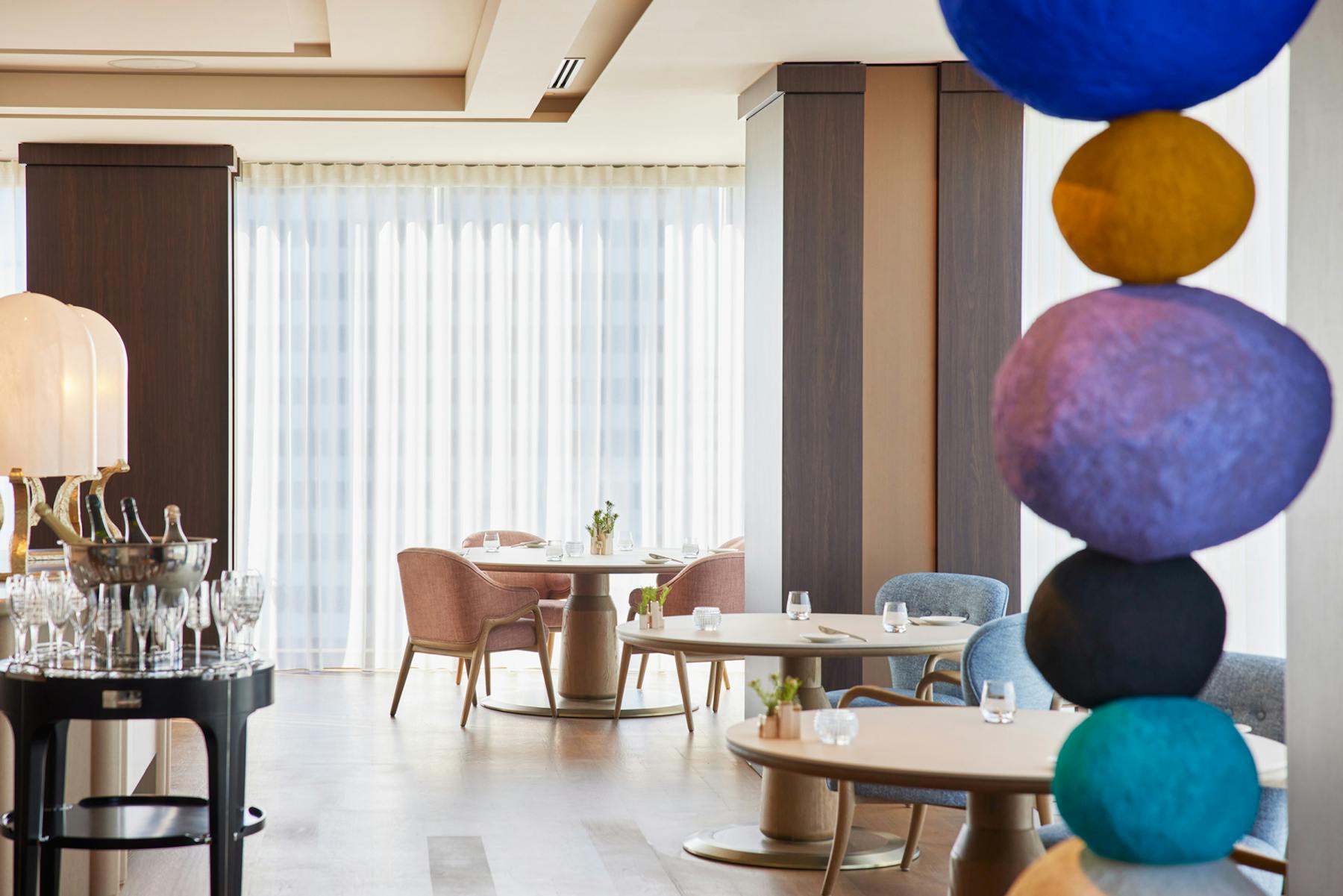
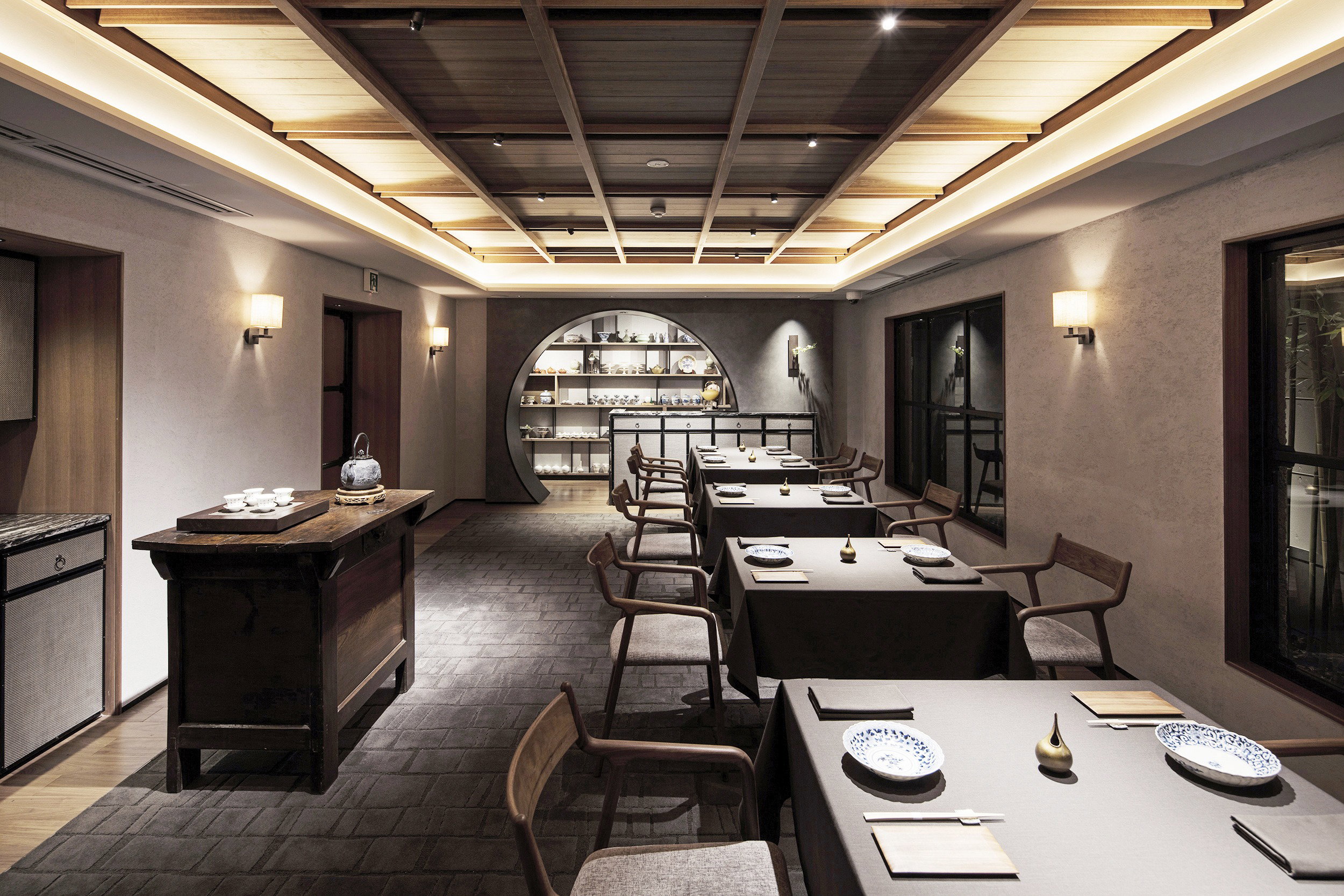
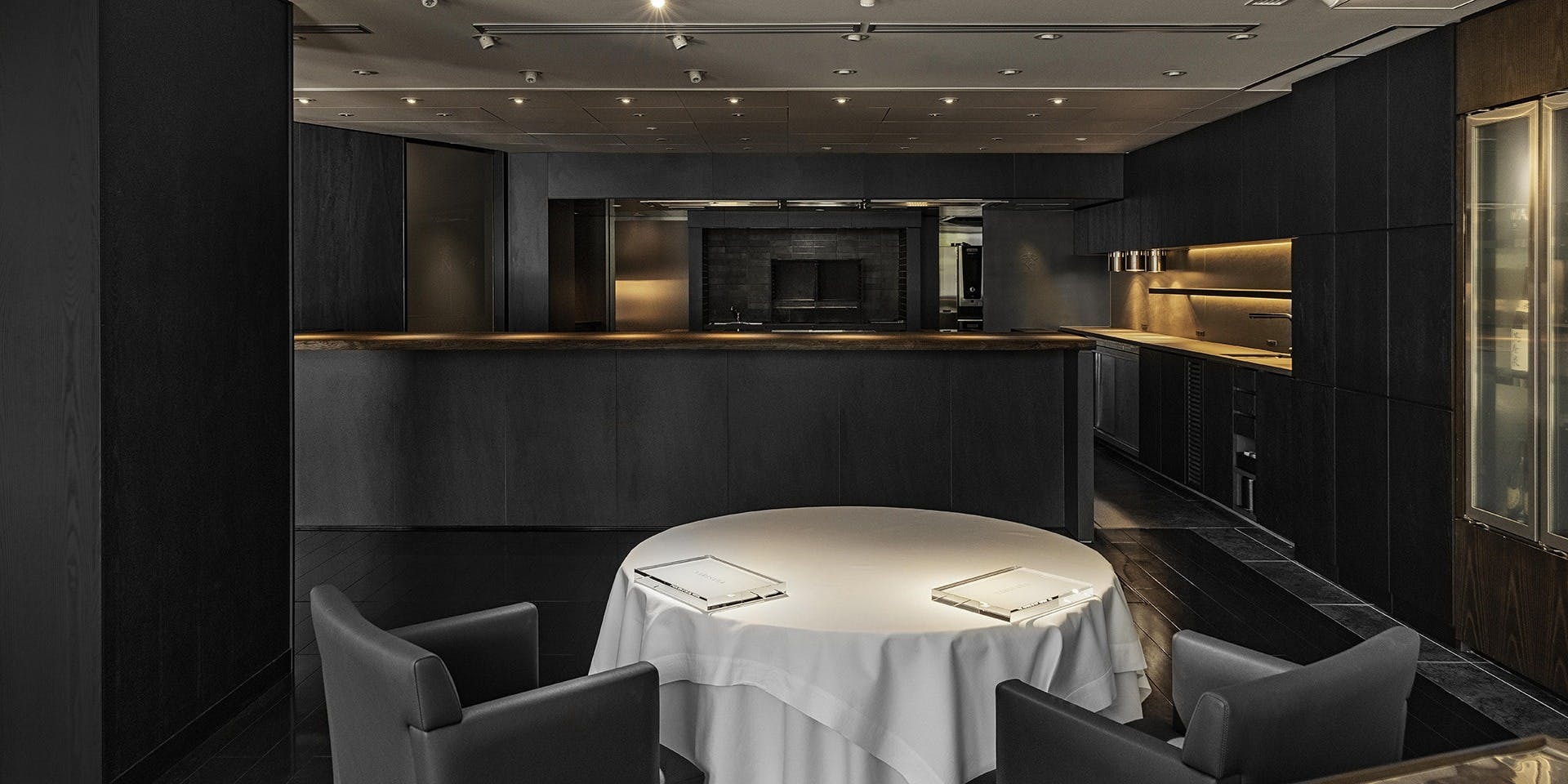
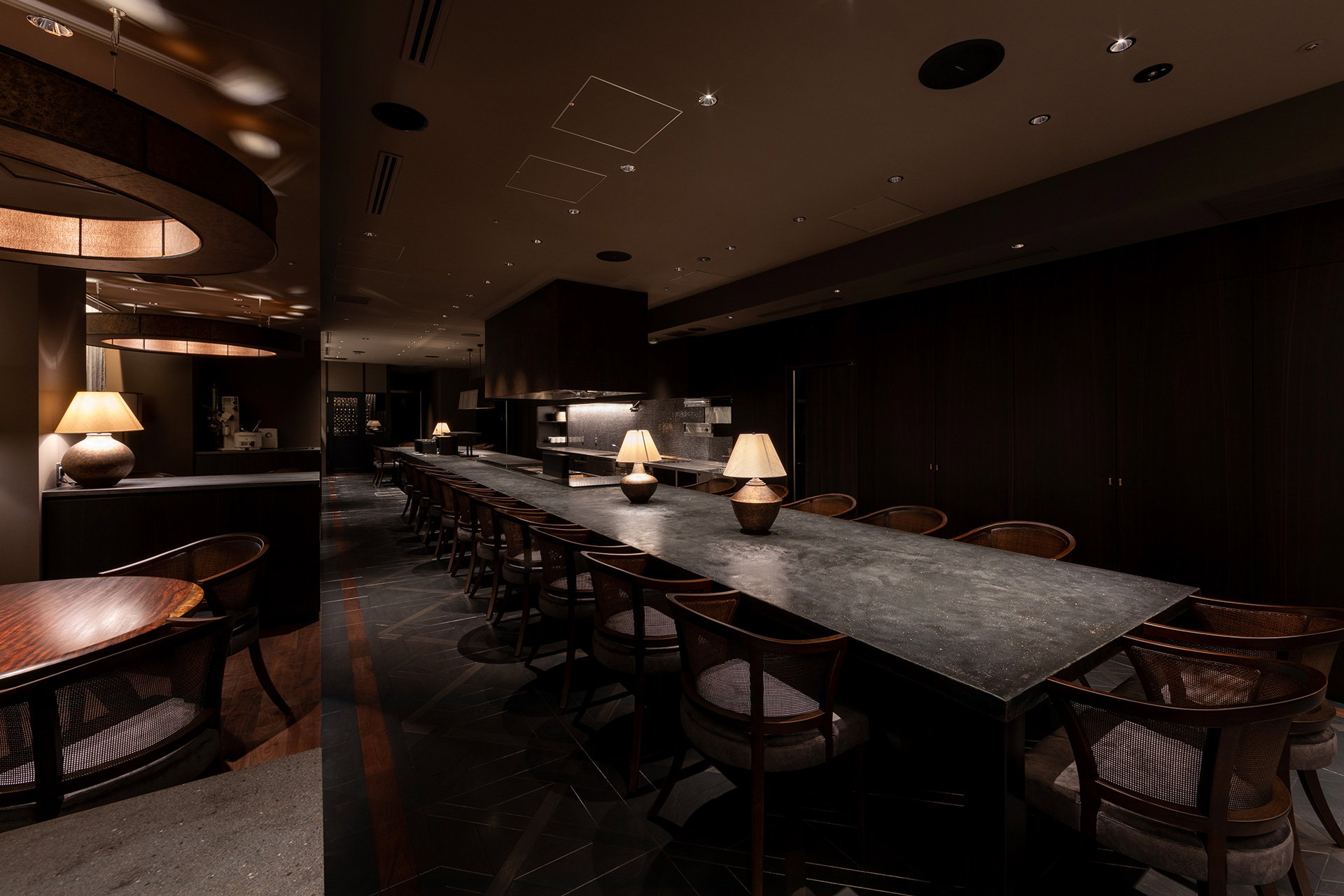
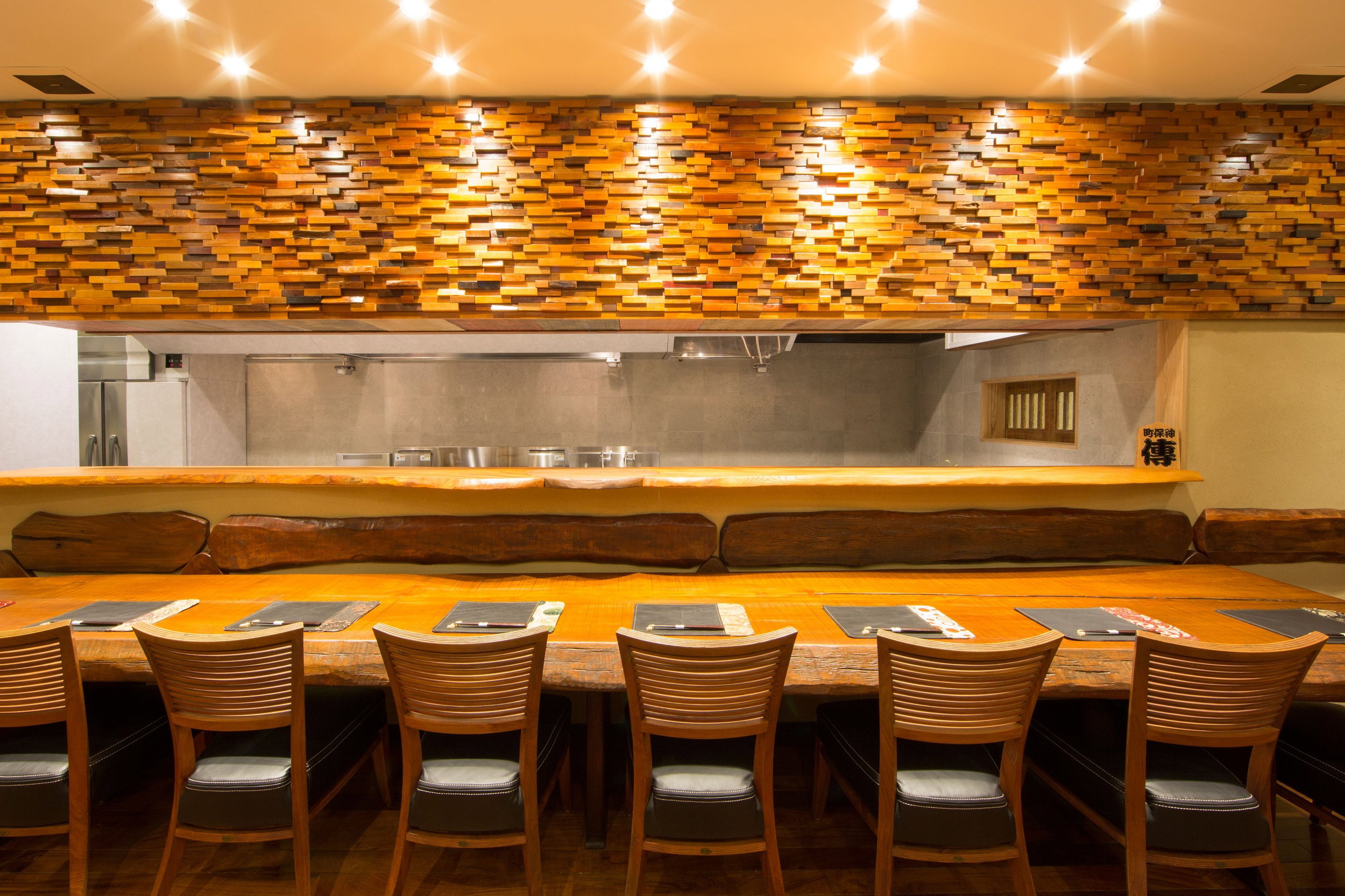
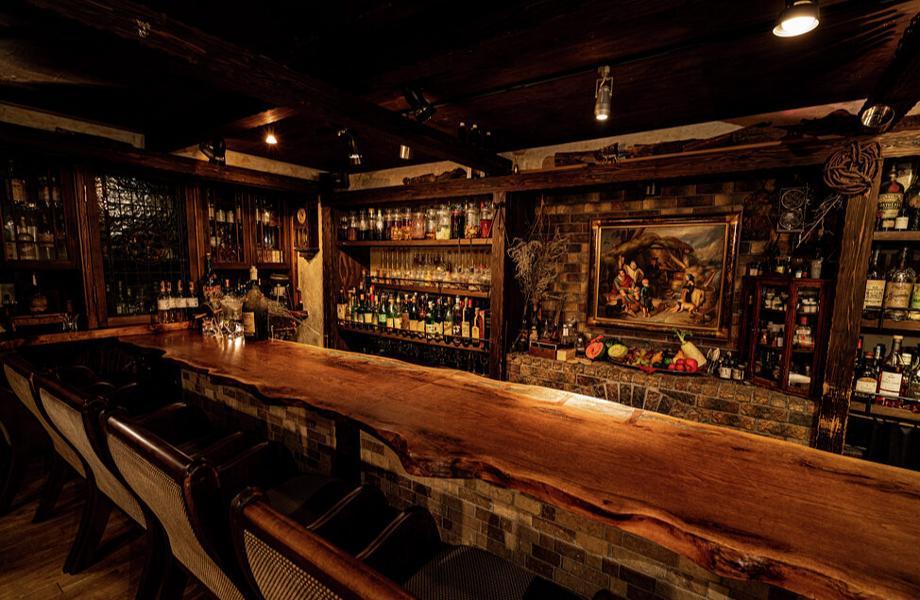
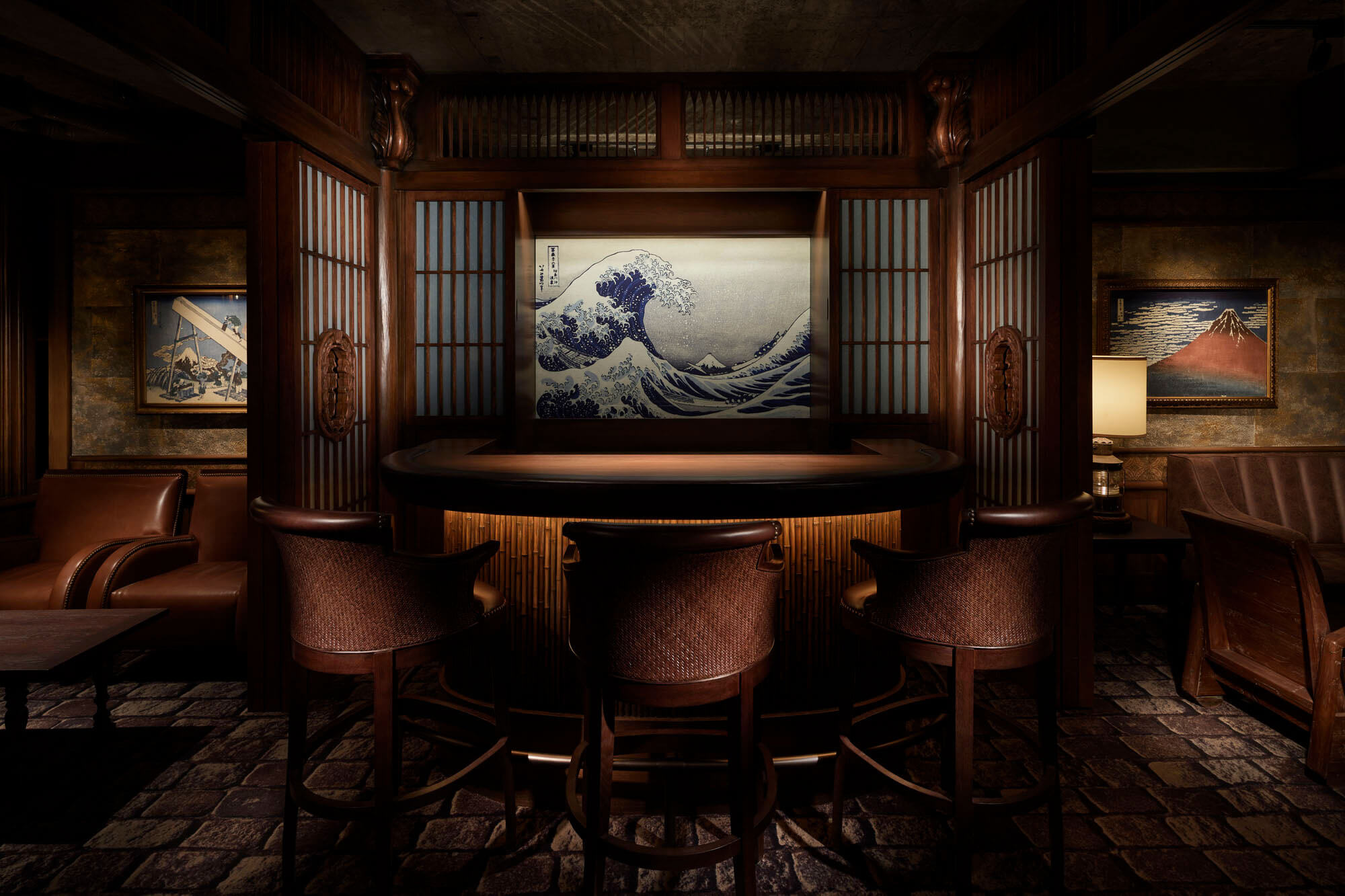
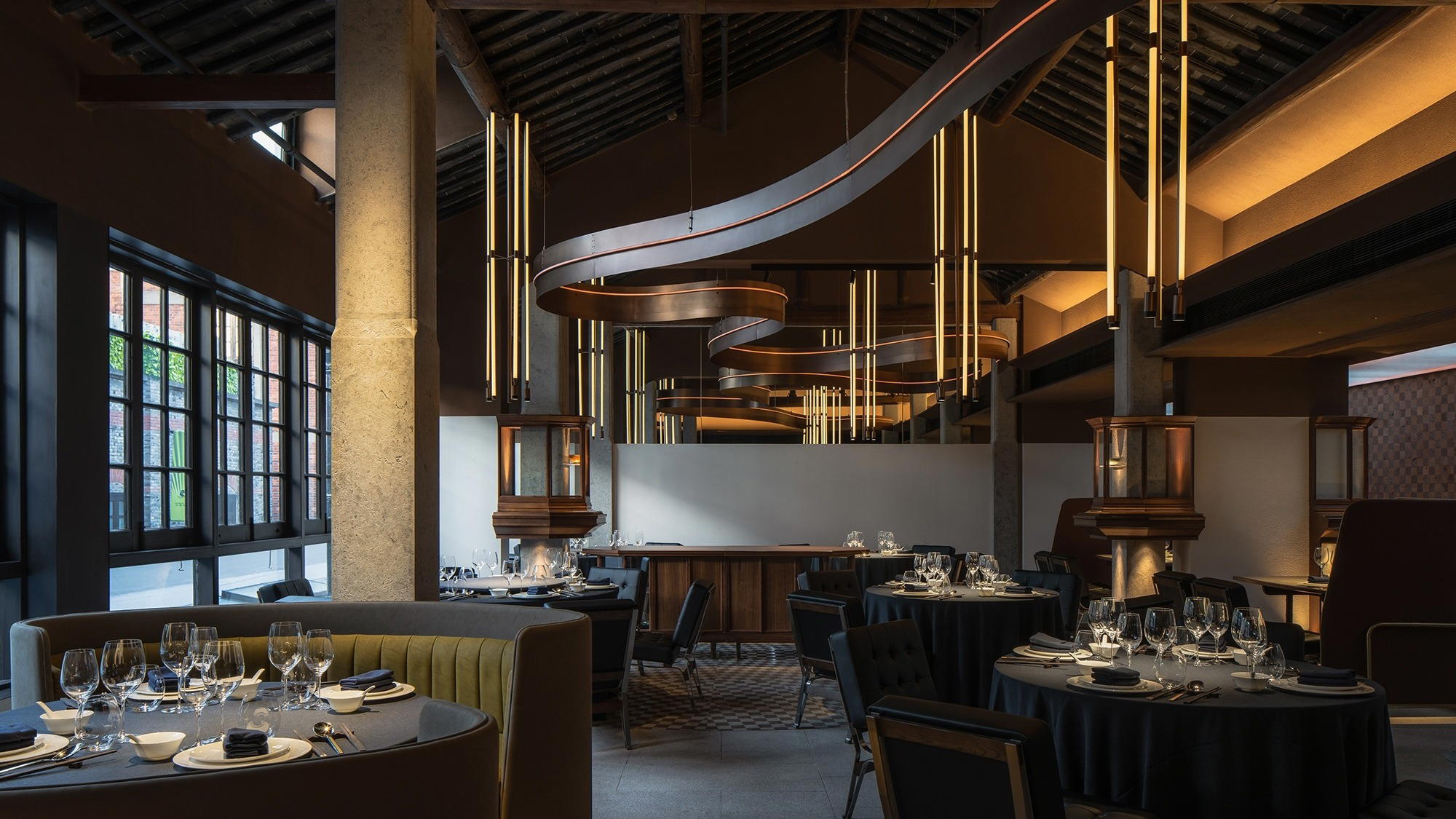
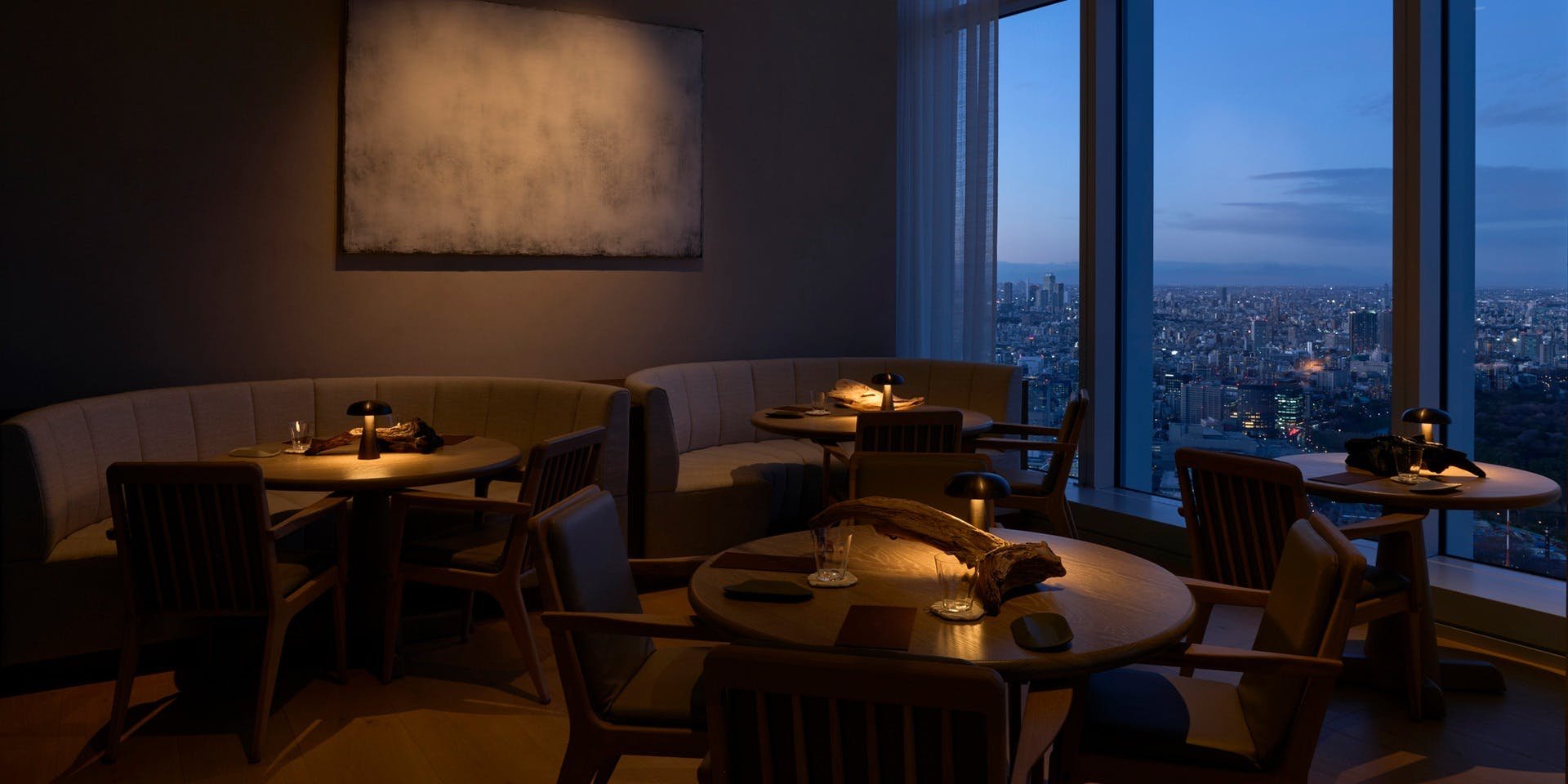
Serene and beautifully lit intimate space with deep tones, spotlighted counter for dynamic kitchen view, and relaxing sophisticated atmosphere.
Tags
Vibe
Best For
Experience
Sourcing
At the Table
- Dress Code
- Smart Casual
- Noise Level
- Quiet
- Service Style
- Upscale Casual
- Meal Pacing
- Leisurely
- Capacity
- Intimate
Signature Dishes
- Miyazaki Chicken Dashi Soup
- Crepe Salé
- Conger Eel
Know before you go
Know Before You Go
- Getting there
- Japan, 〒162-0825 Tokyo, Shinjuku City, Kagurazaka, 2 Chome−11−7 AY2ビル2 階S
Planning details
Location
Japan, 〒162-0825 Tokyo, Shinjuku City, Kagurazaka, 2 Chome−11−7 AY2ビル2 階S · Directions
Recognition and awards
Also consider
Also Consider
- Harutaka, Sushi, ¥¥¥¥
- RyuGin, Kaiseki, Japanese, ¥¥¥¥
- L'Effervescence, French, ¥¥¥¥
- HOMMAGE, Innovtive French, French, ¥¥¥¥
- Florilège, French, ¥¥¥
Restaurant context
At ¥¥¥, Jfree is priced a tier below most of its natural French competition in Tokyo. L'Effervescence and HOMMAGE both operate at ¥¥¥¥ with Michelin star recognition, and the gap in price reflects a genuine gap in production scale and service formality. If the evening needs a star for professional or celebratory reasons, those two are the right call. If you are after chef-driven French cooking with a clear point of view and more accessible pricing, Jfree competes directly with Florilège, which also sits at ¥¥¥ and carries more international name recognition. Florilège is harder to book and more widely reviewed; Jfree is quieter and easier to get into, which is a practical advantage in a city where the best-known rooms fill weeks out.
Against the Japanese-tradition options in the same price tier, the comparison shifts. Harutaka and RyuGin both sit at ¥¥¥¥ and operate in Japanese formats, sushi and kaiseki respectively, where the ingredient sourcing and technique are rooted in Japanese culinary logic from the ground up. Jfree's appeal is specifically to the diner who wants French structure with Japanese ingredient depth rather than a purely Japanese experience. If the format matters as much as the quality, those are genuinely different evenings.
For a returning visitor who already knows Tokyo's French dining tier, Jfree is the practical next booking: easier to secure than Florilège, less expensive than L'Effervescence, and more regionally specific than either. The Miyazaki Prefecture focus gives the menu an identity that most ¥¥¥ French rooms in Tokyo do not have, which makes it a more interesting repeat visit than a restaurant with a generic seasonal French menu at the same price point.
Explore Tokyo
Around this place
Discover more on Pearl
Unlock the full Jfree guide in Pearl, including awards, comparisons, FAQs, planning details, and nearby places.
Compare Jfree
| Venue | Price | Awards |
|---|---|---|
| Jfree | ¥¥¥ | 2026 Michelin PlateTabelog 100 - French - TOKYO - 2025 · #272025 Michelin Plate2024 Michelin Plate |
| Harutaka | ¥¥¥¥ | 2026 Tabelog Silver · #312026 OAD Top Restaurants in Japan Ranked · #1282026 Michelin 3 Stars2026 La Liste Top RestaurantsTabelog 100 - Sushi - TOKYO - 2025 · #372025 Asia's 50 Best Restaurants · #762025 OAD Top Restaurants in Japan Ranked · #1172025 La Liste Top Restaurants2025 Tabelog Bronze |
| RyuGin | ¥¥¥¥ | 2026 OAD Top Restaurants in Japan Ranked · #802026 Tabelog Bronze · #3772026 Michelin 3 Stars2026 La Liste Top RestaurantsTabelog 100 - Japanese cuisine - TOKYO - 2025 · #212025 OAD Top Restaurants in Japan Ranked · #542025 Michelin 3 Stars2025 La Liste Top Restaurants2025 The Best Chef Three Knives |
| L'Effervescence | ¥¥¥¥ | 2026 Tabelog Silver · #682026 OAD Top Restaurants in Japan Ranked · #103Star Wine Lists 20262026 Black Pearl 2 Diamond2026 Relais Chateaux Restaurants2026 La Liste Top Restaurants2026 Michelin 3 Stars2025 Asia's 50 Best Restaurants · #692025 OAD Top Restaurants in Japan Ranked · #92 |
| HOMMAGE | ¥¥¥¥ | 2026 Tabelog Bronze · #1232026 OAD Top Restaurants in Japan Highly Recommended2026 Michelin 2 StarsTabelog 100 - French - TOKYO - 2025 · #762025 Asia's 50 Best Restaurants · #782025 OAD Top Restaurants in Japan Ranked · #1752025 Michelin 2 Stars2025 The Best Chef One Knife2025 La Liste Top Restaurants |
| Florilège | ¥¥¥ | 2026 Asia's 50 Best Restaurants · #312026 Tabelog Bronze · #712026 OAD Top Restaurants in Japan Ranked · #1242026 Black Pearl 1 Diamond2026 Michelin 2 Stars2026 La Liste Top Restaurants2025 Asia's 50 Best Restaurants · #172025 World's 50 Best Restaurants · #36Tabelog 100 - French - TOKYO - 2025 · #68 |












Comparing your options in Tokyo for this tier.
FAQ
Frequently Asked Questions
Is the tasting menu worth it at Jfree?
If Miyazaki Prefecture produce and French-Japanese crossover cooking interest you, the prix fixe format here earns its ¥¥¥ price point. The kitchen has held a Michelin Plate in both 2024 and 2025, which signals consistent technical execution without the star-level premium. For the same spend on a purely classical French menu, L'Effervescence or HOMMAGE may suit you better — Jfree rewards diners who want to see Japanese technique applied to French structure.
Is Jfree good for a special occasion?
Yes, with the right expectations. The prix fixe format, Michelin Plate recognition, and Kagurazaka address make it a credible special-occasion choice for two people who appreciate ingredient-led cooking over theatrical tasting-menu spectacle. Groups of four or more should confirm capacity before booking, as the Kagurazaka location suggests a small room.
What should I wear to Jfree?
The venue data does not specify a dress code, but a Michelin Plate French restaurant in Kagurazaka — one of Tokyo's more refined residential dining neighbourhoods — reasonably calls for neat, put-together clothing. Avoid casualwear; treat it as you would a mid-level French restaurant in Paris's 6th arrondissement.
Is Jfree worth the price?
At ¥¥¥, Jfree sits in the middle tier of Tokyo fine dining and delivers Michelin Plate-level French-Japanese cooking centred on Miyazaki Prefecture ingredients. That regional focus is the differentiator — if you want a straightforward French menu at this price, Florilège or HOMMAGE offer more internationally recognised credentials. Jfree makes sense for diners specifically drawn to the chef's Japanese-ingredient philosophy applied through a French lens.