.png?width=1200&quality=80)

IRUCA TOKYO
Ramen · Minato, Tokyo
Restaurant in Tokyo, Japan
 Book with Pearl
The Read
Multi-Broth Ramen Originality
Price
$20–30per person
Dress
Casual
Why go
IRUCA TOKYO holds a 2024 Michelin Bib Gourmand for ramen that combines clam, spiny lobster, chicken, and beef broths with flourishes like porcini-truffle paste and yuzu butter — serious ingredient ambition at the ¥ price tier. It is one of Roppongi's most disproportionately rewarding meals for the spend. Worth planning around, not just stumbling into.
About IRUCA TOKYO
Verdict
IRUCA TOKYO earns its 2024 Michelin Bib Gourmand not by playing it safe with ramen conventions but by pushing the format further than most bowls in Roppongi dare to go. Clam, spiny lobster, free-range chicken, and beef combine into a soup with genuine depth, and the porcini-and-truffle paste variant of soy-sauce ramen is the kind of flourish that makes this a special-occasion stop rather than a quick lunch. At the ¥ price tier, it is one of the most disproportionately rewarding bowls in Tokyo for the spend. Book it for a solo counter seat, a date with appetite for something more considered than a standard tonkotsu, or any occasion where you want a Michelin-recognised meal without a four-figure bill.
About IRUCA TOKYO
Seats at IRUCA TOKYO are the constraint you need to plan around. The kitchen operates at a scale where bowls are made with real intention, not mass production, and that means the room fills. If you are visiting Roppongi with a ramen stop in mind, this is not a walk-in-whenever situation, particularly if you have a specific bowl in mind. Arriving early or checking reservation availability in advance is the sensible approach, and given the Bib Gourmand recognition it now carries, demand has only grown since the 2024 listing.
The flavour architecture here is what separates IRUCA TOKYO from the volume of ramen options in the city. The broth draws on multiple protein sources — clam for minerality, spiny lobster for sweetness and marine depth, free-range chicken for body, and beef for weight — combined in a way that produces something more layered than any single-base bowl. Paste made from porcini mushrooms and truffles can be added to the soy-sauce ramen, shifting the bowl from clean umami to something earthier and more complex mid-meal. The salt ramen takes a different direction: yuzu-flavoured butter introduced into the broth creates a creamy, citrus-lifted finish that is unusual in Tokyo's ramen scene without being gimmicky.
The name comes from the Japanese word for dolphin, chosen as a symbol of peace and a message of friendship across oceans. That framing is worth knowing because it explains the internationalist approach to the menu: ingredients and combinations here are not governed by what is traditional but by what produces the leading bowl. That is an editorial decision that shows up clearly in the food.
IRUCA TOKYO sits in Roppongi at 4 Chome-12-12, Minato City, putting it within reach of Roppongi's gallery district, hotels, and the broader Minato nightlife zone. For travellers already in that part of Tokyo, slotting this in as a lunch or dinner, or even a late-night bowl after a gallery visit, is logistically direct. If you are building a broader Tokyo itinerary around food, our full Tokyo restaurants guide covers the city's leading across every category, and our full Tokyo hotels guide can help if you are still planning where to base yourself.
Within Tokyo's Michelin Bib Gourmand ramen tier, IRUCA competes against serious kitchens. Chukasoba Ginza Hachigou and Chukasoba KOTETSU are both worth knowing in this category; IRUCA's differentiator is the ingredient ambition, the lobster and truffle elements are not standard in the Bib ramen field. Afuri is a useful reference for yuzu-inflected salt ramen, but operates at much higher volume and without the same ingredient specificity. Fuunji is the comparison for sheer intensity of tsukemen broth; IRUCA is more refined in flavour, if slightly less forceful. Chuogo Hanten Mita covers a different register entirely, so the overlap is minimal.
If you are travelling across Japan and building a serious dining list, the regional context matters: HAJIME in Osaka, Gion Sasaki in Kyoto, and akordu in Nara sit at a very different price point and format, but for a multi-city trip that includes a Tokyo ramen anchor at the ¥ tier, IRUCA is the bowl to plan around. For ramen comparisons outside Japan, Akahoshi Ramen in Chicago and Afuri Ramen in Portland represent the US's most serious attempts at the format, neither matches the ingredient depth IRUCA brings at this price tier.
The Michelin Bib Gourmand is the stronger credential: it confirms the kitchen is delivering quality at a price the inspectors considered disproportionately good value. For Tokyo, where ramen quality is genuinely competitive, that combination of volume and recognition puts IRUCA in a short list of bowls worth a deliberate visit rather than a convenient stop.
For more on Tokyo's food, drink, and stay options: our full Tokyo bars guide, our full Tokyo wineries guide, and our full Tokyo experiences guide cover the city across every category. If you are also planning stops in Fukuoka or Yokohama, Goh in Fukuoka and 1000 in Yokohama are worth your attention, and 6 in Okinawa is a standout if your itinerary stretches south.
Practical Details
Location: 4 Chome-12-12 Roppongi, Minato City, Tokyo 106-0032 Price: ¥ (budget-tier; one of Tokyo's most affordable Michelin-recognised bowls) Reservations: Booking in advance is advisable given Bib Gourmand recognition and limited seat count; walk-ins possible but not guaranteed Booking difficulty: Easy Dress: No formal dress code; casual is standard for the format Awards: Michelin Bib Gourmand 2024
How It Compares
Planning details
- Location
- 4 Chome-12-12 Roppongi, Minato City, Tokyo 106-0032, Japan
- Website
- ameblo.jp/malbo666
The take
The Take
The Vibe
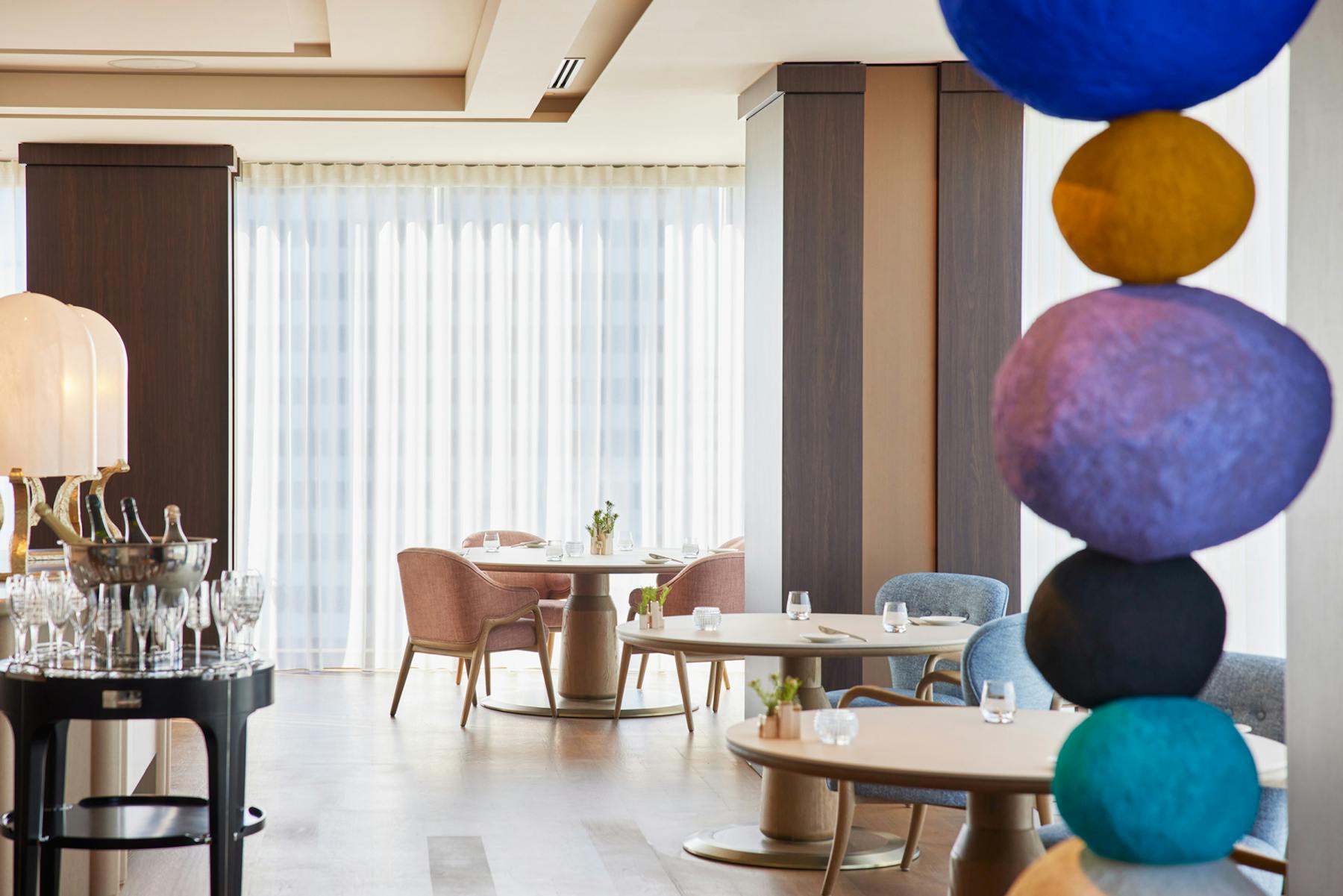
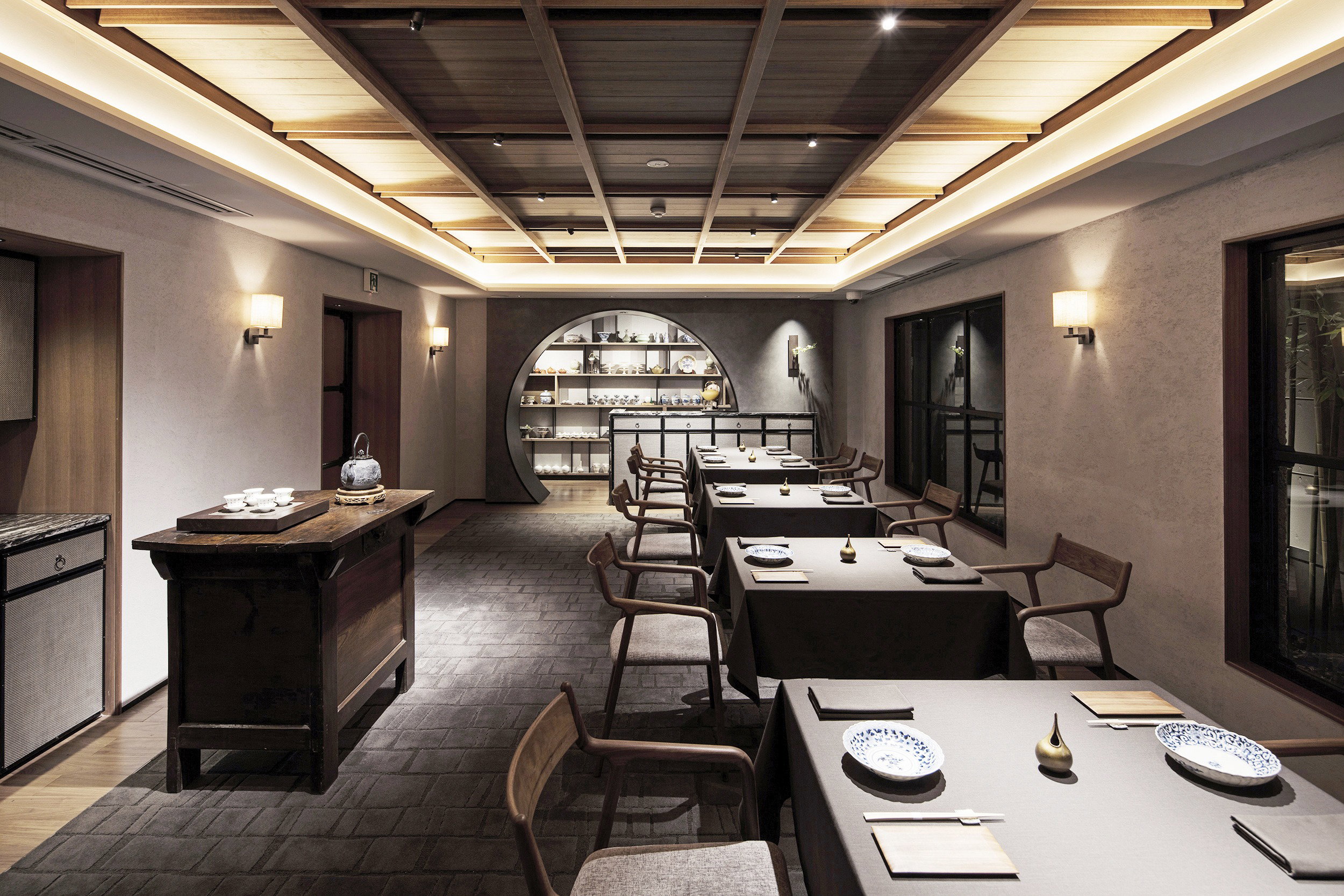
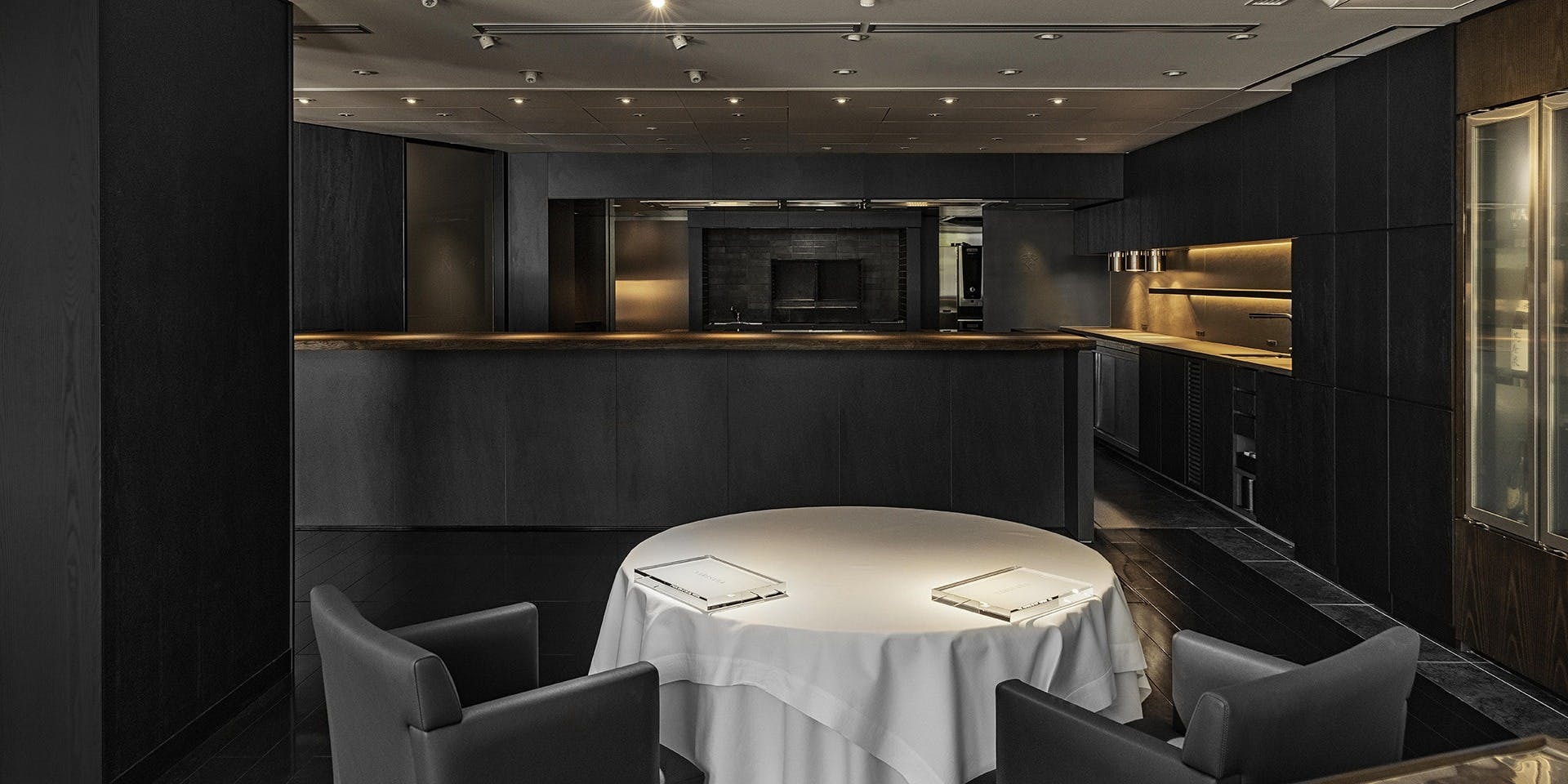
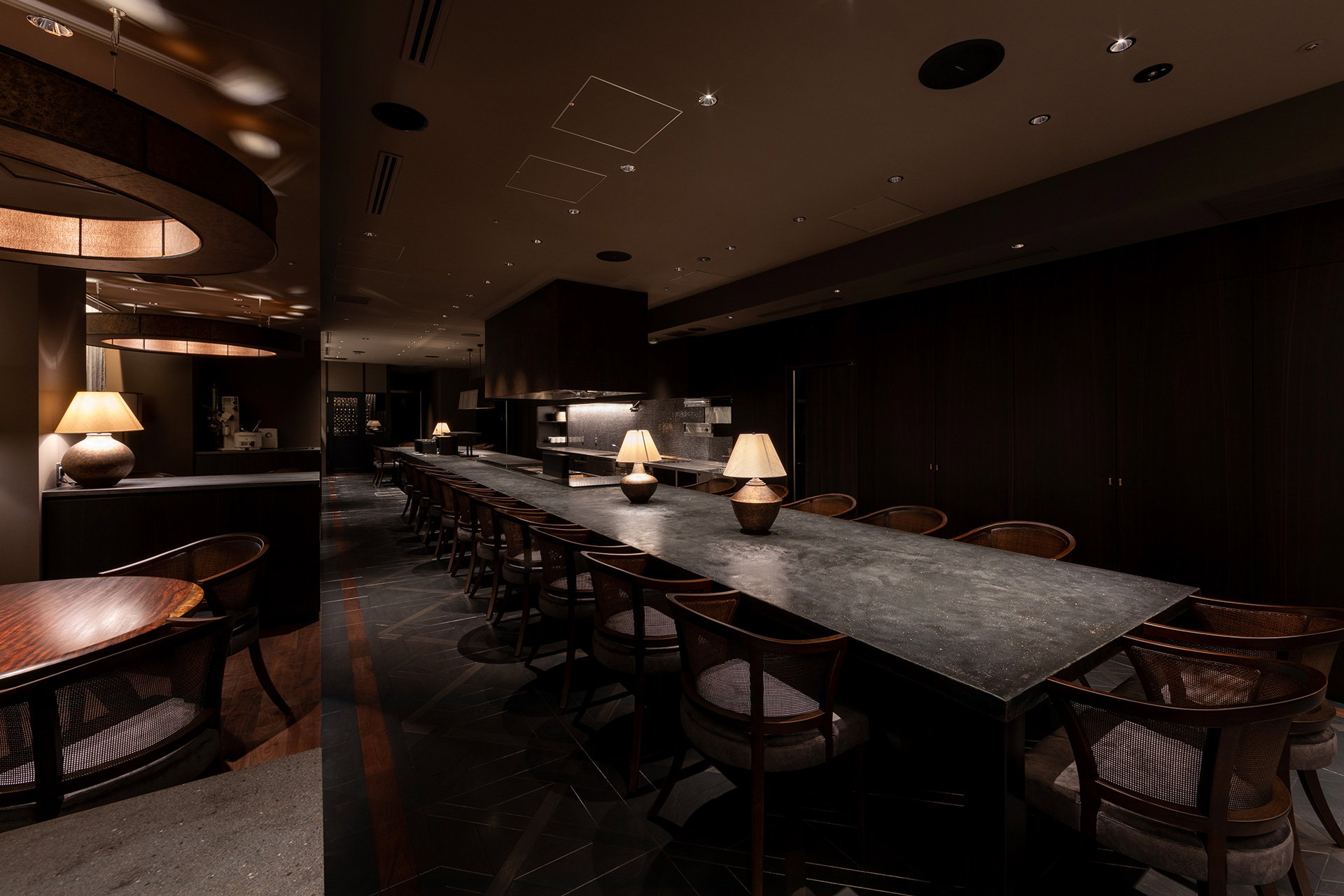
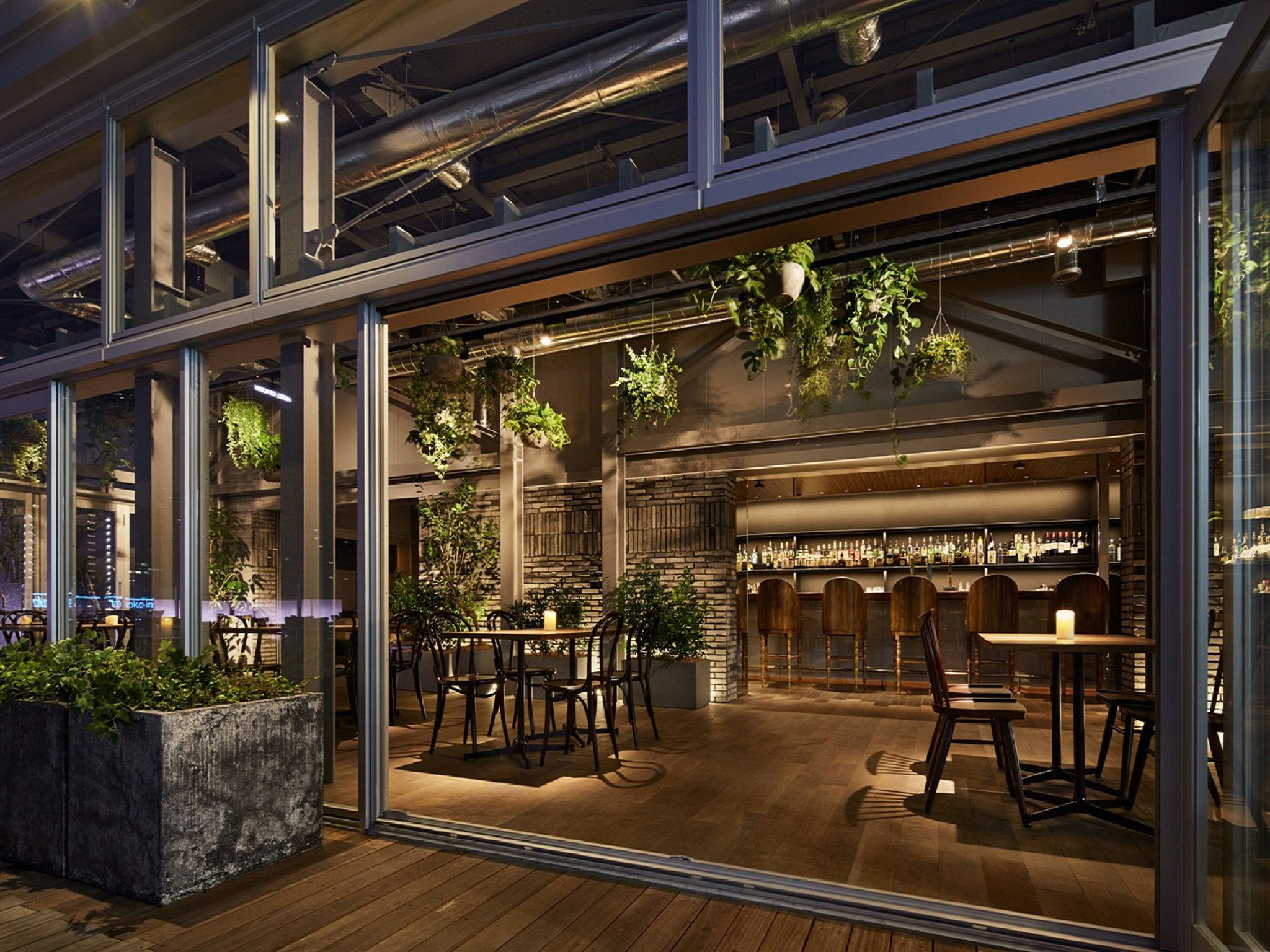
IRUCA Tokyo presents a restrained, focused ramen experience on a Roppongi backstreet. The room is small and the surfaces are plain, underscoring a minimalist, no-frills approach that lets the bowl do the talking. The atmosphere is quietly concentrated — the dominant sound is described as the broth itself — and service orbits the counter, where execution matters more than decoration. Bib Gourmand recognition and a high volume of consistent reviews place IRUCA in a tier of shops that prize technical rigor and simple presentation over spectacle, making the dining experience quietly compelling rather than flashy.
Best For
This is a straightforward counter-restaurant that works especially well for people who come for meticulously crafted ramen rather than a long, multi-course evening. Solo diners sit at the counter to watch bowls arrive; small groups can share the focus but should expect counter-oriented seating. The Michelin Bib Gourmand frames IRUCA as an accessible destination for high-quality ramen without the ceremony of fine dining, so it suits casual visits where the goal is a singular, satisfying bowl built through careful technique and long-simmered broth.
Ordering Tips
Order with the bowl in mind: the description stresses that broths here are built slowly and precisely — sometimes twelve or more hours — so choose clearly executed classics like the Porcini Shoyu Ramen or the Yuzu Shio Ramen to experience that depth. Keep expectations on balance: the piece explains how tare, fat, noodle and broth must harmonize, so simpler-seeming preparations often reveal the kitchen’s skill. Given the counter format and the venue’s reputation for consistency, pick a signature ramen and savor the subtleties rather than hunting for maximal toppings or embellishments.
Venue details
Ambiance
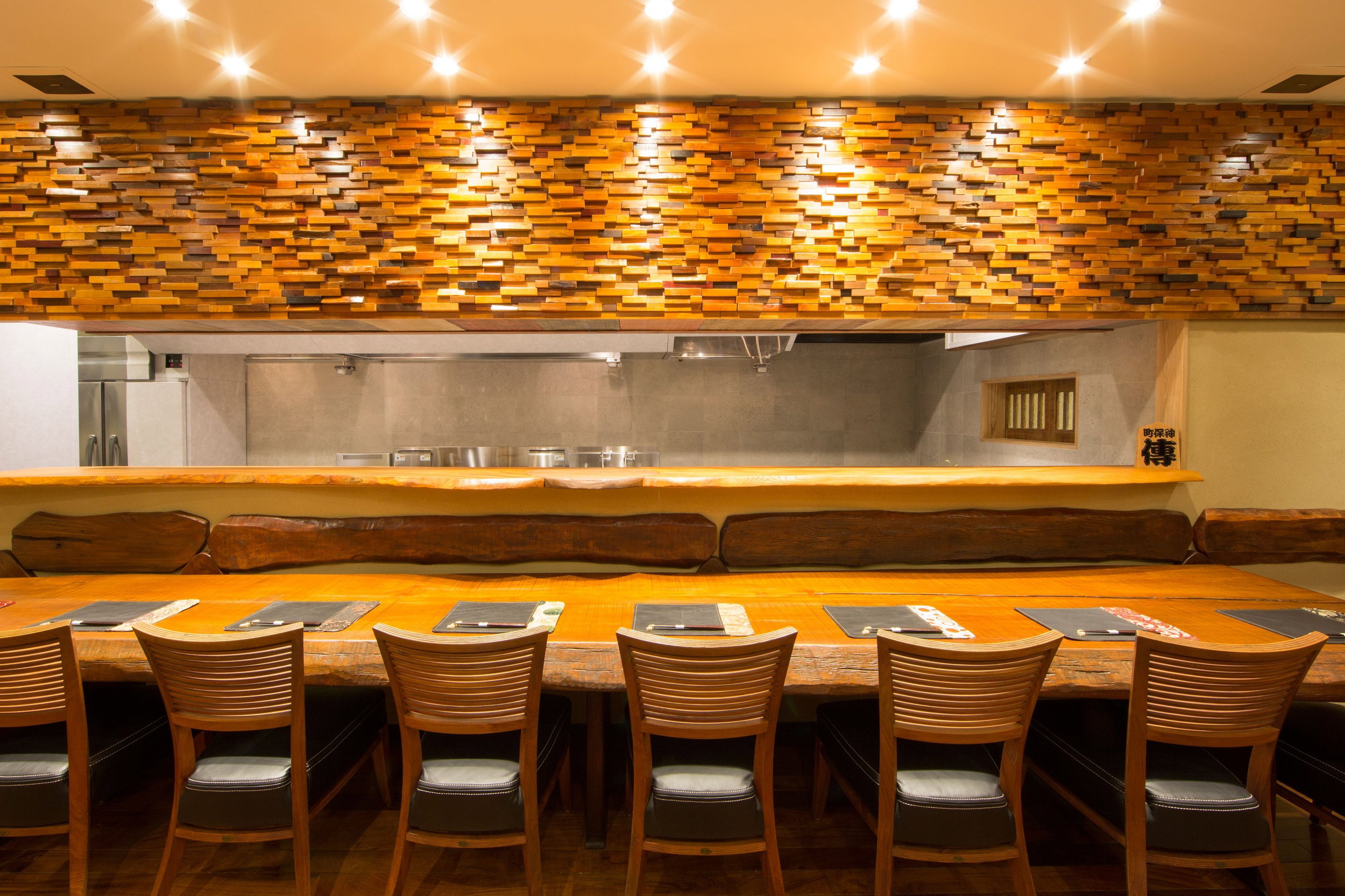
Intimate counter seating with open kitchen, quiet luxury, and kaiseki-inspired interior encouraging quick, focused dining.
Tags
Vibe
Best For
Experience
At the Table
- Dress Code
- Casual
- Noise Level
- Conversational
- Service Style
- Counter Service
- Meal Pacing
- Quick Bite
- Capacity
- Intimate
- Kitchen
- Modern
- Menu Format
- A la carte, Counter dining
Signature Dishes
- Porcini Shoyu Ramen
- Yuzu Shio Ramen
Know before you go
Know Before You Go
- Getting there
- 4 Chome-12-12 Roppongi, Minato City, Tokyo 106-0032, Japan
Planning details
Location
4 Chome-12-12 Roppongi, Minato City, Tokyo 106-0032, Japan · Directions
Recognition and awards
Also consider
Also Consider
- Harutaka, Sushi, ¥¥¥¥
- L'Effervescence, French, ¥¥¥¥
- RyuGin, Kaiseki, Japanese, ¥¥¥¥
- HOMMAGE, Innovtive French, French, ¥¥¥¥
- Crony, Innovative, French, ¥¥¥¥
Restaurant context
Against Tokyo's broader dining field, IRUCA TOKYO operates in a different category from most of the city's headline restaurants. Harutaka, RyuGin, L'Effervescence, HOMMAGE, and Crony all sit at ¥¥¥¥, making a direct quality comparison misleading. What is useful to note: IRUCA delivers Michelin-recognised cooking at a fraction of the spend. If your Tokyo trip includes one high-budget meal at a ¥¥¥¥ venue, IRUCA is the ramen you add to the same week without it straining the budget.
For diners deciding specifically between IRUCA and other ramen options in the Michelin Bib Gourmand tier, the choice comes down to flavour profile and ingredient ambition. IRUCA's use of spiny lobster and truffle in the broth architecture is more ambitious than most Bib-listed ramen kitchens, which tend to focus on refinement within a single broth tradition. If you want the most technically straightforward bowl, other options in the city will suit you; if you want the most compositionally interesting bowl at the ¥ price point, IRUCA is the call.
Booking difficulty is low compared to every ¥¥¥¥ comparison venue listed here, all of which require advance reservation weeks or months out. IRUCA is accessible with reasonable planning, which makes it a practical first-timer option as well as a return-visit destination. For special occasions on a budget, or as a lower-stakes complement to a higher-spend evening elsewhere in Roppongi, it is the clearest value play in this neighbourhood.
Explore Tokyo
Around this place
Discover more on Pearl
Unlock the full IRUCA TOKYO guide in Pearl, including awards, comparisons, FAQs, planning details, and nearby places.
Compare IRUCA TOKYO
| Venue | Cuisine | Awards | Booking Difficulty |
|---|---|---|---|
| IRUCA TOKYO | Ramen | 2026 Bib GourmandTabelog 100 - Ramen - TOKYO - 2025 · #942024 Michelin Bib Gourmand | Easy |
| Harutaka | Sushi | 2026 Tabelog Silver · #312026 OAD Top Restaurants in Japan Ranked · #1282026 Michelin 3 Stars2026 La Liste Top RestaurantsTabelog 100 - Sushi - TOKYO - 2025 · #372025 Asia's 50 Best Restaurants · #762025 OAD Top Restaurants in Japan Ranked · #1172025 La Liste Top Restaurants2025 Tabelog Bronze | Unknown |
| L'Effervescence | French | 2026 Tabelog Silver · #682026 OAD Top Restaurants in Japan Ranked · #103Star Wine Lists 20262026 Black Pearl 2 Diamond2026 Relais Chateaux Restaurants2026 La Liste Top Restaurants2026 Michelin 3 Stars2025 Asia's 50 Best Restaurants · #692025 OAD Top Restaurants in Japan Ranked · #92 | Unknown |
| RyuGin | Kaiseki, Japanese | 2026 OAD Top Restaurants in Japan Ranked · #802026 Tabelog Bronze · #3772026 Michelin 3 Stars2026 La Liste Top RestaurantsTabelog 100 - Japanese cuisine - TOKYO - 2025 · #212025 OAD Top Restaurants in Japan Ranked · #542025 Michelin 3 Stars2025 La Liste Top Restaurants2025 The Best Chef Three Knives | Unknown |
| HOMMAGE | Innovtive French, French | 2026 Tabelog Bronze · #1232026 OAD Top Restaurants in Japan Highly Recommended2026 Michelin 2 StarsTabelog 100 - French - TOKYO - 2025 · #762025 Asia's 50 Best Restaurants · #782025 OAD Top Restaurants in Japan Ranked · #1752025 Michelin 2 Stars2025 The Best Chef One Knife2025 La Liste Top Restaurants | Unknown |
| Crony | Innovative, French | 2026 Asia's 50 Best Restaurants · #34Star Wine Lists 20262026 OAD Top Restaurants in Japan Recommended2026 Michelin 2 Stars2025 Asia's 50 Best Restaurants · #30Tabelog 100 - French - TOKYO - 2025 · #782025 OAD Top Restaurants in Japan Ranked · #227We're Smart World Top Restaurants 20252025 Michelin 2 Stars | Unknown |














Comparing your options in Tokyo for this tier.
FAQ
Frequently Asked Questions
What should a first-timer know about IRUCA TOKYO?
Go in knowing this is a small-format kitchen in Roppongi where bowls are built with real intention — clam, spiny lobster, free-range chicken and beef broths combined for depth, with porcini and truffle paste available to shift the flavour profile of the soy-sauce ramen. It holds a 2024 Michelin Bib Gourmand, meaning the kitchen delivers cooking the Guide considers worth a detour at a price that won't strain a budget. Hours and reservation policy are not publicly listed, so arriving early or checking current booking channels before you go is the practical move.
Can IRUCA TOKYO accommodate groups?
IRUCA TOKYO operates at small-kitchen scale, which typically means limited capacity and no private dining provision. Groups larger than four should verify seating availability before showing up, as the format favours individual diners and small parties. For larger groups looking for a Michelin-level Tokyo dining event, a full-service restaurant like RyuGin will be a more practical fit.
Is IRUCA TOKYO good for solo dining?
Yes — counter-style ramen shops at this scale are among the most natural formats for solo dining in Tokyo, and a ¥ price point means there's no pressure to commit to a multi-course spend. The 2024 Bib Gourmand recognition makes it a high-value solo stop in Roppongi, a neighbourhood where solo-friendly budget eating can otherwise be harder to find.
What should I order at IRUCA TOKYO?
The soy-sauce ramen with porcini and truffle paste is the bowl that signals the kitchen's ambition most clearly, shifting a familiar format into unexpected territory. The salt ramen with yuzu-flavoured butter is the lighter call, with a creamy, fragrant finish. Both are built on the same multi-component base broth, so either choice reflects the chef's approach — picking one depends on whether you want depth or brightness leading the bowl.