.png?width=1200&quality=80)
HYÈNE
Contemporary · Shibuya, Tokyo
Restaurant in Tokyo, Japan
 Book with Pearl
The Read
Tricultural Fusion Counter
Price
$100–150per person
Why go
HYÈNE is a Michelin Plate-recognised restaurant in Shibuya's Jingumae, where chef Yoko Kimoto fuses Japanese, Korean, and French culinary traditions in a converted old house.
About HYÈNE
HYÈNE, Shibuya: Worth Booking?
If you have visited HYÈNE once and are weighing a return, the short answer is yes — the format rewards repeat visits more than most restaurants at this price tier. Chef Yoko Kimoto's fusion of Japanese, Korean, and French culinary traditions is not a fixed menu you exhaust in a single sitting. Each visit recalibrates slightly depending on what Kimoto is working through creatively, and the dining room in a converted old house in Jingumae holds up as a setting for a special evening. That positioning is part of why it is worth your attention.
The Experience
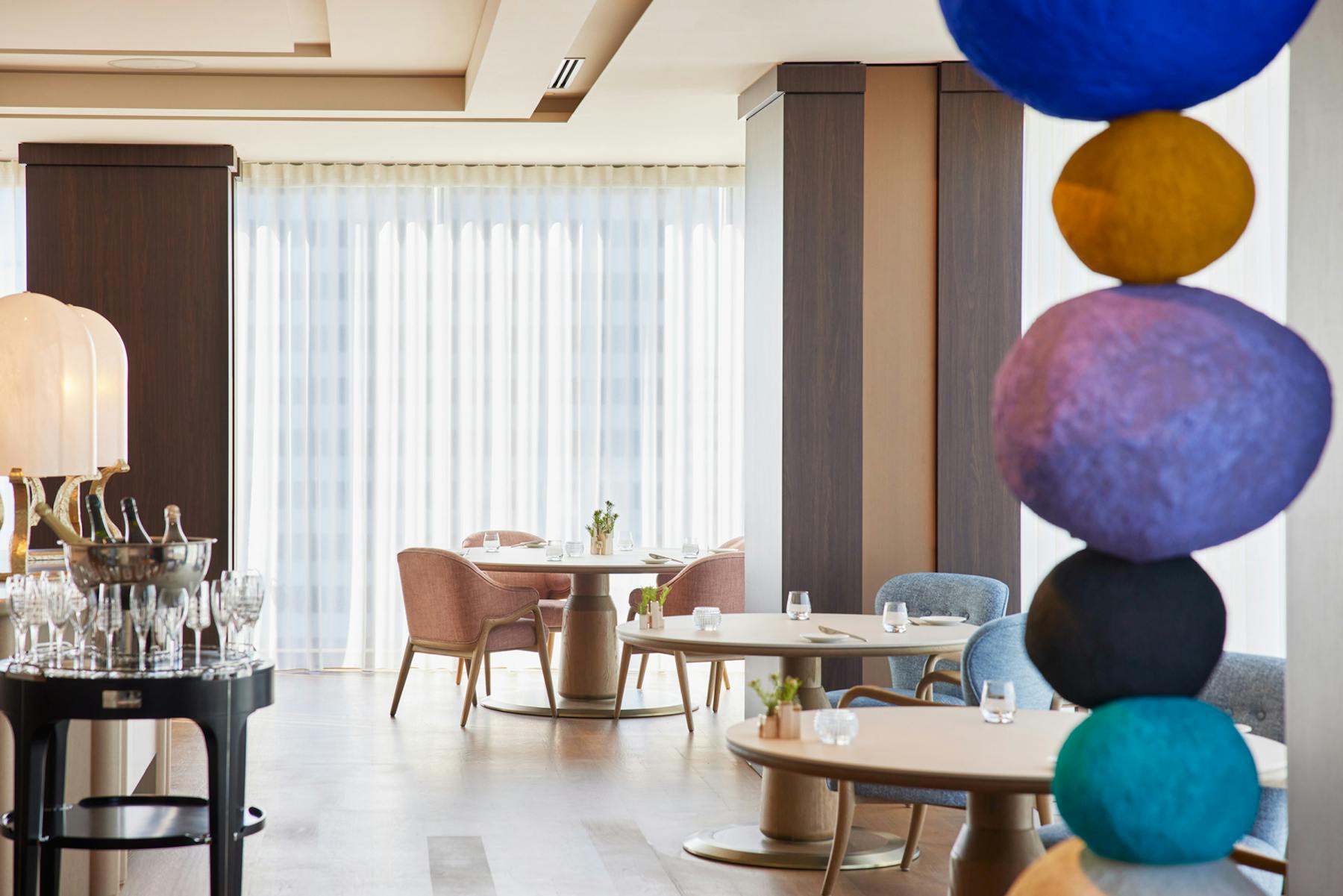
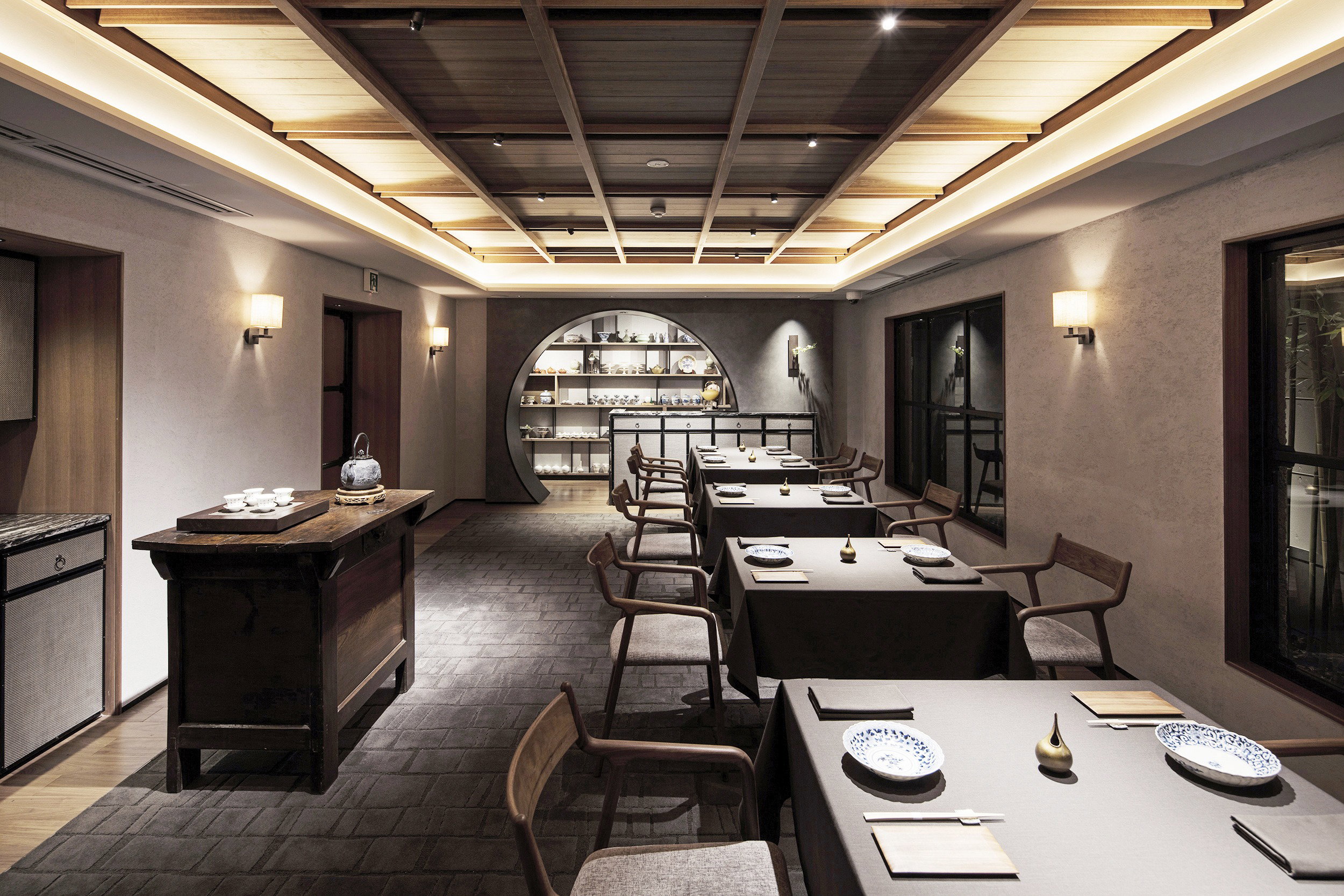
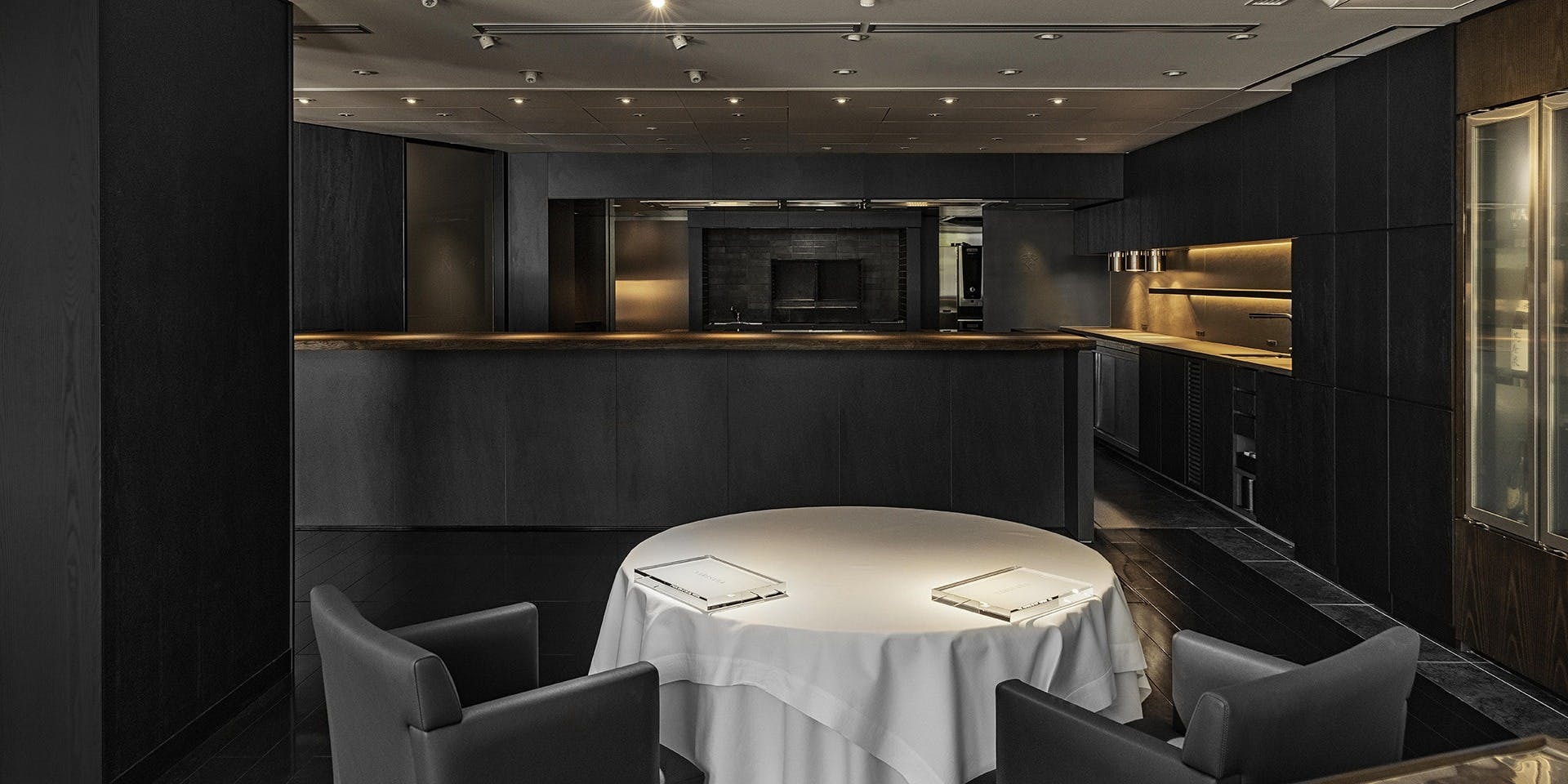
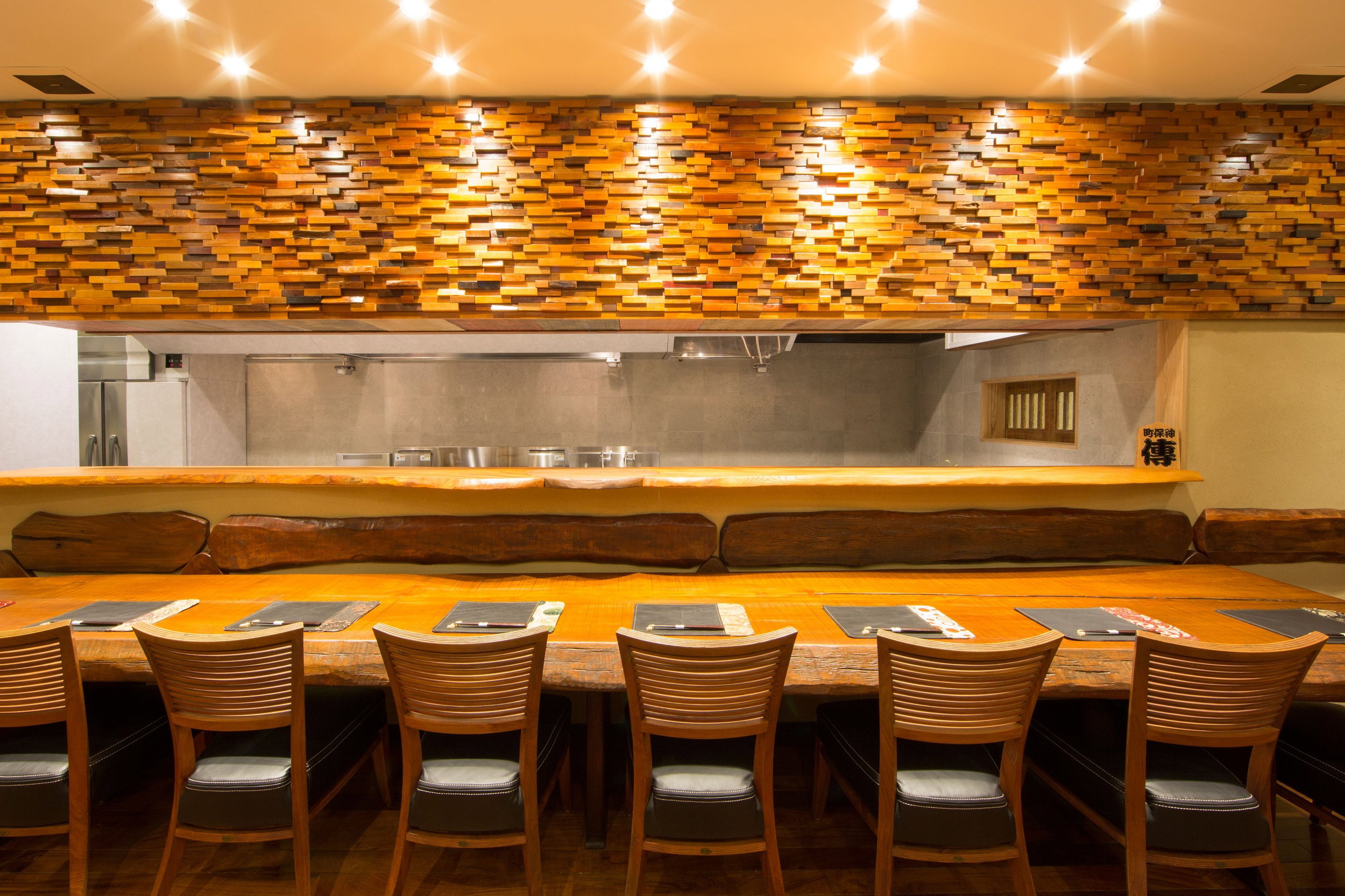
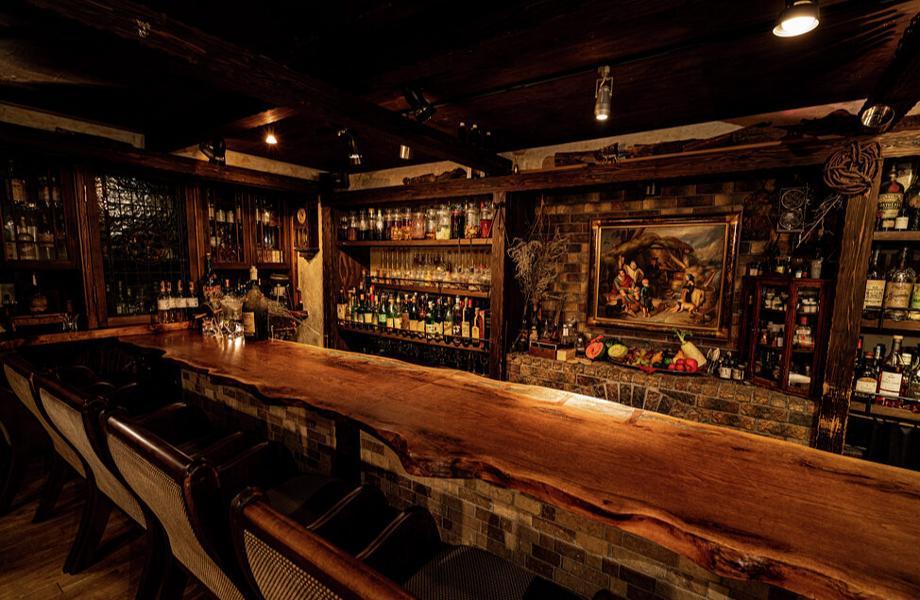
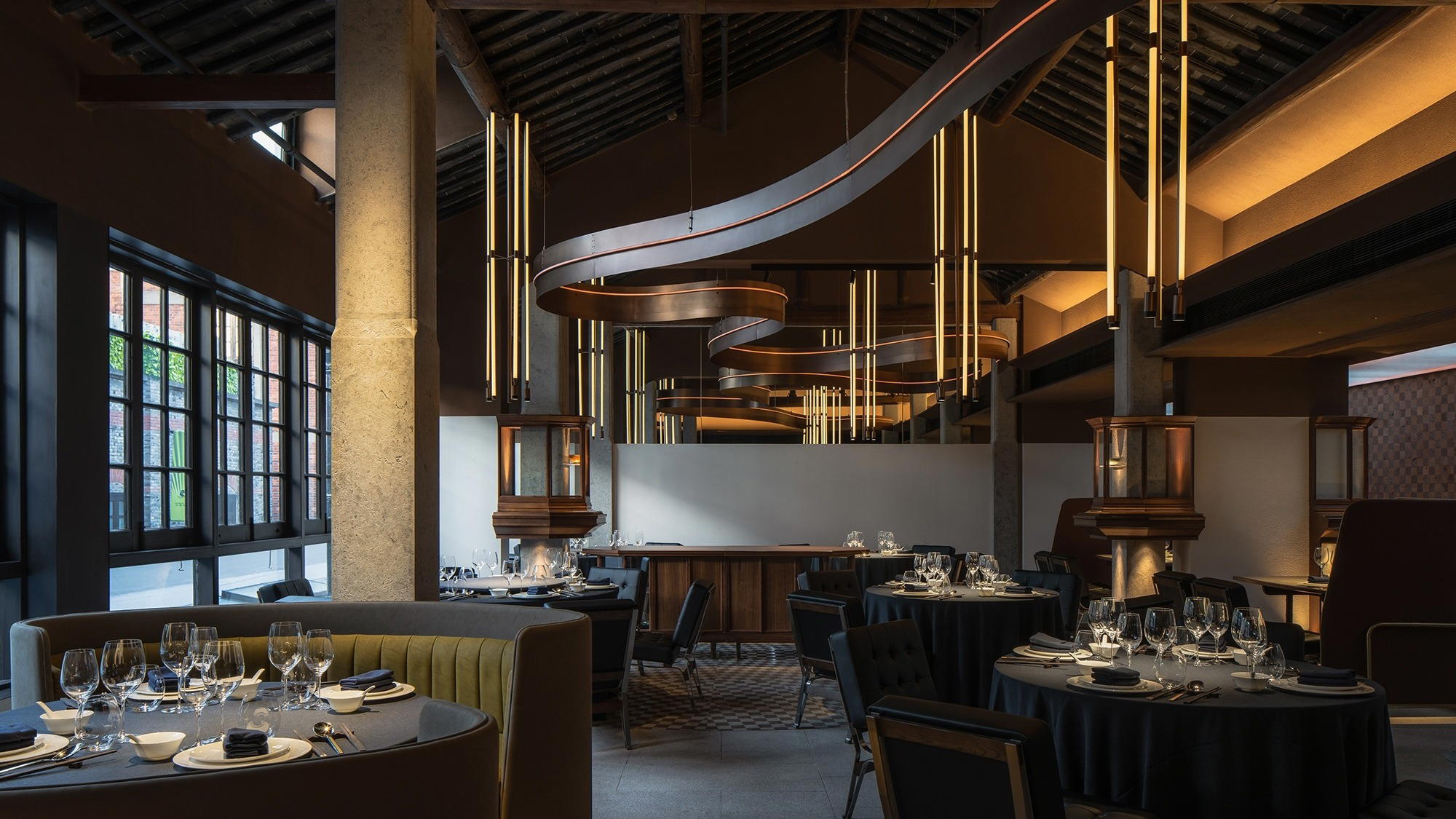
The atmosphere at HYÈNE reads as intimate and considered rather than formal. The old-house setting in a residential pocket of Shibuya's Jingumae district gives the room a warmth that purpose-built dining rooms in Tokyo's hotel restaurants rarely achieve. Sound levels stay low enough for conversation across the table, a genuine advantage if this is a date night, a business dinner, or a celebratory meal where the talking matters as much as the food. It is not a room that pulses or hums with energy; it is quiet and deliberate, which either suits you or it does not. If you are after the kind of low-lit, high-energy Tokyo night that starts with cocktails and builds to something louder, this is not that venue. If you want a room where you can actually hear your guest, this is a reliable choice in a city where ambient noise is increasingly a problem.
The restaurant's name carries a specific intent. Kimoto has cited an affinity with hyenas, animals often misread, led by females, and essential to the ecosystems they inhabit. That framing is more than a naming exercise; it shows up in how the restaurant positions itself relative to the Tokyo dining establishment. This is not a venue chasing the kaiseki canon or the French fine-dining template. The Japanese-Korean-French combination Kimoto works with reflects her own cultural background and a stated commitment to diversity as a guiding principle. Whether that philosophy translates into something compelling on the plate is what earns or loses the Michelin Plate year after year, and it has held that recognition for two consecutive years, which is a meaningful indicator at this price point.
Timing Your Visit
Weekday evenings are the right call for HYÈNE. The Jingumae address puts you close to Omotesando's weekend foot traffic, and a quieter weekday arrival lets the room settle into the pace it is designed for. There is no seasonal data in the public record to suggest a specific time of year outperforms another, but as a rule for restaurants of this type in Tokyo, avoiding Golden Week and the Obon period in August reduces the chance of disrupted service rhythms. For a special occasion dinner, anniversary, birthday, a business meal with someone you want to impress, book a Tuesday or Wednesday evening and arrive at the start of service.
A Note on Takeout and Delivery
HYÈNE is a venue where the room and the experience are load-bearing parts of what you are paying for. The old-house setting, the quiet atmosphere, and the format of Kimoto's cooking are not designed to translate off-premise. There is no public record of takeout or delivery service, and the nature of the cuisine, contemporary fusion tasting formats rarely survive a journey, means this is not a restaurant to approach with delivery in mind. If you need a high-quality meal from Shibuya's Jingumae area that travels well, this is the wrong category. Book a table or do not book at all.
How It Compares
See the comparison section below for how HYÈNE sits against Tokyo peers including RyuGin, L'Effervescence, Florilège, and others.
Know Before You Go
- Price tier: ¥¥¥, below the ¥¥¥¥ ceiling of most comparable Tokyo fine-dining
- Awards: Michelin Plate 2024, Michelin Plate 2025
- Address: 5 Chome-13-14 Jingumae, Shibuya, Tokyo 150-0001
- Booking difficulty: Easy, no extended lead time required at current demand levels
- Leading for: Special occasions, date dinners, business meals where conversation matters
- Not ideal for: Large groups, walk-in impulse visits, takeout or delivery
- Nearest area: Jingumae, walkable from Omotesando
More Tokyo Dining
HYÈNE sits in a wider Tokyo contemporary dining scene worth knowing. For Japanese-leaning creative cooking, consider hakunei, nôl, FUSOU, JULIA, and KIBUN. For a broader look at the city's restaurant options, see our full Tokyo restaurants guide. Planning beyond Tokyo? HAJIME in Osaka, Gion Sasaki in Kyoto, akordu in Nara, Goh in Fukuoka, 1000 in Yokohama, and 6 in Okinawa are worth your time depending on itinerary. For comparable contemporary cooking in other markets, see Jungsik in Seoul and César in New York City. For hotels, bars, wineries, and experiences in the city, see our Tokyo hotels guide, bars guide, wineries guide, and experiences guide.
Planning details
- Location
- 5 Chome-13-14 Jingumae, Shibuya, Tokyo 150-0001, Japan
- Reservations
- Book on Omakase
- Website
- hyene.hviewgroup.com
- Phone
- +81 3-6450-5760
The take
The Take
The Vibe
HYÈNE occupies a converted old house in Jingumae, which gives its contemporary, cross-cultural cooking a quietly idiosyncratic backdrop. The room reads small and characterful rather than expansive, and the kitchen’s Michelin Plate recognition positions the restaurant in Tokyo’s refined contemporary tier. The cooking itself—an explicit collision of Japanese, Korean and French logics—feels deliberate and rigorous, so the overall impression is one of considered intimacy: polished, serious food in a compact, charming space where culinary ideas are the primary decoration.
Best For
This is a dinner destination for diners drawn to concept-driven contemporary cooking rather than casual meals. HYÈNE’s triangulation of Japanese, Korean and French techniques and its standing on the city’s critical radar make it well suited to date nights and special evenings when guests want a focused, discussion-worthy meal. The compact, house-like dining room and Michelin Plate recognition point to a subdued, attentive experience that appeals to people who appreciate careful technique, unexpected flavor pairings and a clear editorial voice on the plate.
Ordering Tips
The menu foregrounds the interplay of three culinary traditions, so center your choices on dishes that make that intersection clear. Signatures listed for the restaurant—Sumibi BBQ seasonal vegetables, Wagyu and HYÈNE foie gras—illustrate the kitchen’s charcoal grilling, rich proteins and cross-cultural seasoning. Expect influences from Korean fermentation, a sharper spice and a French sense of fat and sauce; sampling the listed signature items gives a concise tour of the restaurant’s thesis. The meal rewards attention to contrasting textures and layered umami rather than purely familiar preparations.
Venue details
Ambiance
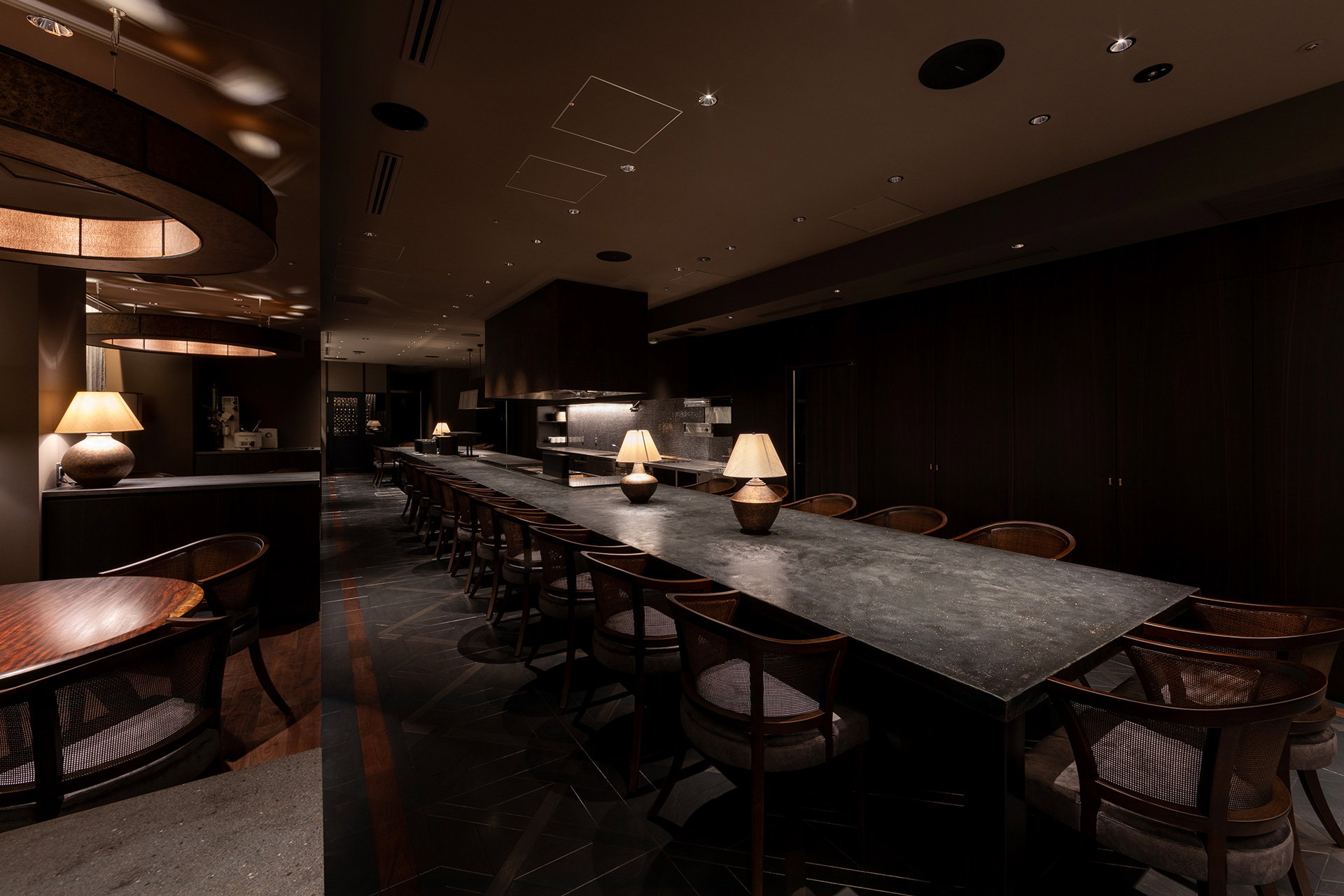
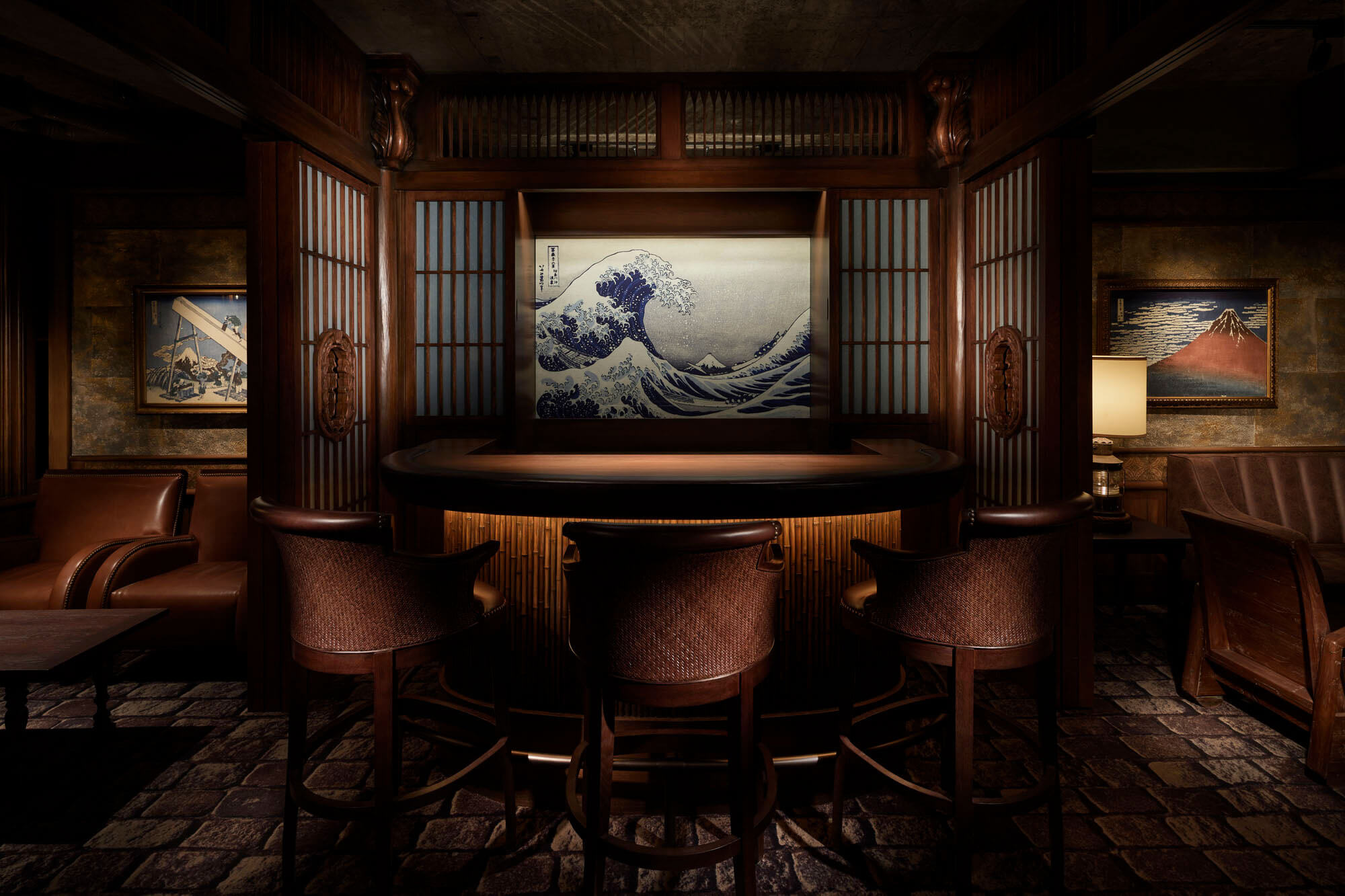
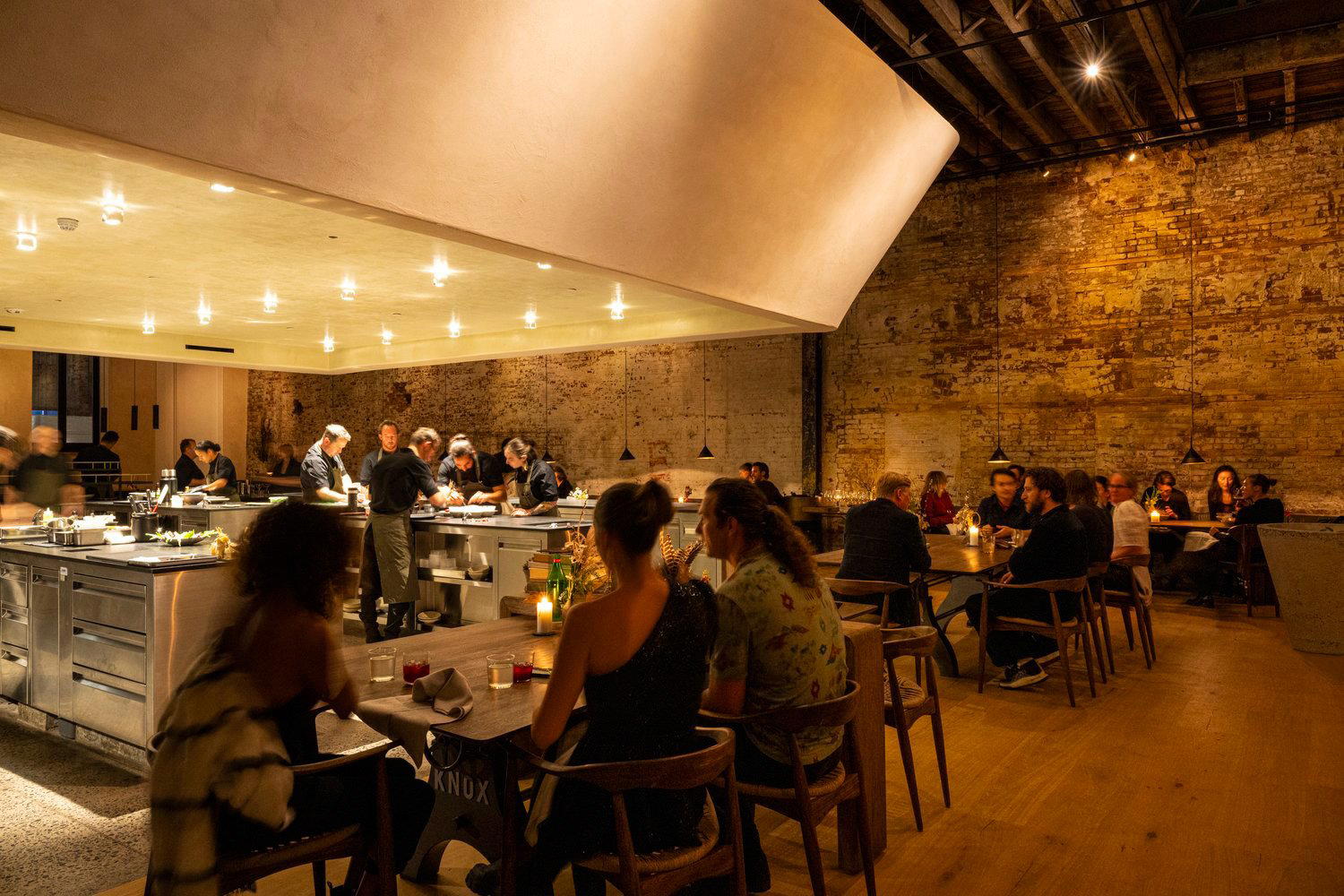
Warm and inviting atmosphere in a traditional Japanese house with open kitchen performance.
Tags
Vibe
Best For
Experience
At the Table
- Noise Level
- Quiet
- Service Style
- Upscale Casual
- Meal Pacing
- Leisurely
- Capacity
- Intimate
- Kitchen
- Modern
- Menu Format
- Omakase, Counter dining
- Wine Program
- Curated
- Drinks Focus
- Sake program, Wine pairing
- Dietary
- Allergy accommodating
- Private Dining
- Available
Signature Dishes
- Sumibi BBQ Seasonal vegetables
- Wa-gyu
- HYÈNE foie gras
Know before you go
Know Before You Go
- Getting there
- 5 Chome-13-14 Jingumae, Shibuya, Tokyo 150-0001, Japan
Planning details
Location
5 Chome-13-14 Jingumae, Shibuya, Tokyo 150-0001, Japan · Directions
Recognition and awards
Also consider
Also Consider
- Harutaka, Sushi, ¥¥¥¥
- RyuGin, Kaiseki, Japanese, ¥¥¥¥
- L'Effervescence, French, ¥¥¥¥
- HOMMAGE, Innovtive French, French, ¥¥¥¥
- Florilège, French, ¥¥¥
Restaurant context
At ¥¥¥, HYÈNE sits a full price tier below most of its credentialed Tokyo peers, and that gap matters when you are deciding where to spend an evening. RyuGin and L'Effervescence both operate at ¥¥¥¥ and deliver more ceremony, RyuGin through its kaiseki rigour, L'Effervescence through its seasonal French precision. If prestige presentation and a full-service ritual are what you are booking for, those venues will satisfy in ways HYÈNE is not trying to compete. HOMMAGE is also at ¥¥¥¥ and offers innovative French cooking with a Tokyo sensibility; it is the better call if you want a Franco-Japanese synthesis with more formality and a longer track record of critical recognition.
Florilège is the most direct comparison on price, also sitting at ¥¥¥ and holding Michelin recognition. The difference is format and cultural register: Florilège leans French with a Japanese sourcing sensibility, while HYÈNE works a three-way Japanese-Korean-French fusion that is harder to find elsewhere in Tokyo. If you are choosing between the two, Florilège is the safer option for a guest who wants familiar fine-dining structure; HYÈNE rewards diners who are willing to follow a more personal creative vision. Harutaka at ¥¥¥¥ is a different category entirely, sushi-focused and formally composed, and is not a close substitute unless sushi is what you are specifically after.
For booking difficulty, HYÈNE is currently the easiest of this peer set to secure at short notice. RyuGin and L'Effervescence typically require longer lead times. If you are planning a special occasion dinner in Tokyo with a two-week window, HYÈNE is the most accessible option among credentialed restaurants at this tier. The recommendation: book HYÈNE when you want something personal, cross-cultural, and priced below Tokyo's ¥¥¥¥ ceiling. Book RyuGin or L'Effervescence when ceremony and formal service are the primary requirement and budget is secondary.
Explore Tokyo
Around this place
Discover more on Pearl
Unlock the full HYÈNE guide in Pearl, including awards, comparisons, FAQs, planning details, and nearby places.
Compare HYÈNE
| Venue | Cuisine | Awards | Booking Difficulty |
|---|---|---|---|
| HYÈNE | Contemporary | 2026 Michelin Plate2025 Michelin Plate2024 Michelin Plate | Easy |
| Harutaka | Sushi | 2026 Tabelog Silver · #312026 OAD Top Restaurants in Japan Ranked · #1282026 Michelin 3 Stars2026 La Liste Top RestaurantsTabelog 100 - Sushi - TOKYO - 2025 · #372025 Asia's 50 Best Restaurants · #762025 OAD Top Restaurants in Japan Ranked · #1172025 La Liste Top Restaurants2025 Tabelog Bronze | Unknown |
| RyuGin | Kaiseki, Japanese | 2026 OAD Top Restaurants in Japan Ranked · #802026 Tabelog Bronze · #3772026 Michelin 3 Stars2026 La Liste Top RestaurantsTabelog 100 - Japanese cuisine - TOKYO - 2025 · #212025 OAD Top Restaurants in Japan Ranked · #542025 Michelin 3 Stars2025 La Liste Top Restaurants2025 The Best Chef Three Knives | Unknown |
| L'Effervescence | French | 2026 Tabelog Silver · #682026 OAD Top Restaurants in Japan Ranked · #103Star Wine Lists 20262026 Black Pearl 2 Diamond2026 Relais Chateaux Restaurants2026 La Liste Top Restaurants2026 Michelin 3 Stars2025 Asia's 50 Best Restaurants · #692025 OAD Top Restaurants in Japan Ranked · #92 | Unknown |
| HOMMAGE | Innovtive French, French | 2026 Tabelog Bronze · #1232026 OAD Top Restaurants in Japan Highly Recommended2026 Michelin 2 StarsTabelog 100 - French - TOKYO - 2025 · #762025 Asia's 50 Best Restaurants · #782025 OAD Top Restaurants in Japan Ranked · #1752025 Michelin 2 Stars2025 The Best Chef One Knife2025 La Liste Top Restaurants | Unknown |
| Florilège | French | 2026 Asia's 50 Best Restaurants · #312026 Tabelog Bronze · #712026 OAD Top Restaurants in Japan Ranked · #1242026 Black Pearl 1 Diamond2026 Michelin 2 Stars2026 La Liste Top Restaurants2025 Asia's 50 Best Restaurants · #172025 World's 50 Best Restaurants · #36Tabelog 100 - French - TOKYO - 2025 · #68 | Unknown |













Comparing your options in Tokyo for this tier.
FAQ
Frequently Asked Questions
What should I wear to HYÈNE?
The old-house setting and intimate scale of HYÈNE suggest polished casual rather than formal attire. A blazer or neat separates will fit without feeling overdressed. The room is personal and considered, so anything you would wear to a serious dinner at a friend's home translates well here.
How far ahead should I book HYÈNE?
Book at least three to four weeks ahead for weekday evenings, which are the practical sweet spot given the venue's proximity to Omotesando's weekend crowds. HYÈNE holds a Michelin Plate for 2024 and 2025, and awareness of chef Yoko Kimoto's Japanese-Korean-French format is growing — seats at a 12-person-scale intimate house like this fill faster than the address might suggest.
What should I order at HYÈNE?
Specific menu items are not published in available records, but the format is built around chef Yoko Kimoto's integration of Japanese, Korean and French culinary traditions. Trust the kitchen's selection rather than arriving with specific expectations; the concept is explicitly experience-driven and guided by Kimoto's own cultural perspective.
Is HYÈNE good for a special occasion?
Yes, specifically for occasions where the story behind the meal matters as much as the food itself. Chef Yoko Kimoto's personal framing around diversity, female leadership and cross-cultural identity gives HYÈNE a distinct character that most ¥¥¥ Tokyo contemporaries lack. For a large group celebration, check capacity first — the old-house format skews intimate and may not accommodate parties above six comfortably.
Is the tasting menu worth it at HYÈNE?
At ¥¥¥ pricing with consecutive Michelin Plate recognition in 2024 and 2025, HYÈNE delivers reasonable value for a guided, chef-led format rooted in a genuinely distinct culinary identity. If you want à la carte flexibility, peer options like L'Effervescence or Florilège offer more established track records at comparable price points. HYÈNE is the stronger call if the personal, cross-cultural angle of Kimoto's cooking is specifically what you are after.