.png?width=1200&quality=80)
Hijirizaka Wakei
Japanese · Minato, Tokyo
Restaurant in Tokyo, Japan
 Book with Pearl
The Read
Generational Japanese Precision
Dress
Smart Casual
Why go
Hijirizaka Wakei reopened in Mita on October 1, 2025 after relocating and changing its name from Azabu Wakei.
About Hijirizaka Wakei
Verdict
Hijirizaka Wakei is a Michelin Plate-recognised Japanese restaurant in Mita, Minato-ku, currently open in Mita after its October 1, 2025 relocation ahead of an autumn reopening. If you are planning a special occasion meal in Tokyo at the ¥¥¥¥ price tier, this is a venue worth tracking — but book only once the new location is confirmed. For immediate reservations at a comparable level, Azabu Kadowaki and Kagurazaka Ishikawa are strong alternatives in the same tier.
Portrait
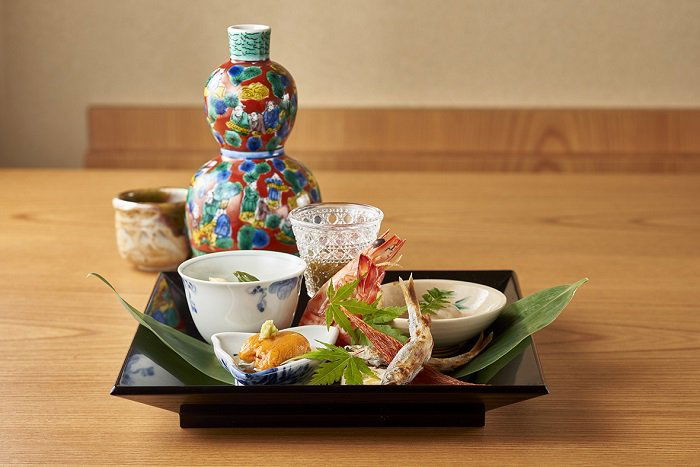
At ¥¥¥¥ per head, Hijirizaka Wakei positions itself among Tokyo's more considered Japanese dining rooms — not the city's loudest or most-booked, but a restaurant that earns its Michelin Plate (awarded in both 2024 and 2025) through a clear, disciplined philosophy. The kitchen's guiding principle, cuisine made by people, to be eaten by people, translates into a menu that respects technique handed down over generations while allowing deliberate, controlled innovation. Dishes documented from the current iteration include decoratively arranged sashimi built around conger eel grilled over straw and dressed with caviar, and tuna paired with a starchy nori seaweed sauce. These are not restless fusion moves; they are precise additions to a classical framework.
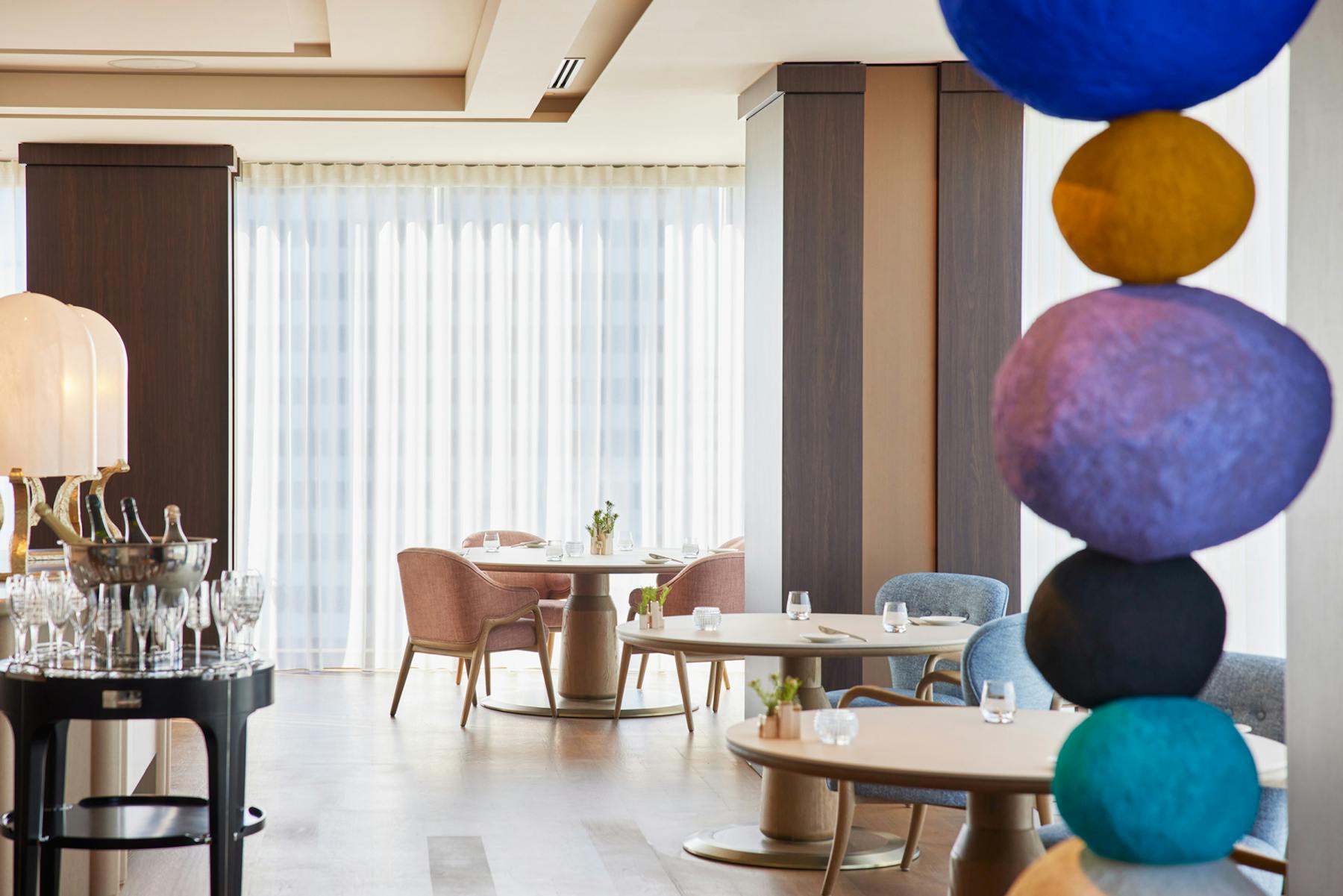
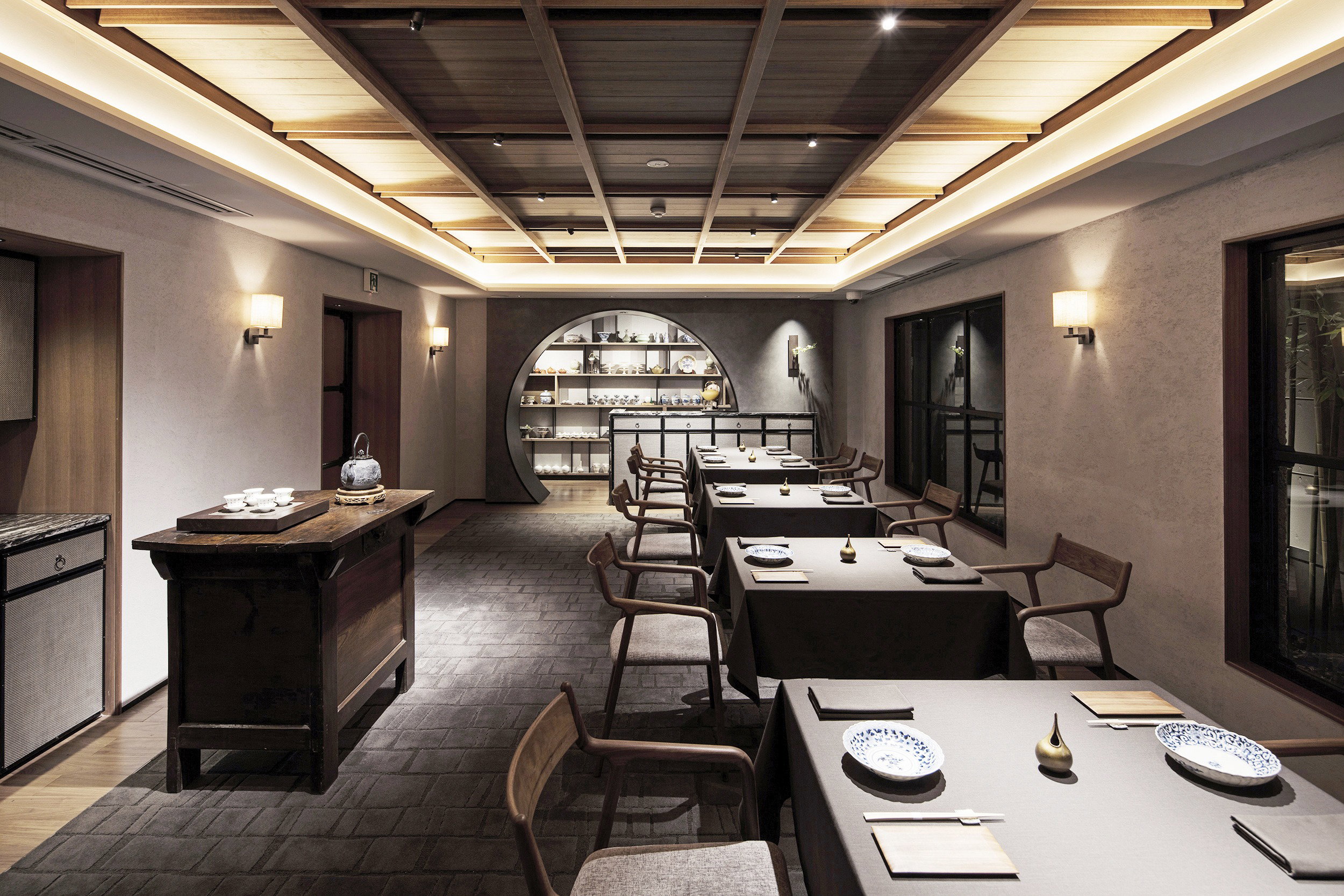
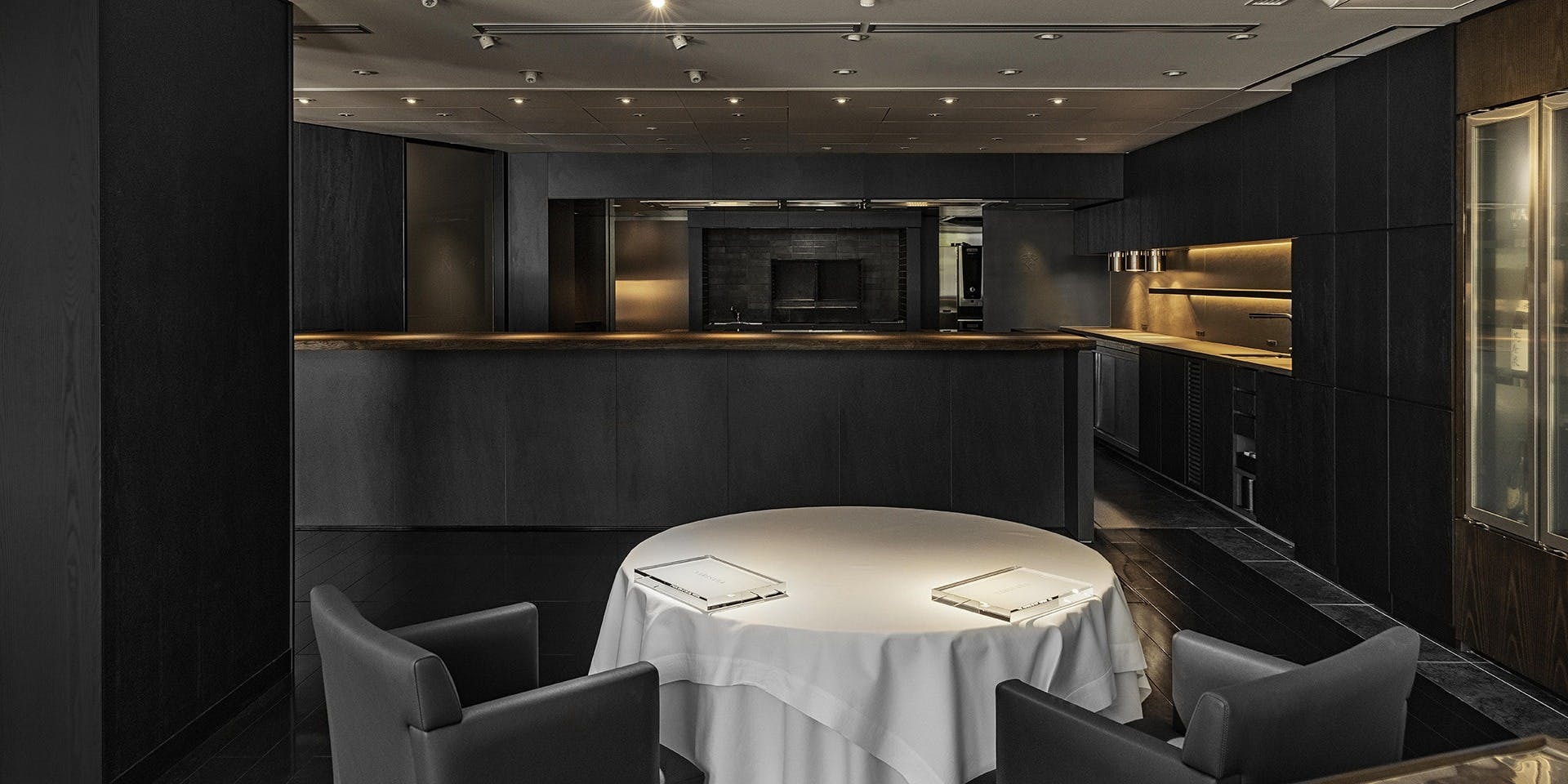
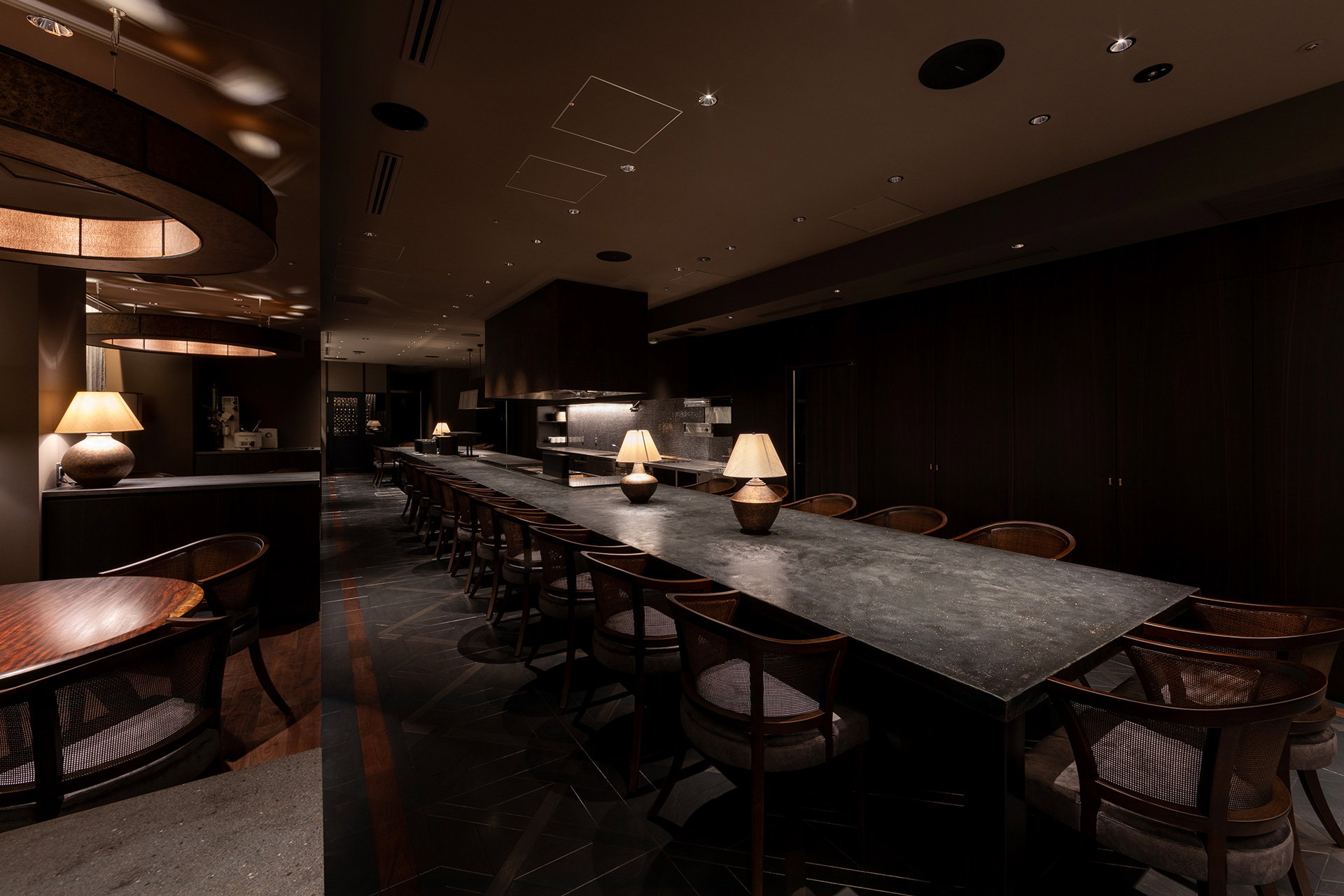
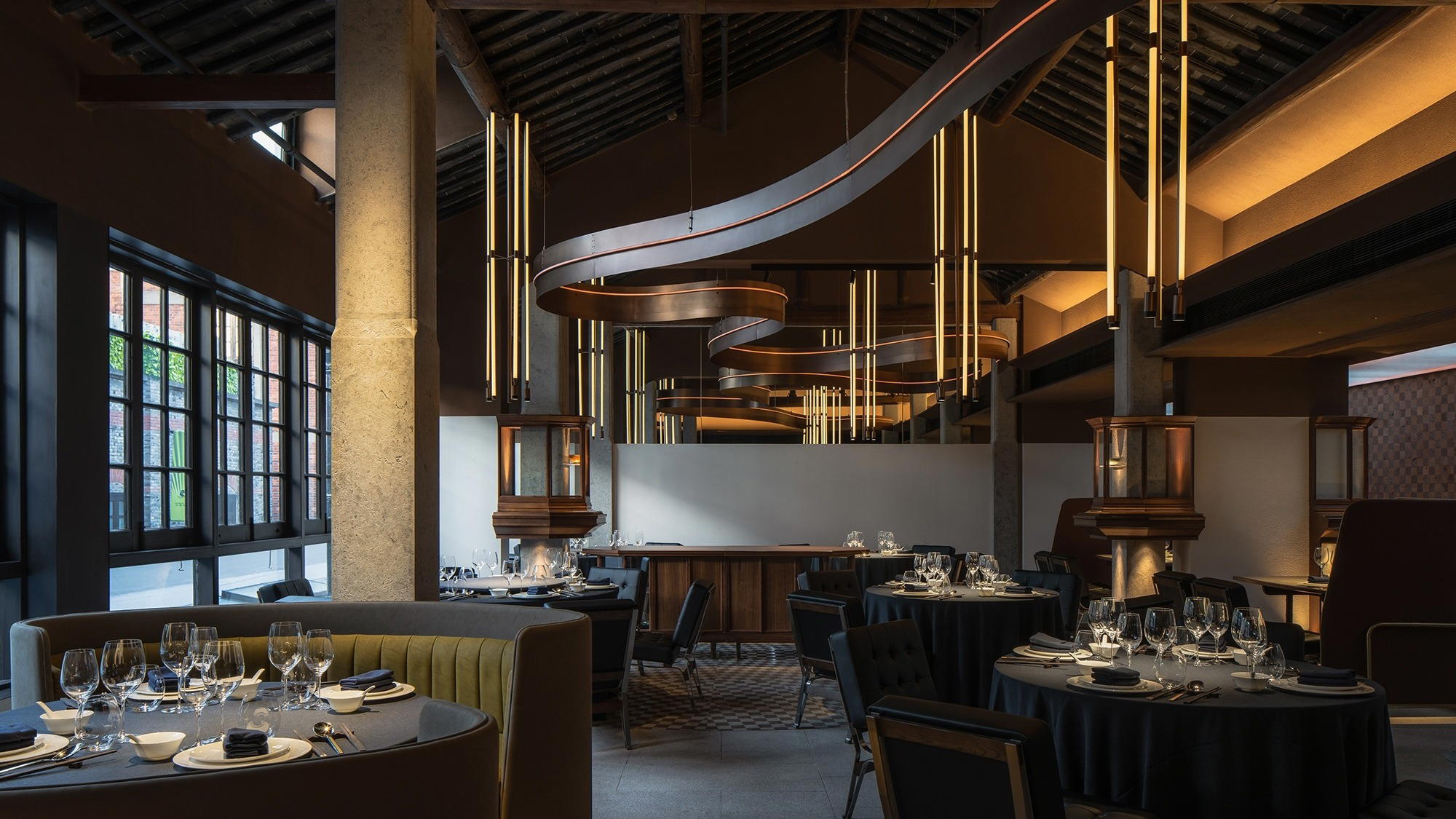
The concept of wakei seijaku, harmony, respect, purity, and tranquillity, shapes not just the food but the atmosphere. This is a dining room where the relationship between chef and guest is treated as the organising principle of the experience, which makes it a particularly good fit for a business dinner or an anniversary where the mood of the room matters as much as what arrives on the plate. The spatial register here is composed rather than theatrical: expect an environment that reads calm and deliberate, consistent with the kaiseki-adjacent tradition the kitchen draws from.
Seasonal Considerations
Japanese cuisine at this level is inherently seasonal, the menu at a Michelin Plate restaurant in the ¥¥¥¥ bracket will shift meaningfully across spring, summer, and autumn. The conger eel preparation noted in available records is a dish with strong seasonal associations in Japanese cooking, typically at its peak through summer and into early autumn. If you are planning around specific ingredients or a particular seasonal expression of the menu, confirm timing with the restaurant directly once the new location opens. The autumn relocation itself is worth factoring into your planning: a freshly opened room often means the kitchen is running at a focused, motivated pitch, which can make the months immediately after a relocation among the better times to visit.
For the broader seasonal picture of Japanese fine dining in Tokyo, see Myojaku and Ginza Fukuju, both of which operate at comparable levels and are currently accepting reservations. If you are building a wider Japan itinerary around seasonal dining, Gion Sasaki in Kyoto and Isshisoden Nakamura in Kyoto offer strong reference points for how the same seasonal philosophy plays out in a different culinary context.
For Special Occasions
The wakei seijaku framework, built on mutual respect between kitchen and table, makes Hijirizaka Wakei a considered choice for a celebratory dinner or an important business meal. The ¥¥¥¥ price point signals a serious, multi-course experience rather than a casual meal, and the Michelin Plate recognition in consecutive years confirms a consistent level of execution. For a special occasion where the atmosphere needs to feel intimate and intentional rather than performative, this format suits well.
If your occasion demands a more established or immediately bookable room, Jingumae Higuchi is worth considering, as is Kagurazaka Ishikawa for a slightly more storied setting. For occasions where you want Japanese fine dining outside Tokyo entirely, HAJIME in Osaka and Kashiwaya Osaka Senriyama operate at higher award levels and provide useful comparison for what additional spend buys you.
Know Before You Go
- Status: Currently open in Mita after its October 1, 2025 relocation, autumn reopening expected
- Address (pre-relocation): 3-4-2 Mita, Minato-ku, Tokyo, 108-0073
- Cuisine: Japanese (classical with deliberate innovation)
- Price tier: ¥¥¥¥
- Awards: Michelin Plate 2024, Michelin Plate 2025
- Booking difficulty: Easy (confirm new location before attempting to book)
- Leading for: Special occasions, business dinners, seasonal Japanese menus
- Explore more: Our full Tokyo restaurants guide | Tokyo hotels | Tokyo bars
How It Compares
See the comparison section below for how Hijirizaka Wakei sits against Harutaka, RyuGin, and other ¥¥¥¥ Tokyo rooms.
Further Afield
If you are extending your Japan trip, akordu in Nara, Goh in Fukuoka, 1000 in Yokohama, and 6 in Okinawa round out a strong national picture of where serious Japanese cooking is happening beyond the capital. See also our full Tokyo experiences guide and Tokyo wineries for broader trip planning.
Planning details
- Location
- 3-4-2 Mita, Minato-ku, Tokyo, 108-0073, Japan
- Reservations
- Book on Omakase
- Website
- wakei.tokyo
- Phone
- +81 3-6812-8111
The take
The Take
The Vibe
Hijirizaka Wakei operates as a measured, tradition-rooted kaiseki house that privileges ritual and quiet over spectacle. The dining room is governed by wakei seijaku — harmony, respect, purity and tranquillity — so everything from the arrival sequence to the presentation of lacquerware is choreographed. The kitchen balances inheritance and invention, producing cuisine that reads as classical rather than flashy; recent Michelin Plate recognition underscores consistent execution. Service is exacting and unobtrusive, framing each small course as part of a deliberate arc. The overall effect is serene, refined and intensely attentive to detail.
Best For
This is a place for focused, formal meals where the progression of courses matters as much as the ingredients. It suits special evenings when diners want quiet intimacy and ritualized service — think anniversary or date-night-style ceremonies of food — and it also fits business dinners that require discretion and a polished presentation. The format rewards diners who appreciate seasonality, subtlety and the slow reveal of a kaiseki sequence rather than loud conversation or casual group dining.
Ordering Tips
The menu at Hijirizaka Wakei follows the classical kaiseki arc, so the clearest approach is to embrace the progression from lighter to richer courses and to allow the kitchen to lead the experience. Highlighted preparations — like conger eel with caviar and translucent tuna with nori sauce — are signature moments worth seeking out during the sequence. Given the restaurant’s stated philosophy and tightly curated service, opt for the full set of small, seasonal courses rather than à la carte choices so you receive the intended balance of taste and pacing.
Venue details
Ambiance
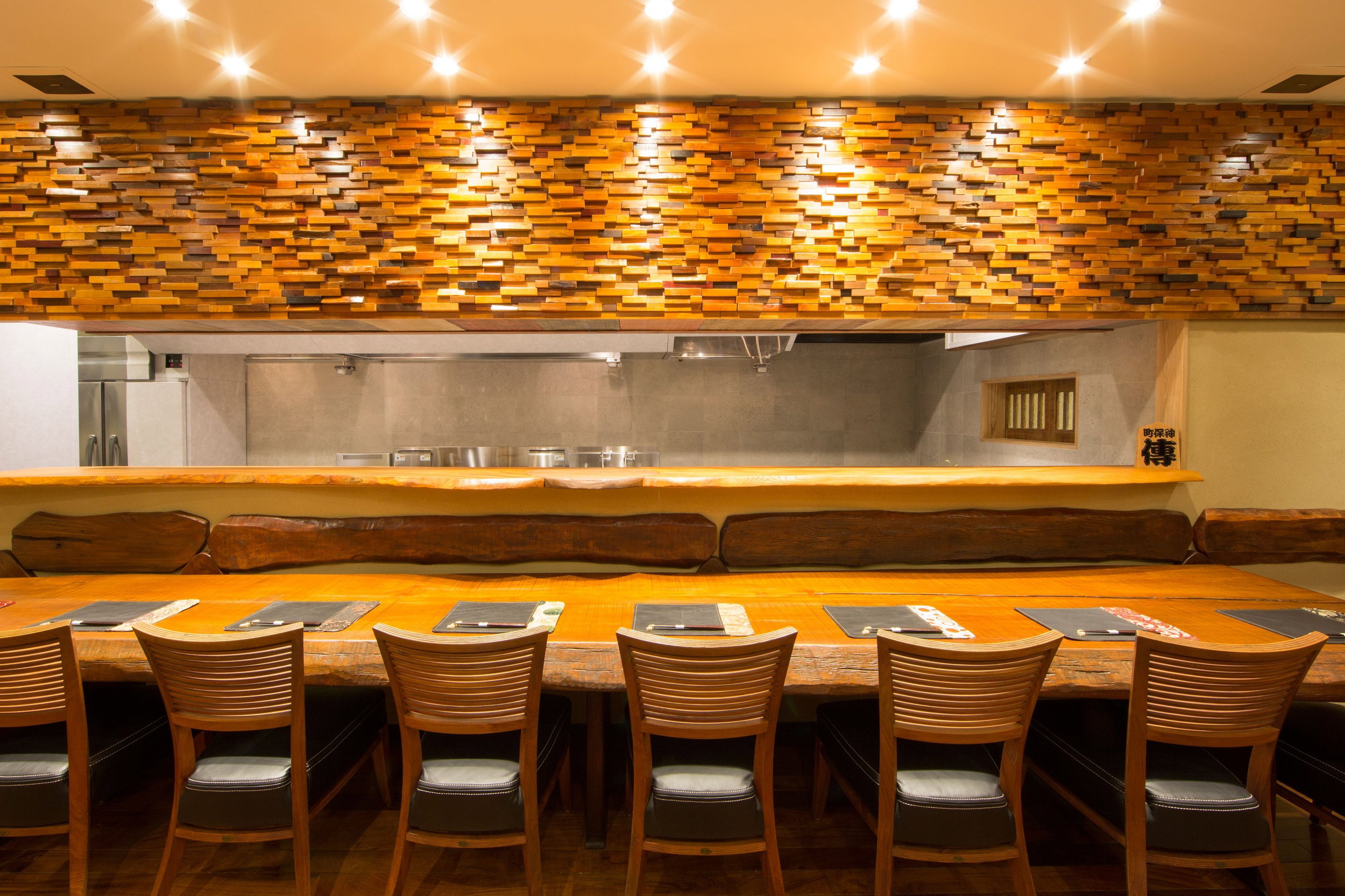
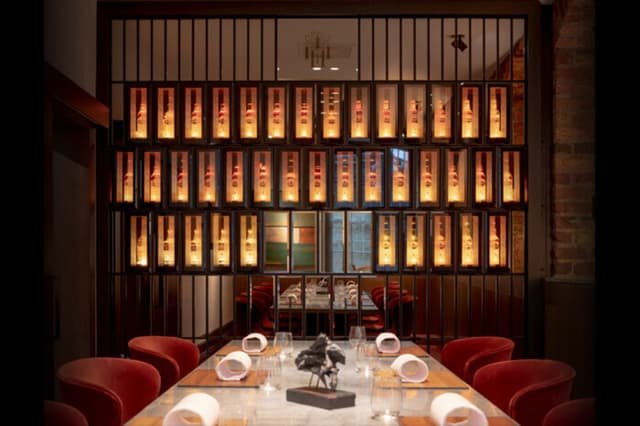
Softly lit with carefully chosen tableware and a room calibrated to soothe; service is graciously choreographed to nurture intimacy rather than performance.
Tags
Vibe
Best For
Experience
Sourcing
At the Table
- Dress Code
- Smart Casual
- Noise Level
- Quiet
- Service Style
- Formal
- Meal Pacing
- Extended Experience
- Capacity
- Intimate
- Kitchen
- Traditional
- Menu Format
- Omakase, Counter dining
- Wine Program
- Curated
- Drinks Focus
- Sake
- Private Dining
- Available
Signature Dishes
- conger eel with caviar
- translucent tuna with nori sauce
Know before you go
Know Before You Go
- Getting there
- 3-4-2 Mita, Minato-ku, Tokyo, 108-0073, Japan
Planning details
Location
Recognition and awards
Also consider
Also Consider
- Harutaka, Sushi, ¥¥¥¥
- RyuGin, Kaiseki, Japanese, ¥¥¥¥
- L'Effervescence, French, ¥¥¥¥
- HOMMAGE, Innovtive French, French, ¥¥¥¥
- Florilège, French, ¥¥¥
Restaurant context
At ¥¥¥¥, Hijirizaka Wakei sits in the same price band as RyuGin and Harutaka, but with meaningfully less award recognition. RyuGin holds Michelin stars and a place in the broader conversation about Japan's finest kaiseki; Harutaka is a destination sushi counter with a loyal international following. Hijirizaka Wakei's consecutive Michelin Plate awards (2024, 2025) confirm competence, not destination status. If you are making one ¥¥¥¥ booking in Tokyo, RyuGin delivers a stronger credential at the same price tier.
Against the French rooms in this comparison set, the calculus shifts. L'Effervescence and HOMMAGE both operate at ¥¥¥¥ with a French-influenced approach; Florilège comes in at ¥¥¥ and arguably punches above its price point for seasonal, produce-led cooking. If your preference is specifically Japanese cuisine in a classical idiom, Hijirizaka Wakei is the more coherent choice over any of the French rooms, but the French options are currently open and immediately bookable, which Hijirizaka Wakei is not.
The most direct comparison for a diner choosing between Japanese rooms at this level is Azabu Kadowaki and Kagurazaka Ishikawa: both operate at ¥¥¥¥, both are currently open, and both carry stronger booking momentum. Until Hijirizaka Wakei's new location is confirmed and operational, those two rooms are the safer choices for a special occasion Japanese dinner in Tokyo.
Explore Tokyo
Around this place
Discover more on Pearl
Unlock the full Hijirizaka Wakei guide in Pearl, including awards, comparisons, FAQs, planning details, and nearby places.
Compare Hijirizaka Wakei
| Venue | Location | Cuisine | Awards | Price |
|---|---|---|---|---|
| Hijirizaka Wakei | Tokyo | Japanese | 2026 Michelin Plate2025 Michelin Plate2024 Michelin Plate | ¥¥¥¥ |
| Harutaka | Tokyo | Sushi | 2026 Tabelog Silver · #312026 OAD Top Restaurants in Japan Ranked · #1282026 Michelin 3 Stars2026 La Liste Top RestaurantsTabelog 100 - Sushi - TOKYO - 2025 · #372025 Asia's 50 Best Restaurants · #762025 OAD Top Restaurants in Japan Ranked · #1172025 La Liste Top Restaurants2025 Tabelog Bronze | ¥¥¥¥ |
| RyuGin | Tokyo | Kaiseki, Japanese | 2026 OAD Top Restaurants in Japan Ranked · #802026 Tabelog Bronze · #3772026 Michelin 3 Stars2026 La Liste Top RestaurantsTabelog 100 - Japanese cuisine - TOKYO - 2025 · #212025 OAD Top Restaurants in Japan Ranked · #542025 Michelin 3 Stars2025 La Liste Top Restaurants2025 The Best Chef Three Knives | ¥¥¥¥ |
| L'Effervescence | Tokyo | French | 2026 Tabelog Silver · #682026 OAD Top Restaurants in Japan Ranked · #103Star Wine Lists 20262026 Black Pearl 2 Diamond2026 Relais Chateaux Restaurants2026 La Liste Top Restaurants2026 Michelin 3 Stars2025 Asia's 50 Best Restaurants · #692025 OAD Top Restaurants in Japan Ranked · #92 | ¥¥¥¥ |
| HOMMAGE | Tokyo | Innovtive French, French | 2026 Tabelog Bronze · #1232026 OAD Top Restaurants in Japan Highly Recommended2026 Michelin 2 StarsTabelog 100 - French - TOKYO - 2025 · #762025 Asia's 50 Best Restaurants · #782025 OAD Top Restaurants in Japan Ranked · #1752025 Michelin 2 Stars2025 The Best Chef One Knife2025 La Liste Top Restaurants | ¥¥¥¥ |
| Florilège | Tokyo | French | 2026 Asia's 50 Best Restaurants · #312026 Tabelog Bronze · #712026 OAD Top Restaurants in Japan Ranked · #1242026 Black Pearl 1 Diamond2026 Michelin 2 Stars2026 La Liste Top Restaurants2025 Asia's 50 Best Restaurants · #172025 World's 50 Best Restaurants · #36Tabelog 100 - French - TOKYO - 2025 · #68 | ¥¥¥ |













How Hijirizaka Wakei Tokyo compares with similar nearby venues.
FAQ
Frequently Asked Questions
What should a first-timer know about Hijirizaka Wakei?
The restaurant is currently open in Mita after its October 1, 2025 relocation, with an autumn reopening planned — so your first priority is confirming the new address and reservations before making plans. When it reopens, expect a ¥¥¥¥ tasting-format Japanese meal shaped by the philosophy of wakei seijaku: mutual respect between kitchen and guest. The kitchen's approach pairs classical technique with deliberate innovation, so dishes like sashimi dressed with caviar or tuna with nori sauce signal a room that experiments within tradition rather than abandoning it.
What should I order at Hijirizaka Wakei?
The menu is not published, so specific dish recommendations are not possible here. Based on the venue record, signature preparations include straw-grilled conger eel sashimi dressed with caviar, and tuna served with a starchy nori seaweed sauce — both reflect the kitchen's approach of layering inventive touches onto generational Japanese technique. At ¥¥¥¥, this is almost certainly a set-course format, so ordering à la carte is unlikely to be an option.
Is the tasting menu worth it at Hijirizaka Wakei?
Hijirizaka Wakei holds a Michelin Plate recognition for both 2024 and 2025, which places it in credible company without the full-star price premium that venues like RyuGin carry. At ¥¥¥¥, the value case depends on whether you want a considered, philosophy-driven Japanese meal over a purely technical one — the wakei seijaku ethos puts the guest relationship at the centre, which can make the experience feel more grounded than a prestige tasting room of similar price. If you are after Michelin star-level spectacle, look elsewhere; if the draw is thoughtful seasonal Japanese cuisine at a respected but not overbooked address, the price is defensible.
What are alternatives to Hijirizaka Wakei in Tokyo?
While Hijirizaka Wakei is open in Mita after its October 1, 2025 relocation, RyuGin in Roppongi is the clearest step up in prestige and price within Tokyo's Japanese fine dining tier, holding three Michelin stars. Harutaka in Ginza is a strong alternative for high-end omakase at a similar commitment level. L'Effervescence and Florilège both operate at ¥¥¥¥ but pivot to French-influenced cuisine, so they serve a different brief entirely.
Is Hijirizaka Wakei good for a special occasion?
Yes, with the right expectations. The wakei seijaku framework — harmony, respect, purity, and tranquillity between kitchen and table — gives the room a quietly ceremonial quality that suits a celebratory dinner better than a casual night out. At ¥¥¥¥ with Michelin Plate recognition in both 2024 and 2025, it carries enough credential to feel like an occasion without the pressure of a three-star booking. Confirm the reopening timeline before committing, as the relocation means the current address at 3-4-2 Mita, Minato-ku is no longer active.
Is Hijirizaka Wakei worth the price?
At ¥¥¥¥ with two consecutive Michelin Plate recognitions, Hijirizaka Wakei sits in a credible position within Tokyo's high-end Japanese dining tier — not the city's most-decorated room, but not inflated for its level either. The kitchen's stated ambition to preserve traditional technique while introducing genuine innovation is a reasonable promise at this price point, and the wakei seijaku philosophy suggests the experience is meant to feel considered rather than transactional. Worth it for guests who value atmosphere and culinary intent alongside pure technical execution; less so if your benchmark is strictly Michelin-starred spectacle.