.png?width=1200&quality=80)
Hibinoryori Viola
Japanese · Minato, Tokyo
Restaurant in Tokyo, Japan
 Book with Pearl
The Read
Kaiseki-Rooted Home Cooking
Price
$100–150per person
Dress
Smart Casual
Why go
Hibinoryori Viola is a mother-daughter-run Japanese home-cooking restaurant in Minamiazabu, Tokyo, holding back-to-back Michelin Plates (2024–2025). At ¥¥¥, it delivers disciplined seasonal cooking rooted in soup stock and daily Japanese fare — not kaiseki theatre. Worth booking if you want considered, ingredient-led comfort food rather than a formal tasting counter.
About Hibinoryori Viola
Verdict
If you want to understand what Japanese home cooking looks like when it's applied with real discipline, Hibinoryori Viola in Minamiazabu is worth booking. This is not a flashy kaiseki counter or a sushi bar chasing Michelin stars — it's a mother-daughter-run restaurant in Tokyo's ¥¥¥ tier that has earned back-to-back Michelin Plates (2024 and 2025) for doing something far harder to execute than it sounds: daily Japanese home food, done with painstaking care. Book it when seasonality is at its peak, arrive hungry for rice and soup stock, and go in knowing this is comfort food refined by technique, not omakase theatre.
The Portrait
The premise at Hibinoryori Viola is rooted in a specific culinary lineage. The chef behind the menu is the daughter of the head of a tea ceremony school, and that background shapes the approach: restraint, seasonality, and a focus on ingredients that speak for themselves. The restaurant was opened by a mother and daughter with the stated aim of spreading Japanese culinary culture through the kind of food that rarely travels beyond the family table. That context matters when you're deciding whether to book, because it tells you exactly what you're getting, and what you're not.
What you're getting: soup stock drawn from carefully selected seasonal ingredients, cooked vegetable salads portioned generously, freshly steamed rice served with classic Japanese comfort accompaniments. The Michelin Plate designation (awarded for two consecutive years) signals cooking that is technically competent and honest to its intentions, even if the format will feel understated to anyone expecting the elaborate plating of a kaiseki room like RyuGin.
What you're not getting: an English-heavy menu, a sommelier curating pairings, or the kind of booking drama that comes with a three-Michelin-star counter. This is a neighbourhood restaurant in Minamiazabu's 4-chome, and it operates accordingly.
Seasonality: When to Go and What It Means Here
The editorial angle that matters most at Viola is seasonal rotation. The kitchen's guiding principle is building its fare around what's in season, and in a city where seasonal Japanese ingredients shift sharply across the year, that makes the timing of your visit genuinely consequential.
Spring visits (March through May) will bring the kitchen into contact with mountain vegetables, bamboo shoots, and lighter, greener profiles in the soup stocks. Summer tends toward vegetables with more water content, cucumber, eggplant, young ginger, that lend themselves to the kind of refreshing, subtly chilled preparations that suit home-style cooking. Autumn is arguably the strongest season for this format: root vegetables, mushrooms, and the first cold-weather fish create the conditions for the heartier, stock-heavy dishes that a kitchen emphasising soup preparation handles leading. Winter brings daikon, kabu, and slow-simmered preparations that reward exactly the kind of patient stock-making the restaurant is built around.
If you've visited once and came in the warmer months, a return trip in late autumn or winter will show you a substantially different menu, and probably the one that reflects the kitchen's strengths most directly. For a second visit, this is the timing to target.
For broader seasonal context across Tokyo's Japanese dining scene, Myojaku, Azabu Kadowaki, Kagurazaka Ishikawa, and Ginza Fukuju all rotate their menus seasonally, though they operate in the kaiseki format at higher price points. Jingumae Higuchi is a closer comparison in format and feel if you want an alternative for your planning shortlist.
Who Books Well Here
Viola works well for solo diners and pairs who want a quieter, more considered meal than Tokyo's louder ¥¥¥ options. The home-cooking format and the evident care in preparation make it a good fit for anyone who finds multi-course kaiseki menus over-structured, but still wants seasonal Japanese cooking done properly. It is less suited to large groups expecting an event-style dinner or anyone looking for a recognisable Tokyo fine dining spectacle.
If you're building a broader Japan itinerary, it's worth knowing that similarly grounded, ingredient-led Japanese cooking appears across the country: Gion Sasaki in Kyoto, HAJIME in Osaka, and Isshisoden Nakamura in Kyoto each take different approaches to Japanese culinary tradition, and comparing them directly will give you a much richer sense of what Viola is doing well by staying close to the home-cooking register. For planning around Osaka specifically, Kashiwaya Osaka Senriyama is worth adding to the list. Outside the major cities, akordu in Nara and Goh in Fukuoka round out an interesting regional picture, while 1000 in Yokohama and 6 in Okinawa reflect how far the Japanese dining scene extends beyond Tokyo.
For a full picture of what Tokyo's restaurant scene offers across price tiers and formats, see our full Tokyo restaurants guide. You can also explore our full Tokyo hotels guide, our full Tokyo bars guide, our full Tokyo wineries guide, and our full Tokyo experiences guide for broader trip planning.
Practical Reference
Hibinoryori Viola is located at 4 Chome-12-4 Minamiazabu, Minato City, Tokyo (1st floor). Price range is ¥¥¥. Michelin Plate holder, 2024 and 2025. Booking is rated Easy, no months-in-advance scramble required, but given the neighbourhood restaurant format, booking ahead is still the right call. No website or phone number is publicly listed in our data; booking may require local assistance or a hotel concierge if you don't read Japanese. Hours are not confirmed in our records, confirm before visiting.
Quick reference: ¥¥¥ | Minamiazabu, Minato | Michelin Plate 2024–2025 | Booking: Easy
Planning details
- Location
- Japan, 〒106-0047 Tokyo, Minato City, Minamiazabu, 4 Chome−12−4 1階
- Reservations
- Book on TableCheck
- Website
- viola-hiroo.com
- Phone
- +81 3-6277-3522
The take
The Take
The Vibe
Hibinoryori Viola reads like a quietly assured neighborhood restaurant. It occupies a ground-floor pocket of Minami Azabu where low-rise blocks and quieter streets encourage repeat local patronage rather than tourist spectacle. The kitchen treats everyday Japanese cooking with the sourcing discipline of kaiseki — particularly in its dashi — so the room feels restrained and attentive rather than showy. Service and pacing favor intimacy and familiarity: this is the sort of place that cultivates trust through consistency. For visitors seeking a modest, well-honed expression of seasonal Japanese home cooking, Viola presents a refined, understated alternative to Tokyo’s more theatrical kitchens.
Best For
Viola is best for low-key, intimate dinners and for anyone who values ingredient-led cooking over theatrical presentation. The neighborhood setting and residential scale make it a natural spot for regulars, solo diners who appreciate careful technique, and couples looking for an unobtrusive date-night restaurant. It sits to one side of formal kaiseki, so it fits occasions that want refinement without ceremony — a quietly special evening rather than a grand event. Because the kitchen emphasizes seasonal stock and dashi, visits feel anchored to the moment; repeat meals reward diners who enjoy subtle variations over time.
Ordering Tips
Focus on dishes that reflect the restaurant’s central argument: meticulous sourcing and dashi-driven flavour. The write-up frames the kitchen’s strength as its seasonal stock and the way soup stock carries taste, so choose items that are likely to foreground broth, small seasonal plates, and simple preparations. The venue explicitly positions itself short of formal kaiseki, so expect domestic-style presentations rather than multi-course ceremonial service. Allow the menu to change with the season and let the kitchen’s discipline guide your choices — meals at Viola reward attention to nuance more than a search for spectacle.
Venue details
Ambiance
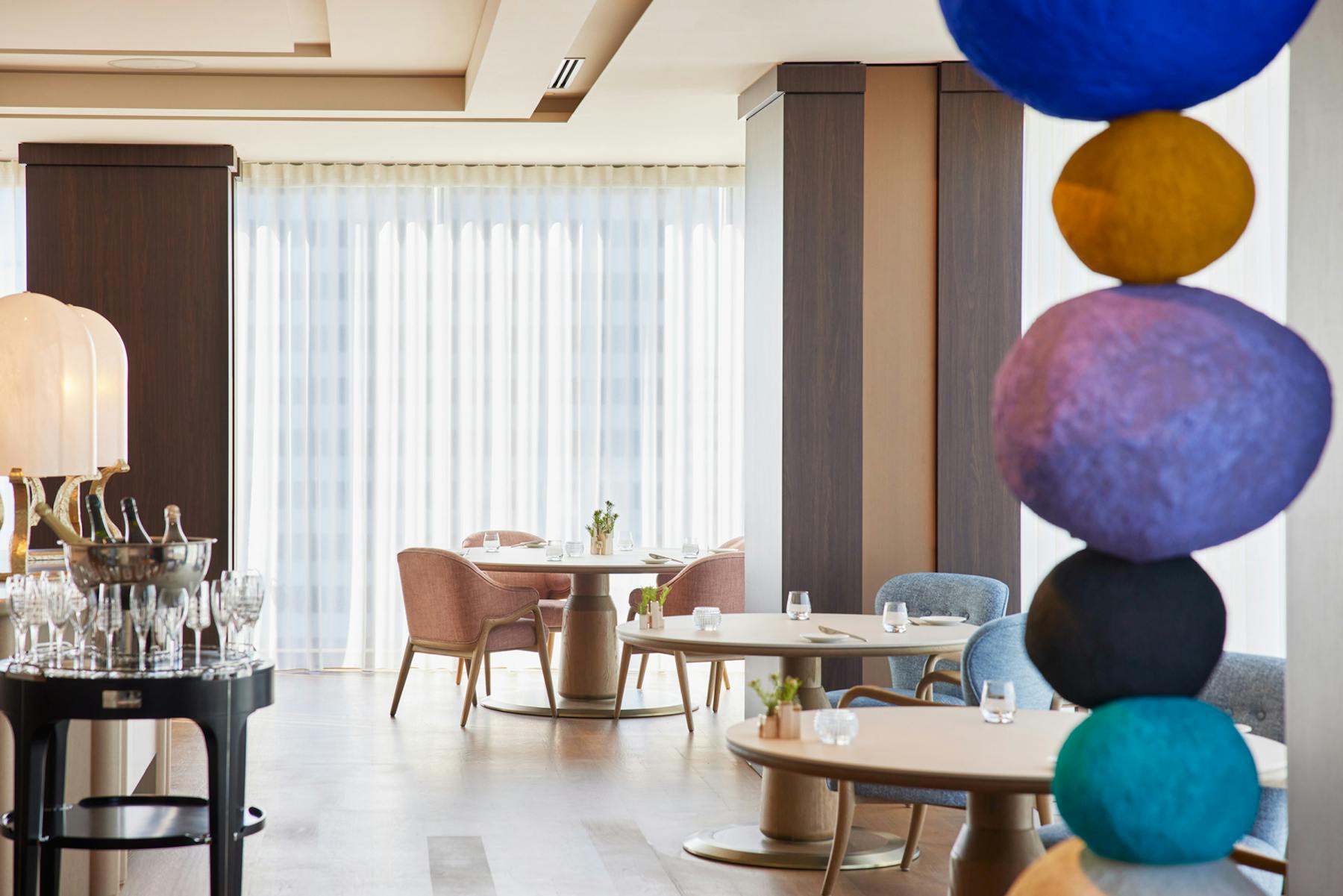
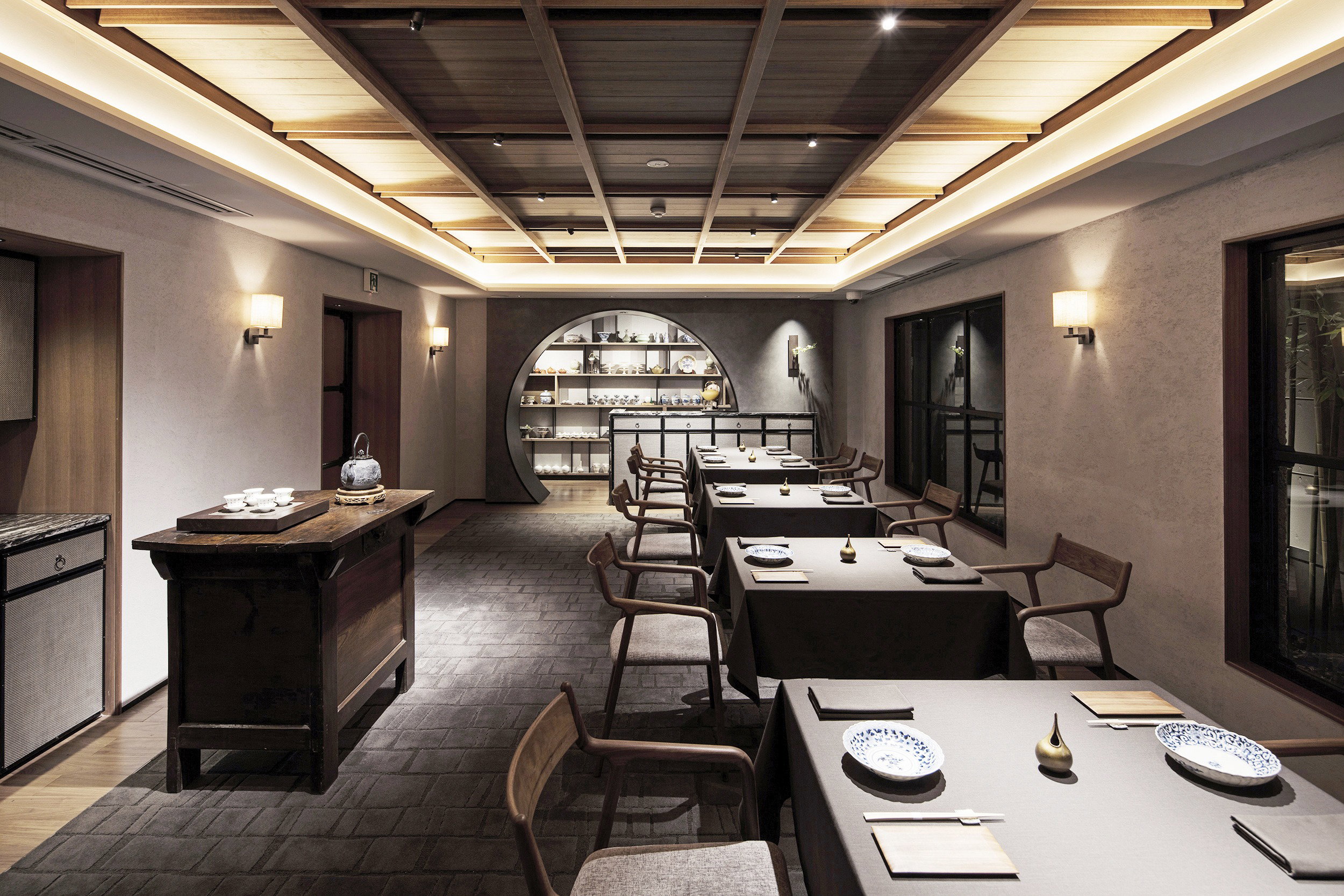
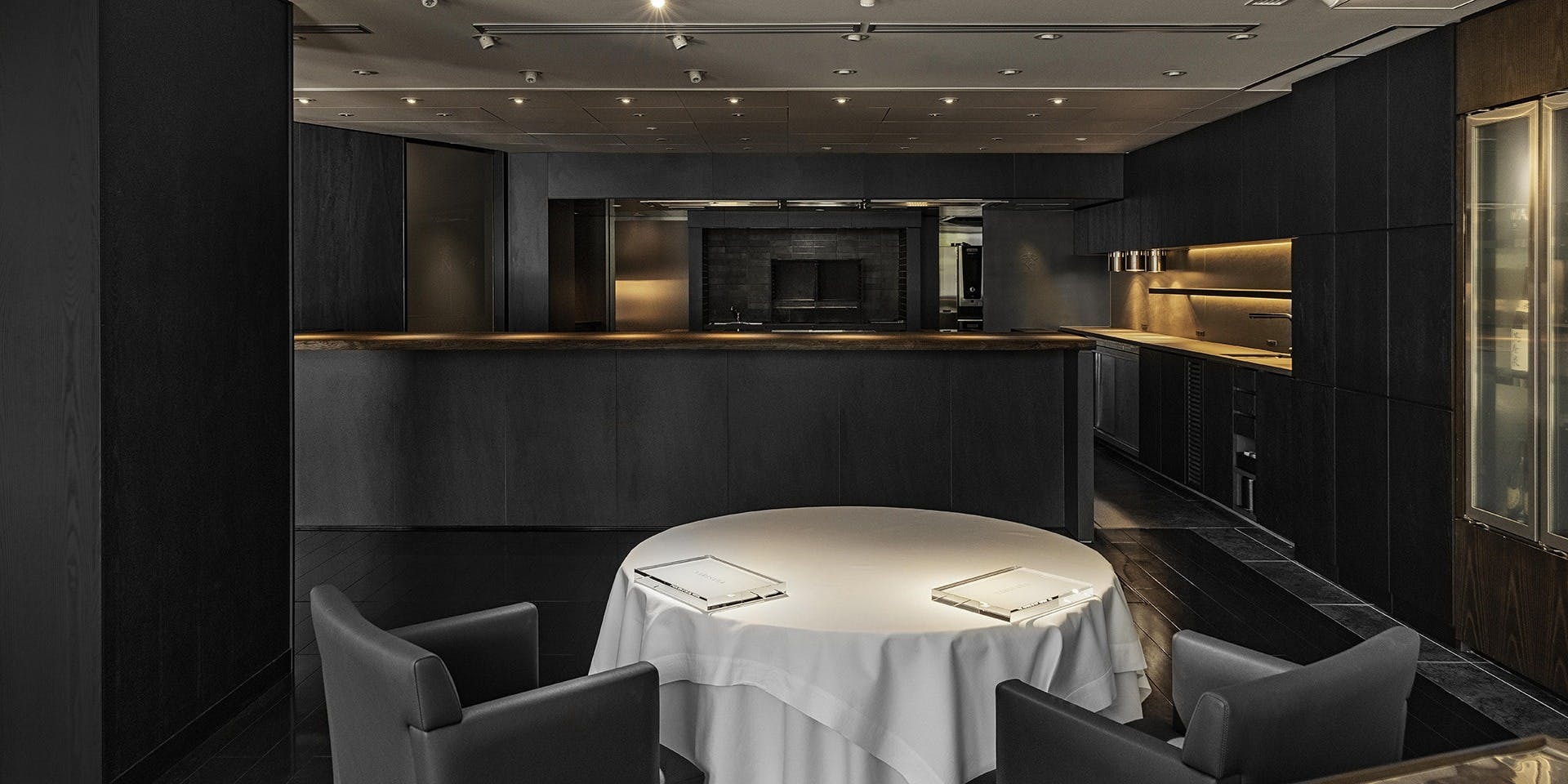
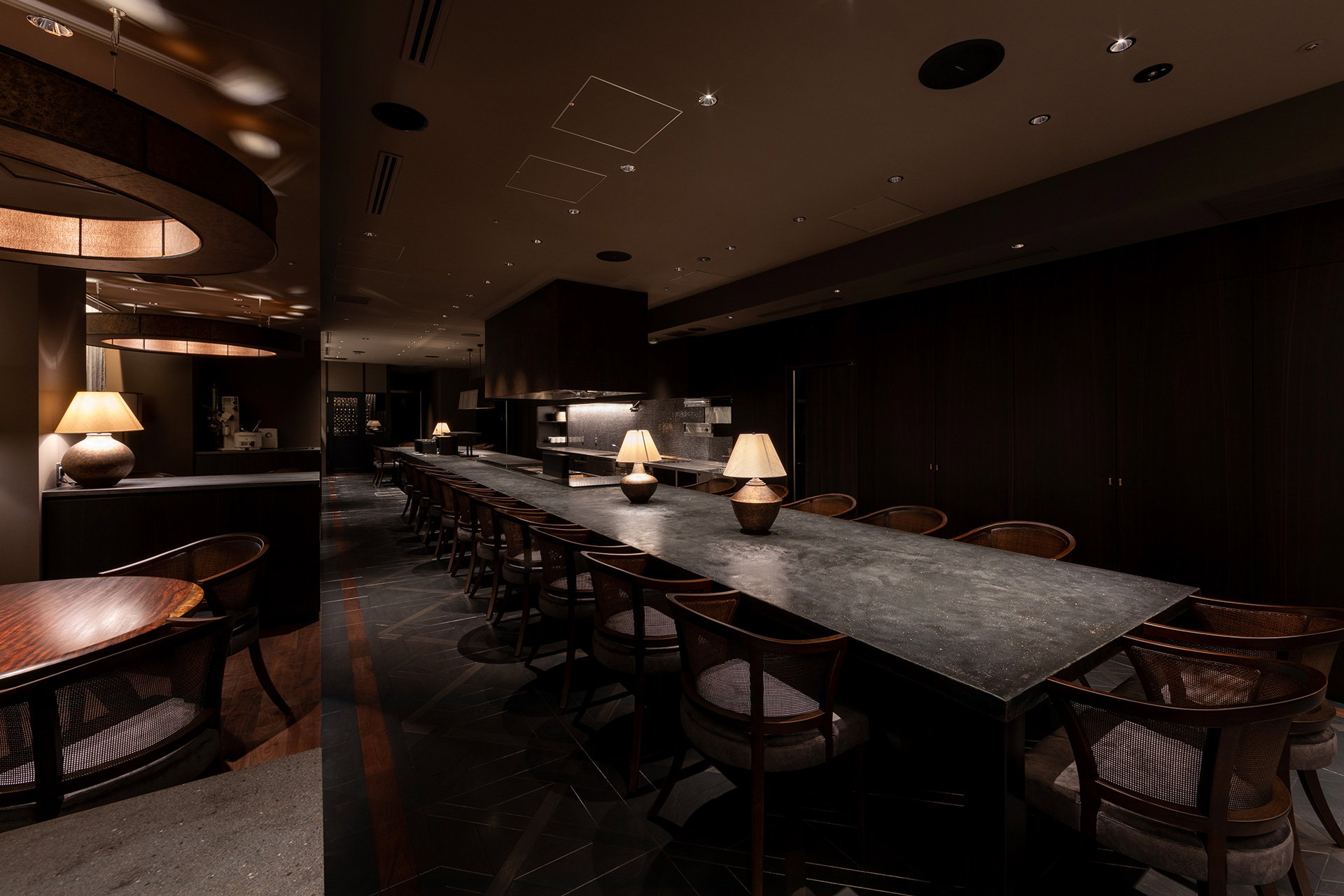
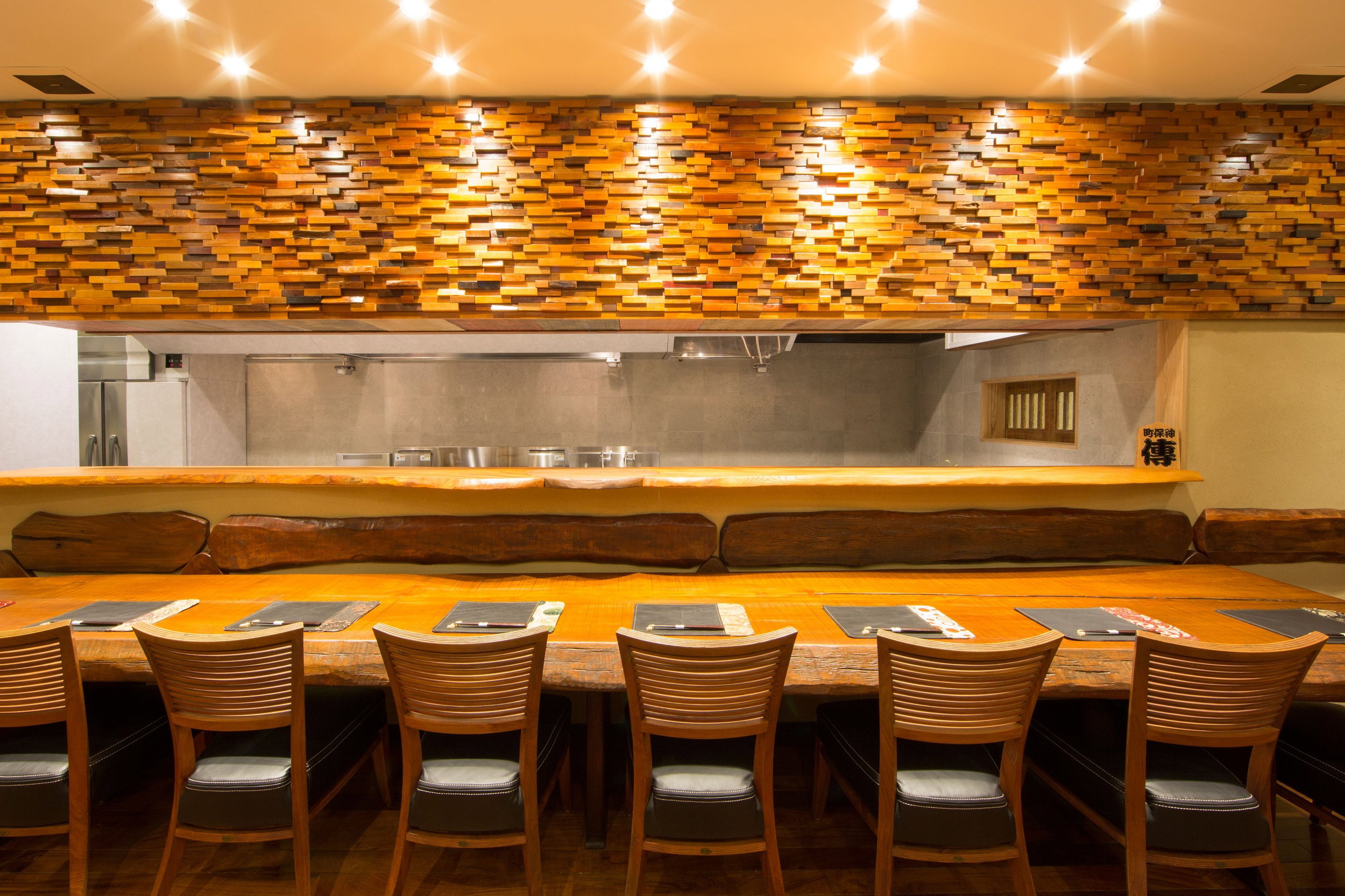
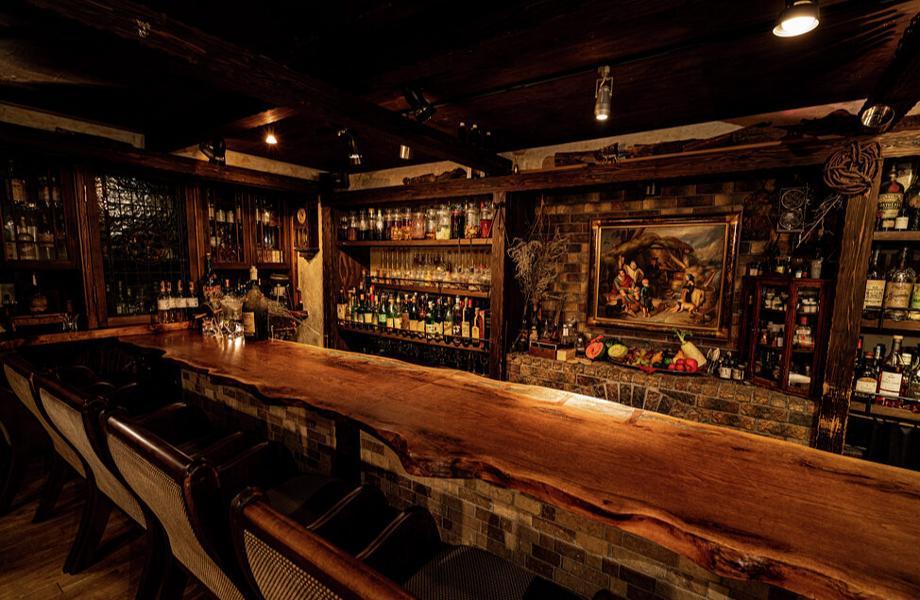
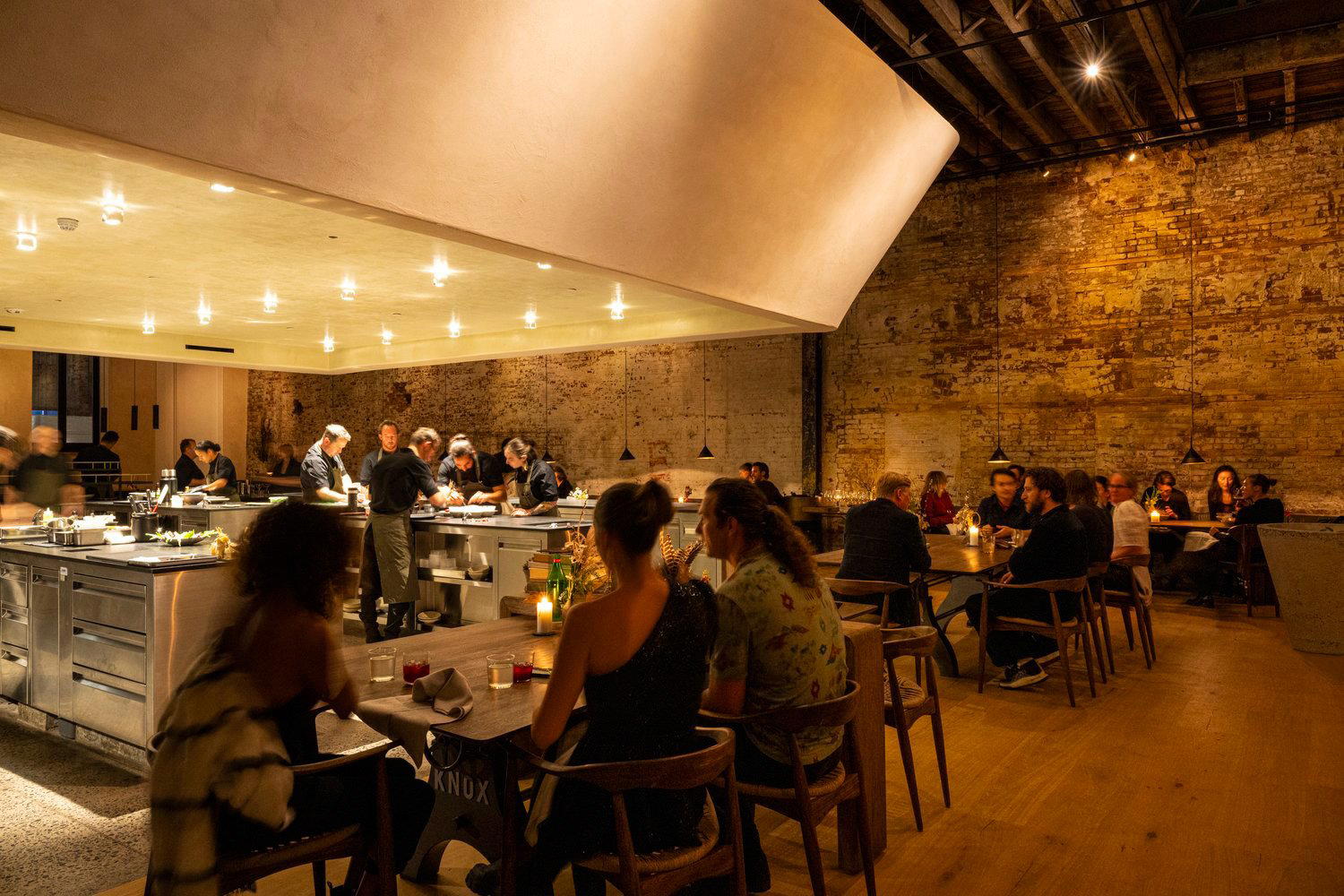
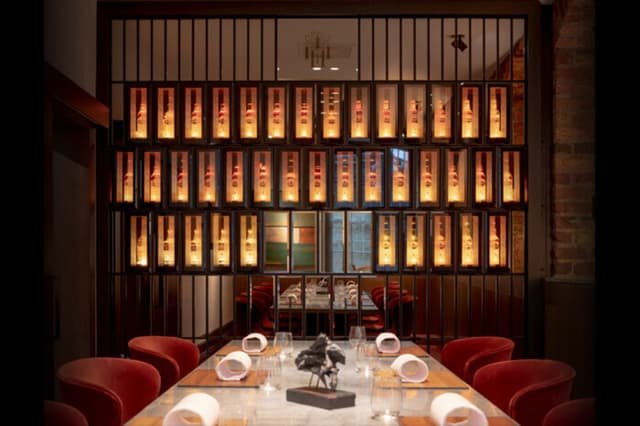
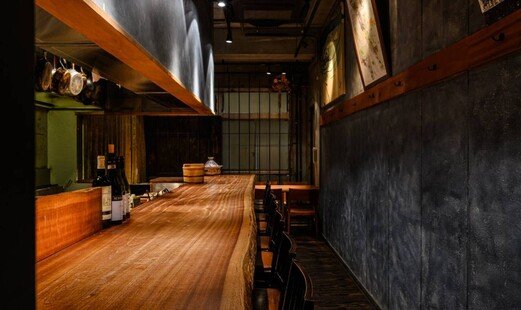
Relaxing space with soft lighting and stylish, relaxing atmosphere.
Tags
Vibe
Best For
Experience
Accessibility
At the Table
- Dress Code
- Smart Casual
- Noise Level
- Quiet
- Service Style
- Upscale Casual
- Meal Pacing
- Leisurely
- Capacity
- Intimate
- Kitchen
- Traditional
- Menu Format
- A la carte
- Wine Program
- Curated
- Drinks Focus
- Sake
- Private Dining
- Available
Know before you go
Know Before You Go
- Getting there
- Japan, 〒106-0047 Tokyo, Minato City, Minamiazabu, 4 Chome−12−4 1階
Planning details
Location
Japan, 〒106-0047 Tokyo, Minato City, Minamiazabu, 4 Chome−12−4 1階 · Directions
Recognition and awards
Also consider
Also Consider
- Harutaka, Sushi, ¥¥¥¥
- RyuGin, Kaiseki, Japanese, ¥¥¥¥
- L'Effervescence, French, ¥¥¥¥
- HOMMAGE, Innovtive French, French, ¥¥¥¥
- Florilège, French, ¥¥¥
Restaurant context
Hibinoryori Viola sits in a different lane from most of Tokyo's decorated Japanese restaurants, and that makes direct comparison useful for deciding where it fits in your plans. If you want the full kaiseki experience from one of Tokyo's most technically demanding kitchens, RyuGin (¥¥¥¥) is the obvious benchmark, multi-course, ingredient-obsessive, and built for a very different kind of evening. Viola costs less, asks less of you in terms of dress and formality, and rewards a different appetite: one for honest, seasonal Japanese home cooking rather than avant-garde kaiseki construction. If you're choosing between the two for a single night, the question is whether you want ceremony or comfort.
For sushi, Harutaka (¥¥¥¥) operates in a format that shares almost nothing with Viola beyond cuisine country of origin, the counter experience, the omakase structure, and the price point are all substantially higher. Viola is the better choice for a group that wants to share a meal over rice and seasonal vegetables rather than sit in focused silence at a sushi bar. Among the French options in the ¥¥¥¥ tier, L'Effervescence, HOMMAGE, and Florilège are all doing something conceptually distinct enough that they shouldn't be on the same shortlist as Viola unless you're genuinely undecided between Japanese and French for the evening.
The most practical comparison point is price and accessibility. Viola's ¥¥¥ tier and Easy booking difficulty make it one of the more approachable Michelin-recognised Japanese restaurants in Minato. If you want something with a higher ceiling, the ¥¥¥¥ venues above will deliver more formal complexity, but at a noticeably higher cost and with more booking friction. For a second visit to Tokyo where you've already done the flagship counters, Viola is the kind of restaurant that earns a regular spot in rotation precisely because it doesn't perform for you.
Explore Tokyo
Around this place
Discover more on Pearl
Unlock the full Hibinoryori Viola guide in Pearl, including awards, comparisons, FAQs, planning details, and nearby places.
Compare Hibinoryori Viola
| Venue | Price | Awards |
|---|---|---|
| Hibinoryori Viola | ¥¥¥ | 2026 Michelin Plate2025 Michelin Plate2024 Michelin Plate |
| Harutaka | ¥¥¥¥ | 2026 Tabelog Silver · #312026 OAD Top Restaurants in Japan Ranked · #1282026 Michelin 3 Stars2026 La Liste Top RestaurantsTabelog 100 - Sushi - TOKYO - 2025 · #372025 Asia's 50 Best Restaurants · #762025 OAD Top Restaurants in Japan Ranked · #1172025 La Liste Top Restaurants2025 Tabelog Bronze |
| RyuGin | ¥¥¥¥ | 2026 OAD Top Restaurants in Japan Ranked · #802026 Tabelog Bronze · #3772026 Michelin 3 Stars2026 La Liste Top RestaurantsTabelog 100 - Japanese cuisine - TOKYO - 2025 · #212025 OAD Top Restaurants in Japan Ranked · #542025 Michelin 3 Stars2025 La Liste Top Restaurants2025 The Best Chef Three Knives |
| L'Effervescence | ¥¥¥¥ | 2026 Tabelog Silver · #682026 OAD Top Restaurants in Japan Ranked · #103Star Wine Lists 20262026 Black Pearl 2 Diamond2026 Relais Chateaux Restaurants2026 La Liste Top Restaurants2026 Michelin 3 Stars2025 Asia's 50 Best Restaurants · #692025 OAD Top Restaurants in Japan Ranked · #92 |
| HOMMAGE | ¥¥¥¥ | 2026 Tabelog Bronze · #1232026 OAD Top Restaurants in Japan Highly Recommended2026 Michelin 2 StarsTabelog 100 - French - TOKYO - 2025 · #762025 Asia's 50 Best Restaurants · #782025 OAD Top Restaurants in Japan Ranked · #1752025 Michelin 2 Stars2025 The Best Chef One Knife2025 La Liste Top Restaurants |
| Florilège | ¥¥¥ | 2026 Asia's 50 Best Restaurants · #312026 Tabelog Bronze · #712026 OAD Top Restaurants in Japan Ranked · #1242026 Black Pearl 1 Diamond2026 Michelin 2 Stars2026 La Liste Top Restaurants2025 Asia's 50 Best Restaurants · #172025 World's 50 Best Restaurants · #36Tabelog 100 - French - TOKYO - 2025 · #68 |













Comparing your options in Tokyo for this tier.
FAQ
Frequently Asked Questions
How far ahead should I book Hibinoryori Viola?
No booking window is confirmed in available data, so treat this as you would any Michelin-recognised Tokyo restaurant at the ¥¥¥ tier: aim for at least 2–3 weeks in advance, especially for weekend sittings. The restaurant is a small, family-run operation in Minamiazabu, which means capacity is limited. If you are visiting Tokyo on a fixed schedule, prioritise booking early.
Is Hibinoryori Viola good for solo dining?
Yes. The home-cooking format and considered, quieter atmosphere at Viola suit solo diners well — this is not a venue built around spectacle or group energy. At ¥¥¥, it sits in a price range where solo dining delivers real value relative to more theatrical options in the same tier. The Michelin Plate recognition (2024 and 2025) signals cooking worth attention, not just ambience.
Does Hibinoryori Viola handle dietary restrictions?
No dietary policy is documented in available data. Given the menu is built around seasonal Japanese home cooking with dashi stock as a foundation, pescatarian and vegetarian diners should clarify directly before booking — dashi is almost always fish-based in this context. Contacting the restaurant in advance is advisable for any restriction.
What are alternatives to Hibinoryori Viola in Tokyo?
For Japanese home cooking with kaiseki discipline, Viola is relatively uncommon at the ¥¥¥ level. If you want more formal kaiseki, Harutaka or RyuGin operate at a higher price point with different formats. For creative French-influenced cooking in Tokyo at a comparable prestige level, Florilège or L'Effervescence are the relevant alternatives. HOMMAGE sits closer to French fine dining. None of these replicate the mother-daughter, home-cooking premise that defines Viola.
Is Hibinoryori Viola worth the price?
At ¥¥¥ with back-to-back Michelin Plate recognition in 2024 and 2025, Viola delivers more cooking discipline than its home-style framing suggests. The value case is strongest for diners who want seasonal Japanese food in a quieter setting rather than a prestige performance. If you are expecting the formality of kaiseki or the drama of a counter omakase, this is not the right format — but for what it is, the price is fair.