.png?width=1200&quality=80)
HARU CHAN Ramen
Ramen · Minato, Tokyo
Restaurant in Tokyo, Japan
 Book with Pearl
The Read
Clear-Broth Shio Precision
Price
$10–20per person
Dress
Casual
Why go
HARU CHAN Ramen in Shinbashi holds Michelin Bib Gourmand recognition for 2024 and 2025 — two consecutive awards for a single-¥ shio ramen bowl built on clear pork and dried sardine broth. Booking difficulty is low and the kitchen stays open between meal services. For Michelin-verified ramen without a reservation headache, this is one of Tokyo's most straightforward calls.
About HARU CHAN Ramen
Should You Book HARU CHAN Ramen?
Getting a seat at HARU CHAN Ramen in Shinbashi requires almost no advance planning — booking difficulty is low, and the restaurant deliberately stays open between lunch and dinner service to serve the working community around it. That accessibility is part of the point. This is a Michelin Bib Gourmand recipient for both 2024 and 2025, priced at the single-¥ tier, which means you are getting, award-level shio ramen for a few hundred yen. The question is not whether it is worth the effort. It is whether you understand what you are walking into: a tightly focused, single-dish operation where the chef — known to regulars and the Michelin inspectors alike as Haru-chan, has spent her career perfecting one bowl.
The Bowl, and Why It Matters
Shio ramen is the most technically demanding of the major ramen styles to execute well. A tonkotsu or miso broth can hide imbalance behind richness; shio, salt-based, with a clear broth, cannot. Every element reads directly. At HARU CHAN, the broth is built from pork and dried sardines, poured to the rim of the bowl, and what arrives visually tells you something about the kitchen's precision before you taste anything. Green onion, nori, and wheat bran flowers float in wisps of pork fat across a clear surface. The composition is deliberate, not decorative, the fat distribution affects how each sip tastes as the bowl cools.
The noodles are pounded flat for a plump, dense texture that holds up in the broth longer than a thinner cut would. Roasted pork fillet, simmered directly in the soup, ties the protein to the liquid rather than sitting on top of it as a separate element. This is the kind of detail that separates a focused specialist from a generalist ramen shop, and it is why two consecutive Michelin Bib Gourmand awards make sense here. The Bib Gourmand designation specifically recognises quality at a fair price, Michelin's language for "worth a detour, worth the money", and in the context of Tokyo ramen, that credential carries real weight.
For comparison, Bib Gourmand ramen spots in Tokyo that hold the same recognition include strong operations like Chukasoba Ginza Hachigou and Chukasoba KOTETSU. If you want to understand how HARU CHAN positions itself in Tokyo's ramen tier, those are useful reference points. For a lighter, yuzu-forward alternative in a different style, Afuri draws a different crowd. For tsukemen or more intensely savoury broth profiles, Fuunji in Shinjuku is the benchmark. HARU CHAN's strength is shio clarity and restraint, not breadth.
Practical Details
The restaurant is located inside Shinbashi Ekimae Building No. 1, a dense, workaday complex adjacent to Shinbashi Station in Minato City. This is not a destination dining neighbourhood in the way that Ginza or Roppongi are, it is an office-worker district, and HARU CHAN is embedded in it intentionally. The restaurant stays open continuously between lunch and dinner, which makes it a reliable option if your schedule does not align with standard meal windows.
Pricing is in the single-¥ tier, which in Tokyo ramen terms means a bowl will typically fall in the ¥800–¥1,200 range, though the database does not confirm a specific price. Walk-in access is direct given the low booking difficulty rating, but arriving outside peak lunch hours (roughly 11:30–13:30) gives you a better chance of a short wait. The between-meal opening hours exist precisely for this reason.
Logistics at a Glance
| Detail | HARU CHAN Ramen | Afuri (Tokyo) | Fuunji (Shinjuku) |
|---|---|---|---|
| Cuisine focus | Shio ramen | Yuzu shio / shoyu | Tsukemen / shoyu |
| Price tier | ¥ | ¥–¥¥ | ¥ |
| Booking difficulty | Easy | Easy | Easy (queue) |
| Michelin recognition | Bib Gourmand 2024–2025 | Not listed | Not listed |
| Neighbourhood | Shinbashi | Multiple locations | Shinjuku |
| Solo-friendly | Yes | Yes | Yes |
Who Should Go
HARU CHAN is the right call for solo diners, for anyone doing a deliberate tour of Tokyo's Michelin-recognised ramen stops, or for a visitor who wants to understand what shio ramen looks like when it is handled by a specialist. It is not the venue for a group dinner, a special occasion in the celebratory sense, or anyone expecting the kind of tableside experience that a sit-down kaiseki or sushi counter provides. The experience is counter-and-bowl: precise, efficient, and purposeful.
If your Tokyo itinerary includes Chukasoba Ginza Hachigou or a stop at Chuogo Hanten Mita, HARU CHAN fits naturally into the same day. For those travelling beyond Tokyo, Chinese Noodles ROKU in Kyoto and Chukasoba Mugen in Osaka offer comparable noodle-specialist experiences in their respective cities. See also our full Tokyo restaurants guide for broader context, and our Tokyo hotels guide if you are planning where to stay near Shinbashi.
For fine dining anchors elsewhere in Japan, HAJIME in Osaka, Gion Sasaki in Kyoto, and Goh in Fukuoka represent the upper end of the spectrum. HARU CHAN is the other end, just as intentional, far more accessible, and priced at a fraction of the cost. Both ends of that spectrum are worth your time.
The Verdict
Book HARU CHAN if shio ramen is on your list and you want a Michelin-version without a reservation headache. The low booking difficulty and extended hours make it one of the easier award-recognised ramen stops to fit into a Tokyo day. Two consecutive Bib Gourmand awards confirm that the kitchen is not resting on a one-time recognition. Come for the bowl, not the room. Arrive off-peak if you want minimal wait time. Budget ¥1,000–¥1,500 all in. That is the whole equation.
FAQ: HARU CHAN Ramen
- What should I order at HARU CHAN Ramen? Order the shio ramen. This is a single-specialty kitchen, the chef has built the entire operation around this one bowl of clear pork and dried sardine broth with flat-pounded noodles and roasted pork fillet. There is no meaningful decision to agonise over, which is part of the appeal. The Michelin Bib Gourmand award covers this dish specifically.
- Does HARU CHAN Ramen handle dietary restrictions? The core broth is built on pork and dried sardines, so the bowl is not vegetarian, vegan, or pescatarian-friendly as described. No website or phone number is available in the current database to confirm allergen policies. If dietary restrictions are a factor, contact the restaurant directly before visiting, Shinbashi Ekimae Building staff may be able to assist with translation.
- Can I eat at the bar at HARU CHAN Ramen? Seating configuration is not confirmed in the database, but ramen shops of this type in Tokyo typically operate a counter format. Counter seating is standard and solo-friendly. No specific bar or table breakdown is available.
- Is the tasting menu worth it at HARU CHAN Ramen? There is no tasting menu here. HARU CHAN is a ramen specialist operating at the ¥ price tier, the format is a single bowl, not a multi-course experience. If you want a tasting menu in Tokyo at this calibre of Michelin recognition, RyuGin (kaiseki, ¥¥¥¥) is the appropriate venue. HARU CHAN's value proposition is precision at a low price point, not breadth.
- Is HARU CHAN Ramen worth the price? At the single-¥ price tier with two consecutive Michelin Bib Gourmand awards, yes, this is one of the stronger value propositions in Tokyo's ramen category. The Bib Gourmand designation exists precisely to flag quality-to-price ratios that Michelin considers noteworthy. You are paying ramen-counter prices for a kitchen that has passed Michelin scrutiny twice running.
- Is HARU CHAN Ramen good for solo dining? Yes. Counter-style ramen shops in Shinbashi are among the most solo-friendly dining formats in Tokyo. The extended opening hours between lunch and dinner reduce the likelihood of a long wait, and the single-bowl format means there is no pressure to order extensively. Budget roughly ¥1,000–¥1,500 and plan 20–30 minutes.
- What should a first-timer know about HARU CHAN Ramen? This is a focused, no-frills operation in a working-district building near Shinbashi Station. The chef specialises in shio ramen, clear broth, flat noodles, roasted pork fillet, and the Michelin Bib Gourmand recognition for 2024 and 2025 confirms the kitchen is executing well. Walk-ins are direct; arriving between 14:00 and 17:00 typically avoids peak queues. No website or reservations system is listed, so this is a show-up-and-eat venue. Price is ¥ tier. Bring cash as a fallback.
Planning details
- Location
- Japan, 〒105-0004 Tokyo, Minato City, Shinbashi, 2 Chome−20−15 新橋駅前ビル1号館 1階108号室
- Website
- instagram.com/haruchan_ginza
- Phone
- +81 3-6263-9636
The take
The Take
The Vibe
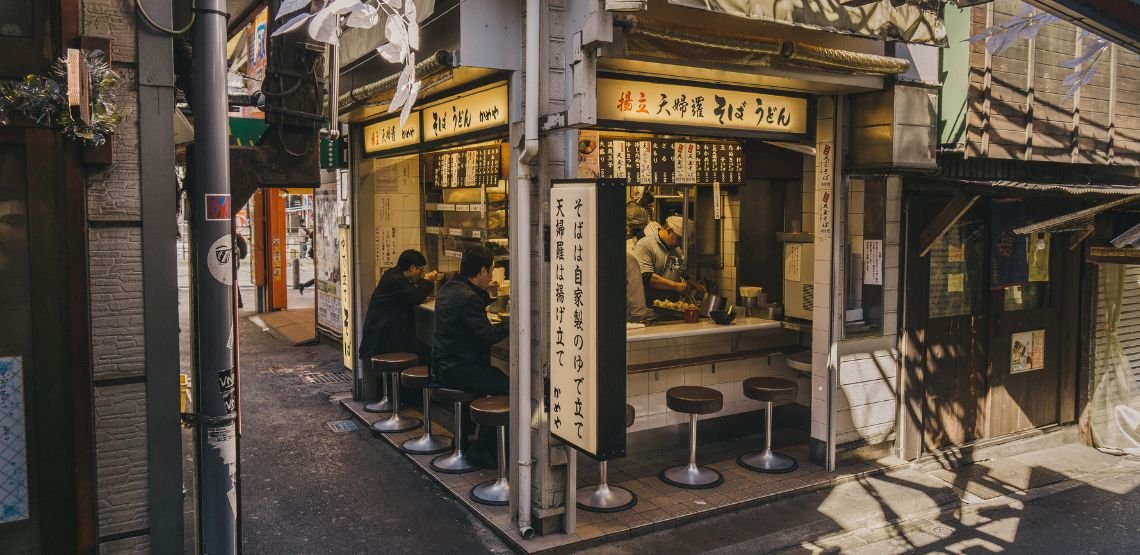
HARU CHAN Ramen sits low-key in a Shinbashi shopping arcade, trading glamour for craft. The place reads like the kind of counter where regulars slide into the same spot and expect the same exacting bowl: efficient, unshowy and quietly focused. The Bib Gourmand recognition signals that the kitchen takes its work seriously without changing its democratic format, so the energy is practical rather than performative. Expect brisk service, compact seating at the counter and a sense of neighborhood familiarity; the emphasis is on the noodle-and-broth discipline rather than atmosphere theatrics.
Best For
This is a straightforward spot for anyone after a reliable, well-made bowl: commuters grabbing a quick but considered meal, office workers on a break and solo diners who favor focused counter service. The Michelin Bib Gourmand nod confirms it’s a value-driven choice for people who want craft without ceremony. Because the format is single-price and built for quick turns, it also suits after-work stops and casual meetups where the food is the main attraction rather than a long, leisurely outing.
Ordering Tips
The house emphasis is shio ramen; the tasting notes describe a pork-and-dried-sardine broth that hinges on balance, so ordering the shio-focused bowl is the clearest way to read the kitchen. Signature items listed include the Special Chuka Soba and Ariake Nori Seaweed — good options if you want to sample the shop’s defining preparations. Given the counter format and steady service, order confidently and expect a concise menu where the flagship bowls showcase the kitchen’s attention to extraction and seasoning.
Venue details
Ambiance
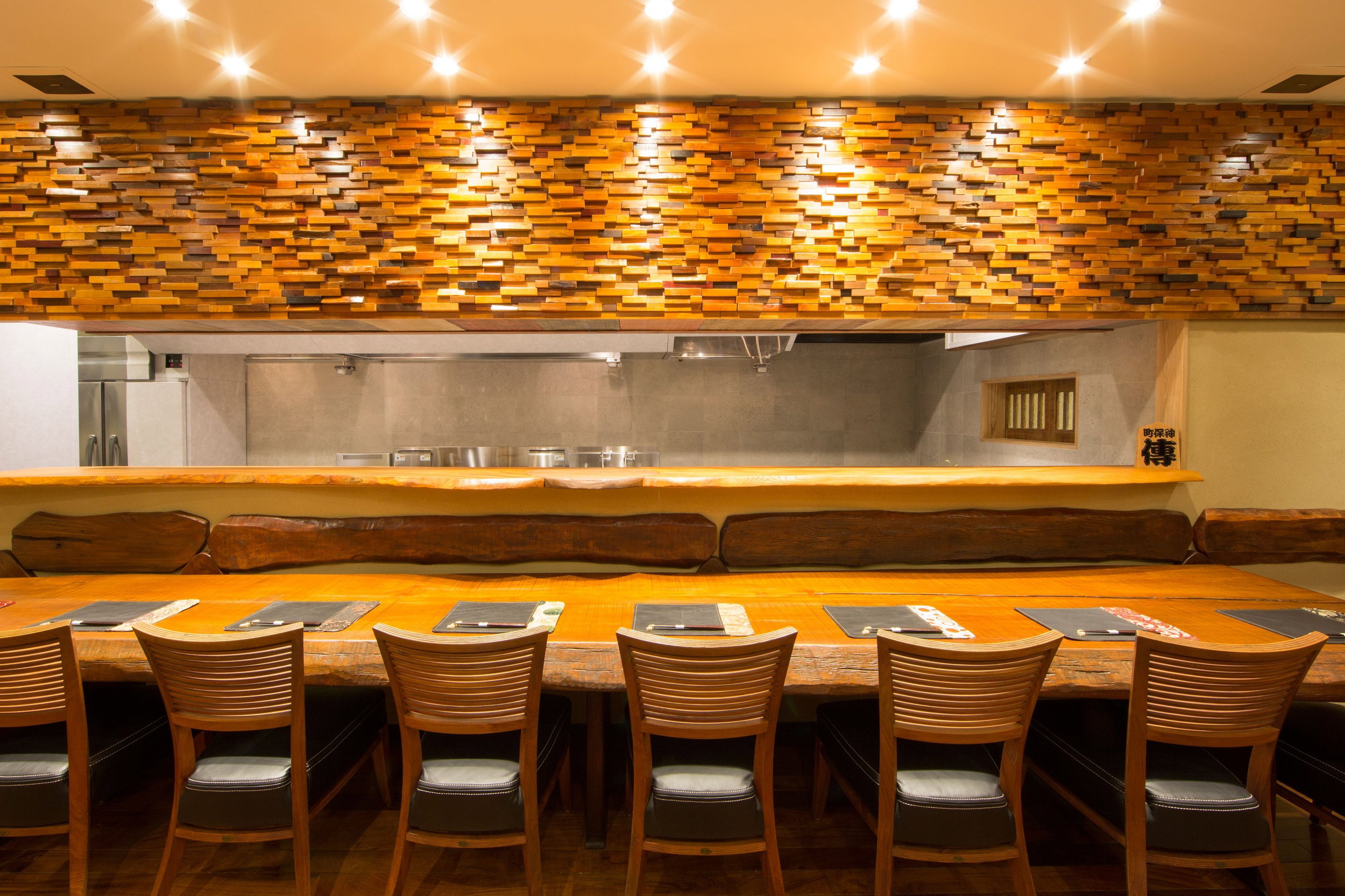
Cozy counter-only seating with a focused, authentic ramen shop atmosphere emphasizing fresh preparation and piping hot bowls.
Tags
Vibe
Best For
Experience
At the Table
- Dress Code
- Casual
- Noise Level
- Conversational
- Service Style
- Counter Service
- Meal Pacing
- Quick Bite
- Capacity
- Intimate
- Kitchen
- Traditional
- Menu Format
- A la carte, Counter dining
Signature Dishes
- Special Chuka Soba
- Ariake Nori Seaweed
Know before you go
Know Before You Go
- Getting there
- Japan, 〒105-0004 Tokyo, Minato City, Shinbashi, 2 Chome−20−15 新橋駅前ビル1号館 1階108号室
Planning details
Location
Japan, 〒105-0004 Tokyo, Minato City, Shinbashi, 2 Chome−20−15 新橋駅前ビル1号館 1階108号室 · Directions
Recognition and awards
Also consider
Also Consider
- Harutaka, Sushi, ¥¥¥¥
- RyuGin, Kaiseki, Japanese, ¥¥¥¥
- L'Effervescence, French, ¥¥¥¥
- HOMMAGE, Innovtive French, French, ¥¥¥¥
- Florilège, French, ¥¥¥
Restaurant context
Comparing HARU CHAN Ramen against Harutaka, RyuGin, L'Effervescence, HOMMAGE, or Florilège is less about which is better and more about what you are trying to accomplish. All of those venues sit at ¥¥¥¥ or ¥¥¥, HARU CHAN operates at ¥. If your Tokyo dining budget is limited and you want at least one Michelin-recognised meal, HARU CHAN is the answer. If you have budget and want a full counter or table experience with multiple courses, the ¥¥¥¥ tier is a different conversation entirely.
For value-to-recognition ratio, HARU CHAN wins outright. RyuGin delivers a kaiseki experience at the top of the price range and is the right choice if Japanese haute cuisine is the goal. Harutaka is the benchmark for serious omakase sushi. L'Effervescence and HOMMAGE represent Tokyo's French fine dining tier, technically precise, expensive, and requiring advance reservations. Florilège sits one notch below on price but still in a category where you are spending multiples of what HARU CHAN costs. None of those venues compete with HARU CHAN on accessibility or price; HARU CHAN does not compete with them on format or occasion-dining suitability.
The practical recommendation: if you are building a Tokyo itinerary with one or two high-budget dinners at the ¥¥¥¥ level, RyuGin, Harutaka, or similar, HARU CHAN works as a low-cost lunch anchor on a separate day, or as an arrival-day meal when you want something straightforward and good without a reservation. Treat it as a complement to the fine dining tier, not a substitute for it. Within the ramen category specifically, Chukasoba Ginza Hachigou and Fuunji are the closest peer comparisons, different broth profiles, similar price tier, similar accessibility.
Explore Tokyo
Around this place
Discover more on Pearl
Unlock the full HARU CHAN Ramen guide in Pearl, including awards, comparisons, FAQs, planning details, and nearby places.
Compare HARU CHAN Ramen
| Venue | Price | Awards |
|---|---|---|
| HARU CHAN Ramen | ¥ | 2026 Bib Gourmand2025 Michelin Bib Gourmand2024 Michelin Bib Gourmand |
| Harutaka | ¥¥¥¥ | 2026 Tabelog Silver · #312026 OAD Top Restaurants in Japan Ranked · #1282026 Michelin 3 Stars2026 La Liste Top RestaurantsTabelog 100 - Sushi - TOKYO - 2025 · #372025 Asia's 50 Best Restaurants · #762025 OAD Top Restaurants in Japan Ranked · #1172025 La Liste Top Restaurants2025 Tabelog Bronze |
| RyuGin | ¥¥¥¥ | 2026 OAD Top Restaurants in Japan Ranked · #802026 Tabelog Bronze · #3772026 Michelin 3 Stars2026 La Liste Top RestaurantsTabelog 100 - Japanese cuisine - TOKYO - 2025 · #212025 OAD Top Restaurants in Japan Ranked · #542025 Michelin 3 Stars2025 La Liste Top Restaurants2025 The Best Chef Three Knives |
| L'Effervescence | ¥¥¥¥ | 2026 Tabelog Silver · #682026 OAD Top Restaurants in Japan Ranked · #103Star Wine Lists 20262026 Black Pearl 2 Diamond2026 Relais Chateaux Restaurants2026 La Liste Top Restaurants2026 Michelin 3 Stars2025 Asia's 50 Best Restaurants · #692025 OAD Top Restaurants in Japan Ranked · #92 |
| HOMMAGE | ¥¥¥¥ | 2026 Tabelog Bronze · #1232026 OAD Top Restaurants in Japan Highly Recommended2026 Michelin 2 StarsTabelog 100 - French - TOKYO - 2025 · #762025 Asia's 50 Best Restaurants · #782025 OAD Top Restaurants in Japan Ranked · #1752025 Michelin 2 Stars2025 The Best Chef One Knife2025 La Liste Top Restaurants |
| Florilège | ¥¥¥ | 2026 Asia's 50 Best Restaurants · #312026 Tabelog Bronze · #712026 OAD Top Restaurants in Japan Ranked · #1242026 Black Pearl 1 Diamond2026 Michelin 2 Stars2026 La Liste Top Restaurants2025 Asia's 50 Best Restaurants · #172025 World's 50 Best Restaurants · #36Tabelog 100 - French - TOKYO - 2025 · #68 |














Side-by-side comparison to help you decide where to book.
FAQ
Frequently Asked Questions
What should I order at HARU CHAN Ramen?
Order the shio ramen — it is the dish the restaurant is built around, and the one that earned back-to-back Michelin Bib Gourmand recognition in 2024 and 2025. The clear broth combines pork and dried sardines, topped with green onion, nori, and wheat bran 'flowers' in wisps of pork fat, with flat-pounded noodles and roasted pork fillet. There is no credible reason to order anything else on a first visit.
Does HARU CHAN Ramen handle dietary restrictions?
The core dish is built on a pork-and-sardine broth, so it is not suitable for vegetarians, vegans, or those avoiding fish or pork. No alternative broth options are documented in the venue record. If dietary restrictions are a factor, this is not the right stop — Tokyo has dedicated vegetarian ramen options that are a better fit.
Can I eat at the bar at HARU CHAN Ramen?
Bar or counter seating details are not specified in the venue record, but HARU CHAN is a small, workaday ramen shop inside Shinbashi Ekimae Building No. 1 — counter seating is standard format for this category. Solo diners in particular should expect a counter-style experience, which suits the format well.
Is the tasting menu worth it at HARU CHAN Ramen?
HARU CHAN does not offer a tasting menu — it is a single-focus ramen shop operating in the ¥ price range. If a multi-course format is what you want, RyuGin or L'Effervescence are the appropriate alternatives in Tokyo. HARU CHAN's value case is the opposite: Michelin-recognised quality at bowl prices.
Is HARU CHAN Ramen worth the price?
Yes, straightforwardly. HARU CHAN sits in the ¥ price bracket — among the most affordable categories in Tokyo dining — and carries a 2025 Michelin Bib Gourmand, which specifically flags good food at moderate prices. For a Michelin-shio ramen at ramen-shop prices, the value case is clear.
Is HARU CHAN Ramen good for solo dining?
It is one of the better solo dining calls in Shinbashi. Counter-style ramen shops are built for solo diners, there is no booking pressure, and the restaurant stays open between standard lunch and dinner services — so you can time a visit without coordinating around a group or a reservation window.
What should a first-timer know about HARU CHAN Ramen?
The restaurant is inside Shinbashi Ekimae Building No. 1 in Minato City, directly adjacent to Shinbashi Station — easy to reach but easy to walk past if you are not looking for it. No reservation is required, and the kitchen stays open between meal periods, which makes it a flexible stop. Order the shio ramen, expect a no-frills room, and go in knowing the Michelin Bib Gourmand (2024 and 2025) is for the bowl, not the atmosphere.