.png?width=1200&quality=80)
Hakozakicho Sumito
Sushi · Chūō, Tokyo
Restaurant in Tokyo, Japan
 Book with Pearl
The Read
Market-Sourced Omakase Precision
Price
$150–200per person
Dress
Smart Casual
Why go
A Michelin Plate sushi counter in Nihonbashi with ¥¥¥ pricing that makes it one of Tokyo's more accessible serious omakase options. The chef's market-first approach and documented technical precision, including item-specific nikiri and calibrated rice temperatures, deliver quality that punches above the price tier. Easy to book relative to Ginza's starred competition.
About Hakozakicho Sumito
A 4.8-rated sushi counter in Nihonbashi that earns its Michelin Plate through ingredient discipline, not theatre
For a basement counter in Nihonbashihakozakicho, that kind of consistent approval signals something more than novelty. Hakozakicho Sumito holds a 2025 Michelin Plate, placing it in the tier of restaurants the Guide considers technically accomplished and worth your time, even if a star has not yet followed. At ¥¥¥ pricing, it sits a full price band below the city's starred omakase elite, which makes it one of the more considered choices for a special occasion that does not require a ¥¥¥¥ outlay.
The Case for Booking
The chef's operating philosophy is documented in the Michelin record and it is worth taking seriously: market visits happen even on days when nothing is being purchased. That level of relationship-building with Toyosu wholesalers translates directly into the quality of what arrives on the counter. The tuna progression alone, from fatty toro wrapped in nori through lean akami, medium-fatty chutoro, and otoro, reflects a kitchen that understands the fish as a spectrum rather than a single product to be showcased and forgotten.
Two technical details in the Michelin notes are easy to overlook but genuinely useful for setting expectations. First, sushi rice temperature is adjusted individually to suit each topping, which is the kind of rice-to-fish calibration that separates a considered counter from a production-line one. Second, the nikiri (a reduced blend of soy sauce, mirin, sake, and broth) is varied by item rather than applied uniformly. These are not marketing claims; they are the specific practices the Michelin inspectors cited as reasons to include the restaurant. For a diner assessing whether the ¥¥¥ spend is justified, they are the right details to weigh.
Atmosphere and Setting
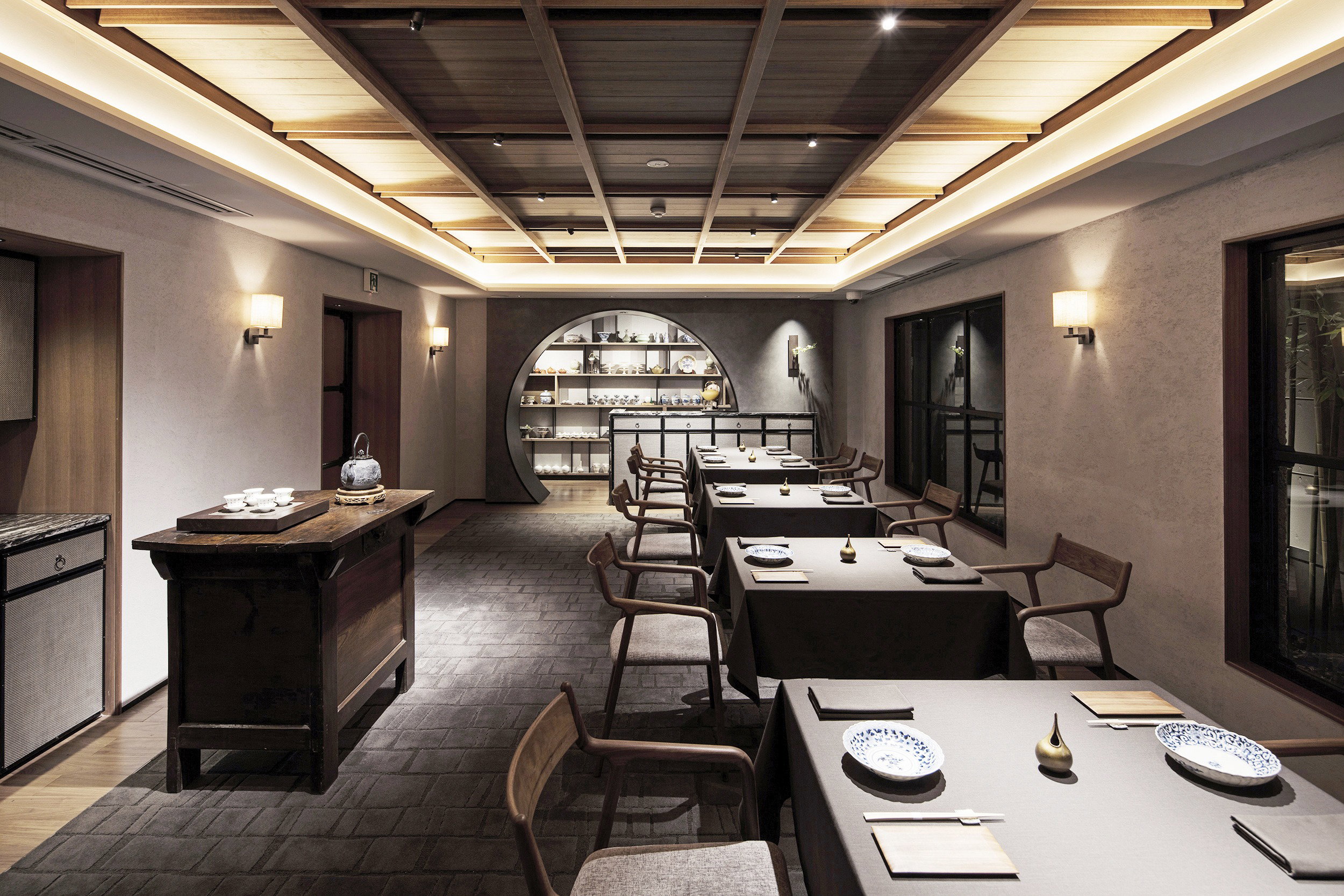
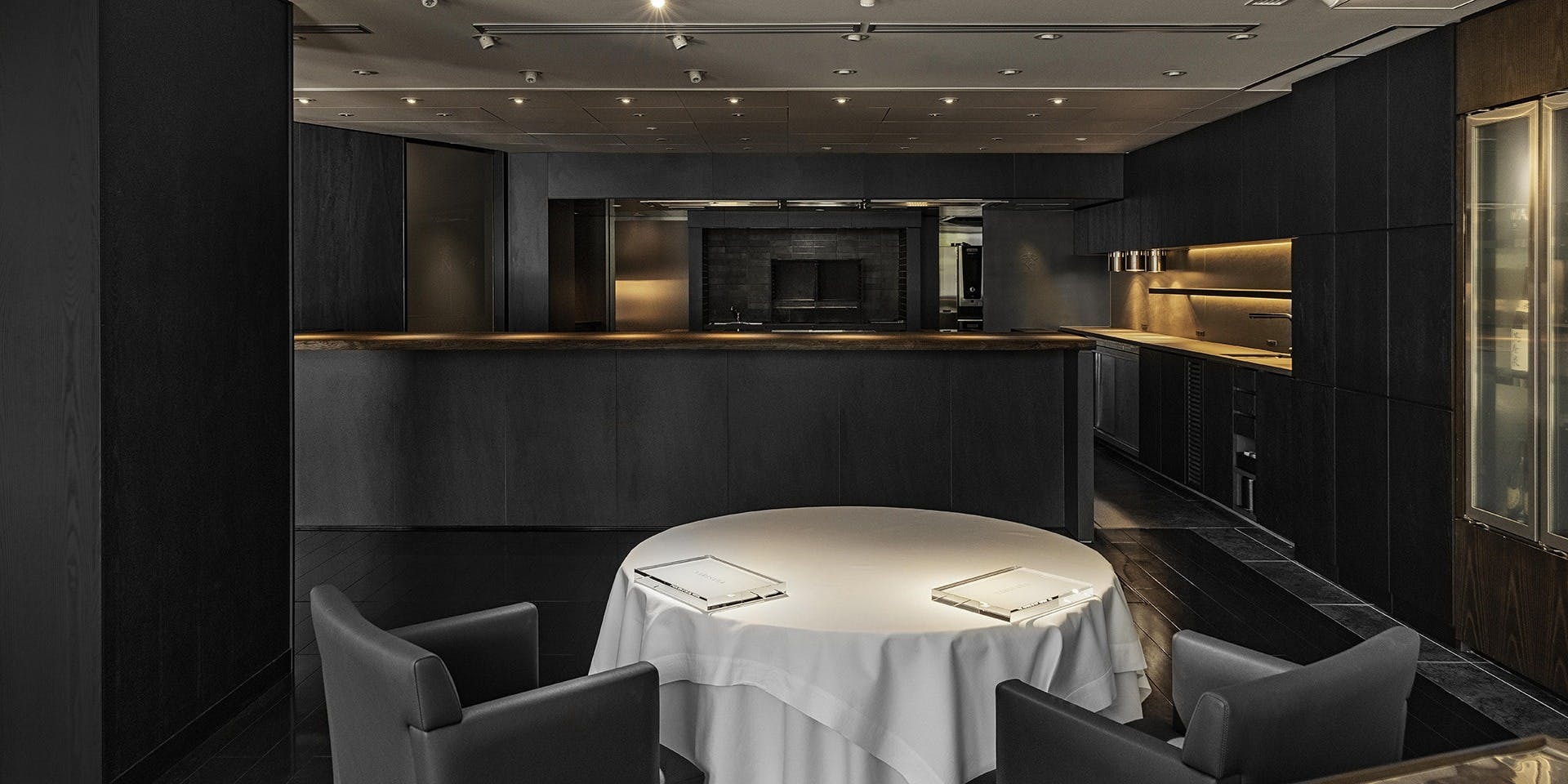
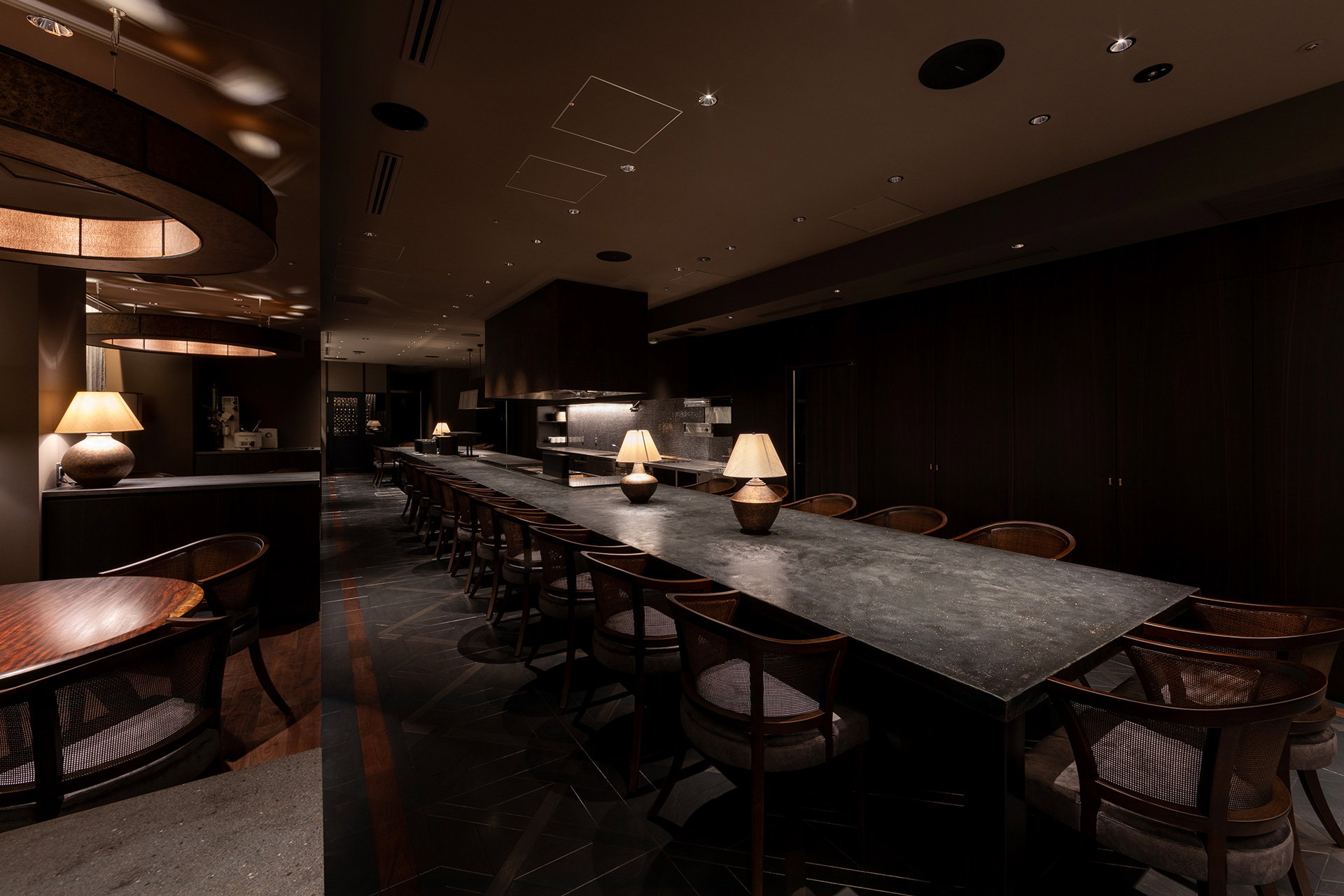
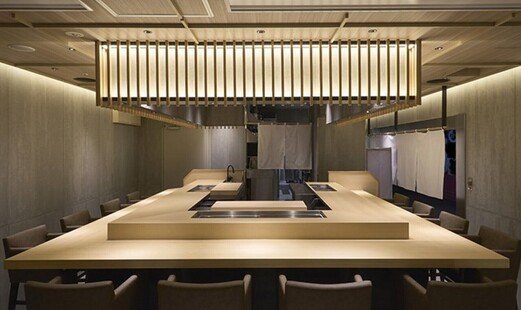
The venue is in a basement floor of a building in Nihonbashihakozakicho, a part of central Tokyo that sits between the louder draw of Ginza and the business density of the waterfront. The neighbourhood is quiet by Tokyo standards, which is relevant if you are planning a dinner where conversation matters. Basement sushi counters in this part of the city tend toward focused, low-noise environments where the emphasis is on the food rather than the room's energy. This is not the place for a group that wants a high-energy evening; it is the place for a meal where you want to pay attention.
For a special occasion, that restraint is an advantage. A date night, a business dinner, or a celebration where the quality of the food is the point will all land well here. The format, a sushi counter with an omakase-style progression, creates a natural structure for the evening without requiring hosts or guests to navigate a complex menu.
What to Know Before You Go
Seat count is not confirmed in available data, but basement counters of this type in Tokyo typically seat between eight and fourteen guests. Booking is rated Easy, which means you are unlikely to be fighting for a reservation weeks out the way you would at the city's starred counters. That is a practical advantage worth noting: Michelin Plate quality at ¥¥¥ pricing with accessible availability is not a combination that holds indefinitely as a venue's reputation grows.
No booking method, phone number, or website is listed in available data. The most reliable approach for a venue of this type in Tokyo is to use a restaurant reservation platform or ask your hotel concierge to assist, particularly if you are arriving without Japanese language support. Hours are not confirmed, so confirming service times before travel is advisable.
Dress code is not stated, but at ¥¥¥ pricing with Michelin recognition, smart casual is a safe baseline. Anything you would wear to a serious dinner in London or New York will read correctly here.
How It Compares to Nearby Tokyo Options
For broader dining in Tokyo, our full Tokyo restaurants guide covers the full range of options across price tiers. If you are planning a trip that extends beyond the capital, HAJIME in Osaka and Gion Sasaki in Kyoto are worth considering alongside your Tokyo itinerary. For sushi specifically outside Japan, Sushi Shikon in Hong Kong and Shoukouwa in Singapore represent the strongest regional comparisons. Within Tokyo's sushi tier, Harutaka, Sukiyabashi Jiro Roppongiten, Sushi Kanesaka, Edomae Sushi Hanabusa, and Hiroo Ishizaka each occupy different positions on the price and prestige curve. You can also explore Tokyo hotels, Tokyo bars, and Tokyo experiences to build out the full trip. For dining elsewhere in Japan, akordu in Nara, Goh in Fukuoka, 1000 in Yokohama, and 6 in Okinawa round out the national picture.
Practical Details
| Detail | Hakozakicho Sumito | Harutaka | Sushi Kanesaka |
|---|---|---|---|
| Price tier | ¥¥¥ | ¥¥¥¥ | ¥¥¥¥ |
| Michelin recognition | Plate (2025) | Starred | Starred |
| Booking difficulty | Easy | Hard | Hard |
| Not listed | Not listed | ||
| Location | Nihonbashi, Chuo | Ginza | Ginza |
| Format | Omakase counter | Omakase counter | Omakase counter |
FAQ
Is Hakozakicho Sumito good for a special occasion?
- Yes, particularly if you want a focused, counter-format meal without paying ¥¥¥¥ prices.
- The omakase structure handles the pacing for you, which makes it well-suited to celebrations or business meals where you want the food to lead.
- It is a stronger occasion choice than a generic mid-range restaurant but requires less financial commitment than the starred counters in Ginza.
Can I eat at the bar at Hakozakicho Sumito?
- The format is a sushi counter, so seating at the bar is the standard experience rather than an alternative option.
- Counter seating at venues like this in Tokyo means you are watching the chef work directly, which is part of what you are paying for.
- There is no confirmed à la carte option; the progression is omakase-style.
What are alternatives to Hakozakicho Sumito in Tokyo?
- For a step up in prestige and price, Harutaka and Sushi Kanesaka are the Ginza benchmarks, both at ¥¥¥¥ and significantly harder to book.
- For something closer in price tier, Edomae Sushi Hanabusa is worth comparing directly.
- If you want to move outside sushi entirely, RyuGin at ¥¥¥¥ covers kaiseki at the top of the Tokyo market.
What should a first-timer know about Hakozakicho Sumito?
- The venue is in a basement in Nihonbashihakozakicho, a quieter part of Chuo not on most tourist routes. Factor in navigation time.
- The format is omakase, meaning the chef sets the menu. You are not choosing individual pieces from a list.
- At ¥¥¥ pricing with Easy booking availability, this is a reasonable entry point into Tokyo's serious sushi counter scene without the reservation stress of the starred venues.
- Confirm hours before you go; they are not publicly listed in available data.
Can Hakozakicho Sumito accommodate groups?
- Seat count is not confirmed, but basement counters of this type typically seat eight to fourteen. Large groups are unlikely to fit without a private arrangement.
- For a party of two to four, this is a practical choice. For six or more, contact the venue directly to confirm capacity before committing.
- No phone number or website is listed in available data; use a hotel concierge or reservation platform to make contact.
Is Hakozakicho Sumito worth the price?
- The documented kitchen practices (market relations, rice temperature adjustment, item-specific nikiri) are consistent with what you expect from a venue charging more.
- If your question is whether ¥¥¥ sushi in Tokyo is worth it generally, the answer is yes when the technical execution is at this level.
Is the tasting menu worth it at Hakozakicho Sumito?
- The omakase progression is where the kitchen's strengths are concentrated: the tuna sequence, the rice calibration, and the varied nikiri application are all confirmed by the Michelin inspectors who awarded the Plate.
- If you are paying ¥¥¥ for a single meal in Tokyo, this is a counter where the kitchen's philosophy justifies the format.
- For comparison, Sukiyabashi Jiro Roppongiten charges ¥¥¥¥ for a similarly structured experience with a starred credential attached.
What should I wear to Hakozakicho Sumito?
- No dress code is stated, but smart casual is the right baseline for a ¥¥¥ Michelin-recognised counter in Tokyo.
- Avoid strong fragrance, which is a practical consideration at any close-seating sushi counter where the fish's aroma is part of the experience.
- What you would wear to a serious dinner in any major city will be appropriate here.
Planning details
- Location
- Japan, 〒103-0015 Tokyo, Chuo City, Nihonbashihakozakicho, 27−2 渡菊第三ビル B1F
- Reservations
- Book on the venue's website
- Website
- hakozakichosumito.com
- Phone
- +81 3-3527-2220
The take
The Take
The Vibe
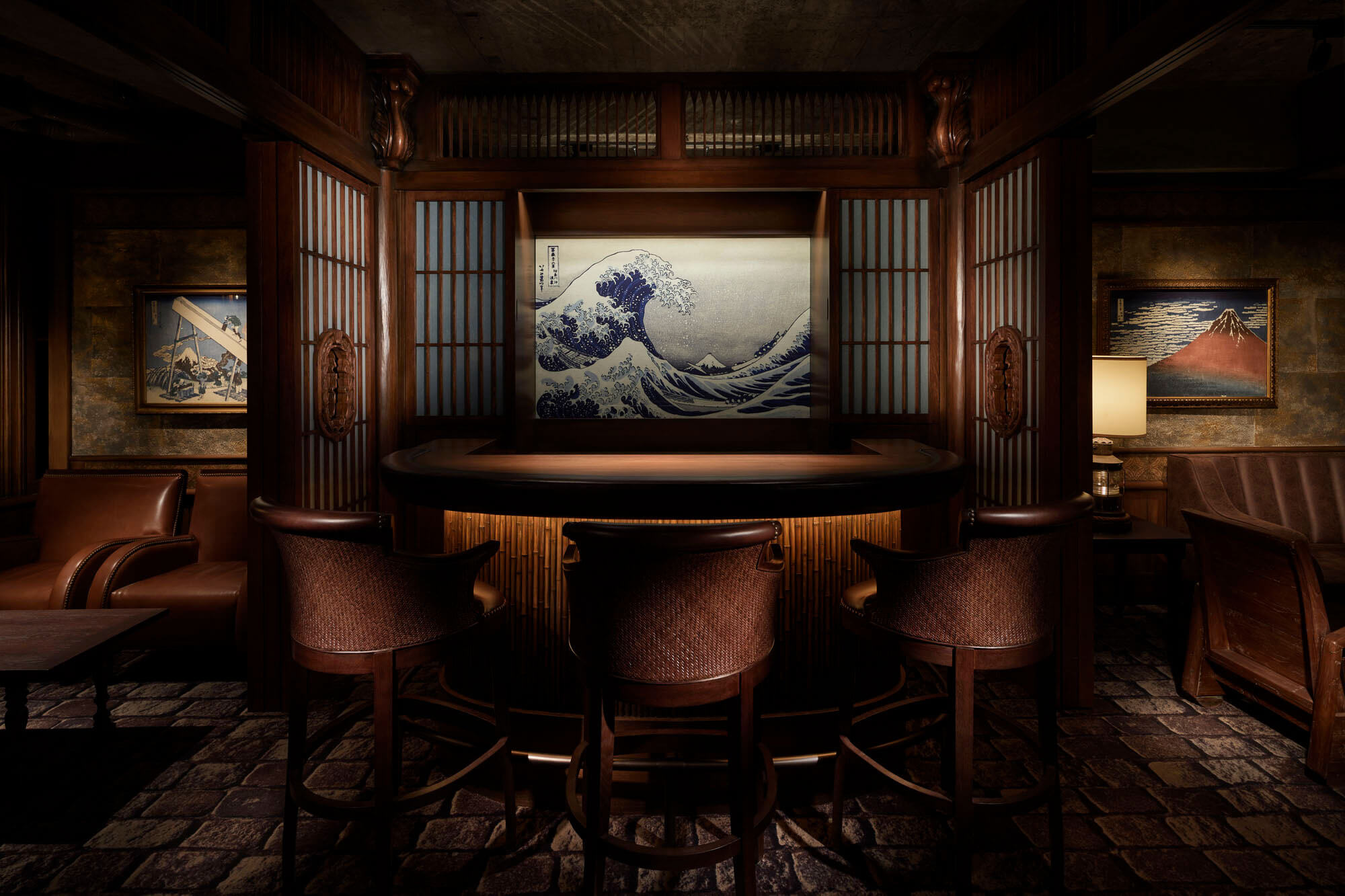
Hakozakicho Sumito lives below street level, and its basement setting immediately signals a restrained, serious experience. The focus is on Edomae technique and ritual rather than spectacle: rice temperature, sequencing and chef-led decisions shape the meal. The dining room favors quiet concentration over social hubbub, with a classic Edo-style approach that feels both historic and spare. For diners who appreciate ceremony, modesty and craftsmanship over flash, Sumito reads as a deliberately pared-back counter where the food and the chef’s choices occupy center stage.
Best For
Sumito suits diners looking for a focused omakase encounter—solo diners who want full attention at the counter, couples seeking an intimate date night, or small parties marking a special occasion without fanfare. The Michelin Plate recognition and ¥¥¥ price band position it as serious without the three-star gulf of Ginza counters, so it works well for guests who know sushi technique and want a measured, sequence-driven meal. The environment rewards attention to detail rather than casual, loud gatherings.
Ordering Tips
Treat the meal as a ceremony: the chef sets the sequence and calibrates shari temperature and topping order, so avoid asking for broad substitutions—the format is predicated on those choices. Expect a traditional Edomae flow and look out for the house specialties, including the signature thick-sliced tuna nigiri mentioned in the listing. Respect the counter rhythm, let the chef present items in order, and savor the subtle changes in rice temperature and seasoning that define the experience.
Venue details
Ambiance
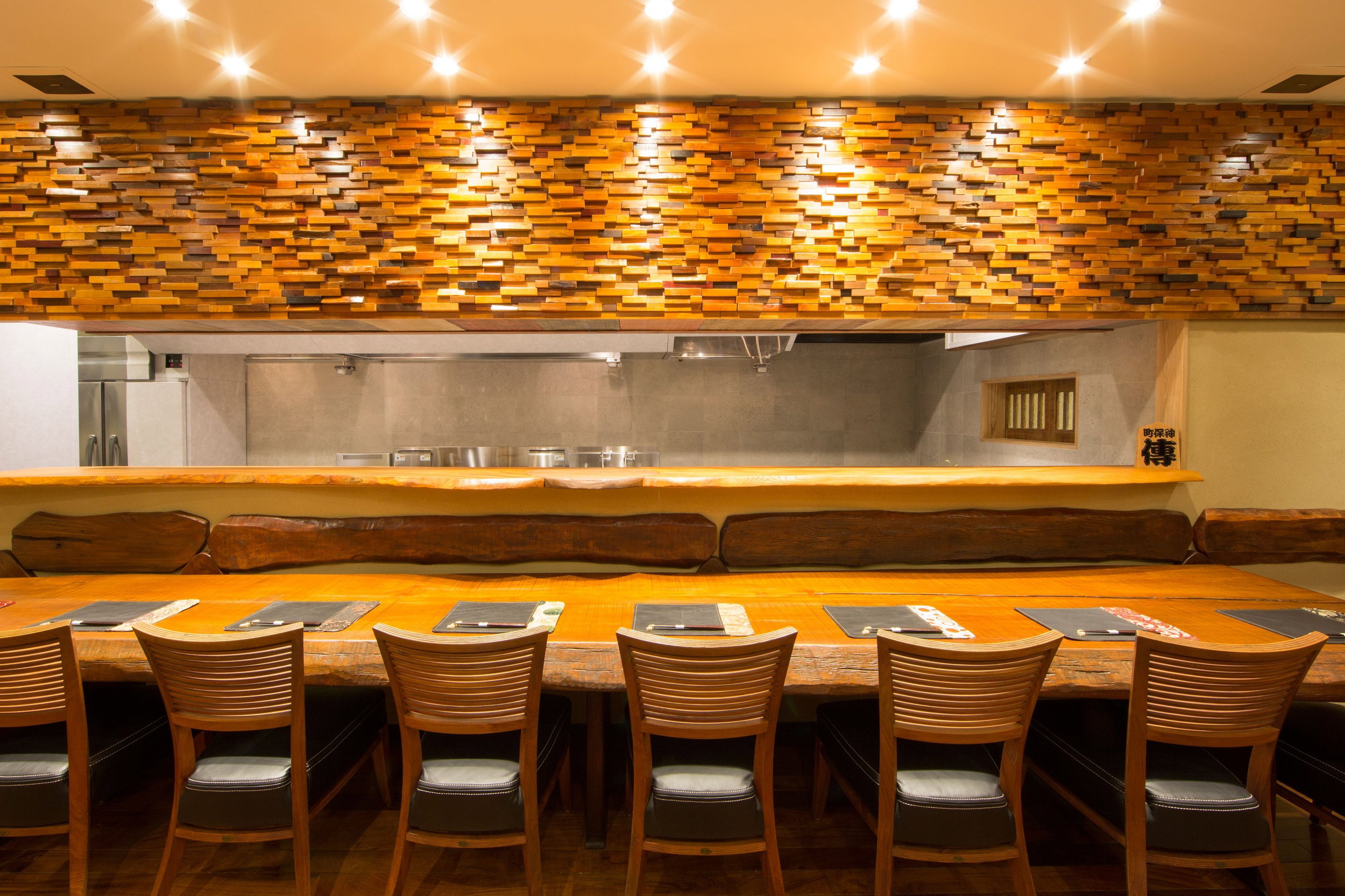
Serene and spacious interior with softly lit lantern entrance, polished L-shaped counter seating eight, and calm, refined atmosphere.
Tags
Vibe
Best For
Experience
At the Table
- Dress Code
- Smart Casual
- Noise Level
- Quiet
- Service Style
- Upscale Casual
- Meal Pacing
- Leisurely
- Capacity
- Intimate
- Kitchen
- Traditional
- Menu Format
- Counter dining, Omakase, A la carte
- Drinks Focus
- Sake, Japanese whisky
Signature Dishes
thick-sliced tuna nigiri
Know before you go
Know Before You Go
- Getting there
- Japan, 〒103-0015 Tokyo, Chuo City, Nihonbashihakozakicho, 27−2 渡菊第三ビル B1F
Planning details
Location
Japan, 〒103-0015 Tokyo, Chuo City, Nihonbashihakozakicho, 27−2 渡菊第三ビル B1F · Directions
Recognition and awards
Also consider
Also Consider
- Harutaka, Sushi, ¥¥¥¥
- L'Effervescence, French, ¥¥¥¥
- RyuGin, Kaiseki, Japanese, ¥¥¥¥
- HOMMAGE, Innovtive French, French, ¥¥¥¥
- Crony, Innovative, French, ¥¥¥¥
Restaurant context
The most direct comparison for Hakozakicho Sumito is against Tokyo's other serious sushi counters. Harutaka operates at ¥¥¥¥ with starred Michelin recognition and is considerably harder to book. If the credential matters more than the price differential, Harutaka is the stronger trophy option, but you are paying a significant premium and competing for seats against a global reservation audience. For diners where the ¥¥¥ versus ¥¥¥¥ gap is meaningful, Hakozakicho Sumito delivers comparable technical seriousness at a lower entry point with a much easier booking process.
Against the broader high-end Tokyo dining field, RyuGin at ¥¥¥¥ and L'Effervescence at ¥¥¥¥ serve completely different formats, kaiseki and French respectively, so the comparison is about occasion fit rather than like-for-like quality. If you want Japanese cuisine with a different structure than omakase sushi, RyuGin is the natural upgrade. If your group has mixed preferences and French technique is in play, HOMMAGE and Crony, both at ¥¥¥¥ in the innovative French category, are alternatives worth considering alongside Sumito for the same evening slot.
The practical verdict: book Hakozakicho Sumito if you want a focused sushi counter experience in Tokyo without the ¥¥¥¥ outlay or the reservation difficulty of Ginza's starred venues. Book Harutaka if the Michelin star is the point and budget is secondary. Choose RyuGin if kaiseki rather than sushi is the format you want at the top of the market.
Explore Tokyo
Around this place
Discover more on Pearl
Unlock the full Hakozakicho Sumito guide in Pearl, including awards, comparisons, FAQs, planning details, and nearby places.
Compare Hakozakicho Sumito
| Venue | Cuisine | Price | Booking Difficulty | Awards |
|---|---|---|---|---|
| Hakozakicho Sumito | Sushi | ¥¥¥ | Easy | 2026 Michelin Plate2025 Michelin Plate |
| Harutaka | Sushi | ¥¥¥¥ | Unknown | 2026 Tabelog Silver · #312026 OAD Top Restaurants in Japan Ranked · #1282026 Michelin 3 Stars2026 La Liste Top RestaurantsTabelog 100 - Sushi - TOKYO - 2025 · #372025 Asia's 50 Best Restaurants · #762025 OAD Top Restaurants in Japan Ranked · #1172025 La Liste Top Restaurants2025 Tabelog Bronze |
| L'Effervescence | French | ¥¥¥¥ | Unknown | 2026 Tabelog Silver · #682026 OAD Top Restaurants in Japan Ranked · #103Star Wine Lists 20262026 Black Pearl 2 Diamond2026 Relais Chateaux Restaurants2026 La Liste Top Restaurants2026 Michelin 3 Stars2025 Asia's 50 Best Restaurants · #692025 OAD Top Restaurants in Japan Ranked · #92 |
| RyuGin | Kaiseki, Japanese | ¥¥¥¥ | Unknown | 2026 OAD Top Restaurants in Japan Ranked · #802026 Tabelog Bronze · #3772026 Michelin 3 Stars2026 La Liste Top RestaurantsTabelog 100 - Japanese cuisine - TOKYO - 2025 · #212025 OAD Top Restaurants in Japan Ranked · #542025 Michelin 3 Stars2025 La Liste Top Restaurants2025 The Best Chef Three Knives |
| HOMMAGE | Innovtive French, French | ¥¥¥¥ | Unknown | 2026 Tabelog Bronze · #1232026 OAD Top Restaurants in Japan Highly Recommended2026 Michelin 2 StarsTabelog 100 - French - TOKYO - 2025 · #762025 Asia's 50 Best Restaurants · #782025 OAD Top Restaurants in Japan Ranked · #1752025 Michelin 2 Stars2025 The Best Chef One Knife2025 La Liste Top Restaurants |
| Crony | Innovative, French | ¥¥¥¥ | Unknown | 2026 Asia's 50 Best Restaurants · #34Star Wine Lists 20262026 OAD Top Restaurants in Japan Recommended2026 Michelin 2 Stars2025 Asia's 50 Best Restaurants · #30Tabelog 100 - French - TOKYO - 2025 · #782025 OAD Top Restaurants in Japan Ranked · #227We're Smart World Top Restaurants 20252025 Michelin 2 Stars |














What to weigh when choosing between Hakozakicho Sumito and alternatives.
FAQ
Frequently Asked Questions
Is Hakozakicho Sumito good for a special occasion?
Yes, with caveats. The Michelin Plate recognition and the chef's documented obsession with sourcing, market visits even on non-buying days, give the meal a sense of occasion that goes beyond a standard sushi booking. At ¥¥¥ pricing, it is priced for a special dinner rather than a casual one. That said, it is a basement counter, not a grand-room experience, so if the setting matters as much as the food, factor that in.
Can I eat at the bar at Hakozakicho Sumito?
Almost certainly yes. Counters of this type in Tokyo's basement dining rooms are built around the bar format, you sit facing the chef, which is the intended experience here. The chef's approach, adjusting rice temperature per topping and varying nikiri by item, is best appreciated at the counter where you can observe the process. Walk-in availability is not confirmed, so book ahead to guarantee a seat.
What are alternatives to Hakozakicho Sumito in Tokyo?
Harutaka in Ginza is the obvious peer comparison at a similar or higher price tier, more established name recognition, harder to book. If you want broader Japanese cuisine rather than a sushi-only format, RyuGin offers a more theatrical kaiseki experience at a higher price point. For something closer in philosophy but with a different cuisine focus, HOMMAGE is worth considering. Sumito's advantage is the Michelin Plate credential at ¥¥¥ pricing in a less saturated neighbourhood.
What should a first-timer know about Hakozakicho Sumito?
The chef's credo is 'Ingredients First', which in practice means the menu follows what is best at market, not a fixed sequence you can preview. Expect tuna in multiple forms, from fatty toro in nori to lean akami and chutoro nigiri, as the documented centrepiece. The venue is in a basement (B1F) in Nihonbashihakozakicho, not a high-profile Ginza address, so factor in navigation time. No website or phone is publicly listed, so reservations will likely require a third-party booking platform or hotel concierge.
Can Hakozakicho Sumito accommodate groups?
Basement sushi counters in Tokyo typically seat eight to fourteen guests total, which means a group of four or more will occupy a significant share of the room. Confirm capacity and group booking policy through your booking channel before arriving with more than two people. Large groups are not the format this type of venue is designed for.
Is Hakozakicho Sumito worth the price?
At ¥¥¥, it sits in mid-to-upper sushi pricing for Tokyo. The Michelin Plate (2025) confirms the food clears a documented quality threshold. The chef's sourcing discipline, adjusting nikiri, rice temperature, and cut per topping, is the kind of detail that separates a technically serious counter from a price-for-ambience booking. If ingredient-led omakase is what you are paying for, this delivers on that premise. If you need a marquee address or showroom setting to justify the spend, look elsewhere.
Is the tasting menu worth it at Hakozakicho Sumito?
The omakase format here is driven by what the chef sources at market, with tuna as the documented anchor across multiple cuts and preparations. The Michelin record specifically calls out the range from otoro to akami and the precision of rice and nikiri adjustments per piece. That level of intentionality makes the tasting format worth it for guests who want to eat across a sequence rather than order individual pieces. Specific pricing and menu structure are not publicly confirmed, so verify current details when booking.