

Ginza Toyoda
Chinese, Japanese · Chūō, Tokyo
Restaurant in Tokyo, Japan
 Book with Pearl
The Read
Ingredient-First Broth Precision
Price
$200–300per person
Dress
Smart Casual
Why go
Ginza Toyoda holds a Michelin star and an improving OAD ranking for Chef Shogo Omiya's restrained Chinese-Japanese cooking, where seasonal ingredients lead and the kitchen gets out of their way. The wanmono broth shifts four times a year — hair crab in summer, oysters in winter — making timing your visit a genuine decision. At ¥¥¥¥, it earns its price for diners who want precision over volume.
About Ginza Toyoda
Book Tuesday or Friday Lunch — That's Your Window
If you're trying to get a table at Ginza Toyoda, the practical reality is this: the restaurant is closed Wednesday and Sunday, operates dinner-only on Monday and Thursday, and opens for lunch only on Tuesday, Friday, and Saturday. For first-timers, the lunch service is your clearest path in — it's a shorter service window and the booking competition is slightly less intense than the sought-after dinner slots. This is a hard booking at ¥¥¥¥ pricing, so plan at least three to four weeks ahead, and contact the restaurant directly since no booking platform is confirmed in the available data.
What Ginza Toyoda Actually Is
Ginza Toyoda sits on the second floor of La Vialle Ginza Building in Chuo City, a quiet address for a restaurant doing something genuinely specific. Chef Shogo Omiya works at the intersection of Chinese and Japanese culinary traditions, a combination that sounds modish but here functions as a considered philosophy: the native flavour of each ingredient must lead. The kitchen does not dress things up. It pulls back.
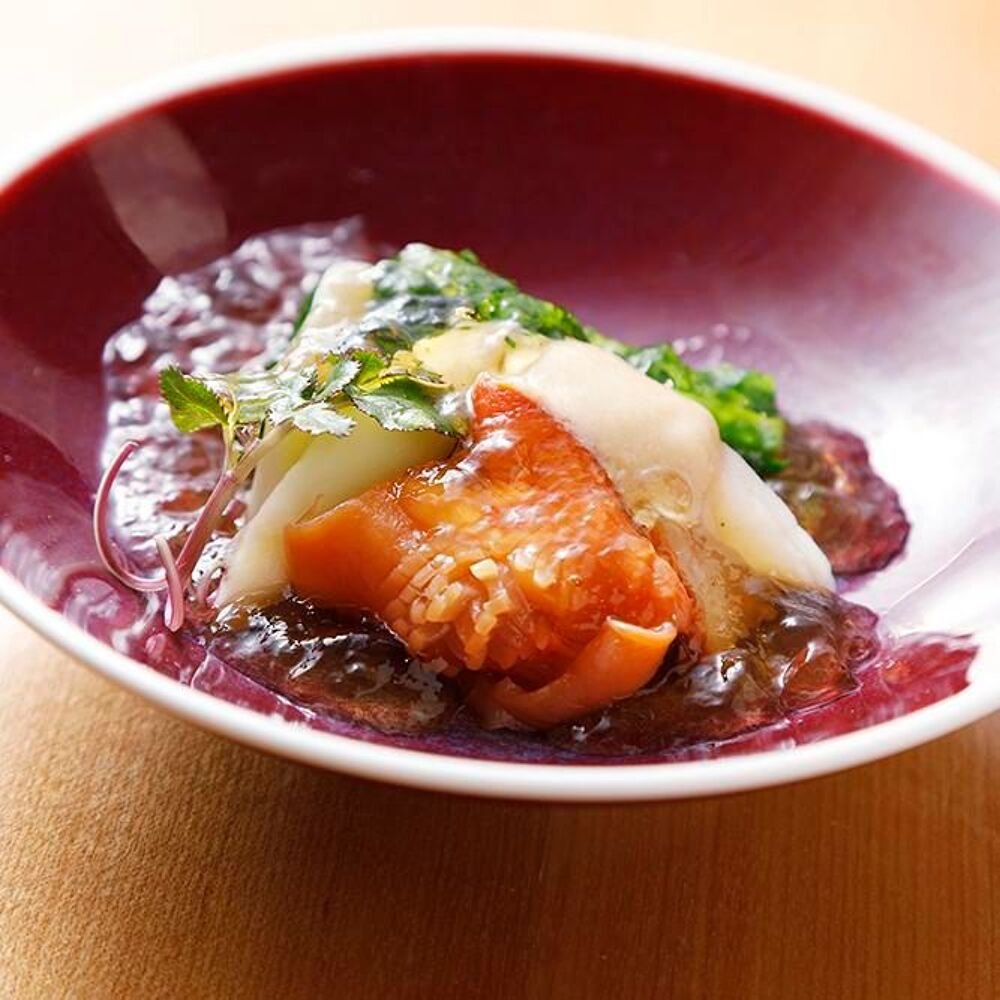
The clearest expression of this approach is the wanmono, a broth-based course where the liquid itself is built on Rishiri kombu, one of the most prized kombu varieties from Hokkaido, chosen precisely because it delivers umami without overwhelming the ingredient it supports. What arrives in the bowl changes entirely depending on the season: fat greenling in spring, hair crab in summer, daggertooth pike conger in autumn, oysters in winter. If you're visiting for the first time, the wanmono course alone tells you whether this kitchen is speaking your language.
The other course worth knowing before you arrive is the takikomi-gohan, mixed rice cooked in a broad-brimmed pot and brought to the table with the lid on. The steam that releases when the lid is lifted carries the season's dominant aroma. It is a theatrical moment, but it is earned: the theatre exists because the rice is genuinely good, cooked with seasonal ingredients rather than as a neutral base. For a first-timer, this dish lands as a statement of intent more than a side course.
When to Go, Seasonal Timing Matters Here More Than at Most Restaurants
At Ginza Toyoda, timing your visit around the season is not optional advice, it is the point. Chef Omiya's cooking is built on seasonal rotation, and the wanmono in particular shifts completely four times a year. If you're deciding between dates, consider: hair crab in summer and oysters in winter are the two seasons most consistently cited in the awards documentation for this restaurant. Spring fat greenling is the quieter pick but arguably the most technically demanding, since the flavour profile is subtler and the broth work is most exposed.
The restaurant has held a Michelin star since at least 2024 and appeared on Opinionated About Dining's Leading Restaurants in Japan list, ranked #477 in 2025, following a recommended listing in 2023. The upward trajectory on OAD's ranking suggests the kitchen has been refining rather than coasting. For a first-timer, this matters because it means the experience you read about in earlier reviews has likely tightened, not loosened.
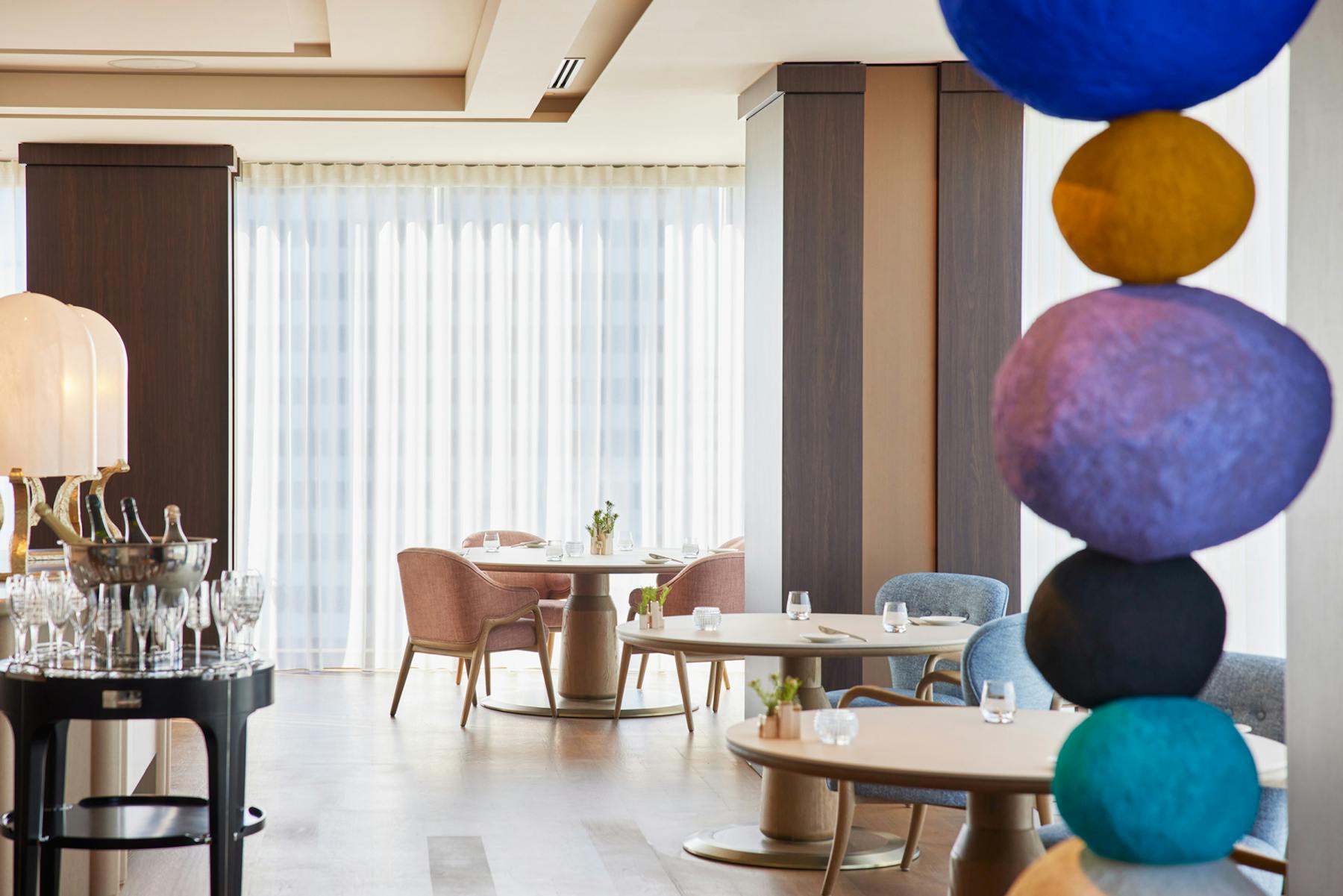
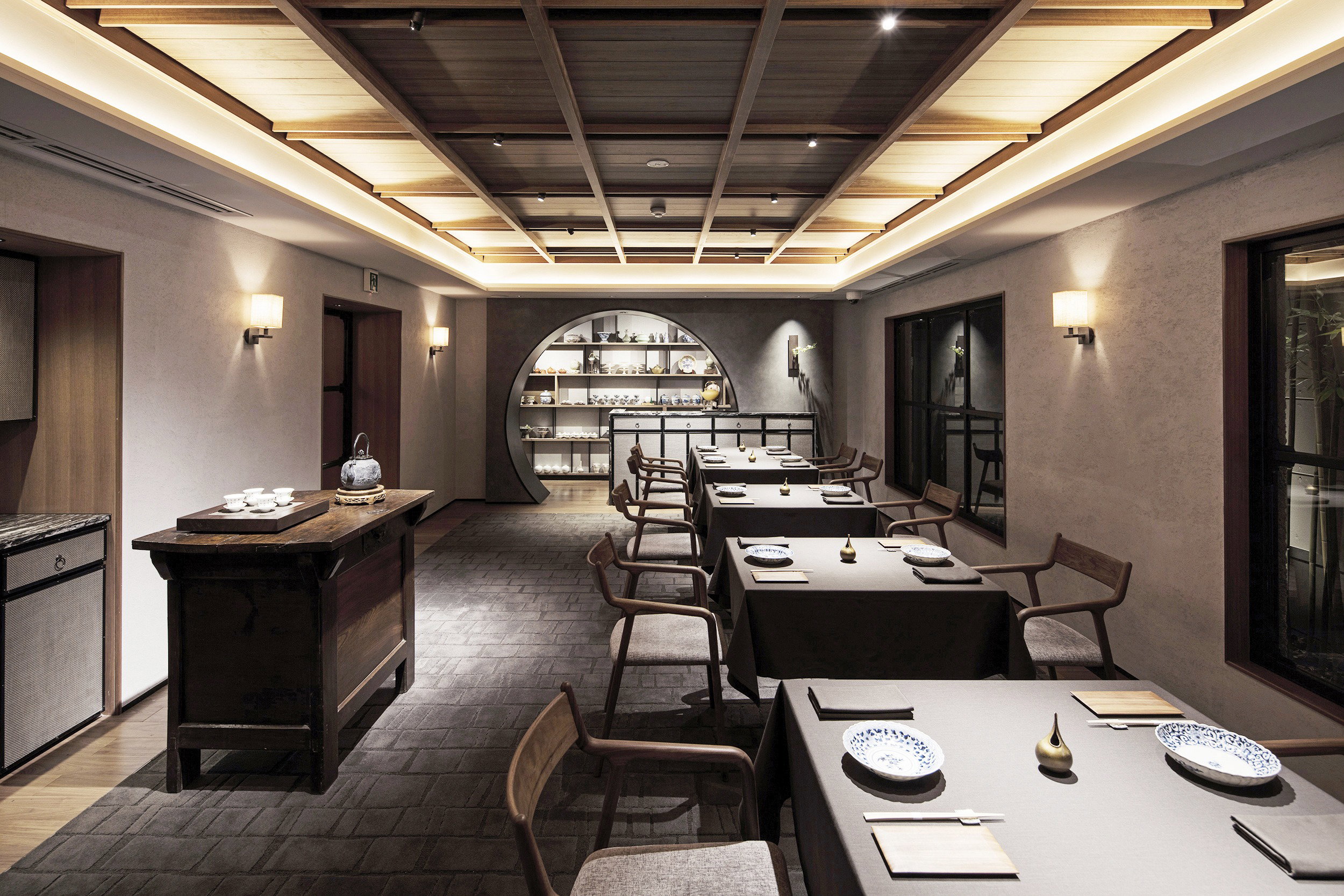
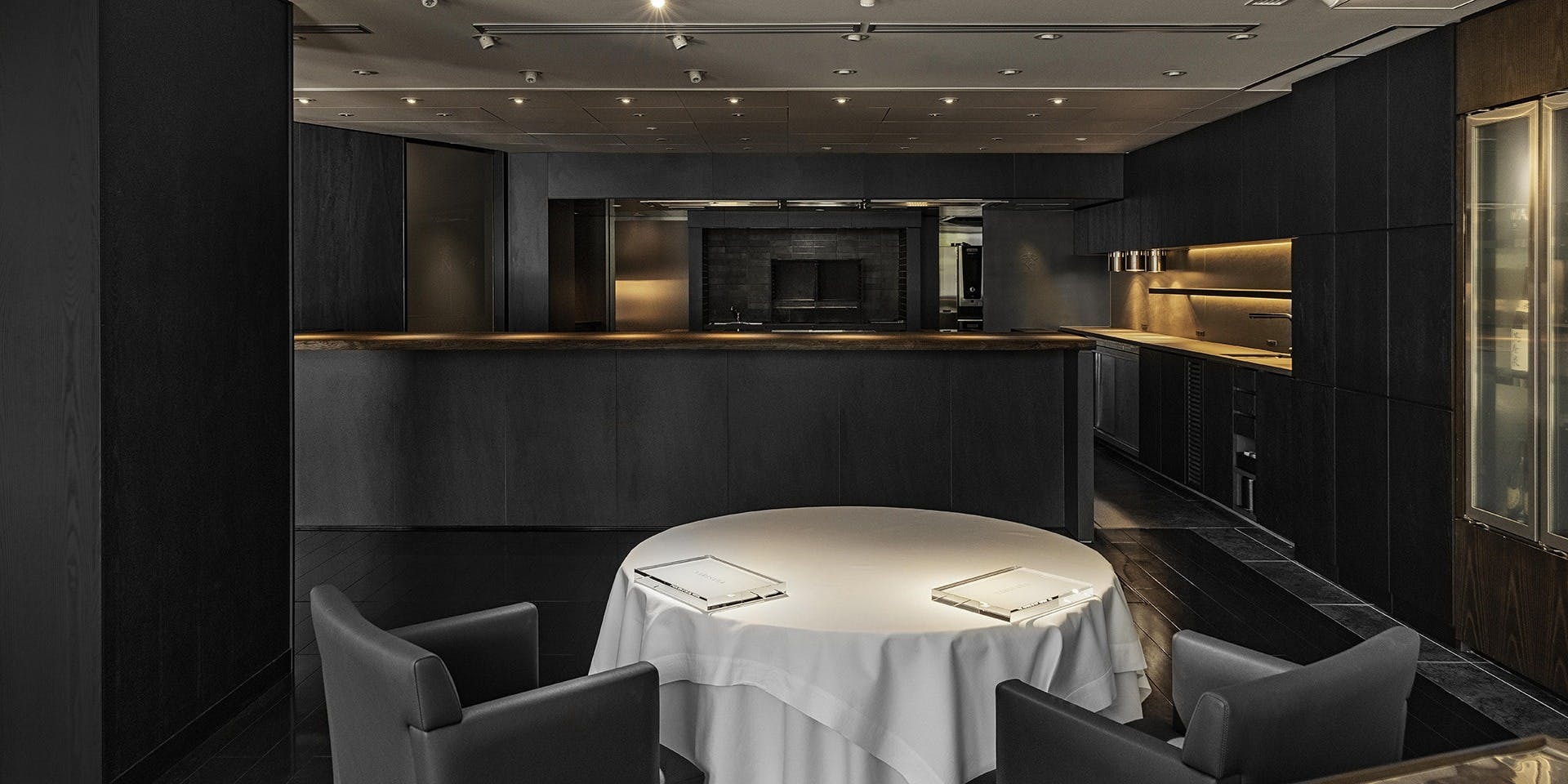
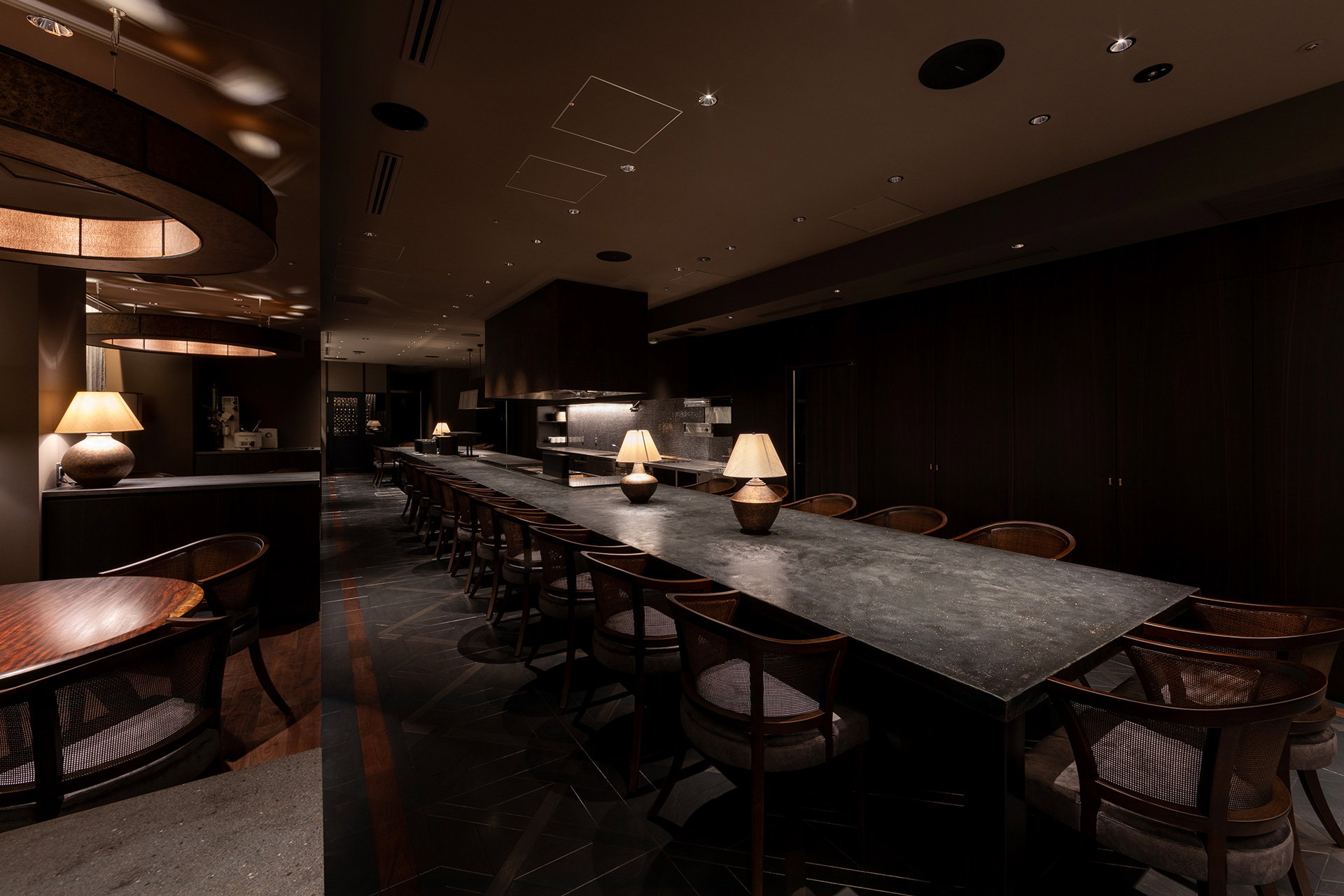
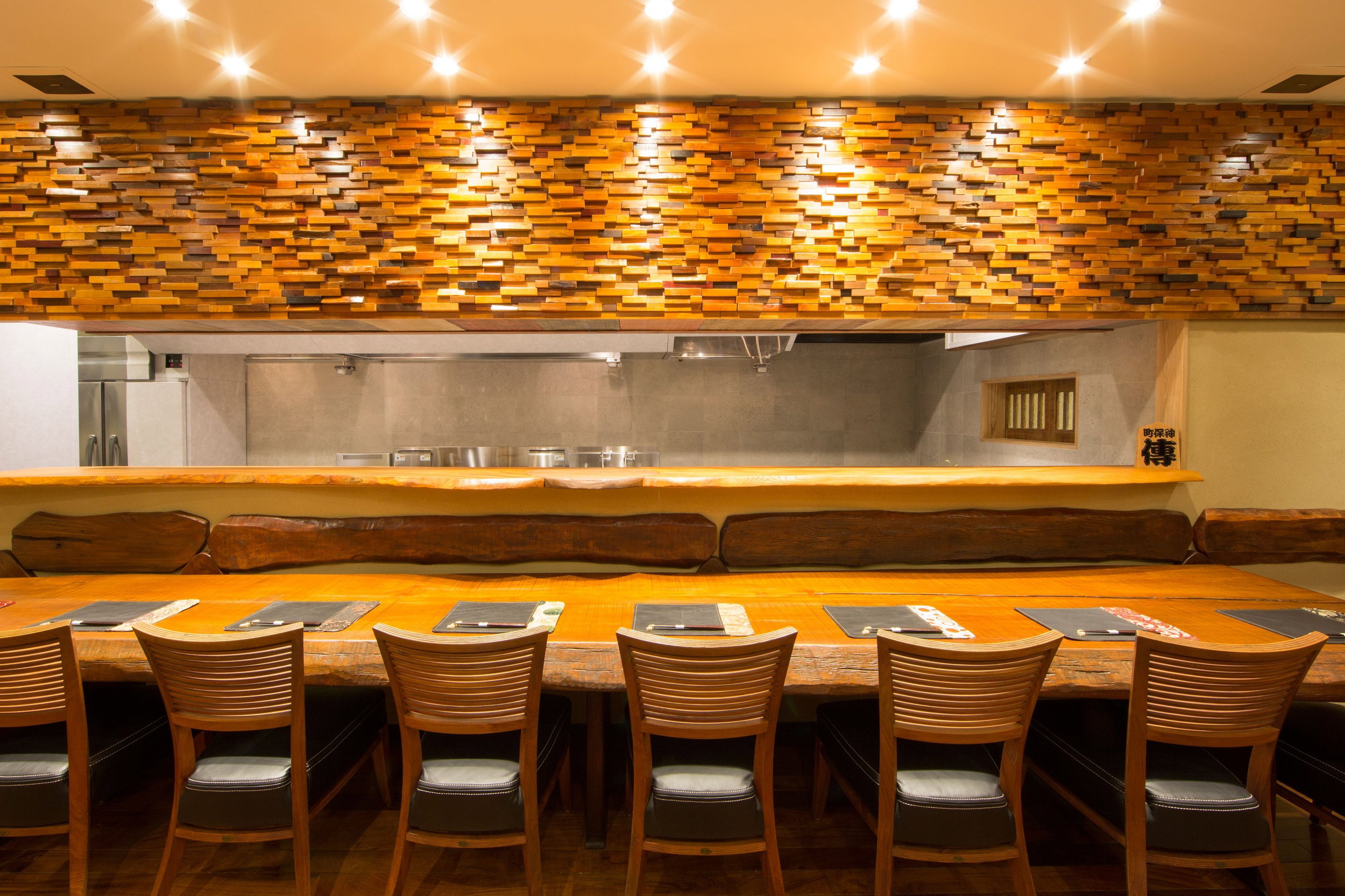
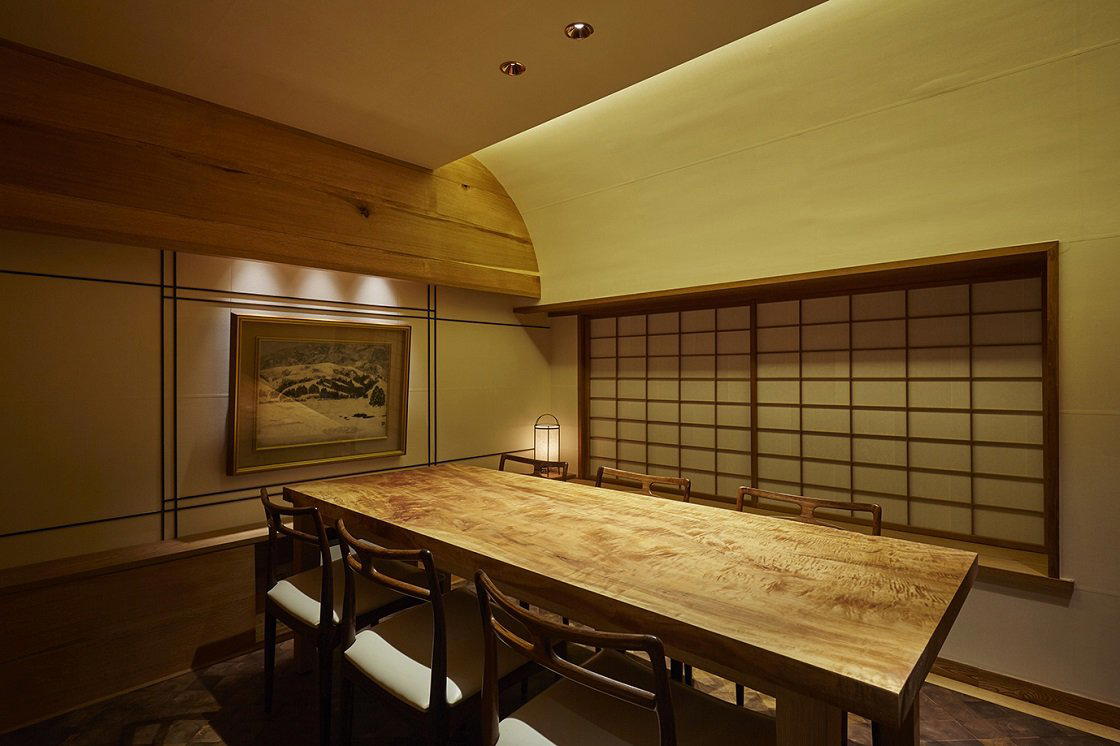
The atmosphere in a second-floor Ginza restaurant of this type runs toward the composed and quiet. Ginza dining rooms in this category tend to be intimate, low-noise environments where conversation carries easily and the energy is contained rather than social. Expect a focused room, not a buzzing one. If you're coming from louder Ginza options, the contrast will be immediate. This is the kind of room where the sound of the pot lid being lifted registers.
Is It Worth the Price?
At ¥¥¥¥, Ginza Toyoda is priced at Tokyo's serious dining tier. The question of value depends entirely on what you're looking for. If you want technical kaiseki with a fuller course architecture and a longer-established name, RyuGin is the comparison. If you want a restaurant where the philosophy is restraint and ingredient-led cooking with Chinese-Japanese crossover, Ginza Toyoda has few direct competitors in this price bracket. The Michelin star and OAD recognition confirm the kitchen is cooking at a credentialled level, not simply charging for the Ginza postcode.
For solo diners, this is a strong option, Ginza restaurants in this category typically seat individual guests at the counter without issue, and the focused, quiet atmosphere means solo dining is comfortable rather than awkward. The price per head will sting more without sharing across courses, but the experience is designed in a way that works for one.
For groups, the intimate room size typical of this category means larger parties should confirm availability and seating configuration before booking. The restaurant's second-floor location suggests a contained space rather than a large dining room.
Practical Details
Reservations: Book directly with the restaurant; availability is limited and advance planning of three to four weeks minimum is advised. Hours: Monday dinner only (6–10 pm); Tuesday lunch and dinner (12–3 pm, 6–10 pm); Wednesday closed; Thursday dinner only (6–10 pm); Friday lunch and dinner (12–3 pm, 6–10 pm); Saturday lunch and dinner (12–3 pm, 6–10 pm); Sunday closed. Price Range: ¥¥¥¥. Address: La Vialle Ginza Building 2F, 7-5-4 Ginza, Chuo City, Tokyo. Dress: Smart dress is standard for Ginza restaurants at this price point; business casual at minimum.
How It Compares
See the comparison section below for how Ginza Toyoda stacks up against peers including Harutaka, L'Effervescence, and RyuGin.
Explore More in Tokyo and Beyond
Ginza Toyoda sits within a city with one of the densest concentrations of serious restaurants anywhere. For broader planning, see our full Tokyo restaurants guide, our Tokyo hotels guide, our Tokyo bars guide, our Tokyo wineries guide, and our Tokyo experiences guide. For comparison across Japan's serious dining scene, consider HAJIME in Osaka, Gion Sasaki in Kyoto, akordu in Nara, Goh in Fukuoka, 1000 in Yokohama, and 6 in Okinawa. For international context in the ingredient-led, restraint-focused cooking category, Le Bernardin in New York City and Atomix in New York City are the closest comparisons in philosophy, though the formats differ considerably.
Planning details
- Hours
- Monday: 6–10 pm · Tuesday: 12–3 pm, 6–10 pm
- Location
- Japan, 〒104-0061 Tokyo, Chuo City, Ginza, 7 Chome−5−4 La Vialle Ginza Bldg, 2階
- Reservations
- Book on Omakase
- Website
- ginza-toyoda.com/reserve.html
- Phone
- +81 3-5568-5822
The take
The Take
The Vibe
Ginza Toyoda occupies an understated second-floor room in the quieter 7-chome strip, and the approach—accessed off the main retail drag—signals discretion and focus. The kitchen sits in the counter-driven tradition of Ginza, balancing a hybrid Chinese-Japanese identity with a restraint-led philosophy that prioritizes the native flavor of each ingredient. The result feels calm and exacting rather than flashy: service and staging are measured, the crowd is deliberate about bookings, and the overall tone favors contemplation over display. It reads as a quietly confident destination for diners who prize refinement and ingredient-led cooking.
Best For
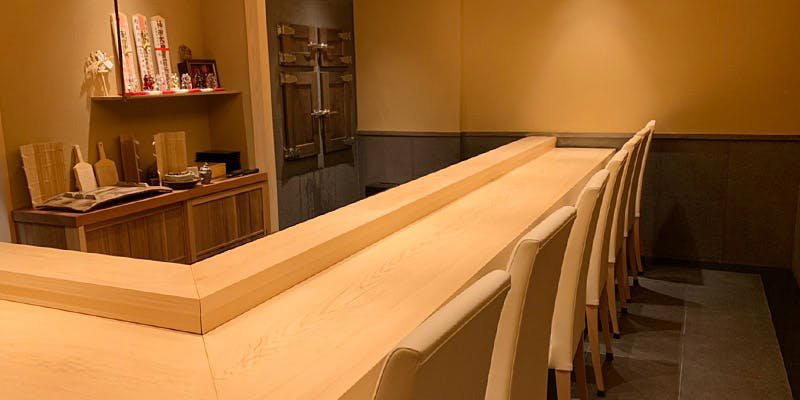
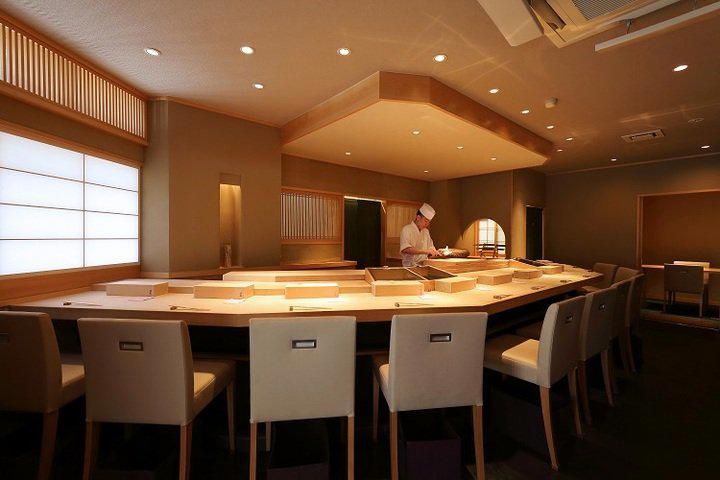
This is a place for purposeful dining: business dinners and special occasions sit naturally here, where a Michelin-starred counter invites careful attention. The room’s removed, upper-floor location and the restaurant’s restraint-first culinary stance make it well suited to guests seeking an undistracted meal and thoughtful pacing. Parties who appreciate ingredient clarity—rather than heavy-handed transformation—get the most from the experience. Reservations are advisable: the write-up emphasizes a deliberate bookings culture, and the counter setting concentrates the service around a smaller, attentive audience.
Ordering Tips
Lean into the kitchen’s emphasis on ingredient clarity when ordering. Signature preparations—the scallop rice pot and the fruit dessert gelatin—are specifically highlighted and offer a clear window into the restaurant’s restrained, flavor-forward approach. If a counter seat is available, request it to watch technique and timing; otherwise, choose dishes that showcase single ingredients rather than complex reworking. Given the restaurant’s focus and its place in Ginza’s serious-dining circuit, book ahead and plan for a paced meal rather than a hurried visit.
Venue details
Ambiance
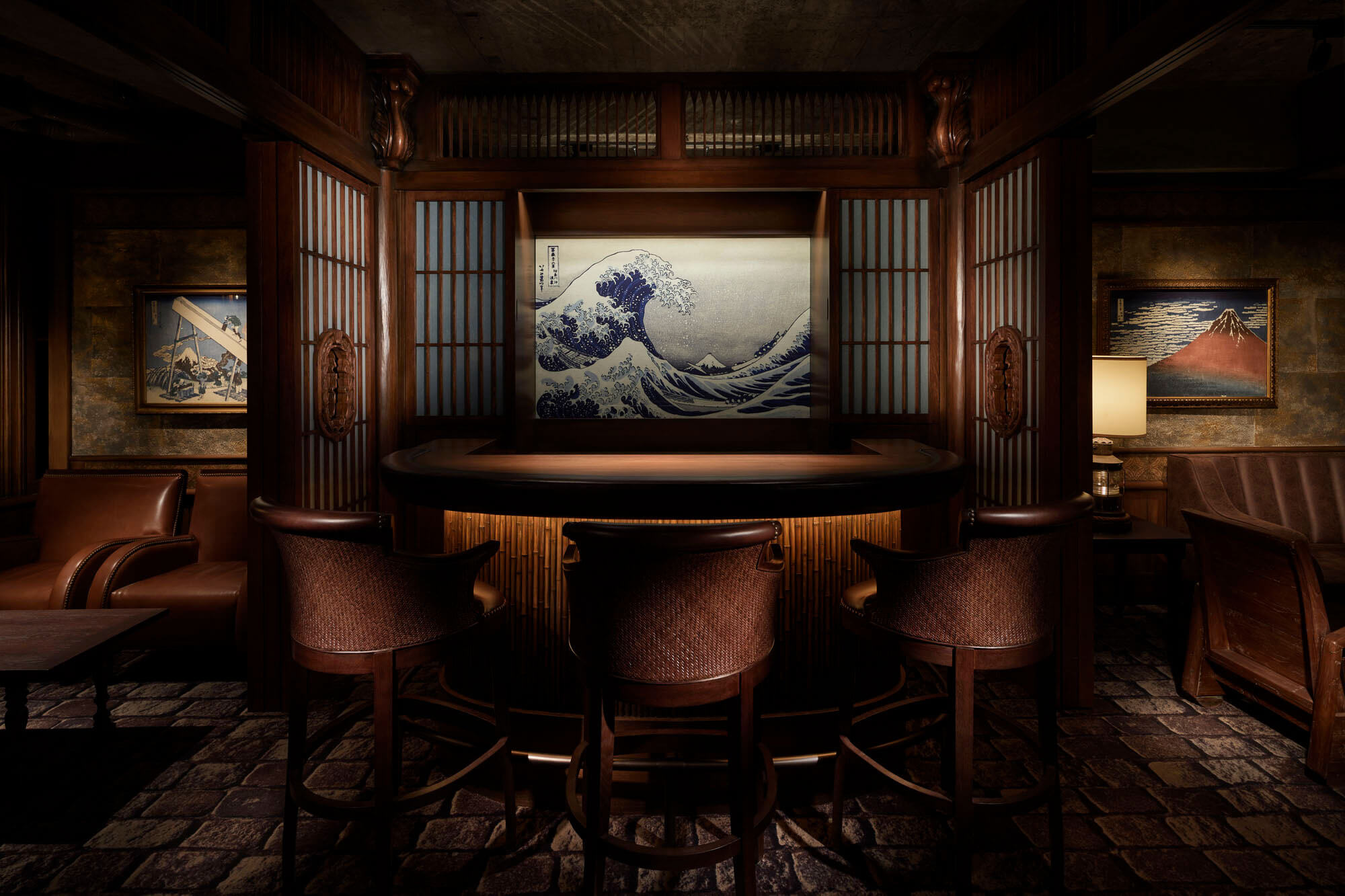
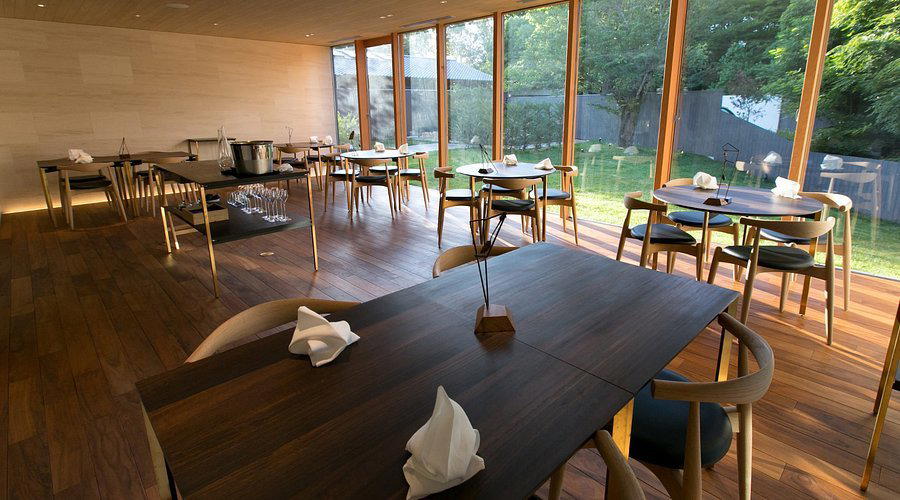
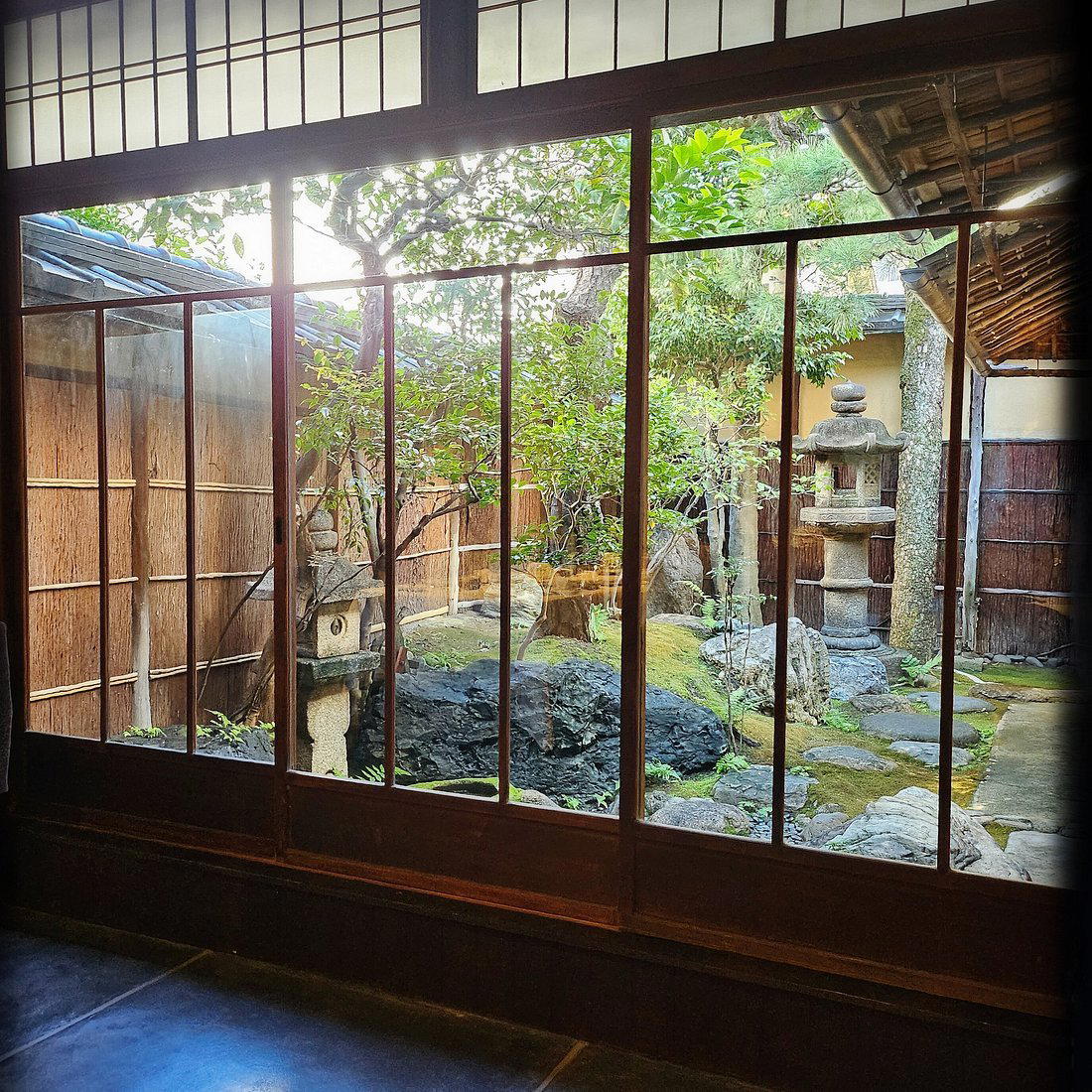
Elegant and tranquil sukiya-style space with soft lighting from traditional Japanese lanterns, creating a sophisticated and refined atmosphere.
Tags
Vibe
Best For
Experience
At the Table
- Dress Code
- Smart Casual
- Noise Level
- Quiet
- Service Style
- Formal
- Meal Pacing
- Leisurely
- Capacity
- Intimate
- Kitchen
- Traditional
- Menu Format
- Omakase, Set menu
- Wine Program
- Curated
- Drinks Focus
- Sake
- Private Dining
- Available
Signature Dishes
- scallop rice pot
- fruit dessert gelatin
Know before you go
Know Before You Go
- Getting there
- Japan, 〒104-0061 Tokyo, Chuo City, Ginza, 7 Chome−5−4 La Vialle Ginza Bldg, 2階
Planning details
Hours
- Monday
- 6–10 pm
- Tuesday
- 12–3 pm, 6–10 pm
- Wednesday
- Closed
- Thursday
- 6–10 pm
- Friday
- 12–3 pm, 6–10 pm
- Saturday
- 12–3 pm, 6–10 pm
- Sunday
- Closed
Location
Japan, 〒104-0061 Tokyo, Chuo City, Ginza, 7 Chome−5−4 La Vialle Ginza Bldg, 2階 · Directions

Also consider
Also Consider
- Harutaka, Sushi, ¥¥¥¥
- L'Effervescence, French, ¥¥¥¥
- RyuGin, Kaiseki, Japanese, ¥¥¥¥
- HOMMAGE, Innovtive French, French, ¥¥¥¥
- Crony, Innovative, French, ¥¥¥¥
Restaurant context
At ¥¥¥¥, Ginza Toyoda occupies the same price tier as most of Tokyo's serious dining, but it is doing something more specific than the category suggests. Against RyuGin, the clearest comparison in ingredient-led Japanese cooking, RyuGin offers a longer, more architecturally complex kaiseki progression with a deeper track record and higher international profile. If you want the fuller course experience and a name that will be recognised by anyone who follows Tokyo dining, RyuGin is the safer choice. Ginza Toyoda is the better pick if you want a tighter, more restrained expression of the same philosophy, with the Chinese-Japanese crossover giving it a distinct identity.
Against the French ¥¥¥¥ options in this peer set, L'Effervescence and Crony are cooking in a different register entirely, more European technique, different seasonal logic. For a first-timer who wants to eat specifically Japanese or Japanese-adjacent cooking, neither is a substitute. Sézanne is the most booking-difficult option in this set and arguably the highest-profile room; if your priority is getting into the most talked-about table in Tokyo right now, Sézanne is that table. Ginza Toyoda is the better option if you want to eat without the weeks-long advance booking pressure and without the showmanship.
Harutaka is the comparison for diners deciding between a sushi counter and Ginza Toyoda's more course-structured format. Harutaka works better for diners who want the counter interaction and a more direct relationship between the chef and the plate; Ginza Toyoda works better for diners whose interest is in broth work, seasonal rice, and the quieter discipline of Chef Omiya's cooking. Both are hard bookings. Neither is the obvious default, the choice depends on what you want from the meal.
Explore Tokyo
Around this place
Discover more on Pearl
Unlock the full Ginza Toyoda guide in Pearl, including awards, comparisons, FAQs, planning details, and nearby places.
Compare Ginza Toyoda
| Venue | Cuisine | Price | Booking Difficulty | Awards |
|---|---|---|---|---|
| Ginza Toyoda | Chinese, Japanese | ¥¥¥¥ | Hard | 2026 OAD Top Restaurants in Japan Recommended2026 Michelin Plate2025 OAD Top Restaurants in Japan Ranked · #4772024 Michelin 1 Star2023 OAD Top Restaurants in Japan Recommended |
| Harutaka | Sushi | ¥¥¥¥ | Unknown | 2026 Tabelog Silver · #312026 OAD Top Restaurants in Japan Ranked · #1282026 Michelin 3 Stars2026 La Liste Top RestaurantsTabelog 100 - Sushi - TOKYO - 2025 · #372025 Asia's 50 Best Restaurants · #762025 OAD Top Restaurants in Japan Ranked · #1172025 La Liste Top Restaurants2025 Tabelog Bronze |
| L'Effervescence | French | ¥¥¥¥ | Unknown | 2026 Tabelog Silver · #682026 OAD Top Restaurants in Japan Ranked · #103Star Wine Lists 20262026 Black Pearl 2 Diamond2026 Relais Chateaux Restaurants2026 La Liste Top Restaurants2026 Michelin 3 Stars2025 Asia's 50 Best Restaurants · #692025 OAD Top Restaurants in Japan Ranked · #92 |
| RyuGin | Kaiseki, Japanese | ¥¥¥¥ | Unknown | 2026 OAD Top Restaurants in Japan Ranked · #802026 Tabelog Bronze · #3772026 Michelin 3 Stars2026 La Liste Top RestaurantsTabelog 100 - Japanese cuisine - TOKYO - 2025 · #212025 OAD Top Restaurants in Japan Ranked · #542025 Michelin 3 Stars2025 La Liste Top Restaurants2025 The Best Chef Three Knives |
| HOMMAGE | Innovtive French, French | ¥¥¥¥ | Unknown | 2026 Tabelog Bronze · #1232026 OAD Top Restaurants in Japan Highly Recommended2026 Michelin 2 StarsTabelog 100 - French - TOKYO - 2025 · #762025 Asia's 50 Best Restaurants · #782025 OAD Top Restaurants in Japan Ranked · #1752025 Michelin 2 Stars2025 The Best Chef One Knife2025 La Liste Top Restaurants |
| Crony | Innovative, French | ¥¥¥¥ | Unknown | 2026 Asia's 50 Best Restaurants · #34Star Wine Lists 20262026 OAD Top Restaurants in Japan Recommended2026 Michelin 2 Stars2025 Asia's 50 Best Restaurants · #30Tabelog 100 - French - TOKYO - 2025 · #782025 OAD Top Restaurants in Japan Ranked · #227We're Smart World Top Restaurants 20252025 Michelin 2 Stars |
.png?width=1200&quality=80)













How Ginza Toyoda stacks up against the competition.
FAQ
Frequently Asked Questions
What should I order at Ginza Toyoda?
The wanmono — a broth course made with Rishiri kombu — is the clearest expression of Chef Omiya's cooking philosophy and worth anchoring your visit around. The takikomi-gohan, a mixed rice cooked in a broad-brimmed pot, is a signature: the lid comes up at the table and seasonal aromas come with it. Both dishes change with the season, so timing your visit to the ingredient you want most (hair crab in summer, oysters in winter, fat greenling in spring) will shape what arrives.
Is Ginza Toyoda good for solo dining?
It is a reasonable choice for solo diners, particularly if you want a focused, ingredient-led meal without the social overhead of a larger table. At ¥¥¥¥ the spend is high for one, but the cooking here is precise and quiet enough that solo engagement with the meal is the point rather than an afterthought. Book Tuesday or Friday lunch if you want the most flexible solo slot.
Is Ginza Toyoda worth the price?
At ¥¥¥¥, it is worth it if subtlety is what you are paying for — Chef Omiya's approach prioritises the native flavour of ingredients over technique as spectacle, which means you will not get theatrical presentation for the money. The Michelin 1-star (2024) and OAD ranking (#477 in Japan, 2025) confirm it delivers at a serious level, but diners who want bold, layered flavour profiles may find more impact at RyuGin for a comparable spend.
Is the tasting menu worth it at Ginza Toyoda?
Yes, if seasonal Japanese cooking built on restraint is the format you want. The menu structure rotates around the season — the wanmono broth and takikomi-gohan rice are the anchors, and what fills around them changes. At Michelin 1-star level with OAD recognition, the execution is consistent, but this is not a venue for maximalist tasting menus; it rewards diners who find value in a single perfect broth more than in a long sequence of courses.