

GINZA OKUDA
Kaiseki, Japanese · Chūō, Tokyo
Restaurant in Tokyo, Japan
 Book with Pearl
The Read
Seasonal Kaiseki Precision
Price
$200–300per person
Dress
Formal
Why go
A kaiseki room in central Ginza, GINZA OKUDA offers one of Tokyo's more accessible entry points into high-end seasonal Japanese dining thanks to its weekday lunch service. Chef Shun Miyahara has earned consistent OAD recognition across three years. Book four to six weeks out minimum; Friday and Saturday evenings require more lead time.
About GINZA OKUDA
Is GINZA OKUDA worth booking for kaiseki in Tokyo?
Yes, if kaiseki is your format and you are willing to plan ahead, GINZA OKUDA earns its place on the shortlist. Chef Shun Miyahara's Ginza basement restaurant holds a Michelin star (2024) and has appeared on Opinionated About Dining's list of leading restaurants in Japan for three consecutive years, ranked #290 in 2024 and #306 in 2025. At ¥¥¥¥ pricing, it sits in the same tier as RyuGin, Ginza Kojyu, and Kanda, but its lunch service gives it a practical edge that most comparable kaiseki rooms do not offer.
Lunch vs Dinner: Where the Real Value Sits
This is the key decision for anyone booking GINZA OKUDA. Dinner runs Tuesday through Saturday plus Monday evenings, with seatings from 6–9 PM. Lunch is available Tuesday through Saturday, 12–1 PM. That one-hour lunch window is tight, plan your afternoon accordingly. The restaurant is closed on Sundays.
At the ¥¥¥¥ tier, kaiseki lunch in Tokyo typically offers the same kitchen, the same technique, and a condensed but substantively similar menu at a lower price point than the evening sitting. If your primary goal is to experience Miyahara's cooking rather than the full ceremony of a multi-hour dinner, the lunch service is the sharper value proposition. Dinner, by contrast, gives you the unhurried pace that kaiseki is built around, courses arrive without the pressure of a 60-minute window, and the evening atmosphere in a Ginza basement room is better suited to a special occasion. For a business dinner or a celebration, book the evening. For a high-quality midday meal that keeps your budget in check, lunch is the answer.
For comparison: Kohaku and Ginza Shinohara both operate at a comparable tier in Tokyo's kaiseki circuit. Neither offers the same combination of a Michelin-starred room, consistent OAD recognition, and accessible lunchtime entry that GINZA OKUDA does. If kaiseki lunch is the format you want, OKUDA gives you a stronger credential than most alternatives at this price level.
What to Expect
GINZA OKUDA operates from a basement space in the Ginza Carioca Building on 5 Chome, Ginza, a central location a short walk from Ginza Station. The kaiseki format means a structured progression of seasonal Japanese courses, with the kitchen's choices driving the menu rather than your order. This is not the right room if you want to select dishes; it is the right room if you trust the chef and want a considered, course-by-course experience. Chef Miyahara's consistent presence on OAD rankings across 2023, 2024, and 2025 suggests a kitchen that maintains its level year to year, the kind of track record that matters when you are spending at the ¥¥¥¥ tier.
Kaiseki, as a format, is built around the Japanese seasonal calendar. The experience at GINZA OKUDA will shift depending on when you visit, spring, summer, autumn, and winter bring different produce and different course compositions. There is no single menu to preview. If you are the type of traveller who wants to know exactly what they are ordering before they arrive, kaiseki is not the format for you. If you want a chef-led seasonal progression executed at a Michelin-starred level in central Ginza, OKUDA delivers that reliably. For other kaiseki options across Japan, Hyotei and Kikunoi Honten in Kyoto operate at the upper end of the format's tradition, while Gion Sasaki in Kyoto and HAJIME in Osaka offer different interpretations worth considering if your Japan itinerary extends beyond Tokyo.
Booking GINZA OKUDA
Booking difficulty is rated Hard. For a Michelin-starred kaiseki room in central Ginza with a small, deliberate seating structure, reservations need to be made well in advance, a minimum of four to six weeks out is a reasonable baseline, and for popular dates (Friday and Saturday evenings, in particular) you should aim for eight weeks or more. The restaurant does not publish a booking method or phone number in its current data, so your leading starting point is a direct approach through a hotel concierge if you are staying at a Tokyo property, or through a specialist Japan dining reservation service. Do not arrive expecting a walk-in to be possible at the ¥¥¥¥ kaiseki tier.
Monday dinner-only and Sunday closure are worth factoring into your travel schedule. If you are in Tokyo for a short stay, a Tuesday or Wednesday lunch gives you the most flexibility, both offer a lunchtime sitting followed by a dinner sitting, so you have two windows in one day if your first attempt at securing a reservation falls through.
Practical Details
| Detail | GINZA OKUDA | RyuGin | Ginza Kojyu |
|---|---|---|---|
| Cuisine | Kaiseki | Kaiseki | Kaiseki |
| Price Tier | ¥¥¥¥ | ¥¥¥¥ | ¥¥¥¥ |
| Michelin Stars | 3 | 2 | |
| Lunch Available | Yes (Tue–Sat) | No | Yes |
| Booking Difficulty | Hard | Very Hard | Hard |
| Location | Ginza, Tokyo | Roppongi, Tokyo | Ginza, Tokyo |
| OAD 2024 Rank | #290 | Top-ranked | Ranked |
For a broader view of Tokyo's dining options, see our full Tokyo restaurants guide. If you are planning a complete trip, our guides to Tokyo hotels, Tokyo bars, Tokyo wineries, and Tokyo experiences cover the full picture. If your travels extend to other regions, check out akordu in Nara, Goh in Fukuoka, 1000 in Yokohama, and 6 in Okinawa for strong regional options.
Planning details
- Hours
- Monday: 6–9 pm · Tuesday: 12–1 pm, 6–9 pm
- Location
- Japan, 〒104-0061 Tokyo, Chuo City, Ginza, 5 Chome−4−8 銀座カリオカビル B1
- Reservations
- Book on OpenTable
- Website
- ginzaokuda.com
- Phone
- +81 3-5537-3338
The take
The Take
The Vibe
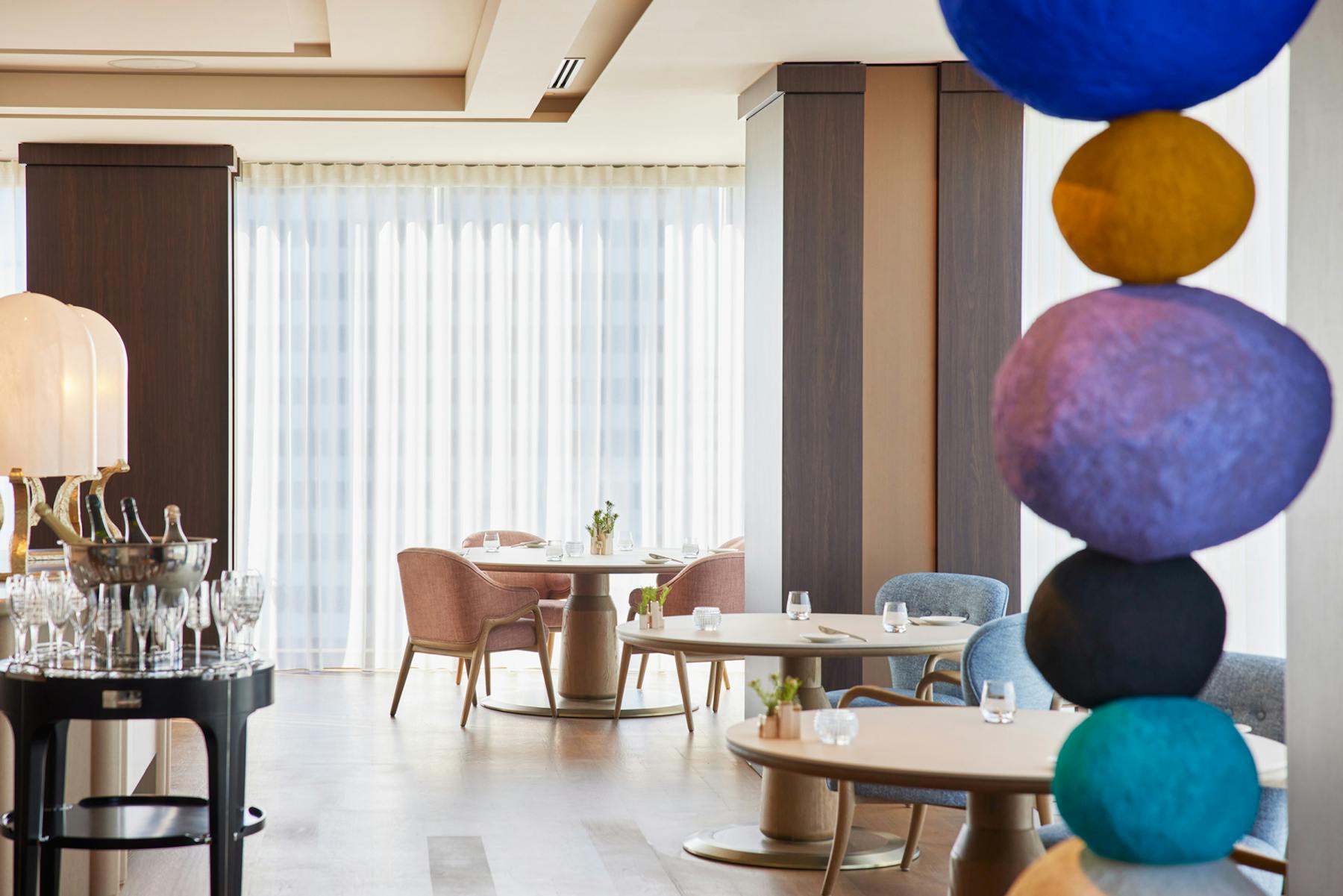
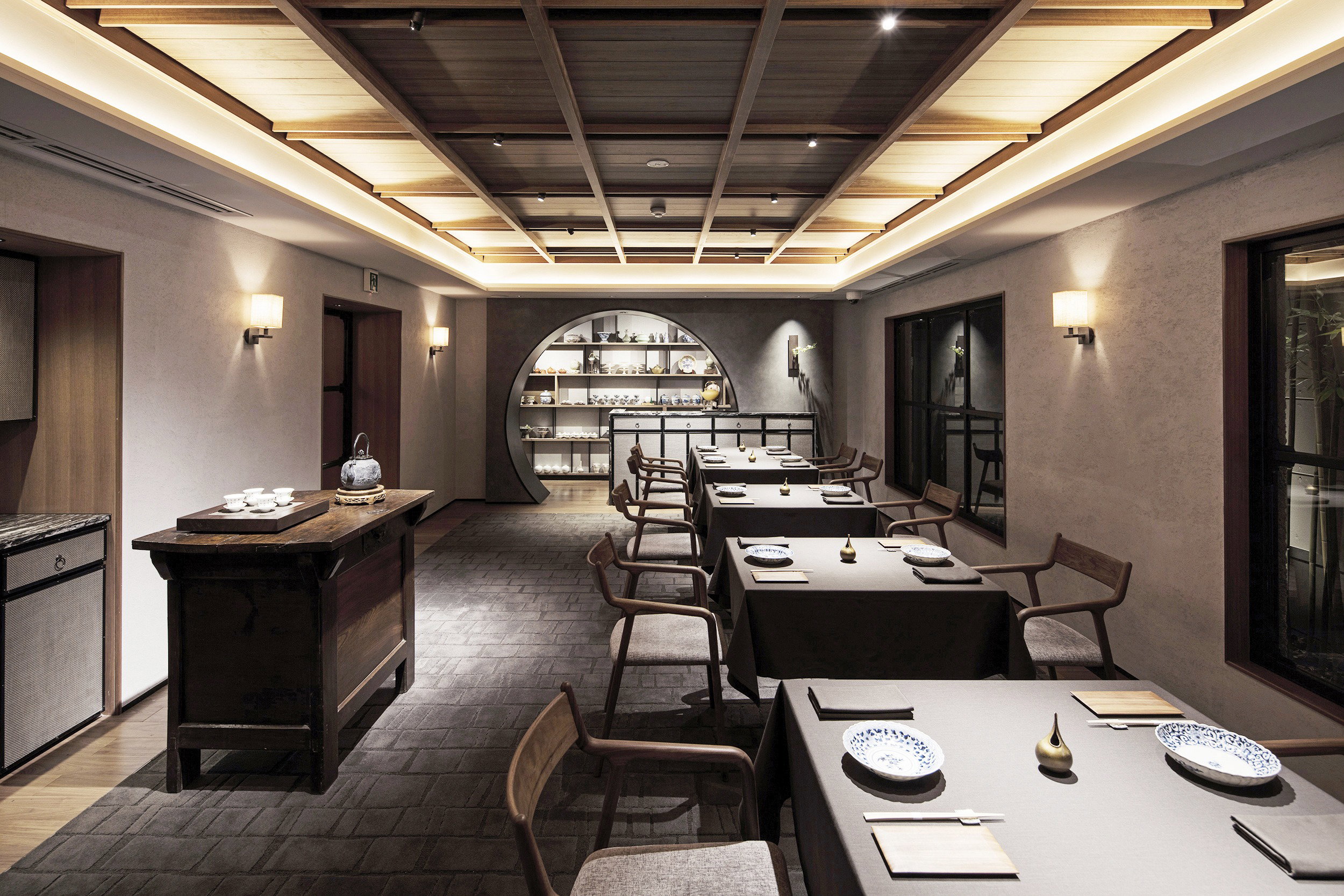
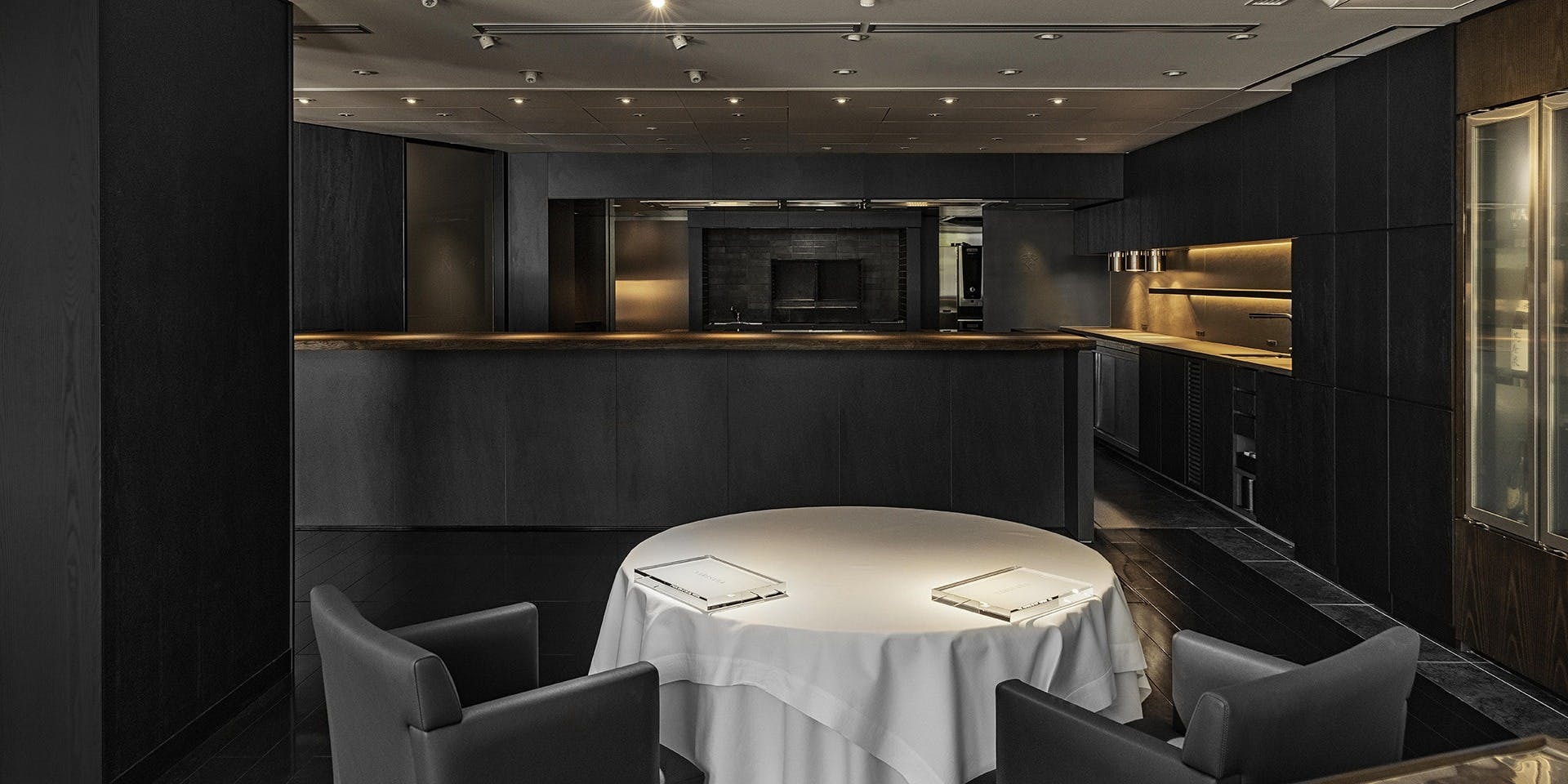
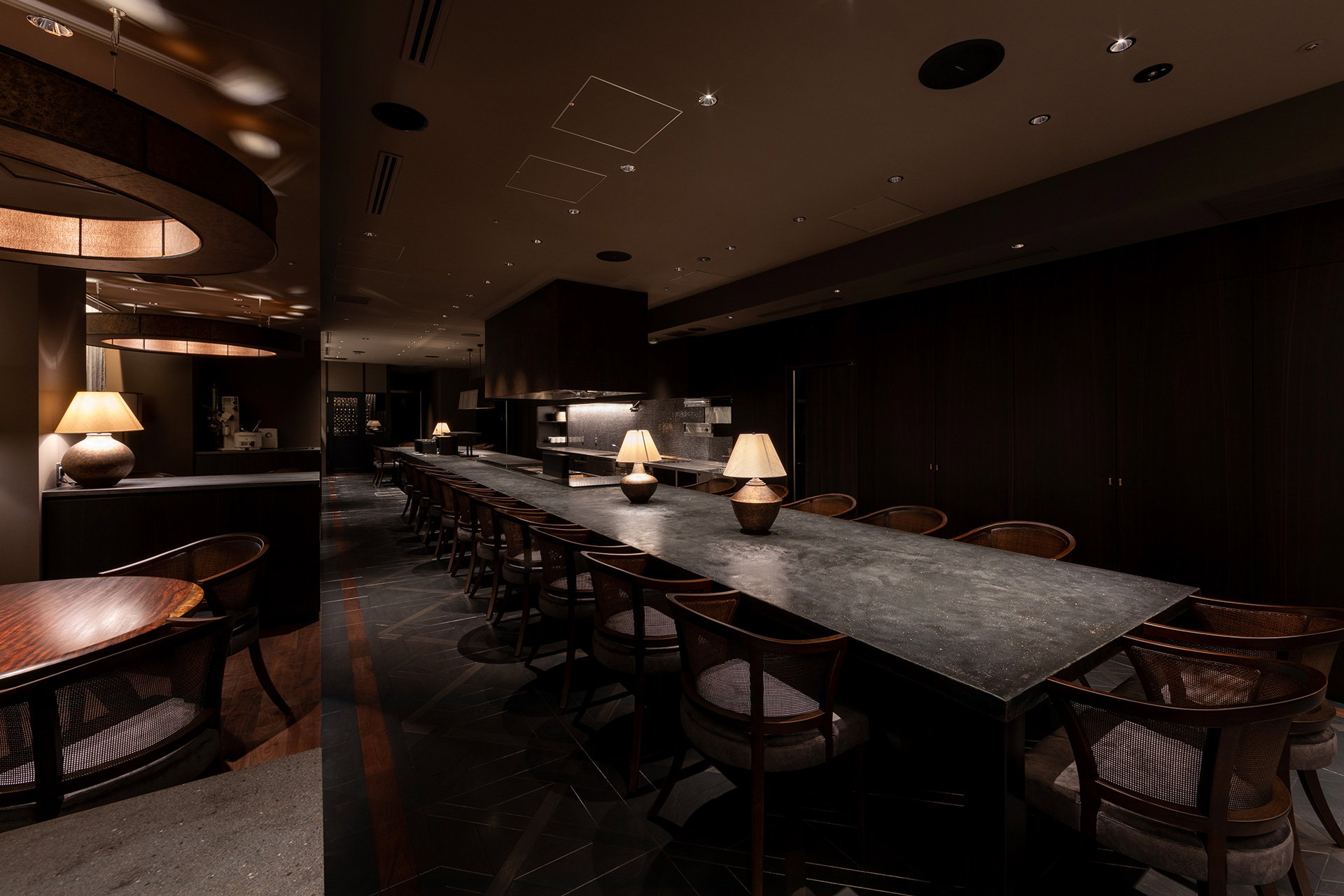
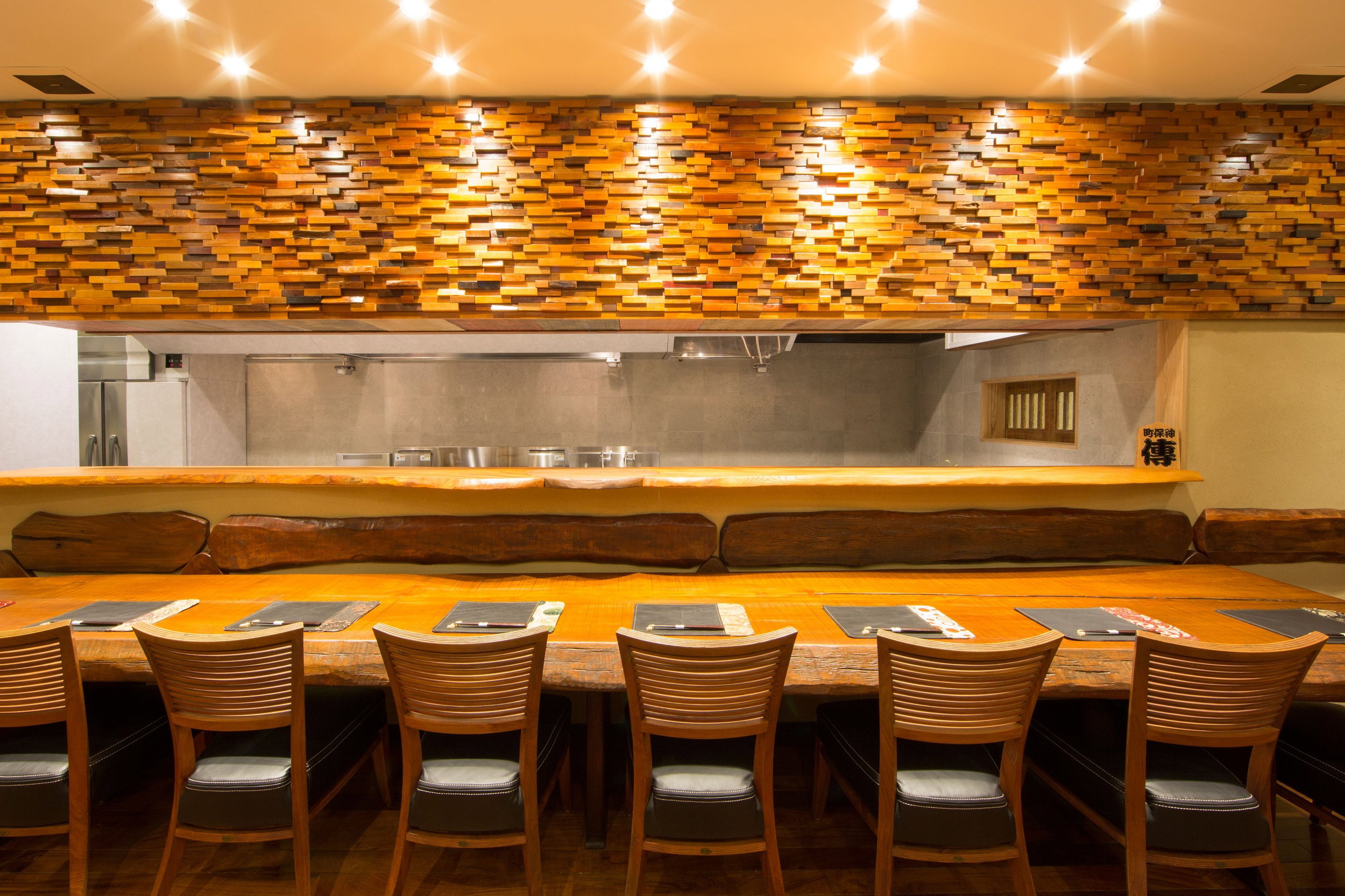
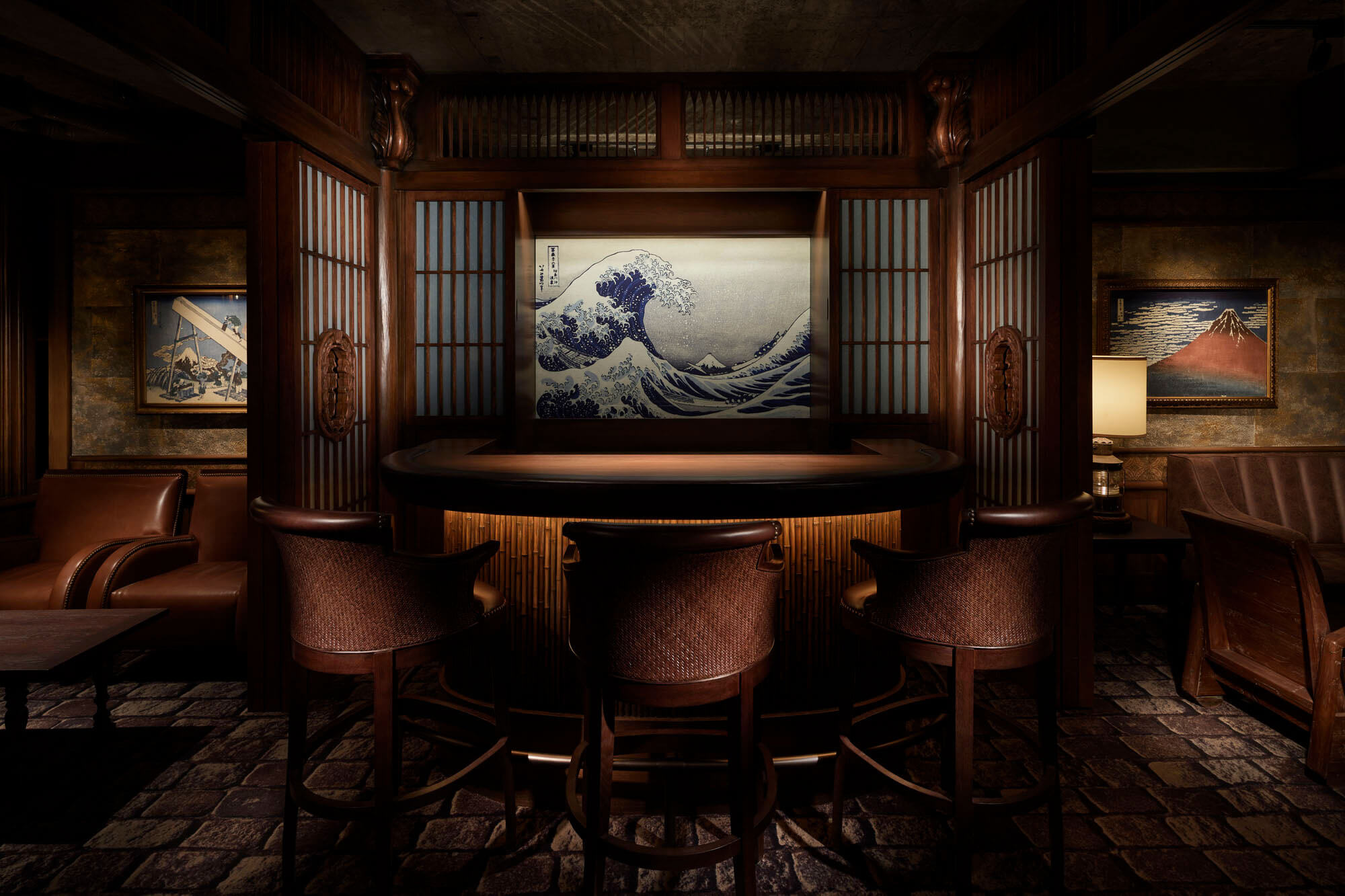
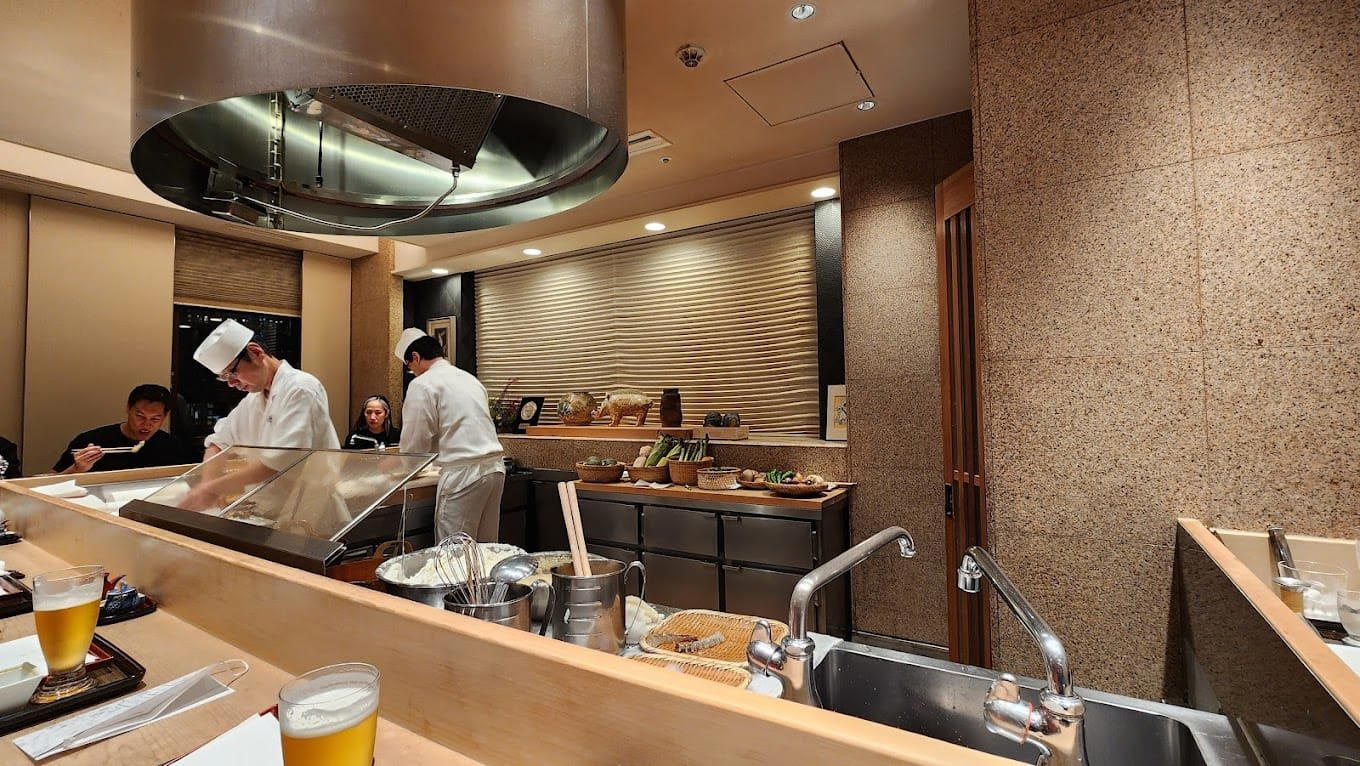
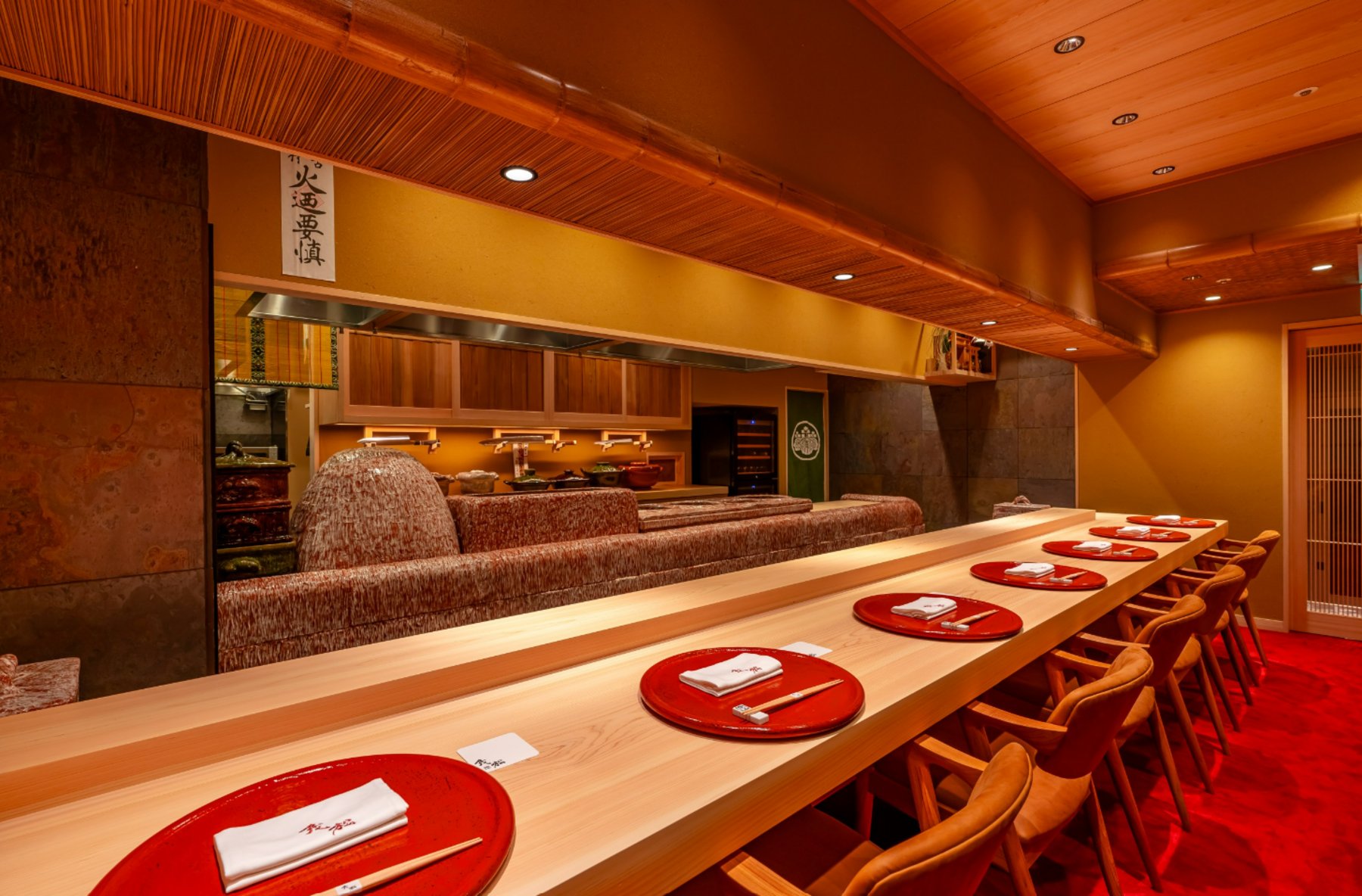
Ginza Okuda occupies a basement counter room that intentionally removes the meal from street life, creating a contained, highly focused atmosphere. The descent into the space reads like a threshold ritual: city noise falls away, attention narrows, and the rhythm of the evening follows the kitchen’s lead. The counter layout foregrounds the choreography between chef and guest and the kaiseki sequence shapes both pacing and expectation. The result is an understated, disciplined setting where refinement and ritual trump flourish — a place for diners who want the detail and discipline of traditional kaiseki without theatrical excess.
Best For
This is a venue best experienced as an evening tasting — the kaiseki counter and its codified sequence are built around an extended, multi-course dinner. The room suits one-on-one encounters or small pairings, making it especially apt for date nights, business dinners, and other deliberate, special-occasion meals. Ginza’s concentration of serious counters and a clientele used to long-form dining means guests can expect a measured tempo and close engagement with the preparation of each course. It favors diners who want a contemplative, chef-led meal rather than a casual night out.
Ordering Tips
Ginza Okuda presents kaiseki as a prescribed sequence, so the clearest tip is to commit to the tasting format and let the meal unfold in its intended order. The counter setting concentrates attention on the preparation and pacing; expect a series of small, meticulously timed courses rather than à la carte shortcuts. Because the experience is structured, approach the meal with patience and allow the kitchen to guide transitions between techniques and temperatures. The counter proximity also means interaction with the chefs frames the evening, so plan to experience the service as part of the meal.
Venue details
Ambiance
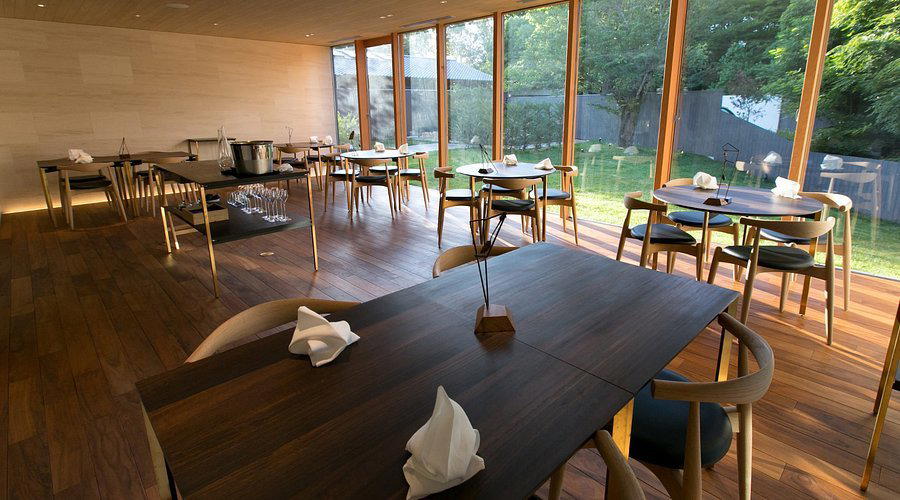
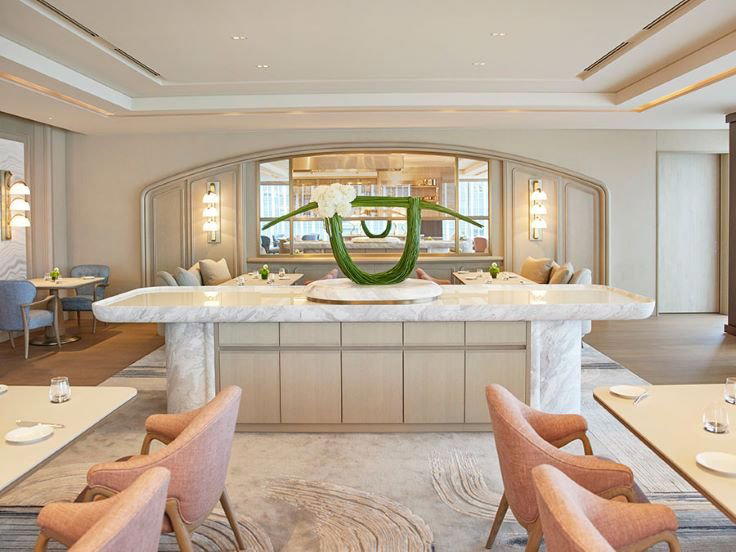
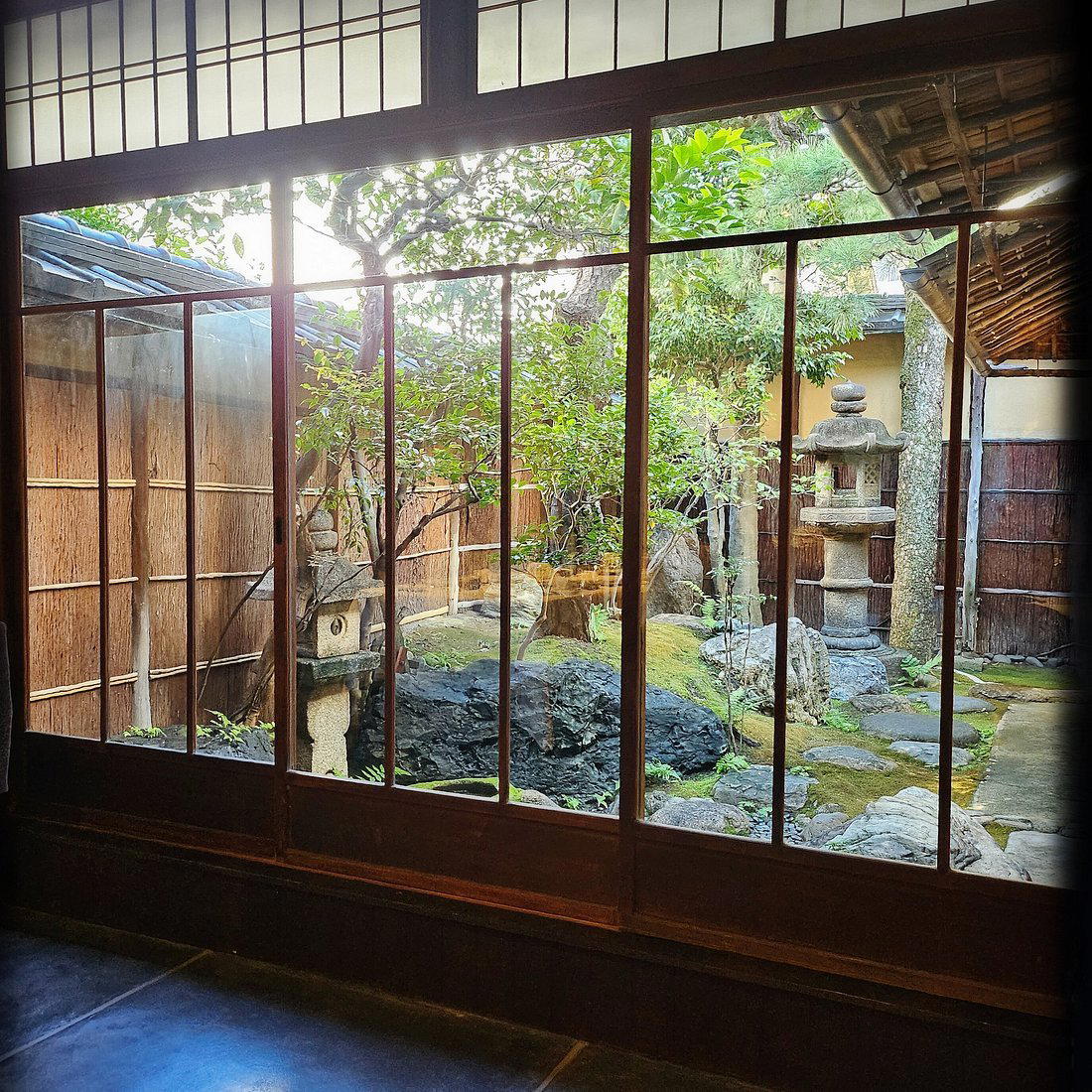
Serene and refined atmosphere in a tranquil space with traditional craftsmanship like a 400-year-old cypress counter, soft lighting, and seasonal dishware creating an elegant, calming dining experience.
Tags
Vibe
Best For
Experience
At the Table
- Dress Code
- Formal
- Noise Level
- Quiet
- Service Style
- Formal
- Meal Pacing
- Extended Experience
- Capacity
- Intimate
- Kitchen
- Seasonal
- Menu Format
- Tasting menu, Counter dining
- Drinks Focus
- Sake, Wine
- Private Dining
- Available
Signature Dishes
- salt-grilled sweetfish
- charcoal-grilled eel
- pufferfish
- wagyu shabu-shabu
Know before you go
Know Before You Go
- Getting there
- Japan, 〒104-0061 Tokyo, Chuo City, Ginza, 5 Chome−4−8 銀座カリオカビル B1
Planning details
Hours
- Monday
- 6–9 pm
- Tuesday
- 12–1 pm, 6–9 pm
- Wednesday
- 12–1 pm, 6–9 pm
- Thursday
- 6–9 pm
- Friday
- 12–1 pm, 6–9 pm
- Saturday
- 12–1 pm, 6–9 pm
- Sunday
- Closed
Location
Japan, 〒104-0061 Tokyo, Chuo City, Ginza, 5 Chome−4−8 銀座カリオカビル B1 · Directions

Also consider
Also Consider
- Harutaka, Sushi, ¥¥¥¥
- L'Effervescence, French, ¥¥¥¥
- RyuGin, Kaiseki, Japanese, ¥¥¥¥
- HOMMAGE, Innovtive French, French, ¥¥¥¥
- Crony, Innovative, French, ¥¥¥¥
Restaurant context
At the ¥¥¥¥ tier in Tokyo's kaiseki and fine dining circuit, GINZA OKUDA's most direct peer is RyuGin. RyuGin holds three Michelin stars to OKUDA's one, which matters if star count is your primary signal, but RyuGin is harder to book, does not offer lunch, and operates from Roppongi rather than Ginza. If you want the highest Michelin credential available in Tokyo kaiseki and are willing to plan further ahead, RyuGin is the stronger prestige choice. If you want a Michelin-starred kaiseki room with a lunch option and a Ginza address at a slightly more achievable booking window, OKUDA is the more practical answer.
L'Effervescence, HOMMAGE, and Crony all sit at ¥¥¥¥ but operate in the French or innovative French register, a different decision entirely if you are choosing between Japanese seasonal cooking and European-influenced tasting menus. Harutaka offers sushi rather than kaiseki at the same price tier: if you are undecided between formats, the question is whether you want chef-driven sushi or a multi-course seasonal progression. They are not directly interchangeable.
Within pure kaiseki, OKUDA competes most closely with Ginza-area peers. Its three consecutive OAD appearances pool suggest a kitchen that performs consistently for a deliberate, informed clientele rather than a high-volume tourist audience. For food-focused travellers who want a decorated seasonal Japanese meal with a lunch option and a manageable (if not easy) booking process, GINZA OKUDA sits ahead of most alternatives at this tier in central Tokyo.
Explore Tokyo
Around this place
Discover more on Pearl
Unlock the full GINZA OKUDA guide in Pearl, including awards, comparisons, FAQs, planning details, and nearby places.
Compare GINZA OKUDA
| Venue | Price | Booking Difficulty | Awards |
|---|---|---|---|
| GINZA OKUDA | ¥¥¥¥ | Hard | 2026 OAD Top Restaurants in Japan Recommended2025 OAD Top Restaurants in Japan Ranked · #3062024 OAD Top Restaurants in Japan Ranked · #2902024 Michelin 1 Star2023 OAD Top Restaurants in Japan Highly Recommended |
| Harutaka | ¥¥¥¥ | Unknown | 2026 Tabelog Silver · #312026 OAD Top Restaurants in Japan Ranked · #1282026 Michelin 3 Stars2026 La Liste Top RestaurantsTabelog 100 - Sushi - TOKYO - 2025 · #372025 Asia's 50 Best Restaurants · #762025 OAD Top Restaurants in Japan Ranked · #1172025 La Liste Top Restaurants2025 Tabelog Bronze |
| L'Effervescence | ¥¥¥¥ | Unknown | 2026 Tabelog Silver · #682026 OAD Top Restaurants in Japan Ranked · #103Star Wine Lists 20262026 Black Pearl 2 Diamond2026 Relais Chateaux Restaurants2026 La Liste Top Restaurants2026 Michelin 3 Stars2025 Asia's 50 Best Restaurants · #692025 OAD Top Restaurants in Japan Ranked · #92 |
| RyuGin | ¥¥¥¥ | Unknown | 2026 OAD Top Restaurants in Japan Ranked · #802026 Tabelog Bronze · #3772026 Michelin 3 Stars2026 La Liste Top RestaurantsTabelog 100 - Japanese cuisine - TOKYO - 2025 · #212025 OAD Top Restaurants in Japan Ranked · #542025 Michelin 3 Stars2025 La Liste Top Restaurants2025 The Best Chef Three Knives |
| HOMMAGE | ¥¥¥¥ | Unknown | 2026 Tabelog Bronze · #1232026 OAD Top Restaurants in Japan Highly Recommended2026 Michelin 2 StarsTabelog 100 - French - TOKYO - 2025 · #762025 Asia's 50 Best Restaurants · #782025 OAD Top Restaurants in Japan Ranked · #1752025 Michelin 2 Stars2025 The Best Chef One Knife2025 La Liste Top Restaurants |
| Crony | ¥¥¥¥ | Unknown | 2026 Asia's 50 Best Restaurants · #34Star Wine Lists 20262026 OAD Top Restaurants in Japan Recommended2026 Michelin 2 Stars2025 Asia's 50 Best Restaurants · #30Tabelog 100 - French - TOKYO - 2025 · #782025 OAD Top Restaurants in Japan Ranked · #227We're Smart World Top Restaurants 20252025 Michelin 2 Stars |













A quick look at how GINZA OKUDA measures up.
FAQ
Frequently Asked Questions
What should a first-timer know about GINZA OKUDA?
GINZA OKUDA is a Michelin-starred kaiseki room in the basement of the Ginza Carioca Building, a short walk from Ginza Station. Chef Shun Miyahara runs a small, deliberate operation, this is not a walk-in venue, and the format is fixed kaiseki, not à la carte. Ranked #306 on Opinionated About Dining's Top Restaurants in Japan for 2025, it sits firmly within the serious end of Tokyo kaiseki. Come with a reservation confirmed well in advance and an understanding that the meal will follow a set progression.
How far ahead should I book GINZA OKUDA?
Book at least four to six weeks ahead, and longer if your dates are fixed. Booking difficulty is rated Hard, for a Michelin-starred kaiseki room in central Ginza with a deliberately small seating structure, availability moves quickly. Lunch slots on Tuesday, Wednesday, Friday, and Saturday are fewer than dinner seatings, so those fill fastest. Note that GINZA OKUDA is closed Sundays and Monday lunch.
Does GINZA OKUDA handle dietary restrictions?
Kaiseki as a format is highly structured and ingredient-driven, which makes significant dietary substitutions difficult at any serious kaiseki restaurant. Contacting GINZA OKUDA directly at the time of reservation is the right approach, dietary needs flagged early give the kitchen the best chance to accommodate or advise honestly. Do not assume flexibility without confirming in advance.
Is the tasting menu worth it at GINZA OKUDA?
At the ¥¥¥¥ price point, GINZA OKUDA is in the upper tier of Tokyo kaiseki spending. The Michelin one-star rating and consistent Opinionated About Dining recognition across three consecutive years, Highly Recommended in 2023, #290 in 2024, #306 in 2025, indicate a kitchen that delivers reliably at that level. If kaiseki is a format you actively want rather than a box to tick, the price is justified. If you are kaiseki-curious rather than committed, a lunch sitting is the lower-stakes way to trial it.
Is GINZA OKUDA worth the price?
For a Michelin-starred kaiseki in Ginza under Chef Shun Miyahara, the ¥¥¥¥ spend is positioned alongside the top tier of Tokyo's formal dining options. The credentials hold up: three years of consecutive Opinionated About Dining recognition alongside Michelin recognition in 2024 puts it in a defensible position for that price range. Lunch offers the same kitchen at a format that typically represents better value than dinner in kaiseki, if budget is a factor, that is the smarter booking.
Is GINZA OKUDA good for a special occasion?
Yes, with one practical caveat: the booking lead time is real, so plan well ahead. The Ginza basement setting, kaiseki format, and Michelin-starred credentials make it a credible choice for a formal celebration. For groups of two, the counter or intimate table setting typical of kaiseki rooms suits the occasion. For larger parties, confirm group capacity directly when booking, kaiseki rooms in Ginza rarely accommodate large groups comfortably.