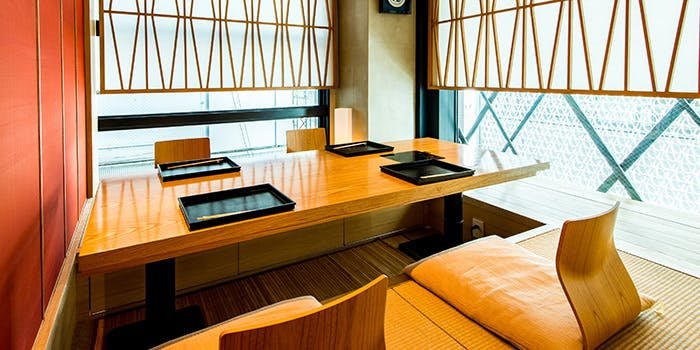


Ginza kitafuku
Crab House · Chūō, Tokyo
Restaurant in Tokyo, Japan
 Book with Pearl
The Read
Live-Crab Counter Precision
Price
$200–300per person
Chef
Keitaro Suzuki
Dress
Smart Casual
Why go
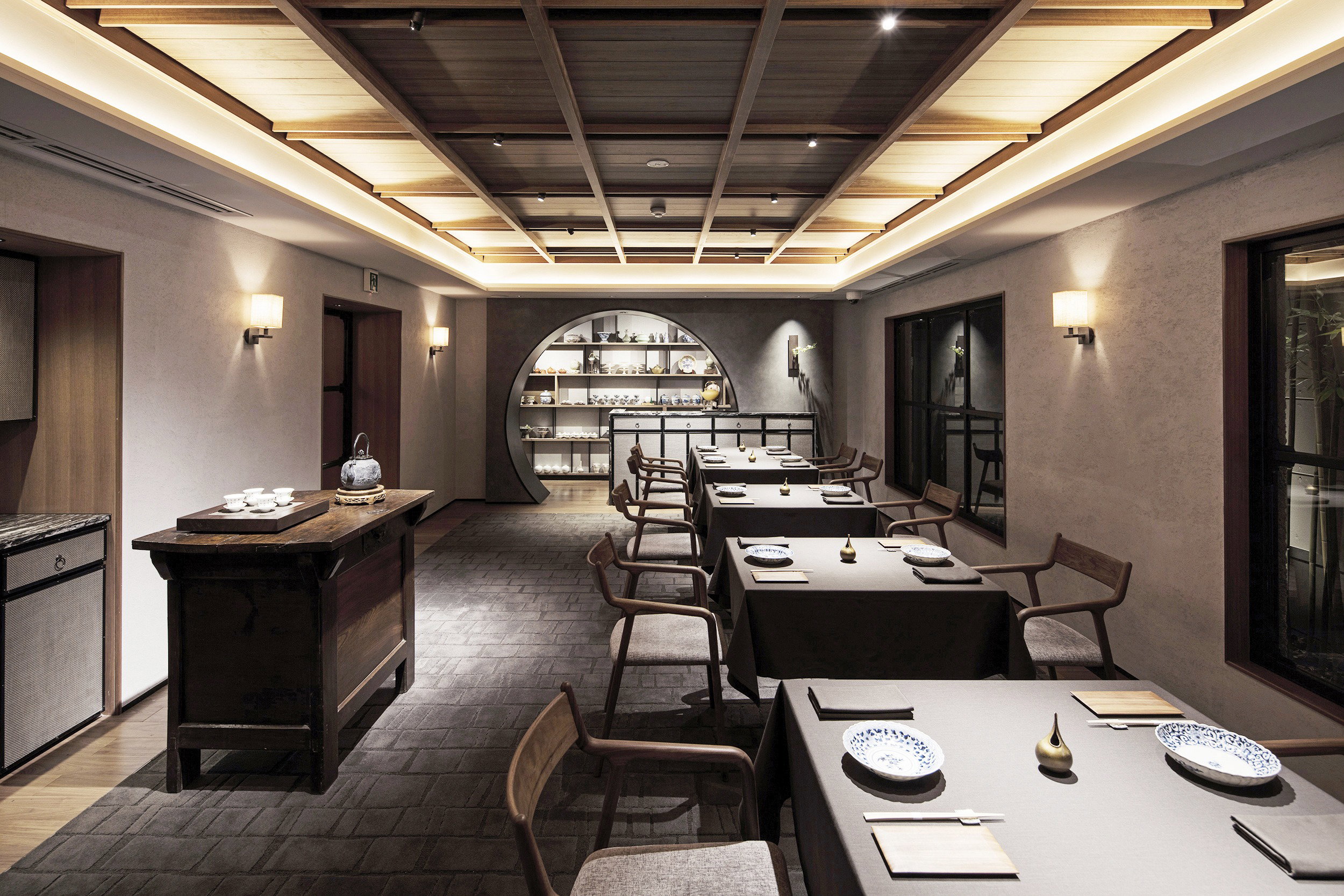
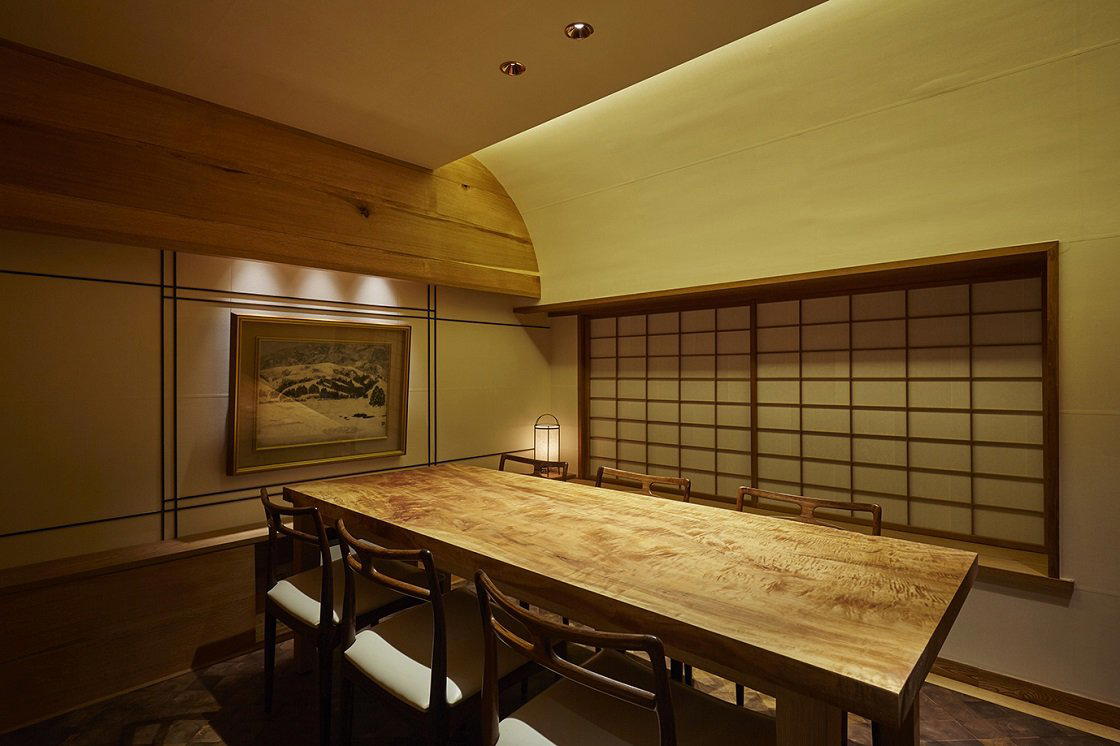
Chef Keitaro Suzuki's reservation-only crab kaiseki in Ginza treats whole live crab as the centerpiece of a multi-course tasting menu, served in three private rooms with sunken seating. Tabelog Bronze Award holder from 2019–2026 with a 3.88 score, expect JPY 60,000–79,999 per person and strict cancellation penalties. The format is closer to fine-dining omakase than a casual crab boil.
About Ginza kitafuku
Ginza kitafuku is a Crab House in Tokyo led by chef-owner Keitaro Suzuki. The restaurant is crab-focused, follows a smart casual dress code, and opens daily from 5 PM to 11:30 PM. It also appears in Opinionated About Dining's 2026 restaurant data. For details such as room layout, seating, pricing, menu structure, service format, booking rules, scores, or additional dishes, confirm directly with the restaurant.
Crab House in Tokyo
Ginza kitafuku is a Tokyo Crab House. Chef-owner Keitaro Suzuki is associated with the restaurant, and crab is the defining cuisine category. Diners should confirm specifics such as course sequence, preparation style, room configuration, seat count, service charges, cancellation penalties, or payment procedures directly when booking.
Practical Logistics and Booking
Operating hours are Monday through Sunday from 5 PM to 11:30 PM. The dress code is smart casual. The venue is in Tokyo; guests should check street-level directions, building details, parking information, payment methods, child policies, and reservation requirements before visiting.
For planning, the summary is simple: Ginza kitafuku is a Tokyo Crab House from chef-owner Keitaro Suzuki, open daily from 5 PM to 11:30 PM, with smart casual attire expected. Guests should contact the restaurant or their booking channel for current pricing, menu format, availability, cancellation terms, and any dietary or accessibility questions.
Planning details
- Hours
- Monday: 5–11:30 pm · Tuesday: 5–11:30 pm
- Location
- Japan, 〒104-0061 Tokyo, Chuo City, Ginza, 7 Chome−4−5 3階
- Reservations
- Book on TableCheck
- Website
- kanikitafuku.com/ginza/index.html
- Phone
- +81 3-6280-6368
The take
The Take
The Vibe
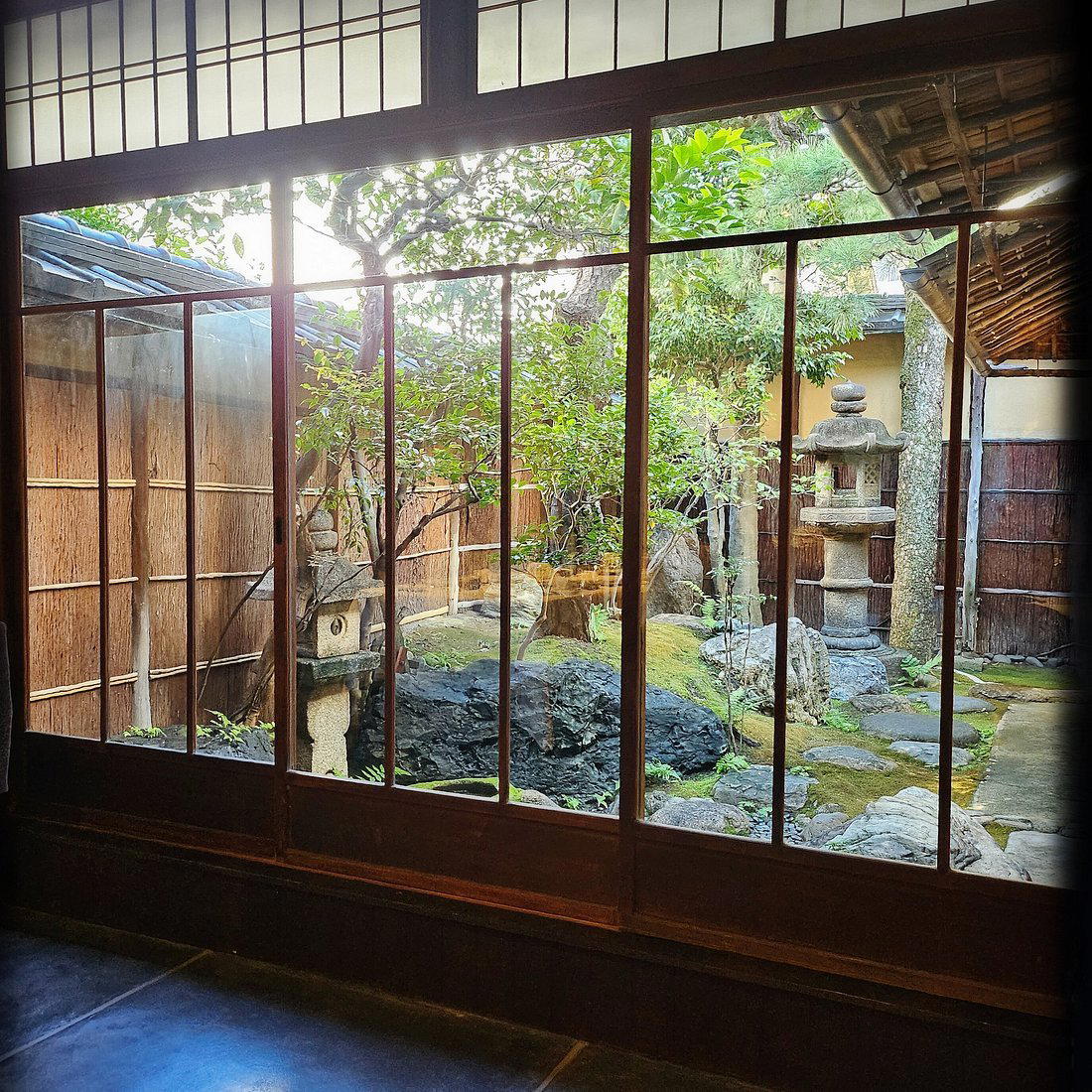
Ginza Kitafuku presents a refined, low-profile take on Ginza dining. Located on the third floor of a 7-chome building, it leans into a quieter, reservation-driven rhythm rather than street-level showmanship. The restaurant sits firmly in the high-price, single-ingredient specialist tradition — an approach that privileges careful sourcing and focused technique — which produces an intimate, sophisticated atmosphere. Its consecutive Tabelog recognition underscores a polished execution, while the tucked-away address gives it that hidden-gem quality within Ginza's otherwise visible avenue of flagship restaurants.
Best For
This is a dinner destination for milestone evenings and deliberate dining: think special occasions, celebratory meals, date nights and discreet business dinners. The menu structure and stated per-head price (JPY 60,000–79,999) position the restaurant as a place where advance reservations are expected and a full-course experience is the point. Patrons arrive prepared for a focused, high-end tasting centered on live crab and complementary premium ingredients; the setting and service style support formal, reservation-led outings rather than casual drop-ins.
Ordering Tips
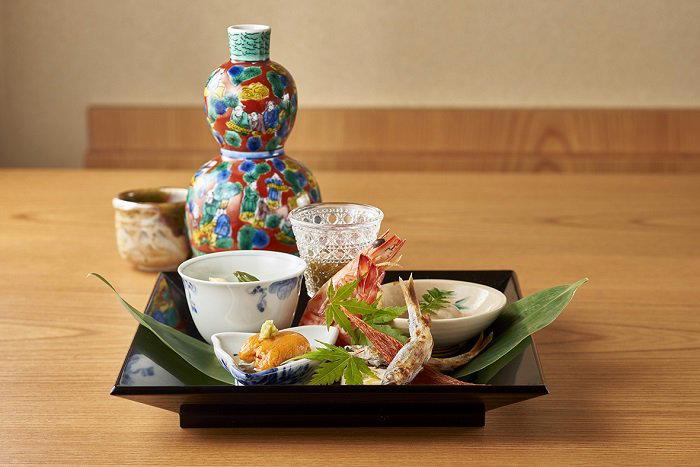
Expect set-course, crab-forward offerings and plan ahead. The menu highlights include Red King Crab and King-size Hair Crab courses, a Live Hairy Crab and King Crab Course, Sea Urchin & Crab Course, and a Matsuzaka Beef & Crab Course — all signposts of a single-ingredient specialist format. Given the restaurant's placement in the premium Ginza tier and its reliance on advance bookings, reserve early and opt for the full course that showcases the live crab preparations to experience the kitchen's specialty directly.
Venue details
Ambiance
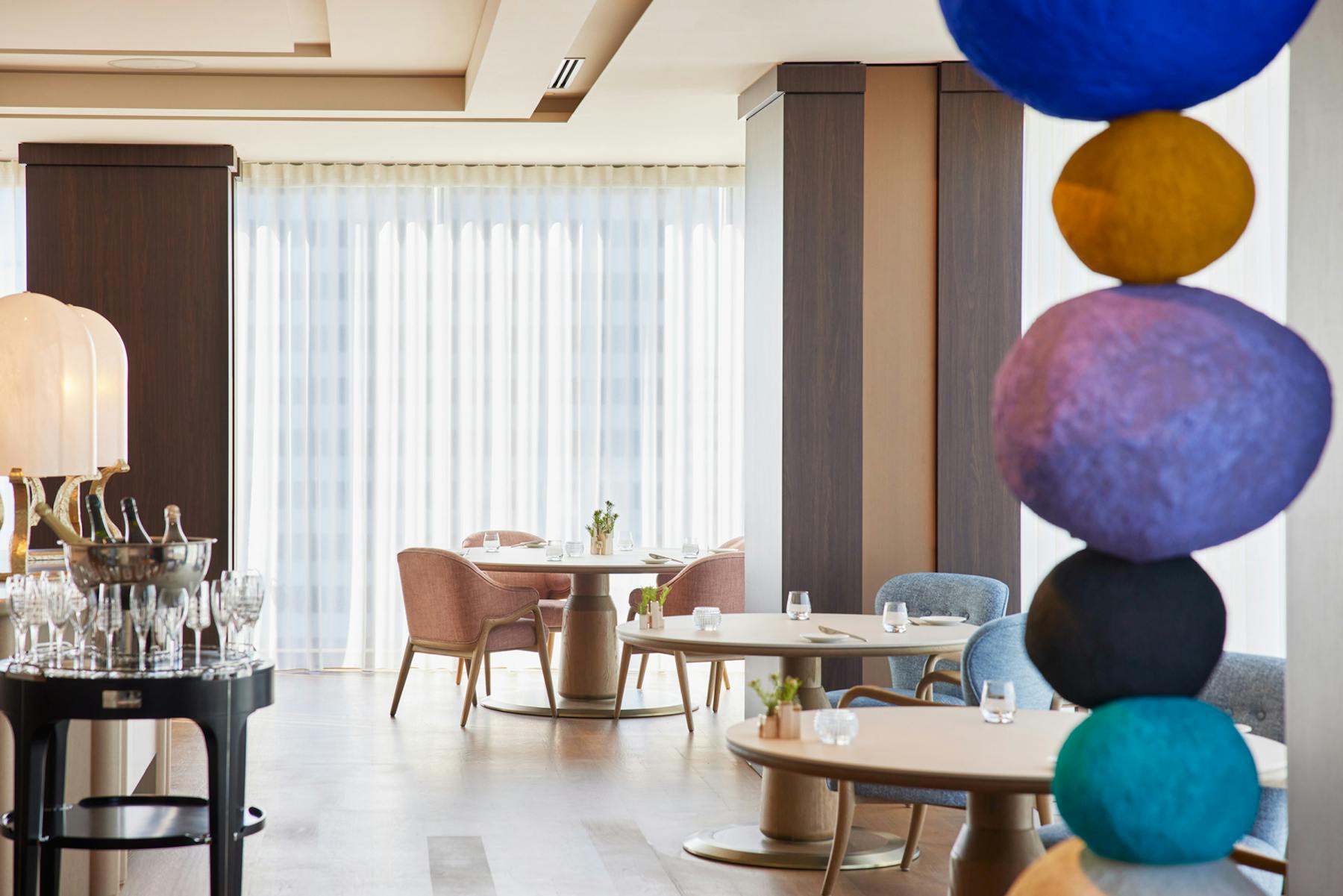
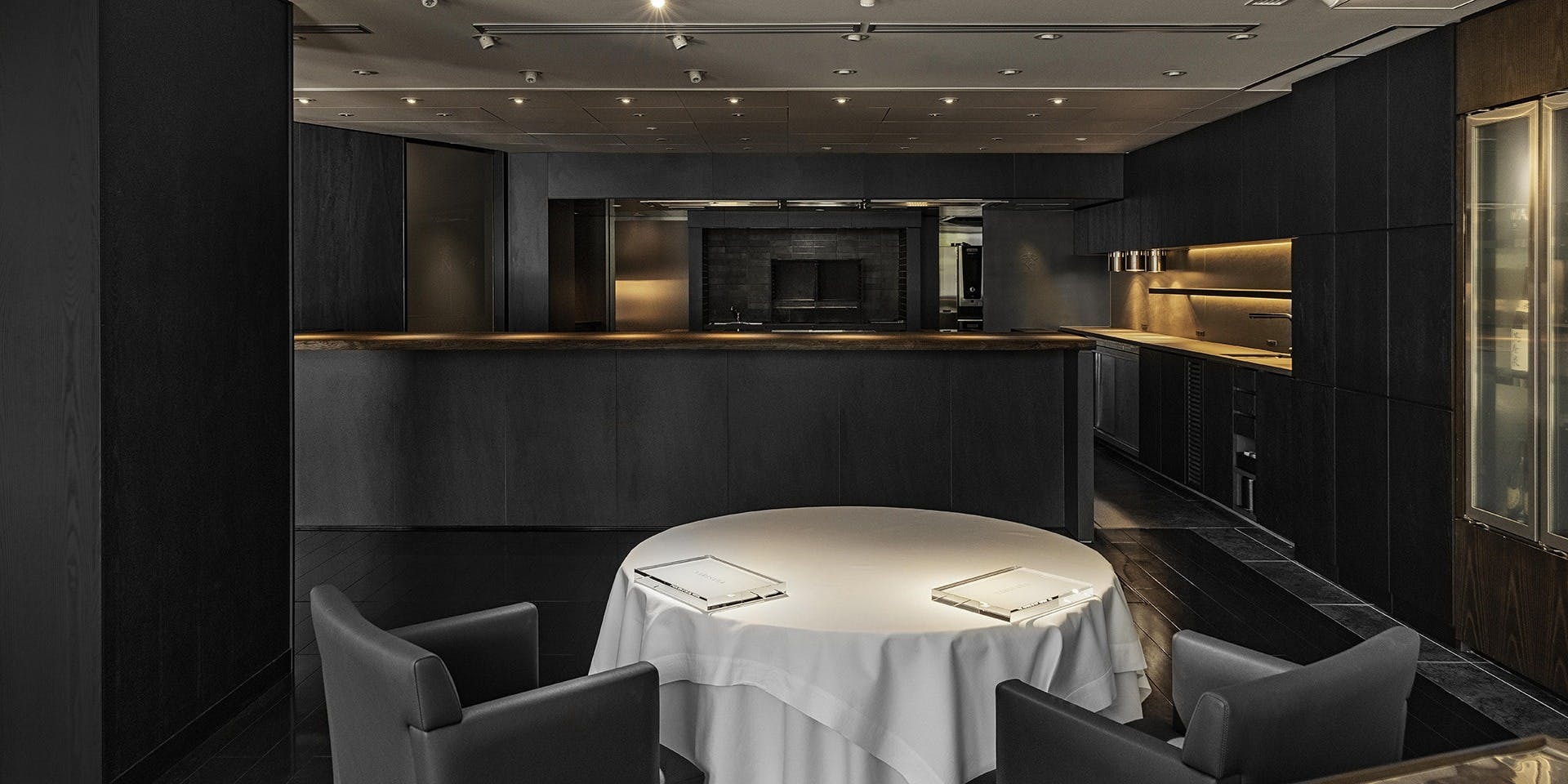
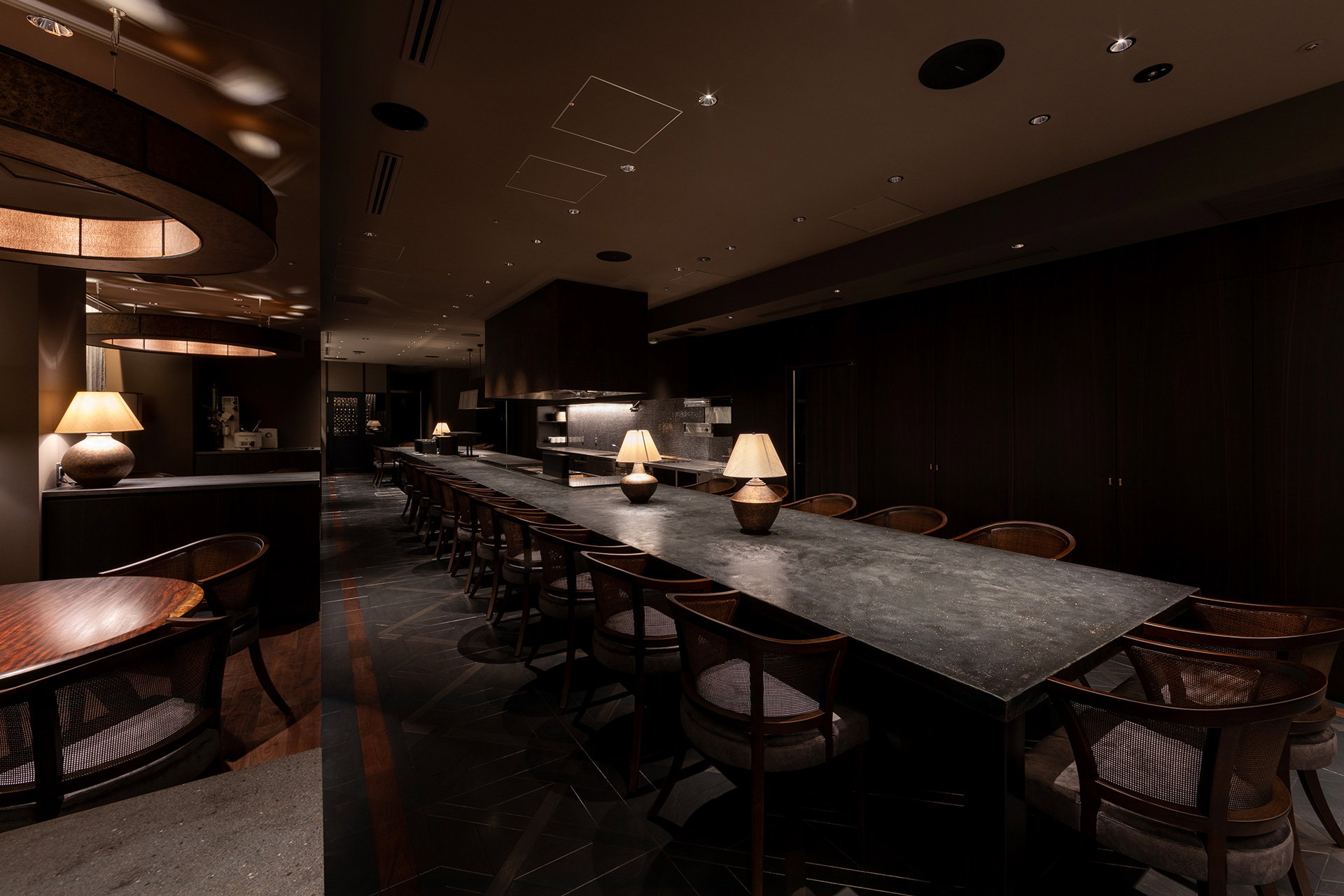
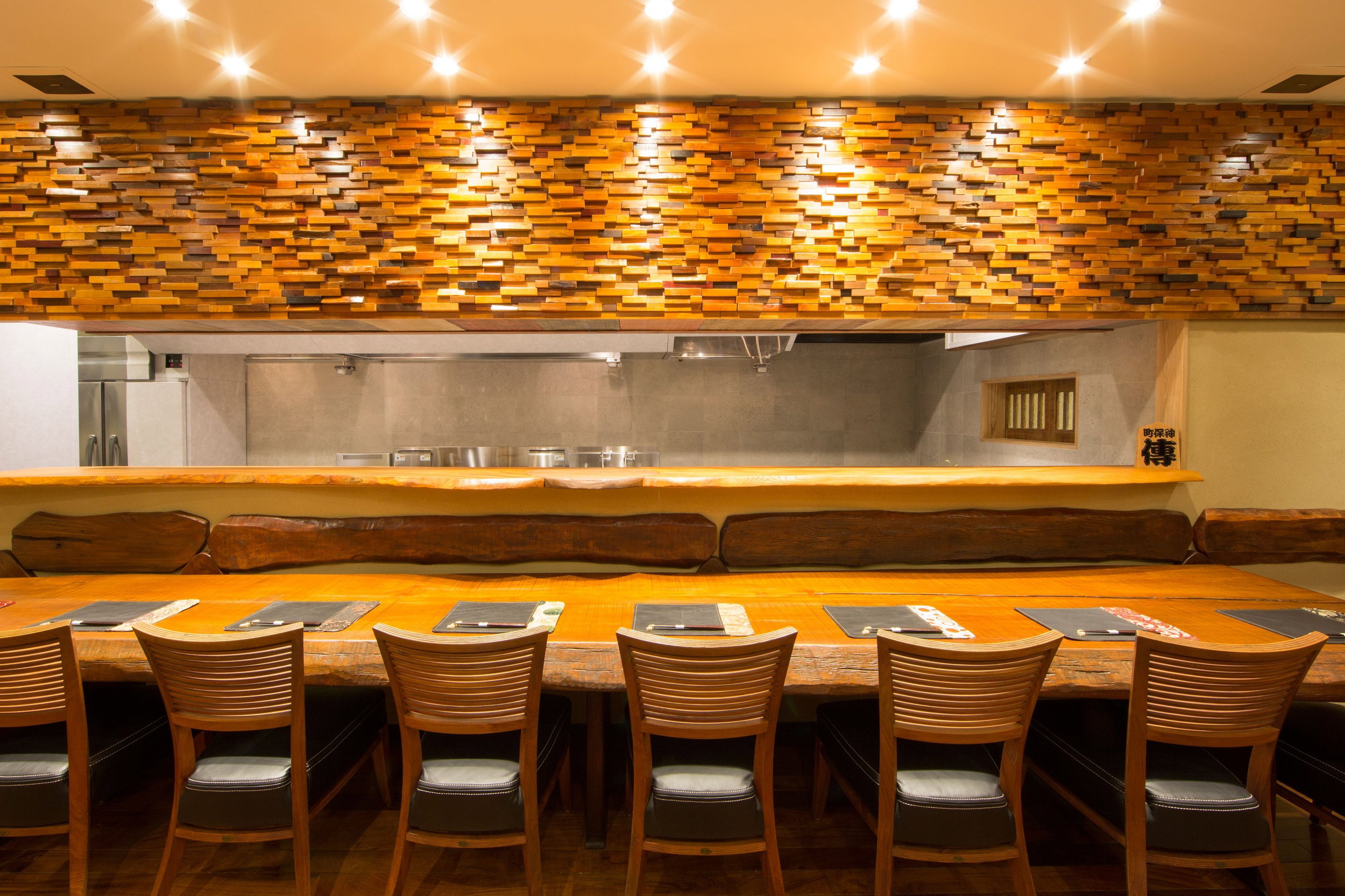
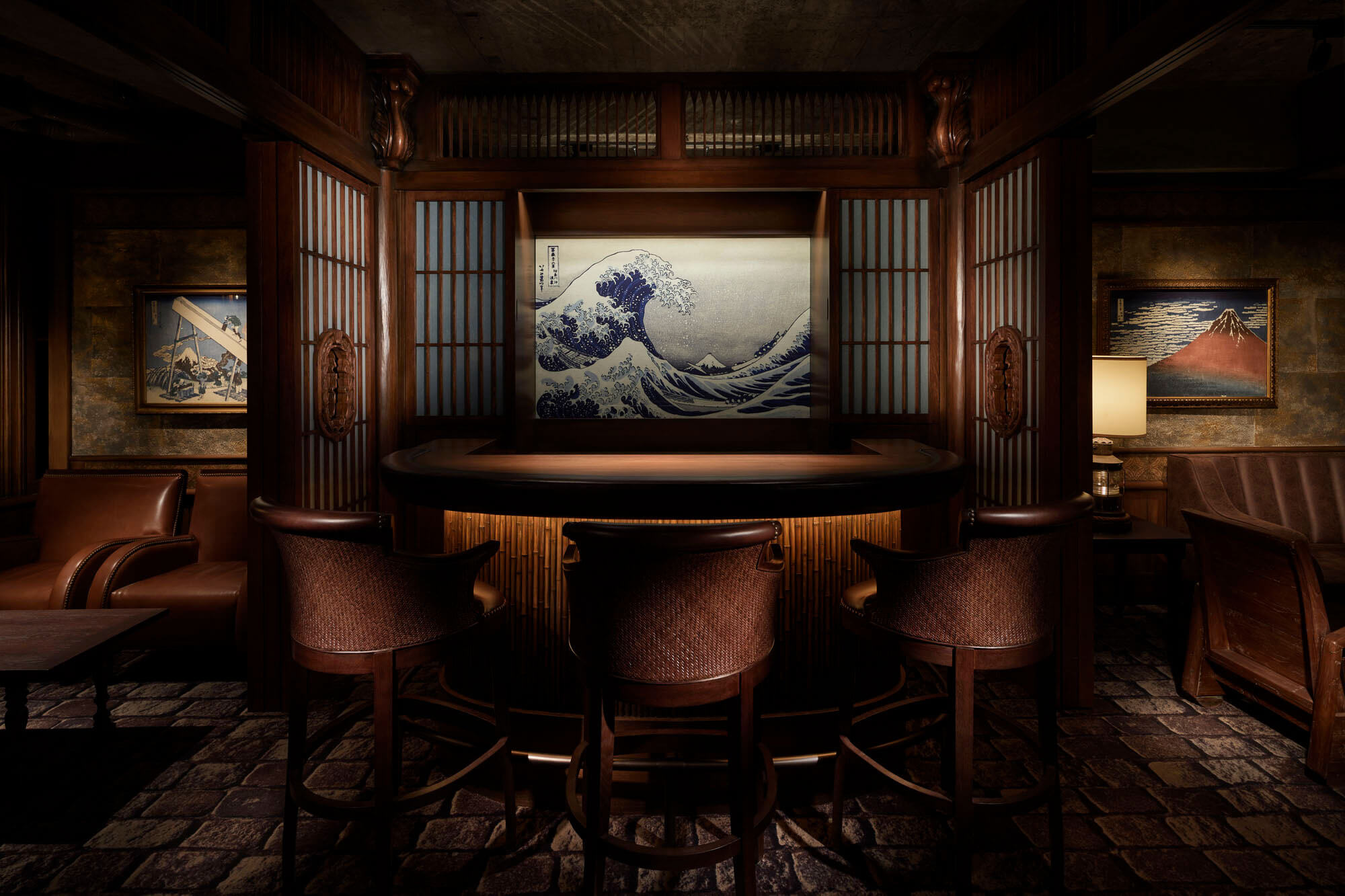
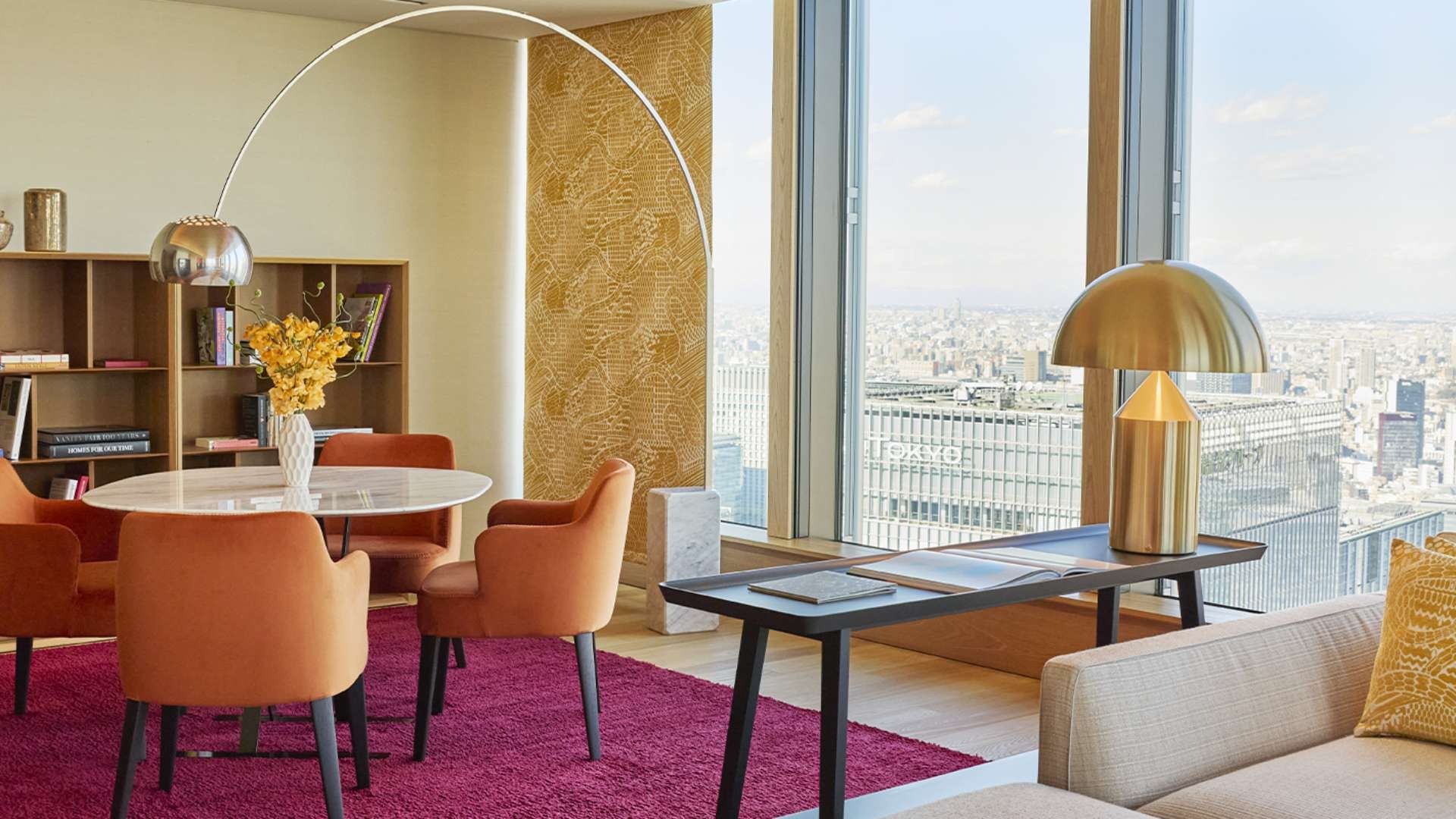
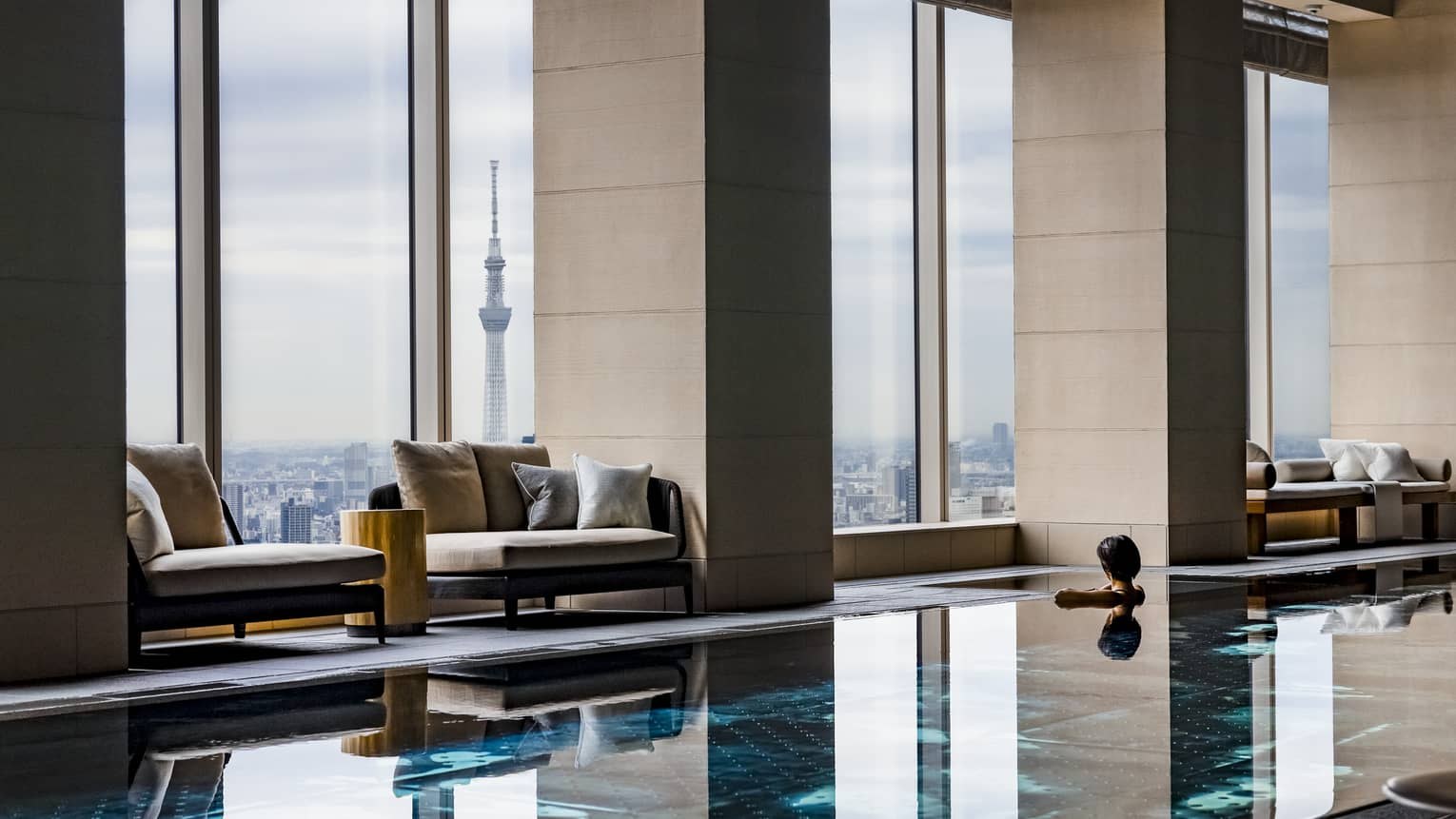
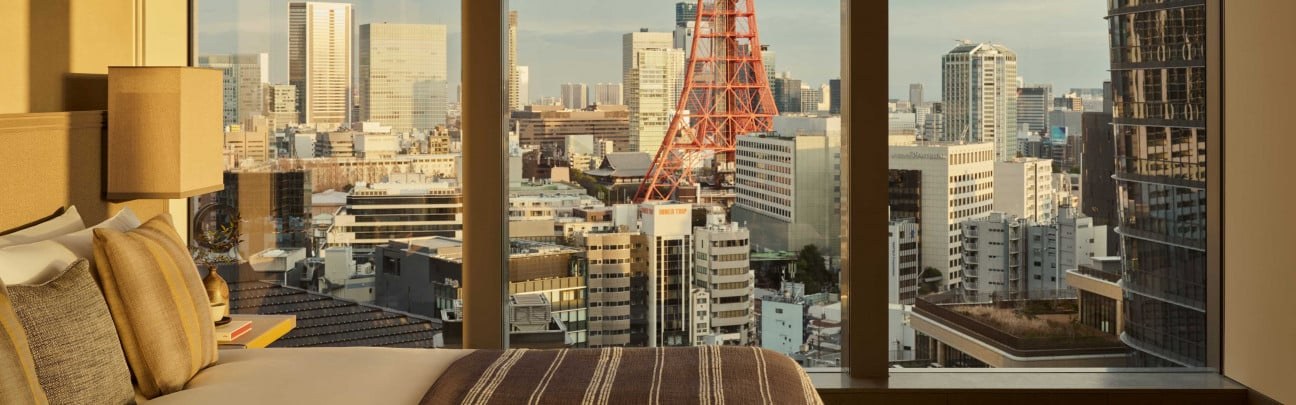
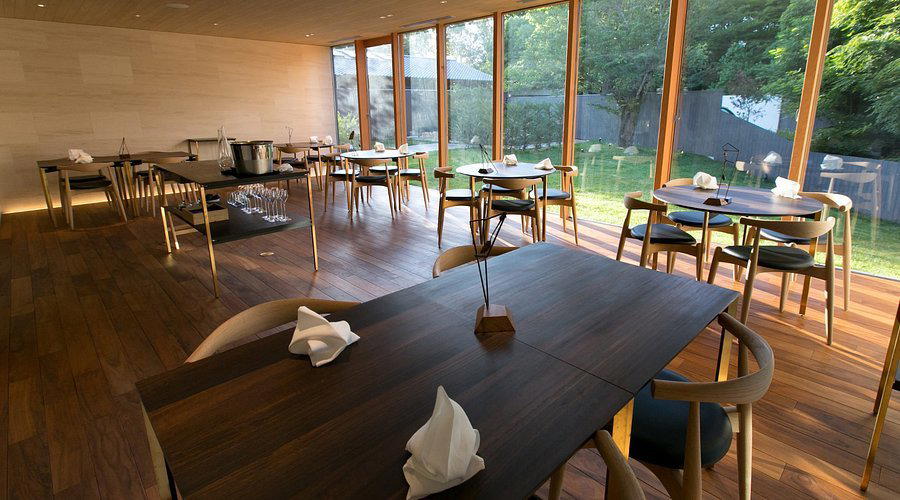
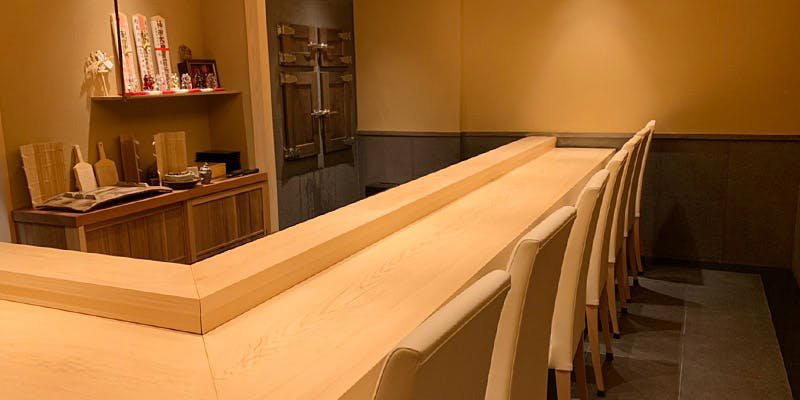
Serene and refined with smooth timber, soft diffused lighting, and an elegant counter framing the chef's performance; designed for intimate conversation and quiet wonder with no superfluous artifice.
Tags
Vibe
Best For
Experience
Sourcing
At the Table
- Dress Code
- Smart Casual
- Noise Level
- Quiet
- Service Style
- Formal
- Meal Pacing
- Extended Experience
- Capacity
- Intimate
- Kitchen
- Traditional
- Menu Format
- Tasting menu, Set menu, Counter dining
- Drinks Focus
- Sake, Wine, Shochu
- Dietary
- Pescatarian friendly, Allergy accommodating
- Private Dining
- Available
Signature Dishes
- Red King Crab Course
- King-size Hair Crab Course
- Live Hairy Crab and King Crab Course
- Sea Urchin & Crab Course
- Matsuzaka Beef & Crab Course
Know before you go
Know Before You Go
- Getting there
- Japan, 〒104-0061 Tokyo, Chuo City, Ginza, 7 Chome−4−5 3階
Planning details
Hours
- Monday
- 5–11:30 pm
- Tuesday
- 5–11:30 pm
- Wednesday
- 5–11:30 pm
- Thursday
- 5–11:30 pm
- Friday
- 5–11:30 pm
- Saturday
- 5–11:30 pm
- Sunday
- 5–11:30 pm
Location
Japan, 〒104-0061 Tokyo, Chuo City, Ginza, 7 Chome−4−5 3階 · Directions

Also consider
Also Consider
- Harutaka, Sushi, ¥¥¥¥
- L'Effervescence, French, ¥¥¥¥
- RyuGin, Kaiseki, Japanese, ¥¥¥¥
- HOMMAGE, Innovtive French, French, ¥¥¥¥
- Crony, Innovative, French, ¥¥¥¥
Restaurant context
At JPY 60,000–79,999 per head, Ginza Kitafuku operates in the same spending bracket as Harutaka and RyuGin, but the format is fundamentally different. Harutaka is a counter sushi experience built around a chef-to-guest relationship across 10 seats; RyuGin delivers kaiseki with a broad seasonal range and one of the strongest wine and sake programmes in Tokyo. Kitafuku gives you neither of those things. What it offers instead is a private-room course centred entirely on live crab, with seasonal additions that extend the range modestly. If you are trying to decide between them, the question is whether a single-ingredient specialist format suits your occasion better than the broader palettes of kaiseki or sushi omakase.
L'Effervescence and Crony are French-leaning alternatives at overlapping price points for diners who want a more European reference point. L'Effervescence is the higher-commitment booking of the two, with a more ambitious vegetable-forward tasting format. Crony sits slightly lower in spend and is generally easier to book, making it the better choice if spontaneity or first-time Tokyo dining is a factor. Neither competes with Kitafuku on the seafood-specialist axis, but both are strong options if the crab format is not a priority.
For value positioning within the group: Kitafuku's price is fixed and non-negotiable, with the added caveat that the final bill can exceed the quoted course price due to crab market fluctuations. Among its peers, Crony offers the most flexibility on spend. For booking difficulty, all five venues in this set require advance planning, but Kitafuku's 16-seat cap and three private rooms mean specific room configurations can sell out faster than a larger counter. Book Kitafuku two to three weeks out for specific dates; book Harutaka further in advance if you want the counter rather than a table.
Explore Tokyo
Around this place
Discover more on Pearl
Unlock the full Ginza kitafuku guide in Pearl, including awards, comparisons, FAQs, planning details, and nearby places.
Compare Ginza kitafuku
| Venue | Price | Booking Difficulty | Awards |
|---|---|---|---|
| Ginza kitafuku | , | Easy | 2026 Tabelog Bronze · #832026 OAD Top Restaurants in Japan Recommended2025 OAD Top Restaurants in Japan Ranked · #2702025 Tabelog Bronze2024 OAD Top Restaurants in Japan Ranked · #2662023 OAD Top Restaurants in Japan Recommended |
| Harutaka | ¥¥¥¥ | Unknown | 2026 Tabelog Silver · #312026 OAD Top Restaurants in Japan Ranked · #1282026 Michelin 3 Stars2026 La Liste Top RestaurantsTabelog 100 - Sushi - TOKYO - 2025 · #372025 Asia's 50 Best Restaurants · #762025 OAD Top Restaurants in Japan Ranked · #1172025 La Liste Top Restaurants2025 Tabelog Bronze |
| L'Effervescence | ¥¥¥¥ | Unknown | 2026 Tabelog Silver · #682026 OAD Top Restaurants in Japan Ranked · #103Star Wine Lists 20262026 Black Pearl 2 Diamond2026 Relais Chateaux Restaurants2026 La Liste Top Restaurants2026 Michelin 3 Stars2025 Asia's 50 Best Restaurants · #692025 OAD Top Restaurants in Japan Ranked · #92 |
| RyuGin | ¥¥¥¥ | Unknown | 2026 OAD Top Restaurants in Japan Ranked · #802026 Tabelog Bronze · #3772026 Michelin 3 Stars2026 La Liste Top RestaurantsTabelog 100 - Japanese cuisine - TOKYO - 2025 · #212025 OAD Top Restaurants in Japan Ranked · #542025 Michelin 3 Stars2025 La Liste Top Restaurants2025 The Best Chef Three Knives |
| HOMMAGE | ¥¥¥¥ | Unknown | 2026 Tabelog Bronze · #1232026 OAD Top Restaurants in Japan Highly Recommended2026 Michelin 2 StarsTabelog 100 - French - TOKYO - 2025 · #762025 Asia's 50 Best Restaurants · #782025 OAD Top Restaurants in Japan Ranked · #1752025 Michelin 2 Stars2025 The Best Chef One Knife2025 La Liste Top Restaurants |
| Crony | ¥¥¥¥ | Unknown | 2026 Asia's 50 Best Restaurants · #34Star Wine Lists 20262026 OAD Top Restaurants in Japan Recommended2026 Michelin 2 Stars2025 Asia's 50 Best Restaurants · #30Tabelog 100 - French - TOKYO - 2025 · #782025 OAD Top Restaurants in Japan Ranked · #227We're Smart World Top Restaurants 20252025 Michelin 2 Stars |












Comparing your options in Tokyo for this tier.
FAQ
Frequently Asked Questions
How far ahead should I book Ginza kitafuku?
Ginza kitafuku is open daily from 5 PM to 11:30 PM. For availability and reservation procedures, contact the restaurant or booking channel directly.
Does Ginza kitafuku handle dietary restrictions?
Can Ginza kitafuku accommodate groups?
Guests planning a group meal should contact the restaurant or booking channel to confirm whether the party size can be accommodated.
What is Ginza kitafuku known for?
Ginza kitafuku is primarily known as a Crab House in Tokyo, led by chef-owner Keitaro Suzuki.