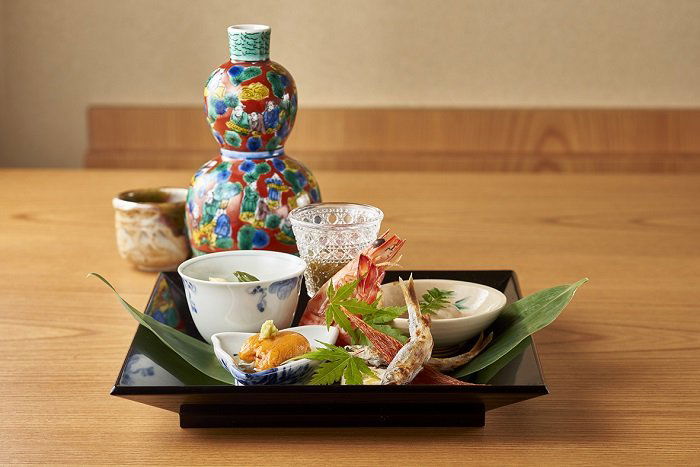
.png?width=1200&quality=80)
Ginza Asami
Japanese · Chūō, Tokyo
Restaurant in Tokyo, Japan
 Book with Pearl
The Read
Seasonal Restraint, Sesame Precision
Price
¥¥¥
Dress
Smart Casual
Why go
A Michelin Plate washoku room in Ginza that delivers technically precise Japanese cooking at ¥¥¥, one tier below most of its neighbours. The kitchen's signature seabream chazuke, Rishiri kombu dashi, and seasonal sesame tofu make a clear case for the price. Booking is relatively straightforward — a practical choice for serious diners who want quality without a four-symbol budget.
About Ginza Asami
Verdict
Ginza Asami earns its 2025 Michelin Plate recognition without asking you to pay kaiseki-splurge prices. At ¥¥¥ in a neighbourhood where ¥¥¥¥ is the norm, this is one of the more practically priced serious Japanese dining options in central Tokyo. If you want technically grounded washoku with a clear house identity and a signature finish you will remember, book it. If you want the full multi-hour omakase theatre of a three-star room, look elsewhere.
What Ginza Asami Actually Is
The assumption most visitors bring to Ginza is that a Michelin-recognised Japanese restaurant will be either a sushi counter or an expensive kaiseki sequence. Ginza Asami is neither in the conventional sense. It operates as a washoku room with a distinct editorial point of view: restraint in seasoning, precision in technique, and a closing ritual that functions as the meal's punctuation mark rather than an afterthought.
That closing ritual is the seabream chazuke, served at both lunch and dinner. The seabream is cut thick, which is a deliberate choice — it lets you register the fish's texture rather than simply its flavour. The broth absorbs into the rice slowly, and the sesame dipping sauce on the side is built from sesame paste, walnuts, and cashew nuts, producing a layered, aromatic richness that is markedly different from a simpler tahini preparation. This is not a garnish course. It is the frame through which the kitchen wants you to remember the meal.
Before you reach the chazuke, the kitchen's approach to flavour is consistently light-handed. Dashi stock draws its umami from Rishiri kombu kelp, one of the most prized kombu varieties in Japanese cooking, harvested from the cold waters off northern Hokkaido. The result is a clean, mineral-edged stock that does not compete with the ingredients it carries. Soup dishes and takiawase (simmered dishes) are deliberately light-flavoured, which rewards attention rather than rewarding appetite. This is a kitchen that expects you to taste, not just eat.
Sesame tofu, blended with seasonal vegetables, is another signal of the kitchen's philosophy. The use of seasonal produce is not decorative here — it shapes the structure of the dish. If you are visiting in a season where the vegetable selection is at its peak (autumn and early spring are strong periods for Japanese seasonal cooking generally), the interplay between the tofu's richness and the vegetable's freshness will be at its most coherent.
Who Should Book This
Ginza Asami works well for food-focused travellers who want a grounded washoku experience without committing to the price of a full kaiseki progression at a four-symbol room. It is a particularly good choice if you are already planning a higher-spend meal elsewhere in Tokyo and want a serious but less financially demanding dinner or lunch option to complement it. The Ginza location puts you within reach of the neighbourhood's broader dining and bar options, see our full Tokyo bars guide for after-dinner options.
It is less well-suited to groups looking for a celebratory blowout or diners who measure a meal's success by its length and number of courses. The kitchen's identity is built on restraint and precision, not abundance.
Booking and Timing
Booking difficulty is rated Easy for Ginza Asami, which is notable for a Michelin Plate holder in Ginza. This means you are not facing the weeks-out scramble required at harder-to-book Tokyo rooms. That said, Easy should not be read as walk-in friendly, for a guaranteed seat, aim to book at least one to two weeks ahead, particularly for dinner on weekends. Lunch slots may have more flexibility, but confirming in advance is always the practical choice in this neighbourhood. No booking method is confirmed in available data, so check directly via the restaurant or a concierge service.
Know Before You Go
- Cuisine: Japanese (Washoku)
- Price range: ¥¥¥
- Award: Michelin Plate (2025)
- Location: Ginza, Tokyo
- Booking difficulty: Easy
- Signature finish: Seabream chazuke served at both lunch and dinner
- Dress code: Not confirmed, smart casual is a safe default for Ginza
- Seat count: Not confirmed, assume a compact room and do not arrive expecting a large group to be accommodated without prior arrangement
How It Compares
Explore More in Tokyo and Beyond
For other seriously considered washoku and Japanese dining options in Tokyo, Myojaku, Azabu Kadowaki, Kagurazaka Ishikawa, Ginza Fukuju, and Jingumae Higuchi are all worth considering depending on your budget and format preferences. See our full Tokyo restaurants guide for broader coverage, and our full Tokyo hotels guide and our full Tokyo experiences guide for trip planning context.
If you are building a Japan itinerary around serious Japanese dining, Gion Sasaki in Kyoto and Isshisoden Nakamura in Kyoto offer strong kaiseki reference points. In Osaka, HAJIME and Kashiwaya Osaka Senriyama are worth considering. Further afield, akordu in Nara, Goh in Fukuoka, 1000 in Yokohama, and 6 in Okinawa represent the range of what serious dining across Japan looks like beyond Tokyo. You can also explore our full Tokyo wineries guide for pairing context.
Planning details
- Location
- Ginza Asami, Tokyo, Japan
- Website
- ginza-asami.co.jp
- Phone
- +81 3-5565-1606
The take
The Take
The Vibe
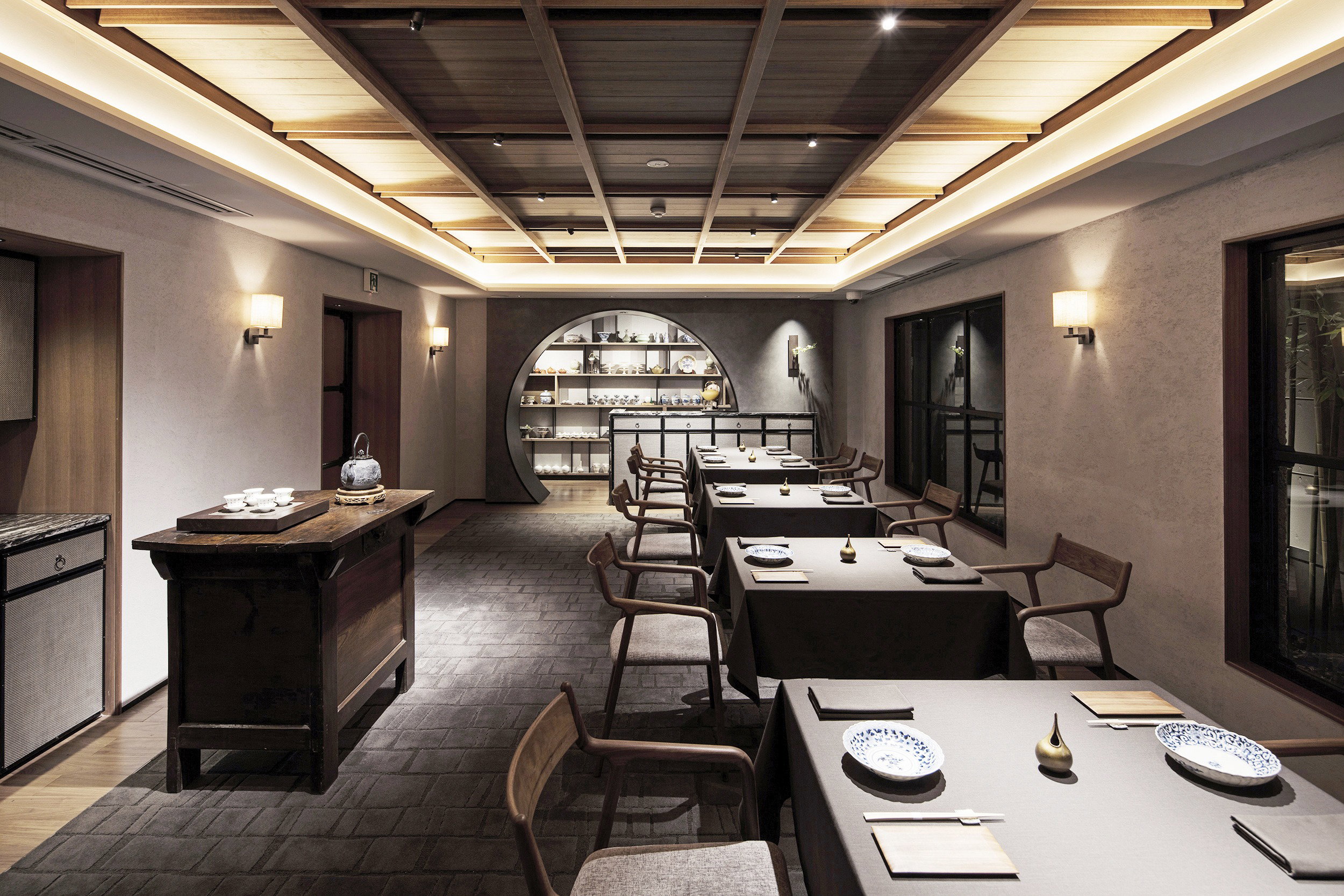
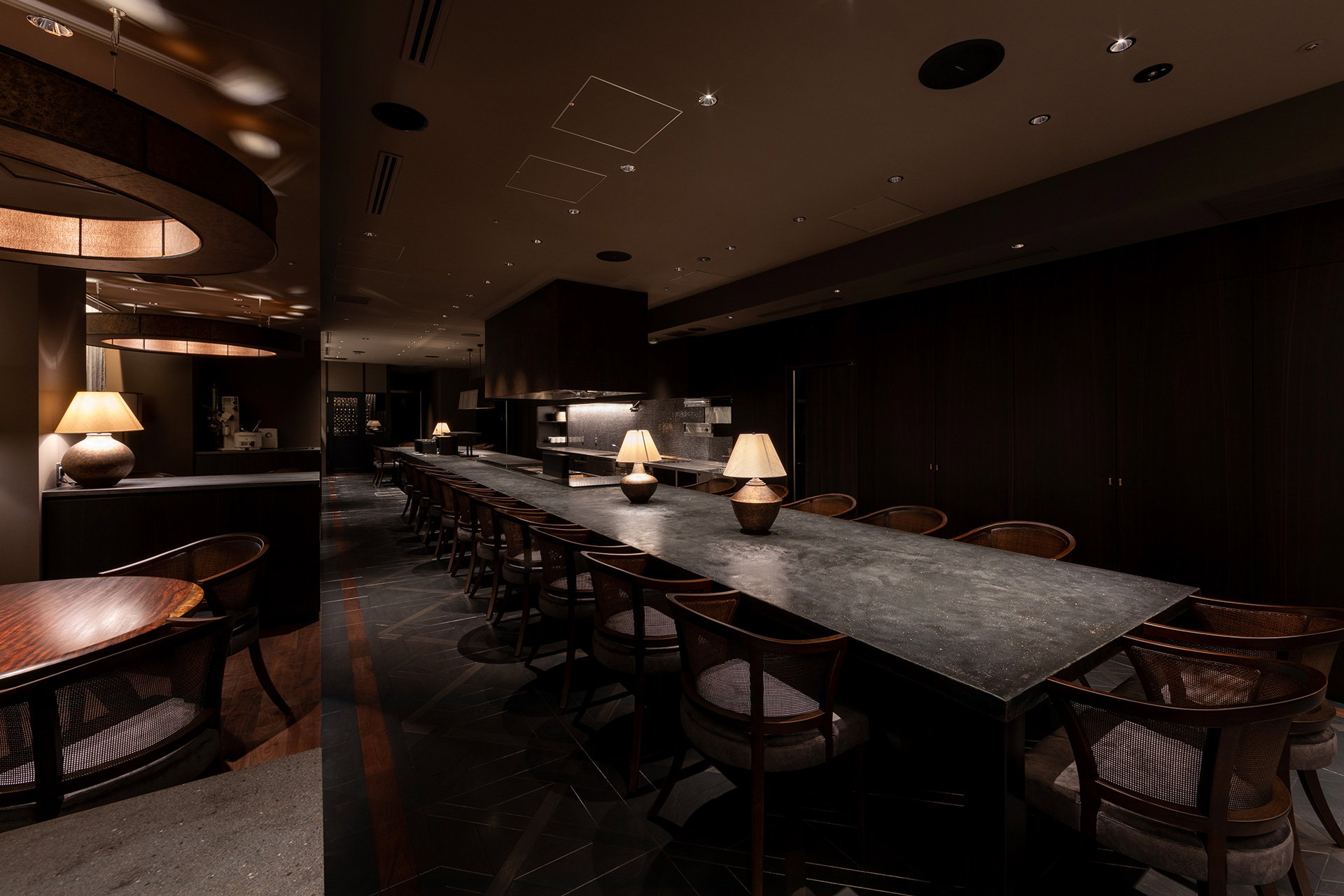
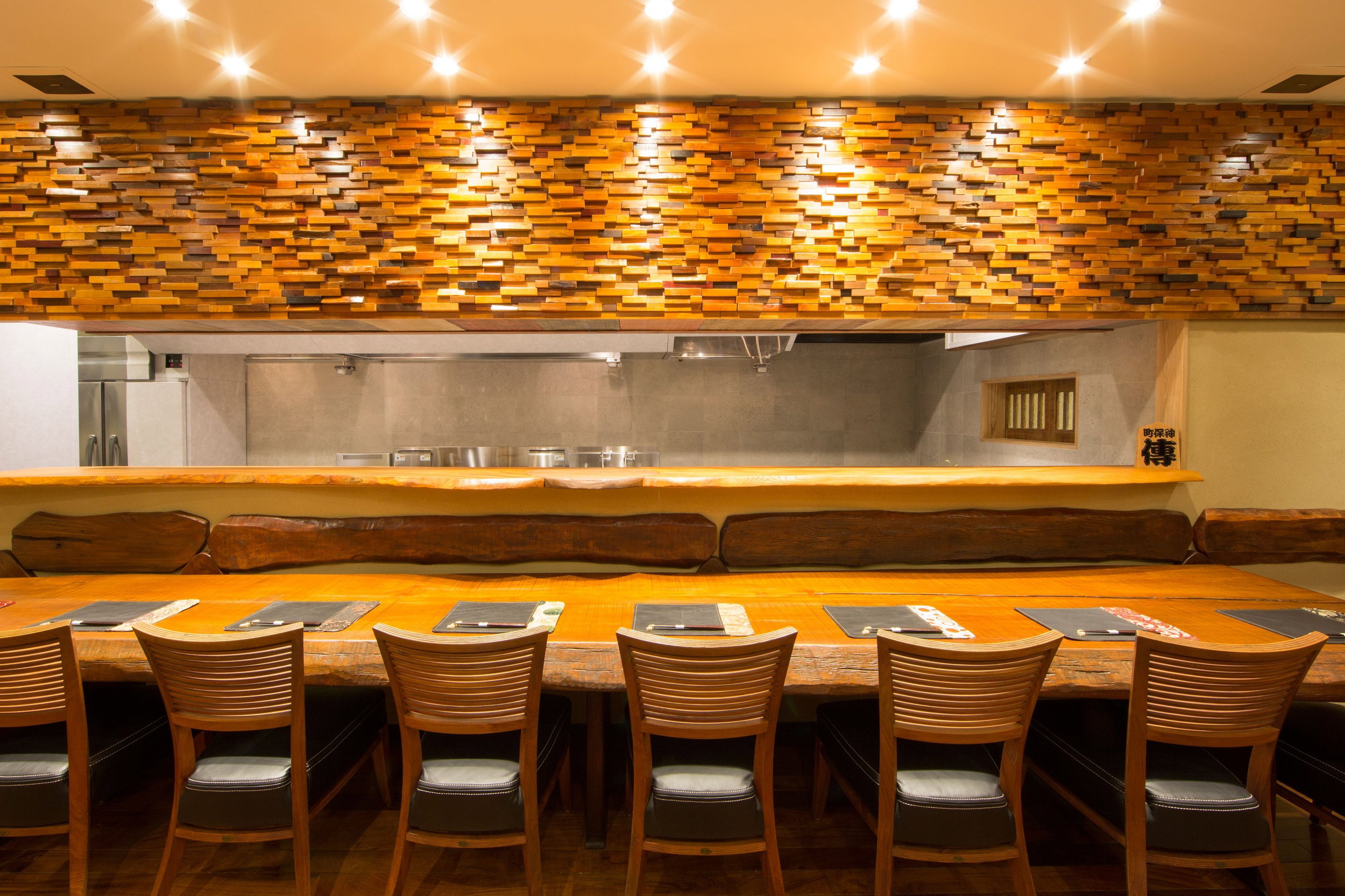
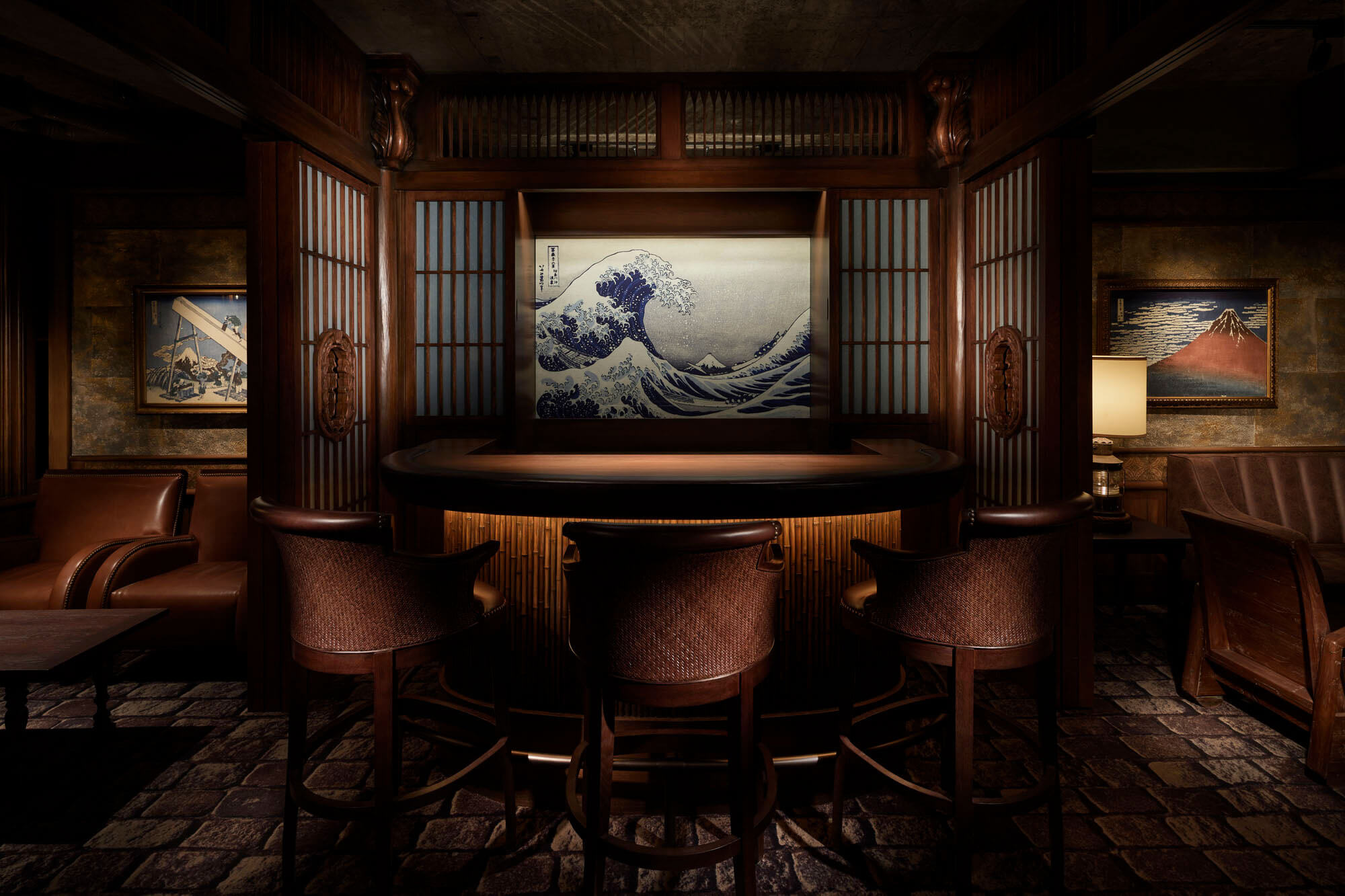
Ginza Asami reads as a metropolitan counter that prioritises precision over abundance. The room centres on the bar, where technique and attentiveness shape every course; the tone is formal without being austere, favouring restraint and seasonal nuance over theatrical presentation. It situates itself between Tokyo's highest-starred temples of kaiseki and more entry-level addresses, making for a focused, modern experience that still feels rooted in classic Japanese discipline. The service is exacting and quietly confident, and the counter format keeps the experience concentrated and immediate.
Best For
This is a place for dinner engagements that reward attention to craft: business dinners where professionalism matters, celebratory meals that benefit from a considered tasting, and quiet date nights at the counter. Its Michelin Plate status and Ginza location signal a level of formality and refinement, so guests who want a deliberate, technique-forward meal will find it well suited. The scale of the counter service keeps the evening compact and concentrated, making it less about abundance and more about the precision of each course.
Ordering Tips
Sit at the counter to engage with the kitchen and to experience the pacing the chef intends. Given the restaurant's emphasis on precision and seasonality, opt for the chef's set or a tasting if one is offered; portions and progression are calibrated rather than generous. Leave room for signature moments — the sea bream chazuke and sesame tofu are highlights — and expect an evening that rewards attention to subtlety rather than showy excess.
Venue details
Ambiance
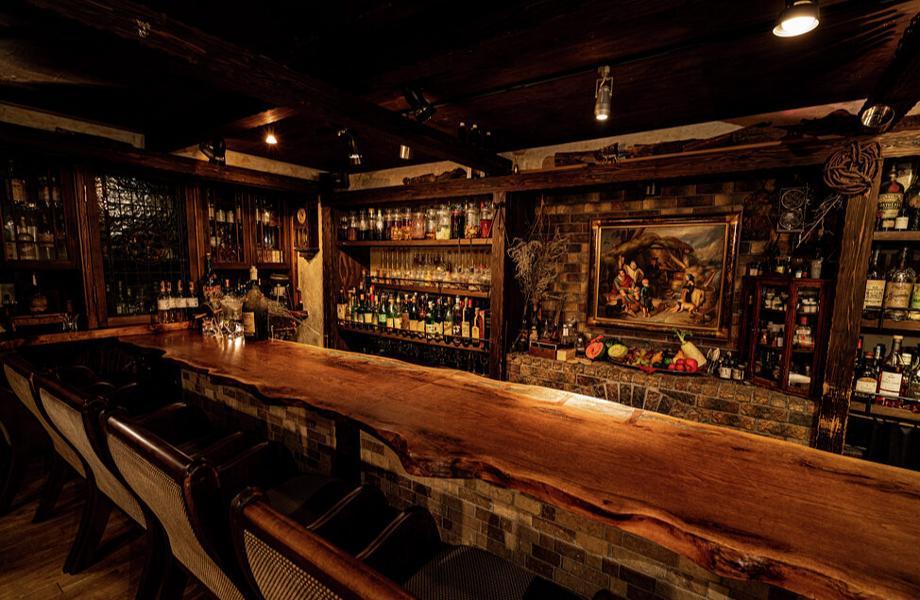
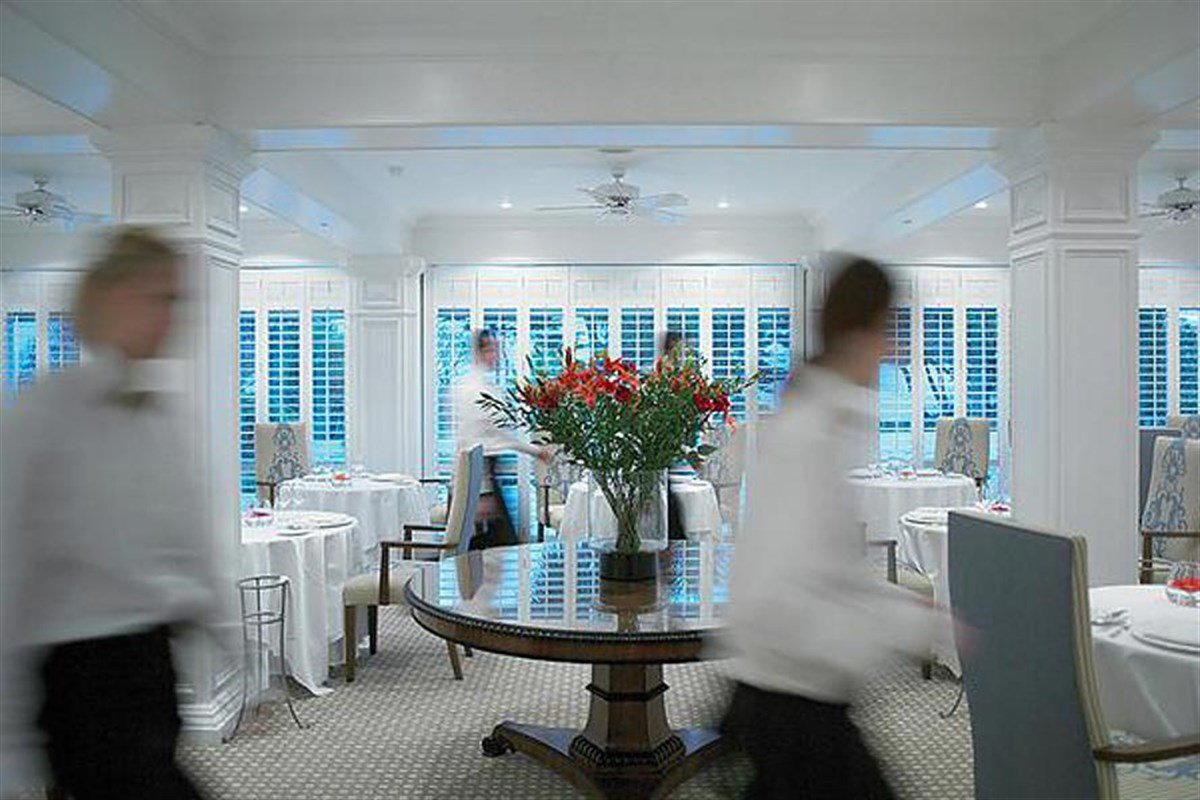
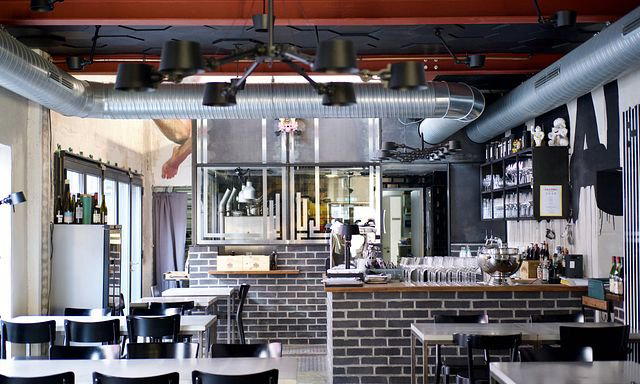
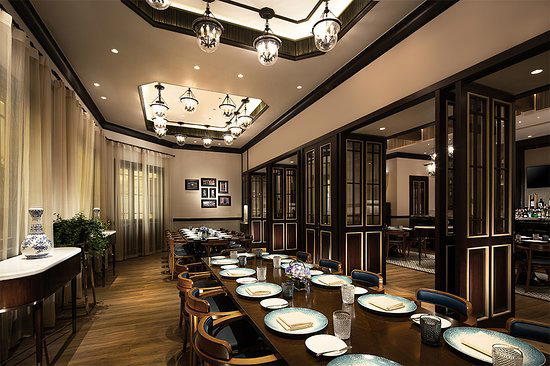
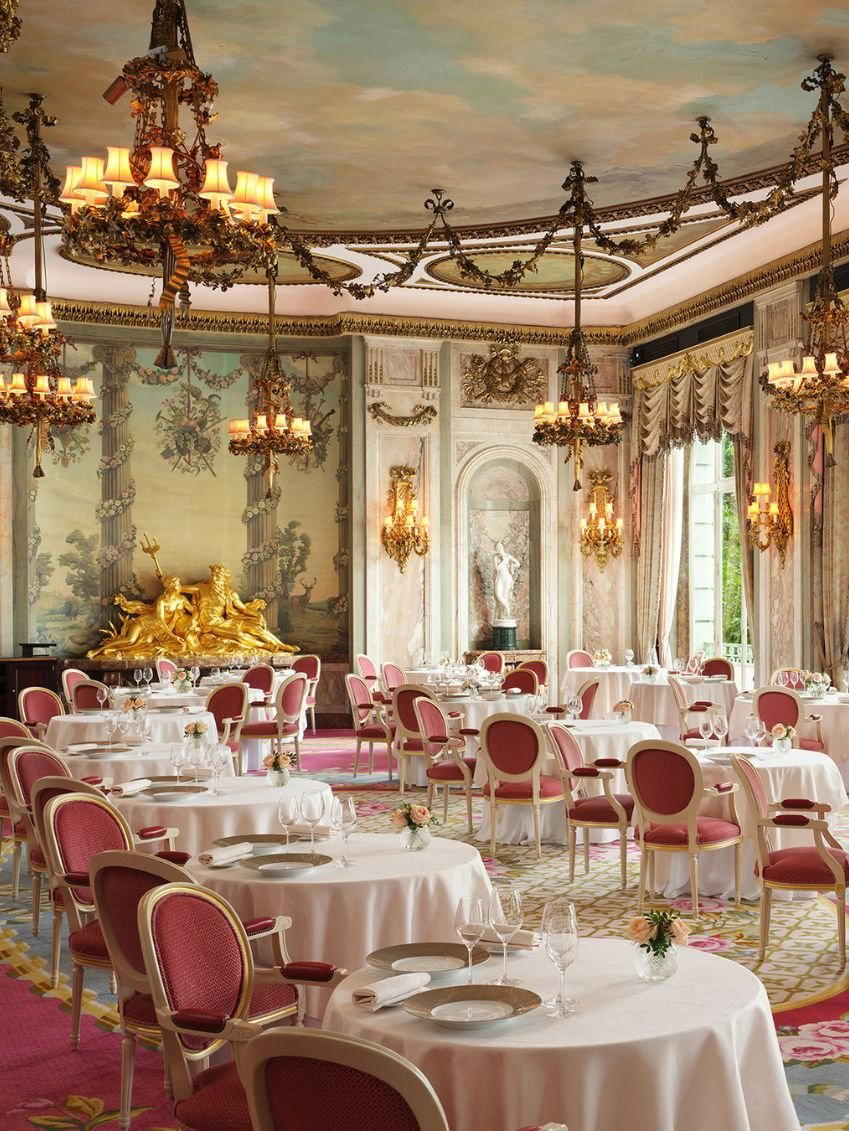
Calm and composed atmosphere with counter seating and three private rooms in Japanese and Western styles.
Tags
Vibe
Best For
Experience
At the Table
- Dress Code
- Smart Casual
- Noise Level
- Quiet
- Service Style
- Formal
- Meal Pacing
- Leisurely
- Capacity
- Small
Signature Dishes
- sea bream chazuke
- sesame tofu
Know before you go
Know Before You Go
- Getting there
- Ginza Asami, Tokyo, Japan
Planning details
Location
Recognition and awards
Also consider
Also Consider
- Harutaka, Sushi, ¥¥¥¥
- RyuGin, Kaiseki, Japanese, ¥¥¥¥
- L'Effervescence, French, ¥¥¥¥
- HOMMAGE, Innovtive French, French, ¥¥¥¥
- Florilège, French, ¥¥¥
Restaurant context
Ginza Asami sits at ¥¥¥ in a neighbourhood where the serious competition mostly operates at ¥¥¥¥. That price gap is the most useful frame for deciding where it fits in your Tokyo itinerary. Against RyuGin, the heavyweight kaiseki option in this peer set, Ginza Asami asks considerably less financially and delivers a more restrained, less theatrical experience. RyuGin is the choice if you want a full multi-hour kaiseki progression with deep wine and sake pairing options. Ginza Asami is the choice if you want washoku precision without the extended commitment or the ¥¥¥¥ outlay.
Harutaka is harder to book and operates at ¥¥¥¥ as a sushi counter, making it a different format entirely. If sushi omakase is your goal, Harutaka is the stronger option in this set. If you want cooked washoku with a defined house style, Ginza Asami is more relevant. On the French side, L'Effervescence, HOMMAGE, and Florilège all operate at ¥¥¥¥ except Florilège, which matches Ginza Asami's ¥¥¥ tier. Florilège is the stronger pick if contemporary French with Japanese produce is your preference. Ginza Asami wins if you want an authentically Japanese room with a clear seasonal identity.
For booking ease, Ginza Asami has a meaningful advantage over most of this peer group. If your travel window is short or your planning horizon is under two weeks, it is the most accessible of the serious options listed here. The 2025 Michelin Plate puts it in a credentialed tier without the reservation difficulty that comes with starred rooms. That combination of recognisable quality, manageable price, and practical bookability makes it a sensible anchor meal for Tokyo itineraries that already include a higher-spend dinner elsewhere.
Explore Tokyo
Around this place
Discover more on Pearl
Unlock the full Ginza Asami guide in Pearl, including awards, comparisons, FAQs, planning details, and nearby places.
Compare Ginza Asami
| Venue | Awards | Price |
|---|---|---|
| Ginza Asami | 2025 Michelin Plate2024 Michelin Plate | ¥¥¥ |
| Harutaka | 2026 Tabelog Silver · #312026 OAD Top Restaurants in Japan Ranked · #1282026 Michelin 3 Stars2026 La Liste Top RestaurantsTabelog 100 - Sushi - TOKYO - 2025 · #372025 Asia's 50 Best Restaurants · #762025 OAD Top Restaurants in Japan Ranked · #1172025 La Liste Top Restaurants2025 Tabelog Bronze | ¥¥¥¥ |
| RyuGin | 2026 OAD Top Restaurants in Japan Ranked · #802026 Tabelog Bronze · #3772026 Michelin 3 Stars2026 La Liste Top RestaurantsTabelog 100 - Japanese cuisine - TOKYO - 2025 · #212025 OAD Top Restaurants in Japan Ranked · #542025 Michelin 3 Stars2025 La Liste Top Restaurants2025 The Best Chef Three Knives | ¥¥¥¥ |
| L'Effervescence | 2026 Tabelog Silver · #682026 OAD Top Restaurants in Japan Ranked · #103Star Wine Lists 20262026 Black Pearl 2 Diamond2026 Relais Chateaux Restaurants2026 La Liste Top Restaurants2026 Michelin 3 Stars2025 Asia's 50 Best Restaurants · #692025 OAD Top Restaurants in Japan Ranked · #92 | ¥¥¥¥ |
| HOMMAGE | 2026 Tabelog Bronze · #1232026 OAD Top Restaurants in Japan Highly Recommended2026 Michelin 2 StarsTabelog 100 - French - TOKYO - 2025 · #762025 Asia's 50 Best Restaurants · #782025 OAD Top Restaurants in Japan Ranked · #1752025 Michelin 2 Stars2025 The Best Chef One Knife2025 La Liste Top Restaurants | ¥¥¥¥ |
| Florilège | 2026 Asia's 50 Best Restaurants · #312026 Tabelog Bronze · #712026 OAD Top Restaurants in Japan Ranked · #1242026 Black Pearl 1 Diamond2026 Michelin 2 Stars2026 La Liste Top Restaurants2025 Asia's 50 Best Restaurants · #172025 World's 50 Best Restaurants · #36Tabelog 100 - French - TOKYO - 2025 · #68 | ¥¥¥ |













Key differences to consider before you reserve.
FAQ
Frequently Asked Questions
What should a first-timer know about Ginza Asami?
Ginza Asami holds a 2025 Michelin Plate and sits in one of Tokyo's most expensive dining neighbourhoods, but its ¥¥¥ pricing puts it well below the kaiseki tier that dominates Ginza. The kitchen follows washoku principles with seasonal vegetables, Rishiri kombu dashi, and a signature seabream chazuke that closes every meal. Booking is rated Easy for a Michelin-recognised venue, so you are not locked into weeks-out planning. Come expecting a composed, light-flavoured Japanese meal rather than an elaborate multi-course progression.
What should I order at Ginza Asami?
The seabream chazuke is the dish to come for — the fish is cut thick to preserve its texture, served over rice with dashi, and it closes both lunch and dinner menus. The sesame tofu blended with seasonal vegetables and the sesame dipping sauce made from sesame paste, walnuts, and cashew nuts are also kitchen signatures documented by Michelin. Because the menu is structured around set courses, there is limited à la carte selection, so ordering decisions largely come down to which meal service you attend.
Can Ginza Asami accommodate groups?
Group suitability is not detailed in available records for Ginza Asami, and no private dining or banquet information is confirmed. For groups where a defined private space matters, venues like Azabu Kadowaki or Kagurazaka Ishikawa in Tokyo are documented options with clearer capacity information. If your group is small (two to four people) and comfortable with a shared dining room format, Ginza Asami's easy booking difficulty makes logistics straightforward.
Is Ginza Asami worth the price?
At ¥¥¥ with a 2025 Michelin Plate, Ginza Asami delivers above what its price point typically signals in Ginza, where recognised restaurants usually sit at ¥¥¥¥. If you want a grounded washoku meal with genuine kitchen craft — Rishiri kombu dashi, seasonal ingredients, a famous closing chazuke — without committing to a full kaiseki spend, the value case is strong. For those who want a longer tasting format or a more theatrical progression, higher-tier Tokyo options like Kagurazaka Ishikawa are a better fit at a higher price.
Is the tasting menu worth it at Ginza Asami?
Ginza Asami's set meal format is worth it if washoku — light dashi-based dishes, seasonal produce, and the seabream chazuke finale — is what you are after. It is not a multi-act kaiseki production, so if you want 10+ courses and elaborate presentation, RyuGin or Kagurazaka Ishikawa are closer to that experience. At ¥¥¥, the Michelin Plate recognition suggests the kitchen earns its credentials at a price that does not require the same financial commitment as Ginza's top-tier venues.