.png?width=1200&quality=80)
Ginza Adachi Naoto
Japanese · Chūō, Tokyo
Restaurant in Tokyo, Japan
 Book with Pearl
The Read
Ryotei Lineage Kaiseki
Price
¥¥¥
Dress
Smart Casual
Why go
A Michelin Plate recipient for 2024 and 2025, Ginza Adachi Naoto delivers ryotei-trained technique at a ¥¥¥ price point that is genuinely competitive for central Ginza. The seasonal iimushi amuse-bouche and konnyaku soba closer signal a kitchen that sequences a meal with real care. Book dinner for occasions, pursue lunch if available for the stronger value entry.
About Ginza Adachi Naoto
A Michelin-recognised ryotei heir in Ginza worth booking for its seasonal precision
Ginza Adachi Naoto is not a room that markets itself loudly, and the score suggests it does not need to. The venue holds a Michelin Plate in both 2024 and 2025, the guide's signal that this is cooking worth seeking out even if a star has not been awarded. For a ¥¥¥ price point in a neighbourhood where ¥¥¥¥ restaurants dominate the conversation, that combination of recognition and relative accessibility makes it one of the more considered choices in central Tokyo right now.
What Adachi Naoto is doing
The kitchen is grounded in ryotei tradition, the formal Japanese banquet culture where technique and seasonal sourcing are inseparable. Right now, in the current season, that means the kitchen is drawing on autumn and early-winter produce: the signature iimushi, a mochi rice steamed with fish and served as an amuse-bouche, arrives paired with seasonal accompaniments such as sea urchin, salmon roe, and chestnut. These are not decorative flourishes. The pairing of iimushi with ingredients at their seasonal peak is the kitchen's statement of intent in miniature, and it tells you quickly whether the meal is going to be worth your time. Based on the Michelin assessors' two consecutive Plate awards, it is.
The meal closes not with rice, as most Japanese tasting menus do, but with konnyaku soba, devil's-tongue noodles, a deliberate structural choice designed to ease the fullness that accumulates over a long menu. That kind of considered hospitality, the sequencing of dishes to look after the diner rather than to impress a critic, is a hallmark of ryotei culture done seriously. If you have eaten here once and remember the appetisers, the konnyaku soba close is worth your attention on the next visit.
Lunch versus dinner: which to book
Specific hours are not confirmed in available data but Ginza ryotei-adjacent restaurants of this category typically operate a lunch service and an evening service, with lunch often representing the stronger value proposition. A ryotei-trained kitchen at ¥¥¥ is already accessible by Ginza standards. If lunch is available here, it is almost certainly the sharper price-to-quality entry point, a meaningful consideration when you are comparing it against RyuGin or other kaiseki venues that price their evening menus at ¥¥¥¥ and hold lunch at a lower tier. Confirm availability directly when booking, but if you are returning after a first dinner visit, try the lunch format to see whether the seasonal menu changes or compresses at midday.
Evening bookings suit a longer commitment to the format: the ryotei structure rewards unhurried eating, and the konnyaku soba closer makes more sense at the end of an evening than as a midday interlude. For a special occasion, dinner is the call. For a solo or couple visit where value matters as much as experience, lunch, if available, is worth pursuing.
Getting there and booking
The address is 7 Chome-6-5, Ishii Kishiya Building 2F, Ginza, Chuo City. The nearest stations are Ginza and Higashi-Ginza on the Tokyo Metro, both within a short walk. The second-floor location means the entrance requires finding, so allow a minute or two to locate the building. Booking difficulty is rated Easy which is a relative advantage over more heavily sought-after Ginza rooms. No phone number or website is confirmed in available data, so booking through a hotel concierge or a restaurant reservation platform is the most reliable approach. Dress expectations at a Michelin-recognised Ginza Japanese restaurant of this category lean smart-casual at minimum; the ryotei tradition leans formal, so erring towards neat and understated is the right call.
How It Compares
See the comparison section below for how Adachi Naoto sits against its Tokyo peers.
Broader Japan context
If Ginza Adachi Naoto fits your appetite for technique-driven Japanese cooking, the same sensibility applies across Japan's major cities. Gion Sasaki in Kyoto and Isshisoden Nakamura in Kyoto offer kaiseki in the city where the format originated. Kashiwaya Osaka Senriyama in Osaka and HAJIME in Osaka represent the Osaka range from tradition to innovation. For something farther afield, Goh in Fukuoka and akordu in Nara extend the itinerary. Within Tokyo, Myojaku, Azabu Kadowaki, Kagurazaka Ishikawa, Ginza Fukuju, and Jingumae Higuchi are all worth considering alongside Adachi Naoto when building a Tokyo restaurant list. For the full picture, see our full Tokyo restaurants guide, and our Tokyo hotels guide, Tokyo bars guide, Tokyo wineries guide, and Tokyo experiences guide for broader planning. You can also consider 1000 in Yokohama and 6 in Okinawa if your Japan itinerary extends beyond the capital.
Planning details
- Location
- Japan, 〒104-0061 Tokyo, Chuo City, Ginza, 7 Chome−6−5 石井紀州屋ビル 2F
- Website
- ggb2600.gorp.jp
- Phone
- +81 50-5487-6301
The take
The Take
The Vibe
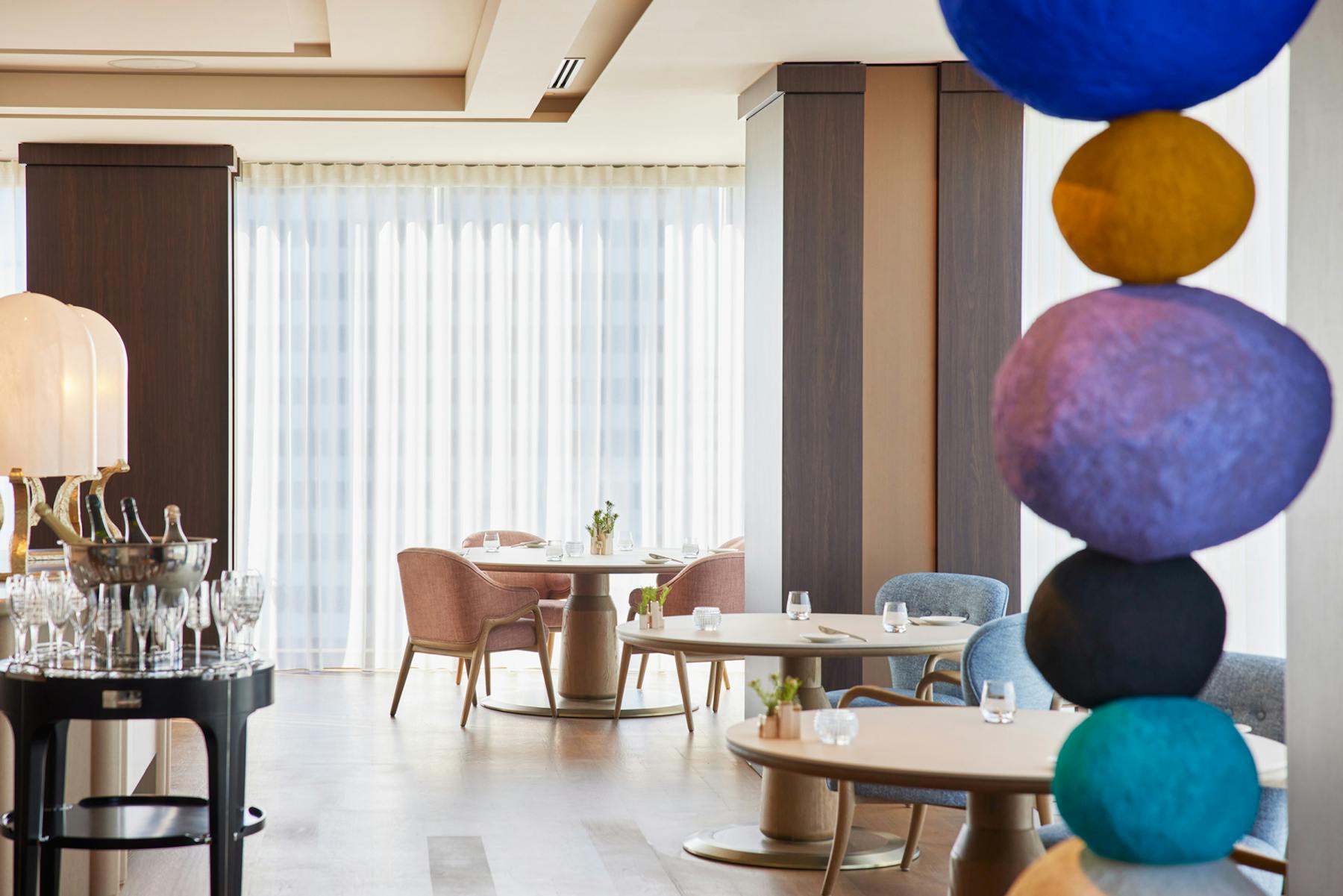
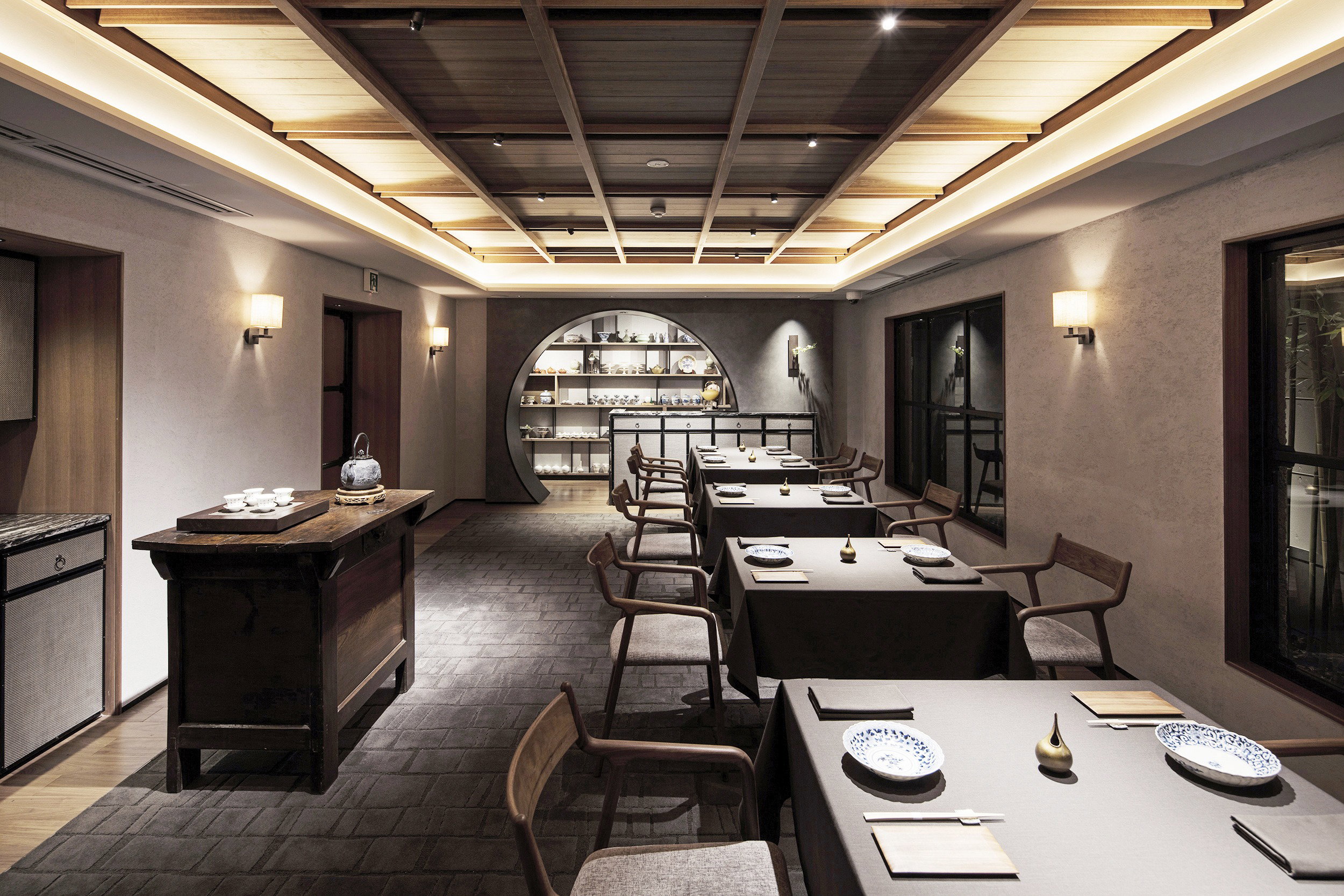
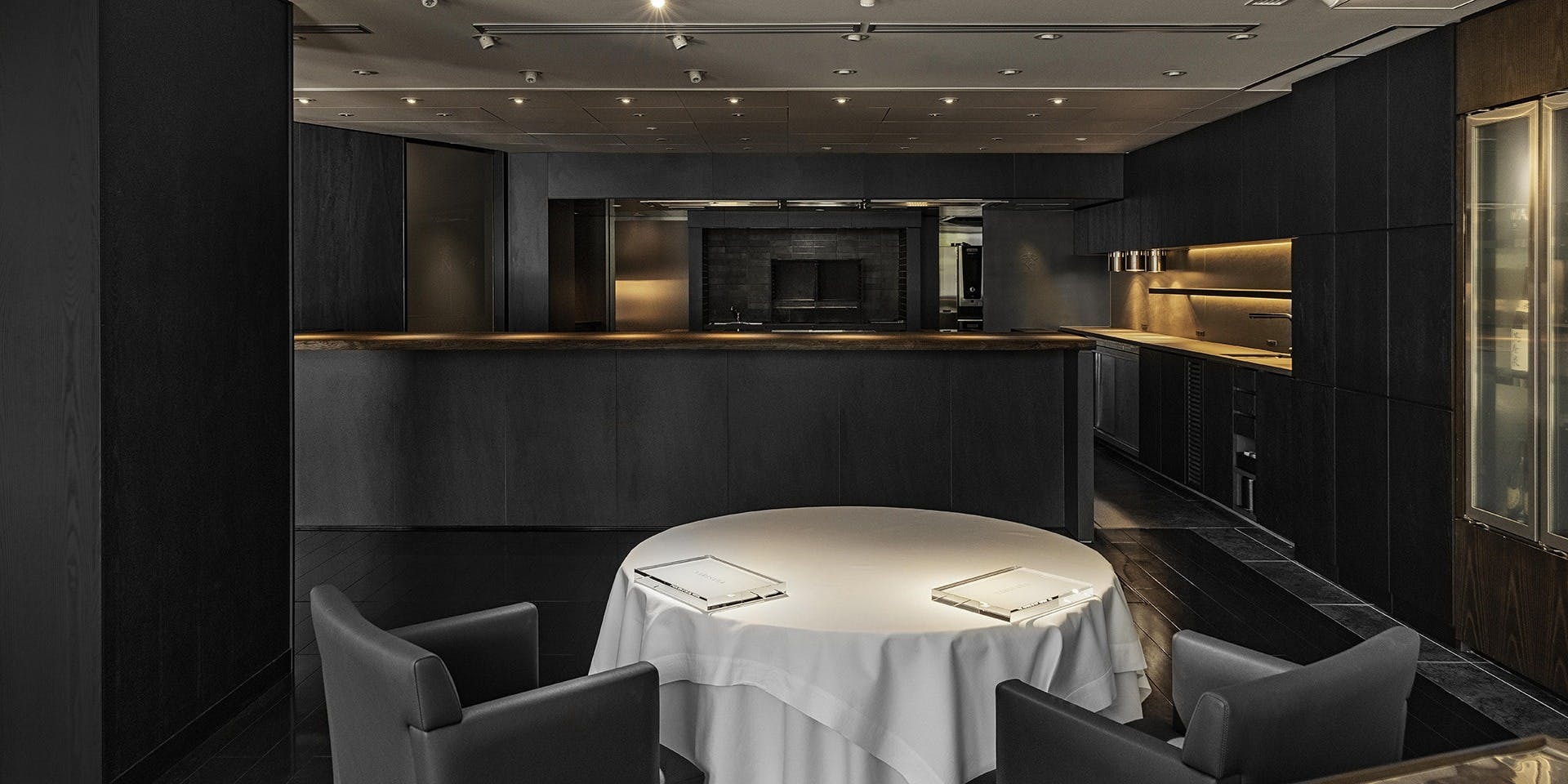
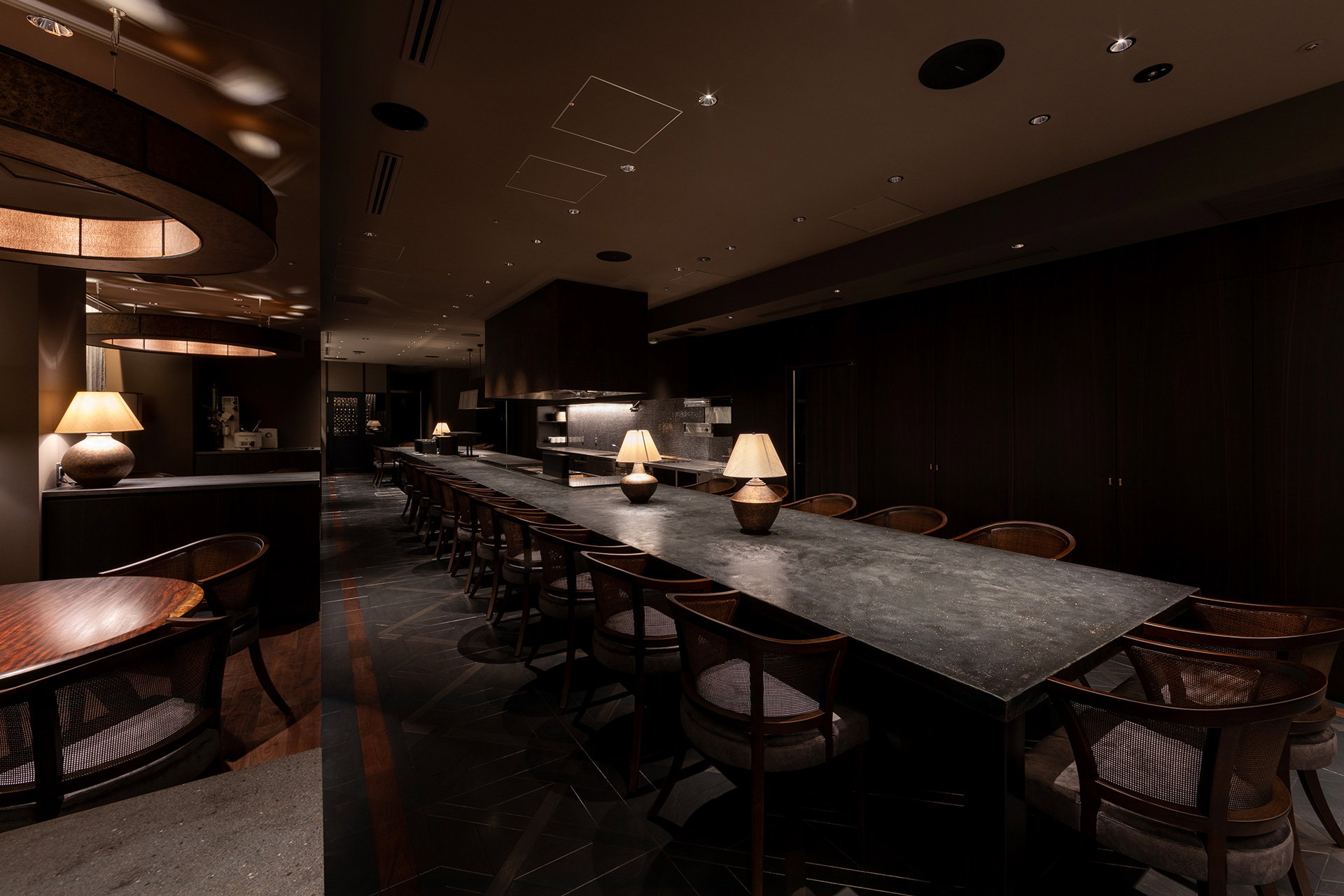
Ginza Adachi Naoto sits quietly above street level, the kind of second-floor room that favors discretion over spectacle. The dining experience is shaped by a ryotei lineage: apprenticeship, repetition and technical restraint inform every plate. There is little in the way of architectural flourish; instead the kitchen lets its craft speak through painstakingly prepared appetisers and seasonally driven courses. The Michelin Plate recognition underscores a disciplined, traditionally minded approach. Expect an elegant, unobtrusive atmosphere where simplicity is deliberate and the focus is squarely on technique and seasonal precision.
Best For
This is a place for focused, formal evenings—well suited to date nights, business dinners and small celebrations that value culinary discipline over theatrics. The discreet upstairs address and ryotei-rooted service create a setting where conversation and careful tasting sit comfortably alongside an unshowy, respectful presentation of food. It’s not a loud, buzzy spot for big groups or casual hangouts; instead it rewards diners who seek a composed, traditional multi-course experience in Ginza, where the merit of each dish is the primary draw.
Ordering Tips
Adachi Naoto’s strengths lie in seasonality and technique—approach the menu expecting carefully layered, restrained courses rather than flashy statements. The kitchen’s take on seasonal iimushi and konnyaku soba are highlighted preparations worth trying; ask about the day’s compositions to understand how technique informs each bite. Portions and plating reflect ryotei discipline, so pace yourself through the tasting sequence and savour the subtlety in dashi and ingredient handling. Staff knowledge about seasonal items will help you choose the most representative dishes.
Venue details
Ambiance
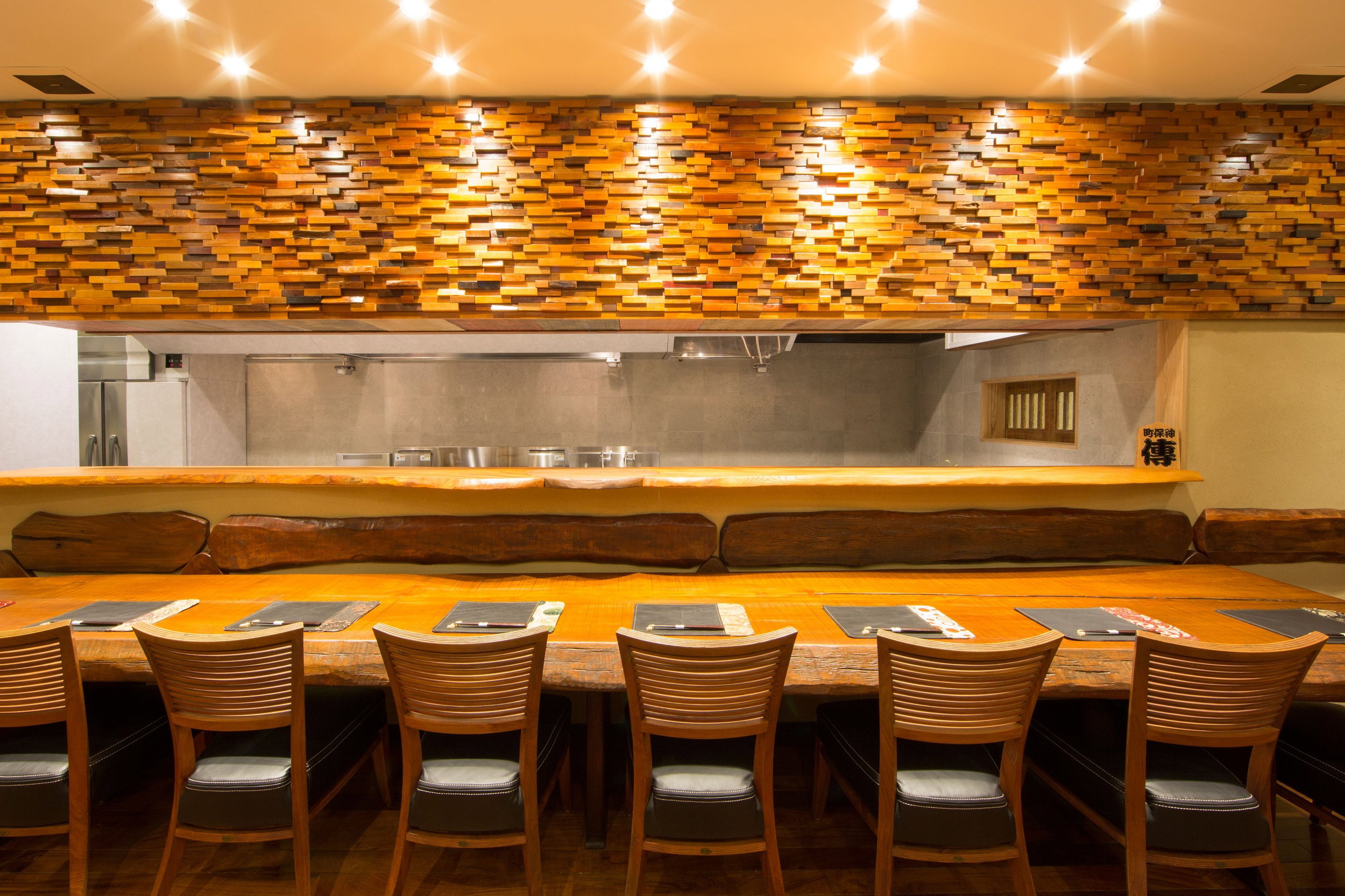
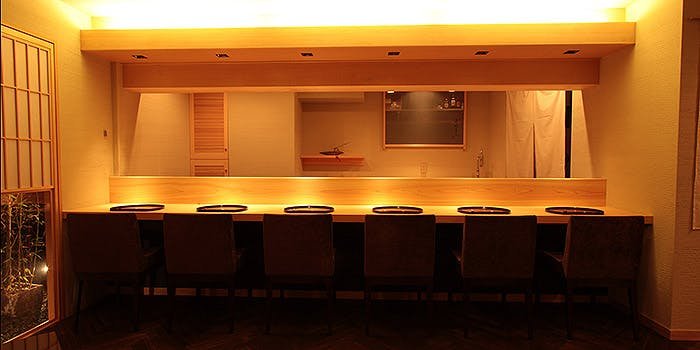
Serene and elegant with a calming white wooden counter and table seating; understated charm with a relaxed yet refined atmosphere that encourages intimate conversation and focused appreciation of the cuisine.
Tags
Vibe
Best For
Experience
Sourcing
At the Table
- Dress Code
- Smart Casual
- Noise Level
- Quiet
- Service Style
- Omakase Bar
- Meal Pacing
- Extended Experience
- Capacity
- Intimate
Signature Dishes
- seasonal iimushi
- konnyaku soba
Know before you go
Know Before You Go
- Getting there
- Japan, 〒104-0061 Tokyo, Chuo City, Ginza, 7 Chome−6−5 石井紀州屋ビル 2F
Planning details
Location
Japan, 〒104-0061 Tokyo, Chuo City, Ginza, 7 Chome−6−5 石井紀州屋ビル 2F · Directions
Recognition and awards
Also consider
Also Consider
- Harutaka, Sushi, ¥¥¥¥
- RyuGin, Kaiseki, Japanese, ¥¥¥¥
- L'Effervescence, French, ¥¥¥¥
- HOMMAGE, Innovtive French, French, ¥¥¥¥
- Florilège, French, ¥¥¥
Restaurant context
At ¥¥¥, Ginza Adachi Naoto sits a full price tier below most of its immediate Ginza competition. RyuGin at ¥¥¥¥ is the reference standard for kaiseki in Tokyo, with multiple Michelin stars and a reputation for theatrical precision that Adachi Naoto does not attempt to match. If you want the full kaiseki spectacle and can absorb the higher spend, RyuGin is the stronger choice. If you want ryotei-rooted seasonal cooking at a price that does not require a special justification, Adachi Naoto is the more accessible option with comparable technical seriousness at the appetiser level.
Harutaka at ¥¥¥¥ is a sushi counter rather than a kaiseki room, which makes it a different format decision as much as a price comparison. If the meal structure you want is a counter-format omakase progression, Harutaka is the booking to pursue. If you prefer the seated, multi-course ryotei format with steamed and simmered courses, Adachi Naoto holds its own. The French options in the peer set, L'Effervescence, HOMMAGE, and Florilège, are useful comparisons for budget positioning: Florilège at ¥¥¥ is the closest French equivalent by price tier, but the experience is French innovation rather than Japanese tradition, so the comparison is mainly about spend, not style.
For a first Tokyo kaiseki booking, RyuGin is the safer bet for guaranteed ambition. For a return visitor who has done the ¥¥¥¥ circuit and wants to explore the ryotei tradition at a more measured price, Ginza Adachi Naoto is the more interesting next step. Booking is rated Easy here, which is a practical advantage over the more heavily reserved rooms in Tokyo's upper tier.
Explore Tokyo
Around this place
Discover more on Pearl
Unlock the full Ginza Adachi Naoto guide in Pearl, including awards, comparisons, FAQs, planning details, and nearby places.
Compare Ginza Adachi Naoto
| Venue | Cuisine | Awards | Booking Difficulty |
|---|---|---|---|
| Ginza Adachi Naoto | Japanese | 2026 Michelin Plate2025 Michelin Plate2024 Michelin Plate | Easy |
| Harutaka | Sushi | 2026 Tabelog Silver · #312026 OAD Top Restaurants in Japan Ranked · #1282026 Michelin 3 Stars2026 La Liste Top RestaurantsTabelog 100 - Sushi - TOKYO - 2025 · #372025 Asia's 50 Best Restaurants · #762025 OAD Top Restaurants in Japan Ranked · #1172025 La Liste Top Restaurants2025 Tabelog Bronze | Unknown |
| RyuGin | Kaiseki, Japanese | 2026 OAD Top Restaurants in Japan Ranked · #802026 Tabelog Bronze · #3772026 Michelin 3 Stars2026 La Liste Top RestaurantsTabelog 100 - Japanese cuisine - TOKYO - 2025 · #212025 OAD Top Restaurants in Japan Ranked · #542025 Michelin 3 Stars2025 La Liste Top Restaurants2025 The Best Chef Three Knives | Unknown |
| L'Effervescence | French | 2026 Tabelog Silver · #682026 OAD Top Restaurants in Japan Ranked · #103Star Wine Lists 20262026 Black Pearl 2 Diamond2026 Relais Chateaux Restaurants2026 La Liste Top Restaurants2026 Michelin 3 Stars2025 Asia's 50 Best Restaurants · #692025 OAD Top Restaurants in Japan Ranked · #92 | Unknown |
| HOMMAGE | Innovtive French, French | 2026 Tabelog Bronze · #1232026 OAD Top Restaurants in Japan Highly Recommended2026 Michelin 2 StarsTabelog 100 - French - TOKYO - 2025 · #762025 Asia's 50 Best Restaurants · #782025 OAD Top Restaurants in Japan Ranked · #1752025 Michelin 2 Stars2025 The Best Chef One Knife2025 La Liste Top Restaurants | Unknown |
| Florilège | French | 2026 Asia's 50 Best Restaurants · #312026 Tabelog Bronze · #712026 OAD Top Restaurants in Japan Ranked · #1242026 Black Pearl 1 Diamond2026 Michelin 2 Stars2026 La Liste Top Restaurants2025 Asia's 50 Best Restaurants · #172025 World's 50 Best Restaurants · #36Tabelog 100 - French - TOKYO - 2025 · #68 | Unknown |













Comparing your options in Tokyo for this tier.
FAQ
Frequently Asked Questions
Is Ginza Adachi Naoto worth the price?
For the format, yes. The ¥¥¥ pricing sits at the serious end of Ginza dining, but the Michelin Plate recognition in both 2024 and 2025 confirms the kitchen is delivering at a consistent level. The ryotei-rooted approach — seasonal iimushi as amuse-bouche, sea urchin, salmon roe and chestnut pairings, konnyaku soba to close — reflects meticulous sourcing and technique you won't find at a standard kaiseki restaurant. If you're paying Ginza prices, this is one of the addresses where the money goes to the plate rather than the fit-out.
What should I wear to Ginza Adachi Naoto?
No dress code is documented in the available data, but the context is clear: a ryotei-tradition kitchen on a Ginza address, Michelin-noted, ¥¥¥ pricing. Business casual at minimum is appropriate, and formal attire is never out of place. Avoid casual or sportswear — the room and the food signal that the visit is an occasion.
Is the tasting menu worth it at Ginza Adachi Naoto?
The structure of the meal — seasonal iimushi amuse-bouche, fish and mochi rice courses, sea urchin, salmon roe and chestnut pairings, closing with konnyaku soba to ease digestion — is not a conventional tasting menu but a ryotei sequence where each course has a specific function. If that format suits you, the Michelin Plate recognition across two consecutive years suggests the execution holds up. If you want à la carte flexibility, this is not the right room.
What are alternatives to Ginza Adachi Naoto in Tokyo?
For Michelin-starred Japanese cooking with more name recognition, RyuGin in Roppongi operates at a higher award tier and broader international profile. Harutaka in Ginza covers similar Ginza ground with a sushi-counter format if raw fish is the priority. L'Effervescence and Florilège are strong alternatives if French-influenced technique is more your direction. Adachi Naoto's value is its ryotei purity at a price point below Tokyo's Michelin-starred tier.
Is Ginza Adachi Naoto good for a special occasion?
Yes, with one condition: you should want the ryotei format. The seasonal precision, the thoughtfully sequenced courses, and the Ginza address make it a credible choice for a meaningful meal. It is not a high-energy celebratory room — the ryotei tradition runs quieter and more deliberate than that. For a birthday dinner or anniversary where the food itself is the event, it fits well.