.png?width=1200&quality=80)
fragment Azabujuban
Italian · Minato, Tokyo
Restaurant in Tokyo, Japan
 Book with Pearl
The Read
Nationwide-Sourced Italian Counter
Price
$150–200per person
Dress
Smart Casual
Why go
A Michelin Plate Italian restaurant in Azabujuban built around Japan's regional seafood networks, with a particular focus on tuna — carpaccio, roast cheek, salad. At ¥¥¥, it is one of the more affordable and genuinely specific Italian options in Tokyo. Booking is easy; lunch pasta is the low-commitment entry point, dinner à la carte is where the full concept plays out.
About fragment Azabujuban
Verdict
Book fragment Azabujuban if you want Italian food in Tokyo that takes Japan's ingredient culture seriously. Its concept — Italian cuisine built around Japanese regional produce, particularly tuna sourced through intermediate wholesalers across the country — is specific enough to matter. Holding a Michelin Plate in both 2024 and 2025, it sits below the starred tier but well above generic Italian in the city. At ¥¥¥ pricing, it is more accessible than most of its Azabu-area competition. That is either a feature or a warning, depending on what you are after.
Portrait
The address puts fragment Azabujuban on the second floor of a building in Azabujuban, a neighbourhood that sits between the embassies of Minato-ku and the more frenetic energy of Roppongi. The setting signals deliberate restraint. This is not a destination designed around spectacle. What you see on the plate is where the ambition lives.
The organising idea is Italian cuisine assembled from Japanese geography. The kitchen uses the country's regional seafood networks to source ingredients that most Italian restaurants in Tokyo, including well-regarded names like Aroma Fresca and Principio, source more conventionally. The standout is tuna, handled here with a level of focus that reflects the chef's clear specialisation: carpaccio, tuna salad, roast cheek of tuna. These are not decorative nods to Japan. They represent a sourcing relationship with intermediate tuna wholesalers that few Italian restaurants in the country have built.
For explorers who track how chefs use Japan's ingredient distribution infrastructure, this is genuinely interesting territory. Italy and Japan share an obsession with provenance and regional specificity, and fragment Azabujuban is one of the more coherent attempts to let those two sensibilities speak to each other. Compare this approach with PRISMA, which works a different creative register, or Gucci Osteria da Massimo Bottura Tokyo, where Italian identity is the primary frame. Fragment positions Japan's geography as the ingredient engine and Italian technique as the vehicle. The distinction is meaningful if you are choosing between them.
The format is structured to encourage different visit styles. Lunchtime centres on pasta, making it an entry point at a lower commitment level. Evenings open into an extensive à la carte menu, which gives you more room to explore the tuna-focused programme. There is no indication of a formal tasting menu, but the à la carte breadth is enough to build a considered meal. For explorers who prefer to direct their own progression through a menu rather than surrender to a set sequence, this structure is a practical advantage.
Drinks
No specific drinks data is available for fragment Azabujuban. Given the Italian framing, expect a wine list oriented toward Italian regions, which at this price point and concept level in Tokyo typically means reasonable depth without the cellar scale of a place like AlCeppo. If the drinks programme is a primary consideration for your visit, confirm the list directly with the restaurant before booking. For a serious cocktail-first evening in Tokyo, the city has dedicated bar options covered in our full Tokyo bars guide.
Booking
Booking here is rated Easy. One to two weeks' notice should be sufficient for most visits, though weekend evenings in Azabujuban can tighten up. Walk-ins at lunch are more plausible than at dinner. No phone number or direct booking URL is listed in our records; contact the restaurant through standard discovery channels or the building's second-floor office.
Practical Details
| Detail | fragment Azabujuban | Florilège (peer) | Aroma Fresca (peer) |
|---|---|---|---|
| Cuisine | Italian (Japan-sourced) | French | Italian |
| Price range | ¥¥¥ | ¥¥¥ | ¥¥¥¥ |
| Recognition | Michelin Plate 2024, 2025 | Michelin starred | Michelin starred |
| Booking difficulty | Easy | Moderate | Moderate–Hard |
| Leading for | Ingredient-focused Italian | Modern French tasting | Classic Italian in Tokyo |
| Lunch option | Yes (pasta) | Yes | Yes |
How It Compares
See the comparison section below for fragment Azabujuban against its Tokyo peers.
Further Exploration
If Italian food in Asia with serious regional intent interests you, cenci in Kyoto works a comparable philosophy with Kyoto's seasonal produce as the driver. For the broader Italian-in-Asia reference point, 8½ Otto e Mezzo Bombana in Hong Kong shows what the three-Michelin-star ceiling looks like in the region. Within Japan, the experiential range runs from HAJIME in Osaka to Gion Sasaki in Kyoto, akordu in Nara, Goh in Fukuoka, 1000 in Yokohama, and 6 in Okinawa, all worth factoring into a wider Japan itinerary. For Tokyo specifically, see our full Tokyo restaurants guide, our Tokyo hotels guide, our Tokyo wineries guide, and our Tokyo experiences guide.
Planning details
- Location
- Japan, 〒106-0045 Tokyo, Minato City, Azabujuban, 3 Chome−9−2 タモン麻布 2F 十番
- Reservations
- Book on TableCheck
- Website
- instagram.com/fragment_azabujyuban
- Phone
- +81 3-6812-6933
The take
The Take
The Vibe
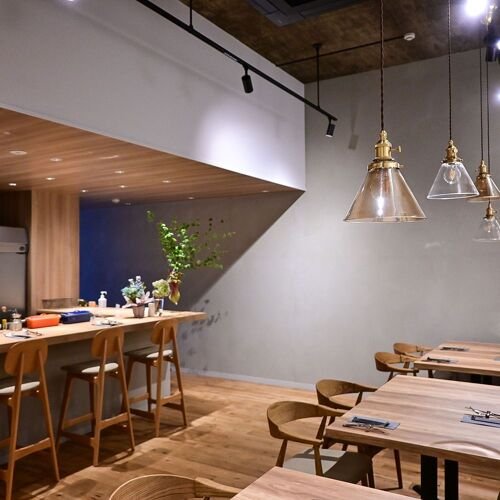
Fragment Azabujuban sits modestly above street level, reached by a staircase, and it cultivates the relaxed intimacy of a neighbourhood trattoria rather than the fanfare of destination tasting rooms. The space leans into an unhurried tempo: polished and modern in technique but quietly domestic in scale. Italian methods meet Japanese coastal produce, especially tuna, producing food that feels restrained and ingredient-forward. The overall impression is a cozy, charming hideaway — a hidden gem in Azabujuban where minimalism and refinement coexist with familiar, local rhythms.
Best For
Fragment Azabujuban is best for unpretentious daytime meals and relaxed evening à la carte dining. The kitchen’s rhythm supports drop-in lunch service and straightforward evening plates, which suits solo neighbourhood lunches, casual catch-ups and low-key date nights that prefer substance over spectacle. Because the menu is anchored to what the chef can source, regular visitors find shifting seasonal highlights alongside the house focus on tuna preparations. The restaurant reads as part of the neighbourhood’s daily life rather than as a destination solely for single-sitting events.
Ordering Tips
Center your order on the restaurant’s premise: Italian technique applied to Japanese seafood. Start with the tuna-focused small plates — tuna carpaccio and tuna salad — and sample the richer, showier roast tuna cheek. Leave room for the seasonal pasta, which changes with the chef’s sourcing and often best captures what’s fresh that day. These selections showcase fragment’s defining approach and give the clearest sense of how Italian methods are used to celebrate Japanese coastal ingredients.
Venue details
Ambiance
Calm and stylish 14-seat counter-only space described as relaxing and a stylish hideout.
Tags
Vibe
Best For
Experience
Sourcing
At the Table
- Dress Code
- Smart Casual
- Noise Level
- Quiet
- Service Style
- Upscale Casual
- Meal Pacing
- Leisurely
- Capacity
- Intimate
- Kitchen
- Modern
- Menu Format
- Omakase, A la carte, Counter dining
- Wine Program
- Curated
- Drinks Focus
- Wine
- Dietary
- Vegetarian friendly
Signature Dishes
- tuna carpaccio
- tuna salad
- roast tuna cheek
- seasonal pasta
Know before you go
Know Before You Go
- Getting there
- Japan, 〒106-0045 Tokyo, Minato City, Azabujuban, 3 Chome−9−2 タモン麻布 2F 十番
Planning details
Location
Japan, 〒106-0045 Tokyo, Minato City, Azabujuban, 3 Chome−9−2 タモン麻布 2F 十番 · Directions
Recognition and awards
Also consider
Also Consider
- Harutaka, Sushi, ¥¥¥¥
- RyuGin, Kaiseki, Japanese, ¥¥¥¥
- L'Effervescence, French, ¥¥¥¥
- HOMMAGE, Innovtive French, French, ¥¥¥¥
- Florilège, French, ¥¥¥
Restaurant context
Fragment Azabujuban sits in a different tier and register from most of its Azabu-area competition. Against Harutaka and RyuGin, both ¥¥¥¥ and significantly harder to book, fragment is the more accessible choice by both price and reservation difficulty. Those two are worth the effort if tuna-forward omakase sushi or kaiseki is your target format; fragment is worth booking when you want Italian technique applied to the same quality of Japanese ingredient sourcing, without the three-week wait or the higher spend.
Against the French ¥¥¥¥ options, the comparison sharpens. L'Effervescence and HOMMAGE both deliver French tasting menus with Michelin recognition above the Plate level, and both require more planning to secure a seat. If the format, structured tasting, French framework, matters more than the cuisine nationality, those are stronger candidates for a special occasion dinner. Fragment is the better call when you want à la carte flexibility and a concept genuinely organised around Japanese ingredient geography rather than European culinary tradition transplanted to Tokyo.
Florilège is the closest peer in price tier (¥¥¥), and it is the strongest comparison for diners choosing between ingredient-driven cooking with a clear point of view at a non-splurge price. Florilège holds a Michelin star, which puts it above the Plate level, and its booking difficulty is higher. Fragment is the easier reservation and the more specific concept for seafood-focused diners. Choose Florilège if the room and the tasting format matter; choose fragment if tuna provenance and Italian technique are the draw.
Explore Tokyo
Around this place
Discover more on Pearl
Unlock the full fragment Azabujuban guide in Pearl, including awards, comparisons, FAQs, planning details, and nearby places.
Compare fragment Azabujuban
| Venue | Awards | Price |
|---|---|---|
| fragment Azabujuban | 2026 Michelin Plate2025 Michelin Plate2024 Michelin Plate | ¥¥¥ |
| Harutaka | 2026 Tabelog Silver · #312026 OAD Top Restaurants in Japan Ranked · #1282026 Michelin 3 Stars2026 La Liste Top RestaurantsTabelog 100 - Sushi - TOKYO - 2025 · #372025 Asia's 50 Best Restaurants · #762025 OAD Top Restaurants in Japan Ranked · #1172025 La Liste Top Restaurants2025 Tabelog Bronze | ¥¥¥¥ |
| RyuGin | 2026 OAD Top Restaurants in Japan Ranked · #802026 Tabelog Bronze · #3772026 Michelin 3 Stars2026 La Liste Top RestaurantsTabelog 100 - Japanese cuisine - TOKYO - 2025 · #212025 OAD Top Restaurants in Japan Ranked · #542025 Michelin 3 Stars2025 La Liste Top Restaurants2025 The Best Chef Three Knives | ¥¥¥¥ |
| L'Effervescence | 2026 Tabelog Silver · #682026 OAD Top Restaurants in Japan Ranked · #103Star Wine Lists 20262026 Black Pearl 2 Diamond2026 Relais Chateaux Restaurants2026 La Liste Top Restaurants2026 Michelin 3 Stars2025 Asia's 50 Best Restaurants · #692025 OAD Top Restaurants in Japan Ranked · #92 | ¥¥¥¥ |
| HOMMAGE | 2026 Tabelog Bronze · #1232026 OAD Top Restaurants in Japan Highly Recommended2026 Michelin 2 StarsTabelog 100 - French - TOKYO - 2025 · #762025 Asia's 50 Best Restaurants · #782025 OAD Top Restaurants in Japan Ranked · #1752025 Michelin 2 Stars2025 The Best Chef One Knife2025 La Liste Top Restaurants | ¥¥¥¥ |
| Florilège | 2026 Asia's 50 Best Restaurants · #312026 Tabelog Bronze · #712026 OAD Top Restaurants in Japan Ranked · #1242026 Black Pearl 1 Diamond2026 Michelin 2 Stars2026 La Liste Top Restaurants2025 Asia's 50 Best Restaurants · #172025 World's 50 Best Restaurants · #36Tabelog 100 - French - TOKYO - 2025 · #68 | ¥¥¥ |













Key differences to consider before you reserve.
FAQ
Frequently Asked Questions
Is fragment Azabujuban worth the price?
At ¥¥¥, it earns its price point if you care about ingredient provenance. The restaurant sources tuna through intermediate wholesalers with supply routes most Tokyo restaurants cannot access, and builds its Italian menu around that. If you want straightforward Italian at lower cost, there are cheaper options in Minato-ku. If Japan's seafood culture expressed through Italian cooking is your interest, the value is real.
What should a first-timer know about fragment Azabujuban?
The menu is built around tuna in forms you will not find at a conventional Italian restaurant: carpaccio, tuna salad, roast cheek. Lunch skews more casual with a pasta focus; evenings open into an extensive à la carte. Come at lunch if you want a lower-commitment first visit; the drop-in trade format makes it accessible without a long booking lead time.
How far ahead should I book fragment Azabujuban?
Booking is rated Easy here. The restaurant holds a Michelin Plate rather than stars, and the operation appears small-scale, so you are unlikely to face the multi-week waits common at starred Tokyo venues. The restaurant actively encourages drop-in trade at lunch, which makes it one of the more accessible ¥¥¥ options in Azabujuban.
What are alternatives to fragment Azabujuban in Tokyo?
For Italian with serious European credential in Tokyo, Florilège and L'Effervescence both sit above fragment in prestige and price. If the appeal is specifically the Japanese-ingredient-meets-European-cooking angle, Florilège is the sharper comparison. For a similar philosophy applied to Kyoto's seasonal produce rather than Tokyo seafood, cenci in Kyoto is worth noting.
Is fragment Azabujuban good for a special occasion?
It works for a special occasion if the occasion suits a relaxed, concept-driven dinner rather than a grand-occasion format. The Michelin Plate recognition for 2024 and 2025 gives it credibility, and the tuna-led Italian menu provides a clear talking point. If you need formal ceremony or a private room, look at L'Effervescence or HOMMAGE instead.