.png?width=1200&quality=80)
Filemone
Italian · Minato, Tokyo
Restaurant in Tokyo, Japan
 Book with Pearl
The Read
Japanese-Seasonal Italian Regionalism
Price
$50–100per person
Dress
Smart Casual
Why go
Filemone in Akasaka is a mid-price Italian restaurant built around a specific concept: Japan's four seasons mapped onto Italy's twenty regional traditions, using produce from Yamanashi and Nagasaki Prefectures. Dinner is à la carte with sharing encouraged; lunch runs on set menus only. At ¥¥, it offers more sourcing logic than most Italian restaurants at this price tier in Tokyo. Booking is easy — a few days ahead is usually sufficient.
About Filemone
Is Filemone worth booking for Italian food in Tokyo?
Yes, particularly for dinner. Filemone sits in a specific and useful niche: mid-price Italian (¥¥) in Akasaka that takes its ingredient sourcing seriously without the formality or cost of Tokyo's higher-end European tables.
Portrait
The organizing idea at Filemone is a genuine one: each dish maps Japan's four seasons onto the twenty regional cooking traditions of Italy, using produce from Yamanashi Prefecture (inland, mountainous) and Nagasaki Prefecture (coastal) — the home regions of the kitchen and front-of-house teams respectively. That dual sourcing gives the menu an unusual range of raw materials: mountain vegetables and river fish from Yamanashi alongside seafood from Nagasaki's well-regarded waters. It is a concept that could easily read as marketing copy, but the specificity of the regional logic — both Italian and Japanese, suggests a kitchen that has thought carefully about where the two culinary traditions can actually intersect rather than simply collide.
For food and travel enthusiasts interested in how Italian cooking adapts to Japan, this is a more substantive address than most. Tokyo has no shortage of Italian restaurants positioning themselves on a Japan-meets-Italy platform, but the regional double anchor (twenty Italian regions, two Japanese prefectures) gives Filemone a framework that is at least traceable. Compare that to broader Italian restaurants in the city that gesture at local ingredients without the same specificity of sourcing logic.
The Akasaka address puts it squarely in a business-dining neighbourhood. That is relevant to the atmosphere you should expect: a professional room more than a convivial trattoria, though the evening à la carte format, with the option to order multiple dishes and split them at the table, is set up for relaxed group eating rather than quick corporate lunches. If you are looking for Italian dining in Tokyo across different price points, Aroma Fresca and PRISMA operate at higher price tiers with more formal formats, while AlCeppo offers a different style of mid-range Italian in the city.
Lunch vs Dinner: Which is the Better Visit?
This is the most practically useful question to answer before booking. Filemone runs two meaningfully different formats, and your choice should depend on what you want out of the meal.
Dinner is the stronger case for most visitors. The evening service offers à la carte ordering with generous portions, and crucially, you can order individual dishes and share them across the table. That flexibility makes dinner well suited to groups of two to four who want to explore the menu rather than commit to a fixed progression. It is also the format that gives the seasonal and regional sourcing concept the most room to express itself across several plates.
Lunch runs on set menus only, with no à la carte option. That is not a drawback if you want a structured midday meal with a predictable spend and duration, useful if you are fitting lunch around other Akasaka or Minato-area plans. Set lunch at a ¥¥ restaurant in this part of Tokyo typically represents good value per head compared to dinner, and the kitchen's sourcing quality should carry through equally to both formats. But if your priority is exploring the menu at your own pace, or if you are eating with someone who has strong preferences about specific dishes, dinner is the right call.
For a solo diner or a pair on a tighter schedule, lunch at Filemone is a sensible, lower-commitment way to test the kitchen. For a group that wants to eat well across multiple courses with wine, dinner gives you the better experience and more flexibility. See Gucci Osteria da Massimo Bottura Tokyo and Principio if you are weighing other Italian options in the city at different formats and price points.
Ideal time to visit
The seasonal sourcing framework means Filemone's menu shifts with Japan's four seasons, which makes timing genuinely relevant here. Spring (March to May) and autumn (September to November) tend to produce the most interesting produce from both Yamanashi and Nagasaki, when mountain vegetables and transitional seafood are at their peak. Summer brings intensity from both mountain and coastal sources; winter menus typically lean toward hearty, slower-cooked preparations aligned with central Italian traditions.
Within the week, weekday dinner bookings will be easier to secure than weekends, given the Akasaka business-district location and the restaurant's consistent local following. If you are building a broader Japan itinerary, Tokyo's Italian dining scene pairs well with regional Italian-influenced restaurants elsewhere in the country, cenci in Kyoto and akordu in Nara are both worth considering. For broader Japan dining context, also look at HAJIME in Osaka, Gion Sasaki in Kyoto, Goh in Fukuoka, 1000 in Yokohama, and 6 in Okinawa.
Practical Details
Reservations: Booking is rated easy, aim for a few days to a week ahead for weekday dinner, slightly more for weekends. Walk-ins may be possible at quieter lunch sittings but are not guaranteed. Budget: ¥¥ price tier; dinner à la carte with drinks should land at a comfortable mid-range spend per head for Tokyo. Lunch set menus typically run lower. Location: 8-chome Akasaka, Minato City, central and well-connected by subway. Format: Dinner is à la carte with sharing encouraged; lunch is set menu only. Leading for: Pairs and small groups at dinner; solo diners and business lunches at midday.
For a fuller picture of where to eat, drink, and stay in Tokyo, see our full Tokyo restaurants guide, our full Tokyo hotels guide, our full Tokyo bars guide, our full Tokyo wineries guide, and our full Tokyo experiences guide. For Italian dining elsewhere in Asia, 8½ Otto e Mezzo Bombana in Hong Kong is the regional benchmark at the leading price tier.
Ratings
What are alternatives to Filemone in Tokyo?
For Italian at a higher price tier, Aroma Fresca and PRISMA are the natural next steps up. If you want to stay mid-range but try a different style of Italian, AlCeppo is worth comparing. For a more theatrical Japan-meets-Italy concept at the luxury end, Gucci Osteria da Massimo Bottura Tokyo is the obvious alternative, though it operates at a significantly different price point and atmosphere. Principio is another option worth checking if you are prioritising Italian in central Tokyo.
How far ahead should I book Filemone?
Booking is rated easy relative to Tokyo's competitive dining scene. A few days ahead is generally sufficient for weekday dinner; aim for a week or more if you are targeting a Friday or Saturday evening. Lunch, being set-menu only, tends to have more consistent availability. Unlike higher-demand tables such as RyuGin or Harutaka, Filemone does not require weeks of advance planning.
Is the tasting menu worth it at Filemone?
Filemone does not appear to run a formal tasting menu in the traditional omakase or dégustation sense. Lunch is a set menu (fixed format, structured progression), and dinner is à la carte with the option to share dishes. If you want a set progression that showcases the seasonal sourcing concept end to end, lunch gives you that in a contained format. If you want more control and flexibility, dinner is the stronger choice. For a high-investment tasting-menu experience in Tokyo, look at L'Effervescence or Florilège at the French end, or RyuGin for kaiseki, all at higher price tiers.
Is Filemone worth the price?
At ¥¥, yes. The ingredient sourcing logic, Yamanashi mountain produce plus Nagasaki seafood mapped against Italian regional cooking, delivers more conceptual substance than most mid-price Italian in Tokyo. You are not paying a premium for a celebrity chef or a coveted reservation; you are paying a reasonable mid-range rate for a kitchen with a clear and traceable point of view. If your budget allows for a step up, Aroma Fresca offers more formal Italian at the next tier. But for the price, Filemone is solid value.
Is Filemone good for solo dining?
Workable at both meals, but lunch is the better solo format. The set menu removes the choice paralysis of ordering alone and keeps the bill predictable. Evening à la carte with sharing dishes is designed for groups of two or more; solo diners can still order à la carte, but the sharing format loses some of its logic. If you are a solo traveller interested in Italian dining in Japan, also consider cenci in Kyoto or akordu in Nara as alternatives with counter or solo-friendly formats.
What should I order at Filemone?
Specific menu items are not confirmed in our current data, so we cannot name dishes with confidence. What the sourcing framework tells you is where to focus attention: dishes that foreground Nagasaki seafood and Yamanashi mountain ingredients are the most direct expressions of what makes this kitchen distinct. At dinner, the à la carte format with shared plates is the recommended approach, order more dishes than you think you need and split them, which is explicitly how the evening format is designed to work. Check the current menu directly with the restaurant before visiting, as seasonal rotation is central to the concept.
Planning details
- Location
- 101 8 Chome-12-12 Akasaka, Minato City, Tokyo 107-0052, Japan
- Website
- filemone.jp
- Phone
- +81 3-4363-2887
The take
The Take
The Vibe
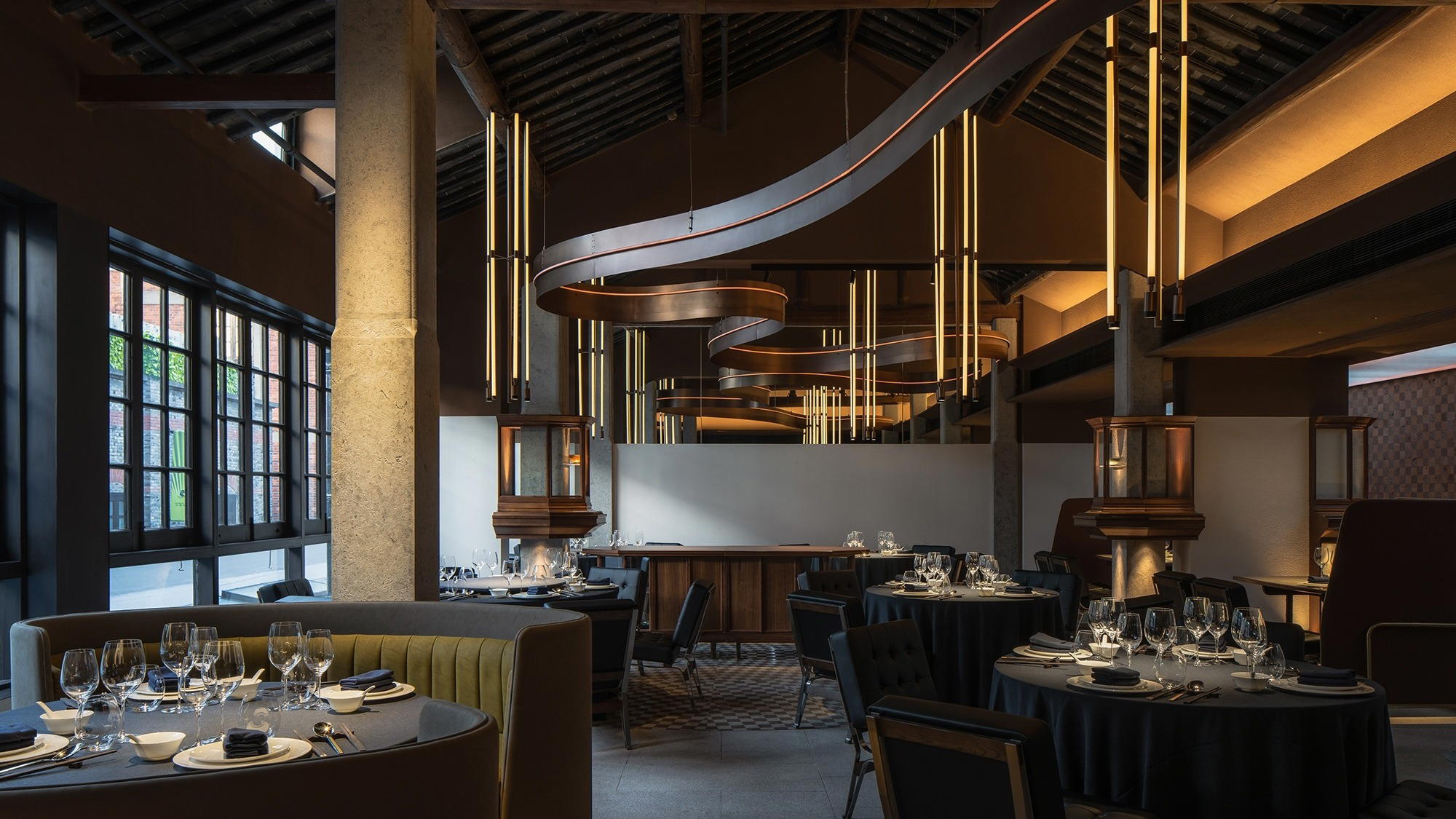
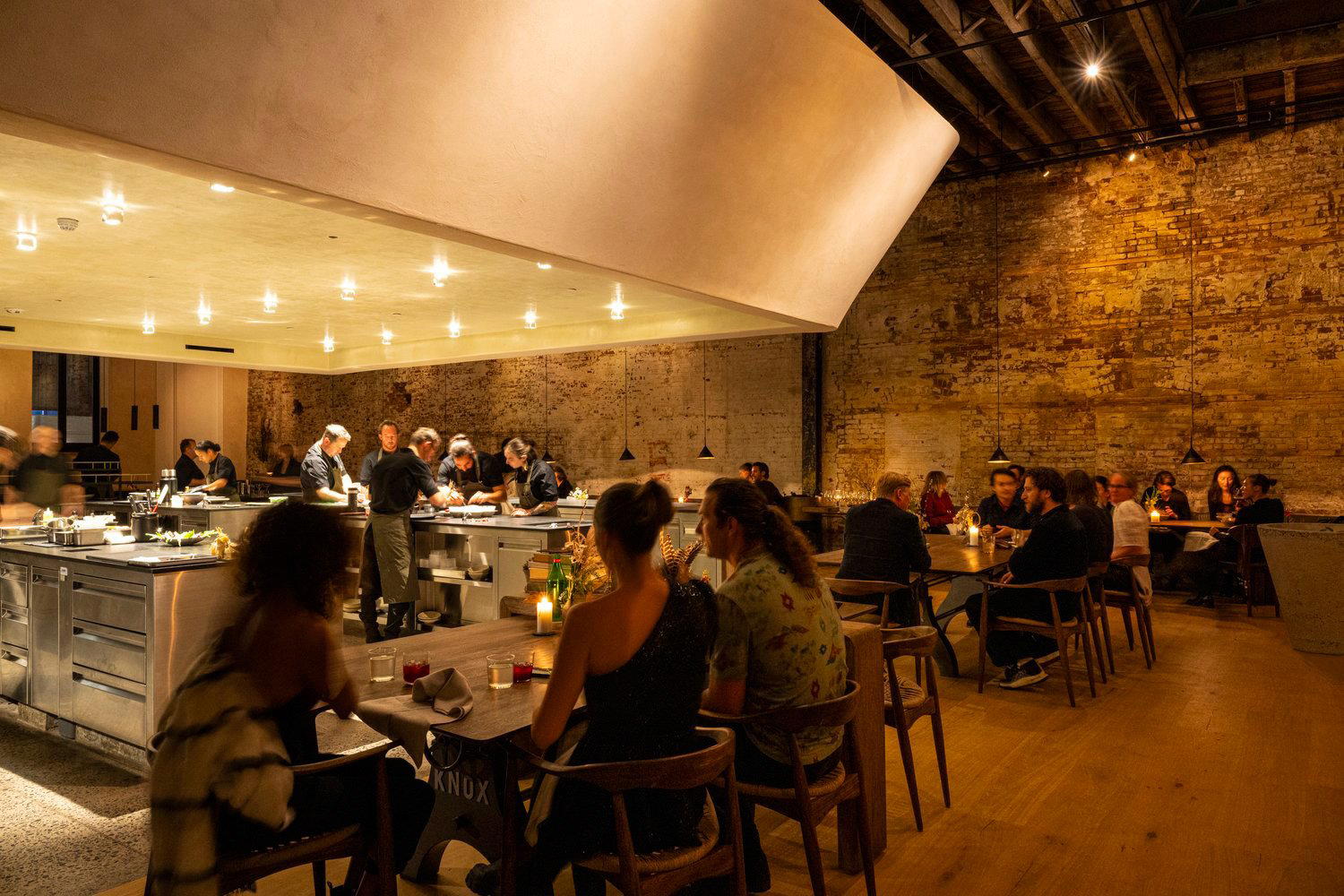
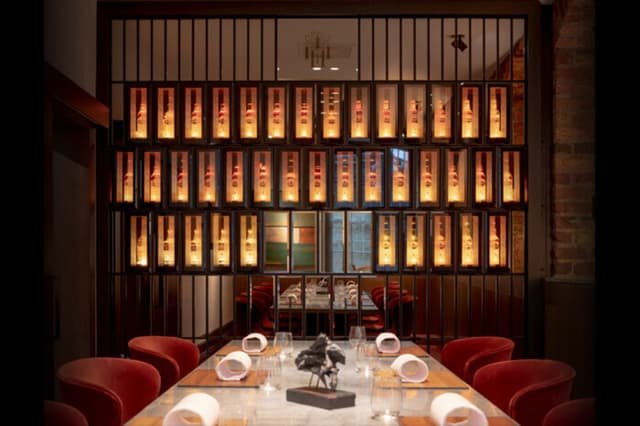
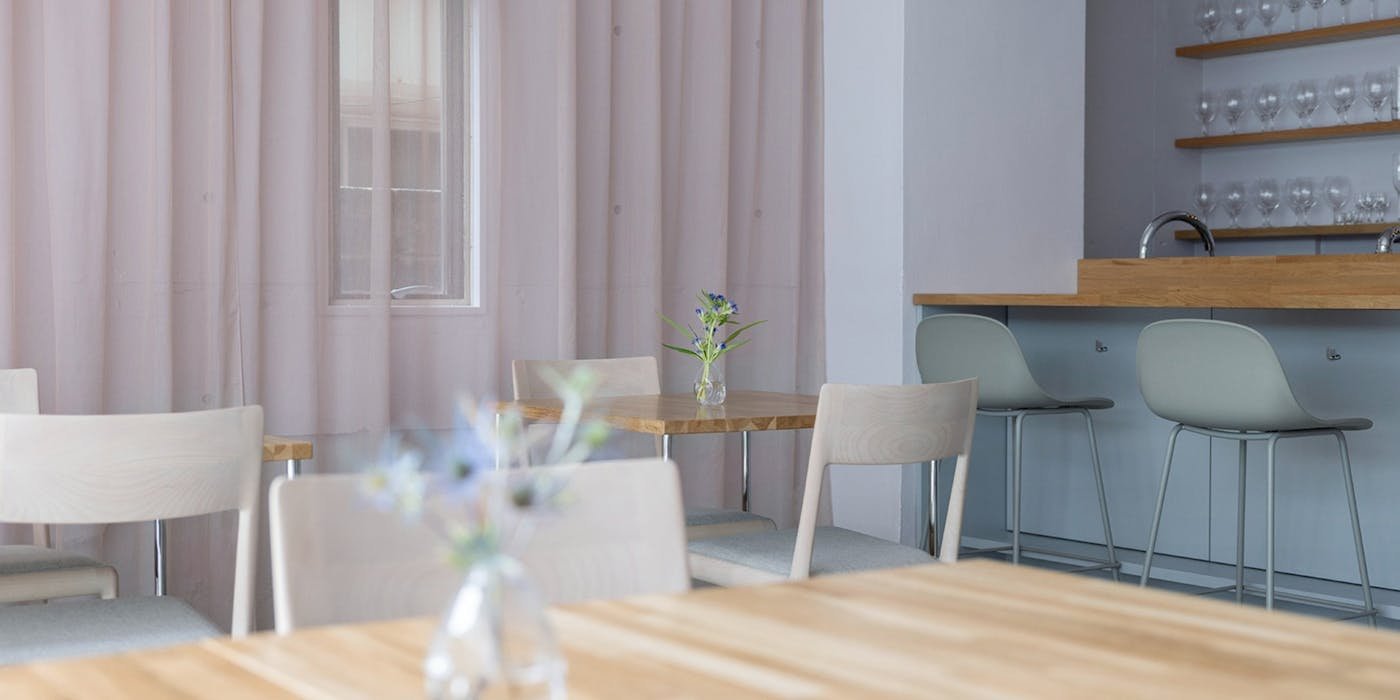
Filemone presents a quietly sophisticated, intimate dining experience that sits between casual trattoria warmth and high-concept Italian tasting rooms. The restaurant’s premise is intellectually driven: mapping Japan’s four seasons onto twenty Italian culinary regions, and using that constraint to produce focused, regionally informed dishes. The kitchen’s dual sourcing—from Yamanashi’s mountain produce and Nagasaki’s maritime ingredients—creates a considered contrast that underpins the modern, elegant dining room. Service leans relaxed and attentive, and the overall effect is a hidden-gem feel for diners who appreciate refined regional thinking and thoughtfully constructed food-and-wine pairings.
Best For
Filemone is an excellent pick for date nights, business dinners and small celebrations where purposeful cooking and wine pairing matter. Its positioning in Akasaka attracts neighbourhood regulars and diners looking for something more elevated than a trattoria but less formal than a full tasting-menu temple. The pairing-focused approach makes it especially suited to guests who value origin-driven wine choices or want a more educational tasting of Italian regional characters interpreted through Japanese seasonal produce. The price point and composed service style also make it suitable for special-occasion meals without being ostentatious.
Ordering Tips
Start with dishes that showcase the restaurant’s seasonal-to-regional concept: the Porcini Mushroom Crepe and the Crespelle are signature plates that illustrate the kitchen’s mapping of Japanese ingredients onto Italian frames. Let the kitchen’s pairing logic guide wine choices—ask for recommendations that follow the origin-based approach described in the menu so seafood and mountain produce align with complementary Italian regional wines. Opt for a multi-course flow to experience contrasts between Nagasaki-sourced maritime items and Yamanashi mountain produce; pacing the meal allows the pairing architecture to reveal itself across service.
Venue details
Ambiance
Calm space with candlelight, stylish and relaxing atmosphere perfect for intimate dining.
Tags
Vibe
Best For
Experience
At the Table
- Dress Code
- Smart Casual
- Noise Level
- Quiet
- Service Style
- Upscale Casual
- Meal Pacing
- Leisurely
- Capacity
- Intimate
- Kitchen
- Seasonal
- Menu Format
- A la carte, Omakase, Counter dining
- Wine Program
- Curated
- Drinks Focus
- Wine
- Dietary
- Vegetarian friendly, Gluten-free options
Signature Dishes
- Porcini Mushroom Crepe
- Crespelle
Know before you go
Know Before You Go
- Getting there
- 101 8 Chome-12-12 Akasaka, Minato City, Tokyo 107-0052, Japan
Planning details
Location
101 8 Chome-12-12 Akasaka, Minato City, Tokyo 107-0052, Japan · Directions
Recognition and awards
Also consider
Also Consider
- Harutaka, Sushi, ¥¥¥¥
- RyuGin, Kaiseki, Japanese, ¥¥¥¥
- L'Effervescence, French, ¥¥¥¥
- HOMMAGE, Innovtive French, French, ¥¥¥¥
- Florilège, French, ¥¥¥
Restaurant context
Filemone operates at ¥¥, which puts it in a different category from most of Tokyo's celebrated restaurant tables. Harutaka (¥¥¥¥, sushi) and RyuGin (¥¥¥¥, kaiseki) are benchmarks for what Tokyo does at the top of the market, both require significant advance booking and a much higher per-head spend. They are not direct alternatives to Filemone; they are a different category of commitment entirely. If your priority is spending wisely on Italian in Tokyo rather than experiencing the city's highest-tier dining, Filemone is a more appropriate frame of reference than those tables.
Among European restaurants in the city, L'Effervescence (¥¥¥¥, French) and HOMMAGE (¥¥¥¥, innovative French) are both harder to book and considerably more expensive. Florilège (¥¥¥, French) sits between Filemone and those top-tier tables on price, with a stronger critical profile and more booking competition. If the question is where to spend money on a single serious European meal in Tokyo, Florilège is the stronger bet for recognition and consistency, but Filemone is the right choice if Italian regional cooking and ingredient sourcing from specific Japanese prefectures is the specific experience you want at a mid-range price.
Within the Italian category specifically, Filemone's ¥¥ positioning makes it accessible for repeat visits or as part of a broader Tokyo itinerary rather than the one designated splurge. Diners choosing between Filemone and a higher-tier Italian address in Tokyo should weigh formality and budget against conceptual substance: Filemone's regional double-anchor sourcing gives it more to talk about than a generic mid-price trattoria, but it is not competing with the technical ambition of Tokyo's top European tables. Book Filemone when you want a considered Italian meal without the planning lead time or cost of the city's harder-to-reach restaurants.
Explore Tokyo
Around this place
Discover more on Pearl
Unlock the full Filemone guide in Pearl, including awards, comparisons, FAQs, planning details, and nearby places.
Compare Filemone
| Venue | Cuisine | Price | Awards | Booking Difficulty |
|---|---|---|---|---|
| Filemone | Italian | ¥¥ | 2026 Michelin Plate2025 Michelin Plate2024 Michelin Plate | Easy |
| Harutaka | Sushi | ¥¥¥¥ | 2026 Tabelog Silver · #312026 OAD Top Restaurants in Japan Ranked · #1282026 Michelin 3 Stars2026 La Liste Top RestaurantsTabelog 100 - Sushi - TOKYO - 2025 · #372025 Asia's 50 Best Restaurants · #762025 OAD Top Restaurants in Japan Ranked · #1172025 La Liste Top Restaurants2025 Tabelog Bronze | Unknown |
| RyuGin | Kaiseki, Japanese | ¥¥¥¥ | 2026 OAD Top Restaurants in Japan Ranked · #802026 Tabelog Bronze · #3772026 Michelin 3 Stars2026 La Liste Top RestaurantsTabelog 100 - Japanese cuisine - TOKYO - 2025 · #212025 OAD Top Restaurants in Japan Ranked · #542025 Michelin 3 Stars2025 La Liste Top Restaurants2025 The Best Chef Three Knives | Unknown |
| L'Effervescence | French | ¥¥¥¥ | 2026 Tabelog Silver · #682026 OAD Top Restaurants in Japan Ranked · #103Star Wine Lists 20262026 Black Pearl 2 Diamond2026 Relais Chateaux Restaurants2026 La Liste Top Restaurants2026 Michelin 3 Stars2025 Asia's 50 Best Restaurants · #692025 OAD Top Restaurants in Japan Ranked · #92 | Unknown |
| HOMMAGE | Innovtive French, French | ¥¥¥¥ | 2026 Tabelog Bronze · #1232026 OAD Top Restaurants in Japan Highly Recommended2026 Michelin 2 StarsTabelog 100 - French - TOKYO - 2025 · #762025 Asia's 50 Best Restaurants · #782025 OAD Top Restaurants in Japan Ranked · #1752025 Michelin 2 Stars2025 The Best Chef One Knife2025 La Liste Top Restaurants | Unknown |
| Florilège | French | ¥¥¥ | 2026 Asia's 50 Best Restaurants · #312026 Tabelog Bronze · #712026 OAD Top Restaurants in Japan Ranked · #1242026 Black Pearl 1 Diamond2026 Michelin 2 Stars2026 La Liste Top Restaurants2025 Asia's 50 Best Restaurants · #172025 World's 50 Best Restaurants · #36Tabelog 100 - French - TOKYO - 2025 · #68 | Unknown |













How Filemone stacks up against the competition.
FAQ
Frequently Asked Questions
What are alternatives to Filemone in Tokyo?
For Italian at a higher price point, HOMMAGE and Florilège (French, but similarly ingredient-led) are the standard comparisons in Tokyo's mid-to-fine dining bracket. If you want strictly Italian with more formal tasting menu structure, HOMMAGE is the closer comparison. Filemone's advantage is its ¥¥ pricing and the flexibility of à la carte ordering at dinner, which neither of those matches on value.
How far ahead should I book Filemone?
A few days to a week ahead is generally enough for weekday dinner; allow slightly more for weekends. Booking is rated easy relative to Tokyo's more in-demand restaurants, so last-minute planning is less risky here than at, say, Harutaka or RyuGin. Walk-ins may be possible at quieter times, but confirming in advance is the safer move.
Is the tasting menu worth it at Filemone?
Lunch runs on set menus only, so if you want the structure of a fixed progression, that's your format. Dinner flips the logic: à la carte with the option to order multiple dishes and share them is the better value play at ¥¥ pricing, and it lets you follow the seasonal menu more selectively. The set lunch is the lower-commitment way to assess whether the Italy-meets-Japan concept lands for you.
Is Filemone worth the price?
At ¥¥, yes. The sourcing framework — Yamanashi produce from the chef's home region, Nagasaki seafood from the service team's — gives the menu a specificity that most mid-price Italian in Tokyo doesn't match. You're not paying fine-dining prices, and the portions at dinner are described as generous, which tilts the value calculation further in your favour.
Is Filemone good for solo dining?
Dinner's à la carte format with shareable dishes is designed more for groups, but nothing in the concept excludes solo diners. At ¥¥ pricing, ordering two or three dishes solo is financially manageable. If solo dining with counter interaction is a priority, a counter-seat omakase like Harutaka will deliver a more structured solo experience; Filemone is the better call if you want Italian without that format.
What should I order at Filemone?
The menu shifts with Japan's four seasons, so specific dish recommendations are less useful than the ordering approach: at dinner, order several dishes and share them — the format is explicitly designed for this. Focus on whatever reflects the current season's produce from Yamanashi and Nagasaki, since that sourcing is the kitchen's organising principle. At lunch, the set menu removes the decision entirely.