.png?width=1200&quality=80)
farsi largo!
Italian · Chūō, Tokyo
Restaurant in Tokyo, Japan
 Book with Pearl
The Read
Suruga Bay-Driven Italian
Price
¥¥¥
Dress
Smart Casual
Why go
farsi largo! is a Michelin Plate Italian restaurant in Nihonbashi, Tokyo, built around Suruga Bay seafood prepared with Italian technique by a husband-and-wife team. At ¥¥¥, it offers a genuinely specific creative position — Japanese coastal ingredients filtered through Piedmontese training — in an intimate basement room that suits special occasions for two to four diners. Booking is easier than comparable Tokyo fine-dining rooms at this level.
About farsi largo!
A ¥¥¥ Italian restaurant in Nihonbashi that earns its Michelin Plate by doing something genuinely unusual: building an Italian tasting menu around the seafood of Suruga Bay
At the ¥¥¥ price tier, farsi largo! sits in a range where Tokyo diners have serious options across cuisines. What separates this basement-level room in Nihonbashi from the city's broader Italian field is a singular concept: the chef, trained in Italy and experienced in Piedmont, stumbled on a fishmonger in Shizuoka Prefecture and reoriented his entire menu around Suruga Bay seafood. That chance encounter is now the spine of every meal here. If you want Italian food in Tokyo that genuinely reflects Japan's own coastal larder, this is one of the clearest expressions of that idea in the city.
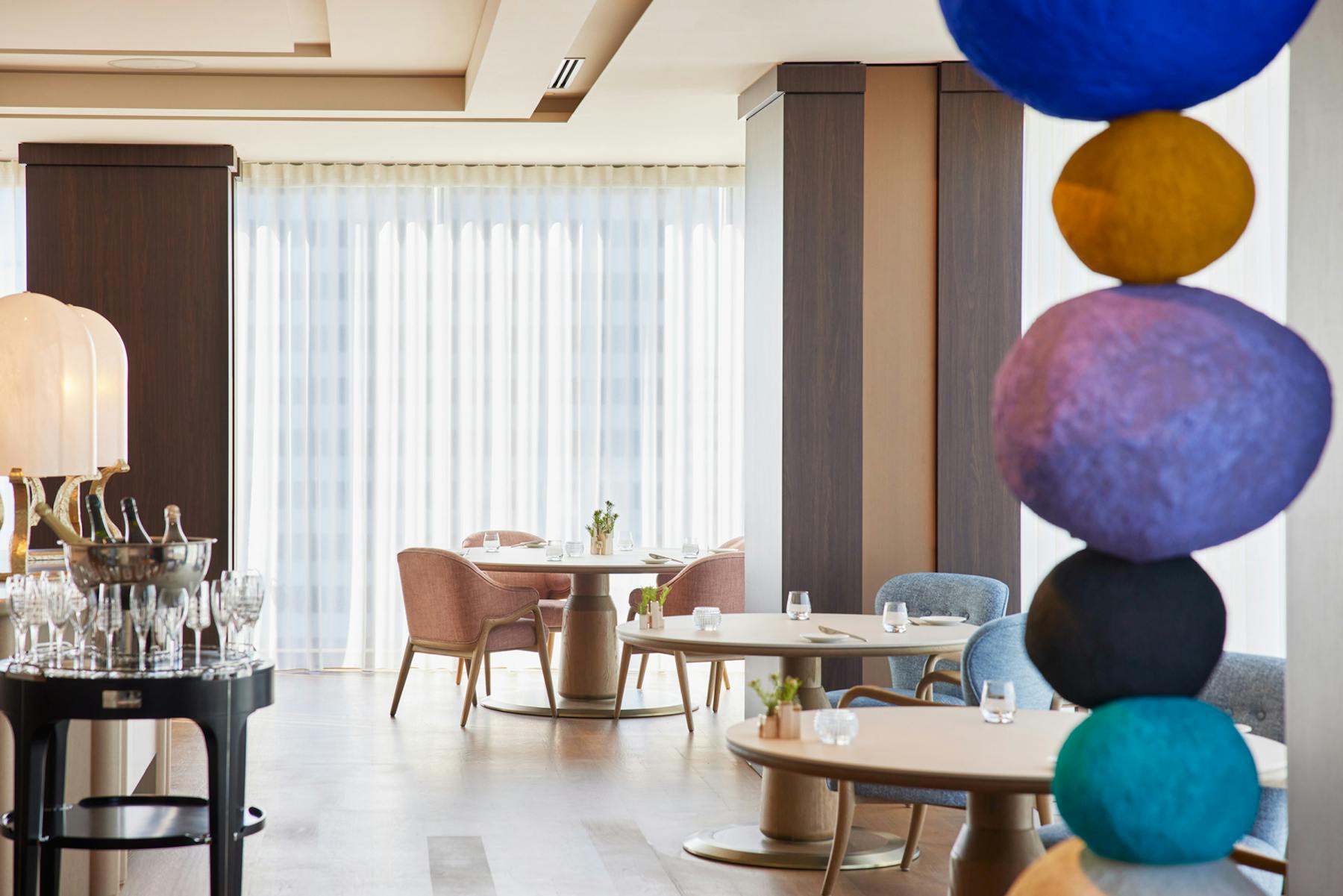
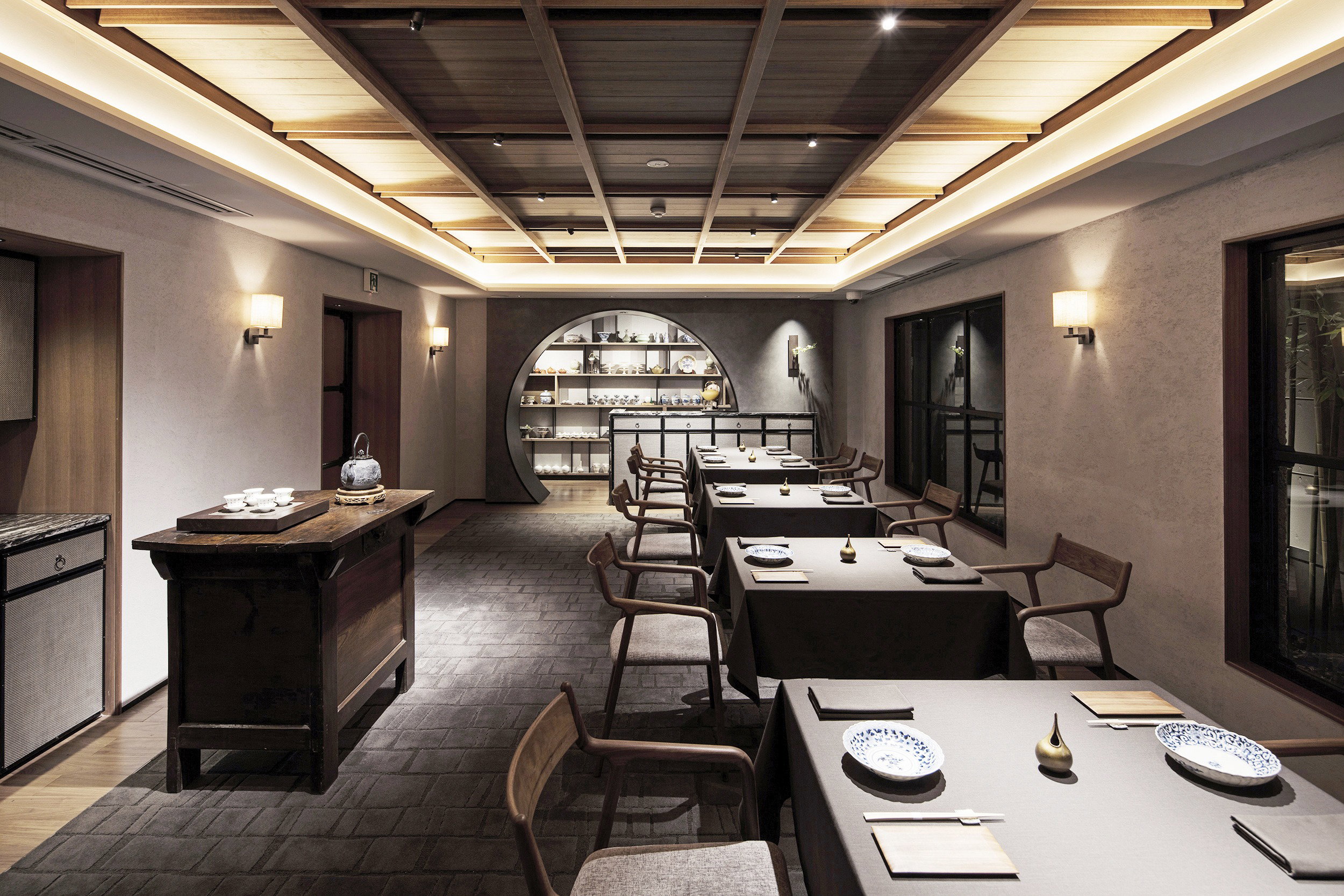
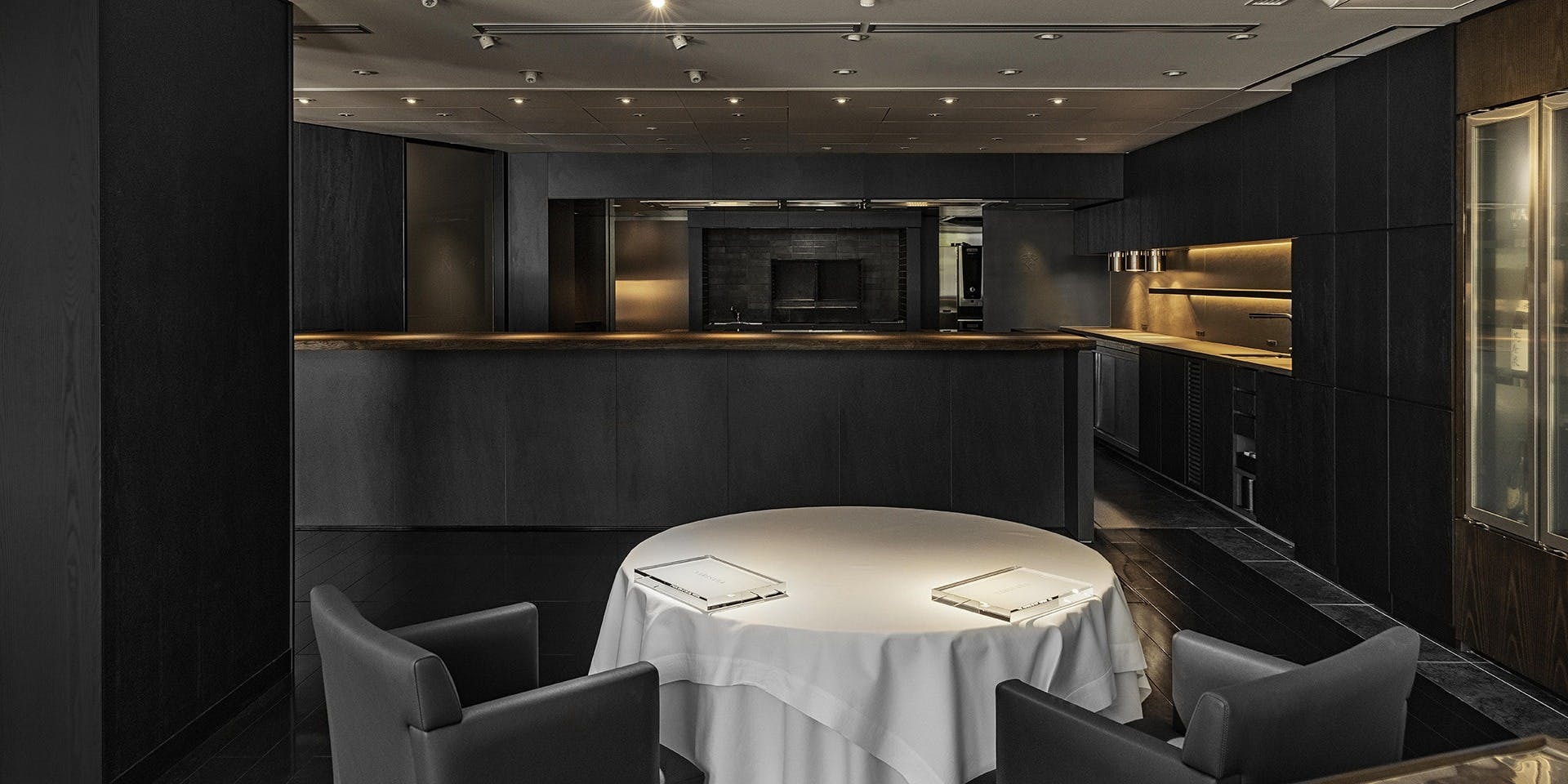
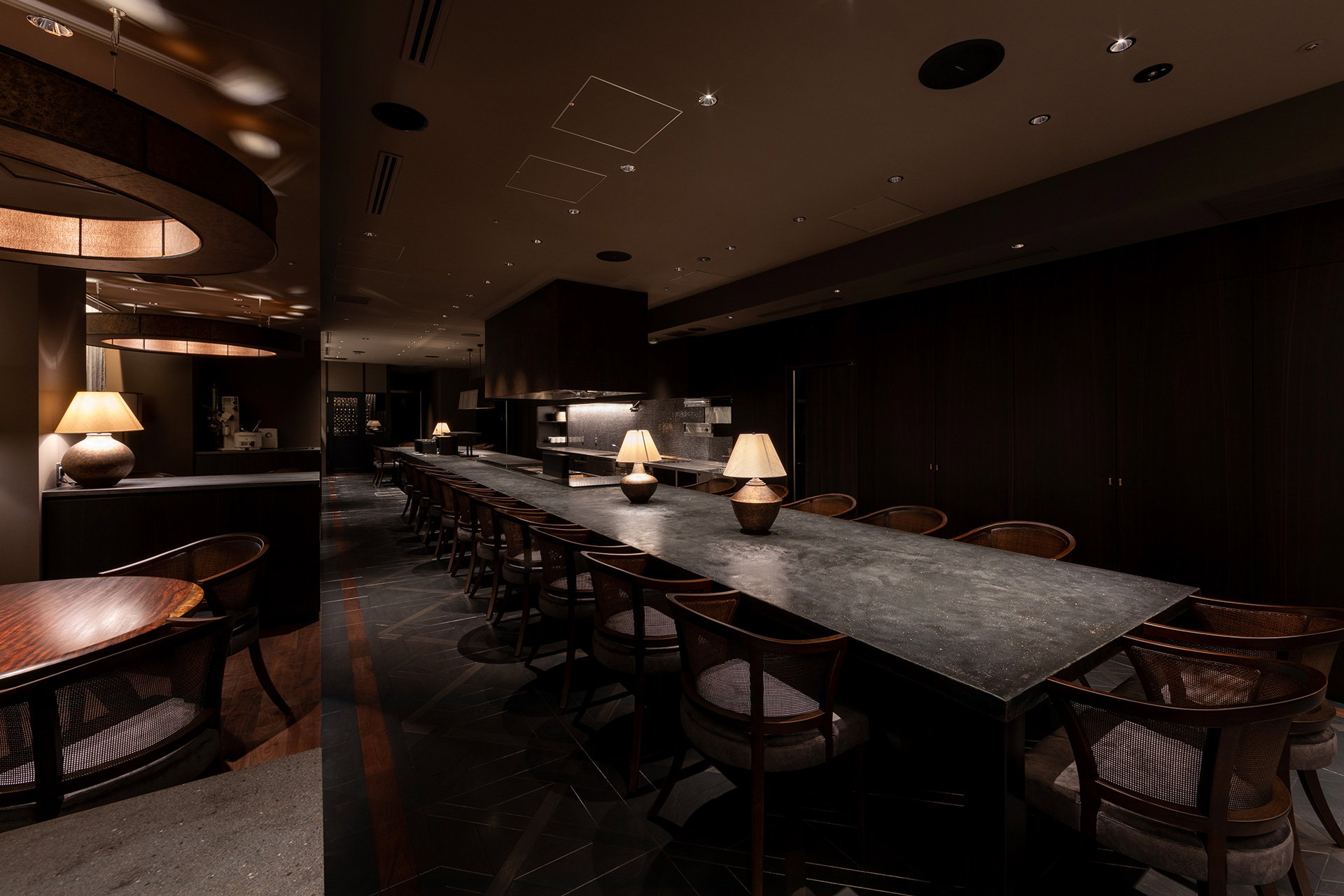
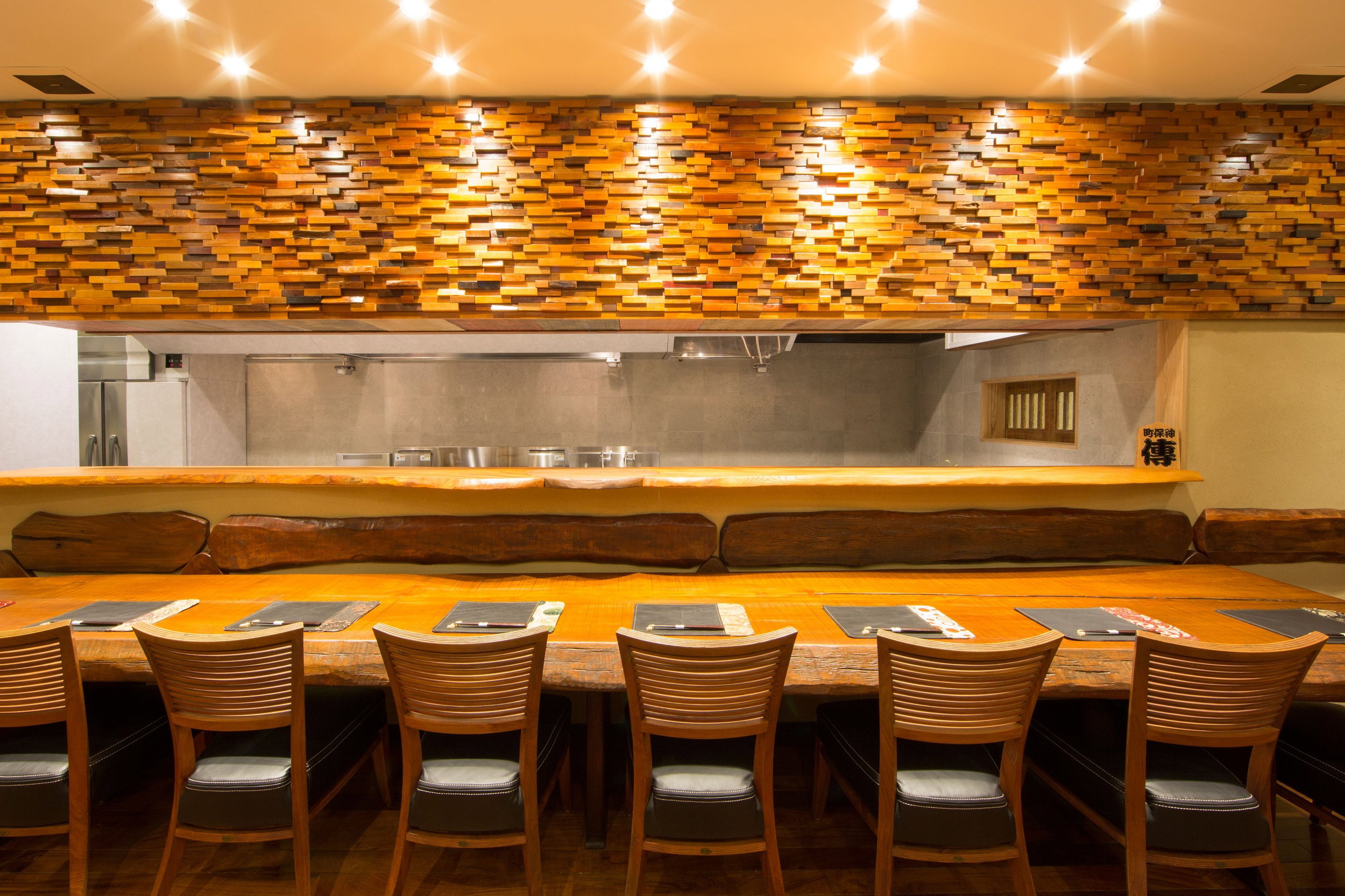
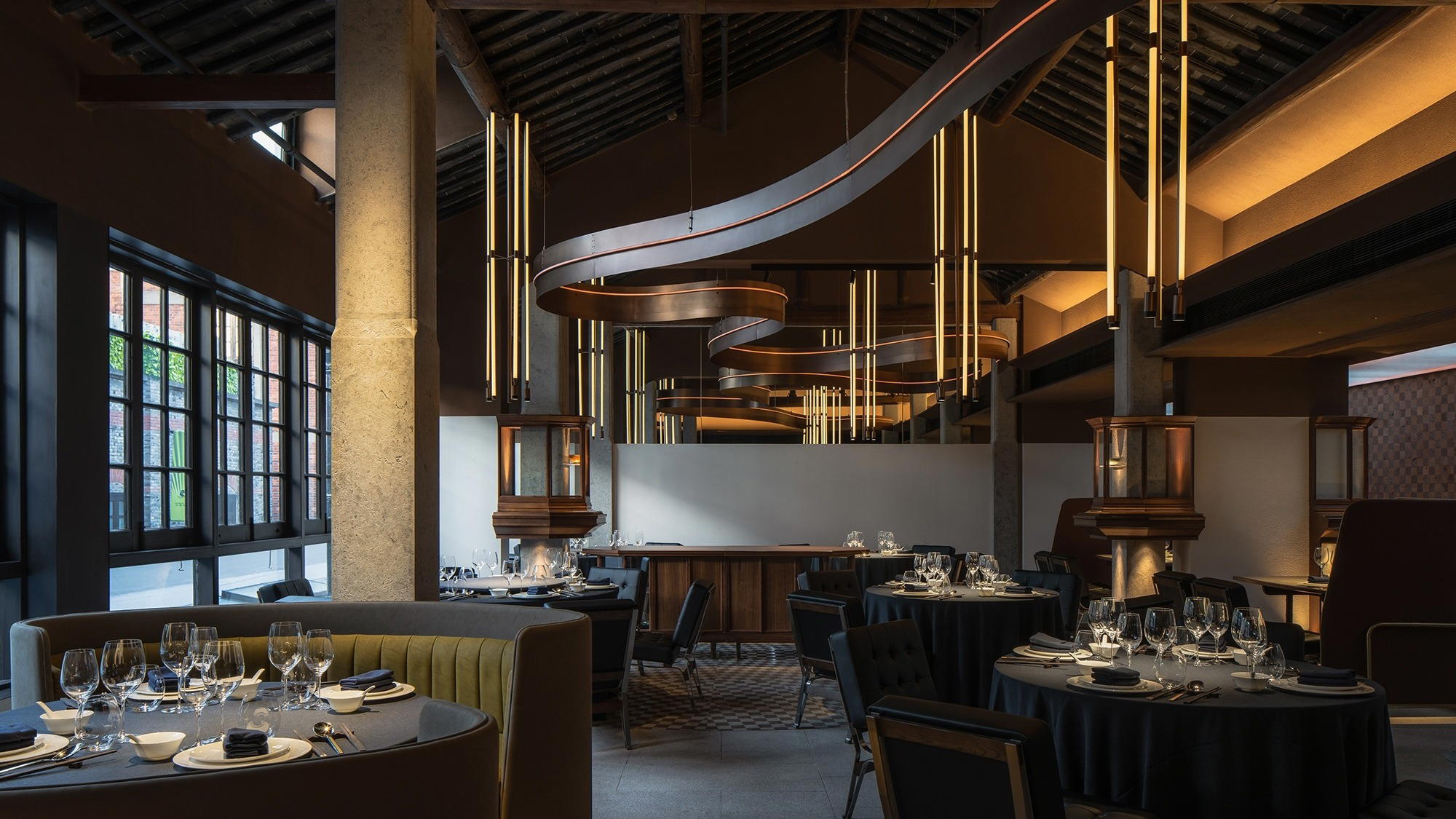
The room is in the basement of Villa Art Nihonbashi, a building that doesn't announce itself loudly. Descending into a small, intimate dining space run by the chef and his wife creates an immediate sense of occasion without the formality of a larger operation. For a special occasion dinner — anniversary, birthday, a business meal where you want the setting to do some of the talking — the scale works in your favour. There are no competing tables shouting over each other, no large parties diluting the atmosphere. The entire experience is calibrated around the couple who run it, which means service is attentive in the way that only a small owner-operated room can be. You notice this most clearly when you compare it to the polished but impersonal service at larger Italian operations in the city.
The menu moves through fish course after fish course: fried preparations, soups, carpaccio. The through-line is Suruga Bay, which sits between the Izu and Miura peninsulas and is known among Japanese fishermen for its depth and diversity of catch. An Italian chef using this as his primary canvas is not a gimmick, it's a coherent creative position that the Michelin inspectors clearly found credible enough to award a Plate in 2025. The black truffle panna cotta signals the chef's Piedmontese background and gives the meal a grounding in classical Italian technique even as the ingredients skew Japanese coastal.
Restaurant's name translates roughly as "blaze your own trail," and the concept lives up to that framing without needing to say so. For a special occasion, this matters: you are not taking someone to a restaurant they could replicate in Milan or Rome. The combination of Italian training, Japanese seafood sourcing, and a husband-and-wife operation in a basement in Nihonbashi is specific enough to be genuinely memorable for the right guest.
Booking and Practical Details
Booking here is assessed as easy relative to the Tokyo fine-dining tier, which is a meaningful advantage. The address is B1, 1-4-3 Nihonbashi Honcho, Chuo City, Tokyo. No website or phone number is currently listed in available records, so the most reliable approach is to check reservation platforms that cover Tokyo's independent Italian restaurants. Given the intimate size of the operation, tables will fill on weekends and around holidays, so advance planning remains advisable even if the booking difficulty is lower than comparable rooms.
For groups, the small scale of the room is the primary consideration. This is not a venue that suits large parties in the way that a private dining room at a hotel restaurant would. If you are planning a group occasion of more than four or five covers, contact the restaurant directly to confirm availability and whether the format can accommodate your number without disrupting the experience for other guests. For two to four diners, the fit is close to ideal for a celebration or a business dinner where conversation and food quality both matter.
Dress expectations at a ¥¥¥-tier Michelin Plate recipient in Tokyo's Nihonbashi business district lean toward smart casual at minimum. The neighbourhood itself is formal, banks, offices, established merchants, and the basement location does not signal casualness. Arriving in business attire or a considered smart casual outfit is the appropriate call.
How farsi largo! Fits the Broader Tokyo Italian Scene
Tokyo's Italian restaurant field is genuinely deep. At the same ¥¥¥ tier, Florilège operates in French rather than Italian, but it demonstrates what a chef-driven, concept-clear room at this price point can achieve. For Italian specifically, Aroma Fresca, PRISMA, Principio, and AlCeppo represent different points on the spectrum from classic to contemporary. farsi largo! distinguishes itself from that group by the specificity of its sourcing concept. It is not trying to replicate a regional Italian style, it is applying Italian technique to a Japanese ingredient story.
Elsewhere in Japan, cenci in Kyoto pursues a comparable Italian-Japanese synthesis from a different geographic and cultural starting point. If you are travelling through Japan and want to compare approaches, both rooms reward the comparison. For Italian in Asia more broadly, 8 1/2 Otto e Mezzo Bombana in Hong Kong operates at a significantly higher price tier with a correspondingly different level of formal service.
If your Tokyo itinerary extends to other dining formats, our full Tokyo restaurants guide covers the wider field. For context on where farsi largo! sits within Japan's regional fine-dining picture, the work being done at HAJIME in Osaka, Gion Sasaki in Kyoto, akordu in Nara, Goh in Fukuoka, 1000 in Yokohama, and 6 in Okinawa For planning around accommodation and other experiences, our Tokyo hotels guide, bars guide, and experiences guide are the practical complements to this portrait.
The Verdict
Book farsi largo! if you want a special occasion Italian dinner in Tokyo that has a clear point of view and won't cost you ¥¥¥¥. The Michelin Plate (2025), the owner-operated intimacy, and the Suruga Bay seafood concept give it a credibility that generic Italian rooms at this price tier don't have. The booking is easier than comparable rooms, the experience is calibrated for two to four diners on an occasion that matters, and the concept is coherent enough to sustain a full evening's worth of attention. If you need a larger private room or a more formal service structure, look at the ¥¥¥¥ tier options. For what it is, this room delivers.
Planning details
- Location
- Japan, 〒103-0023 Tokyo, Chuo City, Nihonbashihoncho, 1 Chome−4−3 ヴィラアート日本橋 B1
- Website
- akr2162302841.owst.jp
- Phone
- +81 3-3231-6283
The take
The Take
The Vibe
farsi largo! occupies a low-key basement room in Nihonbashi Honcho and leans on restraint rather than spectacle. The space reads quiet and deliberately understated: you descend from the street into a dining room that frames its personality through flavour more than design. The kitchen’s premise — marrying the dense, mineral-rich catches of Suruga Bay with Italian technique — gives the place an intimate, thoughtful air. Service and presentation aim to foreground seasonality and provenance, so the overall effect is quietly refined, curious and quietly charming rather than loud or flashy.
Best For
The restaurant fits evening plans that prize focused, ingredient-driven cooking: think considered dinners, business meals where conversation matters, and low-key celebrations. Its basement setting and the menu’s discipline create an environment that encourages lingering over tasting sequences rather than hurried plates. The strong supply relationship with Suruga Bay implies a menu that changes with the catch, making it especially rewarding for repeat visits or diners who enjoy seasonal exploration. It reads less like a casual trattoria and more like a deliberate dining appointment anchored in seafood and technical restraint.
Ordering Tips
Let the Suruga Bay premise guide your choices. Start with the Suruga Bay Seafood Carpaccio to taste the distinctive density and mineral character of the region’s fish, then move through seasonal small plates that showcase the kitchen’s Italian technique applied to local seafood. The Fish Soup is a good example of the menu’s cross-cultural logic and makes for an ideal intermediate course. Finish with the Black Truffle Panna Cotta for a savory, aromatic dessert that echoes the kitchen’s willingness to blur sweet and savory lines. Expect a menu that rewards sequence and sharing.
Venue details
Ambiance
European-style space with white color scheme, stylish and relaxing atmosphere with spacious seating.
Tags
Vibe
Best For
Experience
Sourcing
Accessibility
At the Table
- Dress Code
- Smart Casual
- Noise Level
- Conversational
- Service Style
- Upscale Casual
- Meal Pacing
- Leisurely
- Capacity
- Intimate
Signature Dishes
- Black Truffle Panna Cotta
- Suruga Bay Seafood Carpaccio
- Fish Soup
Know before you go
Know Before You Go
- Getting there
- Japan, 〒103-0023 Tokyo, Chuo City, Nihonbashihoncho, 1 Chome−4−3 ヴィラアート日本橋 B1
Planning details
Location
Japan, 〒103-0023 Tokyo, Chuo City, Nihonbashihoncho, 1 Chome−4−3 ヴィラアート日本橋 B1 · Directions
Recognition and awards
Also consider
Also Consider
- Harutaka, Sushi, ¥¥¥¥
- RyuGin, Kaiseki, Japanese, ¥¥¥¥
- L'Effervescence, French, ¥¥¥¥
- HOMMAGE, Innovtive French, French, ¥¥¥¥
- Florilège, French, ¥¥¥
Restaurant context
At ¥¥¥, farsi largo! occupies a different price tier from most of its obvious Tokyo comparisons. Harutaka, RyuGin, L'Effervescence, and HOMMAGE all operate at ¥¥¥¥, which means farsi largo! offers a lower entry cost for a Michelin-recognised experience. If your priority is spending less while still eating at a room the Michelin inspectors found credible, farsi largo! has a clearer case than any of those four on price alone. The trade-off is format: RyuGin and L'Effervescence offer the depth of a full kaiseki or French tasting menu with the service infrastructure of a larger, more formally staffed room.
Florilège is the closest peer on price at ¥¥¥ and is the stronger choice if French cuisine matters more to you than Italian. Both rooms operate with a clear chef-driven concept, but Florilège has a higher profile and a longer track record of critical recognition in Tokyo. farsi largo! wins on intimacy and on the specificity of its Suruga Bay seafood concept, which has no real equivalent in the comparison set. If you want Italian in Tokyo with a Japanese ingredient story, no other room on this list competes directly.
For booking difficulty, farsi largo! is the easiest of the group to get into, which matters when you are planning a special occasion in Tokyo on a fixed timeline. Harutaka and RyuGin in particular require significant advance planning and are harder for non-Japanese speakers to navigate. If you need a confirmed table within a shorter booking window, farsi largo! is the practical choice at this quality tier. The recommendation is straightforward: book farsi largo! for an intimate two-to-four-person occasion where you want Italian cooking with a Japanese coastal identity at below ¥¥¥¥ spend. Book RyuGin or L'Effervescence if you want a longer, more formally structured experience and are prepared to spend more and plan further ahead.
Explore Tokyo
Around this place
Discover more on Pearl
Unlock the full farsi largo! guide in Pearl, including awards, comparisons, FAQs, planning details, and nearby places.
Compare farsi largo!
| Venue | Price | Booking Difficulty | Awards |
|---|---|---|---|
| farsi largo! | ¥¥¥ | Easy | 2026 Michelin Plate2025 Michelin Plate2024 Michelin Plate |
| Harutaka | ¥¥¥¥ | Unknown | 2026 Tabelog Silver · #312026 OAD Top Restaurants in Japan Ranked · #1282026 Michelin 3 Stars2026 La Liste Top RestaurantsTabelog 100 - Sushi - TOKYO - 2025 · #372025 Asia's 50 Best Restaurants · #762025 OAD Top Restaurants in Japan Ranked · #1172025 La Liste Top Restaurants2025 Tabelog Bronze |
| RyuGin | ¥¥¥¥ | Unknown | 2026 OAD Top Restaurants in Japan Ranked · #802026 Tabelog Bronze · #3772026 Michelin 3 Stars2026 La Liste Top RestaurantsTabelog 100 - Japanese cuisine - TOKYO - 2025 · #212025 OAD Top Restaurants in Japan Ranked · #542025 Michelin 3 Stars2025 La Liste Top Restaurants2025 The Best Chef Three Knives |
| L'Effervescence | ¥¥¥¥ | Unknown | 2026 Tabelog Silver · #682026 OAD Top Restaurants in Japan Ranked · #103Star Wine Lists 20262026 Black Pearl 2 Diamond2026 Relais Chateaux Restaurants2026 La Liste Top Restaurants2026 Michelin 3 Stars2025 Asia's 50 Best Restaurants · #692025 OAD Top Restaurants in Japan Ranked · #92 |
| HOMMAGE | ¥¥¥¥ | Unknown | 2026 Tabelog Bronze · #1232026 OAD Top Restaurants in Japan Highly Recommended2026 Michelin 2 StarsTabelog 100 - French - TOKYO - 2025 · #762025 Asia's 50 Best Restaurants · #782025 OAD Top Restaurants in Japan Ranked · #1752025 Michelin 2 Stars2025 The Best Chef One Knife2025 La Liste Top Restaurants |
| Florilège | ¥¥¥ | Unknown | 2026 Asia's 50 Best Restaurants · #312026 Tabelog Bronze · #712026 OAD Top Restaurants in Japan Ranked · #1242026 Black Pearl 1 Diamond2026 Michelin 2 Stars2026 La Liste Top Restaurants2025 Asia's 50 Best Restaurants · #172025 World's 50 Best Restaurants · #36Tabelog 100 - French - TOKYO - 2025 · #68 |













A quick look at how farsi largo! measures up.
FAQ
Frequently Asked Questions
What should a first-timer know about farsi largo!?
The restaurant is built around one clear idea: Italian cuisine anchored by the seafood of Suruga Bay, sourced after the chef's encounter with a Shizuoka fishmonger. Expect a succession of fish-forward courses — fried, soup, carpaccio — with Piedmontese touches like black truffle panna cotta. It holds a Michelin Plate (2025) and sits at the ¥¥¥ tier, making it accessible relative to Tokyo's ¥¥¥¥ fine-dining rooms. The venue is in a basement space in Nihonbashi, run by the chef and his wife.
Does farsi largo! handle dietary restrictions?
The menu is heavily seafood-driven by design — it's the entire point of the restaurant — so this is a poor fit for guests who don't eat fish. The Michelin Plate recognition and the chef-run format suggest the kitchen has skill and flexibility, but confirming specific restrictions directly with the restaurant before booking is advisable at any tasting-menu venue.
What should I wear to farsi largo!?
At the ¥¥¥ tier in a Michelin Plate-recognised room, smart casual is a reasonable baseline — neat trousers, a collared shirt, or equivalent for women. The venue is chef-and-wife-run in a basement setting, which reads as considered rather than formal, so you won't need a jacket. Avoid overly casual clothing; this is a special-occasion restaurant, not a neighbourhood trattoria.
Can I eat at the bar at farsi largo!?
There is no confirmed bar or counter seating in the venue data. Given the small, basement format run by two people, a counter arrangement is plausible, but booking a seat in advance rather than arriving expecting counter availability is the sensible approach at a room of this size.
Is farsi largo! good for solo dining?
A small chef-run room in Nihonbashi with a focused seafood-Italian tasting format is well-suited to solo diners who want to eat with attention rather than ambient noise. Booking is assessed as relatively easy for Tokyo's Michelin-recognised tier, which removes one of the usual friction points for solo reservations. At ¥¥¥, the per-head cost is reasonable for the format.