.png?width=1200&quality=80)
ETHICA
Mexican · Chūō, Tokyo
Restaurant in Tokyo, Japan
 Book with Pearl
The Read
Mesoamerican Regionalism, Ginza Address
Price
$150–200per person
Dress
Smart Casual
Why go
The most considered Mexican restaurant in Tokyo, ETHICA brings the indigenous cooking of Oaxaca and the Yucatan Peninsula to a Ginza ground-floor room, with Michelin Plate recognition in both 2024 and 2025. At ¥¥¥, it is a strong choice for a date or business dinner when the city's Japanese fine-dining circuit needs a break — and booking is easy enough that last-minute planning works.
About ETHICA
Verdict
If you have already eaten at ETHICA once, the question for a second visit is whether it holds up — or whether the novelty was doing the heavy lifting. This is the most considered Mexican restaurant operating in Tokyo right now, built around the indigenous cooking of Oaxaca and the Yucatan Peninsula rather than the crowd-pleasing end of the genre. At ¥¥¥ it sits one tier below the city's Michelin-starred rooms, which makes it an accessible entry point for a special occasion dinner that does not require the budget of a kaiseki booking.
The Space
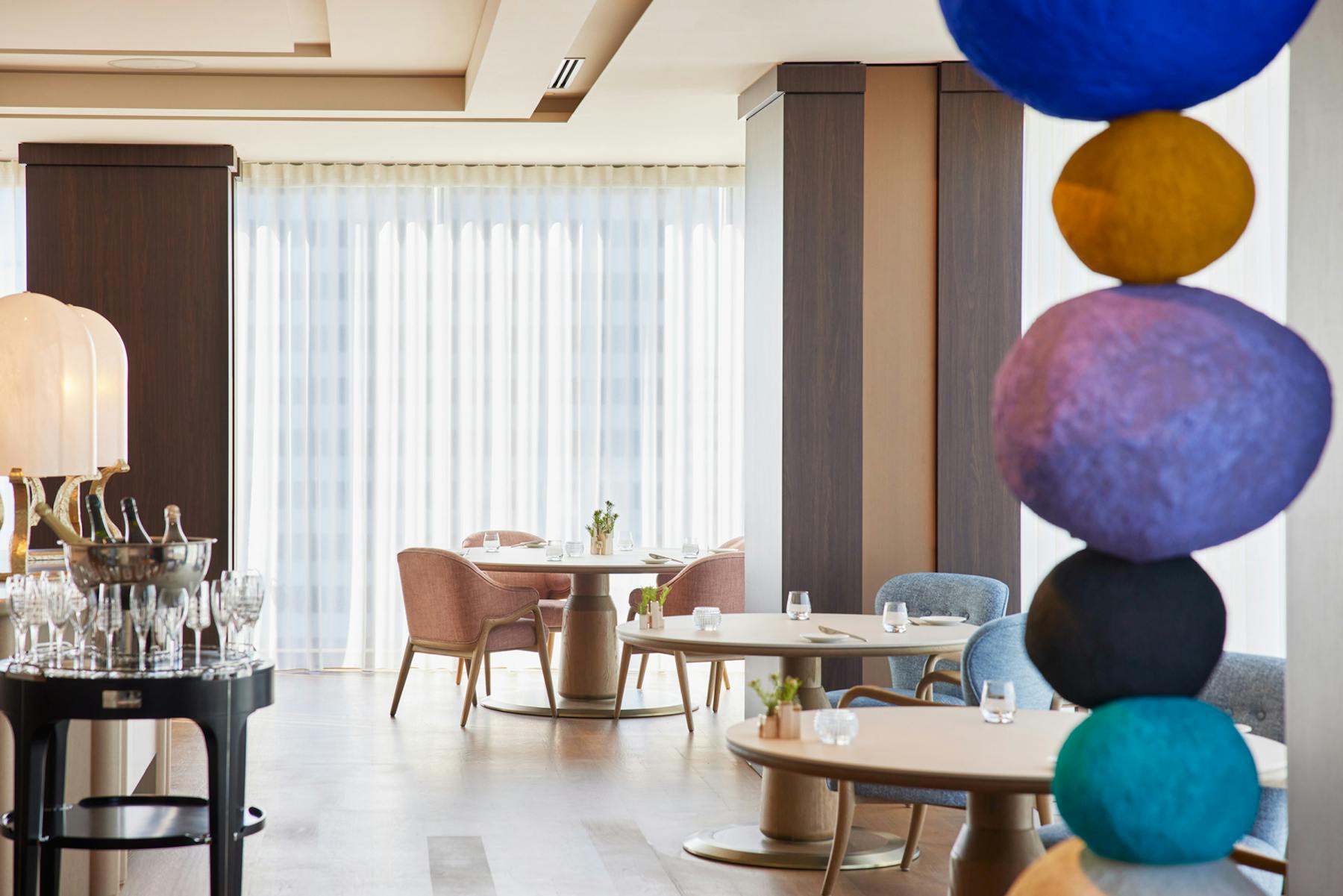
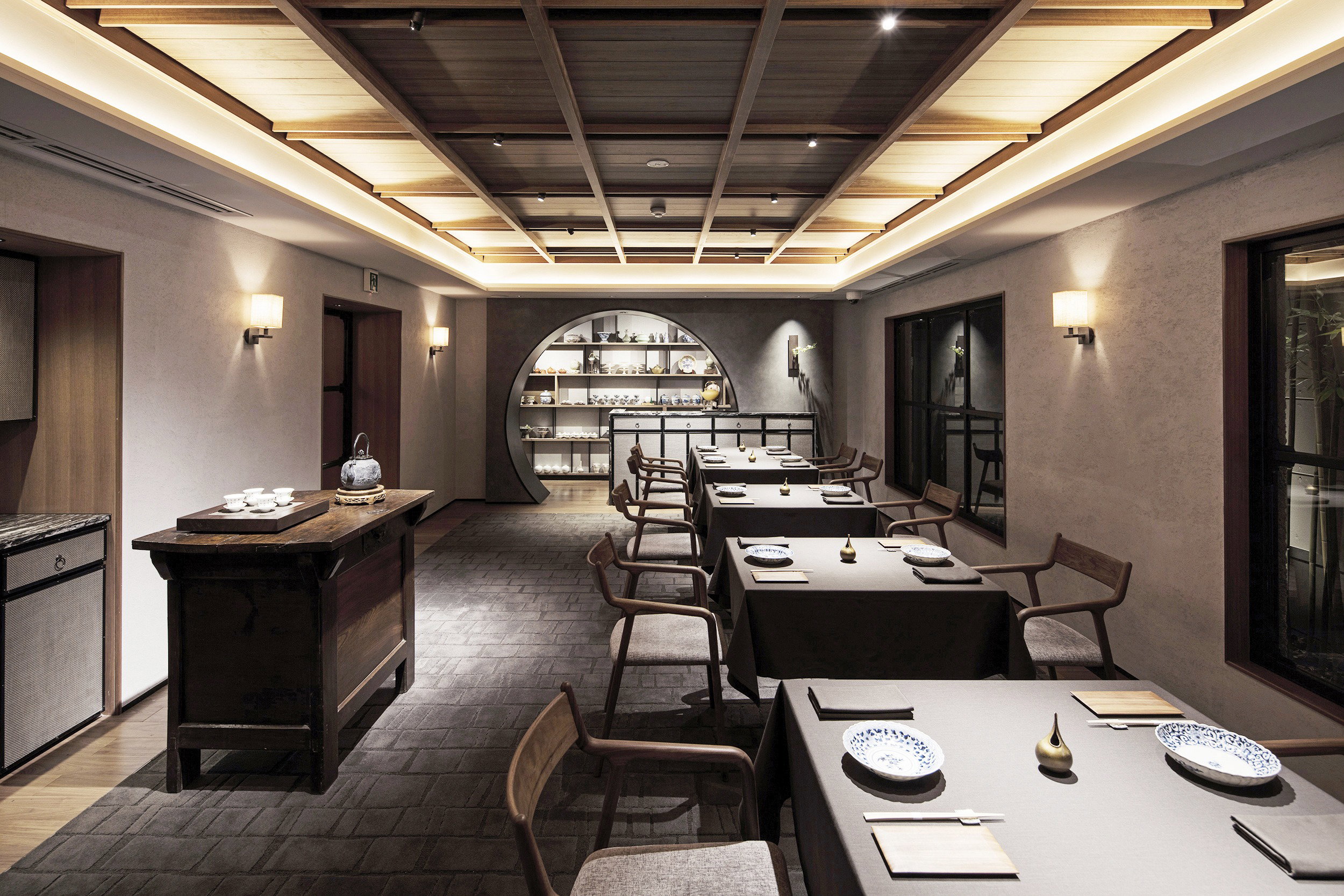
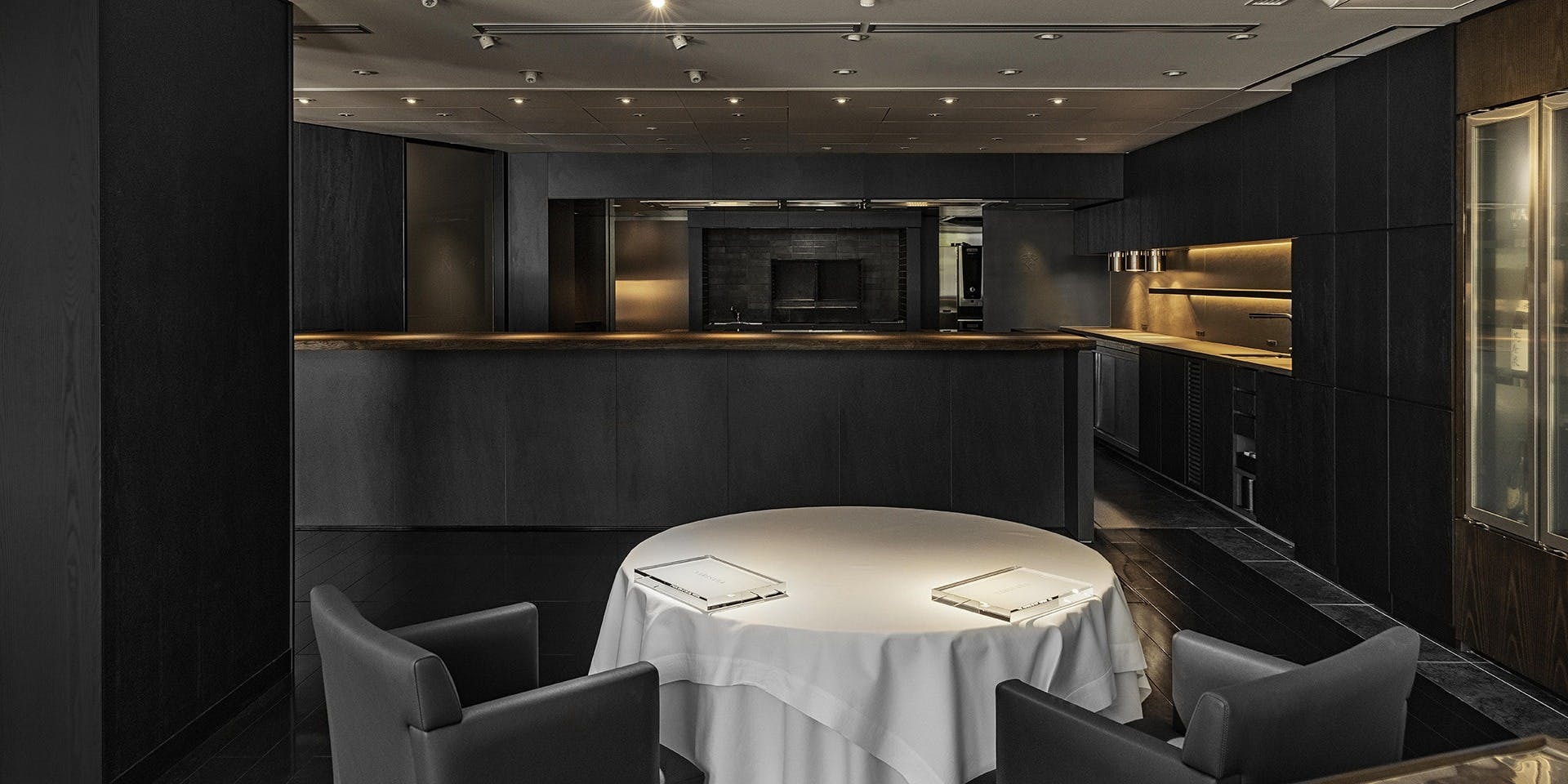
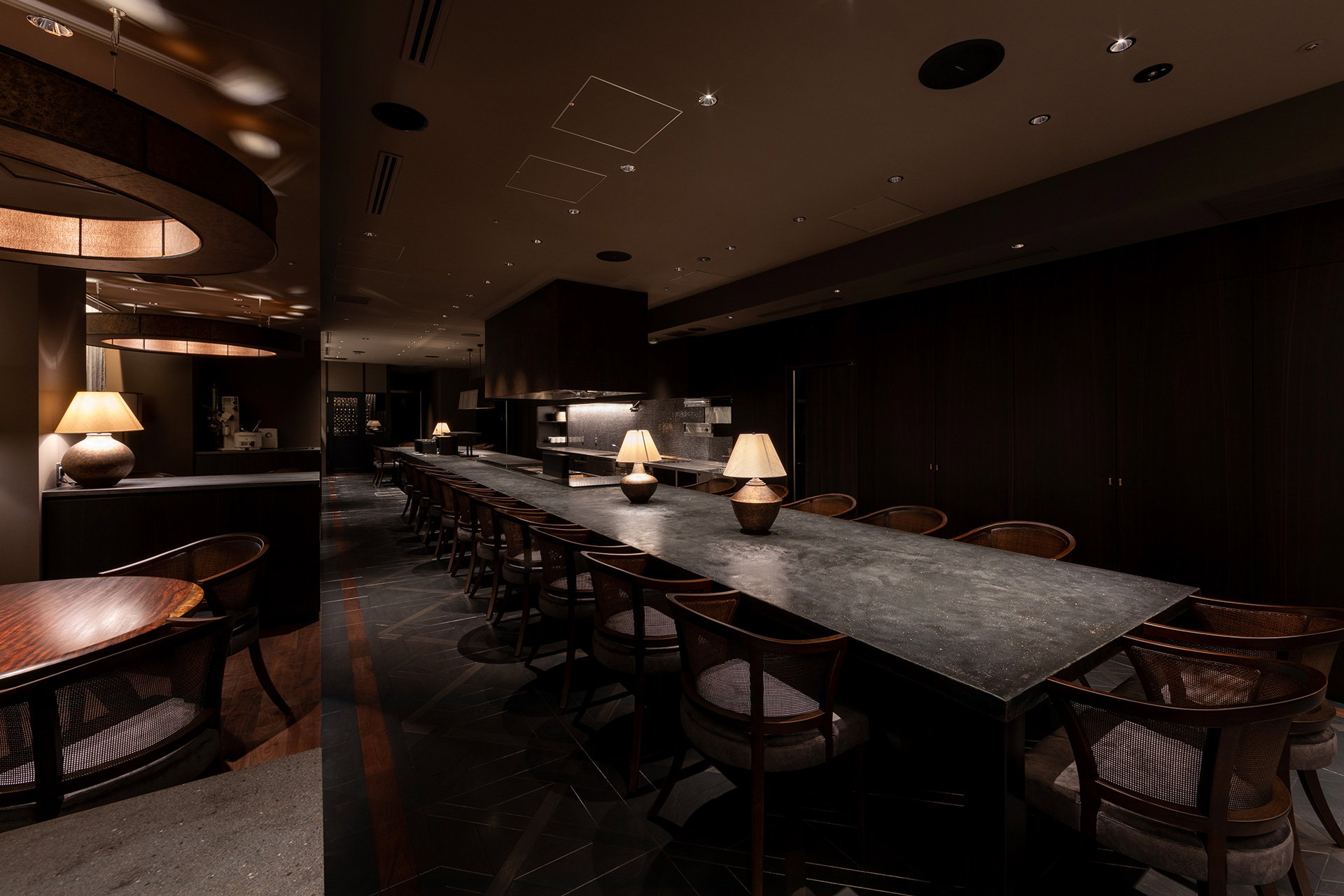
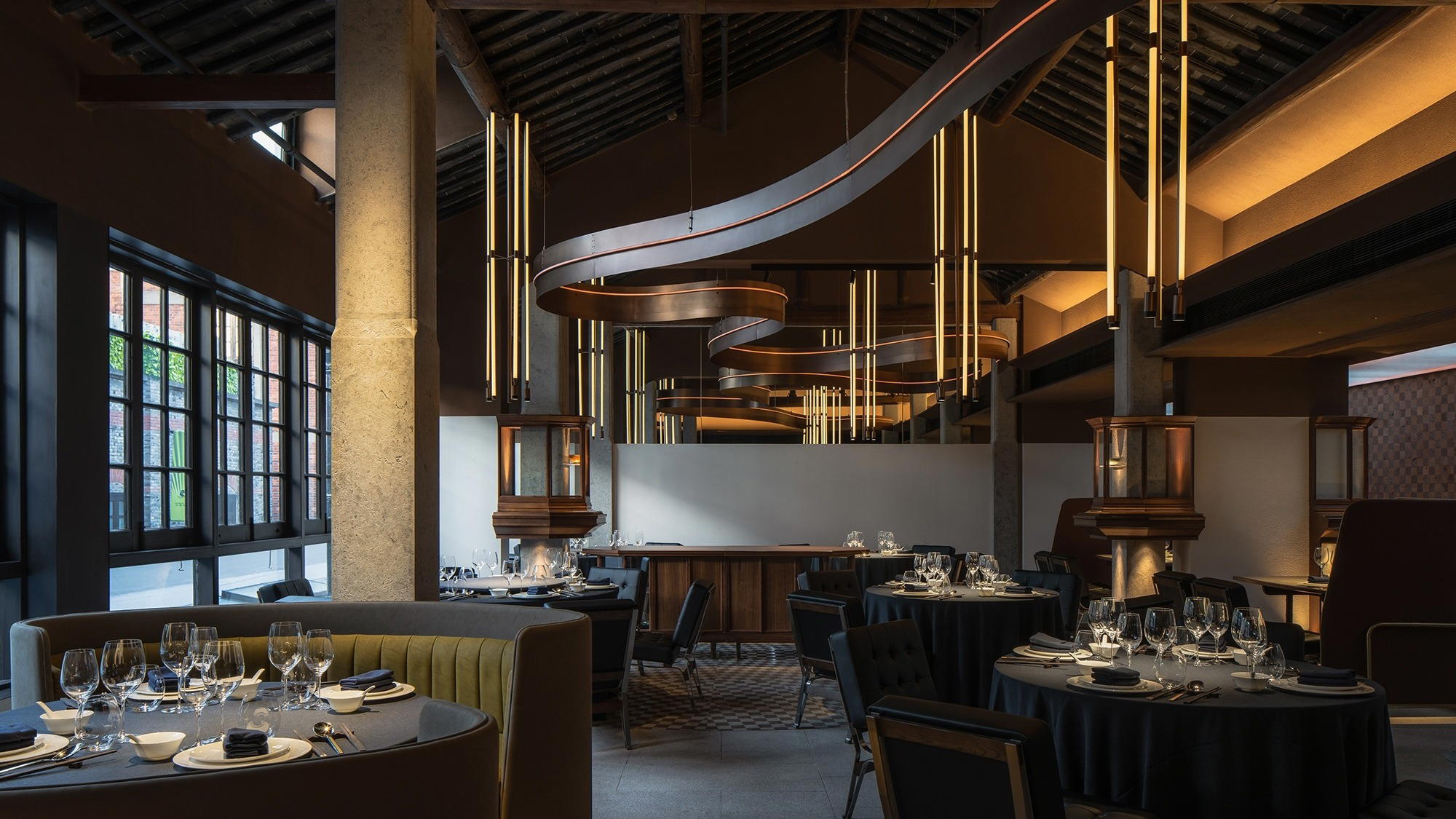
ETHICA occupies a ground-floor address in Ginza 1-chome, which tells you something about its positioning: this is a neighbourhood of expense-account restaurants, luxury retail, and very little culinary risk-taking. A Mexican kitchen with an eco-conscious sourcing philosophy and a deep interest in Mesoamerican food tradition is a deliberate outlier here. The ground-floor footprint keeps the room intimate. Do not arrive expecting the cavernous sprawl of a hotel dining room — the scale reads closer to a focused chef's restaurant than a Ginza showpiece, which works in its favour for dates and small group dinners where the room should not overwhelm the conversation. For a special occasion that requires visual impact and grandeur, manage expectations: the draw here is the food philosophy and the relative rarity of the offer, not architectural drama.
The Food
The kitchen's approach is anchored in the culinary traditions of Oaxaca and the Yucatan Peninsula, two regions with large indigenous populations and food cultures that are meaningfully different from the Tex-Mex shorthand most diners carry into the room. The chef's interest in those regions, developed through direct travel and study, shapes a menu that takes eco-friendly sourcing as a structural principle rather than a marketing note. Expect preparations that reference mole, recado, and the protein and vegetable combinations of southern Mexico, filtered through a Japanese context where ingredient quality and presentation discipline are the baseline expectation. What ETHICA is attempting, marrying that indigenous Mexican tradition with sustainable sourcing in one of the world's most demanding dining cities, is a narrow brief, and Michelin's consecutive Plate recognition suggests the execution is disciplined enough to deserve attention.
For diners who want a benchmark for what the kitchen is doing, the Mexican restaurants most directly comparable in ambition are Pujol in Mexico City and Animalón in Valle de Guadalupe, both operating at the serious end of Mexican fine dining. ETHICA is not making the same claim to global significance, but it shares the philosophical orientation: indigenous technique over fusion novelty. Closer to home in Tokyo, Los Tacos Azules serves the accessible, casual end of the Mexican spectrum in the city if you want a lower-stakes alternative.
The Drinks
The drinks program matters considerably at a restaurant where the kitchen is working with the chiles, smoked ingredients, and complex sauces of Oaxacan and Yucatecan cooking. Those flavour profiles reward either a serious mezcal and agave spirits list or a wine program built around high-acid, lower-tannin bottles that can hold their own against mole and achiote. When you book, ask directly about the drinks offer: a restaurant at this price point in Ginza should have a considered answer, and the response will tell you quickly whether the program matches the kitchen's ambition.
Occasion Fit
The ¥¥¥ price tier, the Ginza address, and the Michelin Plate credential make ETHICA a reasonable choice for a date dinner or a business meal where you want to offer something genuinely different from the city's deep bench of Japanese fine dining. It is a better option than defaulting to another sushi counter or kaiseki room when your guest already knows Tokyo well. For a significant anniversary or an occasion where the venue itself needs to do considerable emotional work, the room's intimacy is an asset, but the lack of ceremony that defines a four-symbol Michelin room means you should calibrate expectations accordingly. This is a strong ¥¥¥ dinner in a city where that tier is competitive, it is not a bucket-list splurge in the vein of RyuGin or Sézanne.
How It Compares
Know Before You Go
- Location: 1 Chome-3-3 Ginza 1F, Chuo City, Tokyo 〒104-0061
- Cuisine: Mexican, Oaxacan and Yucatecan focus with eco-friendly sourcing
- Price: ¥¥¥ (mid-to-upper tier; one step below Tokyo's Michelin-starred rooms)
- Recognition: Michelin Plate 2024 and 2025
- Rating:
- Booking difficulty: Easy, no months-ahead window required at this tier
- Leading for: Dates, business dinners, diners wanting a break from Tokyo's Japanese fine-dining circuit
- Nearest context: Ginza 1-chome, walkable from Ginza and Kyobashi stations
Explore More in Tokyo and Beyond
For the full picture of where to eat in the city, see our full Tokyo restaurants guide. If you are planning the wider trip, our Tokyo hotels guide, Tokyo bars guide, Tokyo wineries guide, and Tokyo experiences guide cover the rest. Travelling further in Japan? Consider HAJIME in Osaka, Gion Sasaki in Kyoto, akordu in Nara, Goh in Fukuoka, 1000 in Yokohama, and 6 in Okinawa for fine dining options across the country.
Planning details
- Location
- Japan, 〒104-0061 Tokyo, Chuo City, Ginza, 1 Chome−3−3 1F
- Reservations
- Book on the venue's website
- Website
- ethicatokyo.jp
- Phone
- +81 3-6228-7313
The take
The Take
The Vibe
ETHICA presents a restrained, modern take on Mexican regional cooking in the heart of Ginza. The restaurant deliberately contrasts with the neighbourhood's kaiseki and French fine-dining traditions, grounding its identity in Oaxacan mole and Yucatecan citrus-cured techniques. A 2025 Michelin Plate signals careful, considered cooking without the ceremony of a starred room; service and design lean toward intimate, minimalist sophistication. The ground-floor location and the editorial framing of its program position ETHICA as an elegant, quietly confident destination for diners seeking regional Mexican flavors in a polished Tokyo setting.
Best For
ETHICA is best experienced at dinner and suits date nights, special occasions and business dinners where focused, serious cooking is the priority. The ¥¥¥ price point and Michelin Plate recognition make it a more approachable alternative to Ginza's multi‑starred rooms while retaining a refined tone, so it works well for couples or small professional parties who want an intimate, elevated meal. The kitchen’s emphasis on southern Mexican techniques rewards attentive diners rather than loud, casual groups—this is a place for conversation and tasting regional depth.
Ordering Tips
To understand ETHICA's kitchen, start with the signature items that highlight its regional remit: the ETHICA Collection, Pozole and Queso Fundido Tacos are explicitly listed as highlights. The menu foregrounds Oaxacan mole and Yucatecan citrus-cured technique, so order dishes that showcase those preparations to sample the restaurant’s core flavors. The venue’s ¥¥¥ positioning and Michelin Plate suggest precise execution, so focus on a selection of these emblematic dishes rather than seeking heavy-course ceremony.
Venue details
Ambiance
Calm architectural blend of Japanese minimalism and Mexican earthiness with hushed sound, discreet service, and confident subtlety.
Tags
Vibe
Best For
Experience
Sourcing
At the Table
- Dress Code
- Smart Casual
- Noise Level
- Quiet
- Service Style
- Formal
- Meal Pacing
- Leisurely
- Capacity
- Intimate
- Kitchen
- Modern
- Menu Format
- Tasting menu, Prix fixe
- Wine Program
- Curated
- Drinks Focus
- Natural wine
- Dietary
- Vegan options, Vegetarian friendly, Allergy accommodating
Signature Dishes
- ETHICA Collection
- Pozole
- Queso Fundido Tacos
Know before you go
Know Before You Go
- Getting there
- Japan, 〒104-0061 Tokyo, Chuo City, Ginza, 1 Chome−3−3 1F
Planning details
Location
Japan, 〒104-0061 Tokyo, Chuo City, Ginza, 1 Chome−3−3 1F · Directions
Recognition and awards
Also consider
Also Consider
- Harutaka, Sushi, ¥¥¥¥
- RyuGin, Kaiseki, Japanese, ¥¥¥¥
- L'Effervescence, French, ¥¥¥¥
- HOMMAGE, Innovtive French, French, ¥¥¥¥
- Florilège, French, ¥¥¥
Restaurant context
ETHICA occupies a different competitive tier from most of the serious restaurants in Ginza and the surrounding area. At ¥¥¥, it costs less than a seat at Harutaka, RyuGin, or L'Effervescence, all of which operate at ¥¥¥¥ and carry more significant Michelin weight. If your ceiling is ¥¥¥ and you want a room with genuine culinary intent and recognised execution, ETHICA is the stronger choice over a mid-tier sushi or tempura counter, precisely because the offer is harder to replicate and the Michelin Plate credential confirms the kitchen is operating with discipline.
For diners choosing between ETHICA and the ¥¥¥¥ tier, the calculation is straightforward: RyuGin and HOMMAGE will deliver more ceremony, more service depth, and more conventional fine-dining architecture. Florilège at ¥¥¥ offers a French alternative at the same price tier with stronger Michelin credentials, so if French cuisine is your preference, Florilège wins on recognition. ETHICA wins if you specifically want the cultural departure, Mexican cooking rooted in Oaxacan and Yucatecan tradition is genuinely rare at this quality level in Tokyo, and no other ¥¥¥ room in the city is making the same offer.
On booking difficulty, ETHICA is the easiest option in this comparison set by some distance. RyuGin, Harutaka, and L'Effervescence all require advance planning, sometimes weeks or months out. ETHICA is rated easy, which gives it a practical edge for spontaneous visits or shorter Tokyo itineraries. If you are building a multi-dinner Tokyo trip and want one room that does not require military-level reservation logistics, ETHICA fits that slot well.
Explore Tokyo
Around this place
Discover more on Pearl
Unlock the full ETHICA guide in Pearl, including awards, comparisons, FAQs, planning details, and nearby places.
Compare ETHICA
| Venue | Cuisine | Price | Booking Difficulty | Awards |
|---|---|---|---|---|
| ETHICA | Mexican | ¥¥¥ | Easy | 2026 Michelin Plate2025 Michelin Plate2024 Michelin Plate |
| Harutaka | Sushi | ¥¥¥¥ | Unknown | 2026 Tabelog Silver · #312026 OAD Top Restaurants in Japan Ranked · #1282026 Michelin 3 Stars2026 La Liste Top RestaurantsTabelog 100 - Sushi - TOKYO - 2025 · #372025 Asia's 50 Best Restaurants · #762025 OAD Top Restaurants in Japan Ranked · #1172025 La Liste Top Restaurants2025 Tabelog Bronze |
| RyuGin | Kaiseki, Japanese | ¥¥¥¥ | Unknown | 2026 OAD Top Restaurants in Japan Ranked · #802026 Tabelog Bronze · #3772026 Michelin 3 Stars2026 La Liste Top RestaurantsTabelog 100 - Japanese cuisine - TOKYO - 2025 · #212025 OAD Top Restaurants in Japan Ranked · #542025 Michelin 3 Stars2025 La Liste Top Restaurants2025 The Best Chef Three Knives |
| L'Effervescence | French | ¥¥¥¥ | Unknown | 2026 Tabelog Silver · #682026 OAD Top Restaurants in Japan Ranked · #103Star Wine Lists 20262026 Black Pearl 2 Diamond2026 Relais Chateaux Restaurants2026 La Liste Top Restaurants2026 Michelin 3 Stars2025 Asia's 50 Best Restaurants · #692025 OAD Top Restaurants in Japan Ranked · #92 |
| HOMMAGE | Innovtive French, French | ¥¥¥¥ | Unknown | 2026 Tabelog Bronze · #1232026 OAD Top Restaurants in Japan Highly Recommended2026 Michelin 2 StarsTabelog 100 - French - TOKYO - 2025 · #762025 Asia's 50 Best Restaurants · #782025 OAD Top Restaurants in Japan Ranked · #1752025 Michelin 2 Stars2025 The Best Chef One Knife2025 La Liste Top Restaurants |
| Florilège | French | ¥¥¥ | Unknown | 2026 Asia's 50 Best Restaurants · #312026 Tabelog Bronze · #712026 OAD Top Restaurants in Japan Ranked · #1242026 Black Pearl 1 Diamond2026 Michelin 2 Stars2026 La Liste Top Restaurants2025 Asia's 50 Best Restaurants · #172025 World's 50 Best Restaurants · #36Tabelog 100 - French - TOKYO - 2025 · #68 |













What to weigh when choosing between ETHICA and alternatives.
FAQ
Frequently Asked Questions
How far ahead should I book ETHICA?
Book at least two to three weeks ahead for weekend sittings at this Ginza 1-chome address. A Michelin Plate credential in both 2024 and 2025 keeps demand steady, and Ginza restaurants at the ¥¥¥ tier rarely hold walk-in capacity. Weekday lunches, if offered, are your best shot at shorter notice.
What should I order at ETHICA?
Follow the kitchen's focus on the culinary traditions of Oaxaca and the Yucatan Peninsula, with preparations rooted in indigenous Mexican technique rather than Tex-Mex or California-Mexican crossover. Ask the front-of-house to guide you toward the kitchen's current strengths on arrival.
Is ETHICA good for a special occasion?
Yes, within the right framing. The Ginza address, ¥¥¥ pricing, and back-to-back Michelin Plate recognition make it a credible choice for a date dinner or a business meal. It is not a celebration venue in the champagne-trolley sense — the draw is a specific and considered Mexican kitchen, not tableside theatre. If you need a room with guaranteed wow-factor service, set expectations accordingly.
Is the tasting menu worth it at ETHICA?
At the ¥¥¥ tier in Ginza, value depends heavily on whether the format matches what you are paying for — ETHICA's Michelin Plate in 2024 and 2025 signals consistency rather than top-tier destination status. If you are expecting the depth of a Michelin-starred omakase experience, temper those expectations; if you want a serious, ingredient-led Mexican meal in a neighbourhood that rarely offers one, the price is more justifiable.
What are alternatives to ETHICA in Tokyo?
For Japanese fine dining at a comparable or higher price tier, Harutaka and RyuGin both operate in Tokyo with stronger award credentials. If French technique and seasonal Japanese produce is the priority, L'Effervescence and Florilège offer more tasting-menu depth. ETHICA's genuine point of difference is that it is the only restaurant in this peer group anchored in Oaxacan and Yucatan Mexican cooking — if that specific cuisine is the draw, there is no direct Tokyo substitute in this bracket.