




ESTERRE by Alain Ducasse
French · Chiyoda, Tokyo
Restaurant in Tokyo, Japan
 Book with Pearl
The Read
Japanese Terroir, French Technique
Price
¥¥¥
Dress
Formal
Why go
ESTERRE by Alain Ducasse holds a Michelin star and a La Liste ranking for good reason: its kitchen builds French menus around Kamakura vegetables and charcoal technique in a way that feels genuinely rooted rather than decorative. At ¥¥¥, it sits below most of Tokyo's top-tier French competition on price, and the Palace Hotel setting — sixth floor, Imperial Palace gardens below — is one of the more considered dining rooms in the city.
About ESTERRE by Alain Ducasse
Should You Book ESTERRE by Alain Ducasse?
If you have been to ESTERRE once, the question on a second visit is not whether the cooking holds up — it does — but whether the sourcing philosophy has deepened. The short answer: it has. The Kamakura vegetable programme that defines the menu continues to evolve seasonally, and for a food-focused traveller who tracks ingredient provenance, that evolution is reason enough to return. For a first-timer, this is one of the clearest arguments in Tokyo for French fine dining that is genuinely rooted in Japanese terroir rather than simply plated in a Japanese city.
The Venue at a Glance
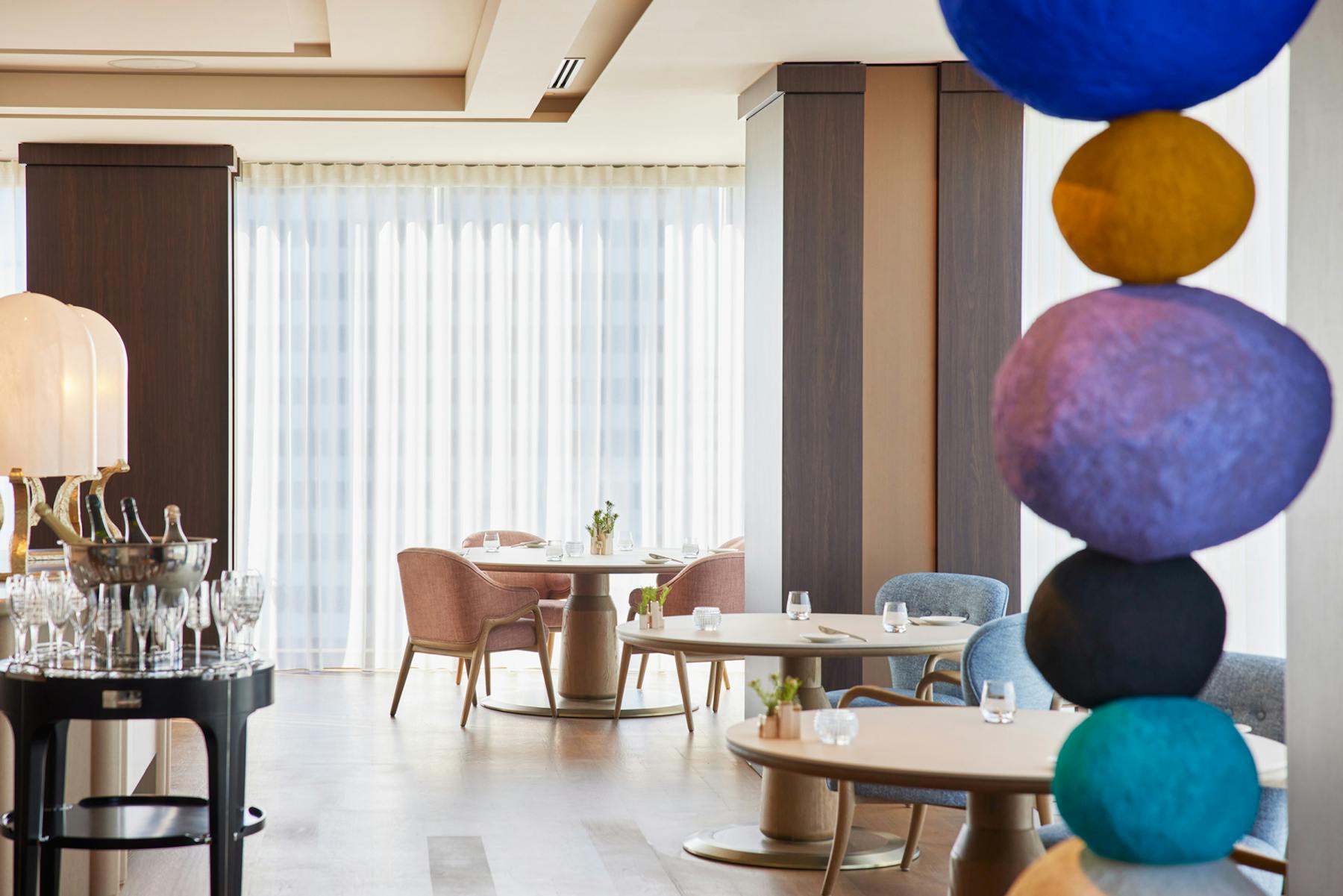
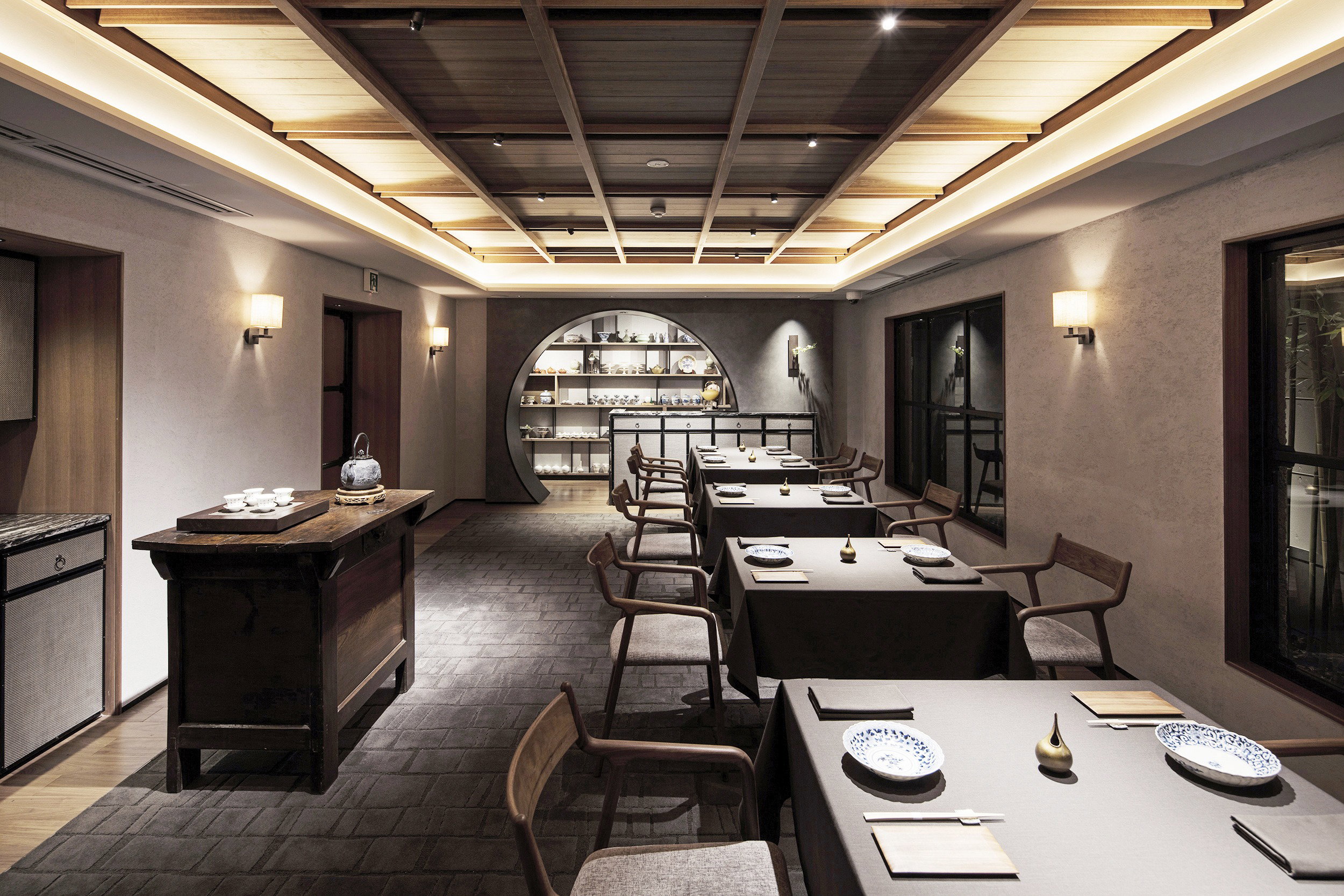
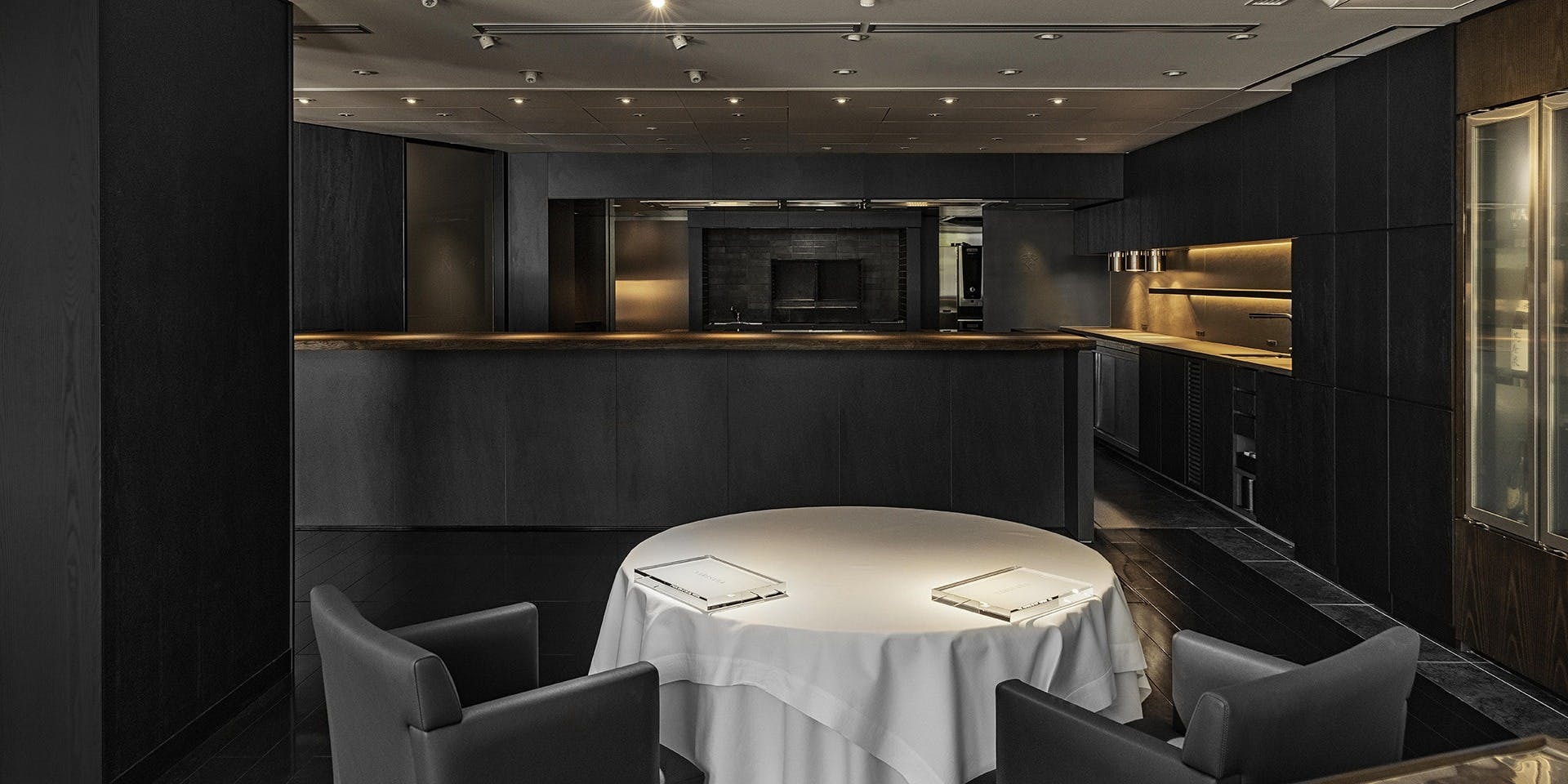
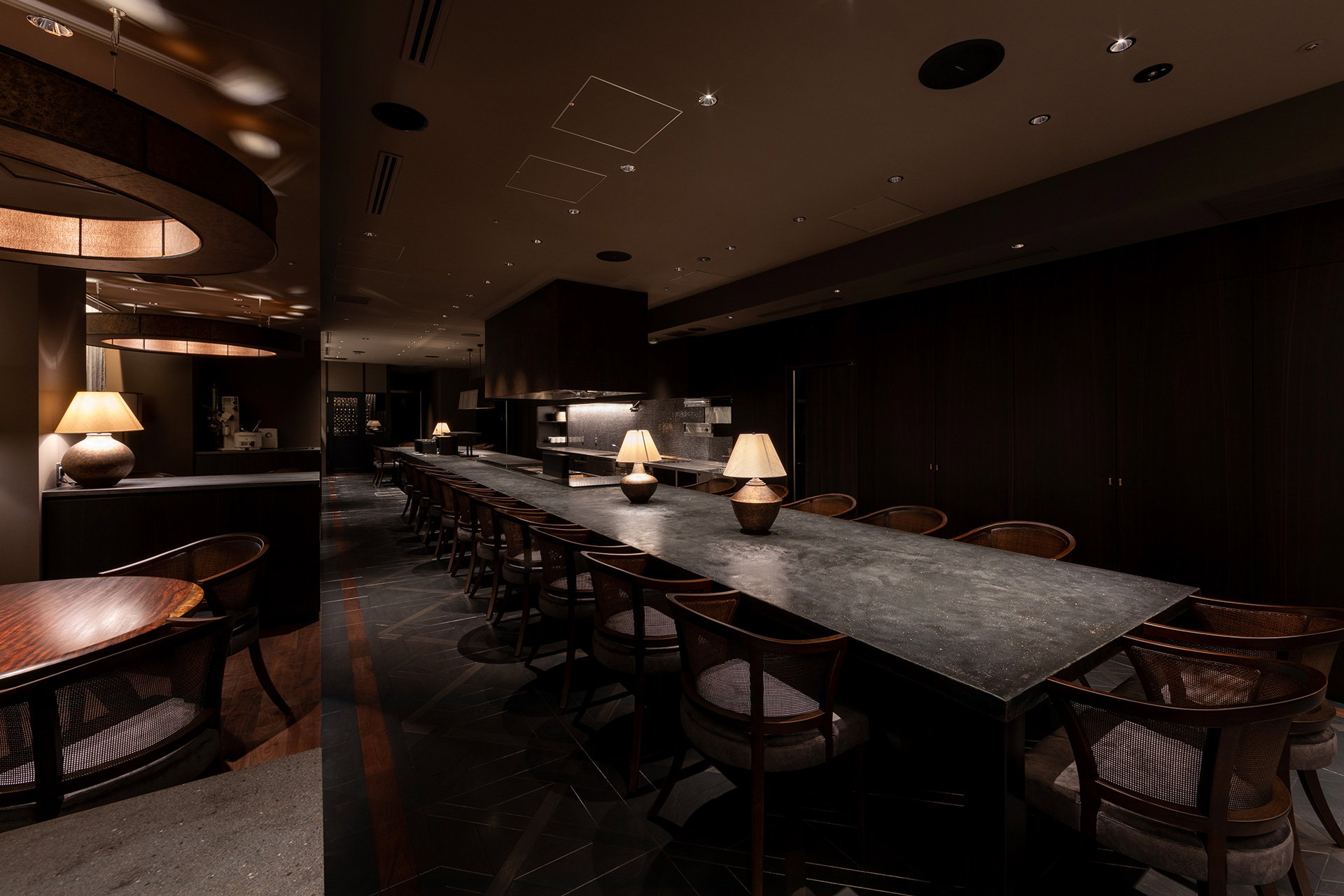
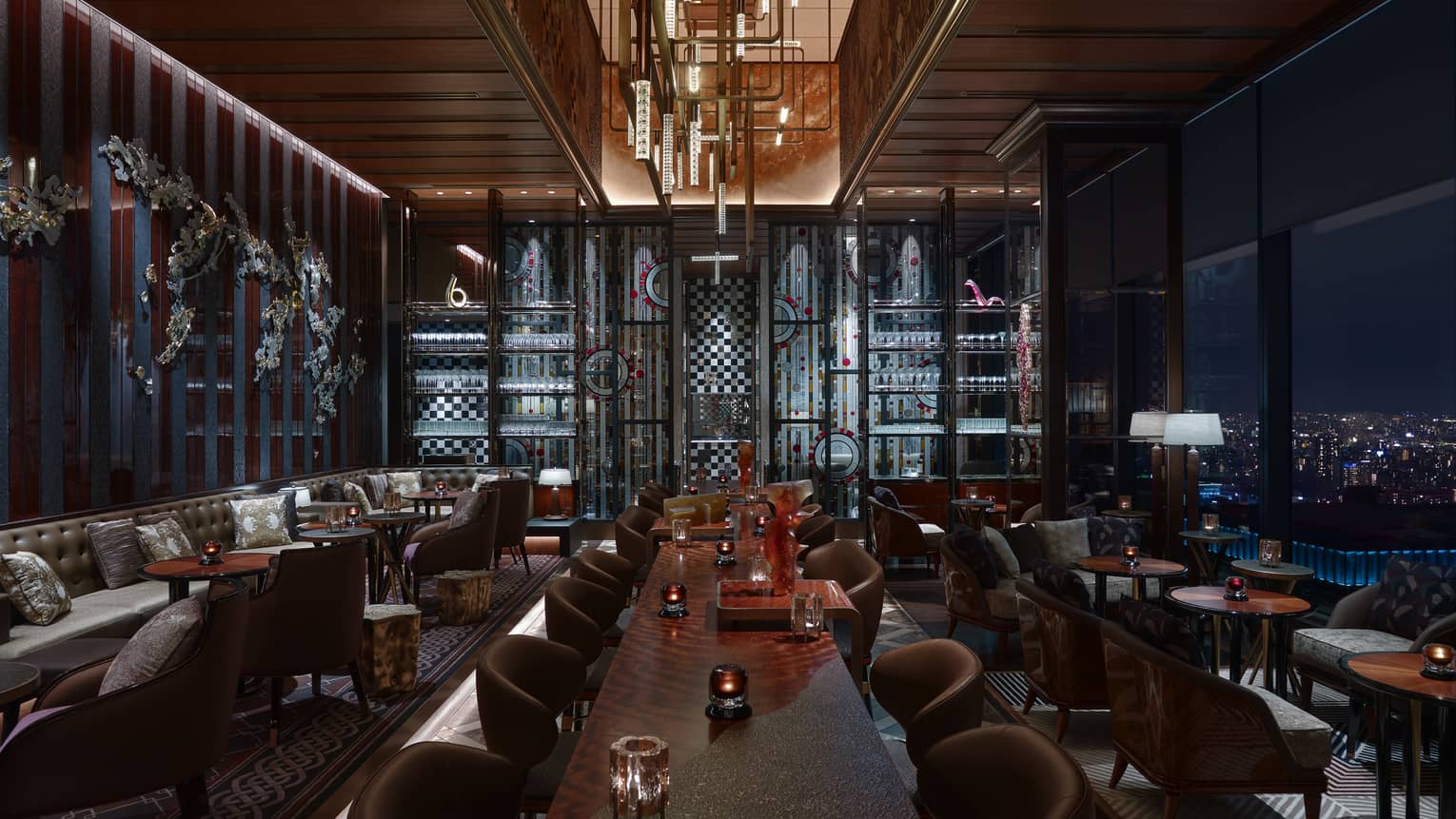
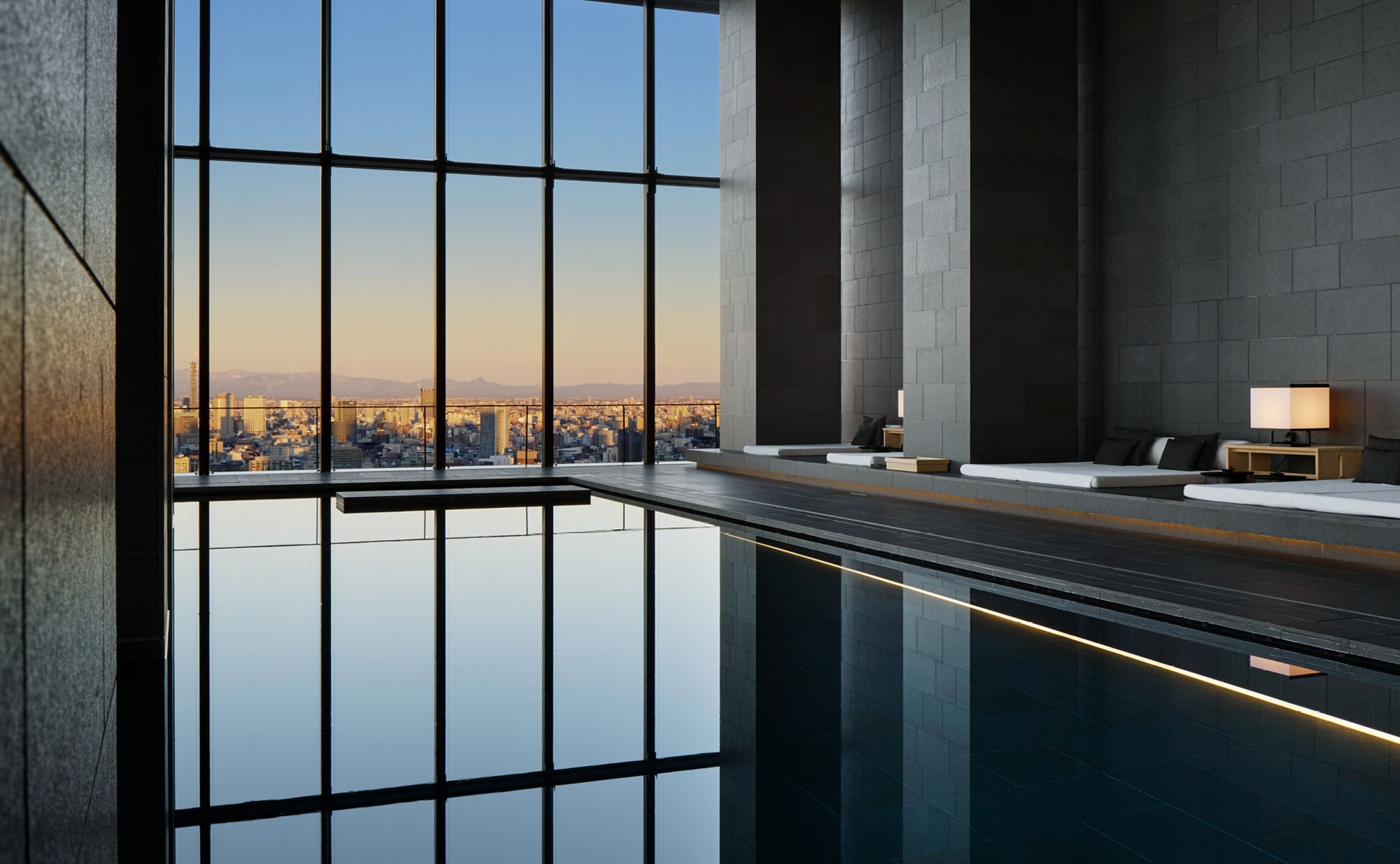
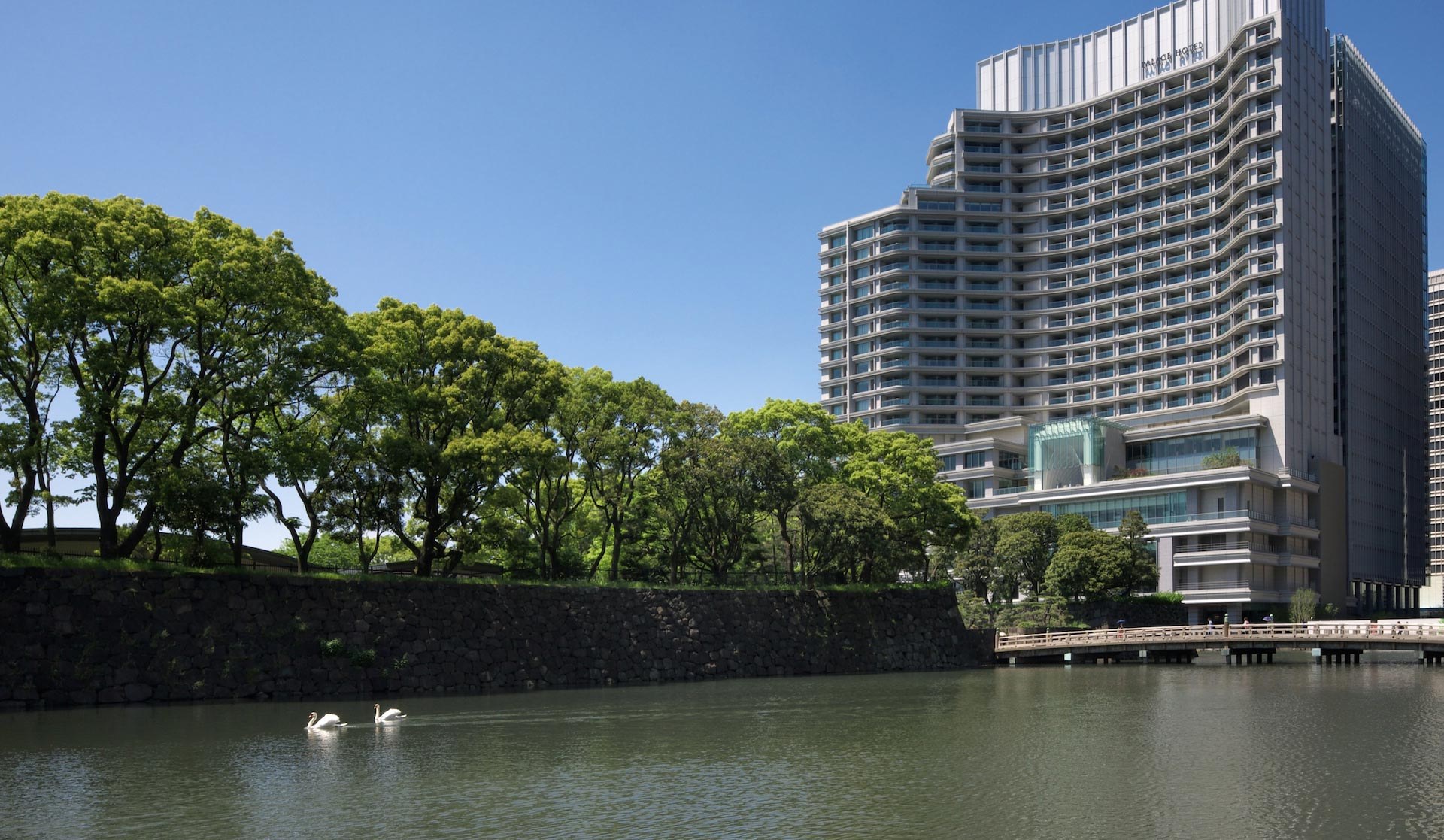
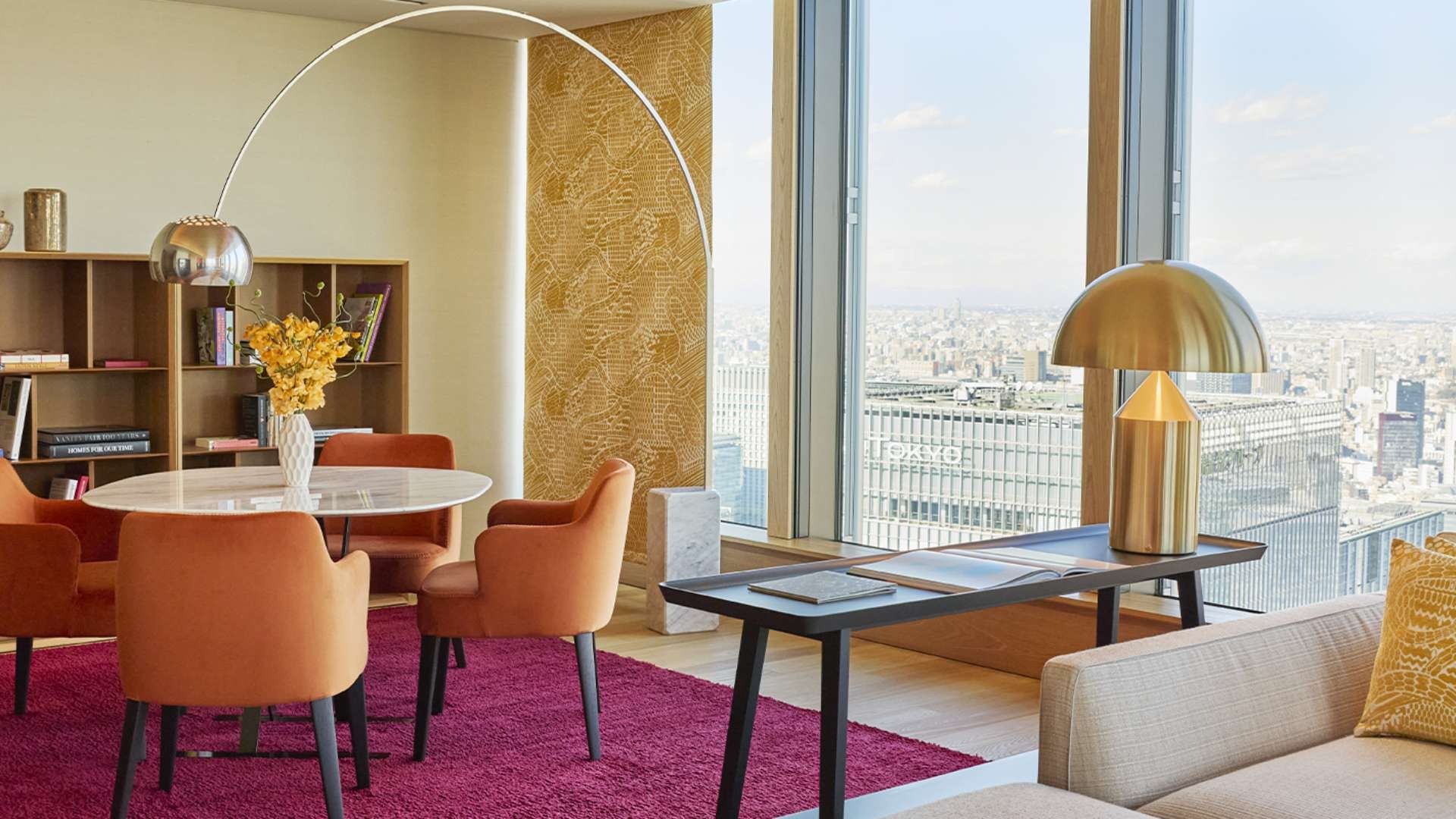
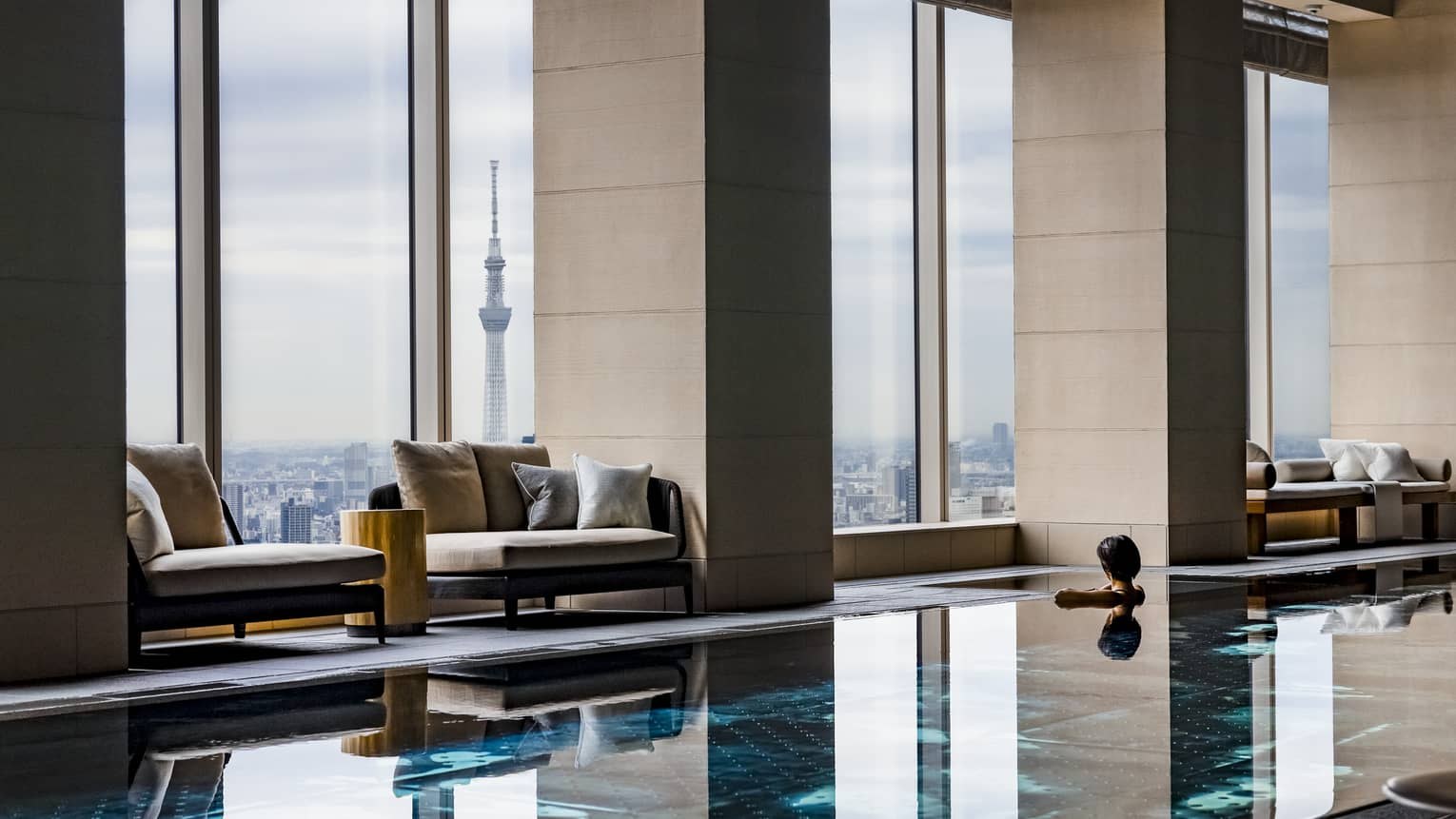
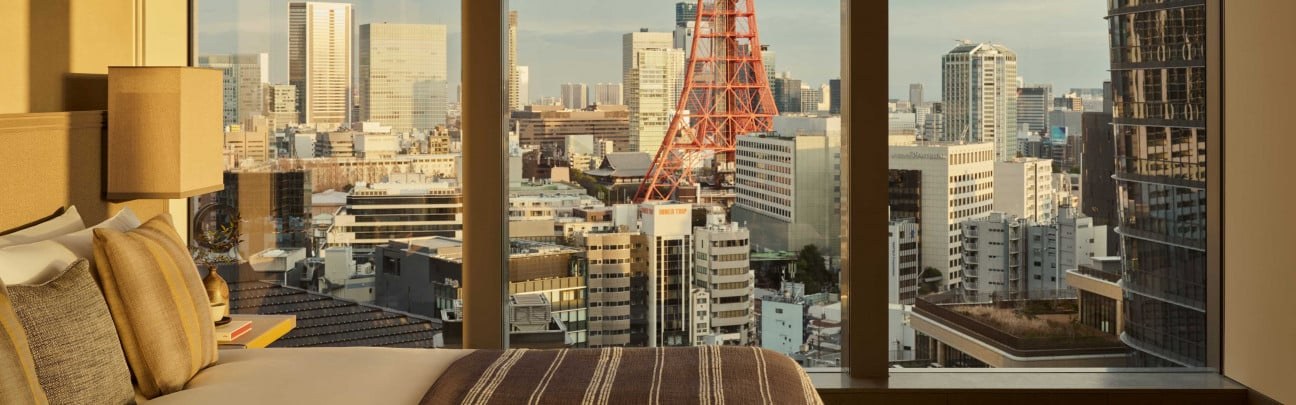
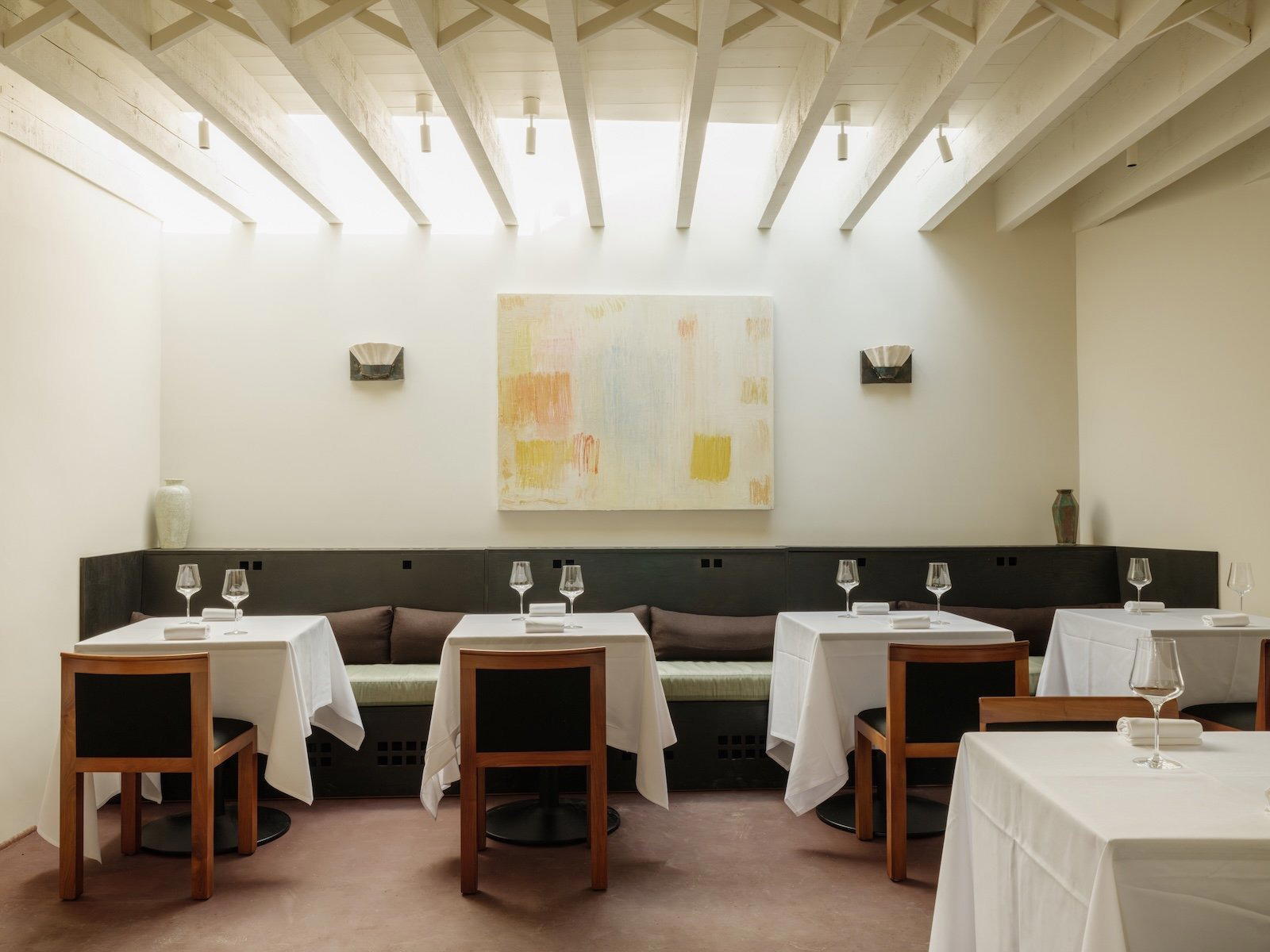
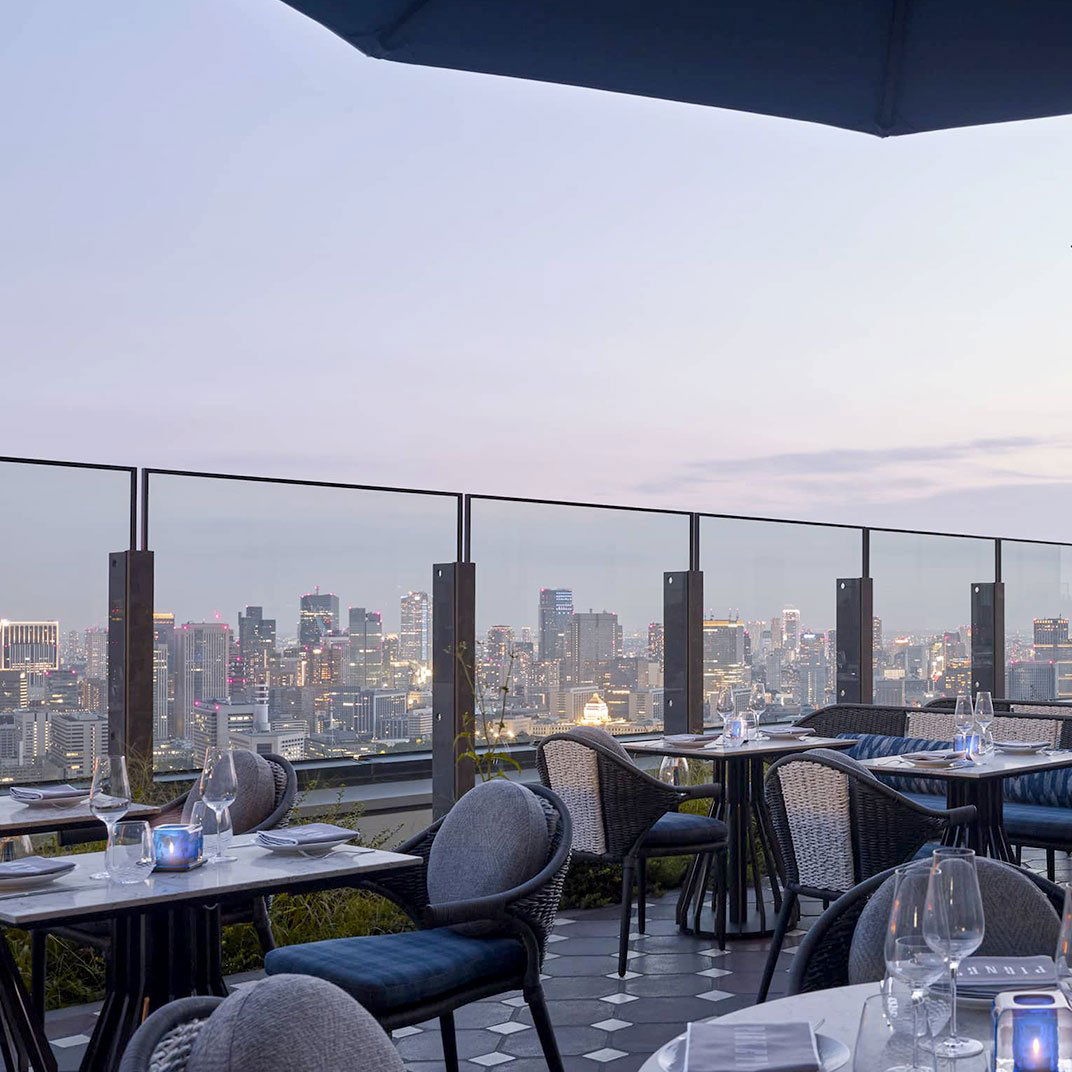
ESTERRE sits on the sixth floor of Palace Hotel Tokyo in Marunouchi, directly overlooking the gardens of the Imperial Palace. The room runs quiet by Tokyo fine-dining standards, conversation carries without effort, and the energy stays composed through service. This is not a room that builds toward a buzzy late-evening peak; it is calibrated for focus, which makes it a better choice for a long, considered meal than for a celebratory group dinner that needs atmosphere to do some of the work. The views over the Imperial Palace gardens shift with the light, and the stillness of that outlook sets the tone for everything that follows on the plate.
Why Sourcing Is the Story Here
The concept, described by the restaurant as a place that weaves an encounter between earth and sea, is not marketing language. It is a genuine editorial position on how the menu is constructed. Vegetables sourced from the markets of Kamakura arrive colourful and fresh, and the kitchen treats them as primary ingredients rather than supporting elements. The use of charcoal flame across the menu carries a distinctly Japanese inflection: it is not French technique applied to Japanese produce, but a more integrated approach where the two inform each other at the method level, not just the garnish level.
This matters for the value question. At the ¥¥¥ price tier, ESTERRE sits below Tokyo's ¥¥¥¥ French restaurants including L'Effervescence and Florilège. What you are paying for here is a specific kind of discipline: a kitchen that has chosen to express Japanese terroir through a French framework rather than chase luxury imports. If that editorial position matches what you are looking for, the price-to-experience ratio is strong. If you want the broader technical ambition of a Sézanne or the ingredient depth of an ESqUISSE, those are different conversations.
Trust Signals and Recognition
ESTERRE holds a Michelin one star (2024) and appeared on La Liste's Leading Restaurants ranking with 81 points in 2025 and 78 points in 2026. The La Liste trajectory is worth noting: a three-point drop year-on-year is not a collapse, but it is a signal that the restaurant is holding its position in an increasingly competitive field rather than climbing. The Michelin star is consistent with the kitchen's level, precise, ingredient-led, technically assured, without suggesting the kitchen is operating at two-star ambition. For travellers who have eaten at HAJIME in Osaka or Gion Sasaki in Kyoto, the level of sourcing intentionality at ESTERRE will read as familiar and genuine.
Booking and Logistics
Reservations at ESTERRE are hard to secure. The Palace Hotel Tokyo setting means the restaurant draws both hotel guests and destination diners, and the combination keeps the book full. Book as far in advance as possible, four to six weeks minimum is a practical baseline for preferred time slots. Dinner on weekday evenings is typically harder to land than weekend lunch, though neither is direct. The hotel concierge route may offer some advantage for guests staying at Palace Hotel Tokyo.
The address is Palace Hotel Tokyo, 6F, 1-1-1 Marunouchi, Chiyoda-ku, Tokyo. The Marunouchi location places it well for visitors also considering Château Restaurant Joël Robuchon or planning a wider Tokyo itinerary across the city's fine-dining French tier. For broader planning, see our full Tokyo restaurants guide, our full Tokyo hotels guide, our full Tokyo bars guide, our full Tokyo wineries guide, and our full Tokyo experiences guide.
For travellers moving beyond Tokyo, the sourcing-driven French approach at ESTERRE has loose parallels in the work being done at akordu in Nara and 1000 in Yokohama. For a regional comparison further afield, Les Amis in Singapore and Hotel de Ville Crissier in Crissier offer reference points for what Ducasse-adjacent French fine dining looks like at different price points and in different culinary contexts. For Japanese regional fine dining comparisons, Goh in Fukuoka and 6 in Okinawa show how ingredient-led restaurants operate in markets with very different produce profiles.
How It Compares
Practical Details
| Venue | Cuisine | Price | Booking Difficulty | Setting |
|---|---|---|---|---|
| ESTERRE by Alain Ducasse | French | ¥¥¥ | Hard | Hotel, 6F, Imperial Palace views |
| L'Effervescence | French | ¥¥¥¥ | Very Hard | Standalone, Nishi-Azabu |
| Florilège | French | ¥¥¥ | Hard | Standalone, Minami-Aoyama |
| HOMMAGE | Innovative French | ¥¥¥¥ | Hard | Standalone |
| RyuGin | Kaiseki | ¥¥¥¥ | Very Hard | Standalone, Roppongi |
Pearl's Take
Book ESTERRE if you want French fine dining in Tokyo that is grounded in a clear sourcing argument, served in a room that prioritises calm over energy, and priced a notch below the ¥¥¥¥ tier that dominates the city's high-end French category. It is the right choice for a focused, ingredient-attentive dinner, and the Imperial Palace views on a clear evening make the setting work harder than most hotel restaurants manage.
Part of
Alain Ducasse28 locations on PearlPlanning details
- Location
- Japan, 〒100-0005 Tokyo, Chiyoda City, Marunouchi, 1 Chome−1−1 パレスホテル東京 6階
- Website
- palacehoteltokyo.com/restaurant/esterre
- Phone
- +81 3-3211-5317
The take
The Take
The Vibe
ESTERRE by Alain Ducasse presents a composed, scenic kind of fine dining that places Tokyo's urban silhouette and the Imperial Palace gardens on equal footing with the food. The restaurant frames a deliberate tension between nature and city—moats and tree canopies against Marunouchi towers—and translates that tension onto the plate through a French technique that foregrounds Japanese terroir. The result reads as refined and contemplative rather than showy: disciplined service and a sourcing-focused kitchen make the meal feel precise, considered and quietly theatrical, ideal for guests who appreciate culinary craft informed by place.
Best For
This is a destination for evening meals that warrant attention: special occasions, business dinners and intimate date nights align with the restaurant’s formal, fine-dining posture. Situated on the sixth floor of the Palace Hotel Tokyo with commanding views over the Imperial Palace grounds and the Marunouchi skyline, ESTERRE suits diners who want both a polished culinary performance and a memorable setting. The kitchen’s focus on regional Japanese ingredients presented through French technique makes it especially appropriate for guests seeking an elevated, conversation-friendly dinner experience.
Ordering Tips
Focus on dishes that speak to the restaurant’s stated sourcing philosophy. The menu highlights ingredients from Japanese terroir—coastal and regional produce—so ordering signature items such as grilled kinmedai, the seasonal salads and the Tochigi Wagyu gives a direct sense of how local flavors are treated through French technique. When you arrive, ask the team which regions are currently represented on the menu to better understand the provenance of the day’s dishes; those details are central to the restaurant’s identity and inform the strongest plates.
Venue details
Ambiance
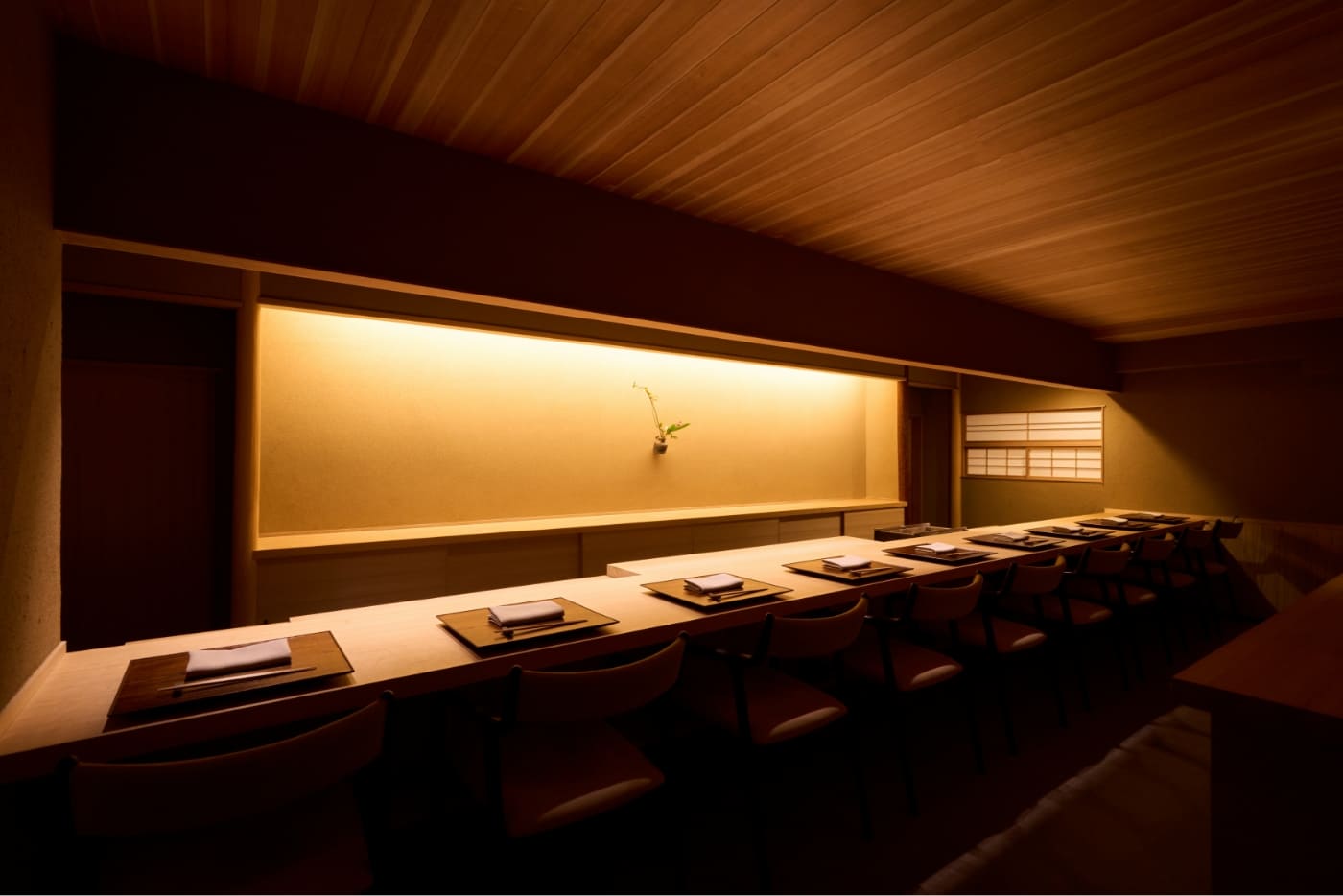
Warm lighting from built-in gold leaf ceiling accents complementing panoramic night views of the Imperial Palace gardens in a minimalist, nature-inspired interior.
Tags
Vibe
Best For
Experience
Sourcing
View
At the Table
- Dress Code
- Formal
- Noise Level
- Quiet
- Service Style
- Formal
- Meal Pacing
- Leisurely
- Capacity
- Medium
Signature Dishes
- Grilled kinmedai
- Seasonal salads
- Wagyu beef from Tochigi
Know before you go
Know Before You Go
- Getting there
- Japan, 〒100-0005 Tokyo, Chiyoda City, Marunouchi, 1 Chome−1−1 パレスホテル東京 6階
Planning details
Location
Japan, 〒100-0005 Tokyo, Chiyoda City, Marunouchi, 1 Chome−1−1 パレスホテル東京 6階 · Directions


Also consider
Also Consider
- Harutaka, Sushi, ¥¥¥¥
- RyuGin, Kaiseki, Japanese, ¥¥¥¥
- L'Effervescence, French, ¥¥¥¥
- HOMMAGE, Innovtive French, French, ¥¥¥¥
- Florilège, French, ¥¥¥
Restaurant context
For French fine dining in Tokyo, the choice between ESTERRE and its peers comes down to price tier and what you want the meal to prioritise. ESTERRE at ¥¥¥ is a clear notch below L'Effervescence and HOMMAGE, both at ¥¥¥¥. L'Effervescence brings a more ambitious vegetable-forward programme and has stronger La Liste momentum, but it is also harder to book and more expensive. If sourcing philosophy matters to you and budget is a factor, ESTERRE delivers a more accessible version of the same argument. HOMMAGE operates at the innovative end of French cooking in Tokyo and is the better pick if technical invention is your priority over ingredient narrative.
Florilège at ¥¥¥ is ESTERRE's closest price-tier competitor and a genuine alternative. Florilège is more counter-focused and interactive; ESTERRE offers more formal table service and a dramatically better view. Choose Florilège if you want engagement and energy; choose ESTERRE if you want composure and setting. For a non-French comparison at the top of the market, RyuGin at ¥¥¥¥ kaiseki and Harutaka at ¥¥¥¥ sushi are both harder to book and more expensive, but they offer formats that ESTERRE does not compete with directly, the comparison only makes sense if you are deciding between French and Japanese formats entirely.
The clearest booking recommendation: if your budget is ¥¥¥ and you want French, ESTERRE is the stronger setting and more coherent sourcing story than most alternatives at that tier. If you can stretch to ¥¥¥¥ and want the most technically ambitious French cooking in Tokyo, L'Effervescence is the move, accept that booking will be harder and lead time longer.
Explore Tokyo
Around this place
Discover more on Pearl
Unlock the full ESTERRE by Alain Ducasse guide in Pearl, including awards, comparisons, FAQs, planning details, and nearby places.
Compare ESTERRE by Alain Ducasse
| Venue | Cuisine | Price | Booking Difficulty | Awards |
|---|---|---|---|---|
| ESTERRE by Alain Ducasse | French | ¥¥¥ | Hard | Star Wine Lists 20262026 Michelin 1 Star2026 La Liste Top RestaurantsTabelog 100 - French - TOKYO - 2025 · #66We're Smart World Top Restaurants 20252025 La Liste Top Restaurants2024 Michelin 1 Star |
| Harutaka | Sushi | ¥¥¥¥ | Unknown | 2026 Tabelog Silver · #312026 OAD Top Restaurants in Japan Ranked · #1282026 Michelin 3 Stars2026 La Liste Top RestaurantsTabelog 100 - Sushi - TOKYO - 2025 · #372025 Asia's 50 Best Restaurants · #762025 OAD Top Restaurants in Japan Ranked · #1172025 La Liste Top Restaurants2025 Tabelog Bronze |
| RyuGin | Kaiseki, Japanese | ¥¥¥¥ | Unknown | 2026 OAD Top Restaurants in Japan Ranked · #802026 Tabelog Bronze · #3772026 Michelin 3 Stars2026 La Liste Top RestaurantsTabelog 100 - Japanese cuisine - TOKYO - 2025 · #212025 OAD Top Restaurants in Japan Ranked · #542025 Michelin 3 Stars2025 La Liste Top Restaurants2025 The Best Chef Three Knives |
| L'Effervescence | French | ¥¥¥¥ | Unknown | 2026 Tabelog Silver · #682026 OAD Top Restaurants in Japan Ranked · #103Star Wine Lists 20262026 Black Pearl 2 Diamond2026 Relais Chateaux Restaurants2026 La Liste Top Restaurants2026 Michelin 3 Stars2025 Asia's 50 Best Restaurants · #692025 OAD Top Restaurants in Japan Ranked · #92 |
| HOMMAGE | Innovtive French, French | ¥¥¥¥ | Unknown | 2026 Tabelog Bronze · #1232026 OAD Top Restaurants in Japan Highly Recommended2026 Michelin 2 StarsTabelog 100 - French - TOKYO - 2025 · #762025 Asia's 50 Best Restaurants · #782025 OAD Top Restaurants in Japan Ranked · #1752025 Michelin 2 Stars2025 The Best Chef One Knife2025 La Liste Top Restaurants |
| Florilège | French | ¥¥¥ | Unknown | 2026 Asia's 50 Best Restaurants · #312026 Tabelog Bronze · #712026 OAD Top Restaurants in Japan Ranked · #1242026 Black Pearl 1 Diamond2026 Michelin 2 Stars2026 La Liste Top Restaurants2025 Asia's 50 Best Restaurants · #172025 World's 50 Best Restaurants · #36Tabelog 100 - French - TOKYO - 2025 · #68 |










Comparing your options in Tokyo for this tier.
FAQ
Frequently Asked Questions
What are alternatives to ESTERRE by Alain Ducasse in Tokyo?
For French fine dining in Tokyo, L'Effervescence and Florilège are the closest comparisons — both are vegetable-forward and Japan-sourced, though with a less formal register than ESTERRE's Palace Hotel setting. If you want Japanese fine dining instead of French, RyuGin offers comparable prestige and a Michelin-starred tasting format at a similar price tier. HOMMAGE is worth considering if you prefer French technique applied with a tighter, more intimate format.
Is ESTERRE by Alain Ducasse worth the price?
At ¥¥¥, ESTERRE is priced at the top end of Tokyo fine dining, and the Michelin one star (2024) and La Liste ranking (81 points in 2025, 78 in 2026) suggest the kitchen earns it. The sourcing argument — Kamakura vegetables, charcoal-accented cooking, Alain Ducasse group oversight — gives the meal a coherent identity beyond the room and the view. If you want French fine dining with a clear Japan-rooted philosophy rather than a generic luxury tasting menu, the price holds up.
Is ESTERRE by Alain Ducasse good for a special occasion?
Yes, directly. The sixth-floor setting inside Palace Hotel Tokyo overlooking the Imperial Palace gardens is one of the more considered backdrops for a significant meal in the city. The quiet, calm room suits occasions where conversation matters more than atmosphere or energy. Book a window table if you can — the garden view is the room's strongest asset.
Is ESTERRE by Alain Ducasse good for solo dining?
ESTERRE is a tasting-menu format in a formal hotel dining room, which is not the most natural solo setup — there is no counter or bar dining noted in available venue data. Solo diners are not excluded, but the experience is built around a leisurely, multi-course meal that reads better as a shared occasion. If solo fine dining is the goal, a counter-format omakase will feel less formal and more engaging.
What should I wear to ESTERRE by Alain Ducasse?
ESTERRE is inside Palace Hotel Tokyo, one of the city's more formal luxury hotels, and the room runs quiet and formal by Tokyo fine dining standards. Smart formal is the safe call: jacket for men, and nothing that would look out of place at a Michelin-starred dinner in Paris. Trainers and casual dress will feel wrong in this room.