.png?width=1200&quality=80)
ess.
Italian · Shibuya, Tokyo
Restaurant in Tokyo, Japan
 Book with Pearl
The Read
Guest-Directed À La Carte
Price
¥¥¥
Dress
Smart Casual
Why go
ess. in Shibuya makes the strongest case in Tokyo for Italian dining that does not force you into a prix fixe sequence. Michelin Plate-recognised in 2025, with a pasta list deep enough to sustain repeat visits and ¥¥¥ pricing that sits a full tier below the tasting-menu competition, it is the practical choice when you want quality-acknowledged Italian on your own terms.
About ess.
The Verdict
If your Tokyo itinerary already includes a prix fixe heavy-hitter, ess. in Shibuya's Shinsen-cho makes a strong case for your second Italian booking. Where spots like Aroma Fresca or Gucci Osteria da Massimo Bottura Tokyo commit to structured tasting menus, ess. bets on à la carte freedom at ¥¥¥ pricing. That makes it notably more accessible than the ¥¥¥¥ end of Tokyo's Italian dining spectrum, and more flexible for repeat visitors who want to eat exactly what they want, when they want it. The Michelin Plate recognition in 2025 confirms this is cooking worth taking seriously. Book it.
About ess.
The name signals the intent: ess. is short for "essential," and the restaurant treats that word as both a philosophy and a promise. Rather than chasing the tasting-menu format that dominates Tokyo's fine dining conversation right now, this Shibuya basement room holds its ground with a broad à la carte offering. For a returning visitor, that distinction matters more than it might sound. You are not locked into a sequence someone else designed. You come back and order differently every time.
The pasta list is where ess. earns its keep for regulars. It is extensive enough that you can genuinely discover something new on your third or fourth visit without the menu having changed. That depth suggests a kitchen that takes sourcing and preparation seriously across the full range of the list, not just a headline dish or two. In a city where Italian restaurants increasingly anchor their identity around one or two showcase ingredients, ess. takes the less obvious route: build a catalogue wide enough to sustain loyalty.
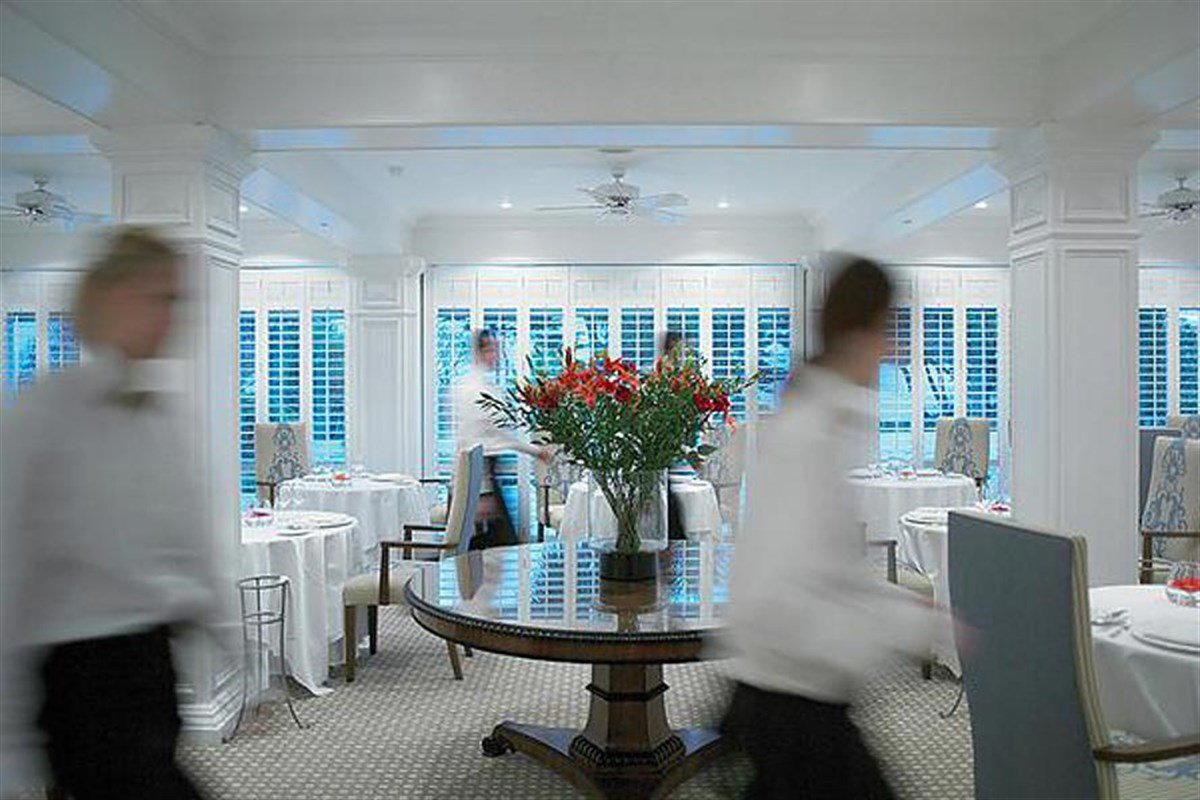
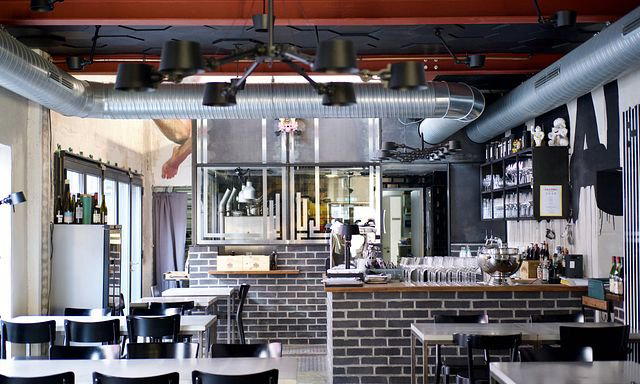
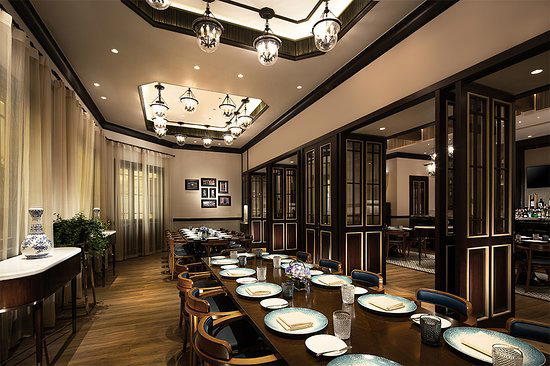
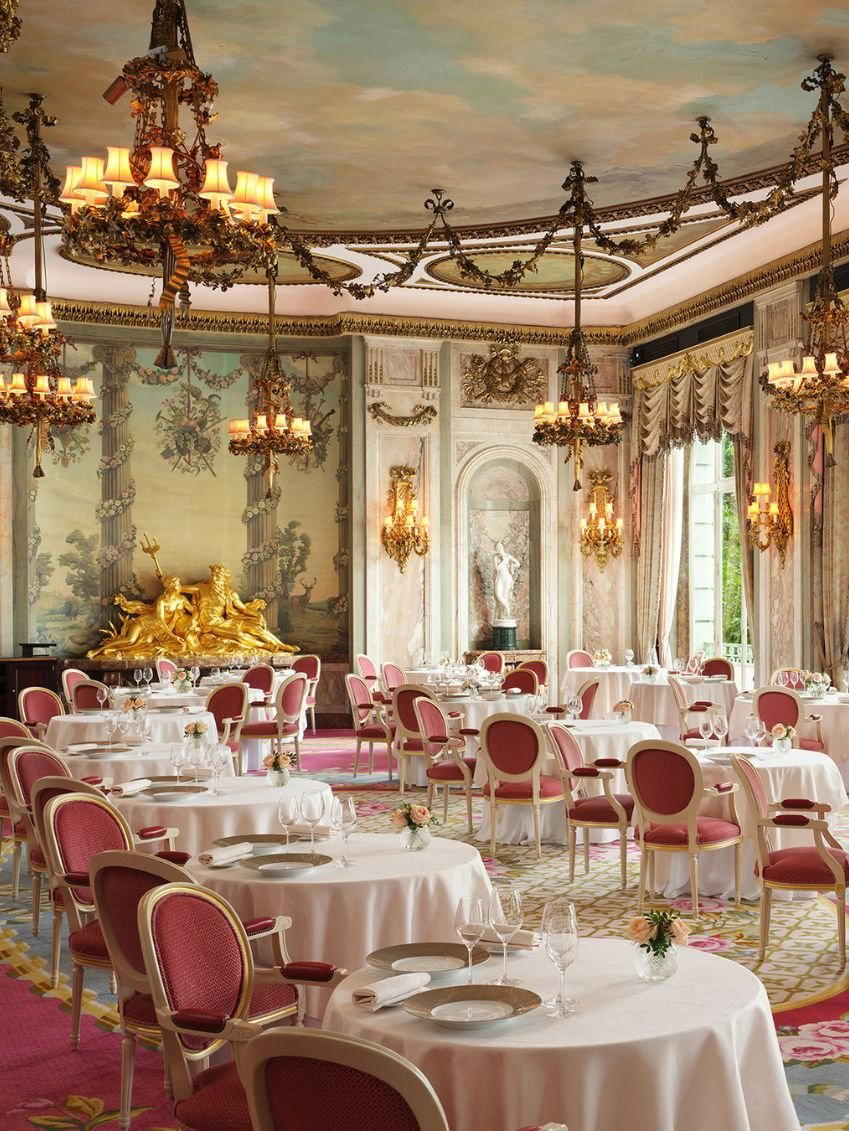
Spatial experience reinforces this sense of ease. Located one floor below street level in Shinsen-cho, the dining room sits at a remove from Shibuya's noise. Basement Italian rooms in Tokyo tend toward one of two modes: cramped and atmospheric, or calm and purposeful. From what the venue positions about itself, ess. sits in the second camp, with attentive service that ensures pacing is in the guest's hands. If you have been once and felt rushed, that is not the intended experience here.
Gelato rounds out the menu with enough flavour variety to make dessert a real decision rather than an afterthought. For a restaurant that pitches itself on breadth and repeat-visit value, that commitment carries through to the final course.
At ¥¥¥ pricing with Michelin Plate recognition, ess. sits in a position that other Tokyo Italian restaurants struggle to occupy: quality-acknowledged, à la carte, and priced below the top tier. For anyone building a Tokyo dining list that does not revolve entirely around omakase and kaiseki, ess. is a practical and considered choice.
For further Italian options across the city, PRISMA, Principio, and AlCeppo each take different approaches to the format. If Italian in Japan interests you beyond Tokyo, cenci in Kyoto and 8 1/2 Otto e Mezzo Bombana in Hong Kong are the regional comparisons worth knowing.
Booking
Booking difficulty is rated Easy. Given the à la carte format and Shibuya location, walk-in attempts are more viable here than at tasting-menu restaurants in the same price tier, but reservations are still the sensible route for weekends. No phone or booking URL is listed in the current venue record; search the restaurant name directly or use a local reservation platform.
Practical Details
| Detail | ess. | Aroma Fresca | Gucci Osteria Tokyo |
|---|---|---|---|
| Cuisine | Italian | Italian | Italian |
| Price tier | ¥¥¥ | ¥¥¥¥ | ¥¥¥¥ |
| Format | À la carte | Prix fixe | Prix fixe |
| Michelin recognition | Plate (2025) | Yes | Yes |
| Booking difficulty | Easy | Moderate | Moderate |
| Location | Shibuya, Tokyo | Tokyo | Tokyo |
Explore More in Tokyo and Beyond
Planning a wider Tokyo trip? See our full Tokyo restaurants guide, our full Tokyo hotels guide, our full Tokyo bars guide, our full Tokyo wineries guide, and our full Tokyo experiences guide. For dining across Japan, consider HAJIME in Osaka, Gion Sasaki in Kyoto, akordu in Nara, Goh in Fukuoka, 1000 in Yokohama, and 6 in Okinawa.
Planning details
- Location
- Japan, 〒150-0045 Tokyo, Shibuya, Shinsencho, 13−13 地下1階
- Website
- instagram.com/ess.pastapastapasta
- Phone
- +81 3-6455-1131
The take
The Take
The Vibe
ess. tucks itself a floor below street level on a quiet Shinsen backstreet, and the subterranean setting frames a discreet, quietly confident room. The tone is attentive rather than theatrical: the kitchen's seriousness shows through an abundant à la carte list rather than a prescribed tasting arc, which keeps the evening relaxed and conversational. The space reads as a considered alternative to Tokyo's formal tasting-counter culture — refined without feeling precious, intimate without being cramped. Regulars prize the restraint and thoughtfulness that emerge from that single structural choice: service and cooking that privilege taste, timing and choice over ceremony.
Best For
This is a dinner destination that rewards diners who want control over pacing and choices. Because ess. runs fully à la carte rather than a set tasting, evenings unfold according to the table's appetite: it suits couples on a date night or small parties marking a special occasion who value conversation and a leisurely, composed meal. The kitchen demonstrates seriousness through depth and range rather than a fixed narrative, so guests who prefer to build their own progression — sampling antipasti, sharing pastas, and finishing with lighter desserts or cheeses — find the format especially satisfying.
Ordering Tips
Treat the menu as a toolkit: ess. expects you to construct the meal. The clearest place to start is the pasta list, which the kitchen presents as its central offering and runs deep enough to reward repeat visits. Begin with a couple of shared starters to set a conversational tempo, pick one or two pastas to showcase the kitchen's range, and resist the assumption that a tasting menu will direct your evening — here, you do. Because pacing is part of the point, ask staff about portion sizes and recommended sequencing if you want a multi-course progression without committing to a prix fixe menu.
Venue details
Ambiance
Comfortable and relaxing dining space with private rooms, designed for tranquility and rejuvenation.
Tags
Vibe
Best For
Experience
At the Table
- Dress Code
- Smart Casual
- Noise Level
- Quiet
- Service Style
- Upscale Casual
- Meal Pacing
- Leisurely
- Capacity
- Intimate
Know before you go
Know Before You Go
- Getting there
- Japan, 〒150-0045 Tokyo, Shibuya, Shinsencho, 13−13 地下1階
Planning details
Location
Japan, 〒150-0045 Tokyo, Shibuya, Shinsencho, 13−13 地下1階 · Directions
Recognition and awards
Also consider
Also Consider
- Harutaka, Sushi, ¥¥¥¥
- L'Effervescence, French, ¥¥¥¥
- RyuGin, Kaiseki, Japanese, ¥¥¥¥
- HOMMAGE, Innovtive French, French, ¥¥¥¥
- Crony, Innovative, French, ¥¥¥¥
Restaurant context
ess. sits at ¥¥¥ with a Michelin Plate and an à la carte format. The comparison venues here, Harutaka, L'Effervescence, RyuGin, HOMMAGE, and Crony, all operate at ¥¥¥¥ with structured tasting formats. That price and format gap is the most useful data point: ess. is the option when you want acknowledged quality without locking into a long fixed sequence or spending at the top tier.
For a special-occasion dinner where you want maximum culinary ambition and are comfortable with a set menu, RyuGin or L'Effervescence will deliver more spectacle and more ceremony than ess. offers. Harutaka is the choice if the evening's purpose is sushi at its most precise. HOMMAGE and Crony are worth considering if innovative French is your target. None of those venues compete directly with ess. on format or cuisine, which means the booking decision is less about quality ranking and more about what kind of dinner you actually want.
Within Italian dining specifically in Tokyo, ess. at ¥¥¥ with Michelin recognition is a stronger value proposition than moving up to ¥¥¥¥ Italian options for a casual or repeat visit. Where Aroma Fresca or Gucci Osteria da Massimo Bottura Tokyo suit a milestone dinner with a fixed sequence, ess. is the more practical weekly or repeat-visit Italian room in Shibuya.
Explore Tokyo
Around this place
Discover more on Pearl
Unlock the full ess. guide in Pearl, including awards, comparisons, FAQs, planning details, and nearby places.
Compare ess.
| Venue | Price | Booking Difficulty | Awards |
|---|---|---|---|
| ess. | ¥¥¥ | Easy | 2026 Michelin Plate2025 Michelin Plate |
| Harutaka | ¥¥¥¥ | Unknown | 2026 Tabelog Silver · #312026 OAD Top Restaurants in Japan Ranked · #1282026 Michelin 3 Stars2026 La Liste Top RestaurantsTabelog 100 - Sushi - TOKYO - 2025 · #372025 Asia's 50 Best Restaurants · #762025 OAD Top Restaurants in Japan Ranked · #1172025 La Liste Top Restaurants2025 Tabelog Bronze |
| L'Effervescence | ¥¥¥¥ | Unknown | 2026 Tabelog Silver · #682026 OAD Top Restaurants in Japan Ranked · #103Star Wine Lists 20262026 Black Pearl 2 Diamond2026 Relais Chateaux Restaurants2026 La Liste Top Restaurants2026 Michelin 3 Stars2025 Asia's 50 Best Restaurants · #692025 OAD Top Restaurants in Japan Ranked · #92 |
| RyuGin | ¥¥¥¥ | Unknown | 2026 OAD Top Restaurants in Japan Ranked · #802026 Tabelog Bronze · #3772026 Michelin 3 Stars2026 La Liste Top RestaurantsTabelog 100 - Japanese cuisine - TOKYO - 2025 · #212025 OAD Top Restaurants in Japan Ranked · #542025 Michelin 3 Stars2025 La Liste Top Restaurants2025 The Best Chef Three Knives |
| HOMMAGE | ¥¥¥¥ | Unknown | 2026 Tabelog Bronze · #1232026 OAD Top Restaurants in Japan Highly Recommended2026 Michelin 2 StarsTabelog 100 - French - TOKYO - 2025 · #762025 Asia's 50 Best Restaurants · #782025 OAD Top Restaurants in Japan Ranked · #1752025 Michelin 2 Stars2025 The Best Chef One Knife2025 La Liste Top Restaurants |
| Crony | ¥¥¥¥ | Unknown | 2026 Asia's 50 Best Restaurants · #34Star Wine Lists 20262026 OAD Top Restaurants in Japan Recommended2026 Michelin 2 Stars2025 Asia's 50 Best Restaurants · #30Tabelog 100 - French - TOKYO - 2025 · #782025 OAD Top Restaurants in Japan Ranked · #227We're Smart World Top Restaurants 20252025 Michelin 2 Stars |














Comparing your options in Tokyo for this tier.
FAQ
Frequently Asked Questions
Can ess. accommodate groups?
The à la carte format makes ess. more group-friendly than most comparable Tokyo Italian restaurants, where tasting-menu timing can create friction. Larger parties benefit from the flexible ordering structure: everyone can move at their own pace. That said, the basement location in Shinsen-cho suggests a compact dining room, so for groups of 6 or more, call ahead to confirm capacity before assuming a table is available.
What should I wear to ess.?
ess. holds a Michelin Plate (2025) and operates in Shibuya's quieter Shinsen-cho neighbourhood, which signals a polished but not ceremonial setting. Business casual is a safe read: neat trousers, a collar, or equivalent effort for women. You won't be turned away for clean trainers, but arriving underdressed relative to the Italian fine-dining format would feel off.
What should a first-timer know about ess.?
The headline fact: ess. runs a full à la carte menu at a time when most serious Italian restaurants in Tokyo have gone prix fixe. The pasta list is deep enough that repeat visits don't feel repetitive. The name is short for 'essential', and the format reflects that — no locked-in courses, no pacing constraints. At ¥¥¥ pricing, come expecting a proper restaurant experience, not a casual trattoria.
Is ess. good for solo dining?
Yes. The à la carte format is particularly well-suited to solo diners: you order exactly what you want, at the pace you want, without being locked into a multi-course sequence. Attentive service is a noted feature of the restaurant, which matters when you're dining alone. A solo diner can reasonably get through two courses and gelato without the commitment — or cost — of a full omakase.
What should I order at ess.?
The pasta menu is the main event — it's extensive enough that regulars report finding new options on return visits, which is unusual at this price point in Tokyo. Finish with gelato, where the kitchen offers a wide range of flavours. Beyond those two anchors, the database doesn't document specific dishes, so let the pasta list guide your choices on the night rather than planning ahead.
Can I eat at the bar at ess.?
The venue data doesn't confirm a bar counter for dining. The basement address and Italian fine-dining positioning suggest a table-service setup rather than a counter experience. If bar seating matters to you, confirm directly with the restaurant before booking — it's not a feature that can be assumed based on available information.
Does ess. handle dietary restrictions?
The à la carte format gives ess. more flexibility for dietary requests than a fixed tasting menu, where substitutions can disrupt the kitchen's sequencing. Staff are noted for attentive service, which is a reasonable signal that requests get handled rather than deflected. For serious allergies or complex requirements, communicate in advance — ideally in Japanese — rather than raising them at the table.