
.png?width=1200&quality=80)

ESPRIT C. KEI GINZA
French · Chūō, Tokyo
Restaurant in Tokyo, Japan
 Book with Pearl
The Read
Gourmet Laboratory French
Price
$300–500per person
Chef
Kei Kobayashi
Dress
Smart Casual
Why go
Kei Kobayashi brings his Paris three-Michelin-star credentials to an 11th-floor perch above Ginza in à la carte French format. At ¥¥¥, a tier below most comparable Tokyo French addresses, and with easy booking availability, this is one of the clearest value propositions in the city's fine dining French category. La Liste ranks it 76 points for 2026.
About ESPRIT C. KEI GINZA
Verdict: A Paris three-star pedigree lands in Ginza, and it's easier to book than you'd expect
ESPRIT C. KEI GINZA is his Tokyo outpost, positioned on the 11th floor of the Toraya Ginza Building in the heart of one of the world's most competitive dining districts. If you're building a serious food itinerary in Tokyo, this belongs on it, particularly if you want French technique with demonstrable credentials rather than local reputation alone. Booking difficulty is rated easy, which puts it in a different category from the city's most fought-over tables.
The Room and the Setting
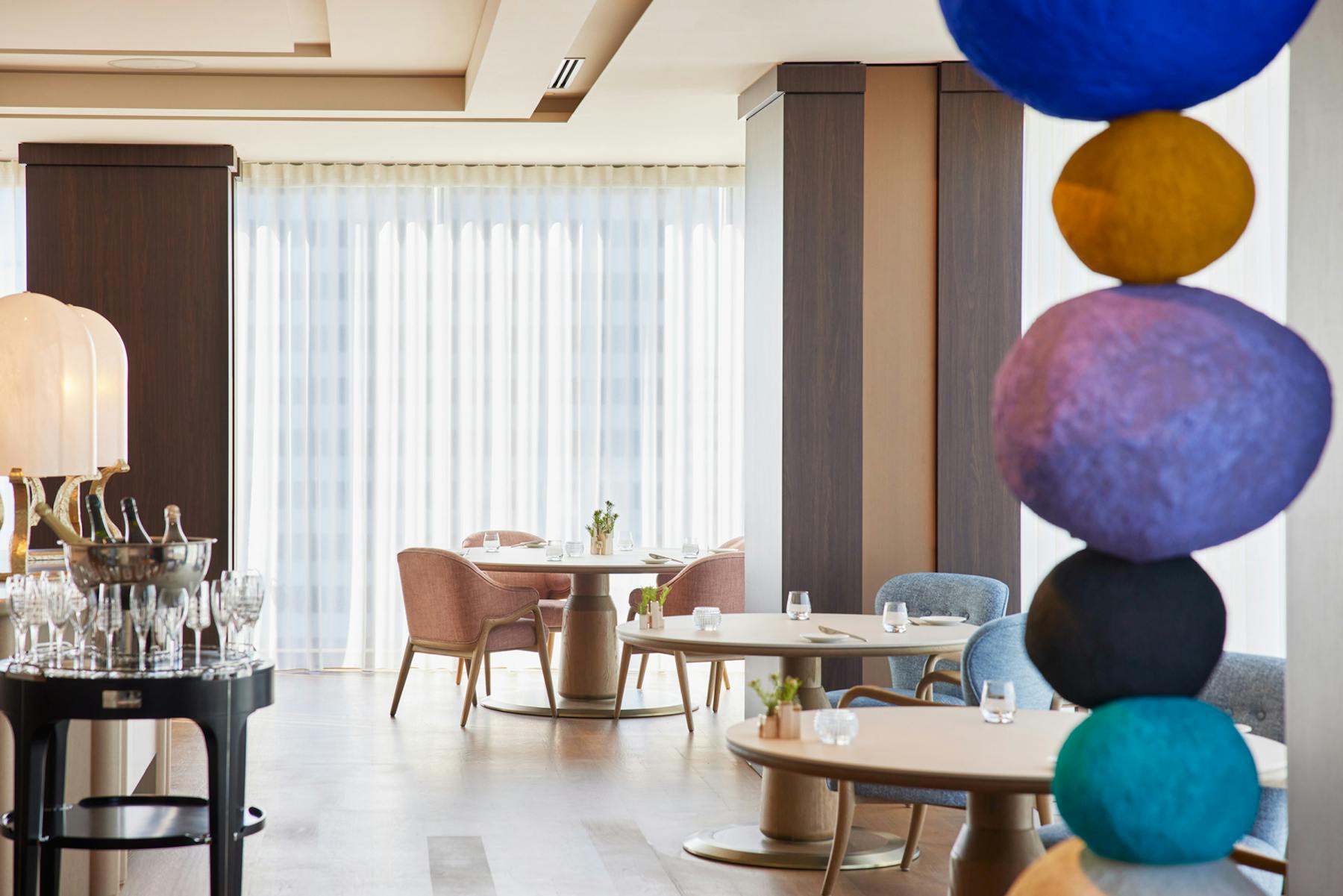
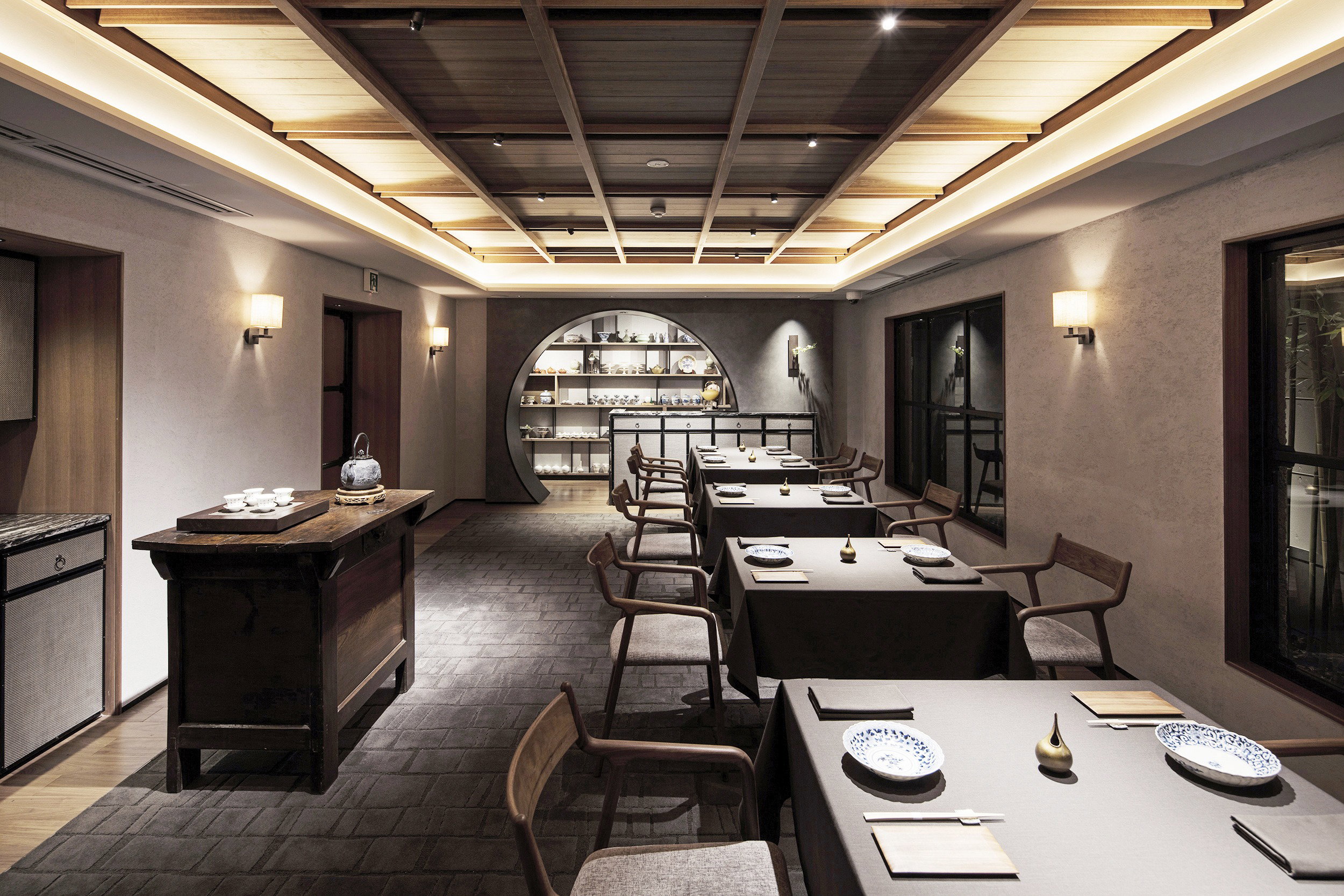
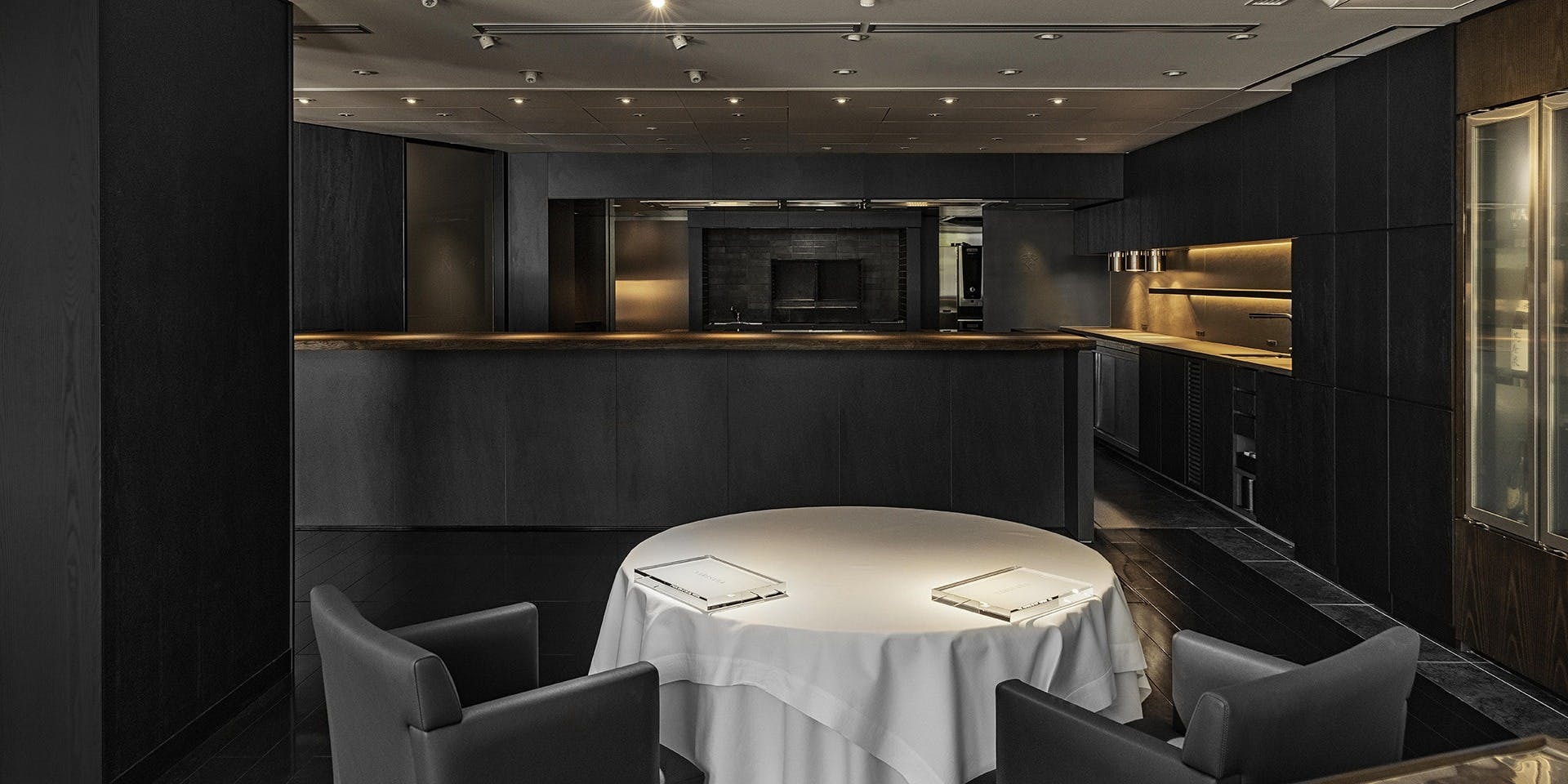
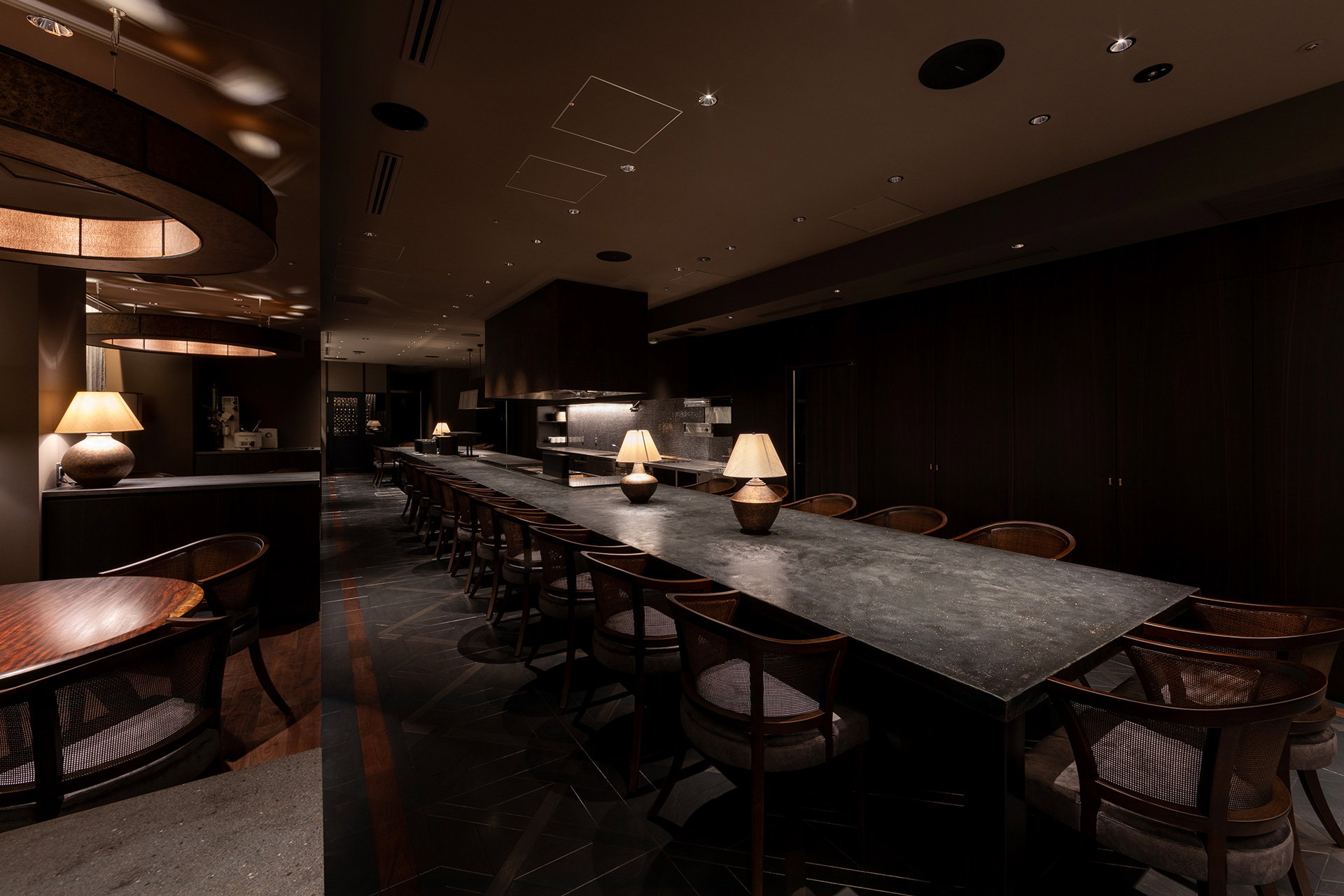
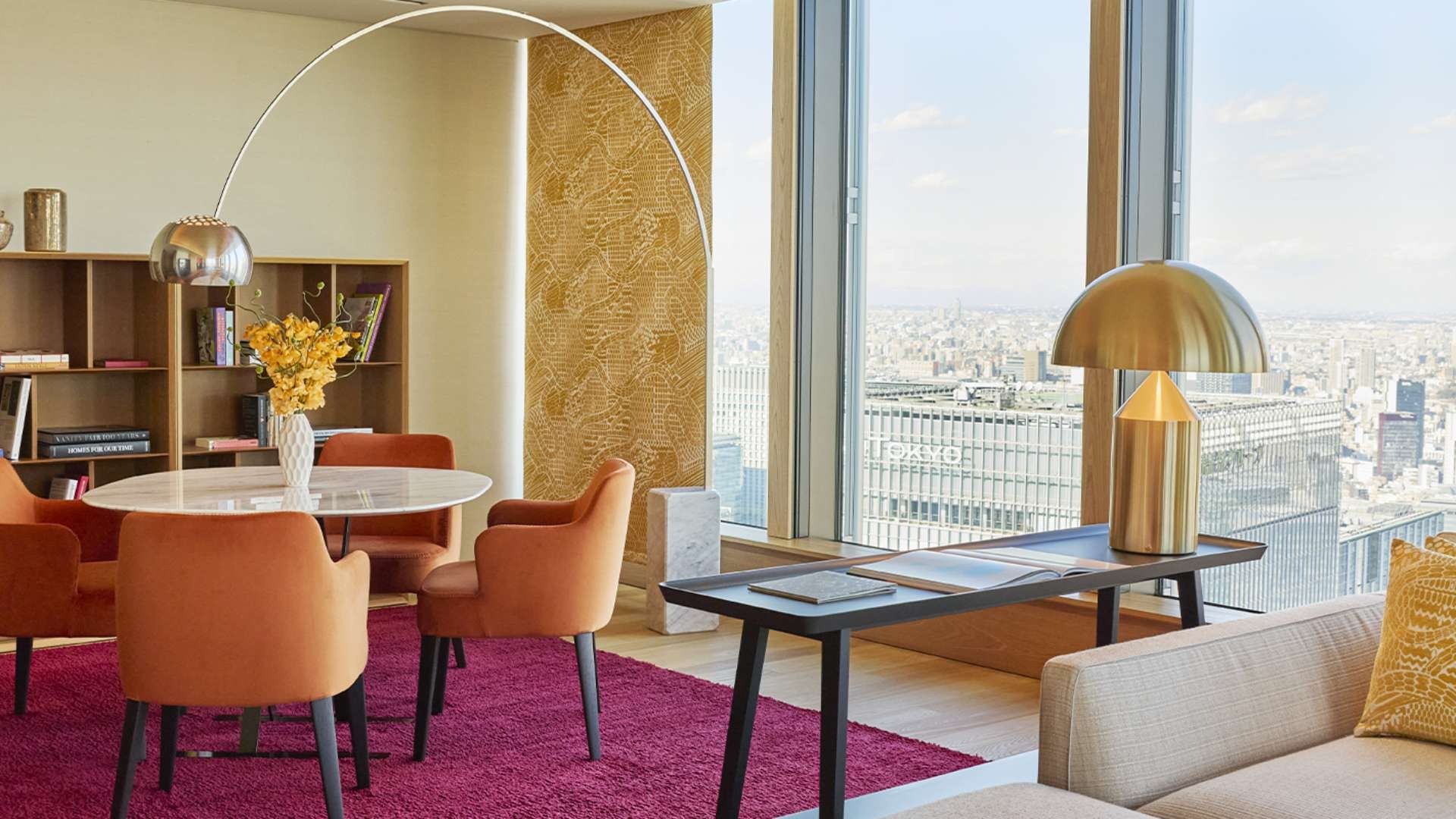
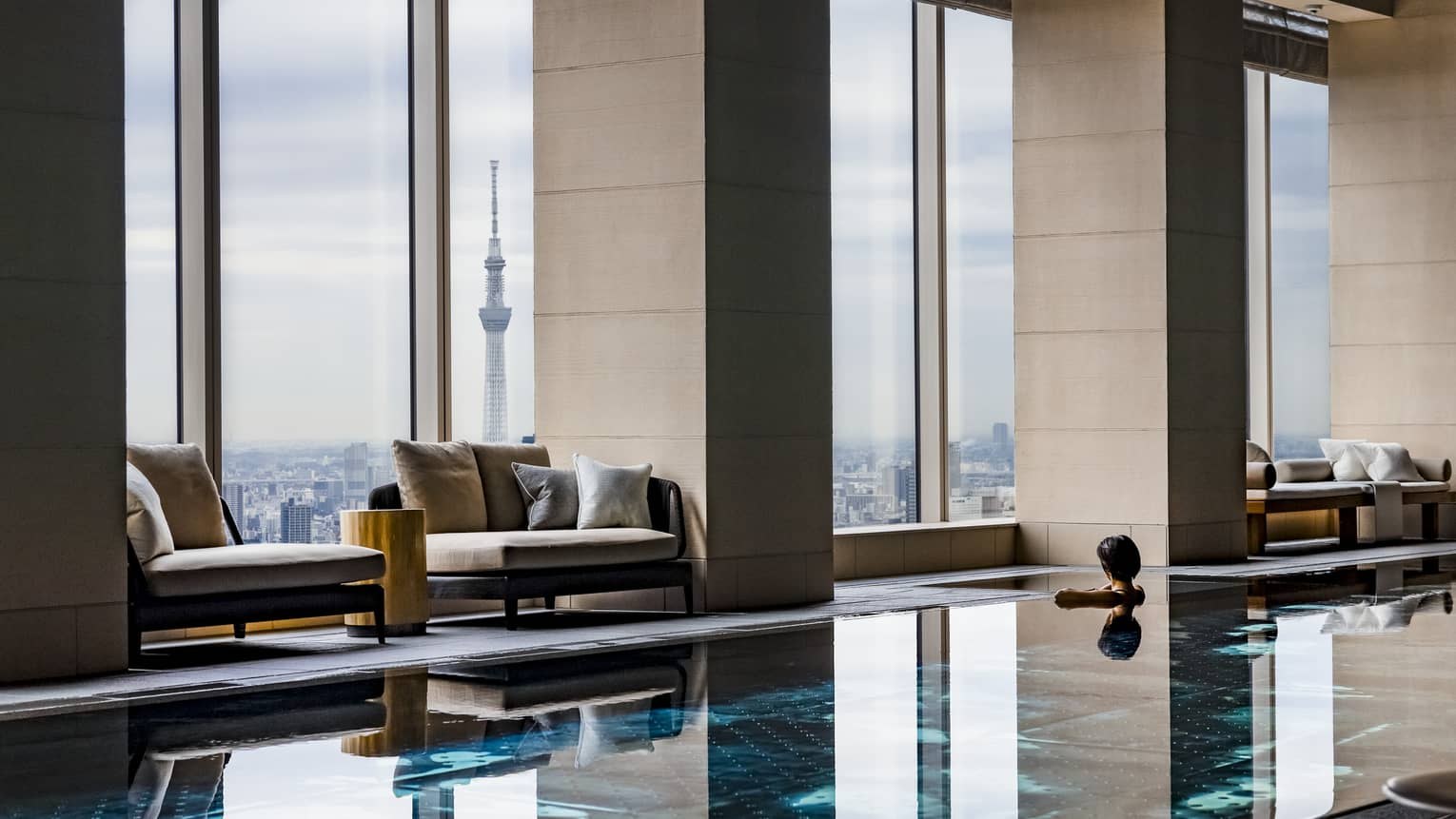
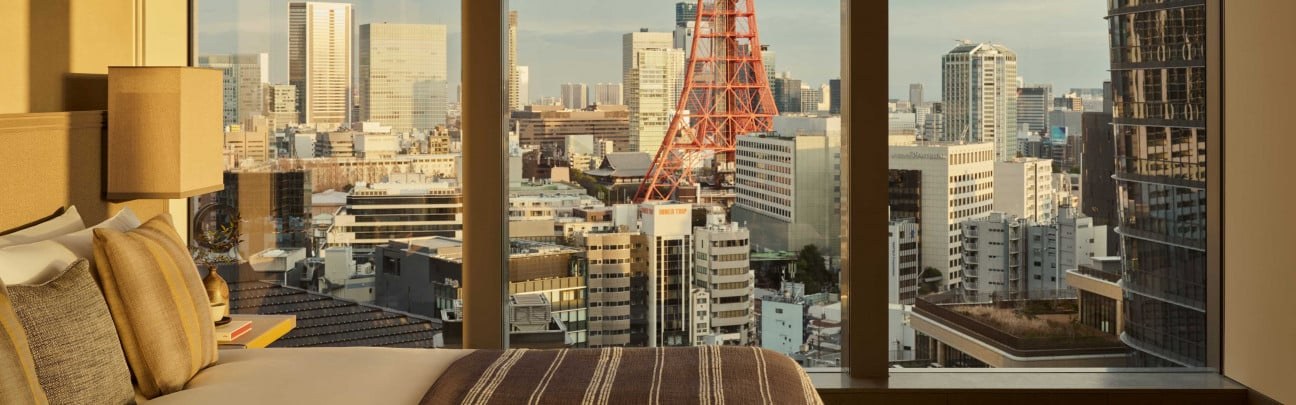
The 11th-floor position is not incidental. From that height, the Ginza streetscape spreads below you in a way that few dining rooms in Tokyo's mid-city can match. Ginza's grid of illuminated signage and late-evening pedestrian traffic becomes the backdrop rather than the noise. The venue's design concept frames this as a 'gourmet laboratory', a phrase that signals the cooking philosophy as much as the aesthetic. This is not a room built for quiet tradition; it's a space designed to foreground creativity and precision. For the explorer who wants context with their meal, the 11th-floor perspective delivers it before the first course arrives. Compare this to Sézanne, which sits inside the Four Seasons Marunouchi with a more contained, hotel-formal feel, or ESqUISSE in Ginza's Relais Christine building, which trades on a quieter, more intimate atmosphere. ESPRIT C. KEI GINZA is the choice when the view and a sense of occasion matter as much as what's on the plate.
The Cooking and the Concept
Kobayashi's approach is à la carte rather than a fixed tasting menu format, which is a meaningful structural choice in Tokyo's French dining scene where multi-course menus are the default. The 'C' in the restaurant name signals both cuisine and creation, the menu is designed to be read as a set of individual propositions rather than a single authored sequence. This gives the table more control and makes the meal better suited to groups with different appetites or budget sensitivities within the ¥¥¥ price tier. That tier is notable: Kobayashi's Paris flagship operates at a significantly higher price point, so this Ginza address represents a more accessible entry into his cooking. La Liste ranked the restaurant at 76 points in 2026 (up from 75.5 in 2025), and consecutive Michelin Plate recognitions in 2024 and 2025 confirm consistent execution rather than a single strong opening year. For context on the Michelin Plate designation: it signals a restaurant that Michelin inspectors consider worth visiting, positioned below star level but above the general field. In Ginza's competitive French category, that is a meaningful endorsement, not a consolation.
Private Dining and Group Experience
The editorial angle here is worth addressing directly: how does ESPRIT C. KEI GINZA perform for groups versus individual diners? The à la carte format works in the group context because it removes the constraint of a fixed menu, different diners can order to their own preferences and pace. For a business dinner or a small celebration in Ginza, the 11th-floor setting and the Kobayashi name carry recognisable weight with guests who follow the restaurant world. The venue's position in a dedicated commercial building (rather than inside a hotel) also means the approach and arrival feel more deliberate, less like a hotel dining room. If your group includes guests who don't follow French fine dining closely, the Paris three-star backstory is a clear reference point that needs no explanation. For groups seeking a private room specifically, the venue database does not confirm a dedicated private dining space, so contact the restaurant directly before booking if that is a requirement. For comparable private dining infrastructure in Tokyo's French category, Château Restaurant Joël Robuchon in Yebisu Garden Place has a more established private room offering. For the food enthusiast who wants depth of concept over formal service architecture, ESPRIT C. KEI GINZA is the stronger choice.
How to Think About Timing
Tokyo's Ginza district has clear seasonal rhythms. Spring (late March through April) and autumn (October through November) bring the most pedestrian activity and the leading evening weather for arriving and departing on foot, both seasons make the 11th-floor view more rewarding as the city's energy is at its highest. Summer evenings in Ginza can be humid and dense; winter is quieter but the illuminated streetscape below the restaurant is at its sharpest in cold, clear air. For the meal itself, weekday evenings tend to draw a more local, regular crowd than weekend dining, which in Ginza often skews toward occasion dining and visitors. If you are visiting Tokyo as part of a broader Japan itinerary that includes HAJIME in Osaka, Gion Sasaki in Kyoto, or akordu in Nara, positioning ESPRIT C. KEI GINZA at the start or end of the trip rather than the middle gives you a strong French reference point against which to measure Tokyo's broader dining range. For a wider view of what Tokyo offers, see our full Tokyo restaurants guide, and explore Tokyo hotels, bars, and experiences to build a complete itinerary.
Practical Quick Reference
Address: 7-8-17 Ginza, Chuo City, Tokyo, 11th floor, Toraya Ginza Building. Price tier: ¥¥¥. Cuisine: French (à la carte). Awards: Michelin Plate 2024 and 2025; La Liste 76pts (2026). Booking difficulty: easy. Chef: Kei Kobayashi (three Michelin stars, Paris). Leading season: spring or autumn for optimal Ginza atmosphere and clear views.
How It Compares
See the full comparison below.
Explore More
If you are planning a broader food trip, L'Effervescence and Florilège are the two Tokyo French addresses most often discussed alongside ESPRIT C. KEI GINZA for serious diners. For French dining at three-star level in comparable international cities, Les Amis in Singapore and Hotel de Ville Crissier are useful reference points. Further afield in Japan, Goh in Fukuoka, 1000 in Yokohama, and 6 in Okinawa show how Japan's regional fine dining scene compares to Tokyo's concentration of talent. You can also browse Tokyo wineries for pairing context.
FAQ: ESPRIT C. KEI GINZA
How far ahead should I book ESPRIT C. KEI GINZA?
Booking difficulty is rated easy, so a week's notice is typically sufficient for most weekday evenings. Weekend slots in Ginza fill faster, particularly during cherry blossom season (late March to early April) and the autumn foliage period (October to November). If your travel dates are fixed, booking two to three weeks out removes any risk entirely. The restaurant's La Liste and Michelin Plate recognition means it draws visitors with planned itineraries, so don't leave it to the day before on a Tokyo holiday weekend.
What should I wear to ESPRIT C. KEI GINZA?
At ¥¥¥ in Ginza's 11th floor with a Paris Michelin pedigree behind the name, smart casual is the floor. Business casual or above is the safer call, Ginza's dining culture skews formal, and the building address (Toraya Ginza Building) reinforces that register. You don't need a jacket to eat here, but trainers and casual streetwear will feel out of place in this room. A collared shirt and tailored trousers for men, or equivalent smart casual for women, will be appropriate and comfortable.
Is the tasting menu worth it at ESPRIT C. KEI GINZA?
The format here is à la carte rather than a fixed tasting menu, which is an important distinction. That means you are not committing to a prescribed sequence, you choose what and how much you eat, which puts you in control of both the experience and the spend. If you want a chef-led tasting menu from a comparable Michelin-pedigree French kitchen in Tokyo, consider L'Effervescence instead. At ESPRIT C. KEI GINZA, the value proposition is creative French cooking at ¥¥¥ from a chef with verifiable three-star credentials, that combination is harder to find in Tokyo than you might expect.
Is ESPRIT C. KEI GINZA worth the price?
At ¥¥¥, yes, particularly given the Paris three-star context. Kobayashi's flagship in Paris operates at a higher price point, and many of the comparison venues in Tokyo's French category (L'Effervescence, HOMMAGE, Crony) sit at ¥¥¥¥. You are getting documented award-level cooking at a price tier below most of its direct competitors. The La Liste score of 76 points in 2026 places it in credible international company. The caveat: if you want the deepest technical ambition in Tokyo's French scene, ¥¥¥¥ venues like Florilège may push further. But for value-to-credential ratio, ESPRIT C. KEI GINZA is difficult to argue against.
Can ESPRIT C. KEI GINZA accommodate groups?
The à la carte format makes it better suited to groups than a fixed tasting menu would be, different diners can order independently, which helps with mixed appetites and budgets. The 11th-floor Ginza setting works well for business dinners and small celebrations. That said, the venue database does not confirm a dedicated private room, so if your group requires an entirely private space, contact the restaurant directly before booking. For confirmed private dining infrastructure in Tokyo's French category, Château Restaurant Joël Robuchon is the established benchmark.
Does ESPRIT C. KEI GINZA handle dietary restrictions?
French fine dining kitchens at this level routinely accommodate dietary requirements when notified in advance, that is standard practice across the category. The à la carte format here also gives you more inherent flexibility than a fixed tasting menu would. Confirm your specific requirements at the time of booking rather than on arrival, particularly for allergies or complex restrictions. The venue database does not list a phone number or website, so use the booking platform through which you reserve to flag requirements in writing.
Planning details
- Location
- Japan, 〒104-0061 Tokyo, Chuo City, Ginza, 7 Chome−8−17 虎屋銀座ビル 11階
- Reservations
- Book on Omakase
- Website
- maisonkei.jp/esprit_c
- Phone
- +81 3-6274-6611
The take
The Take
The Vibe
Esprit C. Kei Ginza presents a refined, classical French sensibility that is recalibrated through the precision of Japanese sourcing. The kitchen leans on classical technique and French structure while privileging ingredients from Tokyo’s superior supply networks, creating a cuisine that feels both familiar and distinct. Perched on the 11th floor of the Toraya Ginza building, the dining room opens to an expansive city view that adds an elevated, scenic dimension to the service. The result is a composed, tradition-forward restaurant that reads as polished and considered rather than flashy — a deliberate meeting of French formality and Japanese provenance.
Best For
This is a venue for considered dining: special occasions, business meals, and date nights where provenance and technical execution matter. The write-up situates Esprit C. Kei Ginza among Ginza’s upper-tier French addresses and notes the chef’s Paris operation and three-Michelin-star pedigree, underlining a level of culinary seriousness. Guests who prioritize classical technique and seasonal, precisely sourced ingredients will find the experience rewarding. The elevated 11th-floor setting with city views also makes it appropriate for celebratory dinners or meetings where atmosphere and culinary credibility are equally important.
Ordering Tips
The menu emphasizes the provenance architecture beneath an à la carte format, so order deliberately to appreciate the kitchen’s sourcing choices. Focus on dishes that spotlight ingredient precision and classical French technique — for example, the Omar Blue Shrimp Fry with Caviar and Sauce Gribiche and the Crystal Caviar selections credited to Chef Kei Kobayashi. Because the profile underscores the restaurant’s reliance on Japan’s domestic supply chains and carefully sourced fish, produce, and aged meats, prioritize courses that call out provenance and preparation; they best express the editorial point of the kitchen.
Venue details
Ambiance
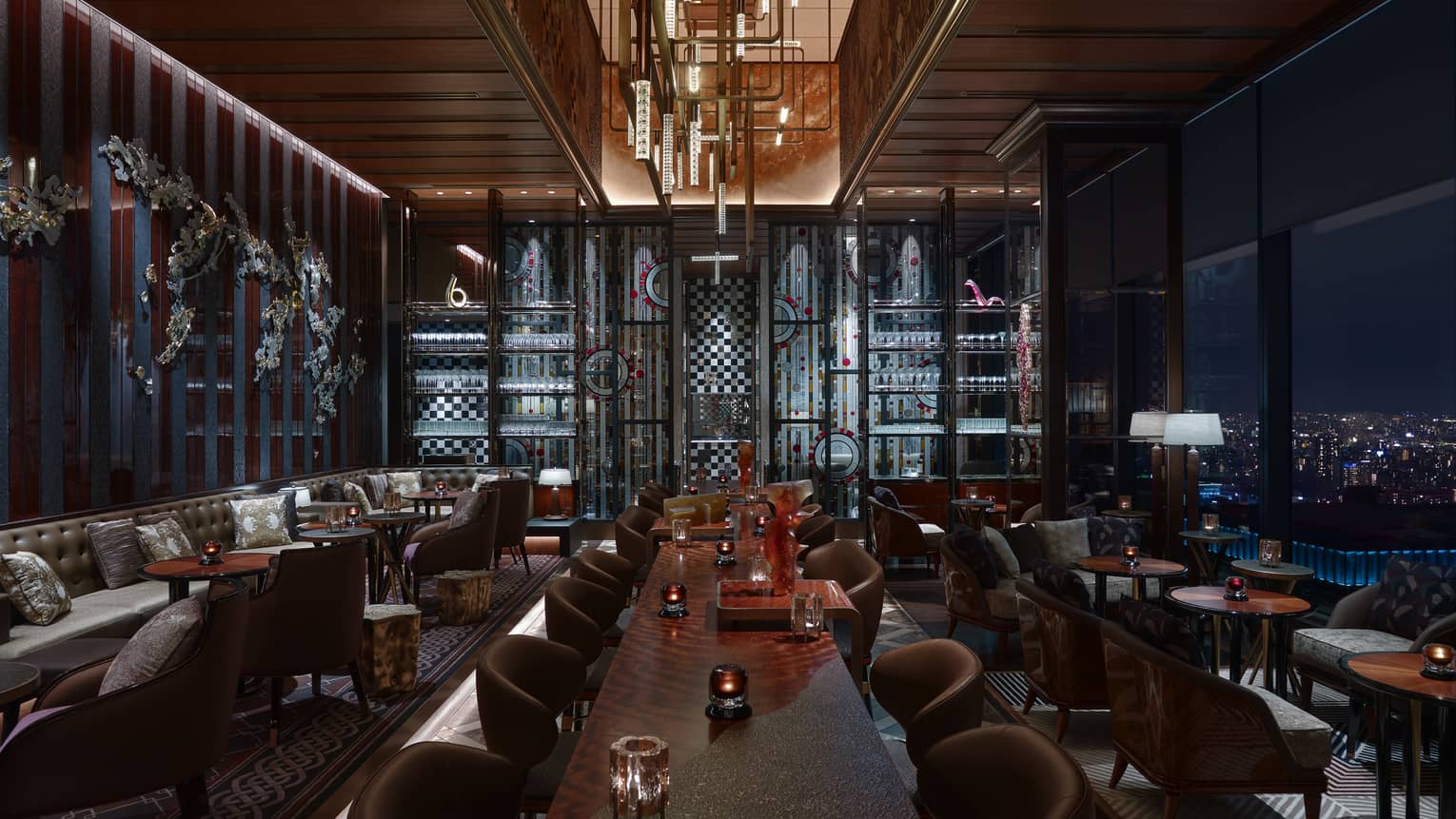
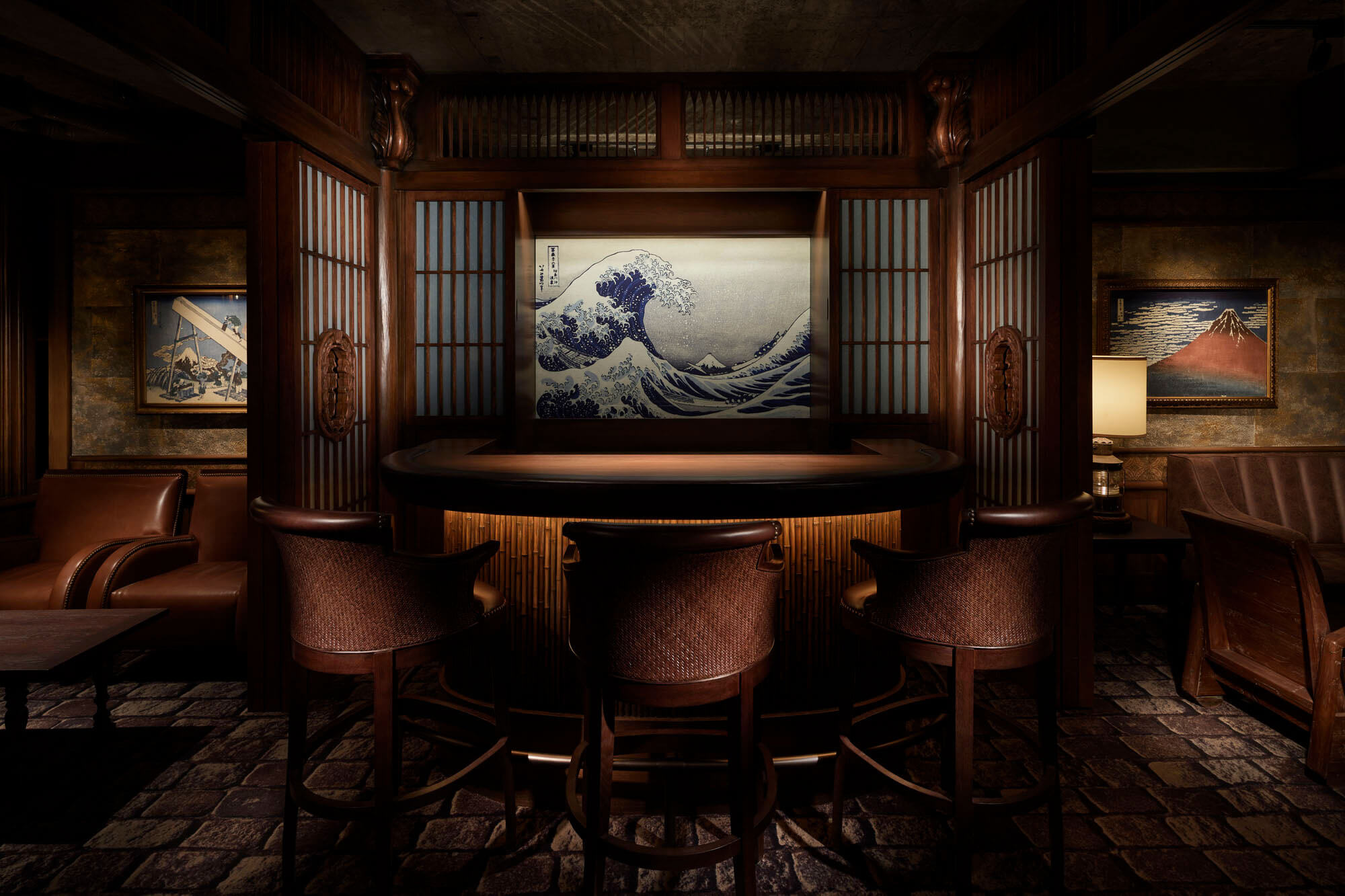
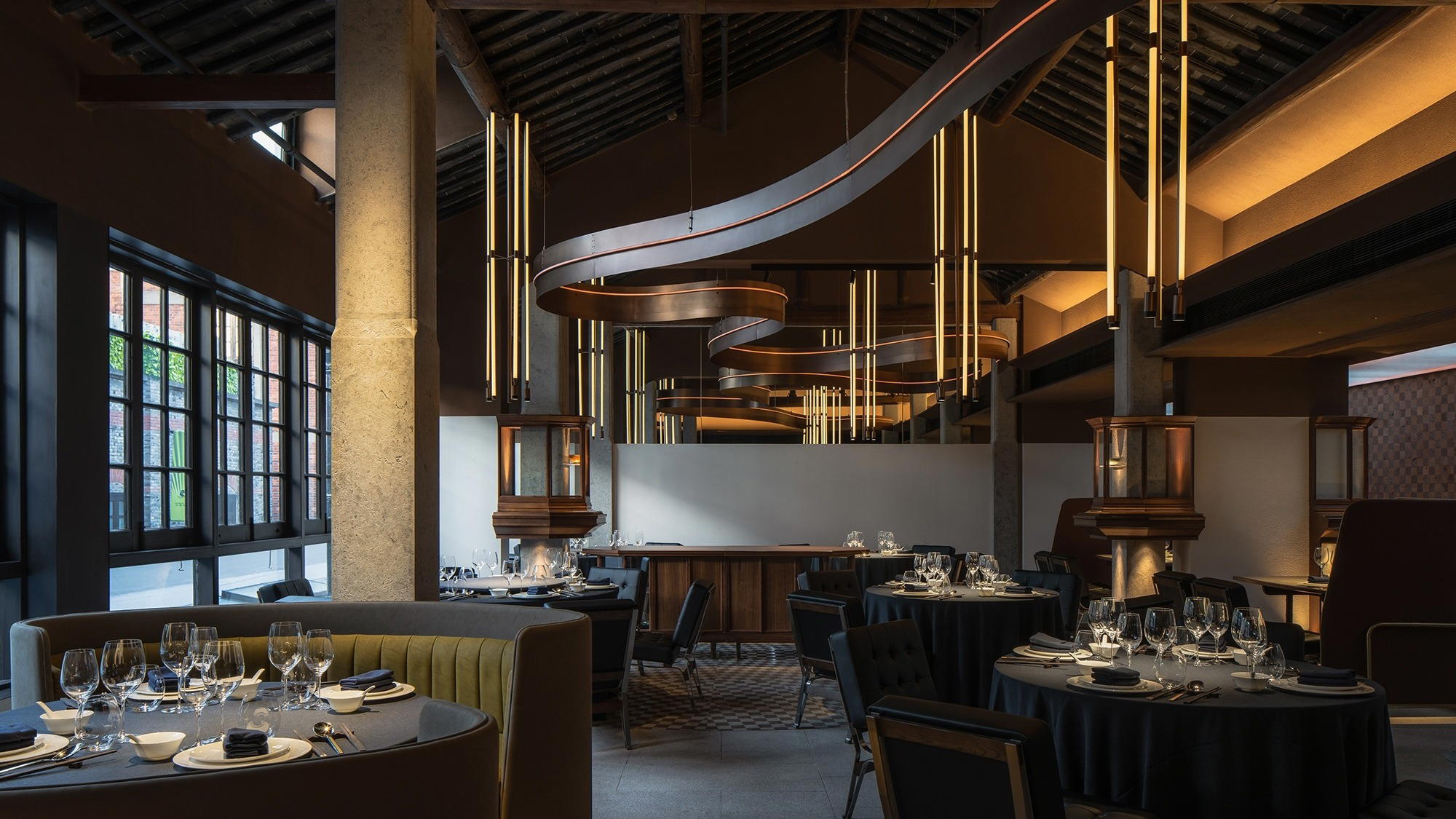
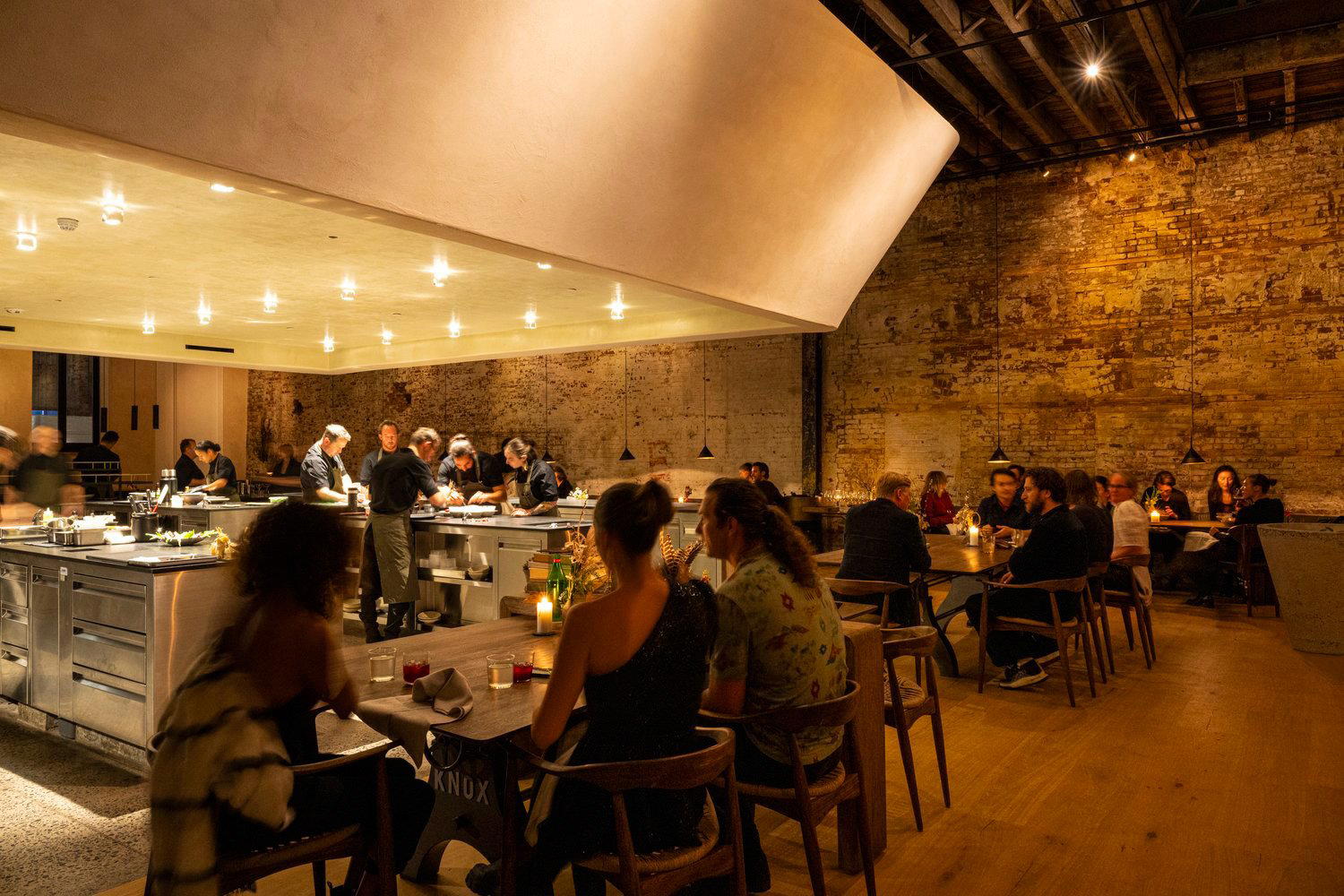
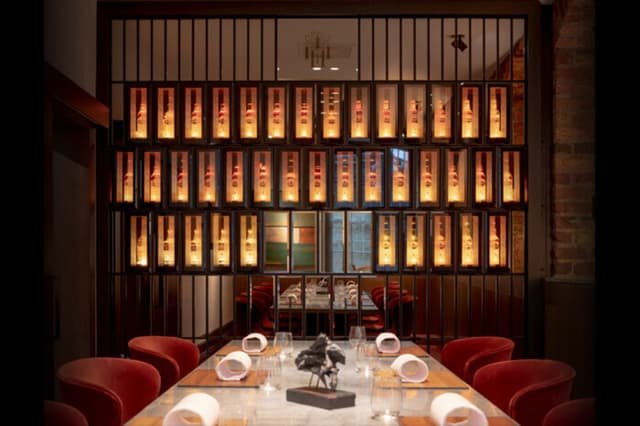
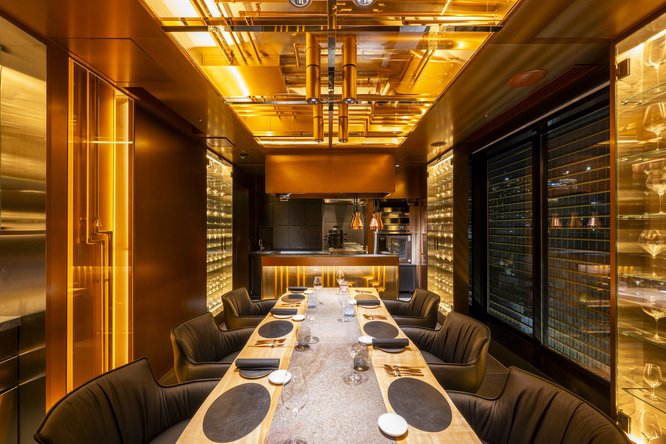
Sophisticated modern space with dynamic ceiling design transitioning from checkerboard patterns to cave-like installations, featuring wooden blocks dripping from ceiling, integrated chandelier, and 11th-floor views of Ginza's cityscape.
Tags
Vibe
Best For
Experience
Sourcing
View
Accessibility
At the Table
- Dress Code
- Smart Casual
- Noise Level
- Conversational
- Service Style
- Formal
- Meal Pacing
- Extended Experience
- Capacity
- Small
- Menu Format
- A la carte, Counter dining
- Wine Program
- Deep wine list
- Drinks Focus
- Wine, Sake, Cocktails
- Dietary
- Allergy accommodating
- Private Dining
- Available
Signature Dishes
- Omar Blue Shrimp Fry with Caviar and Sauce Gribiche
- Crystal Caviar Selected by Chef Kei Kobayashi
- Vacharan
Know before you go
Know Before You Go
- Getting there
- Japan, 〒104-0061 Tokyo, Chuo City, Ginza, 7 Chome−8−17 虎屋銀座ビル 11階
Planning details
Location
Japan, 〒104-0061 Tokyo, Chuo City, Ginza, 7 Chome−8−17 虎屋銀座ビル 11階 · Directions
Recognition and awards


Also consider
Also Consider
- Harutaka, Sushi, ¥¥¥¥
- L'Effervescence, French, ¥¥¥¥
- RyuGin, Kaiseki, Japanese, ¥¥¥¥
- HOMMAGE, Innovtive French, French, ¥¥¥¥
- Crony, Innovative, French, ¥¥¥¥
Restaurant context
How It Compares
The sharpest comparison for ESPRIT C. KEI GINZA is price tier. All five peer venues listed here L'Effervescence, HOMMAGE, Crony, Harutaka, and RyuGin, sit at ¥¥¥¥, one tier above ESPRIT C. KEI GINZA's ¥¥¥. That gap matters when you factor in Kobayashi's verifiable Paris three-star pedigree. In straightforward terms: you are getting demonstrably high-credential French cooking at a price point that undercuts its peer set. If budget is a factor at all, ESPRIT C. KEI GINZA wins on value-to-credential ratio.
For pure French technique in Tokyo, L'Effervescence is the most direct competitor, it operates at ¥¥¥¥ with a tasting menu format and deeper ecological sourcing philosophy. Choose L'Effervescence if you want a chef-authored sequence and are comfortable with the higher price. Choose ESPRIT C. KEI GINZA if you prefer à la carte control and want the Paris Michelin reference point without the ¥¥¥¥ commitment. HOMMAGE and Crony both operate in the innovative French space at ¥¥¥¥ and suit diners who want Tokyo's own contemporary French identity rather than a Paris-trained perspective. For diners who are weighing French against Japanese formats, RyuGin at ¥¥¥¥ delivers kaiseki precision that has no equivalent in the French category, while Harutaka at ¥¥¥¥ is the sushi choice for diners who want counter-format intensity over a dining room setting.
On booking difficulty, ESPRIT C. KEI GINZA is rated easy, which is a meaningful practical advantage over several ¥¥¥¥ competitors that require weeks or months of forward planning. If you are building a Tokyo itinerary with limited lead time, this is one of the few fine dining French addresses where a week's notice is workable on most dates. That accessibility, combined with the Kobayashi credential and the Ginza setting, makes it the default recommendation for first-time visitors to Tokyo's French dining scene who don't want to over-commit on price.
Explore Tokyo
Around this place
Discover more on Pearl
Unlock the full ESPRIT C. KEI GINZA guide in Pearl, including awards, comparisons, FAQs, planning details, and nearby places.
Compare ESPRIT C. KEI GINZA
| Venue | Awards | Price |
|---|---|---|
| ESPRIT C. KEI GINZA | Star Wine Lists 20262026 Michelin Plate2026 La Liste Top Restaurants2025 Michelin Plate2025 La Liste Top Restaurants2024 Michelin Plate | ¥¥¥ |
| Harutaka | 2026 Tabelog Silver · #312026 OAD Top Restaurants in Japan Ranked · #1282026 Michelin 3 Stars2026 La Liste Top RestaurantsTabelog 100 - Sushi - TOKYO - 2025 · #372025 Asia's 50 Best Restaurants · #762025 OAD Top Restaurants in Japan Ranked · #1172025 La Liste Top Restaurants2025 Tabelog Bronze | ¥¥¥¥ |
| L'Effervescence | 2026 Tabelog Silver · #682026 OAD Top Restaurants in Japan Ranked · #103Star Wine Lists 20262026 Black Pearl 2 Diamond2026 Relais Chateaux Restaurants2026 La Liste Top Restaurants2026 Michelin 3 Stars2025 Asia's 50 Best Restaurants · #692025 OAD Top Restaurants in Japan Ranked · #92 | ¥¥¥¥ |
| RyuGin | 2026 OAD Top Restaurants in Japan Ranked · #802026 Tabelog Bronze · #3772026 Michelin 3 Stars2026 La Liste Top RestaurantsTabelog 100 - Japanese cuisine - TOKYO - 2025 · #212025 OAD Top Restaurants in Japan Ranked · #542025 Michelin 3 Stars2025 La Liste Top Restaurants2025 The Best Chef Three Knives | ¥¥¥¥ |
| HOMMAGE | 2026 Tabelog Bronze · #1232026 OAD Top Restaurants in Japan Highly Recommended2026 Michelin 2 StarsTabelog 100 - French - TOKYO - 2025 · #762025 Asia's 50 Best Restaurants · #782025 OAD Top Restaurants in Japan Ranked · #1752025 Michelin 2 Stars2025 The Best Chef One Knife2025 La Liste Top Restaurants | ¥¥¥¥ |
| Crony | 2026 Asia's 50 Best Restaurants · #34Star Wine Lists 20262026 OAD Top Restaurants in Japan Recommended2026 Michelin 2 Stars2025 Asia's 50 Best Restaurants · #30Tabelog 100 - French - TOKYO - 2025 · #782025 OAD Top Restaurants in Japan Ranked · #227We're Smart World Top Restaurants 20252025 Michelin 2 Stars | ¥¥¥¥ |












A quick look at how ESPRIT C. KEI GINZA measures up.
FAQ
Frequently Asked Questions
How far ahead should I book ESPRIT C. KEI GINZA?
A week's notice is typically sufficient for weekday evenings given the relatively accessible booking difficulty for a ¥¥¥ Michelin Plate address in Ginza. Weekend slots fill faster, especially during spring (late March to April) and autumn (October to November) when foot traffic in the district peaks. Book 2 to 3 weeks ahead if your dates are fixed or fall on a Friday or Saturday. This is meaningfully easier to secure than comparable Paris-pedigree addresses operating at the same price tier in Tokyo.
What should I wear to ESPRIT C. KEI GINZA?
Business casual is the sensible floor for an 11th-floor ¥¥¥ French dining room in Ginza, one of Tokyo's most formally-dressed commercial districts. The Michelin Plate recognition and the Paris three-star context behind chef Kei Kobayashi's name signal a room where jeans and trainers would feel out of place. Smart-casual works; a blazer or equivalent is a safe call for evening sittings. Ginza's general dress culture skews more conservative than Roppongi or Shibuya, so err formal rather than casual if in doubt.
Is the tasting menu worth it at ESPRIT C. KEI GINZA?
There is no fixed tasting menu here, the format is à la carte, which sets ESPRIT C. KEI GINZA apart from most of Tokyo's French fine dining options at this price tier. That means you control pacing and spend, and you are not locked into a prescribed sequence. For diners who want the full expression of Kobayashi's cooking without the commitment of a set menu, this is a structural advantage. If you specifically want an omakase-style progression, L'Effervescence or Florilège operate on a fixed-menu format and are the natural alternatives.
Is ESPRIT C. KEI GINZA worth the price?
At ¥¥¥, yes, the Paris three-star credentials behind Kei Kobayashi (three Michelin stars at his Paris flagship) and the La Liste recognition (76 points in 2026) give this venue a credibility floor that most Ginza newcomers cannot match. The à la carte format also lets you calibrate spend more precisely than a fixed tasting menu would. Kobayashi's Paris restaurant commands a higher price point; this Ginza address represents a more accessible entry into his cooking.
Does ESPRIT C. KEI GINZA handle dietary restrictions?
French kitchens operating at the Michelin Plate level routinely accommodate dietary requirements when notified in advance, that is standard practice at ¥¥¥ addresses in Tokyo. Flag any restrictions at the time of booking rather than on arrival. The à la carte format here gives the kitchen more flexibility to substitute or adjust individual dishes than a fixed tasting menu format would allow.