
.png?width=1200&quality=80)
DepTH brianza
Italian · Minato, Tokyo
Restaurant in Tokyo, Japan
 Book with Pearl
The Read
Japanese-Lens Italian
Price
$200–300per person
Dress
Smart Casual
Why go
DepTH brianza holds back-to-back Michelin Plates (2024, 2025) and, making it one of the more compelling Italian options in Tokyo's Azabudai district. At ¥¥¥ pricing, Chef Okuno's Japanese-ingredient-led take on northern Italian cooking offers real conceptual depth without the financial commitment of Tokyo's starred alternatives. Book if the Italy-Japan dialogue interests you.
About DepTH brianza
A Italian in Azabudai That Earns Two Consecutive Michelin Plates — and a Serious Look
The Portrait
DepTH brianza sits on the second floor of Hills Residence A in Azabudai, Minato City, the mixed-use development that has become one of Tokyo's more discussed new dining districts. The address is not incidental. Azabudai Hills draws a crowd that expects serious food, and DepTH brianza is positioned squarely to meet that expectation.
The concept is Italian in structure and Japanese in sensibility. Chef Okuno, whose name provides the restaurant's title (「奥行き」, okuyuki, means depth in Japanese), works from a foundation of Italian culinary tradition while systematically rerouting it through Japanese ingredients. This is not fusion in the lazy sense. The approach is more considered: Italian technique applied to produce and proteins that are native to Japan, asking what happens when those ingredients are handled the way a cook trained in northern Italy — brianza is a region in Lombardy, would handle them.
For the food-focused traveller seeking depth and context, this framing matters. The Michelin recognition signals that the kitchen's execution is consistent enough to earn institutional credibility. The Michelin Plate designation, awarded in both 2024 and 2025, indicates a restaurant of notable quality that has not yet reached star level, which, at ¥¥¥ pricing, also tells you something useful: this is a venue where the ambition is high but the financial commitment is not at the extreme end of Tokyo's fine-dining spectrum.
The editorial angle here is ingredient sourcing, and that is where DepTH brianza's identity sharpens. The premise of the restaurant is that Japanese ingredients, reframed through Italian culinary logic, can produce something neither purely Italian nor purely Japanese. That requires a kitchen with real sourcing conviction: selecting Japanese produce that can hold up to Italian preparation methods, or conversely, finding Italian techniques that reveal something new in a Japanese ingredient. When a restaurant's concept is built on this kind of ingredient dialogue, the sourcing is not a supporting detail. It is the argument. The Michelin Plate recognition across two consecutive years suggests the kitchen is winning that argument consistently.
For context within the broader Tokyo Italian category, consider how DepTH brianza positions against its peers. Aroma Fresca operates at a higher price point with deeper Italian tradition and Michelin star-level recognition. PRISMA and Principio represent other corners of Tokyo's Italian offering. Gucci Osteria da Massimo Bottura Tokyo operates a globally branded version of Italian-Japanese crossover at a higher price tier. AlCeppo offers a more traditional Italian register. DepTH brianza sits in a productive middle ground: more conceptually driven than a direct Italian trattoria, more accessible in price than the starred alternatives.
If you are building a Japan dining itinerary and want an Italian reference point that does something more than replicate what you could find in Milan, DepTH brianza is a credible addition. Travellers exploring the wider Japanese dining circuit may also want to cross-reference cenci in Kyoto, which operates in a related conceptual space, and akordu in Nara, which applies European technique to Japanese ingredients in a different register. For those moving between cities, HAJIME in Osaka and Gion Sasaki in Kyoto represent other high-conviction kitchens worth planning around. Further afield, Goh in Fukuoka, 1000 in Yokohama, and 6 in Okinawa round out a serious Japan dining circuit. For a broader regional comparison, 8 1/2 Otto e Mezzo Bombana in Hong Kong shows what Italian cooking at Michelin three-star level looks like in an Asian context.
The Azabudai address also means DepTH brianza benefits from, and contributes to, a neighbourhood dining ecosystem that is still maturing. Early positioning in a developing district can mean more attentive service and easier reservations than you would find at an equivalent restaurant in a more established location. That is a practical advantage worth noting.
For the explorer diner, someone who reads menus as documents, who wants to understand why a dish exists, not just whether it tastes good, DepTH brianza offers real content. The concept has intellectual architecture. The ingredient sourcing choices are the point. Whether the execution on any given night fully delivers on the concept is something best judged at the table, but two consecutive Michelin Plates suggest the kitchen is not trading on concept alone.
See our full Tokyo restaurants guide for the broader picture, or check our Tokyo hotels guide, bars guide, wineries guide, and experiences guide to build your full itinerary.
Practical Details
Price range: ¥¥¥ (mid-to-upper tier for Tokyo Italian). Reservations: Booking is currently rated Easy, contact via the venue directly or through your hotel concierge. Location: Hills Residence A, 2F, 1-2-3 Azabudai, Minato City, Tokyo. Phone/website: Not publicly listed; confirm via hotel concierge or reservation platform. Awards: Michelin Plate 2024 and 2025.
How It Compares
See the comparison section below for how DepTH brianza sits against Tokyo's broader fine-dining field.
Planning details
- Location
- Japan, 〒106-0041 Tokyo, Minato City, Azabudai, 1 Chome−2−3 ヒルズレジデンスA棟 2F(路面
- Reservations
- Book on Omakase
- Website
- la-brianza.com/depth_brianza
- Phone
- +81 3-6441-0148
The take
The Take
The Vibe
DepTH brianza reads as a quietly sophisticated expression of Tokyo’s dialogue with Italian cooking. The kitchen leans on classical Lombard technique while embracing the restraint and obsessiveness about provenance that define Tokyo-Italian cuisine, often substituting superior Japanese ingredients where appropriate. Housed on the second floor of a residential tower in the newly completed Azabudai Hills development, the restaurant balances modern context with regional reference to Brianza. The mood is intimate and elegant rather than flashy, and Michelin Plate nods in consecutive years underline the kitchen’s composed, meticulous approach to familiar Italian forms.
Best For
This is a venue tailored to considered dinners: date nights, celebratory meals, special occasions and business dinners all fit comfortably here. Its mid-to-upper price positioning (¥¥¥) and consecutive Michelin Plate recognition make it a credible choice when you want something elevated but not stratospherically expensive. The location — within Azabudai Hills and close to Roppongi and Toranomon — makes it convenient for central Tokyo diners seeking a discreet, refined experience rather than a boisterous night out. Expect focused service and composed courses rather than loud, casual fare.
Ordering Tips
The menu emphasizes a Brianzan reference and a Tokyo-Italian register built on restraint and ingredient provenance; order with that in mind. Signature plates such as the Truffled Egg and Mushroom Crepe and the Shrimp and Scallop Ravioli showcase the kitchen’s balance of classical technique and local produce, while the Aged Beef with Hinoki Smoke and the more unusual Smoked Whale with Cheese speak to the restaurant’s willingness to push regional boundaries. Consider sharing a few courses to sample the breadth of the tasting approach rather than sticking to a single entrée.
Venue details
Ambiance
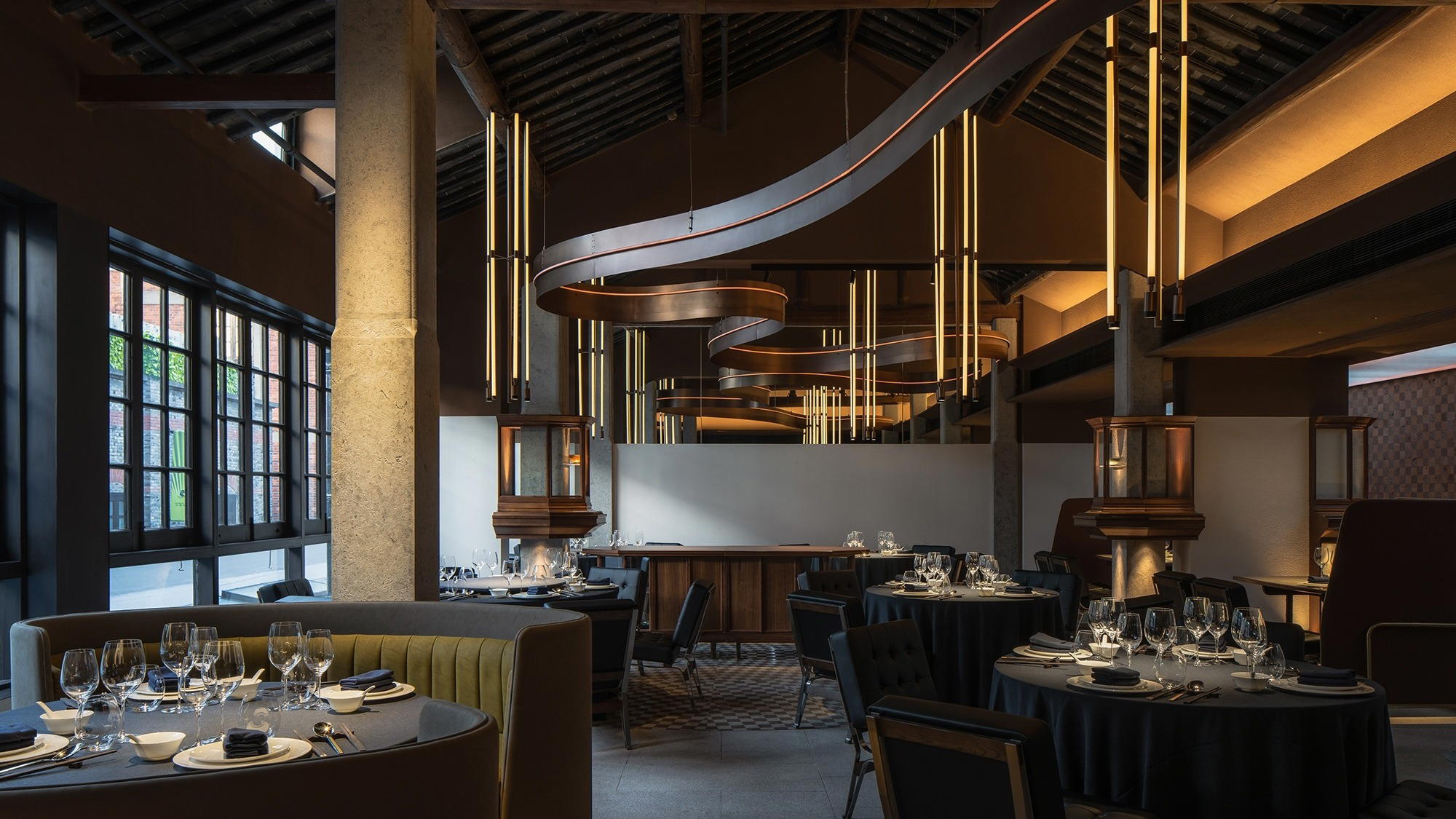
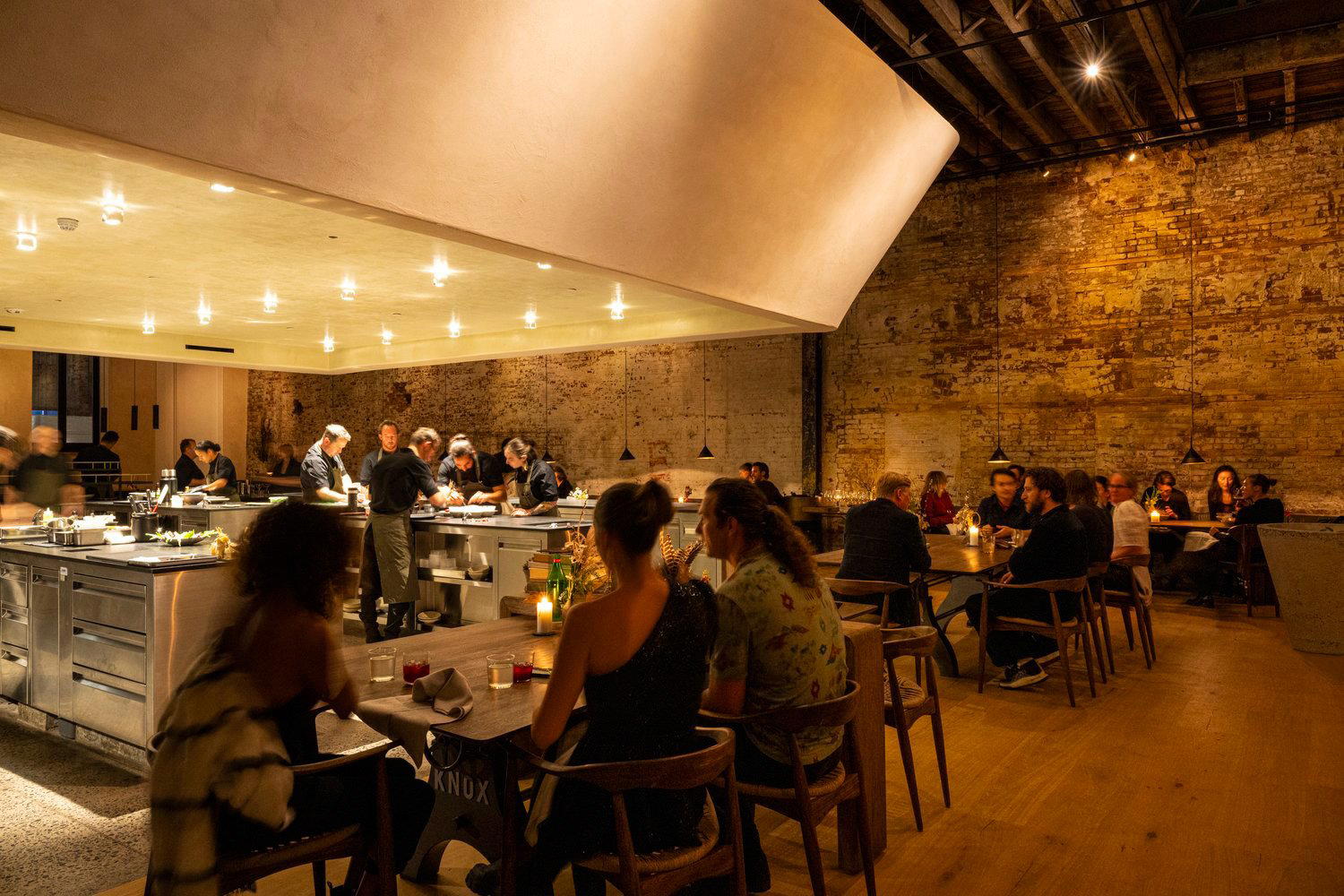
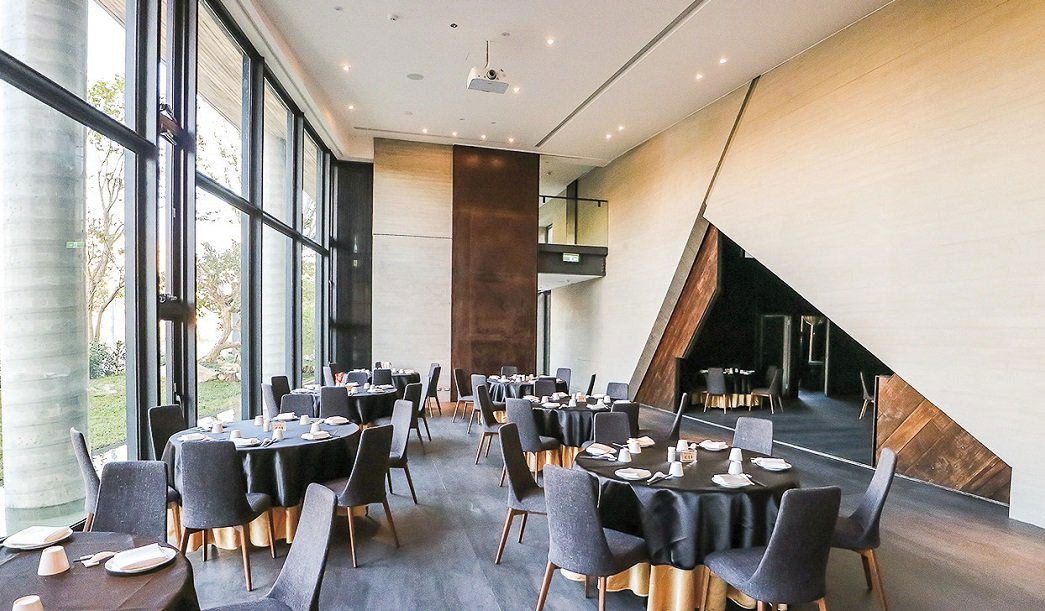
Refined, mansion-like interior with a special intimate atmosphere; warm hospitality creates a relaxing and comfortable dining experience with opportunities to observe Chef Okuno at work.
Tags
Vibe
Best For
Experience
Sourcing
Accessibility
At the Table
- Dress Code
- Smart Casual
- Noise Level
- Quiet
- Service Style
- Formal
- Meal Pacing
- Extended Experience
- Capacity
- Intimate
- Kitchen
- Fusion
- Menu Format
- Tasting menu, Prix fixe
- Wine Program
- Curated
- Drinks Focus
- Wine, Sake
- Dietary
- Vegetarian friendly, Vegan options, Gluten-free options, Allergy accommodating
- Private Dining
- Available
Signature Dishes
- Truffled Egg and Mushroom Crepe
- Shrimp and Scallop Ravioli
- Smoked Whale with Cheese
- Aged Beef with Hinoki Smoke
Know before you go
Know Before You Go
- Getting there
- Japan, 〒106-0041 Tokyo, Minato City, Azabudai, 1 Chome−2−3 ヒルズレジデンスA棟 2F(路面
Planning details
Location
Japan, 〒106-0041 Tokyo, Minato City, Azabudai, 1 Chome−2−3 ヒルズレジデンスA棟 2F(路面 · Directions
Recognition and awards

Also consider
Also Consider
- Harutaka, Sushi, ¥¥¥¥
- RyuGin, Kaiseki, Japanese, ¥¥¥¥
- L'Effervescence, French, ¥¥¥¥
- HOMMAGE, Innovtive French, French, ¥¥¥¥
- Florilège, French, ¥¥¥
Restaurant context
At ¥¥¥, DepTH brianza is the most accessible entry point among Tokyo's serious fine-dining options. The comparison venues here all sit at ¥¥¥¥: Harutaka for sushi at the highest technical level, RyuGin for kaiseki with deep seasonal architecture, and L'Effervescence and HOMMAGE for French cooking with strong creative ambition. Florilège matches DepTH brianza at ¥¥¥ but operates in French rather than Italian, and with Michelin star recognition rather than Plate. If budget is a real factor, DepTH brianza and Florilège are both worth serious consideration before committing to a ¥¥¥¥ booking.
For the diner choosing between DepTH brianza and L'Effervescence or HOMMAGE: the French options will likely deliver more refined service architecture and a longer, more structured meal. DepTH brianza's advantage is conceptual specificity, the Japanese-Italian ingredient dialogue is a more singular premise than French fine dining, however well executed. If you are eating one creative Western-influenced meal in Tokyo and want the most original concept relative to cost, DepTH brianza makes a stronger case than the ¥¥¥¥ French alternatives on pure concept-per-yen grounds.
RyuGin and Harutaka serve different purposes entirely. If your priority is Japanese cuisine in its own tradition, book one of those instead. DepTH brianza is the right call when you want a non-Japanese culinary framework, Italian structure, Italian technique, applied with genuine local knowledge rather than imported wholesale. On booking difficulty, all five comparison venues are harder to secure than DepTH brianza, which is currently rated Easy. That alone makes it worth considering as a high-quality, lower-friction option in an otherwise competitive Tokyo reservation environment.
Explore Tokyo
Around this place
Discover more on Pearl
Unlock the full DepTH brianza guide in Pearl, including awards, comparisons, FAQs, planning details, and nearby places.
Compare DepTH brianza
| Venue | Cuisine | Awards | Booking Difficulty |
|---|---|---|---|
| DepTH brianza | Italian | 2026 OAD Top Restaurants in Japan Recommended2026 Michelin Plate2025 Michelin Plate2024 Michelin Plate | Easy |
| Harutaka | Sushi | 2026 Tabelog Silver · #312026 OAD Top Restaurants in Japan Ranked · #1282026 Michelin 3 Stars2026 La Liste Top RestaurantsTabelog 100 - Sushi - TOKYO - 2025 · #372025 Asia's 50 Best Restaurants · #762025 OAD Top Restaurants in Japan Ranked · #1172025 La Liste Top Restaurants2025 Tabelog Bronze | Unknown |
| RyuGin | Kaiseki, Japanese | 2026 OAD Top Restaurants in Japan Ranked · #802026 Tabelog Bronze · #3772026 Michelin 3 Stars2026 La Liste Top RestaurantsTabelog 100 - Japanese cuisine - TOKYO - 2025 · #212025 OAD Top Restaurants in Japan Ranked · #542025 Michelin 3 Stars2025 La Liste Top Restaurants2025 The Best Chef Three Knives | Unknown |
| L'Effervescence | French | 2026 Tabelog Silver · #682026 OAD Top Restaurants in Japan Ranked · #103Star Wine Lists 20262026 Black Pearl 2 Diamond2026 Relais Chateaux Restaurants2026 La Liste Top Restaurants2026 Michelin 3 Stars2025 Asia's 50 Best Restaurants · #692025 OAD Top Restaurants in Japan Ranked · #92 | Unknown |
| HOMMAGE | Innovtive French, French | 2026 Tabelog Bronze · #1232026 OAD Top Restaurants in Japan Highly Recommended2026 Michelin 2 StarsTabelog 100 - French - TOKYO - 2025 · #762025 Asia's 50 Best Restaurants · #782025 OAD Top Restaurants in Japan Ranked · #1752025 Michelin 2 Stars2025 The Best Chef One Knife2025 La Liste Top Restaurants | Unknown |
| Florilège | French | 2026 Asia's 50 Best Restaurants · #312026 Tabelog Bronze · #712026 OAD Top Restaurants in Japan Ranked · #1242026 Black Pearl 1 Diamond2026 Michelin 2 Stars2026 La Liste Top Restaurants2025 Asia's 50 Best Restaurants · #172025 World's 50 Best Restaurants · #36Tabelog 100 - French - TOKYO - 2025 · #68 | Unknown |












Comparing your options in Tokyo for this tier.
FAQ
Frequently Asked Questions
Is DepTH brianza good for a special occasion?
The ¥¥¥ pricing sits at mid-to-upper tier for Tokyo Italian, so expect a considered spend rather than a blow-out. The second-floor setting in Azabudai Hills Residence A adds a sense of occasion without the formality of a full Michelin-starred room. For a birthday or anniversary where you want something genuinely considered rather than just expensive, it fits well.
What should I wear to DepTH brianza?
At ¥¥¥ pricing in the Azabudai Hills development — one of Tokyo's more polished mixed-use addresses — neat, put-together clothing is the sensible baseline. Avoid overly casual attire. Think business casual or above if you want to feel comfortable at the price point.
What should I order at DepTH brianza?
Chef Okuno focuses on Italian tradition reframed through Japanese ingredients — so expect dishes that look familiar in structure but pull from local Japanese produce. Ask the team when booking what the current format is: prix-fixe or à la carte options vary by restaurant and season.
Is the tasting menu worth it at DepTH brianza?
If the format leans tasting menu — which fits the Michelin Plate recognition and the creative, concept-driven cooking Chef Okuno is known for — it earns its place at ¥¥¥. If you prefer à la carte flexibility, confirm the format before booking, as it may not suit every preference.
Is DepTH brianza worth the price?
The concept — Italian technique applied to Japanese ingredients — gives it a clearer identity than generic mid-range Italian in the city. For a single creative Italian dinner in Tokyo at this price tier, it makes a defensible case.
What are alternatives to DepTH brianza in Tokyo?
For Italian specifically, L'Effervescence and HOMMAGE both operate in Tokyo's fine-dining tier and offer strong European-technique menus with local Japanese sourcing. If you're open to Japanese fine dining more broadly, RyuGin and Harutaka represent different formats — kaiseki and sushi respectively — at higher price points. Florilège is the closest comparator in terms of European cooking reinterpreted through Japanese produce, and worth considering if a French kitchen appeals more than Italian.