.png?width=1200&quality=80)
Clos Des Gourmets
French · Minato, Tokyo
Restaurant in Tokyo, Japan
 Book with Pearl
The Read
Inherited French Lineage
Price
¥¥
Dress
Smart Casual
Why go
Clos Des Gourmets is a Michelin Plate-recognised French bistrot in Shirokanedai, Tokyo, delivering Parisian-lineage cooking at ¥¥ pricing — an unusual value proposition in the city's French dining category. The intimate room puts guests close to the chef, and the confirms consistent quality. Book a few weeks out; this is one of Tokyo's easier Michelin-recognised reservations to secure.
About Clos Des Gourmets
Verdict
Clos Des Gourmets is one of the most direct yes-decisions for French food in Tokyo at the ¥¥ price tier. If you want Parisian bistro-level technique without paying ¥¥¥¥ prices, book this.
About Clos Des Gourmets
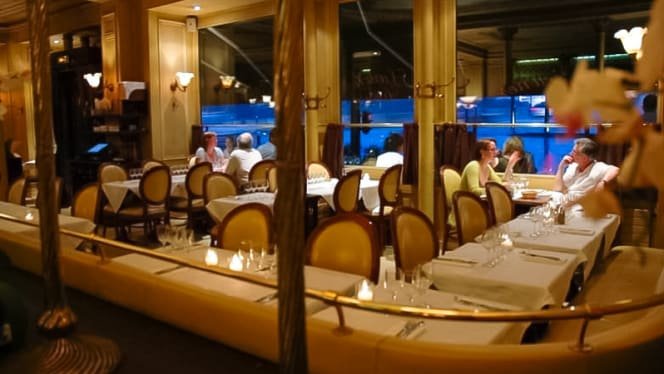
The atmosphere here is the point. This is a small, close-quarters room in Shirokanedai, Minato City — a residential pocket of Tokyo that sits well away from the tourist circuits. The energy is quiet and focused. There is no ambient buzz designed by an interior consultant. What you get instead is the sound of a kitchen working at close range, a room where conversations stay low because the tables are near enough to one another that volume becomes a choice, and a setting that reads more like a Parisian apartment dinner than a formal dining room. For food-focused travellers who find theatrical service distracting, this is a feature, not a compromise.
The restaurant's lineage traces directly to a mentor's kitchen in Paris's 7th arrondissement — the name, the cooking philosophy, and the approach to hospitality all carry that inheritance. That kind of transmitted identity is common in Japanese fine dining, where discipleship is taken seriously, but it is rarer to see it applied to French cuisine with this degree of fidelity. The result is a restaurant that reads as genuinely French in its reference points rather than Franco-Japanese fusion. One documented signature is tête de cochon, grilled cuts from a pig's head, which places the menu firmly in the bistrot tradition of using the whole animal with technique, not novelty.
¥¥ pricing is the most decisive data point for value assessment. Tokyo's French dining scene spans a wide range: at the leading end, venues like L'Effervescence, Sézanne, and Château Restaurant Joël Robuchon deliver high production-value experiences at corresponding prices. Clos Des Gourmets operates at a fraction of that cost with Michelin recognition, which is a rare combination. The closest structural comparator in the French-in-Tokyo category at a higher price point is Florilège at ¥¥¥, also chef-driven, also intimate. But Clos Des Gourmets gives you that same quality-to-price argument at one tier lower, which matters if you are eating across multiple meals on a single trip.
Proximity to the chef is a deliberate part of the experience. Guests in a small room with an open or semi-open kitchen are participating in the meal differently than they would at a larger venue. This is not a room where you can have a loud birthday celebration without it affecting every other table. It is, however, a very good room for a serious dinner where the cooking is the main event. If your group is looking for occasion dining with spectacle and ceremony, ESqUISSE or L'Effervescence are better-suited formats. If you want cooking that speaks for itself in a room where the chef is doing the talking with the food, Clos Des Gourmets is the right call.
For explorers building a multi-city Japan itinerary around serious food, Shirokanedai sits within Tokyo's broader dining geography alongside venues covered in our full Tokyo restaurants guide. If you are extending to other cities, the chef-driven, intimate-room format you will find here has direct parallels at HAJIME in Osaka, Gion Sasaki in Kyoto, akordu in Nara, and Goh in Fukuoka. For French at this price-to-quality ratio outside Japan, Les Amis in Singapore and Hotel de Ville Crissier in Crissier are worth the comparison.
Booking is rated easy, which at a small Tokyo French restaurant with Michelin recognition is worth flagging as a genuine advantage. The low seat count typical of rooms this size means that availability can shift quickly around holidays, but this is not a venue where you need to set an alarm three months out. Plan ahead by a few weeks and you should be fine. For broader trip planning, our Tokyo hotels guide, bars guide, wineries guide, and experiences guide cover the rest of the city.
Know Before You Go
- Cuisine
- French (bistrot tradition, Parisian lineage)
- Price tier
- ¥¥, strong value for Michelin-recognised French in Tokyo
- Awards
- Michelin Plate 2024 and 2025
- Guest rating
- Location
- Shirokanedai, Minato City, Tokyo, residential neighbourhood, away from central tourist areas
- Room format
- Intimate, small-capacity dining room; chef visible and close to guests
- Booking difficulty
- Easy, book a few weeks ahead; no extreme lead time required
- Leading for
- Food-focused couples or small groups; serious diners who want technique over ceremony
- Not ideal for
- Large parties, loud celebrations, or guests who prioritise theatrical service
- Nearby references
- Explore our full Tokyo restaurants guide for broader context; 1000 in Yokohama and 6 in Okinawa for regional comparisons
Planning details
- Location
- Japan, 〒108-0071 Tokyo, Minato City, Shirokanedai, 3 Chome−18−4 パークサイド白金ヒルズ 2F
- Website
- clos-des-gourmets.com
- Phone
- +81 3-6277-2358
The take
The Take
The Vibe
Clos Des Gourmets presents a quietly assured take on classic French cooking tucked into a Shirokanedai side street. The room reads deliberately low-key rather than flashy: a second-floor address in a residential building, a single chef turning out close French repertoire for a tight number of covers. The writing emphasizes lineage and technique over spectacle, so the feeling is restrained and tasteful — the kind of place that rewards repeat visits. Michelin Plate recognition underscores the consistent, well-executed approach, and the overall atmosphere leans toward understated refinement rather than theatrical dining.
Best For
This is a dining room for people who prioritize the food above the setting: think quiet, focused evenings and return visits from local diners who appreciate consistency. The restaurant’s Michelin Plate across consecutive years signals reliable quality, making it suitable for intimate date nights or low-key celebrations where the cooking is the central attraction. Located in a residential neighborhood rather than a tourist hub, Clos Des Gourmets attracts an audience that values personal service and a close relationship with the kitchen rather than a loud, destination-style meal.
Ordering Tips
Menus highlight classic French items and the kitchen’s signature preparations; the description calls out tête de cochon and foie gras as signature dishes worth seeking out. Because the room is small and run by a single chef for a limited number of covers, book ahead to secure a table — the restaurant draws regulars and has constrained seating. Expect an accessible price point relative to multi-starred rooms but with meticulous execution; lean into the house specialties and let the kitchen’s steady approach guide your choices.
Venue details
Ambiance
Cozy and intimate atmosphere with guests feeling like they're dining at a friend's home, enhanced by beautiful plating and close interaction with the chef.
Tags
Vibe
Best For
Experience
At the Table
- Dress Code
- Smart Casual
- Noise Level
- Quiet
- Service Style
- Formal
- Meal Pacing
- Leisurely
- Capacity
- Intimate
Signature Dishes
- tête_de_cochon
- foie_gras
Know before you go
Know Before You Go
- Getting there
- Japan, 〒108-0071 Tokyo, Minato City, Shirokanedai, 3 Chome−18−4 パークサイド白金ヒルズ 2F
Planning details
Location
Japan, 〒108-0071 Tokyo, Minato City, Shirokanedai, 3 Chome−18−4 パークサイド白金ヒルズ 2F · Directions
Recognition and awards
Also consider
Also Consider
- Harutaka, Sushi, ¥¥¥¥
- RyuGin, Kaiseki, Japanese, ¥¥¥¥
- L'Effervescence, French, ¥¥¥¥
- HOMMAGE, Innovtive French, French, ¥¥¥¥
- Florilège, French, ¥¥¥
Restaurant context
Clos Des Gourmets occupies the most accessible price tier among Tokyo's credentialled French restaurants, and that is its clearest competitive advantage. Florilège (¥¥¥) is the most useful direct comparison: also chef-driven, also intimate, also French with a strong point of view, but at one price tier higher. If your budget allows, Florilège offers more documented complexity and a more developed wine programme. If you are eating across multiple meals and need to manage per-head spend without surrendering Michelin-recognised quality, Clos Des Gourmets is the smarter allocation.
At the ¥¥¥¥ end of Tokyo's French category, L'Effervescence and HOMMAGE both deliver high-production experiences with deeper service infrastructure and more elaborate tasting formats. Those venues are the right call if ceremony and multi-course progression are central to what you want from the evening. Clos Des Gourmets does not compete on spectacle, it competes on cooking quality per yen spent. For guests whose priority is technical French cooking in a room where the chef is the focal point rather than the décor, Clos Des Gourmets wins that argument at its price level.
If you are deciding between French and other categories at the high end, Harutaka (¥¥¥¥, sushi) and RyuGin (¥¥¥¥, kaiseki) both represent Tokyo's most serious expressions of their respective formats, but at significantly higher prices and with harder booking windows. Clos Des Gourmets is the answer for a food-focused traveller who wants genuine culinary depth without committing to a four-tier price point or a three-month reservation lead time.
Explore Tokyo
Around this place
Discover more on Pearl
Unlock the full Clos Des Gourmets guide in Pearl, including awards, comparisons, FAQs, planning details, and nearby places.
Compare Clos Des Gourmets
| Venue | Cuisine | Price | Booking Difficulty | Awards |
|---|---|---|---|---|
| Clos Des Gourmets | French | ¥¥ | Easy | 2026 Michelin Plate2025 Michelin Plate2024 Michelin Plate |
| Harutaka | Sushi | ¥¥¥¥ | Unknown | 2026 Tabelog Silver · #312026 OAD Top Restaurants in Japan Ranked · #1282026 Michelin 3 Stars2026 La Liste Top RestaurantsTabelog 100 - Sushi - TOKYO - 2025 · #372025 Asia's 50 Best Restaurants · #762025 OAD Top Restaurants in Japan Ranked · #1172025 La Liste Top Restaurants2025 Tabelog Bronze |
| RyuGin | Kaiseki, Japanese | ¥¥¥¥ | Unknown | 2026 OAD Top Restaurants in Japan Ranked · #802026 Tabelog Bronze · #3772026 Michelin 3 Stars2026 La Liste Top RestaurantsTabelog 100 - Japanese cuisine - TOKYO - 2025 · #212025 OAD Top Restaurants in Japan Ranked · #542025 Michelin 3 Stars2025 La Liste Top Restaurants2025 The Best Chef Three Knives |
| L'Effervescence | French | ¥¥¥¥ | Unknown | 2026 Tabelog Silver · #682026 OAD Top Restaurants in Japan Ranked · #103Star Wine Lists 20262026 Black Pearl 2 Diamond2026 Relais Chateaux Restaurants2026 La Liste Top Restaurants2026 Michelin 3 Stars2025 Asia's 50 Best Restaurants · #692025 OAD Top Restaurants in Japan Ranked · #92 |
| HOMMAGE | Innovtive French, French | ¥¥¥¥ | Unknown | 2026 Tabelog Bronze · #1232026 OAD Top Restaurants in Japan Highly Recommended2026 Michelin 2 StarsTabelog 100 - French - TOKYO - 2025 · #762025 Asia's 50 Best Restaurants · #782025 OAD Top Restaurants in Japan Ranked · #1752025 Michelin 2 Stars2025 The Best Chef One Knife2025 La Liste Top Restaurants |
| Florilège | French | ¥¥¥ | Unknown | 2026 Asia's 50 Best Restaurants · #312026 Tabelog Bronze · #712026 OAD Top Restaurants in Japan Ranked · #1242026 Black Pearl 1 Diamond2026 Michelin 2 Stars2026 La Liste Top Restaurants2025 Asia's 50 Best Restaurants · #172025 World's 50 Best Restaurants · #36Tabelog 100 - French - TOKYO - 2025 · #68 |













A quick look at how Clos Des Gourmets measures up.
FAQ
Frequently Asked Questions
Is Clos Des Gourmets worth the price?
At the ¥¥ tier, yes — this is one of the cleaner value decisions for French food in Tokyo. Two consecutive Michelin Plates (2024 and 2025) confirm the kitchen is operating at a consistent level. For the price, you are getting a Paris-trained chef cooking from a genuine lineage, not a hotel bistro approximation. If you want a comparable spend with Japanese-inflected French cooking, L'Effervescence runs higher and leans more cerebral — Clos Des Gourmets is the call if you want the cooking to feel personal rather than architectural.
What should a first-timer know about Clos Des Gourmets?
The room is small and close-quarters in Shirokanedai, Minato City, which means proximity to the chef is part of the deal — not incidental to it. The chef's philosophy, the restaurant's name, and signature dishes like tête de cochon all trace back directly to his mentor and his time in Paris's 7th arrondissement. Come expecting a personal, Franco-centric experience rather than a French-Japanese hybrid. This is not a place to show up without a reservation.
How far ahead should I book Clos Des Gourmets?
The exact booking window is not publicly documented, but a Michelin Plate room of this size in Tokyo at the ¥¥ tier fills quickly. Booking 2 to 4 weeks ahead is a reasonable floor; for weekend dinners or special occasions, push further out. The intimate format — close quarters, chef in view — means covers are limited, and there is no buffer of large-table seats to absorb walk-in demand.
Is Clos Des Gourmets good for a special occasion?
It works well for a two-person occasion where intimacy is the point. The small room, the chef's personal cooking philosophy, and the Michelin Plate recognition give it enough occasion weight without the formality of a full tasting-menu operation. For larger groups or a more theatrical special occasion, HOMMAGE or RyuGin would carry more ceremony — Clos Des Gourmets is the choice when the occasion calls for something that feels like a private dinner rather than a celebration in a dining room.
What are alternatives to Clos Des Gourmets in Tokyo?
L'Effervescence is the comparison for French fine dining with more elaborate technique and a higher price point. HOMMAGE runs a more structured, formal French experience. Florilège leans into French cooking with local Japanese sourcing and a counter format. For pure Japanese fine dining at a similar intimacy level, Harutaka (sushi counter) and RyuGin (Japanese kaiseki) are the reference points, though neither overlaps on cuisine — they are relevant only if French is not a fixed requirement.