.png?width=1200&quality=80)
Chugokusai HINA
Chinese · Meguro, Tokyo
Restaurant in Tokyo, Japan
 Book with Pearl
The Read
Seasonal Chinese, Japanese Restraint
Price
$100–150per person
Dress
Smart Casual
Why go
A counter-style Chinese restaurant in Nakameguro where the kitchen reinterprets Japanese seasonal produce through Chinese technique. Seasoning is restrained and precise; the drinks list runs to aged Japanese sake and organic wine rather than Shaoxing. At ¥¥¥ and with easy booking, it is one of the more considered Chinese counter options in Tokyo for diners who return across different seasons.
About Chugokusai HINA
Is Chugokusai HINA worth booking in Nakameguro?
Yes — and if you care about how Chinese cooking intersects with Japanese seasonal thinking, this counter-style restaurant in Nakameguro is one of the more considered choices in Tokyo at the ¥¥¥ price tier. The format is intimate, the philosophy is restraint over spectacle, and the drinks pairing — aged Japanese sake and organic wine in place of Shaoxing wine, is a genuine point of difference worth planning around.
What to Expect at Chugokusai HINA
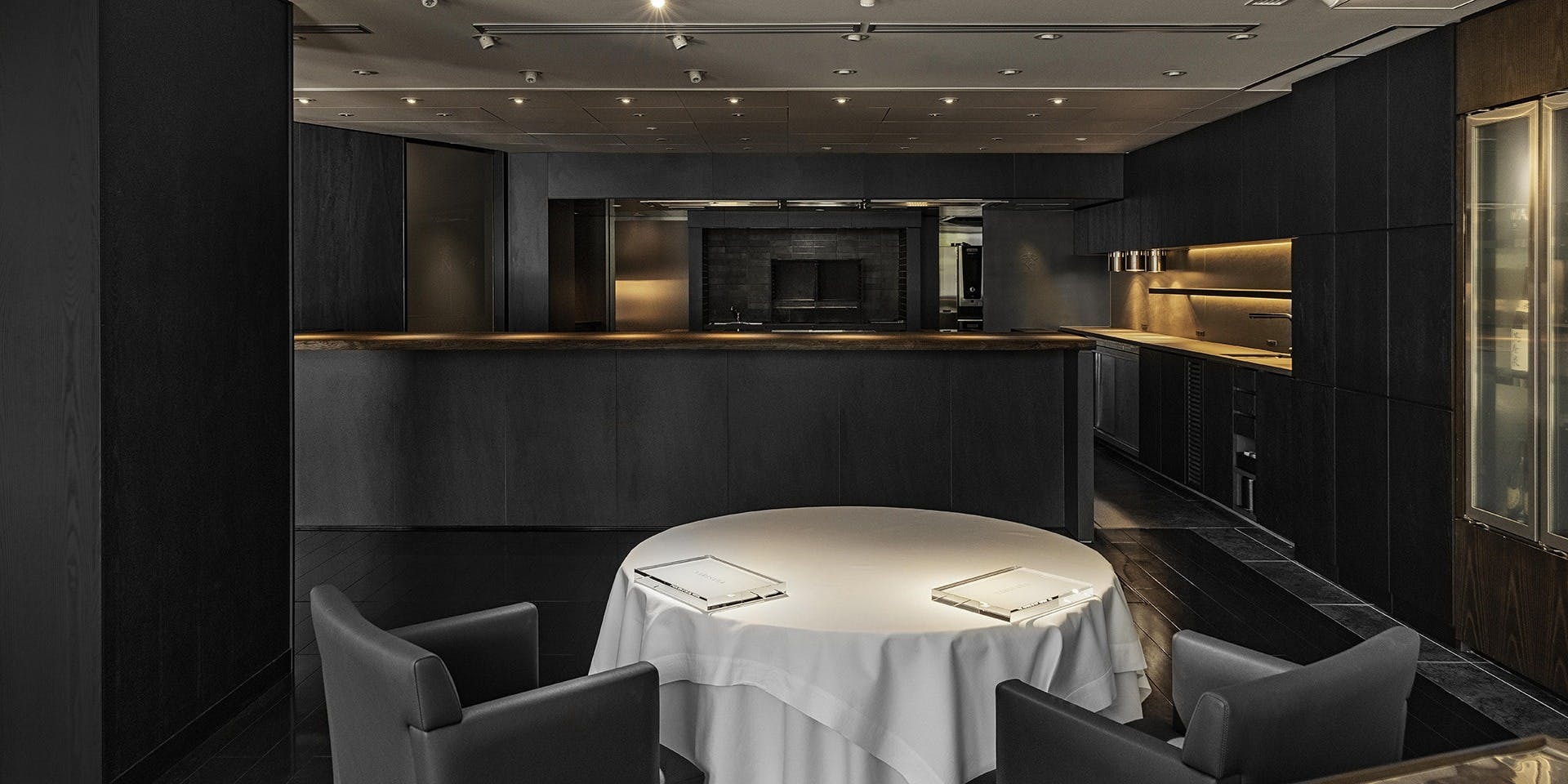
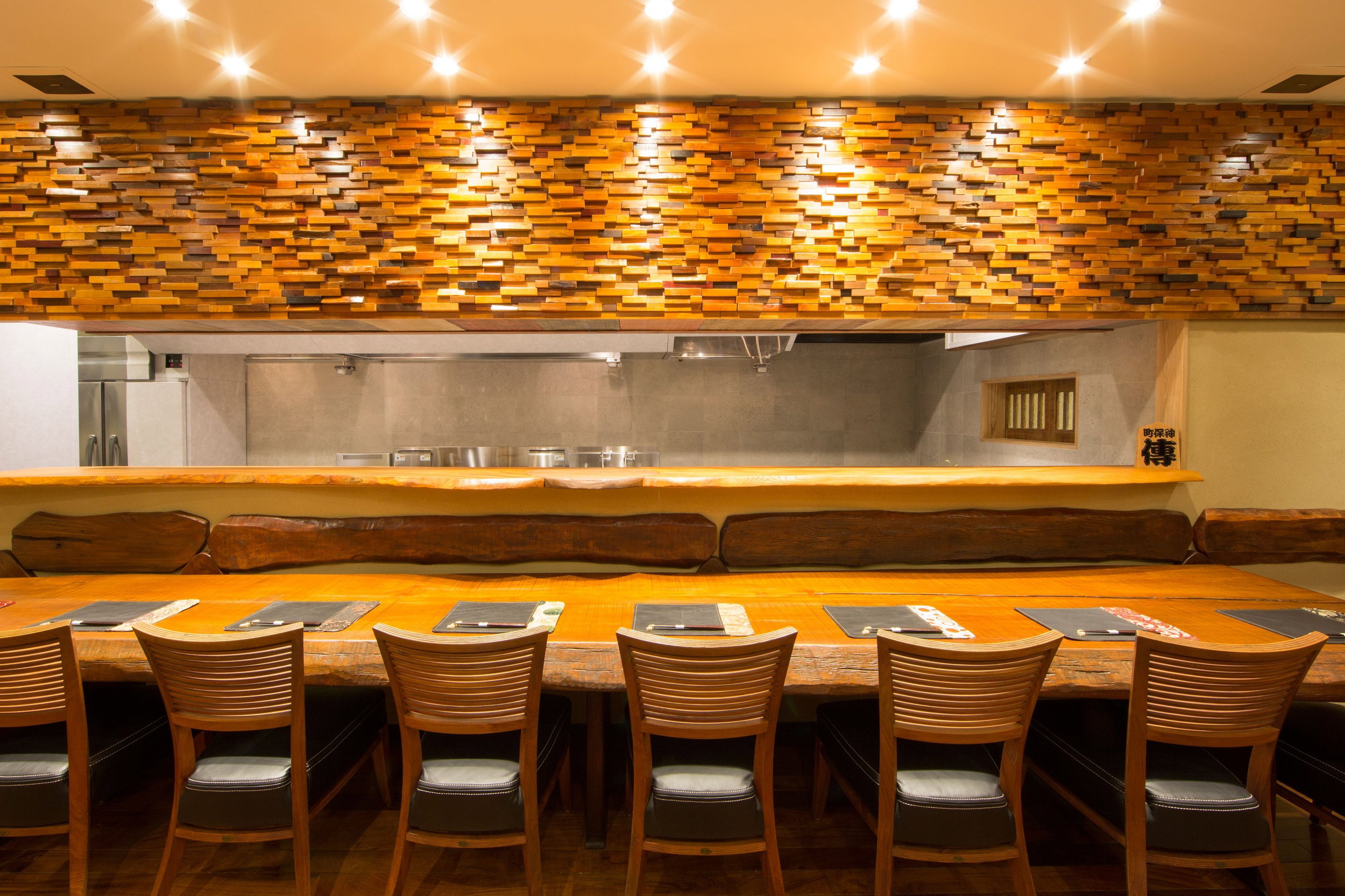
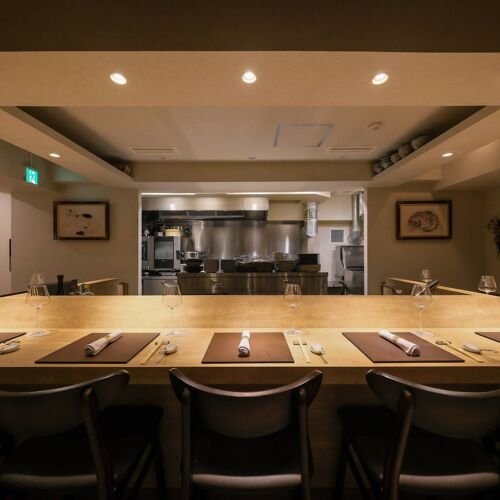
HINA sits on the third floor of a building in Kamimeguro, a quieter residential pocket of Meguro City a short walk from the Nakameguro canal. The counter format means every seat faces the kitchen, and the husband-and-wife operation keeps the room tight: he cooks, she serves. That clarity of roles shapes the experience, this is not a restaurant that runs on front-of-house performance or table theatrics. The attention is on what arrives in front of you.
The cooking is grounded in Chinese technique but oriented around Japanese seasonal produce. The chef trained in Yokohama's Chinatown kitchens and in Shanghai, so the technical foundation is orthodox, but the ingredient sourcing and seasonal rotation follow a Japanese logic. Expect the menu to shift meaningfully across the year: what you eat in early spring, when mountain vegetables are at their peak, will be a different proposition from an autumn visit built around mushrooms, root vegetables, and the richer profiles that come with cooler months. If you've visited once and want to know what to try next, the honest answer is to come back in a different season rather than ordering differently within the same menu window.
Seasoning here is deliberate and restrained. The kitchen's stated priority is the inherent flavour of the ingredient, not the accumulation of sauce or salt. For diners used to the bolder register of Cantonese banquet cooking or the punchy heat of Sichuan, the first course or two may read as quiet. Trust the calibration, this is intentional cooking, not timid cooking. By the midpoint of any meal, the cumulative effect of that restraint tends to read clearly.
The drinks list is worth attention before you arrive. The decision to pair dishes with well-aged Japanese sake and organic wine rather than Shaoxing wine is not just a marketing note, it changes the register of the meal. Aged sake, particularly junmai-type expressions with several years of development, reads rounder and more oxidative than young sake; alongside restrained Chinese dishes built on clean ingredient flavour, it tends to amplify rather than compete. If sake is not a format you know well, this is a reasonable place to start building familiarity. Ask what's currently being poured, the selection is likely to rotate with the seasonal menu.
When to Book and How Far Out
Booking difficulty is rated easy, which means you are not competing against a months-long waitlist the way you would at a reservations-only kaiseki room or an omakase sushi counter with a national following. That said, the counter format means seat count is low by definition, and the husband-and-wife operation limits covers per service. Book one to two weeks out for a standard visit; same-week availability is possible but not guaranteed on weekends. If you are planning a Tokyo trip around a specific seasonal window, say, cherry blossom season in late March or the peak of autumn colour in November, book further ahead, because demand in those windows is higher across all Nakameguro restaurants. Specific hours and a booking method are not confirmed in current data, so check directly via a Tokyo restaurant reservation platform or the venue itself before planning around it.
For context on how HINA fits within Tokyo's Chinese dining options: Chugoku Hanten Fureika and Chugoku Hanten Kohakukyu (Amber Palace) both sit at a higher price point and offer a more formal banquet-style experience, different format, different occasion. Ippei Hanten is another reference point in Tokyo's Chinese category worth comparing depending on what you're after. If the counter-focused, ingredient-led approach at HINA appeals but you want to explore further, itsuka and Koshikiryori Koki offer adjacent sensibilities in Tokyo's smaller, chef-driven room category.
Beyond Tokyo, the philosophy of Chinese cooking reinterpreted through Japanese seasonal logic has a few interesting comparators elsewhere in Japan: HAJIME in Osaka operates at a different price tier and category but shares the seasonal ingredient emphasis. Further afield, Restaurant Tim Raue in Berlin and Mister Jiu's in San Francisco both demonstrate how Chinese technique can be applied outside its original context with serious results, useful benchmarks if you want to understand where HINA sits on the broader spectrum of modern Chinese cooking.
For more options across the city, see our full Tokyo restaurants guide. If you're building a wider trip itinerary, our Tokyo hotels guide, bars guide, wineries guide, and experiences guide cover the rest. For day-trip considerations, 1000 in Yokohama and Gion Sasaki in Kyoto are both worth noting, along with akordu in Nara, Goh in Fukuoka, and 6 in Okinawa if your itinerary extends further.
Practical Details
Chugokusai HINA is on the third floor at 2-16-12 Kamimeguro, Meguro City, Tokyo. The nearest station is Nakameguro on the Tokyu Toyoko and Tokyo Metro Hibiya lines. Price tier is ¥¥¥. Phone and hours are not confirmed in current data, verify before visiting. Booking difficulty is easy relative to comparable Tokyo counters.
Quick reference: Counter-style Chinese, ¥¥¥, Nakameguro, Tokyo. Book 1–2 weeks out; verify hours directly.
FAQ
What should a first-timer know about Chugokusai HINA?
- This is counter-format Chinese at ¥¥¥ in Nakameguro, expect an intimate room, a set or semi-set menu structure typical of this format, and cooking that prioritises ingredient flavour over heavy seasoning.
- The drinks pairing uses aged Japanese sake and organic wine rather than Chinese wine, which is distinctive at this price point and worth engaging with rather than skipping.
- The menu follows Japanese seasonal rotation, so what you eat will depend heavily on when you visit. Autumn and spring visits tend to showcase the seasonal philosophy most clearly.
- Service is run by the chef's wife, so the room is quiet and unhurried, not a loud or convivial Chinese restaurant in the traditional sense.
Is Chugokusai HINA good for solo dining?
- Yes. The counter format is well-suited to solo diners, you have a direct view of the kitchen and a natural interaction point with the team, which makes eating alone here more engaging than at a standard table-service room.
- At ¥¥¥, it sits at a reasonable solo spend for Tokyo's counter-dining category. Comparable solo counter experiences in the city at higher price points include omakase sushi and kaiseki rooms, which can run significantly more per head.
- If solo dining at a Chinese counter in Tokyo is the goal, HINA is one of the cleaner options at this price tier.
Can I eat at the bar at Chugokusai HINA?
- The entire format is counter-style, so yes, the counter is the dining experience, not a separate bar area. There is no conventional table section to distinguish from.
- This also means walk-in counter seats function differently here than at a restaurant with a dedicated bar: all seats are part of the same service, and availability depends on the whole booking status of the counter, not a separate walk-in section.
- Confirming current reservation policy directly is advisable given the small scale of the operation.
Can Chugokusai HINA accommodate groups?
- The counter format limits group size. Without a confirmed seat count in current data, it is not possible to state a maximum, but counter-style restaurants in Tokyo at this tier typically run between 8 and 14 seats.
- Groups of 4 or more should contact the venue directly before booking to confirm availability and whether the full counter can be reserved, at this scale, a large group may effectively need to take all or most of the seats.
- For larger groups in Tokyo wanting Chinese cuisine at a similar quality level, Chugoku Hanten Kohakukyu (Amber Palace) or Chugoku Hanten Fureika offer formats better suited to larger parties.
Planning details
- Location
- Japan, 〒153-0051 Tokyo, Meguro City, Kamimeguro, 2 Chome−16−12 フレンドビル中目黒 3F
- Reservations
- Book on TableCheck
- Website
- chugokusai-hina.com
- Phone
- +81 3-6412-7274
The take
The Take
The Vibe
Chugokusai HINA presents a modern, compact take on Chinese cooking that privileges proximity and conversation over formality of scale. Situated on a quieter Kamimeguro residential stretch, the two-person counter operation keeps the room intentionally small and relaxed; the format reframes typically communal Chinese service into a measured, sequential experience. The kitchen's focus on seasonal ingredients and the counter's kitchen-to-guest intimacy give the place a cozy, focused atmosphere—less the grand banquet hall and more a quietly inventive, contemporary dining room where technique and ingredient clarity are front and center.
Best For
This is a dinner-focused destination for diners who want a concentrated, course-driven meal. The counter layout and the kitchen's sequencing make it especially well suited to date nights, business dinners and other special-occasion evenings where attention to detail and a quieter setting matter. The modest scale—one cook and one server—keeps service attentive and paced, so parties seeking a measured, conversational meal rather than a raucous group outing will find HINA a precise and well-mannered choice.
Ordering Tips
Embrace the counter's sequential service: allow the kitchen to set the pace rather than treating the menu à la carte. Prioritize the house signatures—Steamed Soup, Braised Shark Fin and Peking Duck—since the description highlights a seasonal framework and a curated sequence of courses. The counter format is designed to turn service into dialogue with the cooks, so ask about today’s seasonal priorities and follow their recommended progression to experience how the kitchen balances ingredient clarity with traditional Chinese flavors reimagined in a counter-dining context.
Venue details
Ambiance
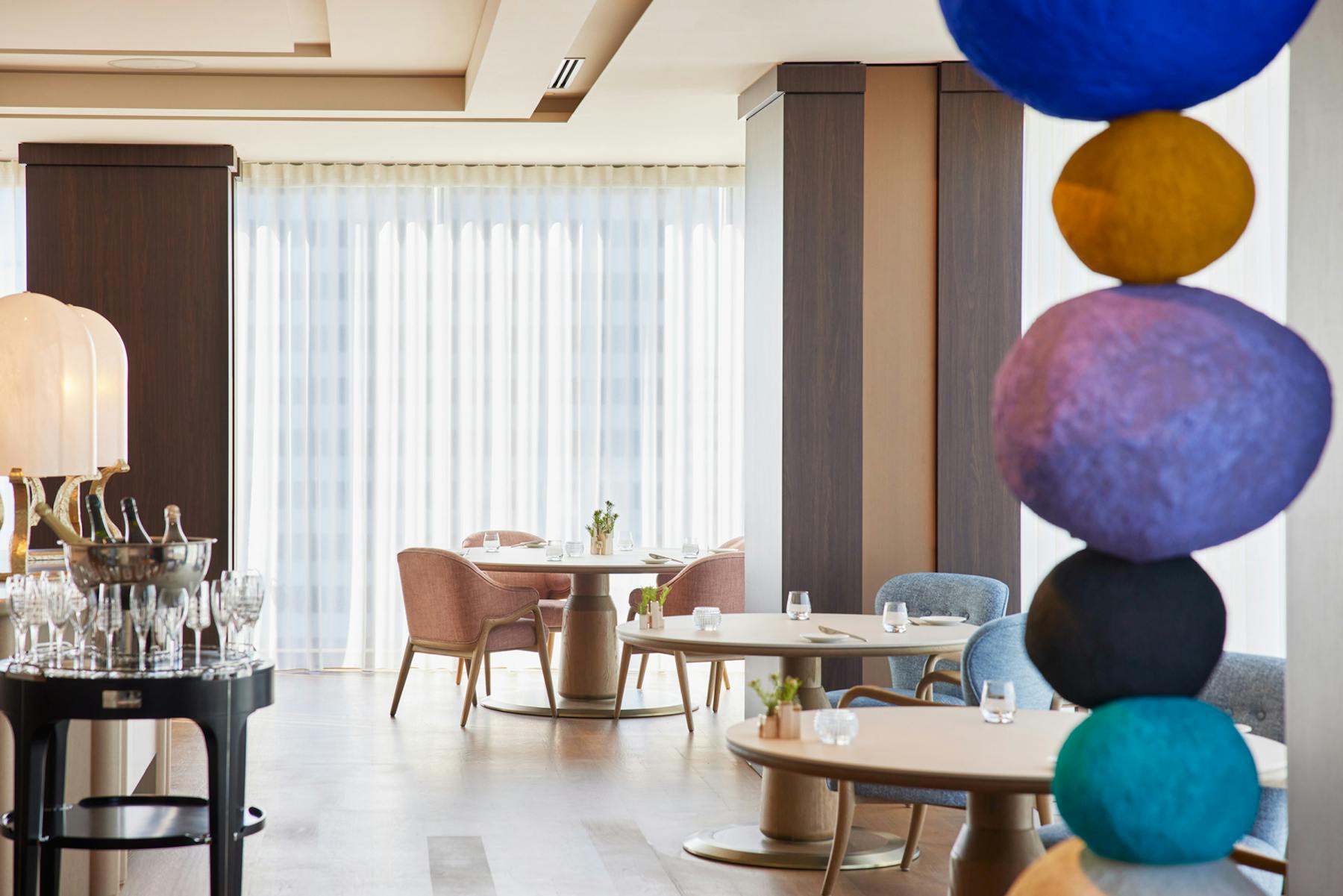
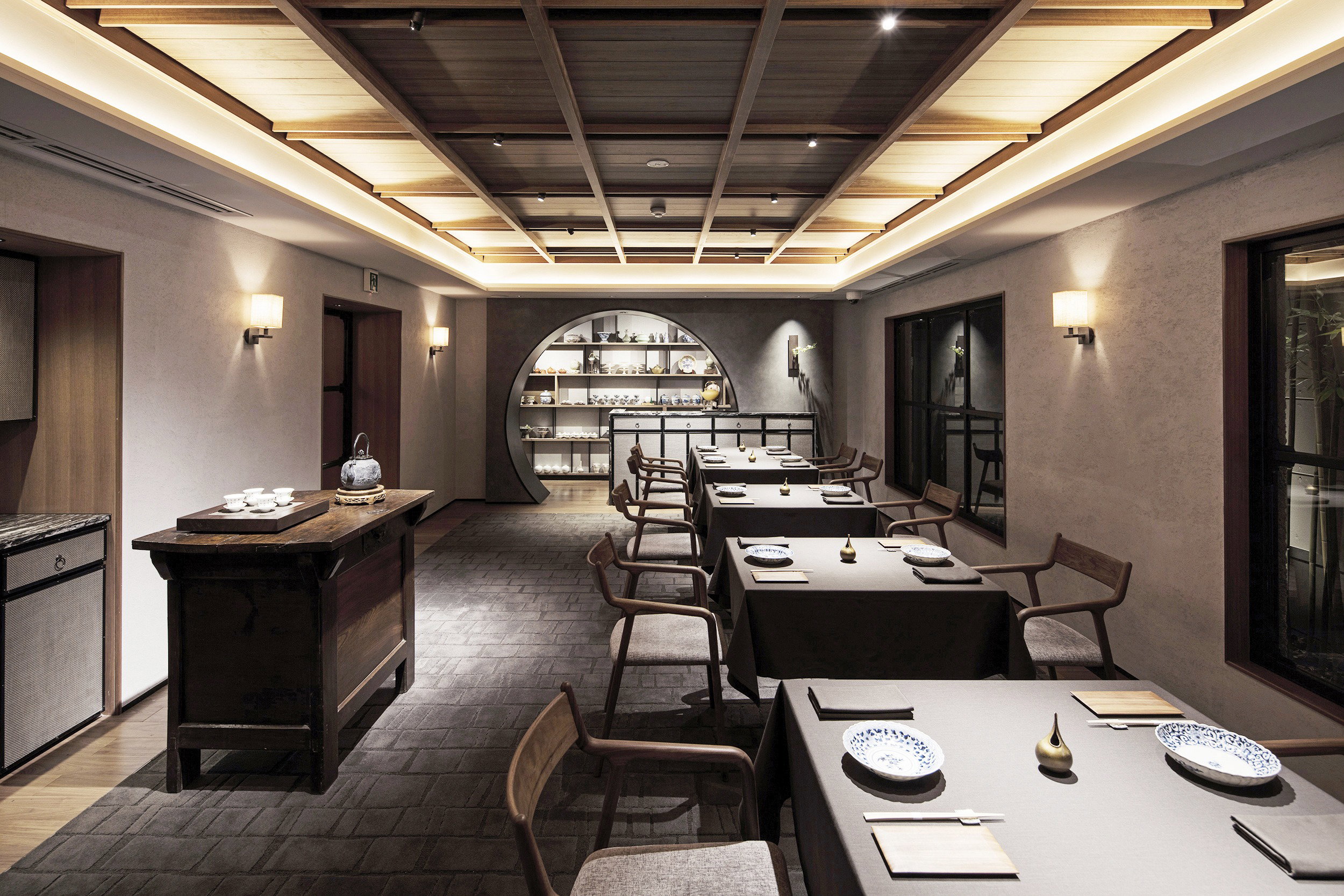
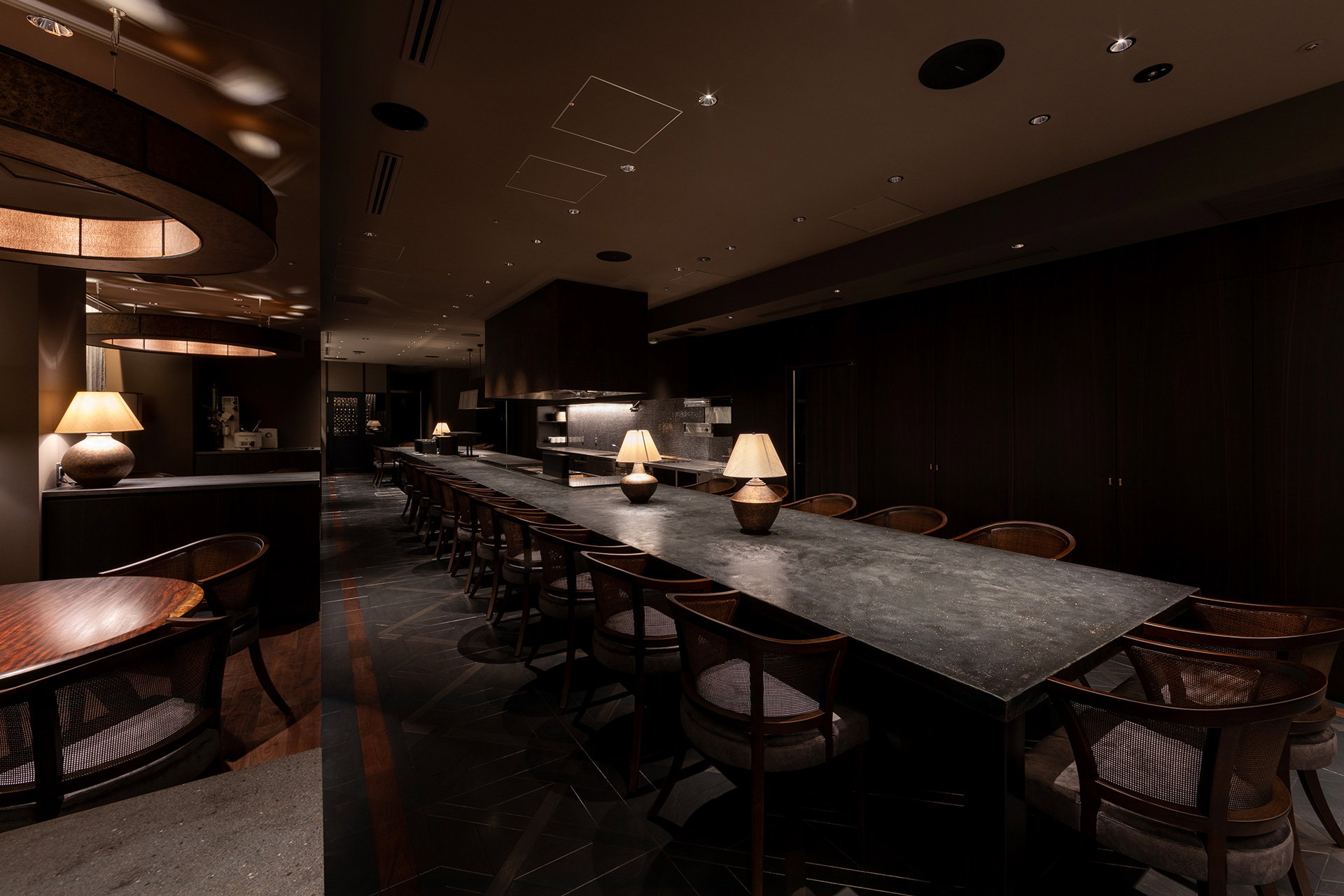
Elegant and calming interior with a refined, intimate counter setting that creates a secluded atmosphere away from city bustle.
Tags
Vibe
Best For
Experience
Sourcing
Accessibility
At the Table
- Dress Code
- Smart Casual
- Noise Level
- Quiet
- Service Style
- Upscale Casual
- Meal Pacing
- Extended Experience
- Capacity
- Intimate
- Kitchen
- Seasonal
- Menu Format
- Counter dining, Tasting menu, Prix fixe
- Wine Program
- Exceptional
- Drinks Focus
- Natural wine, Aged sake
- Dietary
- Allergy accommodating, Vegetarian friendly
- Private Dining
- Available
Signature Dishes
- Steamed Soup
- Braised Shark Fin
- Peking Duck
Know before you go
Know Before You Go
- Getting there
- Japan, 〒153-0051 Tokyo, Meguro City, Kamimeguro, 2 Chome−16−12 フレンドビル中目黒 3F
Planning details
Location
Japan, 〒153-0051 Tokyo, Meguro City, Kamimeguro, 2 Chome−16−12 フレンドビル中目黒 3F · Directions
Recognition and awards
Also consider
Also Consider
- Harutaka, Sushi, ¥¥¥¥
- L'Effervescence, French, ¥¥¥¥
- RyuGin, Kaiseki, Japanese, ¥¥¥¥
- HOMMAGE, Innovtive French, French, ¥¥¥¥
- Crony, Innovative, French, ¥¥¥¥
Restaurant context
HINA sits at ¥¥¥ while most of its natural comparison set in Tokyo's serious dining category operates at ¥¥¥¥. That price gap matters. RyuGin and L'Effervescence both execute seasonal Japanese and French menus respectively at a higher spend per head and with a heavier award presence, if credentials and a more formal room are the priority, those are the calls. HINA's proposition is different: it offers counter intimacy and serious seasonal cooking at a more accessible price, with a Chinese framework that neither RyuGin nor L'Effervescence shares.
For diners choosing between HINA and the French-influenced side of Tokyo's innovative dining scene, HOMMAGE and Crony both operate at ¥¥¥¥ with French technique as the anchor. If the draw is ingredient-led, seasonal cooking in a counter or small-room format, HINA delivers that logic at a lower price point, the difference is cuisine framework and price tier, not ambition. Harutaka at ¥¥¥¥ is the benchmark for counter precision in Tokyo's sushi category; HINA is not competing for the same diner, but the counter experience and chef-focused intimacy are structurally comparable.
The most practical read: if budget is a factor and you want a serious, seasonally-driven counter meal in Tokyo without committing to a ¥¥¥¥ spend, HINA is the stronger option over its peer group. If the occasion demands a room with a longer award record or a recognisable name in Tokyo's international dining circuit, the ¥¥¥¥ tier gives you more of that. Book HINA when the cooking philosophy is the draw; book RyuGin or L'Effervescence when the occasion is the draw.
Explore Tokyo
Around this place
Discover more on Pearl
Unlock the full Chugokusai HINA guide in Pearl, including awards, comparisons, FAQs, planning details, and nearby places.
Compare Chugokusai HINA
| Venue | Price | Awards |
|---|---|---|
| Chugokusai HINA | ¥¥¥ | 2026 Michelin Plate2025 Michelin Plate |
| Harutaka | ¥¥¥¥ | 2026 Tabelog Silver · #312026 OAD Top Restaurants in Japan Ranked · #1282026 Michelin 3 Stars2026 La Liste Top RestaurantsTabelog 100 - Sushi - TOKYO - 2025 · #372025 Asia's 50 Best Restaurants · #762025 OAD Top Restaurants in Japan Ranked · #1172025 La Liste Top Restaurants2025 Tabelog Bronze |
| L'Effervescence | ¥¥¥¥ | 2026 Tabelog Silver · #682026 OAD Top Restaurants in Japan Ranked · #103Star Wine Lists 20262026 Black Pearl 2 Diamond2026 Relais Chateaux Restaurants2026 La Liste Top Restaurants2026 Michelin 3 Stars2025 Asia's 50 Best Restaurants · #692025 OAD Top Restaurants in Japan Ranked · #92 |
| RyuGin | ¥¥¥¥ | 2026 OAD Top Restaurants in Japan Ranked · #802026 Tabelog Bronze · #3772026 Michelin 3 Stars2026 La Liste Top RestaurantsTabelog 100 - Japanese cuisine - TOKYO - 2025 · #212025 OAD Top Restaurants in Japan Ranked · #542025 Michelin 3 Stars2025 La Liste Top Restaurants2025 The Best Chef Three Knives |
| HOMMAGE | ¥¥¥¥ | 2026 Tabelog Bronze · #1232026 OAD Top Restaurants in Japan Highly Recommended2026 Michelin 2 StarsTabelog 100 - French - TOKYO - 2025 · #762025 Asia's 50 Best Restaurants · #782025 OAD Top Restaurants in Japan Ranked · #1752025 Michelin 2 Stars2025 The Best Chef One Knife2025 La Liste Top Restaurants |
| Crony | ¥¥¥¥ | 2026 Asia's 50 Best Restaurants · #34Star Wine Lists 20262026 OAD Top Restaurants in Japan Recommended2026 Michelin 2 Stars2025 Asia's 50 Best Restaurants · #30Tabelog 100 - French - TOKYO - 2025 · #782025 OAD Top Restaurants in Japan Ranked · #227We're Smart World Top Restaurants 20252025 Michelin 2 Stars |














How Chugokusai HINA stacks up against the competition.
FAQ
Frequently Asked Questions
Can I eat at the bar at Chugokusai HINA?
The restaurant is counter-style by design, so the counter is the main dining format rather than a bar alternative to table seating. Every guest eats at the counter, which means you get a direct view of the kitchen regardless of booking type. There is no separate bar or lounge area noted for the venue.
What should a first-timer know about Chugokusai HINA?
Expect counter seating, a husband-and-wife operation, and Chinese cooking filtered through Japanese seasonal thinking — restrained seasoning, premium ingredients, and sake or organic wine pairings instead of Shaoxing wine. At ¥¥¥, this is not a casual takeout-style Chinese meal; it sits closer in register to a Tokyo counter omakase. If you want loud, saucy Cantonese or Sichuan heat, this is the wrong room.
Is Chugokusai HINA good for solo dining?
Yes — the counter format is built for solo diners. You eat facing the kitchen, the chef's wife manages service personally, and the pacing is course-by-course, which makes the solo experience feel intentional rather than awkward. At ¥¥¥ it is a considered spend for one, but the counter setup makes it one of the more natural solo bookings in Nakameguro.