.png?width=1200&quality=80)
Chiso Takayama
Japanese · Minato, Tokyo
Restaurant in Tokyo, Japan
 Book with Pearl
The Read
Seasonal Intention Cooking
Price
$200–300per person
Dress
Smart Casual
Why go
Chiso Takayama is a Michelin Plate-recognised Japanese restaurant in Minamiazabu, Tokyo, built around seasonal produce and the kaiseki philosophy of once-in-a-lifetime hospitality. At ¥¥¥, it sits below the city's top-starred rooms in price but not in seriousness. Booking is straightforward, making it a practical choice for first-timers who want genuine seasonal Japanese cooking without the multi-month wait of harder-to-book venues.
About Chiso Takayama
Verdict: A Michelin-recognised kaiseki in Minamiazabu worth booking if seasonal Japanese cooking is your priority
At the ¥¥¥ price point, Chiso Takayama sits a tier below the ¥¥¥¥ kaiseki heavyweights like RyuGin, which makes it a more accessible entry point into serious Japanese seasonal cuisine without sacrificing the philosophical grounding that defines the format. The restaurant holds a Michelin Plate (2025), meaning Michelin inspectors consider the cooking good enough to flag, even without awarding a star. For a first-timer to this style of dining, that credential is a useful signal: you are getting considered, technically grounded food, not a tourist-facing approximation of kaiseki.
The restaurant takes its name from the Japanese word chiso, which carries a double meaning: the act of welcoming guests with well-prepared food, and the rushing about required to prepare it. That duality is not just poetic framing. It reflects a genuine commitment to seasonal produce and the producers behind it, and to the idea that each meal is a once-in-a-lifetime encounter, a concept borrowed from the tea ceremony tradition. For a first-time visitor, the practical implication is this: the menu at Chiso Takayama will reflect what is leading right now, not a fixed signature rotation.
What to Expect as a First-Timer
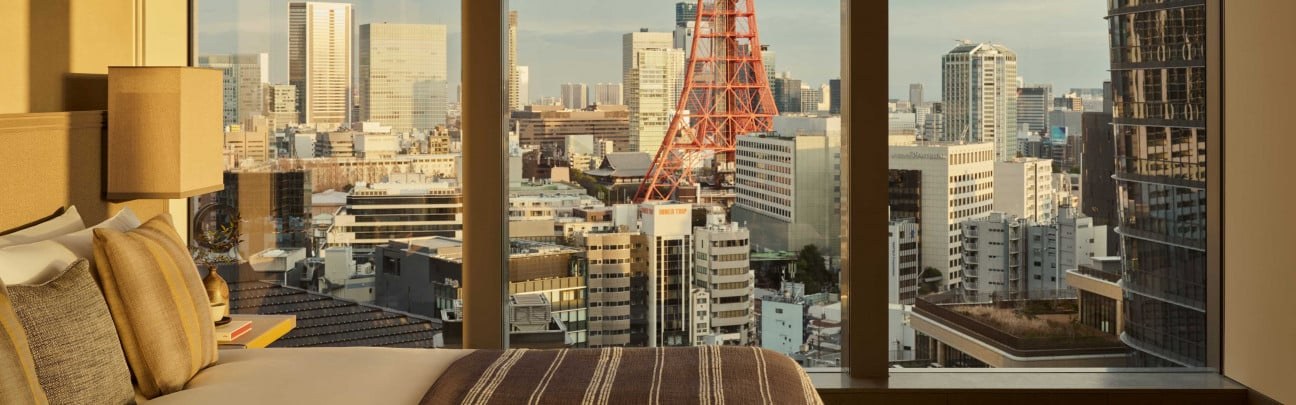
The restaurant is located on the ninth floor of the Mercury Minamiazabu building in Minato City, a quietly upscale residential neighbourhood in central Tokyo. Minamiazabu is not a dining district in the way Ginza or Shinjuku are, which means the setting feels more like a private dining room than a restaurant strip. If you are coming from central Tokyo, allow time to find the building; the address is precise but the entrance may not be immediately obvious. The neighbourhood is well-served by transit, and the area around Hiroo Station is a short walk away.
Cooking philosophy ties directly to the seasons, with dishes intended to let guests taste the character of the current time of year through the choices of Japan's food producers. For a first-timer, this means you should not arrive with a fixed idea of what you want to eat. The format here rewards curiosity and willingness to follow the kitchen's lead. Think of it as a structured conversation between the season and the table, rather than a menu you order from.
If you have eaten at Kagurazaka Ishikawa or Azabu Kadowaki, you will recognise the sensibility: produce-led, technique-confident, and oriented around hospitality as much as cooking. Chiso Takayama operates in the same register but at a price level that makes it a more bookable option, particularly for visitors who want a genuine kaiseki experience without committing to the higher spend those multi-starred rooms require.
Booking and Timing
Booking is rated Easy, which is notable for a Michelin-recognised restaurant in Tokyo. This is one of its practical advantages over venues like Myojaku or Ginza Fukuju, where availability can close weeks or months ahead. You should still book in advance rather than relying on last-minute availability, but you are unlikely to need the multi-month lead times associated with the top-starred rooms. Check availability a week or two before your intended date as a baseline; earlier is safer for weekend sittings. The address is residential rather than commercial, which adds to the sense that this is a considered, appointment-based experience rather than a walk-in restaurant.
Hours are not confirmed in the available data. Contact the restaurant directly or check current booking platforms to confirm service times before planning a late evening visit. The ninth-floor setting and the neighbourhood's quieter character make this a reasonable choice for a later dinner if early evening options elsewhere are full, though confirming last seating times in advance is necessary rather than optional.
How It Compares
Chiso Takayama sits at ¥¥¥, which puts it below the ¥¥¥¥ tier occupied by RyuGin, Harutaka, L'Effervescence, HOMMAGE, and Crony. For a visitor whose priority is seasonal Japanese cuisine with genuine craft behind it, Chiso Takayama delivers more per yen than most ¥¥¥¥ rooms. If your budget can stretch to ¥¥¥¥ and you want the full starred kaiseki experience, RyuGin is the benchmark in Tokyo for that format. But if you want serious cooking at a lower commitment, Chiso Takayama is the stronger practical choice.
For broader context across Japan's fine dining circuit, venues like Gion Sasaki in Kyoto and Kashiwaya Osaka Senriyama occupy a similar philosophical space: seasonally anchored Japanese cooking with strong hospitality values. If you are building a Japan itinerary, Chiso Takayama fits naturally as the Tokyo anchor for that kind of dining. See our full Tokyo restaurants guide for a broader picture of where Chiso Takayama sits in the city's dining options, or explore HAJIME in Osaka and akordu in Nara for regional comparisons. You can also find our full Tokyo hotels guide, our full Tokyo bars guide, and our full Tokyo experiences guide to plan around your dinner.
Pearl Picks: Related Venues Worth Considering
- Jingumae Higuchi — Japanese, Tokyo
- Kagurazaka Ishikawa — Japanese, Tokyo
- Azabu Kadowaki, Japanese, Tokyo
- Isshisoden Nakamura, Japanese, Kyoto
- Goh in Fukuoka, Japanese, Fukuoka
- 1000 in Yokohama, Yokohama
- 6 in Okinawa, Okinawa
- Our full Tokyo wineries guide
Planning details
- Location
- Japan, 〒106-0047 Tokyo, Minato City, Minamiazabu, 2 Chome−7−23 マーキュリー南麻布 9階
- Reservations
- Book on the venue's website
- Website
- chisou-takayama.com
- Phone
- +81 3-6665-8485
The take
The Take
The Vibe
Chiso Takayama reads as a quiet, refined neighborhood kaiseki room rather than a theatrical destination. Perched on the ninth floor of a residential building in Minamiazabu, it favors attentive, ingredient-led cooking over spectacle. The kitchen frames each course around seasonality and the provenance of produce, and the language of Japanese meal ritual underscores a respectful, measured hospitality. The result is a discreet, classic dining environment where the work of sourcing and preparation takes center stage — ideal for guests who value precision, restraint, and a serene, contemplative meal.
Best For
This is a dining experience best reserved for evening meals that foreground seasonality and ceremony. As a 2025 Michelin Plate recipient offering kaiseki-style, ingredient-first cuisine, it suits date nights and small celebrations where the focus is on tasting a thoughtfully sequenced progression of courses. The restaurant appeals to diners who appreciate traditional Japanese culinary discipline, respect for producers, and a calm setting on a residential floor rather than a bustling dining hall. Expect a measured, formal service rhythm that supports conversation and close attention to each course.
Ordering Tips
Lean into the kitchen’s seasonal logic: choose the multi-course progression that showcases the day’s best ingredients and producers. Make a point of trying the venue’s signature Amber Broth — made from Fukui water and freshly shaved bonito flakes — which exemplifies the restaurant’s ingredient-first approach. Let the staff guide you through the sequence so that each course builds on the last; the meal rewards patience and attention rather than a la carte shortcuts. Avoid expecting spectacle — the highlights are subtle provenance, texture, and balance.
Venue details
Ambiance
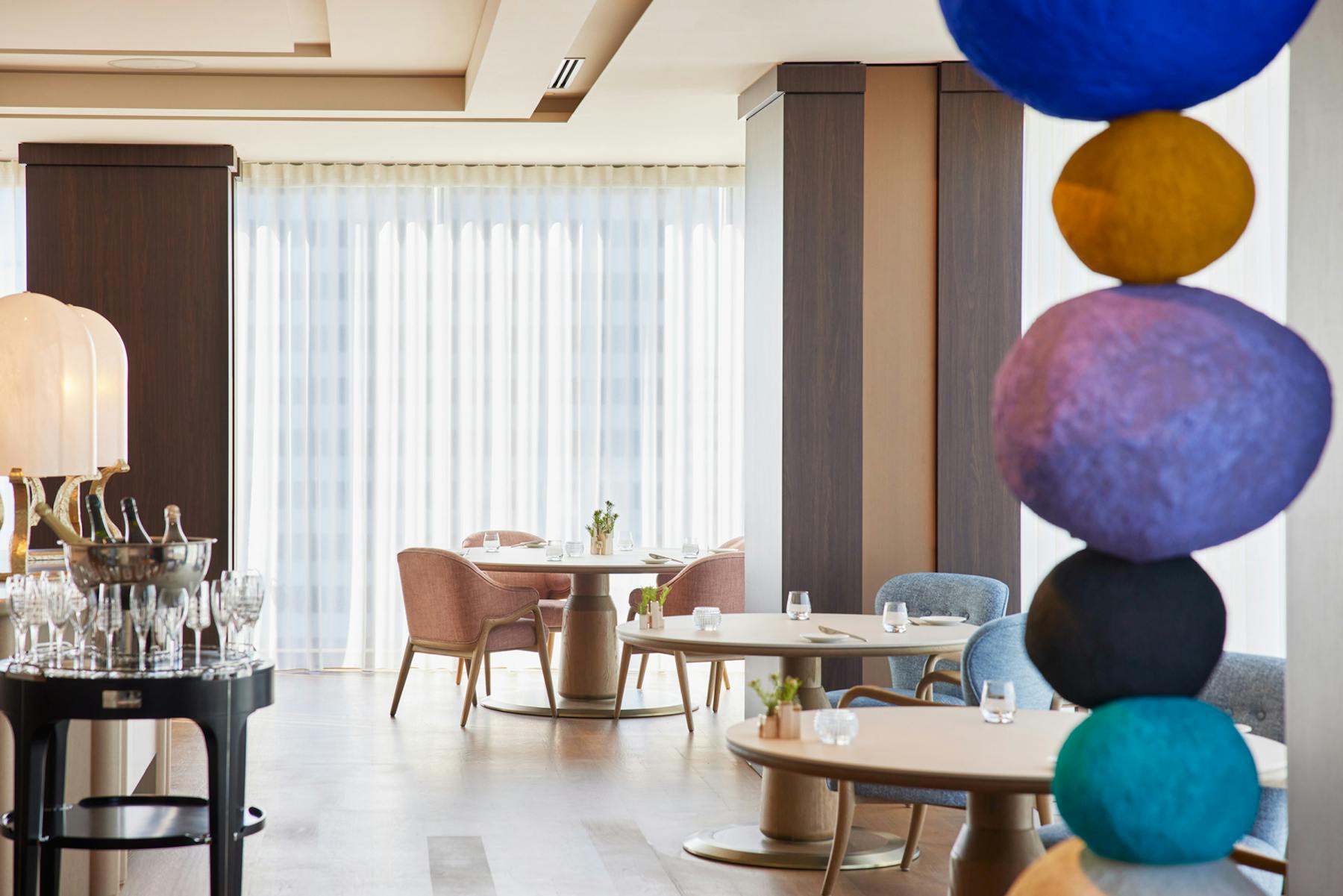
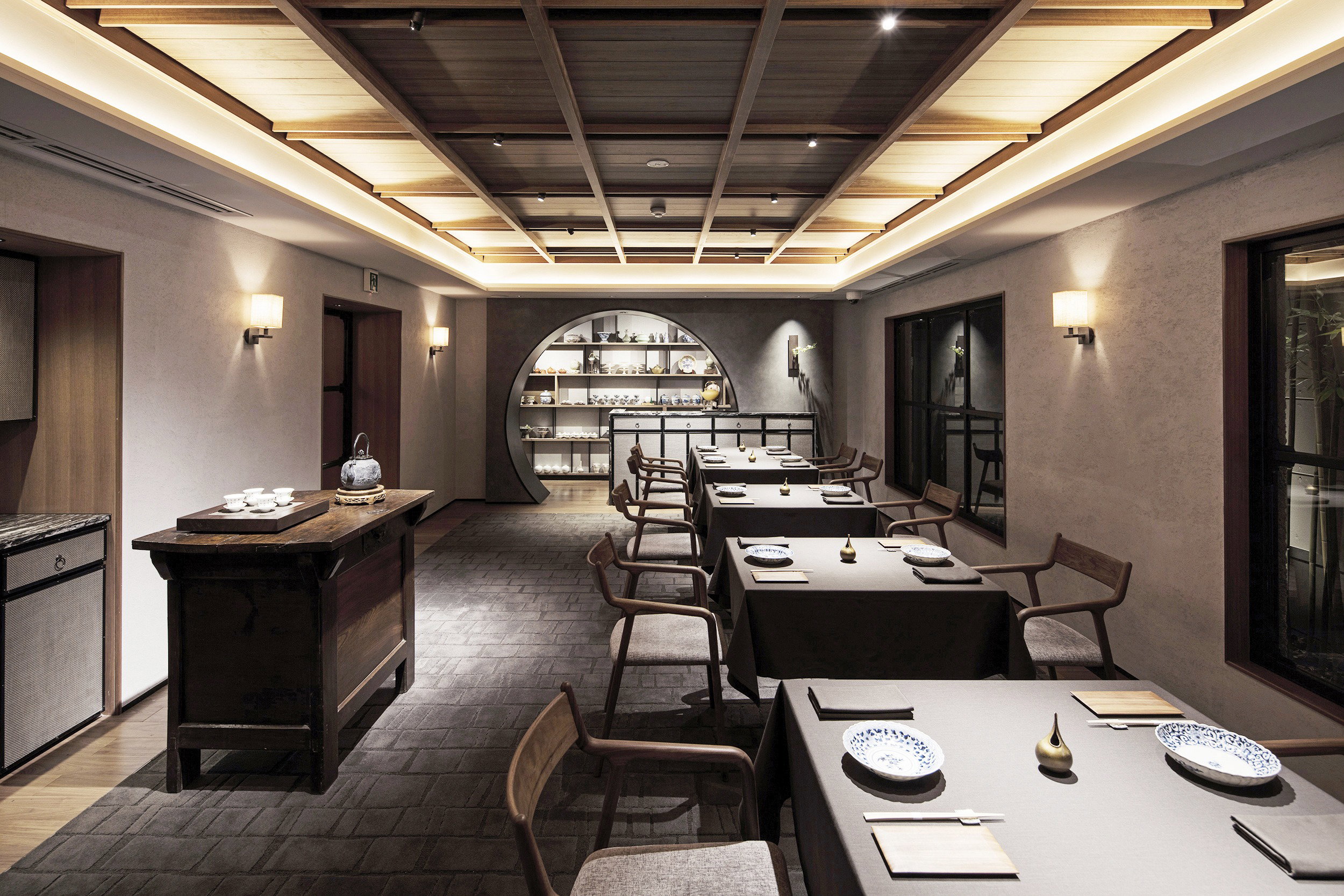
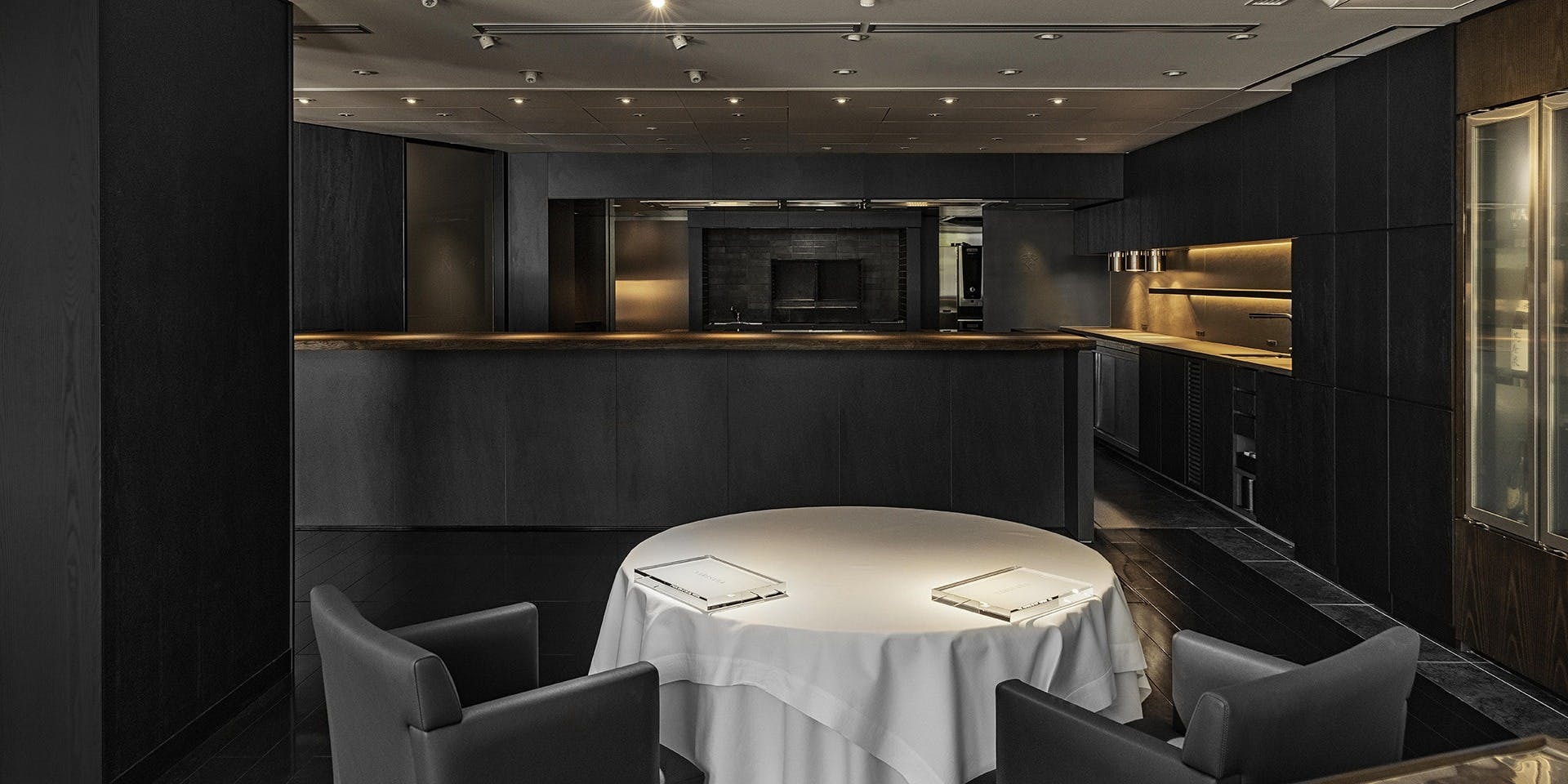
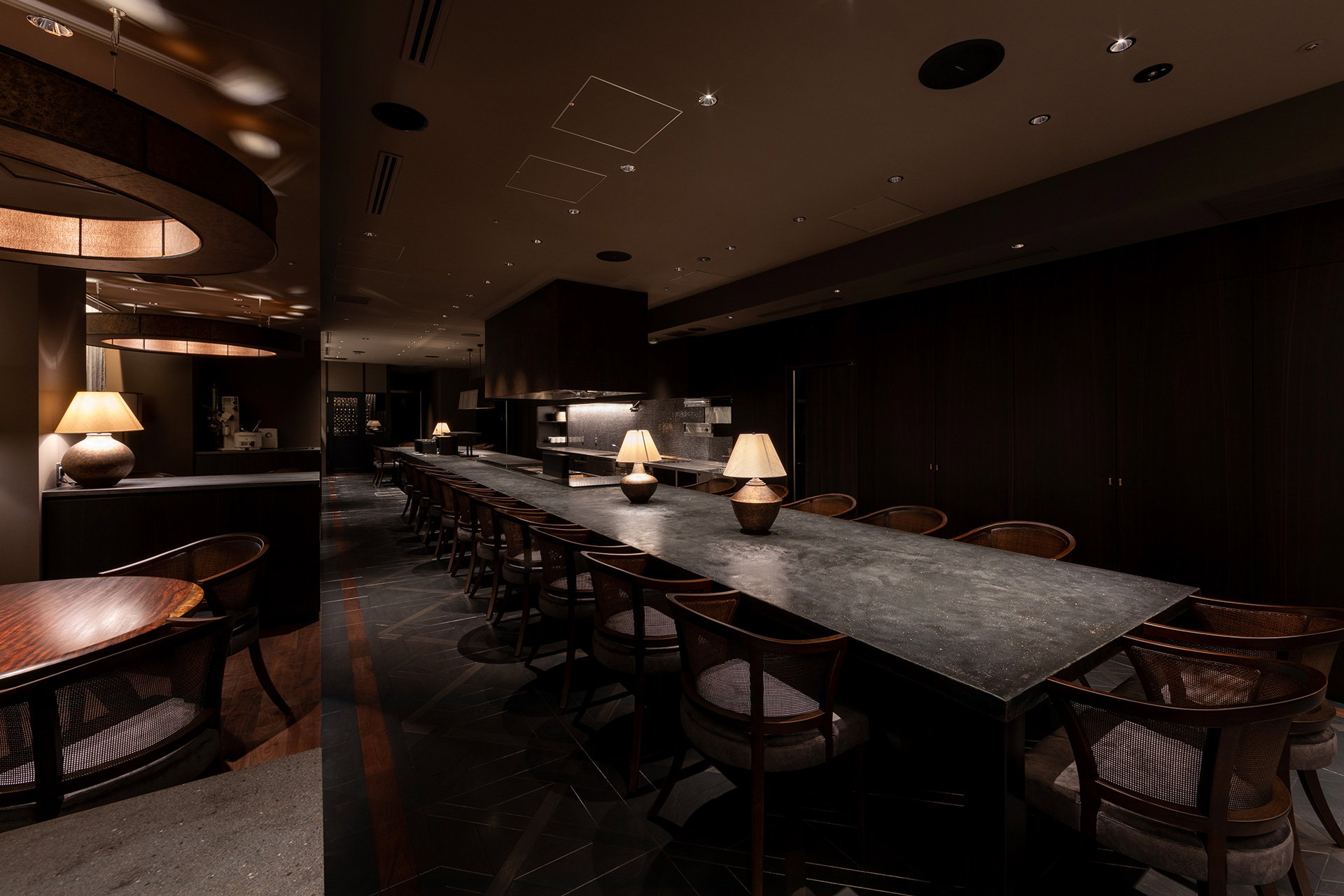
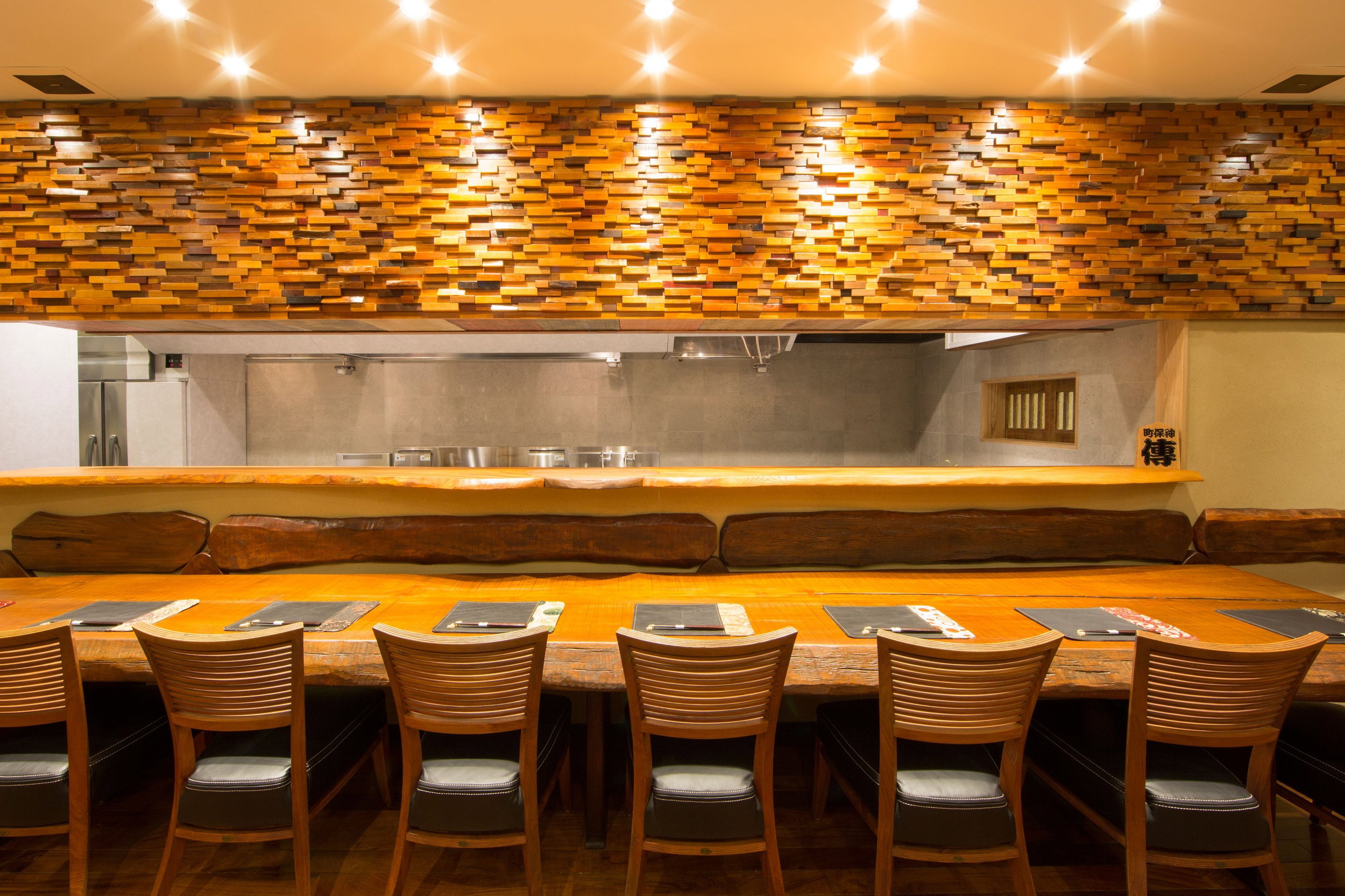
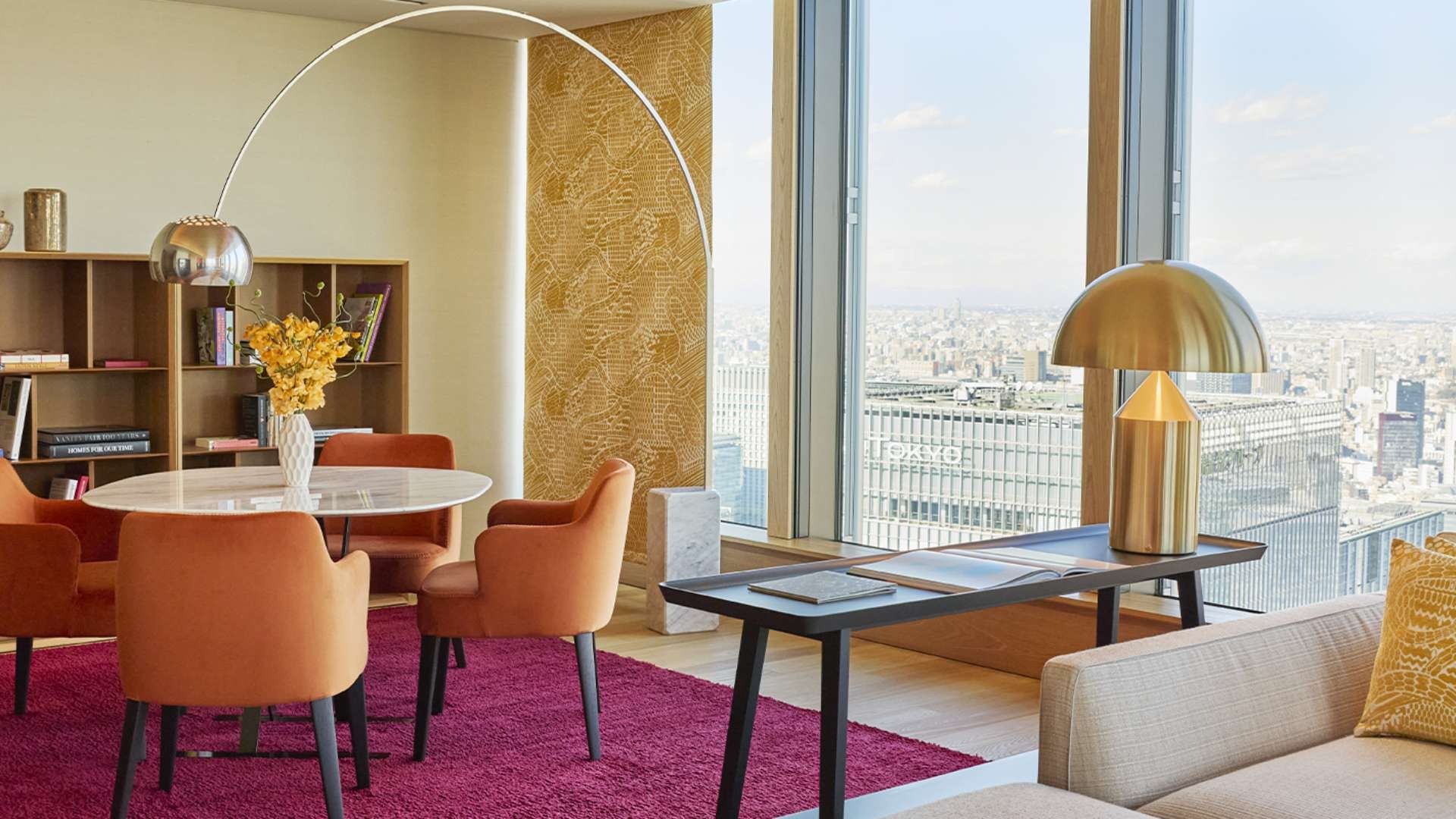
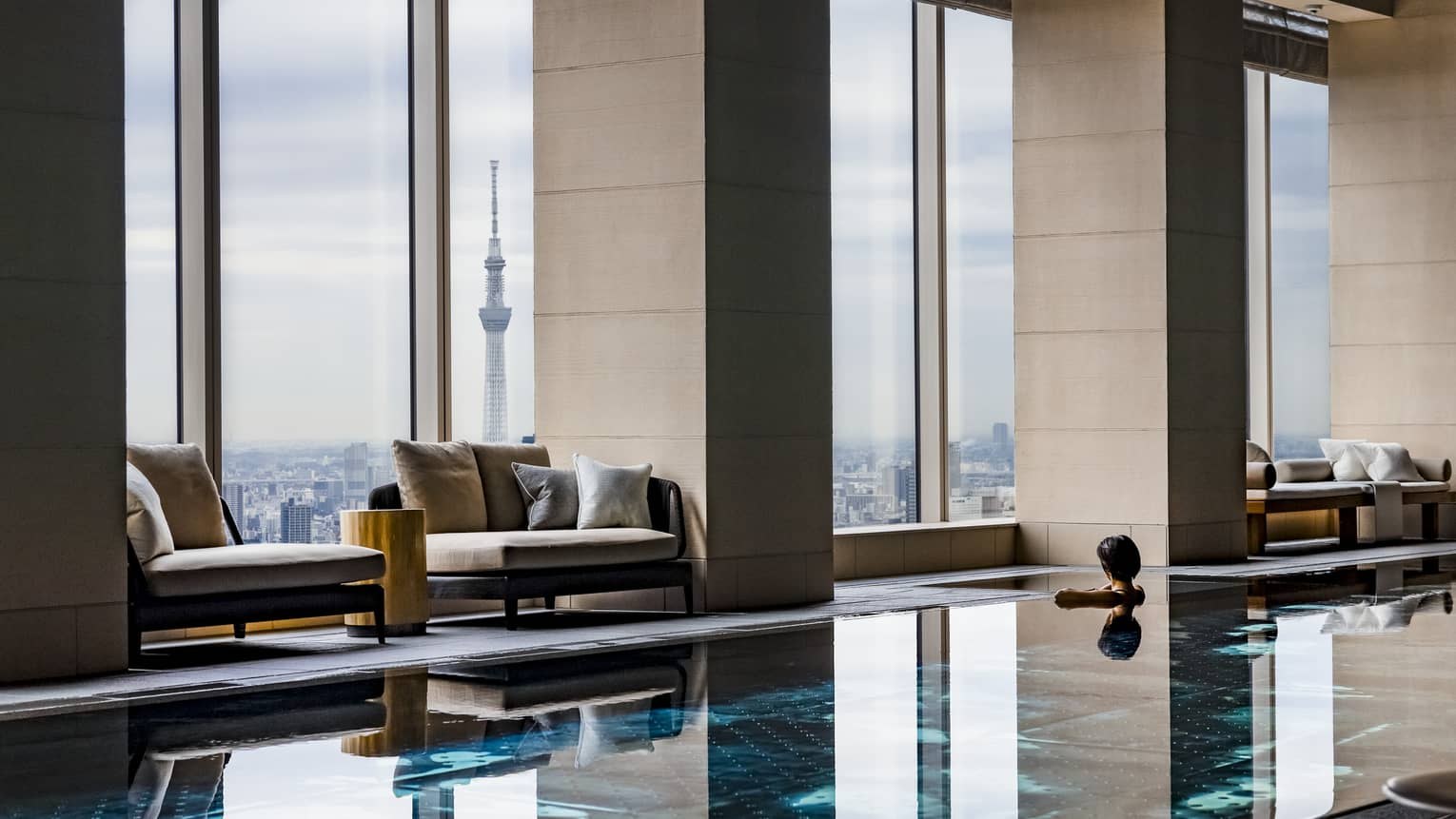
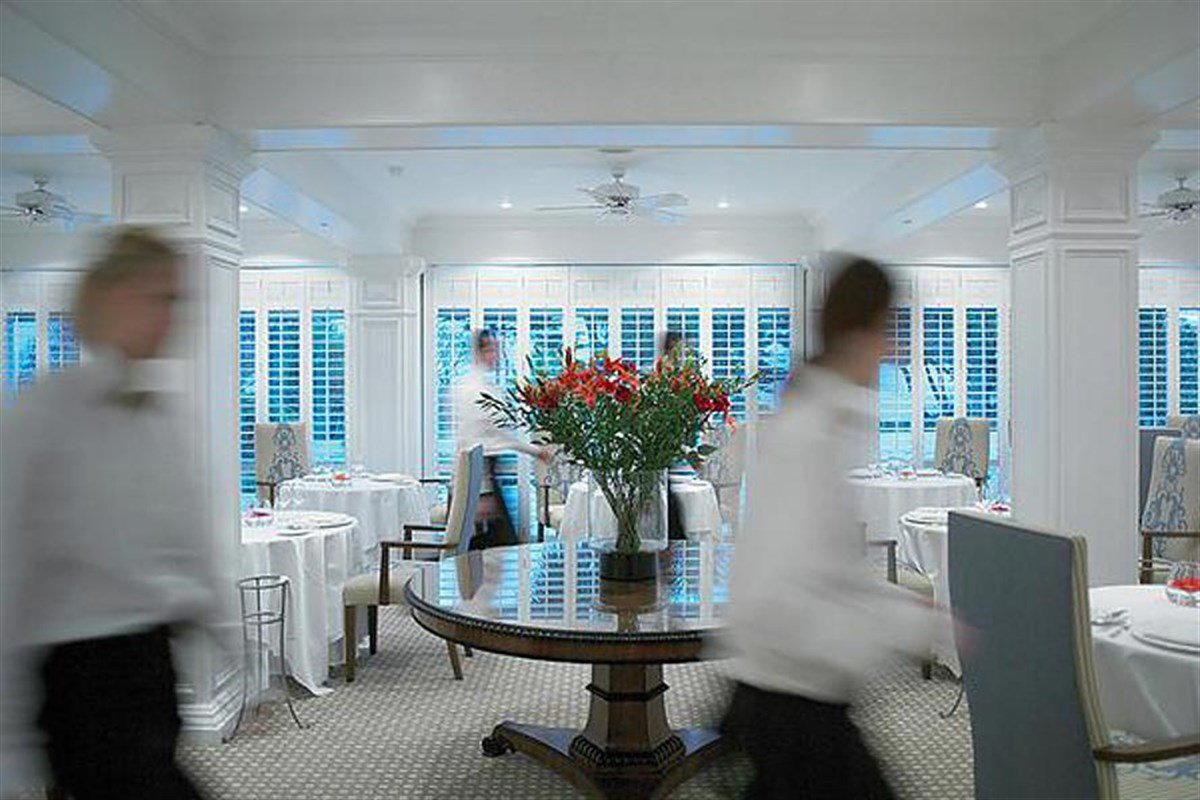
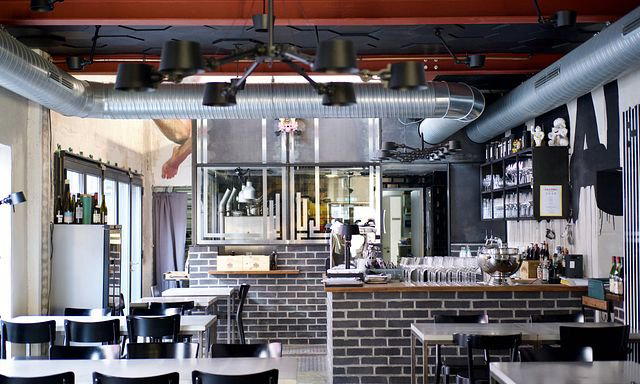
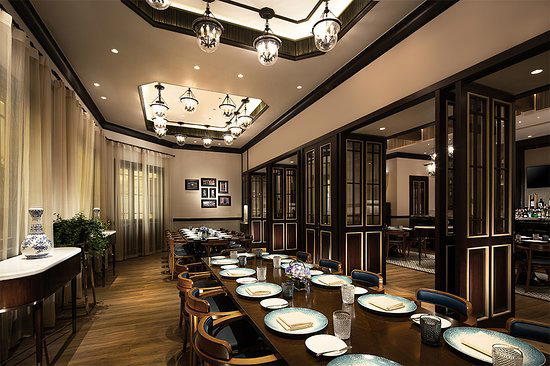
Tranquil and relaxing space with stylish, spacious seating that evokes peaceful moments and the chef's sincere hospitality.
Tags
Vibe
Best For
At the Table
- Dress Code
- Smart Casual
- Noise Level
- Quiet
- Service Style
- Formal
- Meal Pacing
- Leisurely
- Capacity
- Intimate
- Kitchen
- Traditional
- Menu Format
- Omakase
- Wine Program
- Curated
- Drinks Focus
- Sake program
- Private Dining
- Available
Signature Dishes
Amber Broth Created from Fukui's Famous Water and Freshly Shaved Bonito Flakes
Know before you go
Know Before You Go
- Getting there
- Japan, 〒106-0047 Tokyo, Minato City, Minamiazabu, 2 Chome−7−23 マーキュリー南麻布 9階
Planning details
Location
Japan, 〒106-0047 Tokyo, Minato City, Minamiazabu, 2 Chome−7−23 マーキュリー南麻布 9階 · Directions
Recognition and awards
Also consider
Also Consider
- Harutaka, Sushi, ¥¥¥¥
- L'Effervescence, French, ¥¥¥¥
- RyuGin, Kaiseki, Japanese, ¥¥¥¥
- HOMMAGE, Innovtive French, French, ¥¥¥¥
- Crony, Innovative, French, ¥¥¥¥
Restaurant context
Against Tokyo's ¥¥¥¥ kaiseki and fine dining peers, Chiso Takayama's main argument is value. RyuGin at ¥¥¥¥ is the city's most credentialled kaiseki room and the right choice if you want the full starred experience with a higher service ceiling.
For diners considering European fine dining in Tokyo, L'Effervescence and HOMMAGE occupy the ¥¥¥¥ French tier and are worth the spend if that is your format preference. Crony offers a more contemporary, innovative register for diners who find traditional kaiseki pacing too formal. None of these are direct substitutes for Chiso Takayama if the specific appeal is Japan's seasonal produce philosophy expressed through a traditional Japanese lens.
On booking difficulty, Chiso Takayama is rated Easy, which separates it from most of its ¥¥¥¥ peers. Harutaka, for example, is significantly harder to secure for first-time visitors without an introduction. If your Tokyo itinerary is being planned at short notice, Chiso Takayama is the most bookable option in this quality bracket. For diners building a multi-city Japan trip, it pairs well with Gion Sasaki in Kyoto and Kashiwaya Osaka Senriyama as part of a seasonally coherent dining itinerary across the country.
Explore Tokyo
Around this place
Discover more on Pearl
Unlock the full Chiso Takayama guide in Pearl, including awards, comparisons, FAQs, planning details, and nearby places.
Compare Chiso Takayama
| Venue | Cuisine | Awards | Booking Difficulty |
|---|---|---|---|
| Chiso Takayama | Japanese | 2026 Michelin Plate2025 Michelin Plate | Easy |
| Harutaka | Sushi | 2026 Tabelog Silver · #312026 OAD Top Restaurants in Japan Ranked · #1282026 Michelin 3 Stars2026 La Liste Top RestaurantsTabelog 100 - Sushi - TOKYO - 2025 · #372025 Asia's 50 Best Restaurants · #762025 OAD Top Restaurants in Japan Ranked · #1172025 La Liste Top Restaurants2025 Tabelog Bronze | Unknown |
| L'Effervescence | French | 2026 Tabelog Silver · #682026 OAD Top Restaurants in Japan Ranked · #103Star Wine Lists 20262026 Black Pearl 2 Diamond2026 Relais Chateaux Restaurants2026 La Liste Top Restaurants2026 Michelin 3 Stars2025 Asia's 50 Best Restaurants · #692025 OAD Top Restaurants in Japan Ranked · #92 | Unknown |
| RyuGin | Kaiseki, Japanese | 2026 OAD Top Restaurants in Japan Ranked · #802026 Tabelog Bronze · #3772026 Michelin 3 Stars2026 La Liste Top RestaurantsTabelog 100 - Japanese cuisine - TOKYO - 2025 · #212025 OAD Top Restaurants in Japan Ranked · #542025 Michelin 3 Stars2025 La Liste Top Restaurants2025 The Best Chef Three Knives | Unknown |
| HOMMAGE | Innovtive French, French | 2026 Tabelog Bronze · #1232026 OAD Top Restaurants in Japan Highly Recommended2026 Michelin 2 StarsTabelog 100 - French - TOKYO - 2025 · #762025 Asia's 50 Best Restaurants · #782025 OAD Top Restaurants in Japan Ranked · #1752025 Michelin 2 Stars2025 The Best Chef One Knife2025 La Liste Top Restaurants | Unknown |
| Crony | Innovative, French | 2026 Asia's 50 Best Restaurants · #34Star Wine Lists 20262026 OAD Top Restaurants in Japan Recommended2026 Michelin 2 Stars2025 Asia's 50 Best Restaurants · #30Tabelog 100 - French - TOKYO - 2025 · #782025 OAD Top Restaurants in Japan Ranked · #227We're Smart World Top Restaurants 20252025 Michelin 2 Stars | Unknown |














Side-by-side comparison to help you decide where to book.
FAQ
Frequently Asked Questions
How far ahead should I book Chiso Takayama?
Booking is rated Easy for a Michelin-recognised Tokyo restaurant, which means you have more flexibility than at venues like Myojaku or RyuGin. That said, 'easy' at this level still warrants booking at least one to two weeks out, especially if you have fixed travel dates. Last-minute availability is plausible but not guaranteed.
What should I order at Chiso Takayama?
Chiso Takayama serves kaiseki, which means the menu is set and built around Japan's current season. There is no à la carte selection to navigate. The philosophy centres on expressing seasonal bounty and respecting the food producers behind each ingredient, so the kitchen decides the direction. Arrive with that format in mind.
What are alternatives to Chiso Takayama in Tokyo?
At the same ¥¥¥ tier, Chiso Takayama competes on accessibility and seasonal intent. If you want to step up in prestige and price, RyuGin and Harutaka occupy the ¥¥¥¥ tier with more formal kaiseki and sushi credentials respectively. For French-influenced fine dining at ¥¥¥¥, L'Effervescence is worth considering. Chiso Takayama's practical advantage is its Michelin recognition without the booking difficulty those venues carry.
Is Chiso Takayama worth the price?
At ¥¥¥, Chiso Takayama is a reasonable spend for Michelin-recognised kaiseki in Tokyo, particularly for visitors who want seasonal Japanese cooking without committing to the ¥¥¥¥ tier. The venue's philosophy around seasonal ingredients and the 'gochiso' spirit of generous preparation gives it substance at the price point. If maximising prestige per yen is the goal, the ¥¥¥¥ tier will feel more complete; if accessibility and thoughtful execution matter more, this is a sound choice.
Is the tasting menu worth it at Chiso Takayama?
Yes, if kaiseki is the format you want. The set menu here is built around the tea ceremony concept of a once-in-a-lifetime seasonal encounter, which means the value is in the intention and the produce, not in volume or spectacle. At ¥¥¥ with a Michelin Plate (2025), it delivers more than the price suggests compared to ¥¥¥¥ competitors. If you prefer à la carte or want a more performance-driven experience, look elsewhere.