.png?width=1200&quality=80)
Chiso Koryu
Japanese · Chūō, Tokyo
Restaurant in Tokyo, Japan
 Book with Pearl
The Read
Inventive Regional Kaiseki
Price
¥¥¥
Dress
Smart Casual
Why go
A Michelin Plate-recognised Japanese restaurant in Ginza's 5-chome block, Chiso Koryu is one of the neighbourhood's more creatively ambitious options at a ¥¥¥ price point. Chef Kazuki Takagi combines inventive preparations — puffer fish spring rolls, monkfish liver monaka — with classical Japanese dishes. Booking is relatively easy by Ginza standards, making it a practical choice for food-focused diners who want depth without a ¥¥¥¥ commitment.
About Chiso Koryu
Verdict: Ginza's Creative Japanese Counter Worth Knowing
The assumption with Ginza dining is that you're paying four-figure sums for rigidly traditional kaiseki or omakase sushi. Chiso Koryu breaks that expectation. Sitting on the fifth floor of a Ginza building at ¥¥¥ pricing, this is one of the neighbourhood's more accessible serious Japanese restaurants — and its Michelin Plate recognition in both 2024 and 2025 signals that accessibility hasn't come at the cost of ambition.
Book here if you want creative Japanese cooking with genuine neighbourhood roots, not a ceremony engineered for out-of-towners with expense accounts.
The Restaurant
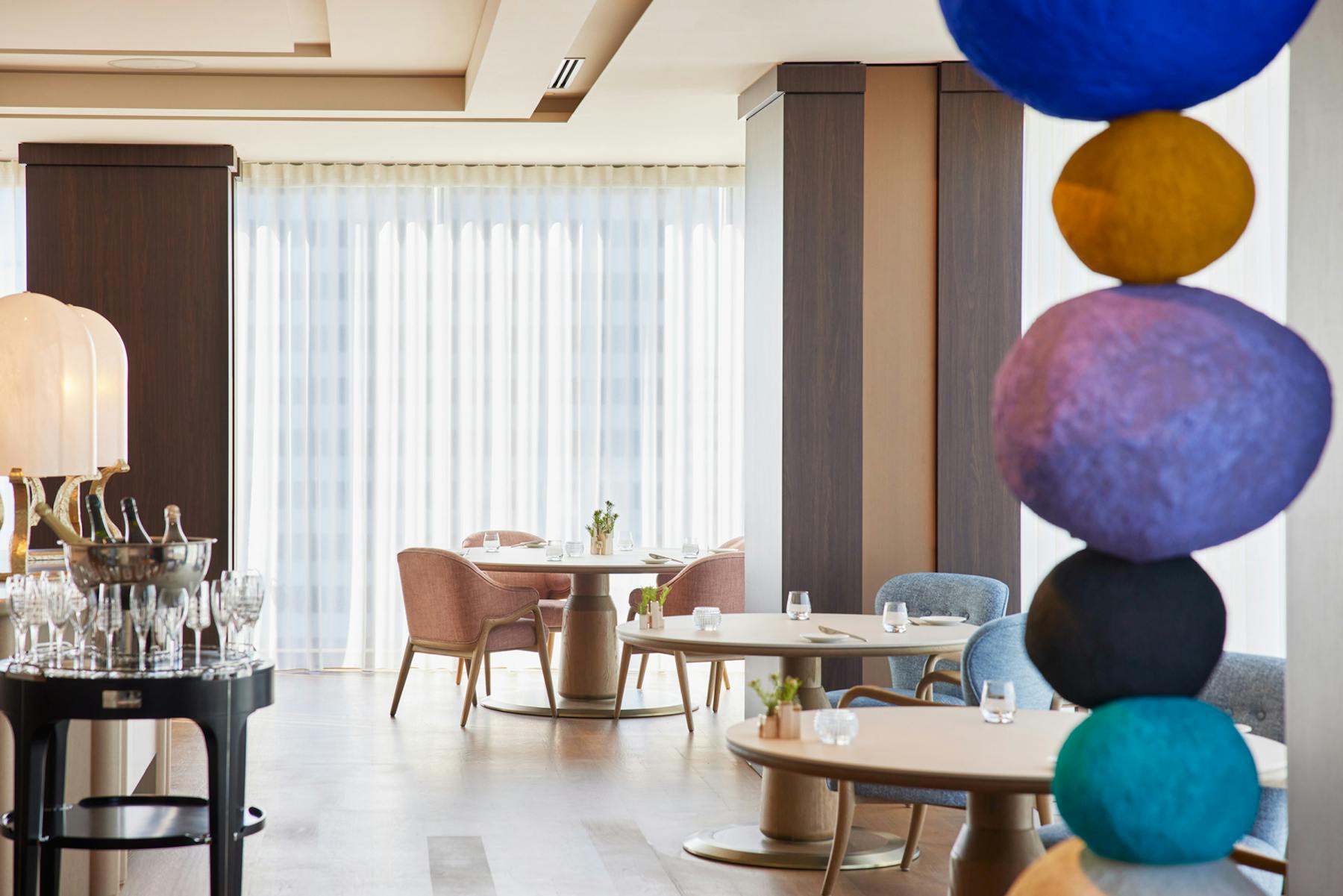
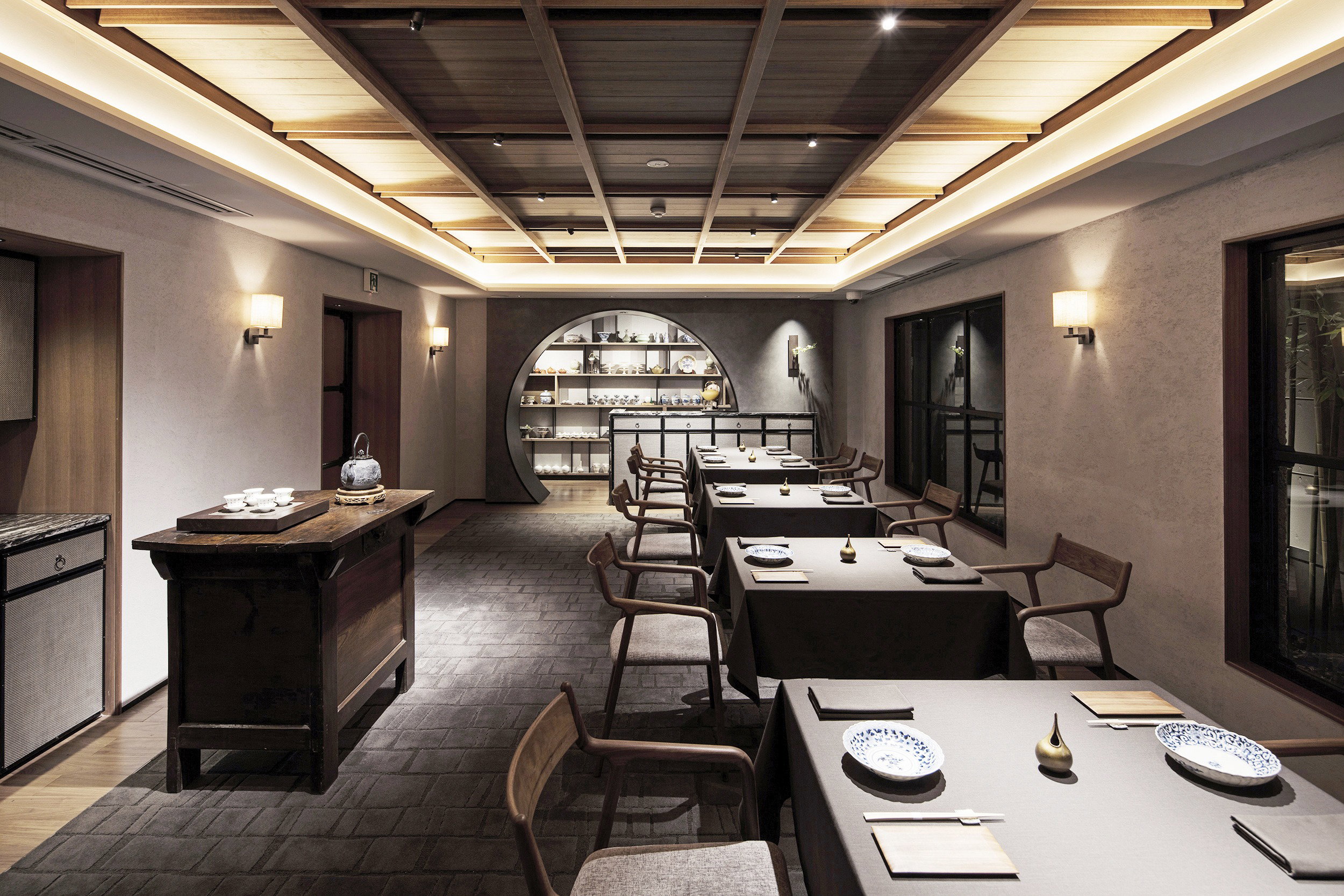
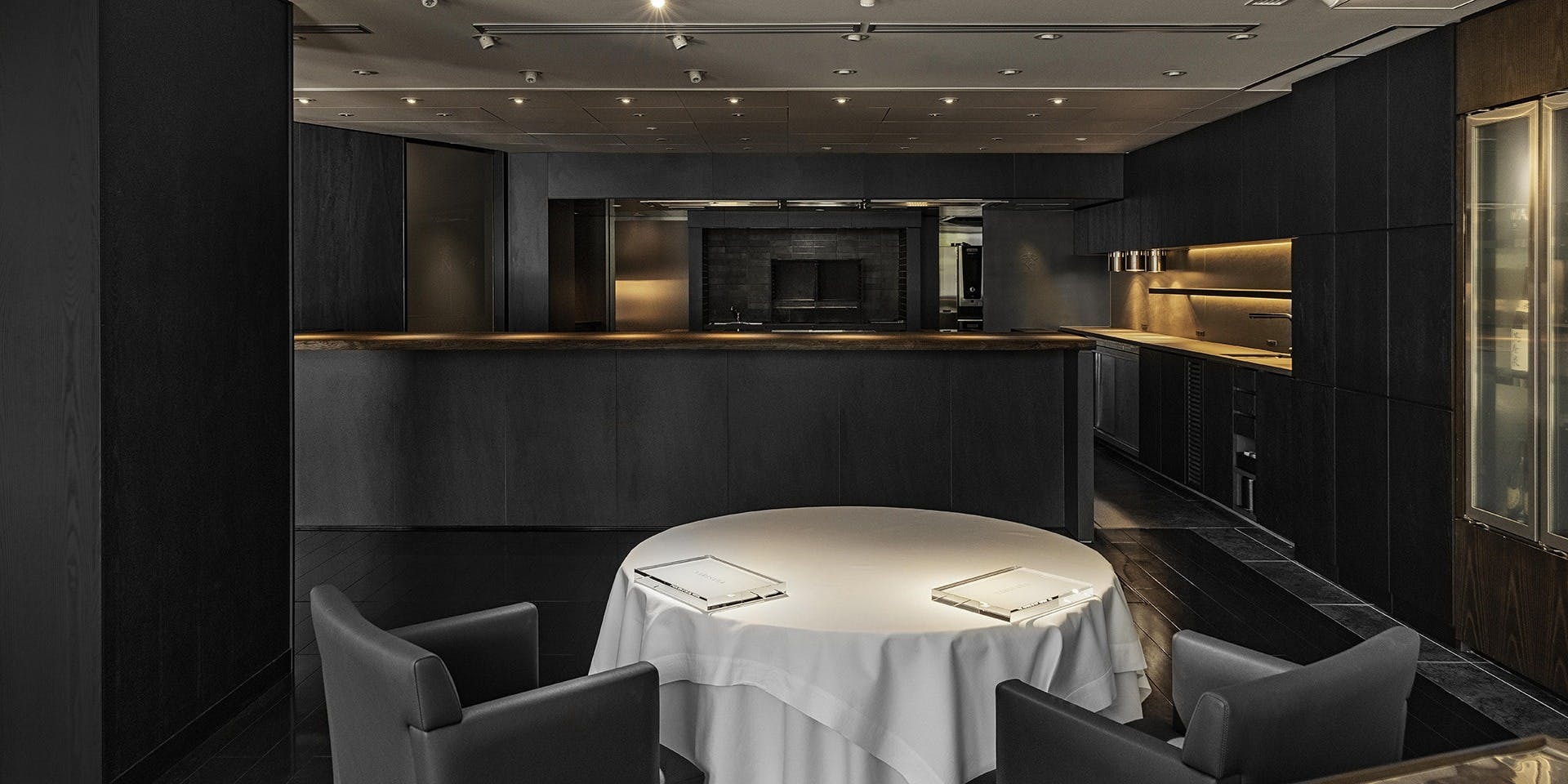
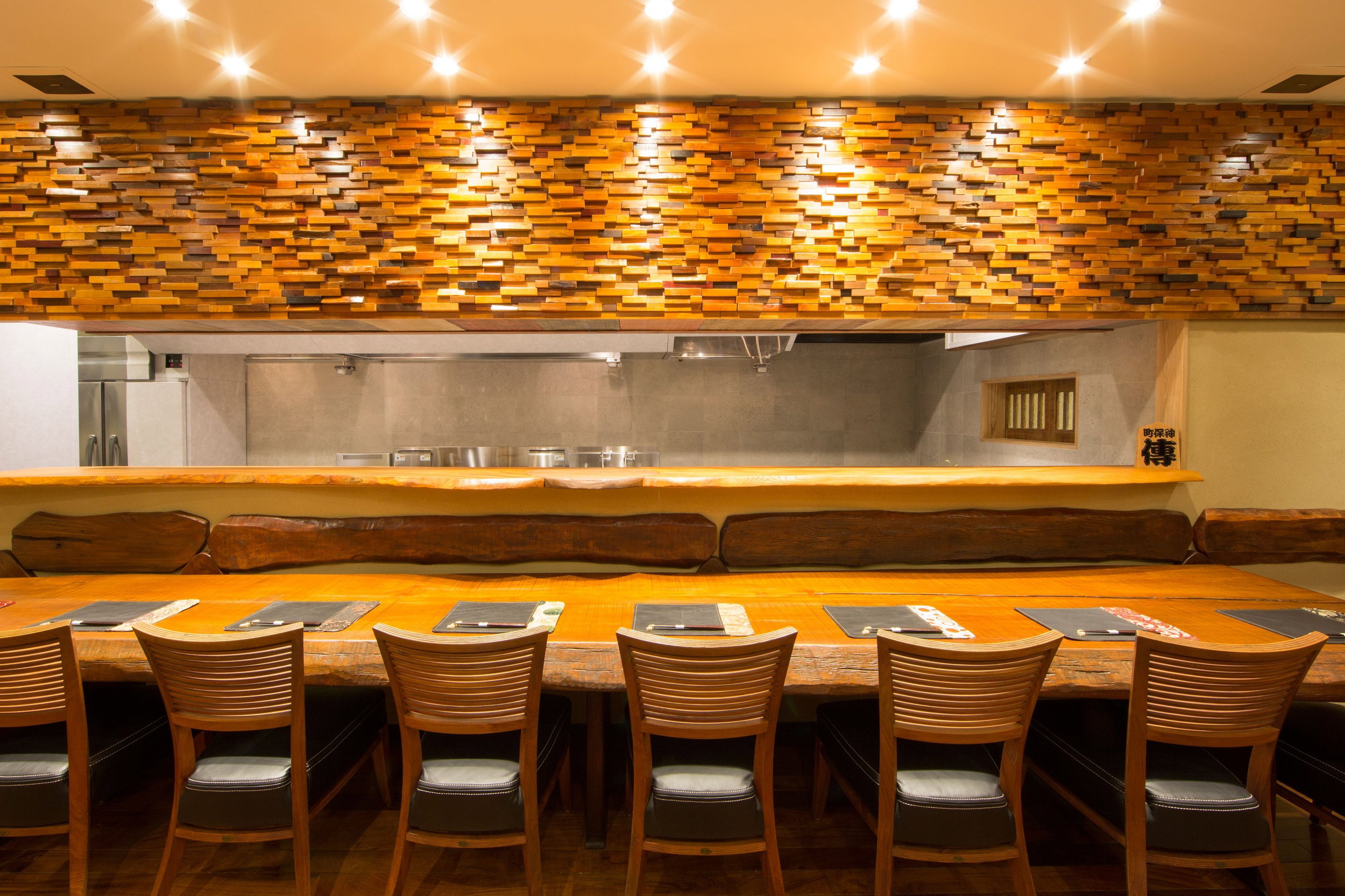
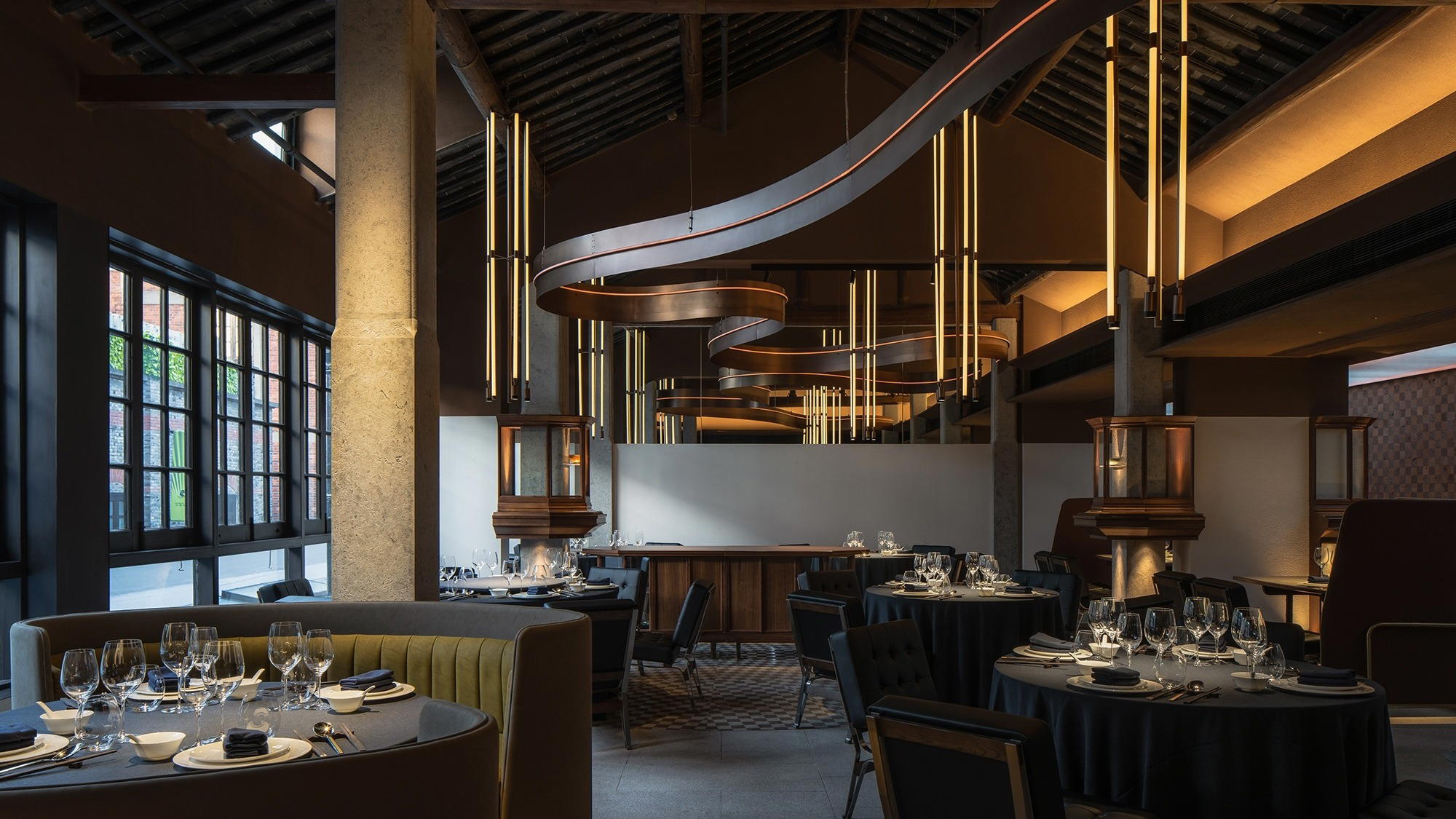
Chiso Koryu is a fifth-floor dining room in Ginza's 5-chome block, a stretch of the district that sits just far enough from the main Chuo-dori retail strip to feel like it belongs to the neighbourhood rather than to the tourist circuit. The room's position above street level keeps the ambient noise low — this is not a loud, buzzing room. Expect a measured, calm atmosphere that suits conversation and focus on the food rather than the spectacle of being seen in Ginza.
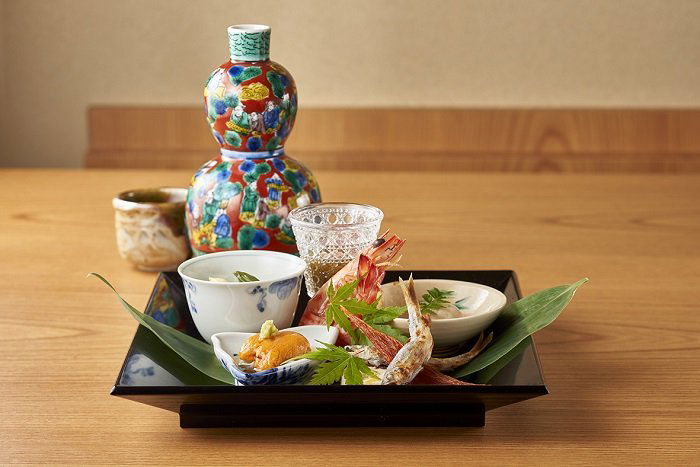
Chef Kazuki Takagi's menu is the reason to come. The Michelin recognition calls out specific dishes that demonstrate the approach: puffer fish spring rolls, monaka wafer cake filled with monkfish liver and smoked daikon pickles. These are not descriptions that suggest a chef playing it safe. The bill of fare draws on ingredients sourced across Japan and reframes them through a genuinely inventive lens, while still leaving room for classical touchstones, sesame tofu, sea bream on rice finished with poured Japanese tea. That balance between creative instinct and traditional grounding is the defining characteristic here.
For context, that score at this price point and with Michelin Plate recognition two years running places Chiso Koryu firmly in the tier of Ginza restaurants that reward repeat visits from diners who know the neighbourhood well. It's the kind of place that locals return to rather than a destination restaurant that chases new visitors.
If you're exploring Tokyo's serious Japanese dining scene more broadly, the comparison set is useful. Ginza Fukuju operates in the same neighbourhood at a different register, and Myojaku and Kagurazaka Ishikawa offer further reference points for creative Japanese cooking across the city. For kaiseki with deeper classical framing, Azabu Kadowaki and Jingumae Higuchi are worth comparing.
If you're building a broader Japan itinerary, Pearl's coverage extends to Gion Sasaki in Kyoto, HAJIME in Osaka, akordu in Nara, Goh in Fukuoka, 1000 in Yokohama, 6 in Okinawa, Isshisoden Nakamura in Kyoto, and Kashiwaya Osaka Senriyama. For planning your full Tokyo visit, see our full Tokyo restaurants guide, Tokyo hotels, bars, wineries, and experiences.
Practical Details
Chiso Koryu is at 5 Chome-14-14 Ginza, Chuo City, Tokyo, fifth floor. Booking difficulty is rated easy, which at a Michelin Plate-recognised Ginza restaurant is genuinely useful information, this is not a venue where you need to plan weeks ahead, though advance reservations are still the sensible approach for weekend evenings. Phone and website details are not confirmed in Pearl's current data; booking via a hotel concierge or a Japanese reservation platform is the reliable method. Hours are not confirmed in our data, verify before you go.
Ratings
- Michelin Plate: 2024, 2025
How It Compares
Planning details
- Location
- Japan, 〒104-0061 Tokyo, Chuo City, Ginza, 5 Chome−14−14 5F
- Website
- tabelog.com/tokyo/A1301/A130101/13225838
- Phone
- +81 3-6876-3389
The take
The Take
The Vibe
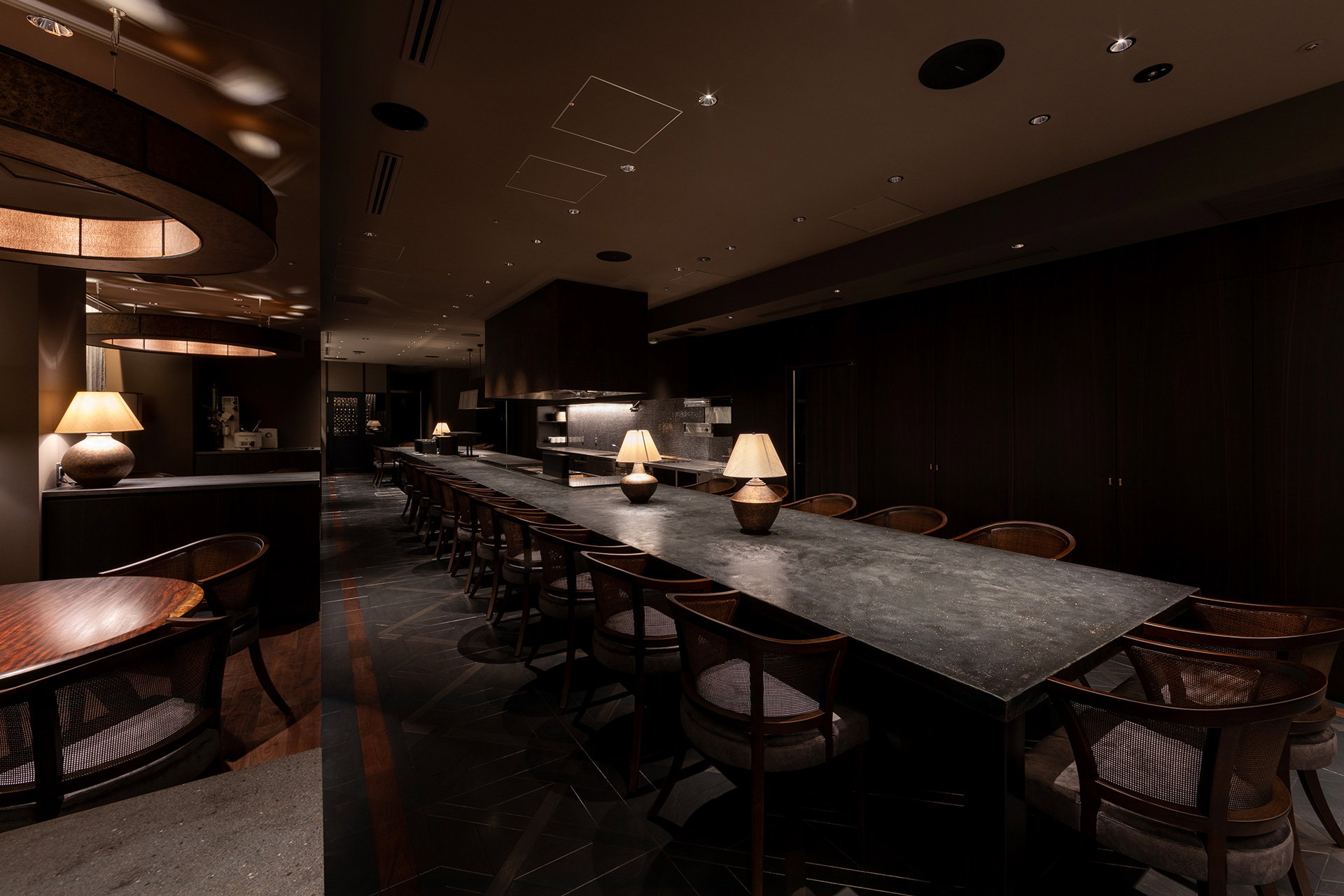
Chiso Koryu presents a restrained, inward-facing elegance: a fifth-floor counter that deliberately steps away from Ginza’s street-level theater. The writing frames the room as quietly serious rather than performative, part of a tier of restaurants that favor culinary depth over spectacle. The atmosphere reads intimate and sophisticated — the kind of place you arrive at feeling the city’s grid loosen and the kitchen’s focus sharpen. Consecutive Michelin Plates and a ¥¥¥ price point reinforce a polished, refined identity, but the experience is more about considered technique and regional dialogue than flashy presentation.
Best For
This counter is best suited to intimate, important evenings — think date nights, business dinners, celebrations and other special occasions. The compact, fifth-floor setting and the kitchen’s measured ambition reward focused dining and conversation, and the Michelin-Plate recognition signals elevated execution at a premium price. Parties should expect a quiet, attentive room rather than a bustling, theatrical scene; reservations are advisable for evenings in Ginza when demand converges on a small number of counter seats.
Ordering Tips
Prioritize the house signatures noted in the description: the pot-cooked rice with a crispy layer, grilled sesame tofu and the conger eel preparations. The kitchen works in the tension between Kanto’s assertive seasoning and Kansai’s restraint, so expect bolder soy-driven flavors alongside ingredient-focused dishes. Because seating is at the counter, order thoughtfully and stagger dishes to savor texture contrasts — finish with the pot-cooked rice for a comforting, textural finale. Be prepared for a ¥¥¥ price point consistent with Ginza’s second-tier Michelin plates.
Venue details
Ambiance
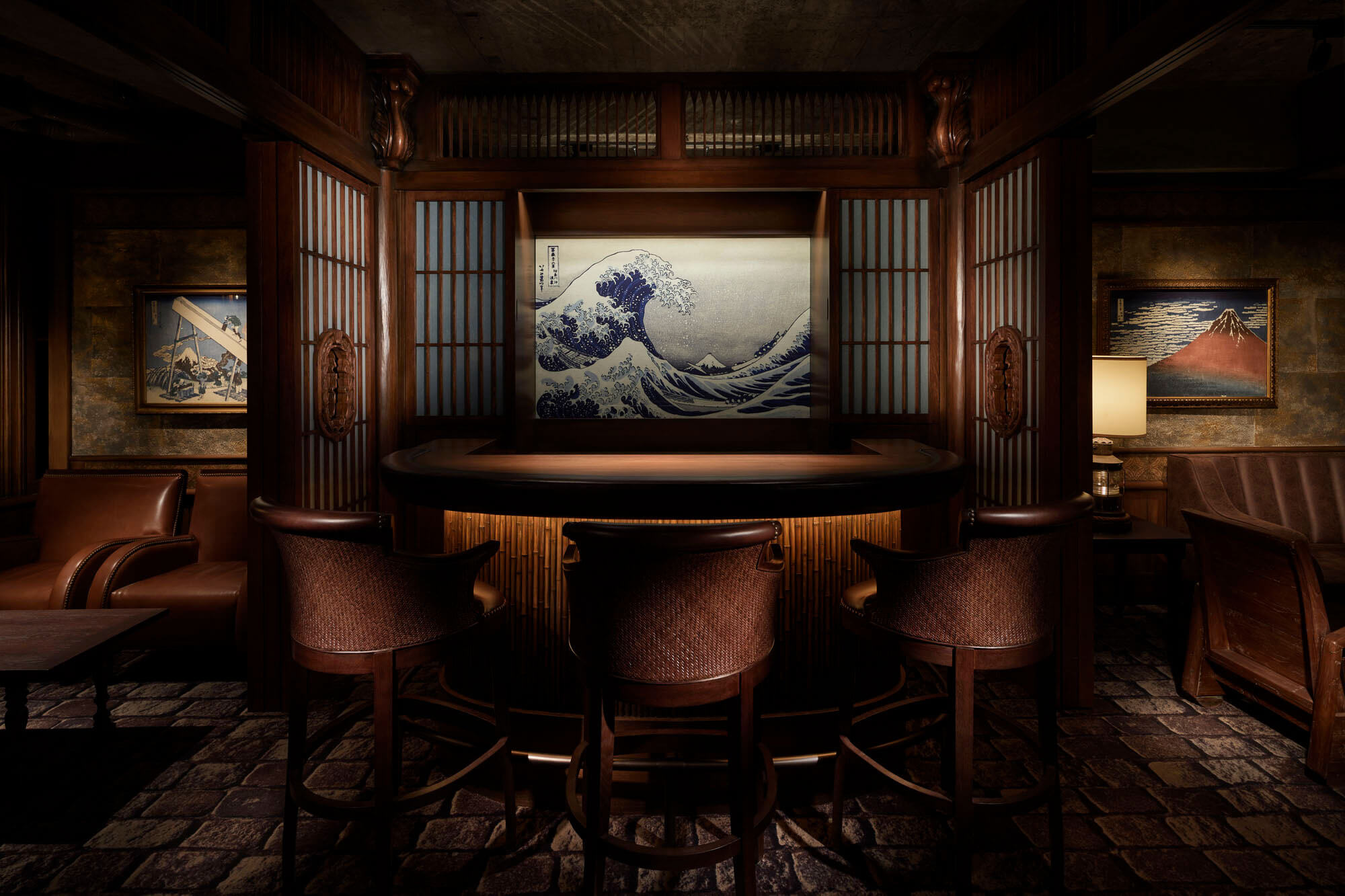
Serene and tranquil Japanese aesthetic with relaxing private spaces; elevated counter seating designed to prevent foot traffic from other guests; refined, adult-oriented atmosphere conveying the essence of Japanese culture.
Tags
Vibe
Best For
Experience
Sourcing
Accessibility
At the Table
- Dress Code
- Smart Casual
- Noise Level
- Quiet
- Service Style
- Formal
- Meal Pacing
- Leisurely
- Capacity
- Small
Signature Dishes
- pot-cooked rice with crispy layer
- grilled sesame tofu
- conger eel dishes
Know before you go
Know Before You Go
- Getting there
- Japan, 〒104-0061 Tokyo, Chuo City, Ginza, 5 Chome−14−14 5F
Planning details
Location
Japan, 〒104-0061 Tokyo, Chuo City, Ginza, 5 Chome−14−14 5F · Directions
Recognition and awards
Also consider
Also Consider
- Harutaka, Sushi, ¥¥¥¥
- RyuGin, Kaiseki, Japanese, ¥¥¥¥
- L'Effervescence, French, ¥¥¥¥
- HOMMAGE, Innovtive French, French, ¥¥¥¥
- Florilège, French, ¥¥¥
Restaurant context
Chiso Koryu sits at ¥¥¥ in a Ginza neighbourhood where most serious Japanese dining starts at ¥¥¥¥. That price gap is the first thing to weigh when comparing options. RyuGin at ¥¥¥¥ delivers one of Tokyo's most technically precise kaiseki experiences and is the reference point if you want a fully structured, ceremony-led progression, but you'll pay meaningfully more and booking is considerably harder. Chiso Koryu's creative menu covers similar conceptual ground (inventive Japanese cooking with classical anchors) at a lower commitment, and with easier availability.
For sushi specifically, Harutaka at ¥¥¥¥ is the counter to consider, technically serious, counter-led, and a very different format from Chiso Koryu's table-service creative approach. They're not in direct competition: if omakase sushi is your priority, Harutaka wins; if you want a broader creative Japanese menu with more variety per meal, Chiso Koryu is the better fit. The French options, L'Effervescence, HOMMAGE, and Florilège, operate in a parallel creative register but represent a different decision entirely: Tokyo French at ¥¥¥¥ versus Tokyo Japanese at ¥¥¥.
The clearest case for Chiso Koryu over its peers is the combination of Michelin recognition, creative ambition, and relative booking ease at a price point below the ¥¥¥¥ tier. If you want to eat seriously in Ginza without committing to a long-lead reservation or a four-figure per-head spend, this is the practical choice. Diners whose priority is maximum technical prestige or a specific format (sushi counter, full kaiseki ceremony) should look at the ¥¥¥¥ set instead.
Explore Tokyo
Around this place
Discover more on Pearl
Unlock the full Chiso Koryu guide in Pearl, including awards, comparisons, FAQs, planning details, and nearby places.
Compare Chiso Koryu
| Venue | Cuisine | Price | Awards | Booking Difficulty |
|---|---|---|---|---|
| Chiso Koryu | Japanese | ¥¥¥ | 2026 Michelin Plate2025 Michelin Plate2024 Michelin Plate | Easy |
| Harutaka | Sushi | ¥¥¥¥ | 2026 Tabelog Silver · #312026 OAD Top Restaurants in Japan Ranked · #1282026 Michelin 3 Stars2026 La Liste Top RestaurantsTabelog 100 - Sushi - TOKYO - 2025 · #372025 Asia's 50 Best Restaurants · #762025 OAD Top Restaurants in Japan Ranked · #1172025 La Liste Top Restaurants2025 Tabelog Bronze | Unknown |
| RyuGin | Kaiseki, Japanese | ¥¥¥¥ | 2026 OAD Top Restaurants in Japan Ranked · #802026 Tabelog Bronze · #3772026 Michelin 3 Stars2026 La Liste Top RestaurantsTabelog 100 - Japanese cuisine - TOKYO - 2025 · #212025 OAD Top Restaurants in Japan Ranked · #542025 Michelin 3 Stars2025 La Liste Top Restaurants2025 The Best Chef Three Knives | Unknown |
| L'Effervescence | French | ¥¥¥¥ | 2026 Tabelog Silver · #682026 OAD Top Restaurants in Japan Ranked · #103Star Wine Lists 20262026 Black Pearl 2 Diamond2026 Relais Chateaux Restaurants2026 La Liste Top Restaurants2026 Michelin 3 Stars2025 Asia's 50 Best Restaurants · #692025 OAD Top Restaurants in Japan Ranked · #92 | Unknown |
| HOMMAGE | Innovtive French, French | ¥¥¥¥ | 2026 Tabelog Bronze · #1232026 OAD Top Restaurants in Japan Highly Recommended2026 Michelin 2 StarsTabelog 100 - French - TOKYO - 2025 · #762025 Asia's 50 Best Restaurants · #782025 OAD Top Restaurants in Japan Ranked · #1752025 Michelin 2 Stars2025 The Best Chef One Knife2025 La Liste Top Restaurants | Unknown |
| Florilège | French | ¥¥¥ | 2026 Asia's 50 Best Restaurants · #312026 Tabelog Bronze · #712026 OAD Top Restaurants in Japan Ranked · #1242026 Black Pearl 1 Diamond2026 Michelin 2 Stars2026 La Liste Top Restaurants2025 Asia's 50 Best Restaurants · #172025 World's 50 Best Restaurants · #36Tabelog 100 - French - TOKYO - 2025 · #68 | Unknown |













Key differences to consider before you reserve.
FAQ
Frequently Asked Questions
What should a first-timer know about Chiso Koryu?
Expect a creative Japanese menu, not a rigid traditional kaiseki format. Chef Kazuki Takagi combines imaginative technique with quality regional ingredients — dishes like puffer fish spring rolls and monkfish liver monaka sit alongside more classical preparations such as sesame tofu and ochazuke. The Michelin Plate recognition confirms consistent execution at the ¥¥¥ price tier, which is accessible by Ginza standards.
How far ahead should I book Chiso Koryu?
Booking difficulty is rated easy by Pearl, which is a genuine advantage at a Michelin-recognised Ginza restaurant. A week's notice should be sufficient in most cases, though weekend evenings during peak Tokyo travel periods warrant earlier contact. Easier to secure than nearby Harutaka or RyuGin by a significant margin.
Is the tasting menu worth it at Chiso Koryu?
Based on the Michelin Plate assessment, the menu earns its price through creativity and ingredient quality rather than prestige format alone. Dishes like puffer fish spring rolls and monkfish liver-filled monaka wafer cake are inventive without being gimmicky. If you want imaginative Japanese cooking at ¥¥¥ rather than a four-figure omakase, the format delivers.
Is Chiso Koryu worth the price?
At ¥¥¥ with Michelin Plate recognition two consecutive years (2024 and 2025), Chiso Koryu offers solid value within Ginza's dining market. You are not paying for ceremony or a famous chef name — you are paying for skilled, creative cooking that is harder to find at this price point in the district. For the same spend, RyuGin and Harutaka charge considerably more.
Does Chiso Koryu handle dietary restrictions?
No formal dietary policy is documented in the venue data. Given the menu's reliance on seafood — puffer fish, monkfish liver, sea bream — strict pescatarians or those avoiding shellfish and offal should flag requirements clearly at the time of booking. Japanese restaurant kitchens at this level generally accommodate advance notice better than last-minute requests.
What should I order at Chiso Koryu?
The Michelin inspectors specifically called out the puffer fish spring rolls and the monaka wafer cake filled with monkfish liver and smoked daikon pickles as evidence of Chef Takagi's inventive approach. The sea bream ochazuke (rice with Japanese tea poured over it) is cited as the traditional counterweight on the menu. Prioritise the dishes that combine unexpected formats with premium Japanese ingredients.