Chikuyotei (竹葉亭)
Ginza, Tokyo
Restaurant in Tokyo, Japan
 Book with Pearl
The Read
Price
$30–50per person
Dress
Smart Casual
Why go
Chikuyotei is one of Tokyo's oldest unagi restaurants, holding its Ginza address across a history measured in centuries. Come for traditional Kanto-style grilled eel in a quiet, classically styled room: not for a broad menu or tasting format. A strong choice if Japanese culinary tradition matters to you; for a wider kaiseki or sushi experience at a similar address, consider RyuGin or Harutaka instead.
About Chikuyotei (竹葉亭)
Chikuyotei (竹葉亭): The Verdict
Chikuyotei sits in the heart of Ginza, Tokyo's most commercially dense and culinarily ambitious district, and has been serving eel (unagi) in a format that predates most of the neighbourhood's current tenants. If you are visiting Ginza and want to understand why this part of Tokyo commands the dining reputation it does, a meal here answers that question more directly than most of the area's newer openings. Pricing details are not publicly listed, but unagi specialist restaurants at this address tier in Ginza typically run in the mid-to-upper range for a set lunch and considerably more for dinner; budget accordingly and confirm directly before booking.
What to Expect as a First-Timer
Chikuyotei is one of Tokyo's longest-standing unagi restaurants, with a history that stretches back to the Edo period, a credential that puts it in a genuinely small category of dining institutions in Japan. The format here is traditional: grilled freshwater eel, prepared in the Kanto style, served over rice. This is not an omakase format or a multi-course tasting experience. You are coming for a specific dish executed at a high level, not for a sprawling menu. First-timers should arrive knowing what they want to order, because the menu is focused. If you are unfamiliar with unagi as a cuisine, Chikuyotei is one of the more authoritative places in Japan to try it for the first time, the Ginza address and long institutional history provide reasonable assurance of consistency.
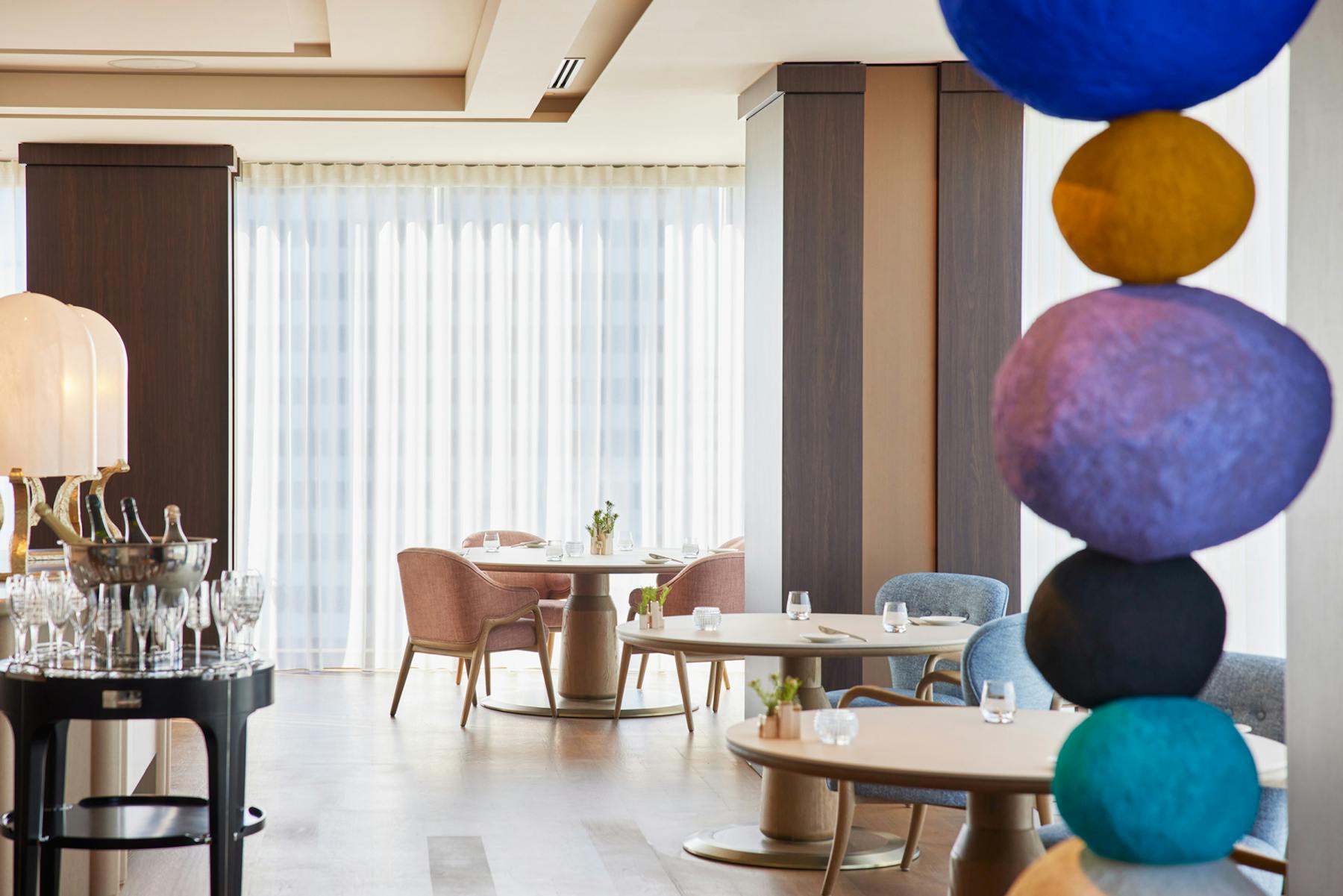
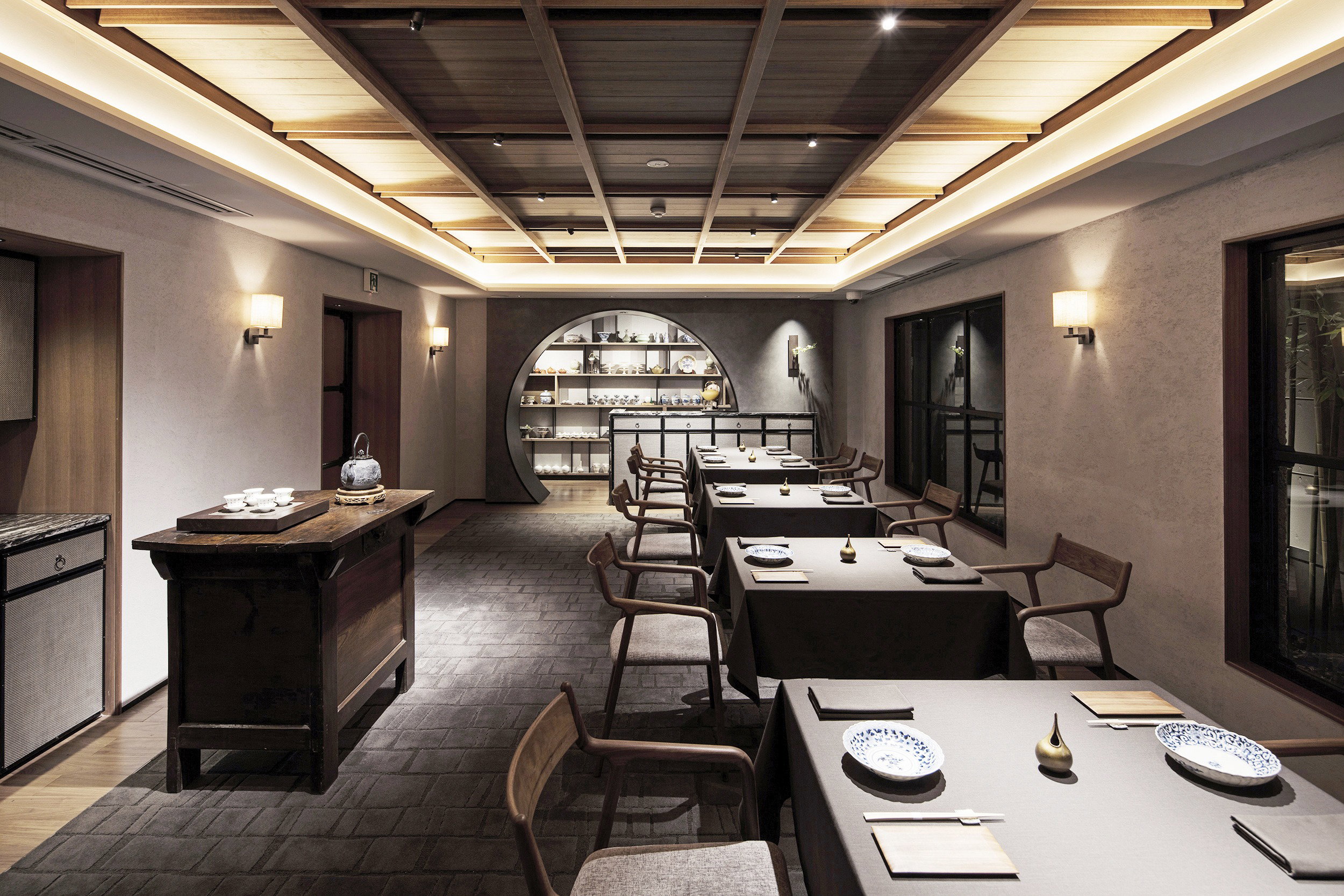
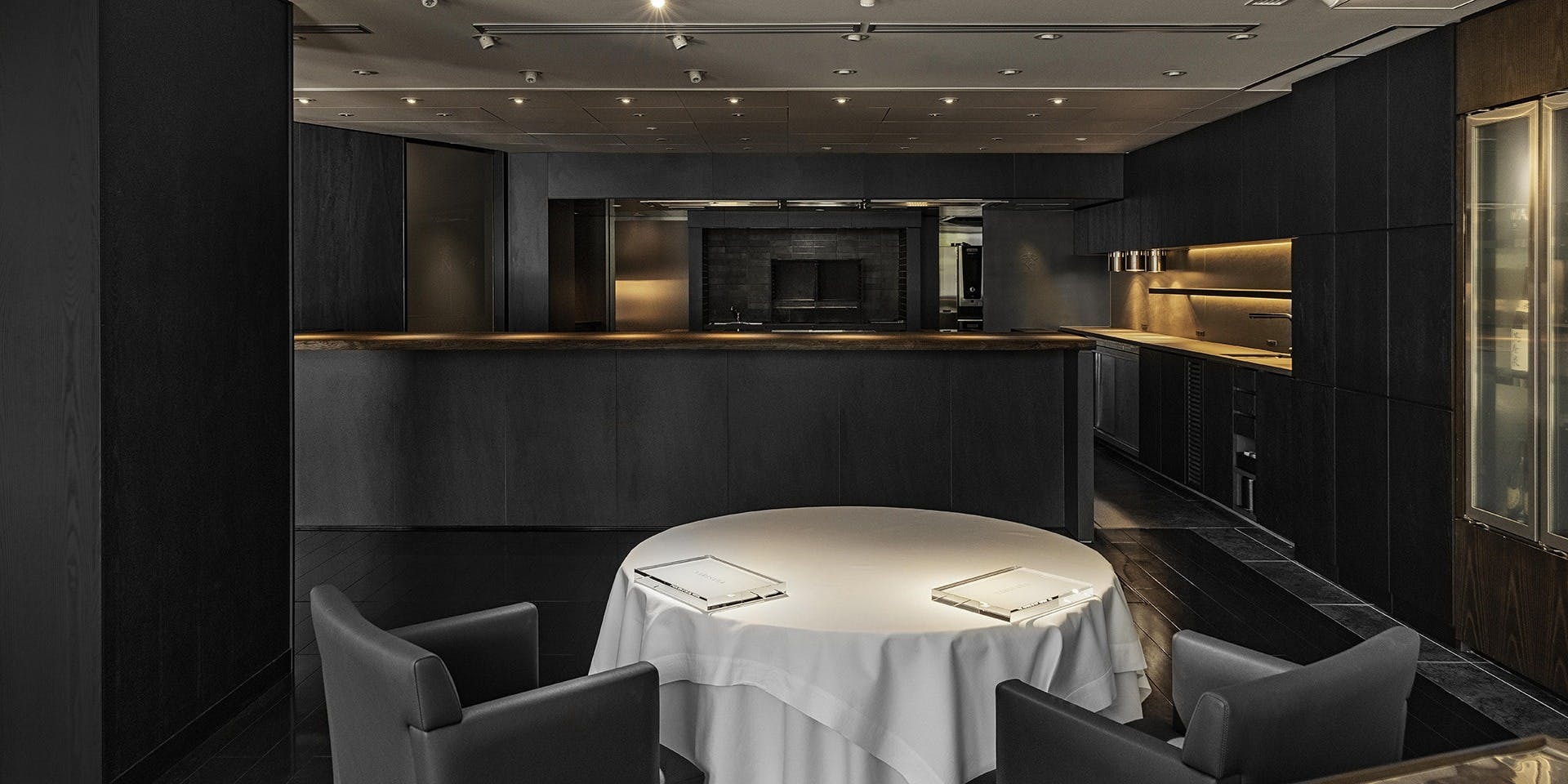
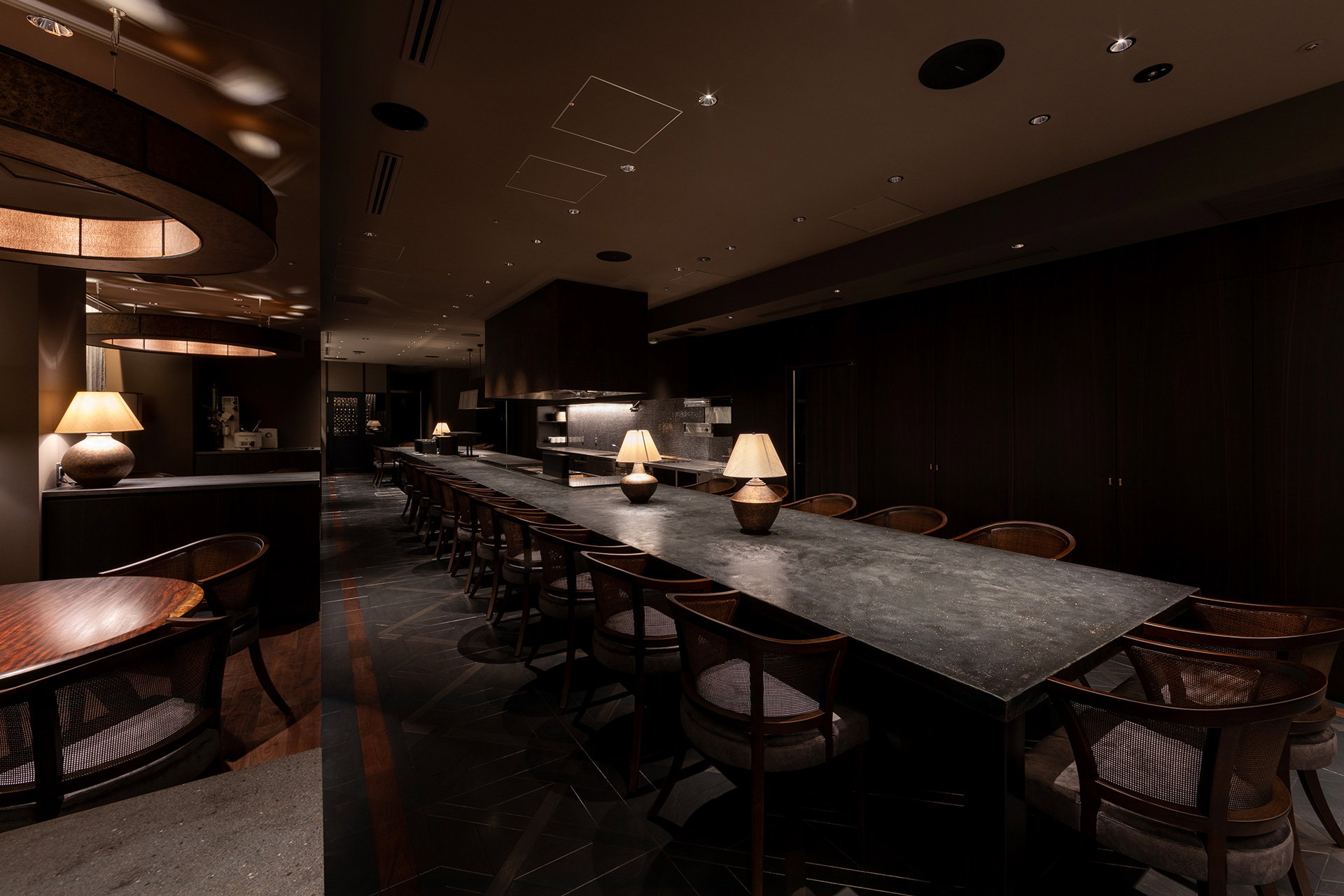
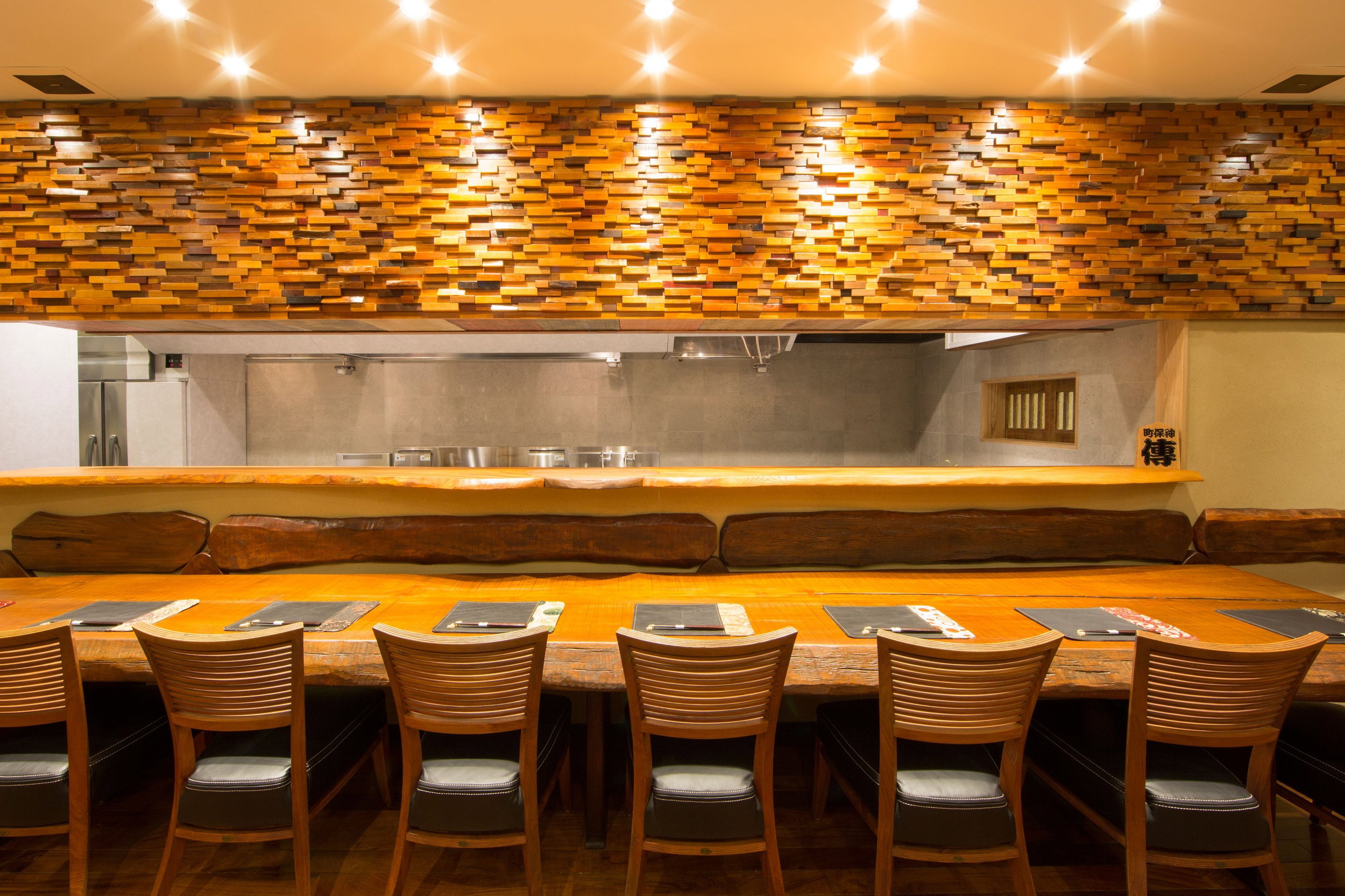
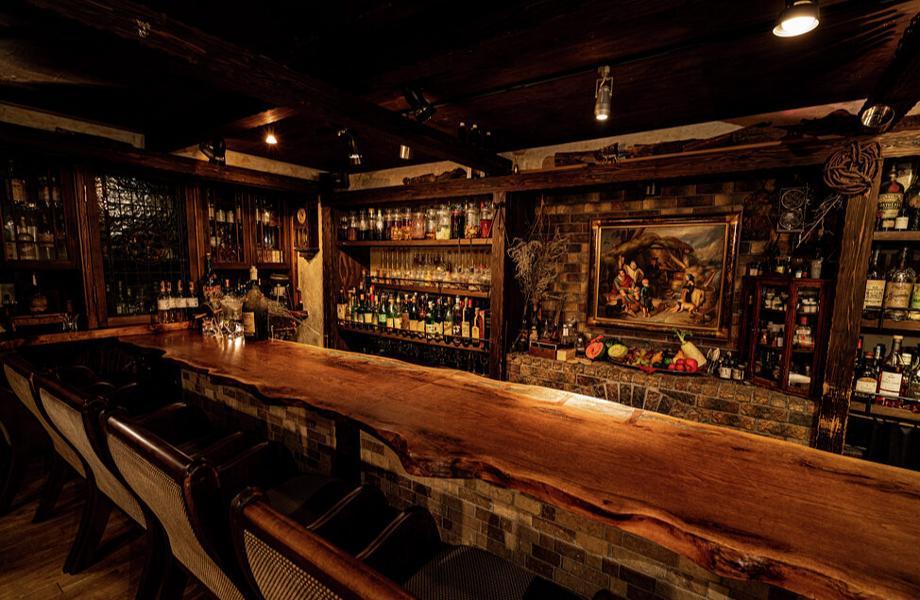
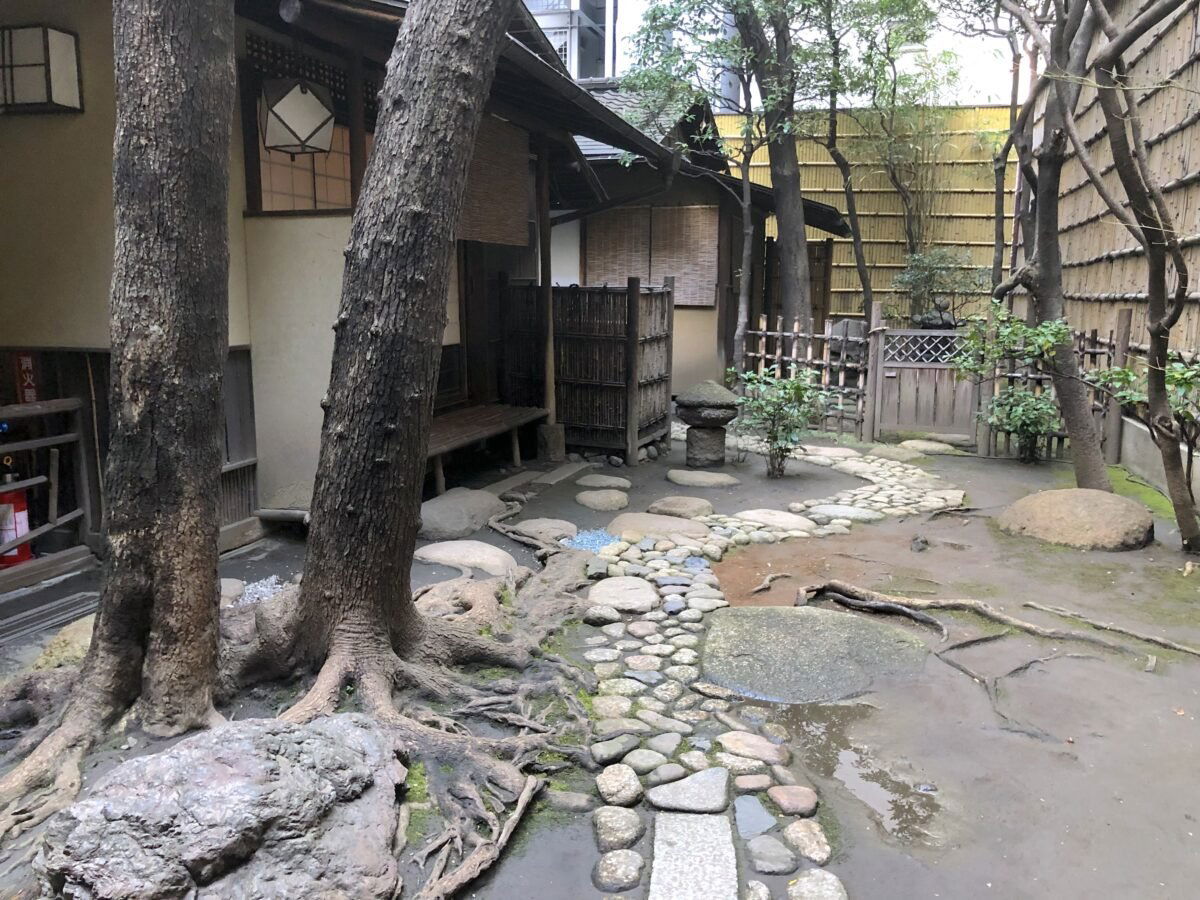
The room itself carries the visual weight of its history. Traditional Japanese interiors, low-key, considered, without the theatrical styling of newer restaurants, are the setting here. Do not expect a buzzy, design-forward space. Expect something quieter and more deliberate, which suits the format of the meal.
Ginza Context: Why Location Matters Here
Ginza is not a neighbourhood where restaurants survive for generations without earning it. The commercial pressure of the district is high, and dining competition from both Japanese and international kitchens is constant. Chikuyotei's continued presence here, over a history measured in centuries rather than decades, is a signal worth reading. It is not simply a legacy venue coasting on reputation, its longevity in this specific postcode reflects sustained local demand. For a visitor trying to understand Tokyo's dining culture beyond the current season's openings, that context matters. Pair a meal here with other Ginza-anchored experiences and you get a more complete picture of what the area actually is, beyond its luxury retail surface.
For a broader view of where Chikuyotei sits within Tokyo's restaurant scene, see our full Tokyo restaurants guide. If you are planning a wider trip, our Tokyo hotels guide, bars guide, and experiences guide cover the rest of the city in the same format.
Practical Details
Reservations: Bookable and recommended, particularly for dinner; walk-in availability at lunch is possible but not guaranteed given the venue's profile. Dress: Smart casual is appropriate; the traditional setting warrants a step above street wear. Budget: Expect a mid-to-upper spend for lunch sets, higher for dinner, confirm current pricing directly with the venue before visiting. Getting there: The address (銀座5-8-3, Chuo-ku) places it within easy walking distance of Ginza Station on the Tokyo Metro Ginza, Hibiya, and Marunouchi lines. Group size: Traditional Japanese restaurants of this type often have private room options for groups; contact the venue directly to confirm availability and minimum spend requirements.
Pearl Picks: More Tokyo Dining
- Harutaka, For precision sushi at the highest level in Tokyo
- RyuGin, Kaiseki in a format that rewards committed diners
- L'Effervescence, If you want French technique with Japanese ingredient sensibility
- Sézanne, Another strong French option with serious credentials
- Crony, For innovative French-Japanese in a more relaxed room
Beyond Tokyo, comparable commitment to traditional Japanese craft can be found at Gion Sasaki in Kyoto, HAJIME in Osaka, and akordu in Nara. For a different direction entirely, Le Bernardin in New York and Lazy Bear in San Francisco offer points of comparison for what institutional longevity looks like in other dining cultures. Goh in Fukuoka, 1000 in Yokohama, and Abon in Ashiya round out the regional picture if you are travelling further across Japan.
Planning details
- Location
- 銀座5-8-3, 中央区, 東京都, 104-0061
The take
The Take
The Vibe
Chikuyotei occupies a restrained, historical corner of Ginza’s dining map. It reads as a long-established unagi house that values continuity over trend, the sort of place where service and preparation follow a decades-long tradition. The restaurant projects a quiet, formal temperament: measured, serious and attentive rather than flashy. References to Edo- and Meiji-era practices and a running tare underline a sense of culinary heritage. Intimate private rooms and a tone of decorum reinforce its role as a place for composed, memorable meals rather than casual drop-ins.
Best For
This is a restaurant built for purpose-driven dining: business dinners, family gatherings and milestone celebrations such as anniversaries. The address and the house’s lineage signal an occasion meal: diners come expecting a considered experience rather than a late-night spot or casual hangout. Private rooms make it especially well suited to small groups who want privacy for conversation, formal toasts or family rituals. Guests seeking a traditional, memorable eel-focused meal in Ginza will find the setting and service matched to that intent.
Ordering Tips
The menu centers on unagi prepared in the classical kabayaki tradition, and the house’s signature preparations, Eel Rice Bowl, Hitsumabushi and Taichazuke, are the clearest ways to experience it. Technique and a maintained tare sauce make the established eel dishes a direct way to experience the restaurant’s craft. For family gatherings or private celebrations, consider the private room to ensure the meal’s formality and privacy; the restaurant’s focus is on a composed, occasion-driven dining experience.
Venue details
Ambiance
Traditional tatami rooms preserving old-world charm with an elegant, refined atmosphere.
Tags
Vibe
Best For
Experience
At the Table
- Dress Code
- Smart Casual
- Noise Level
- Quiet
- Service Style
- Formal
- Meal Pacing
- Leisurely
- Capacity
- Small
- Kitchen
- Traditional
- Menu Format
- A la carte
- Private Dining
- Available
Signature Dishes
- Eel Rice Bowl
- Hitsumabushi
- Taichazuke
Know before you go
Know Before You Go
- Getting there
- 銀座5-8-3, 中央区, 東京都, 104-0061
Planning details
Location
銀座5-8-3, 中央区, 東京都, 104-0061 · Directions
Also consider
Also Consider
- Harutaka: Sushi, ¥¥¥¥
- L'Effervescence: French, ¥¥¥¥
- RyuGin: Kaiseki, Japanese, ¥¥¥¥
- Crony: Innovative, French, ¥¥¥¥
- Den: Innovative, Japanese, ¥¥¥
Restaurant context
Chikuyotei occupies a different category from most of its Ginza and Tokyo peers. Where Harutaka and RyuGin deliver broad omakase or kaiseki formats at the ¥¥¥¥ tier, Chikuyotei is a specialist venue built around a single discipline: unagi. That focus is both its strength and its constraint. If you want the most technically complete multi-course evening in Tokyo, book RyuGin. If you want to eat one traditional dish at an address that has been refining it for longer than almost any other restaurant in the city, Chikuyotei is the more direct answer.
On the French side of Tokyo's high-end dining scene, L'Effervescence and Crony are both operating at ¥¥¥¥ with full tasting menus and modern room design: a fundamentally different experience. Neither competes directly with Chikuyotei on format or history; they are better comparisons for diners who want a progression of courses with wine pairing rather than a focused traditional meal. Den, at ¥¥¥, is worth noting as the most accessible of the peer group and the easiest to book: it is also the most inventive, which makes it the right call if a first-timer wants innovation over tradition.
The booking difficulty comparison here is practical: Den is easiest to secure, Harutaka is hardest, and Chikuyotei sits in a more accessible middle ground given its specialist rather than omakase format. For value, Den gives the most range per yen spent. For institutional authority and a meal that is specific to Japanese culinary history in a way that the French-influenced peers are not, Chikuyotei holds that ground on its own.
Explore Tokyo
Around this place
Discover more on Pearl
Unlock the full Chikuyotei (竹葉亭) guide in Pearl, including awards, comparisons, FAQs, planning details, and nearby places.
Compare Chikuyotei (竹葉亭)
| Venue | Location | Cuisine | Awards | Price |
|---|---|---|---|---|
| Chikuyotei (竹葉亭) | Tokyo | No published awards | , | , |
| Harutaka | Tokyo | Sushi | 2026 Tabelog Silver · #312026 OAD Top Restaurants in Japan Ranked · #1282026 Michelin 3 Stars2026 La Liste Top RestaurantsTabelog 100 - Sushi - TOKYO - 2025 · #372025 Asia's 50 Best Restaurants · #762025 OAD Top Restaurants in Japan Ranked · #1172025 La Liste Top Restaurants2025 Tabelog Bronze | ¥¥¥¥ |
| L'Effervescence | Tokyo | French | 2026 Tabelog Silver · #682026 OAD Top Restaurants in Japan Ranked · #103Star Wine Lists 20262026 Black Pearl 2 Diamond2026 Relais Chateaux Restaurants2026 La Liste Top Restaurants2026 Michelin 3 Stars2025 Asia's 50 Best Restaurants · #692025 OAD Top Restaurants in Japan Ranked · #92 | ¥¥¥¥ |
| RyuGin | Tokyo | Kaiseki, Japanese | 2026 OAD Top Restaurants in Japan Ranked · #802026 Tabelog Bronze · #3772026 Michelin 3 Stars2026 La Liste Top RestaurantsTabelog 100 - Japanese cuisine - TOKYO - 2025 · #212025 OAD Top Restaurants in Japan Ranked · #542025 Michelin 3 Stars2025 La Liste Top Restaurants2025 The Best Chef Three Knives | ¥¥¥¥ |
| Crony | Tokyo | Innovative, French | 2026 Asia's 50 Best Restaurants · #34Star Wine Lists 20262026 OAD Top Restaurants in Japan Recommended2026 Michelin 2 Stars2025 Asia's 50 Best Restaurants · #30Tabelog 100 - French - TOKYO - 2025 · #782025 OAD Top Restaurants in Japan Ranked · #227We're Smart World Top Restaurants 20252025 Michelin 2 Stars | ¥¥¥¥ |
| Den | Tokyo | Innovative, Japanese | 2026 Tabelog Silver · #172026 OAD Top Restaurants in Japan Ranked · #342026 Asia's 50 Best Restaurants · #51Tabelog 100 - Kissaten - 20262026 Michelin 2 Stars2025 Asia's 50 Best Restaurants · #222025 OAD Top Restaurants in Japan Ranked · #252025 World's 50 Best Restaurants · #53Tabelog 100 - Innovative / Creative cuisine - 2025 · #67 | ¥¥¥ |













How Chikuyotei (竹葉亭) compares with similar nearby venues.
FAQ
FAQ
What should a first-timer know about Chikuyotei (竹葉亭)?
Come with a clear expectation: this is a specialist unagi restaurant, not a broad Japanese menu. The format is traditional, the room is quiet and classically styled, and the experience is built around one dish done to a high standard over a very long institutional history. If you want variety or a tasting format, this is not the right booking. If you want to eat grilled eel at one of Tokyo's most established addresses for it, this is exactly the right choice.
Is Chikuyotei (竹葉亭) good for a special occasion?
Yes, with a caveat on expectations. The occasion it suits leading is one where the meaning of the meal matters as much as the theatrics of it. This is not a venue for dramatic plating or a long tasting menu arc. It suits a celebratory lunch or dinner where you want historical weight and quiet quality, think anniversary or a significant birthday where the person being celebrated appreciates Japanese culinary tradition. For a more visually dramatic special occasion, RyuGin or Harutaka offer that register instead.
What should I wear to Chikuyotei (竹葉亭)?
Smart casual is the floor. The traditional Japanese setting and the Ginza address both point toward dressing up slightly rather than down, business casual or equivalent is appropriate. You will not be turned away for wearing jeans, but you will feel more comfortable in something considered. Given price levels typical of this district and format, arriving underdressed relative to the room is worth avoiding.
Can Chikuyotei (竹葉亭) accommodate groups?
Traditional Japanese restaurants of Chikuyotei's age and scale frequently maintain private dining rooms suited to groups of 6–12, though specific capacity and minimum spend details are not publicly confirmed. For a Tokyo group dinner where logistics are fully confirmed online, Crony and L'Effervescence both have clearer publicly available group booking information.
What are alternatives to Chikuyotei (竹葉亭) in Tokyo?
If you want comparable institutional seriousness in a different format, RyuGin delivers kaiseki at a similarly rigorous level. For sushi rather than eel, Harutaka is the strongest counter in the city at the leading price tier. If your interest is in Japanese ingredients interpreted through a French lens, L'Effervescence is the clearest choice. Crony and Den both offer innovative Japanese cooking at a slightly more accessible price point if the traditional specialist format at Chikuyotei feels too narrow for your group.