.png?width=1200&quality=80)

Chez Olivier
French · Chiyoda, Tokyo
Restaurant in Tokyo, Japan
 Book with Pearl
The Read
Host-Served Franco-Japanese Table
Price
¥¥¥
Dress
Smart Casual
Why go
Chez Olivier earns its back-to-back Michelin Plates (2024, 2025) through personal, host-led French cooking that draws on both French and Japanese ingredients — all at a ¥¥¥ price point that undercuts most comparable rooms in Tokyo. The chef selects the wines and serves the food himself. Come in autumn for the French-Japanese seasonal menu at its most compelling.
About Chez Olivier
The Verdict
Chez Olivier is the French restaurant in Tokyo you book when you want serious cooking without the ceremony of a three-star room. Sitting in Kudanminami, Chiyoda, it earns its Michelin Plate (2024 and 2025) through consistent, ingredient-led French cooking that draws on both imported French produce and premium Japanese materials. L'Effervescence or Sézanne. If you've been once and enjoyed it, come back in autumn — that is when the kitchen is at its most interesting.
Portrait
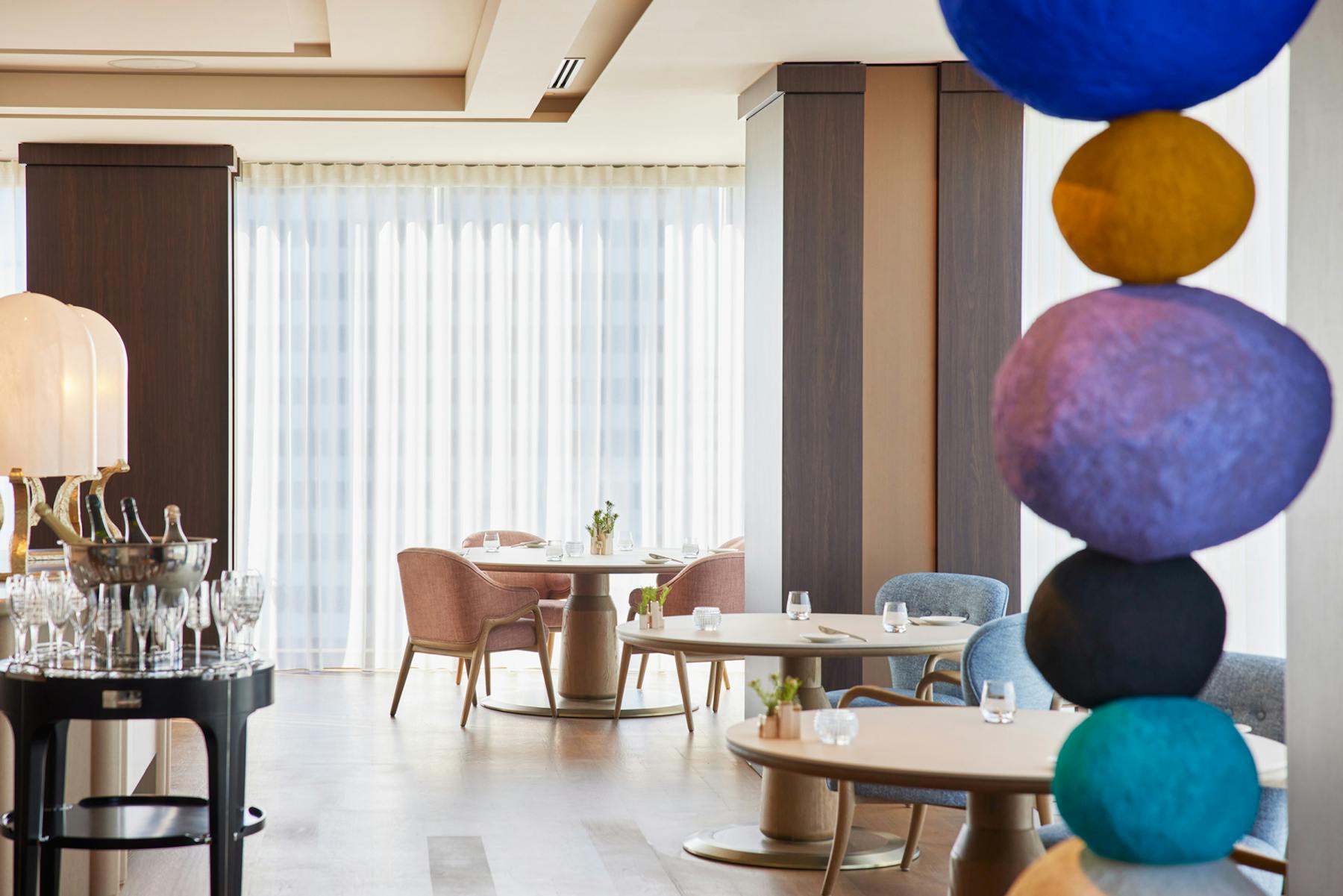
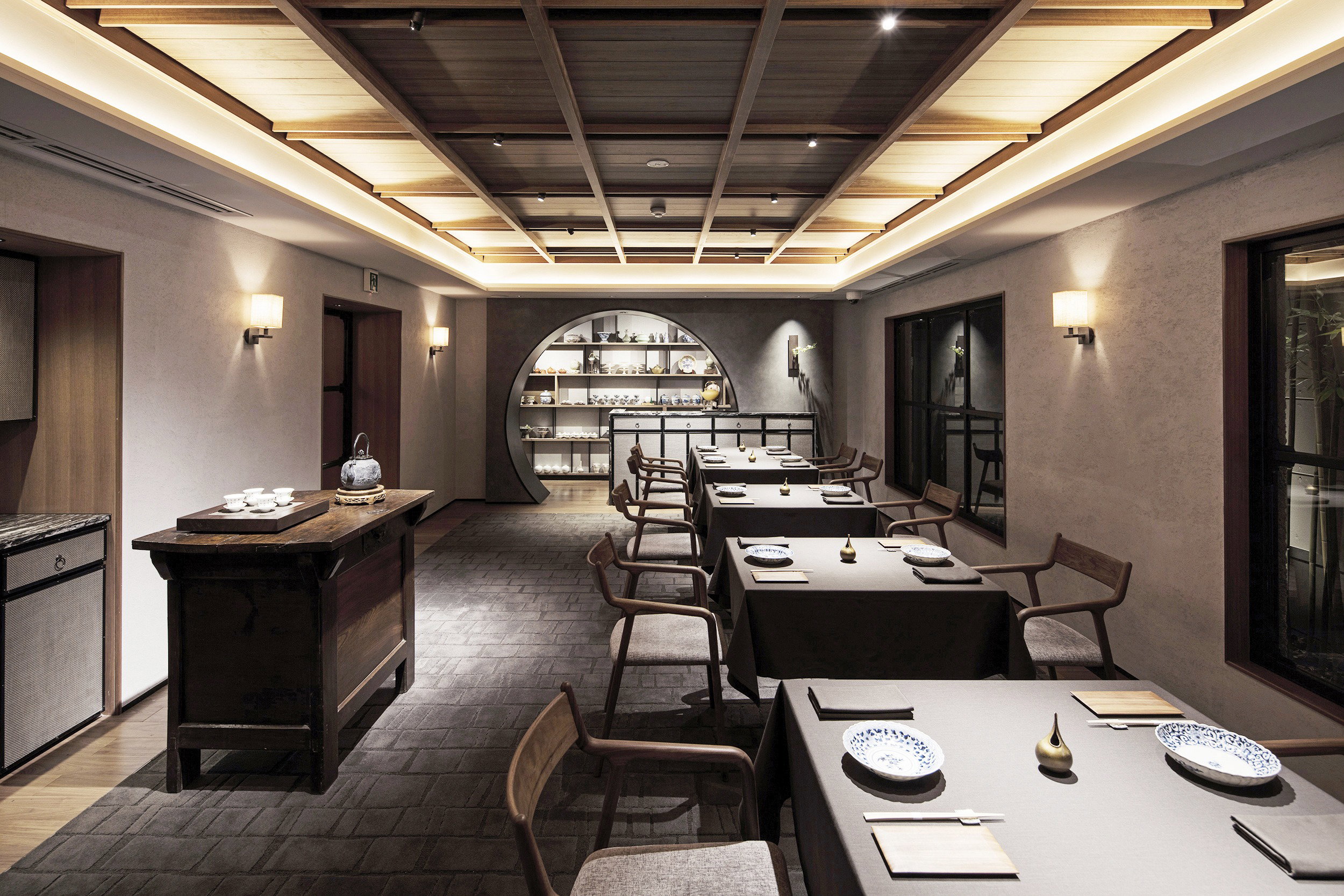
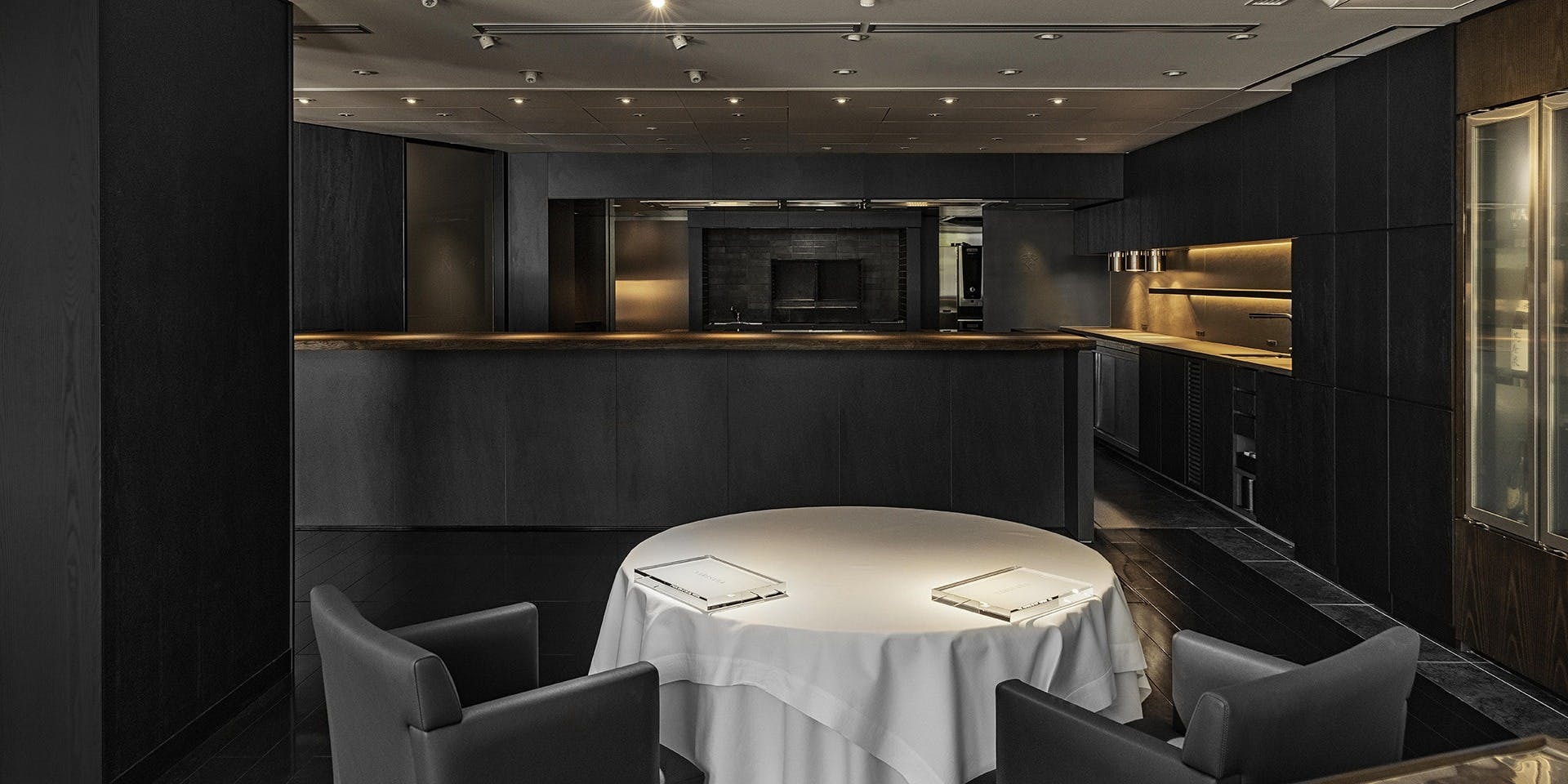
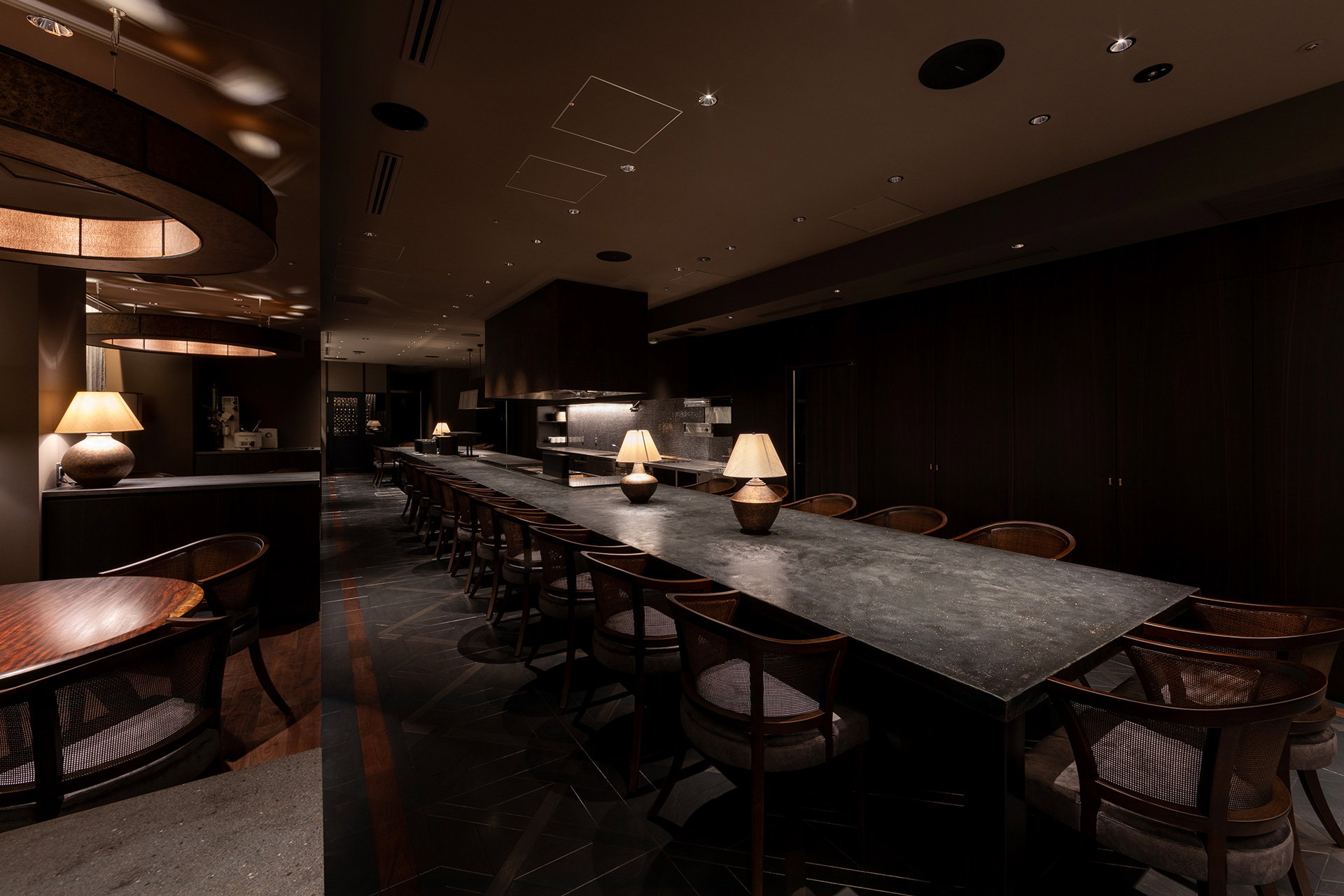
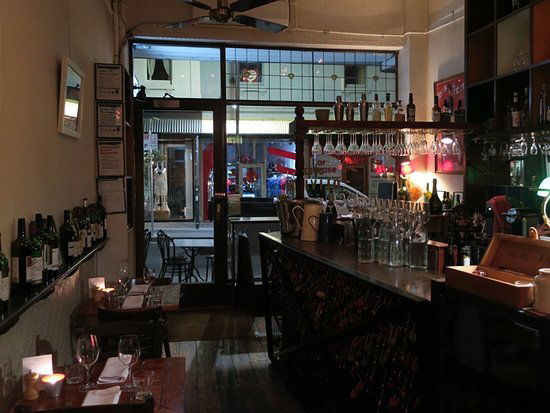
The name is the premise: this is the chef's house. The French-born chef personally selects the wines and brings food to the table himself, which sets a tone that is warm and direct rather than formal. In a city where French dining can tip quickly into white-glove distance, that informality is a deliberate choice, and it shapes everything about how a meal here feels. The room has the mood of a private dinner rather than a restaurant occasion — low-key enough that conversation stays easy, attentive enough that nothing feels neglected.
Autumn is when the menu makes its strongest case. The kitchen's signature move of combining French escargot ravioli with Japanese awabi and mushrooms is the kind of cooking that could easily feel like a gimmick but reportedly lands as something coherent: the French technique carries the structure, the Japanese ingredients carry the season. Right now, as autumn deepens, this is the dish that makes Chez Olivier worth booking over a more conventional French room in Tokyo. The chef's stated aim, to act as a bridge between French and Japanese food culture, is most legible on the plate at this time of year.
The wine list is curated personally by the chef, which matters more than it might sound. Personally selected lists at this price tier tend to be shorter but more considered than lists built by committee. You are more likely to find something that genuinely connects to the food than at a larger room where the wine program runs separately from the kitchen. If you visited before and let the sommelier guide you, on your next visit ask the chef directly about what he is pouring with the autumn menu, that kind of conversation is what the format is designed for.
For context in the broader French-in-Japan conversation, Chez Olivier sits at a different register than the destination rooms. ESqUISSE offers more architectural plating and a longer tasting format. Château Restaurant Joël Robuchon delivers the full grand-dining production. Chez Olivier is neither. It is smaller, more direct, and more personal, and for many diners, that is the better evening.
If you are travelling between Japanese cities and want to benchmark French cooking in Japan more broadly, HAJIME in Osaka and akordu in Nara both take the French-Japanese intersection seriously, though at different price points and with different emphases. Chez Olivier's distinctiveness is the host-led format, fewer restaurants at ¥¥¥ in Tokyo give you a chef who is genuinely present through the meal rather than behind a pass.
Booking is direct. This is not the kind of place that requires a two-month run-up or a credit card hold at time of reservation. That said, autumn is a popular season for Tokyo dining overall, and if you are planning around the seasonal menu specifically, earlier is better. The Kudanminami address puts it in a quieter part of Chiyoda, not a restaurant-district location, which contributes to the house-dinner atmosphere. Worth factoring in if you are combining it with other Tokyo plans; check our full Tokyo restaurants guide, Tokyo bars guide, or Tokyo hotels guide for the wider picture.
For international context on the French fine-dining tier Chez Olivier is adjacent to, Les Amis in Singapore and Hotel de Ville Crissier in Crissier represent what the format looks like at higher price bands. The format is intimate and host-led rather than formally ceremonial, so a jacket is not required, but the ¥¥¥ price point and Michelin Plate recognition mean the room skews dressed-up rather than casual. Think dinner-out rather than business lunch.
Is the tasting menu worth it at Chez Olivier?
- The chef-selected format and personal service make the tasting structure a natural fit here. The autumn menu, which combines French technique with Japanese seasonal ingredients like awabi and mushrooms, is when the value proposition is strongest. At ¥¥¥, it costs less than L'Effervescence and comes with a more personal feel. If you're comparing on pure cooking ambition, L'Effervescence delivers more complexity; if the experience of a chef-hosted dinner matters to you, Chez Olivier is the better choice at the price.
Can I eat at the bar at Chez Olivier?
- Bar seating details should be confirmed directly with Chez Olivier. Given the format, a small, host-led room where the chef brings food to table personally, the dining experience is designed around the full sitting rather than a drop-in bar format. Contact the restaurant directly to confirm seating options before planning around it.
What should I order at Chez Olivier?
- In autumn, the escargot ravioli with Japanese awabi and mushrooms is the dish the kitchen is known for and the clearest expression of what Chez Olivier does differently from a conventional French room in Tokyo. The chef personally selects wines, so take the pairing, it reflects the same French-Japanese philosophy as the food. Beyond that, specific current dishes are not confirmed; ask the chef directly when you arrive, which is exactly the kind of conversation the format encourages.
Is Chez Olivier good for a special occasion?
- Yes, with a caveat on expectations. The atmosphere is warm and personal rather than grand, so if the occasion calls for ceremony and a full production, Château Restaurant Joël Robuchon or Sézanne would suit better. If the occasion is a dinner that feels genuinely looked-after rather than formally staged, Chez Olivier's host-led format is well-suited. The chef being present through the meal makes it feel considered rather than impersonal.
What are alternatives to Chez Olivier in Tokyo?
- At the same price tier, Florilège offers a counter-format French experience with a Michelin star, more cooking ambition, less intimate atmosphere. For a step up in scale and recognition, L'Effervescence (¥¥¥¥, two stars) is the benchmark for French dining in Tokyo. ESqUISSE sits between the two on formality and price. If you want to explore French cooking elsewhere in Japan, HAJIME in Osaka and akordu in Nara are worth the trip.
Is Chez Olivier worth the price?
- At ¥¥¥, yes. You are getting Michelin Plate-recognised French cooking with personal service from a chef who selects your wine and brings your food to table, that combination is rare at this price point in Tokyo. It is not delivering the technical complexity of a two-star room, and it is not trying to. If you want that, budget for L'Effervescence. If you want a considered, personal French dinner at a price that does not require a special-occasion justification, Chez Olivier is worth it.
Planning details
- Location
- Japan, 〒102-0074 Tokyo, Chiyoda City, Kudanminami, 4 Chome−1−10 グランドメゾン九段南 1F
- Website
- chezolivier.co.jp/index.html
- Phone
- +81 50-5487-1412
The take
The Take
The Vibe
Chez Olivier operates with a private‑house logic: it feels less like a staged dining theatre and more like an intimate evening at a knowledgeable friend’s table. Located in Kudanminami rather than a busy restaurant row, the room is deliberately understated and self‑selecting, attracting guests who seek a low‑ceremony, finely tuned French experience. The writing stresses restraint over spectacle, and the restaurant’s approach — fewer covers, attentive technique — creates a quietly charming, discreet atmosphere that rewards diners who appreciate craft, thoughtful pacing and an unpretentious presentation of French cooking in Tokyo.
Best For
This is a spot for diners after a focused, intimate meal rather than a loud social night out. The format suits date nights, business dinners and special‑occasion evenings where privacy and a calm dining rhythm matter. Because it isn’t on a busy restaurant strip, guests are typically deliberate in their choice to come, so the room skews toward those who value technical French cooking presented with a gentle, neighbourhood sensibility. Expect an experience geared to a measured, evening‑time meal rather than casual drop‑in dining.
Ordering Tips
Menus at Chez Olivier emphasize the interplay between French technique and Japanese ingredient sensibilities, so choose dishes that showcase that pairing. The sea trout appetizer, the cod with spelt risotto and the Mont Blanc dessert are listed as signatures and are reliable choices to sample the kitchen’s strengths. Given the restaurant’s focused, small‑cover format, start with the sea trout to appreciate the lighter, ingredient‑forward work, move to a main like the cod with spelt risotto for texture and technique, and finish with the Mont Blanc for a classic, polished sweet note.
Venue details
Ambiance
Cozy, serene, warm, and elegant dining room with a charming bistro-like atmosphere.
Tags
Vibe
Best For
Experience
Sourcing
At the Table
- Dress Code
- Smart Casual
- Noise Level
- Quiet
- Service Style
- Formal
- Meal Pacing
- Leisurely
- Capacity
- Intimate
Signature Dishes
- sea trout appetizer
- cod with spelt risotto
- Mont Blanc dessert
Know before you go
Know Before You Go
- Getting there
- Japan, 〒102-0074 Tokyo, Chiyoda City, Kudanminami, 4 Chome−1−10 グランドメゾン九段南 1F
Planning details
Location
Japan, 〒102-0074 Tokyo, Chiyoda City, Kudanminami, 4 Chome−1−10 グランドメゾン九段南 1F · Directions
Recognition and awards
Also consider
Also Consider
- Harutaka, Sushi, ¥¥¥¥
- RyuGin, Kaiseki, Japanese, ¥¥¥¥
- L'Effervescence, French, ¥¥¥¥
- HOMMAGE, Innovtive French, French, ¥¥¥¥
- Florilège, French, ¥¥¥
Restaurant context
Chez Olivier's closest direct competitor on price is Florilège, which matches the ¥¥¥ tier but carries a Michelin star and a counter format that puts the kitchen on display. If cooking ambition and a more kinetic dining room matter to you, Florilège is the stronger choice. If a quieter, more personal evening with a host who is genuinely present through the meal is the priority, Chez Olivier is the better booking, and it is easier to get into.
Step up to ¥¥¥¥ and the field widens considerably. L'Effervescence (two Michelin stars) is the clearest benchmark for serious French dining in Tokyo: technically more complex, more ceremonial, and harder to book. HOMMAGE offers ambitious French cooking with strong local sourcing at the same ¥¥¥¥ tier. Neither delivers the host-dinner intimacy that defines Chez Olivier, they are different experiences for different moods, not simply better or worse. For Japanese fine dining at the top end, RyuGin and Harutaka are both ¥¥¥¥ and operate in an entirely different register, but worth considering if French cuisine is not a fixed requirement for your evening.
The short recommendation: book Chez Olivier if you want a personal, chef-hosted French dinner at ¥¥¥ without fighting for a reservation. Book Florilège if you want a star-rated counter experience at the same price. Book L'Effervescence if the occasion justifies the higher spend and you can secure a table. For everything else in Tokyo, see our full Tokyo restaurants guide and Tokyo experiences guide for broader planning.
Explore Tokyo
Around this place
Discover more on Pearl
Unlock the full Chez Olivier guide in Pearl, including awards, comparisons, FAQs, planning details, and nearby places.
Compare Chez Olivier
| Venue | Cuisine | Price | Awards | Booking Difficulty |
|---|---|---|---|---|
| Chez Olivier | French | ¥¥¥ | 2026 Michelin PlateTabelog 100 - French - TOKYO - 2025 · #872025 Michelin Plate2024 Michelin Plate | Easy |
| Harutaka | Sushi | ¥¥¥¥ | 2026 Tabelog Silver · #312026 OAD Top Restaurants in Japan Ranked · #1282026 Michelin 3 Stars2026 La Liste Top RestaurantsTabelog 100 - Sushi - TOKYO - 2025 · #372025 Asia's 50 Best Restaurants · #762025 OAD Top Restaurants in Japan Ranked · #1172025 La Liste Top Restaurants2025 Tabelog Bronze | Unknown |
| RyuGin | Kaiseki, Japanese | ¥¥¥¥ | 2026 OAD Top Restaurants in Japan Ranked · #802026 Tabelog Bronze · #3772026 Michelin 3 Stars2026 La Liste Top RestaurantsTabelog 100 - Japanese cuisine - TOKYO - 2025 · #212025 OAD Top Restaurants in Japan Ranked · #542025 Michelin 3 Stars2025 La Liste Top Restaurants2025 The Best Chef Three Knives | Unknown |
| L'Effervescence | French | ¥¥¥¥ | 2026 Tabelog Silver · #682026 OAD Top Restaurants in Japan Ranked · #103Star Wine Lists 20262026 Black Pearl 2 Diamond2026 Relais Chateaux Restaurants2026 La Liste Top Restaurants2026 Michelin 3 Stars2025 Asia's 50 Best Restaurants · #692025 OAD Top Restaurants in Japan Ranked · #92 | Unknown |
| HOMMAGE | Innovtive French, French | ¥¥¥¥ | 2026 Tabelog Bronze · #1232026 OAD Top Restaurants in Japan Highly Recommended2026 Michelin 2 StarsTabelog 100 - French - TOKYO - 2025 · #762025 Asia's 50 Best Restaurants · #782025 OAD Top Restaurants in Japan Ranked · #1752025 Michelin 2 Stars2025 The Best Chef One Knife2025 La Liste Top Restaurants | Unknown |
| Florilège | French | ¥¥¥ | 2026 Asia's 50 Best Restaurants · #312026 Tabelog Bronze · #712026 OAD Top Restaurants in Japan Ranked · #1242026 Black Pearl 1 Diamond2026 Michelin 2 Stars2026 La Liste Top Restaurants2025 Asia's 50 Best Restaurants · #172025 World's 50 Best Restaurants · #36Tabelog 100 - French - TOKYO - 2025 · #68 | Unknown |












Side-by-side comparison to help you decide where to book.
FAQ
Frequently Asked Questions
What should I wear to Chez Olivier?
Dress as you would for a serious dinner at a friend's home: neat, considered, not formal. The chef's stated philosophy is hospitality over ceremony, so a jacket is not required, but turning up in sportswear would feel out of place for a ¥¥¥ Michelin Plate room in Kudanminami.
Is the tasting menu worth it at Chez Olivier?
If French-Japanese fusion is your format, yes. The kitchen's signature moves — escargot ravioli paired with Japanese awabi and autumn mushrooms — are designed around a multi-course structure where the progression matters. At ¥¥¥ pricing with a Michelin Plate in both 2024 and 2025, the value holds, provided you want the chef's full vision rather than a single dish.
What should I order at Chez Olivier?
The documented signature is French escargot ravioli paired with Japanese awabi and mushrooms, available in autumn. The chef personally selects all wines, so trusting the pairing is the move here rather than requesting by the glass from a separate list.
Is Chez Olivier good for a special occasion?
Yes, with a specific caveat: this works best for occasions where intimacy and personal attention matter more than a grand dining room. The chef personally brings food to the table and selects wines, which creates a genuinely personal atmosphere. For a larger group celebration needing a private room, confirm capacity first.
What are alternatives to Chez Olivier in Tokyo?
For French cooking with more formal credentials, L'Effervescence and Florilège both operate at a higher award tier in Tokyo. HOMMAGE is a closer comparison in spirit — French technique with strong personal direction. If you want to stay in French-Japanese fusion but prefer a counter format, research Harutaka for a different but adjacent experience.
Is Chez Olivier worth the price?
At ¥¥¥ with two consecutive Michelin Plate recognitions and a chef who personally serves every table, the price-to-experience ratio is solid for what it offers. It is not the place to spend this money if you want a high-production tasting room with a brigade of servers — the value is in the direct, personal approach, and that format either appeals or it doesn't.