Restaurant in Tokyo, Japan
Edo-Tradition Soba Counter
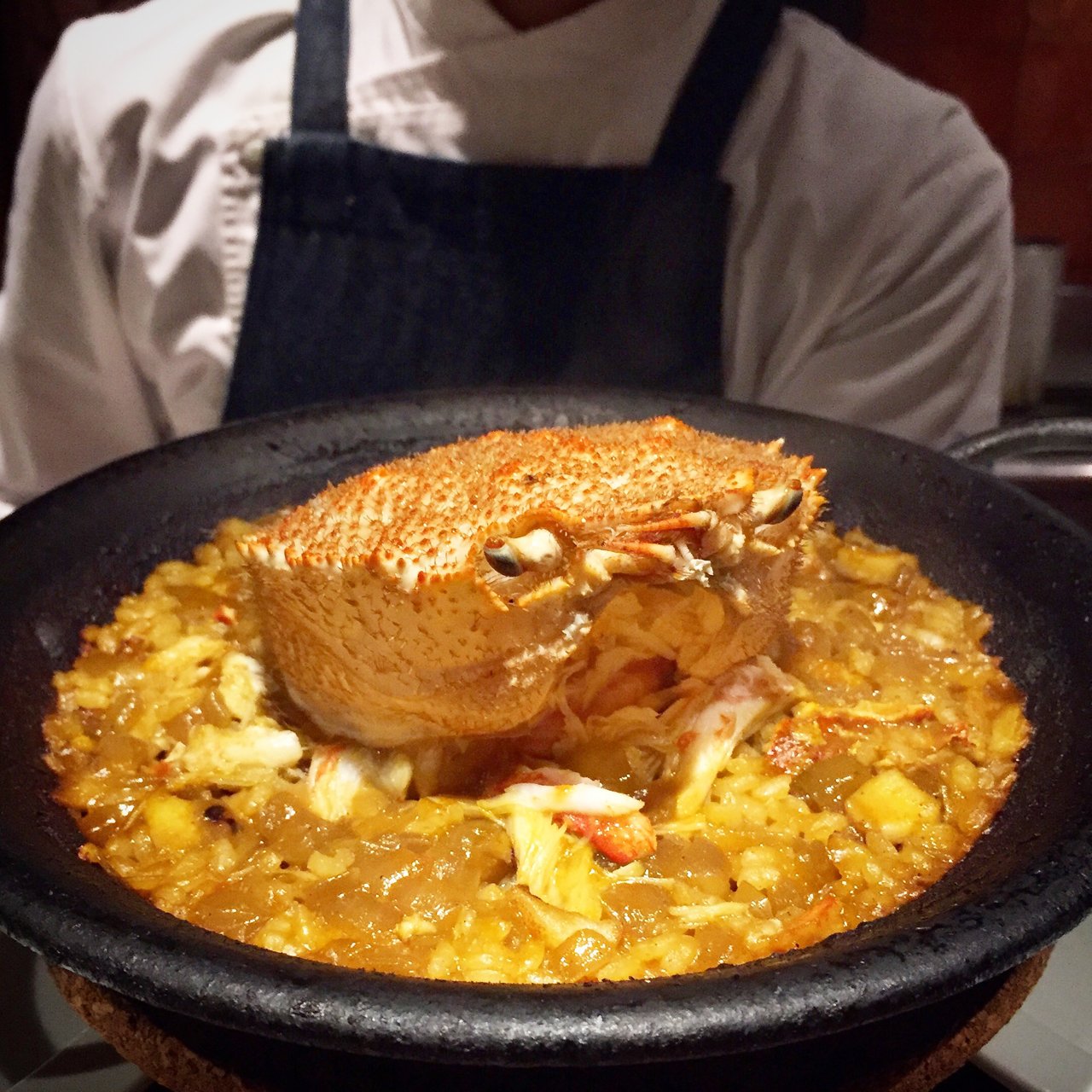
çå¶åº 濱ç°å®¶ is one of Tokyo's more accessible bookings, sitting in the composed Nihonbashiningyocho district of Chuo City rather than the city's headline dining corridors. Pearl rates it easy to book — a genuine differentiator in Tokyo's competitive reservation landscape. Best visited in autumn or early winter when Japanese seasonal produce is at its peak.
çå¶åº 濱ç°å®¶ sits in Nihonbashiningyocho, a district of Chuo City that rewards explorers willing to look beyond Tokyo's most-booked dining corridors. Booking here is rated easy by Pearl standards, which puts it in a different tier of accessibility from neighbours like Harutaka or RyuGin, where competition for seats is considerably stiffer. If your Tokyo itinerary already includes a high-effort reservation and you want a second dinner that doesn't require a three-month lead time, this is worth considering.
The address — 3 Chome-13-5 Nihonbashiningyocho — places the venue inside one of central Tokyo's more composed, unhurried pockets, away from the Ginza foot traffic and the Shinjuku noise. Nihonbashiningyocho has a long-established merchant-quarter character: low-rise, neighbourhood-scaled, and less photographed than the city's headline dining precincts. That spatial context matters when you're deciding between a room that feels like an event and one that feels like a local institution. Based on the address alone, expect the latter rather than the former.
Tokyo's leading dining rooms shift meaningfully with the seasons, and Nihonbashiningyocho's restaurant culture is tied to that rhythm. Japanese cuisine at this level typically tracks the produce calendar closely: spring brings tai and bamboo shoot, summer leans into cold preparations and ayu sweetfish, autumn centres on matsutake mushroom and Pacific saury, and winter skews toward crab and citrus. If seasonal alignment matters to your visit , and for a food-focused traveller it should , autumn and early winter represent the densest concentration of premium Japanese ingredients, which tends to lift the ceiling on what any serious kitchen in this city can put on the table. Plan your booking window accordingly: if you're targeting October through December, make the reservation as soon as your travel dates are confirmed rather than waiting until arrival.
Pearl classifies this venue as easy to book, which is a genuine differentiator in a city where tables at Sézanne or L'Effervescence can require months of advance notice. That accessibility doesn't automatically signal lower ambition, but it does mean you have more flexibility on timing. For peak autumn season, book two to four weeks out as a reasonable baseline. For a weekday visit outside October and November, a week's notice should be sufficient. Walk-in availability is plausible given the easy booking rating, but calling ahead remains the safer approach given language logistics if you don't read Japanese.
Against the broader Tokyo peer group, this venue occupies a position that suits the explorer who wants neighbourhood character over international prestige. For a direct comparison set, see the table below alongside Pearl's full Tokyo restaurants guide.
| Venue | Cuisine | Price | Booking Difficulty |
|---|---|---|---|
| çå¶åº 濱ç°å®¶ | TBC | Not listed | Easy |
| Harutaka | Sushi | ¥¥¥¥ | Hard |
| L'Effervescence | French | ¥¥¥¥ | Hard |
| RyuGin | Kaiseki | ¥¥¥¥ | Hard |
| Crony | Innovative French | ¥¥¥¥ | Moderate |
If you're building a wider Japan itinerary around serious dining, Pearl tracks comparable venues across the country. Gion Sasaki in Kyoto and HAJIME in Osaka are the two most demanding bookings in the Kansai region. For more accessible options, akordu in Nara and Goh in Fukuoka offer strong cooking with shorter lead times. Closer to Tokyo, 1000 in Yokohama is worth adding to a two-city trip. For international context, the seasonal tasting-menu format here has parallels with Lazy Bear in San Francisco and the precision approach of Le Bernardin in New York City. Pearl's Tokyo hotels guide, Tokyo bars guide, Tokyo wineries guide, and Tokyo experiences guide cover the rest of your planning. For Ashiya, Abon is worth noting if your route takes you west.
| Venue | Cuisine | Price | Awards | Booking Difficulty | Value |
|---|---|---|---|---|---|
| çå¶åº 濱ç°å®¶ | Easy | — | |||
| Harutaka | Sushi | ¥¥¥¥ | Michelin 3 Star, World's 50 Best | Unknown | — |
| L'Effervescence | French | ¥¥¥¥ | Michelin 3 Star, World's 50 Best | Unknown | — |
| RyuGin | Kaiseki, Japanese | ¥¥¥¥ | Michelin 3 Star, World's 50 Best | Unknown | — |
| Crony | Innovative, French | ¥¥¥¥ | Michelin 2 Star, World's 50 Best | Unknown | — |
| Den | Innovative, Japanese | ¥¥¥ | Michelin 2 Star, World's 50 Best | Unknown | — |
How çå¶åº 濱ç°å®¶ stacks up against the competition.
Keep this venue in your Pearl passport, rate it after you visit, and track it alongside every other place you collect.
