.png?width=1200&quality=80)
BRAMASOLE
Italian · Shibuya, Tokyo
Restaurant in Tokyo, Japan
 Book with Pearl
The Read
Region-by-Region Italian
Price
$100–150per person
Dress
Smart Casual
Why go
BRAMASOLE is a ¥¥ Italian restaurant in Jingumae, Shibuya, where chef Jose Reyes cooks from a menu built on regional training across Italy — Sicilian baked aubergine and tomato alongside Emilia-Romagna ragù. It is a strong choice for couples or small groups who want a serious, quietly personal Italian meal without committing to Tokyo's ¥¥¥¥ tier. Booking is easy and the à la carte format gives you real flexibility.
About BRAMASOLE
Who Should Book BRAMASOLE — and When
BRAMASOLE is the right call for food-focused couples or small groups who want a genuinely personal Italian meal in Tokyo without paying ¥¥¥¥ prices. At the ¥¥ price point, it sits well below the city's European fine-dining tier, yet chef Jose Reyes brings a level of regional specificity — Sicily, Emilia-Romagna, and points between, that most mid-price Italian restaurants in Tokyo don't attempt. If you are planning a low-key anniversary dinner, a long lunch with a friend who cares about food, or a meal for a visiting guest who wants to eat Italian done with some seriousness, this is where to go.
The Room and the Atmosphere
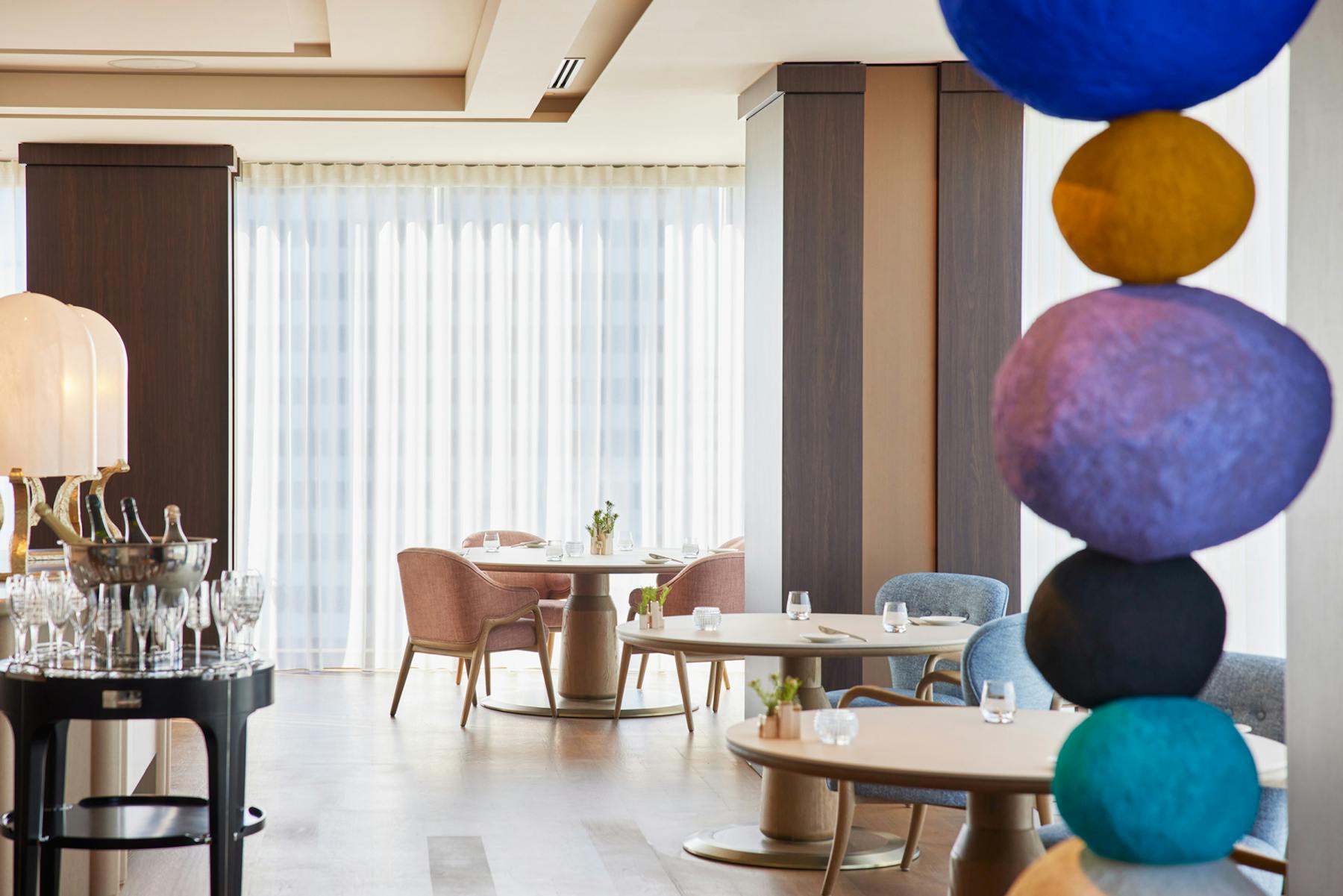
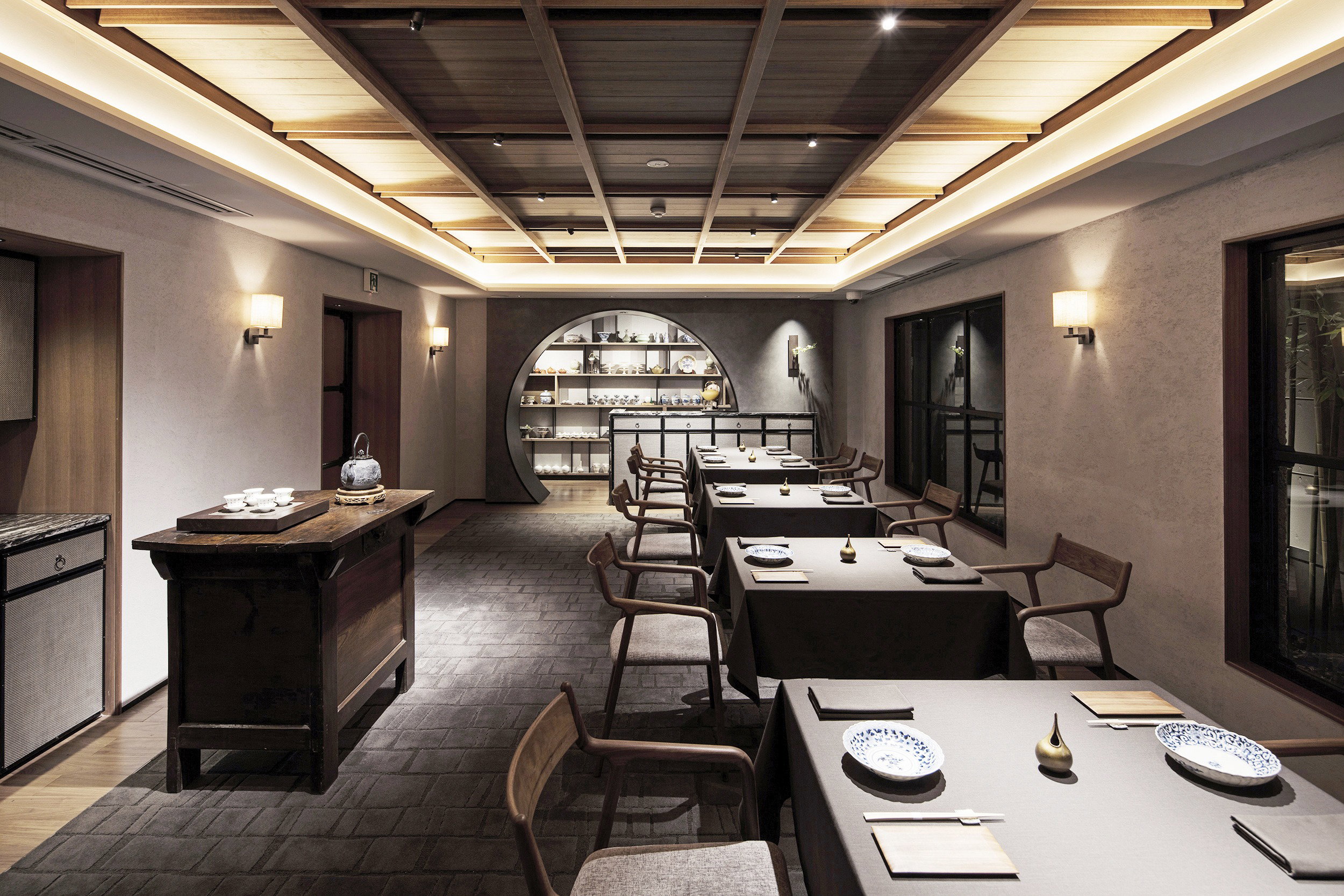
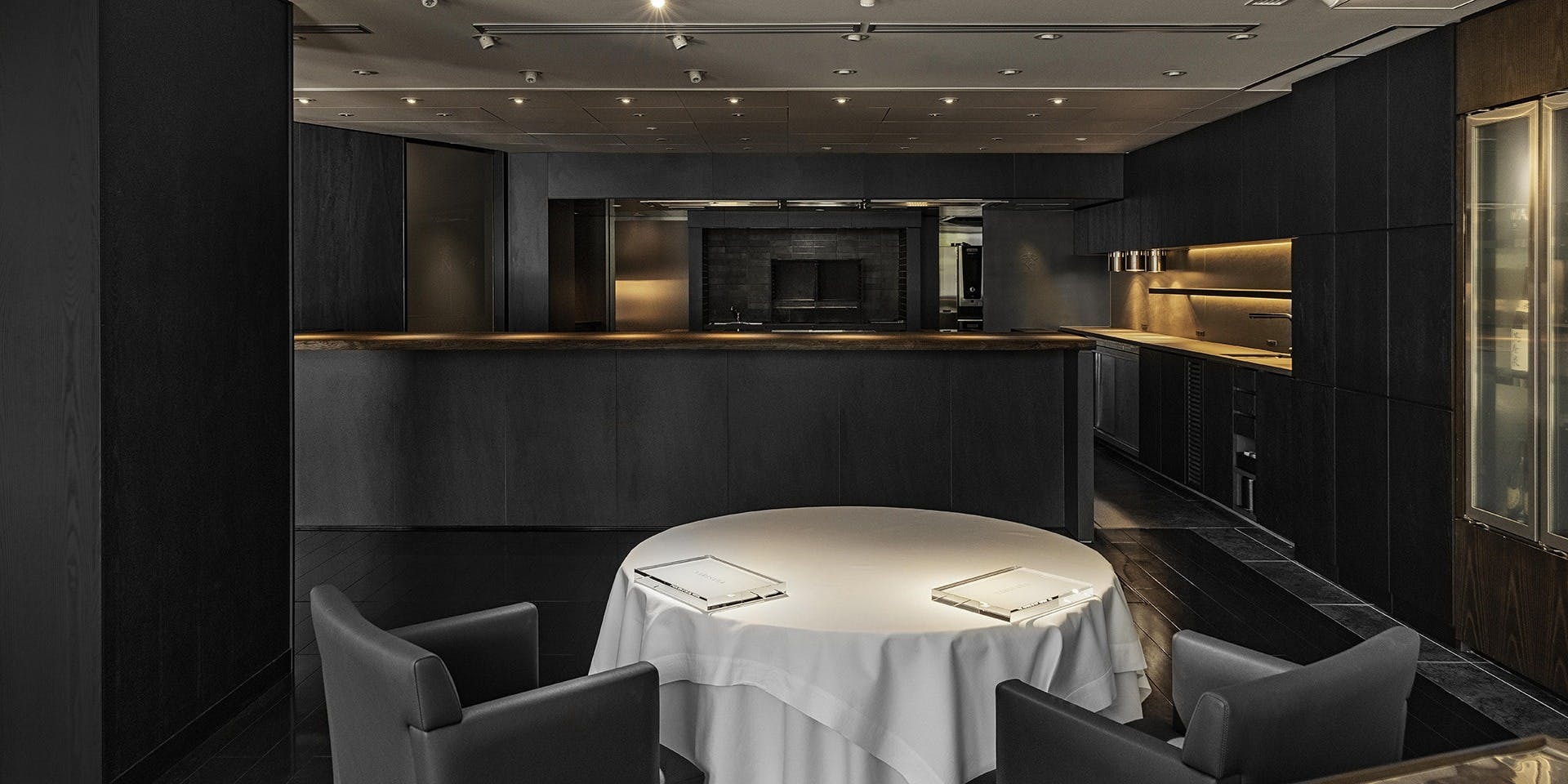
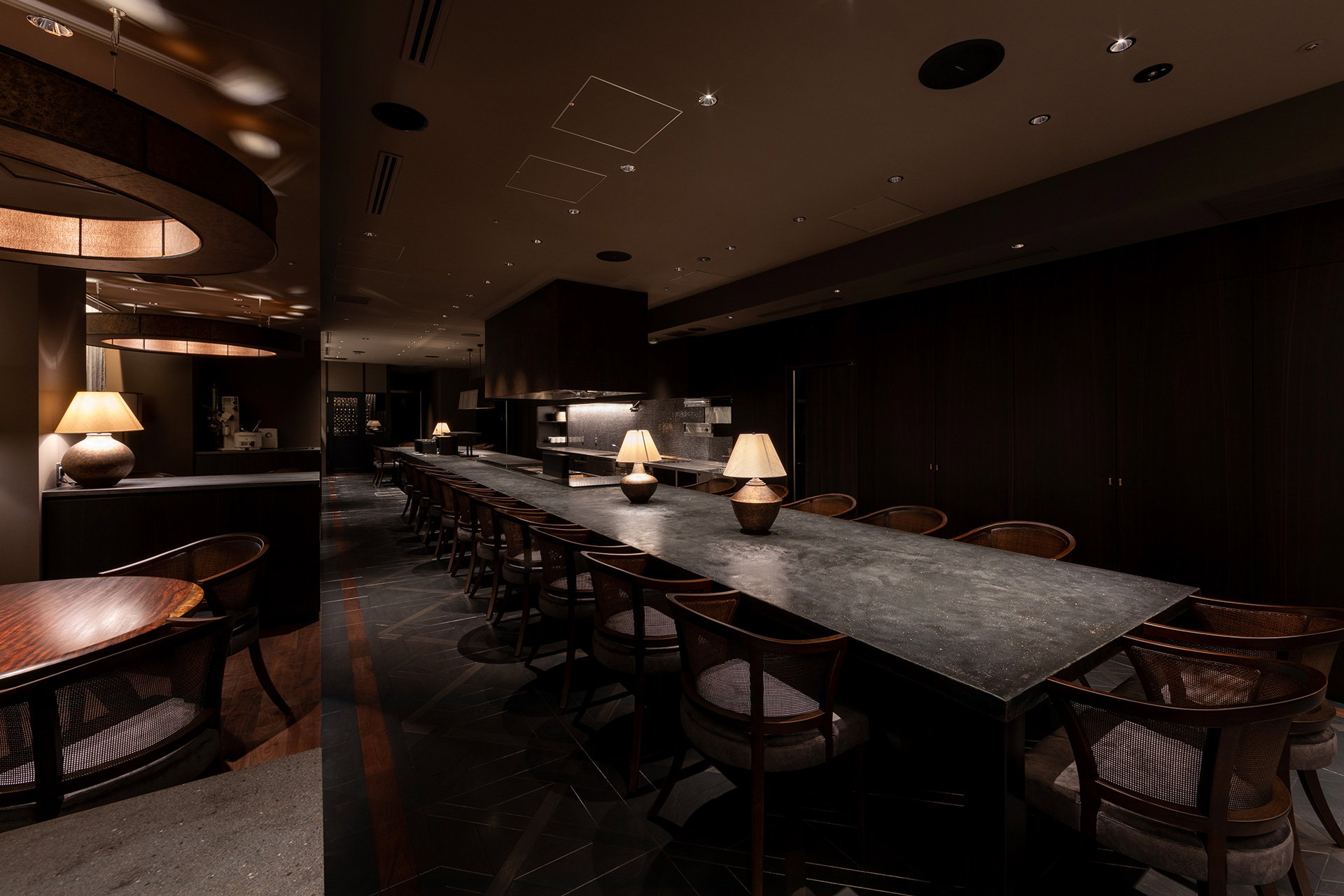
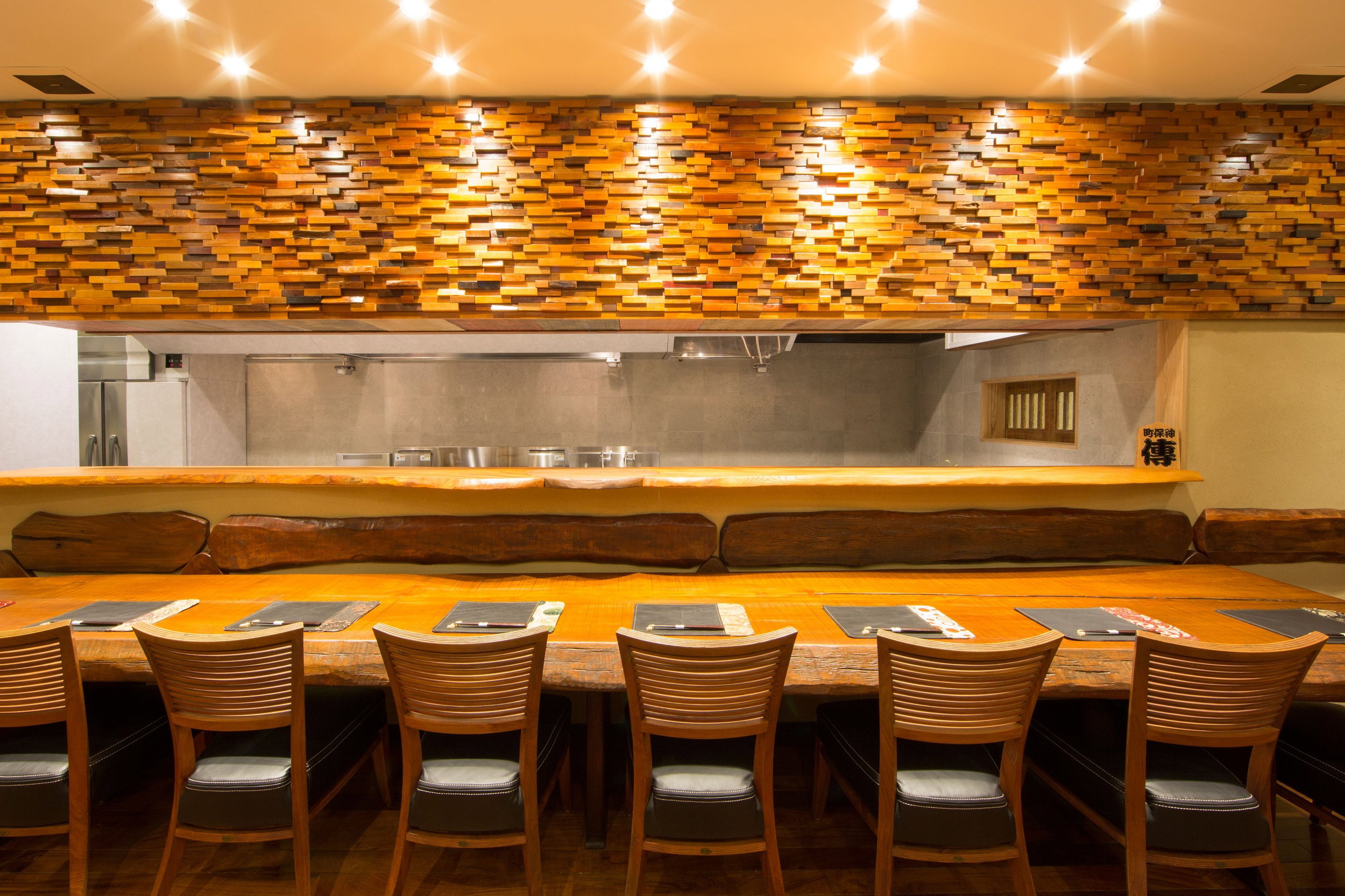
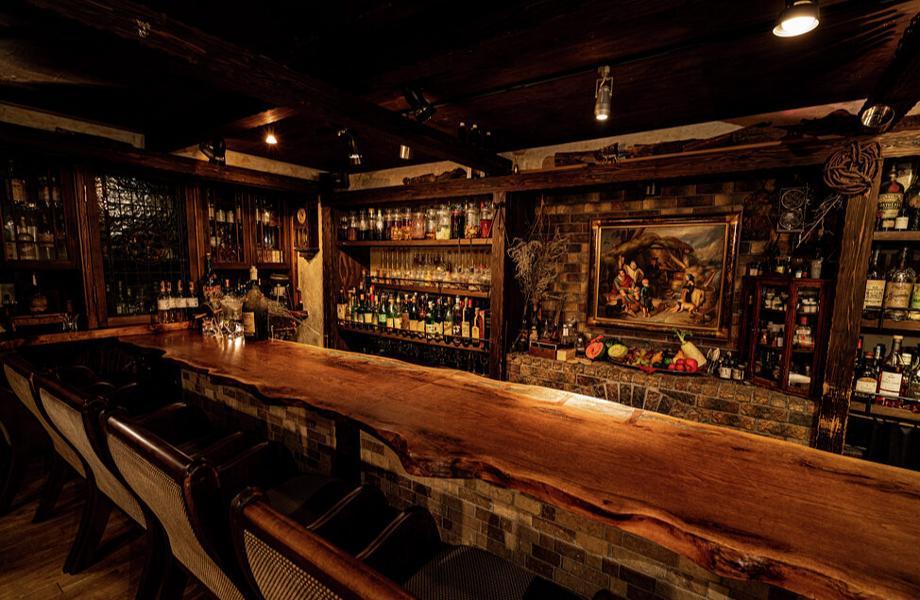
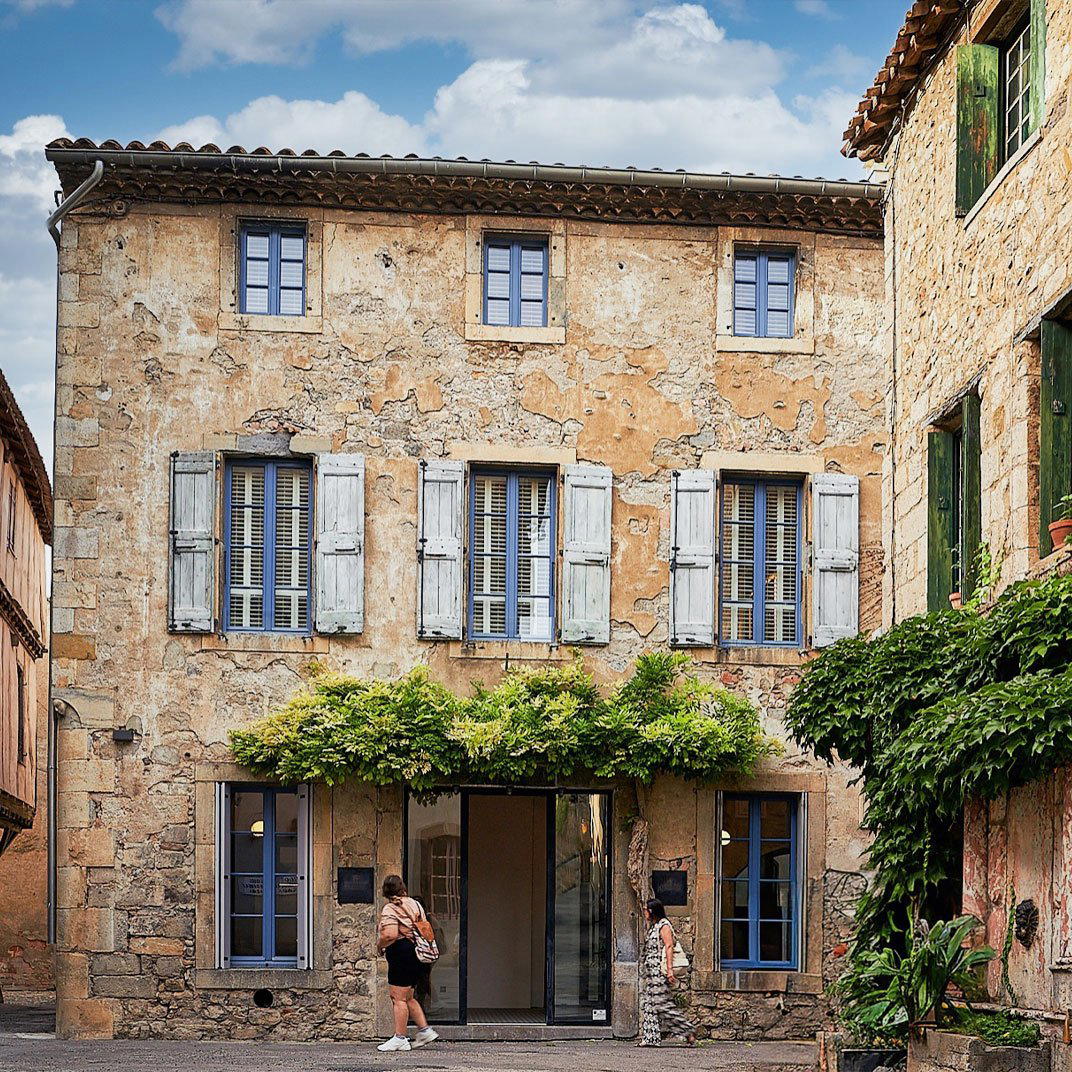
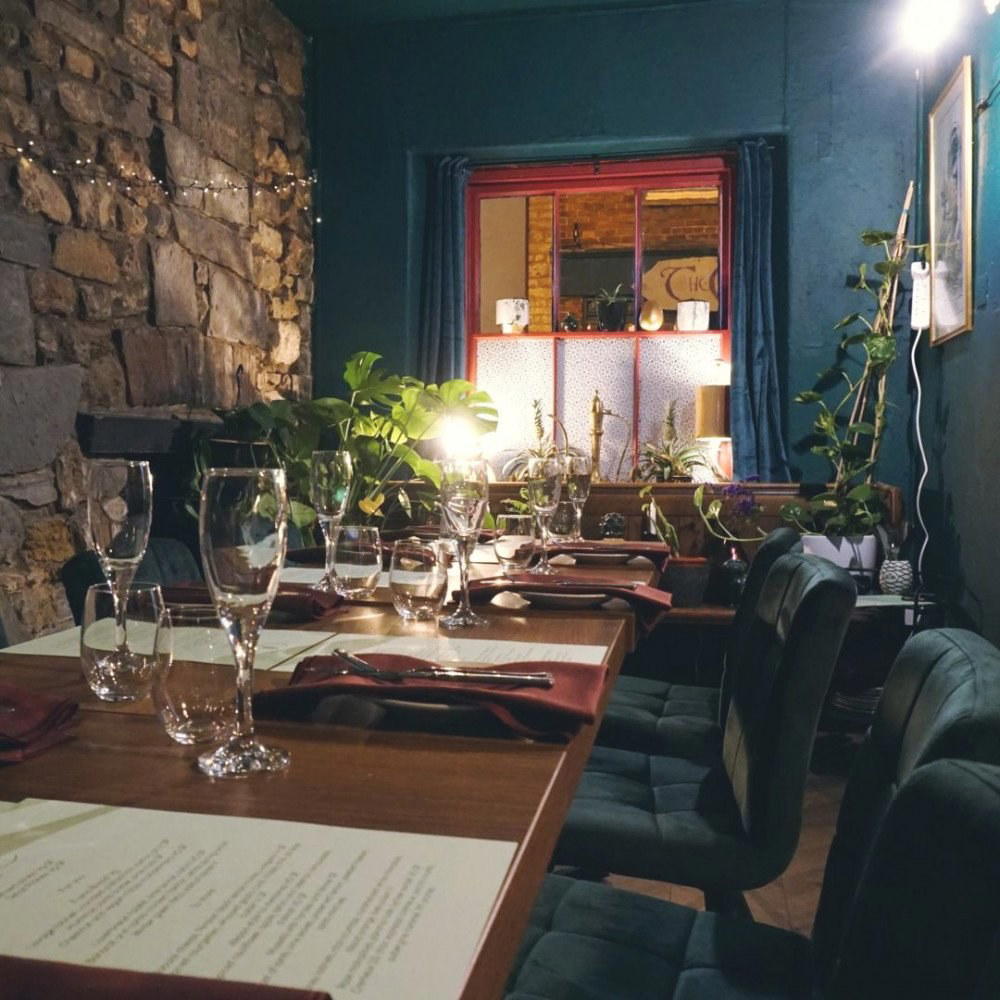
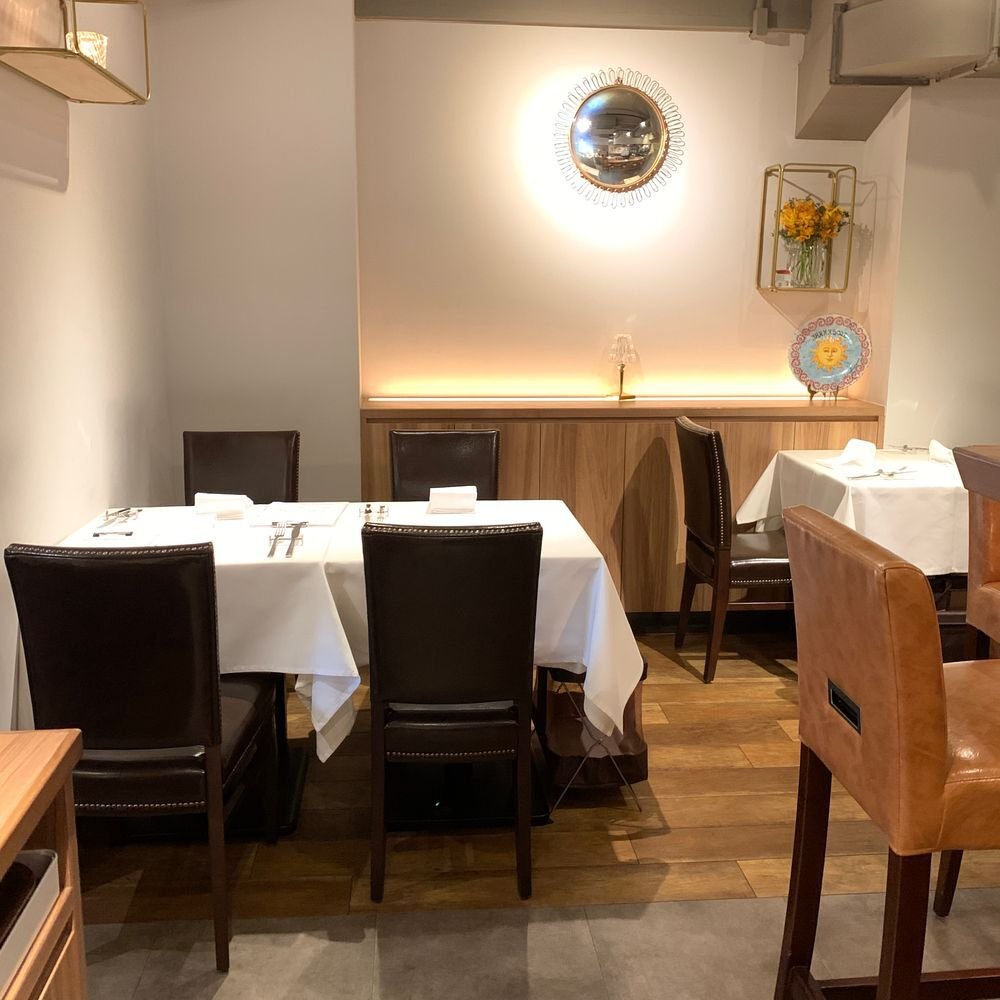
BRAMASOLE occupies the ground floor of a quiet building in Jingumae, Shibuya, in the kind of residential pocket of Omotesando that feels removed from the avenue's retail noise. The address puts it in a neighbourhood where small, owner-operated restaurants tend to run on repeat custom and word of mouth rather than foot traffic. Expect a compact, calm room, the energy here is unhurried rather than charged, closer to a neighbourhood trattoria in feel than a buzzy Tokyo Italian destination. The ambient mood suits conversation. This is not the venue if you want a lively group table with a lot of energy in the room; it is the venue if you want to actually talk.
The Menu: Regional Italian With Real Range
The menu reflects chef Reyes's training across Italy rather than a single regional template. The oven-baked aubergine and tomato comes from time spent in Sicily; the pasta in beef and pork ragù is drawn from Emilia-Romagna. That geographic breadth is the point of difference here. Most Italian restaurants in Tokyo default to a generic central Italian register, lots of carbonara and bistecca, or lean fully into one region. BRAMASOLE's kitchen moves between north and south, which gives the à la carte menu a broader range than its size might suggest.
The format is primarily à la carte, which is the right call for a ¥¥ venue at this level. It lets you order to your appetite and budget rather than committing to a fixed progression. Pasta comes in long and short formats depending on preference, which is a practical detail worth knowing if you have strong opinions about pasta shape. For food enthusiasts who read menus closely, the regional signposting on each dish is a useful guide to what you are actually eating and where it came from.
Chef Jose Reyes and the Approach
Reyes trained across multiple Italian regions, and the menu is a direct record of that itinerary. The approach here is documentary rather than interpretive: the dishes represent what he learned in specific places, not a fusion or reinterpretation. For diners who want to understand Italian cuisine with some geographic and historical context rather than just eat generically good pasta, that framing makes BRAMASOLE more interesting than its price tier might imply.
Groups and Private Dining
BRAMASOLE's format and scale, a ground-floor space in a residential Jingumae building, à la carte service, a calm room, points to a venue that handles small groups well but is not configured for large private dining in the way that a dedicated private room or event-focused restaurant would be. For two to four guests, this is a comfortable fit. For larger parties, contact the restaurant directly to confirm capacity before booking, as seat count is not publicly confirmed. The à la carte format works in your favour for groups because it removes the fixed-menu constraint and lets the table order across the full regional range of the menu. If private dining with a dedicated room is a requirement for your occasion, venues such as Aroma Fresca or Gucci Osteria da Massimo Bottura Tokyo offer more formal private dining infrastructure at a higher price tier.
Booking and Getting There
Booking difficulty is rated Easy. BRAMASOLE does not carry the months-long lead time of Tokyo's ¥¥¥¥ Italian tier. A week's notice should be sufficient in most cases, though weekends will tighten that window. The venue is in Jingumae, Shibuya, a short walk from Harajuku or Meiji-Jingumae stations. Hours and a direct booking method are not confirmed in available data, so check current availability through Google or a booking aggregator before visiting.
How It Compares: Practical Table
| Venue | Cuisine | Price | Booking Difficulty | Leading For |
|---|---|---|---|---|
| BRAMASOLE | Italian | ¥¥ | Easy | Regional Italian, casual couples, food-curious diners |
| Aroma Fresca | Italian | ¥¥¥¥ | Moderate | Formal Italian, private dining, special occasions |
| Gucci Osteria da Massimo Bottura Tokyo | Italian | ¥¥¥¥ | Hard | Occasion dining, Italian with international profile |
| PRISMA | Italian | ¥¥¥ | Moderate | Contemporary Italian, mid-splurge |
| Principio | Italian | ¥¥¥ | Moderate | Italian in a refined setting |
Pearl Picks: More to Explore
If Italian in Tokyo is your focus, AlCeppo is another option worth comparing at the mid-price tier. For Italian elsewhere in Japan, cenci in Kyoto takes a more seasonal, produce-led approach, while 8½ Otto e Mezzo Bombana in Hong Kong is the regional benchmark for Italian fine dining if you are travelling more broadly. For the wider Tokyo dining picture, see our full Tokyo restaurants guide, and for other parts of Japan: HAJIME in Osaka, Gion Sasaki in Kyoto, akordu in Nara, Goh in Fukuoka, 1000 in Yokohama, and 6 in Okinawa. For everything else in Tokyo: hotels, bars, wineries, and experiences.
FAQ
Can BRAMASOLE accommodate groups?
- Small groups of two to four are well suited to the format and room size.
- For larger parties, contact the restaurant directly, seat count is not publicly confirmed, and the ground-floor space in Jingumae suggests limited total capacity.
- The à la carte menu is an advantage for groups, as it avoids a fixed-menu constraint and allows the table to order across different regional dishes.
Does BRAMASOLE handle dietary restrictions?
- The menu spans both meat-based dishes (beef and pork ragù) and vegetable-forward options (oven-baked aubergine and tomato), so there is some range for non-meat eaters.
- For specific allergen or dietary requirements, contact the restaurant before booking, no formal dietary policy is confirmed in available data.
- A website and phone number are not publicly listed, so approach via Google Maps or a booking platform for direct contact.
What should I order at BRAMASOLE?
- The oven-baked aubergine and tomato is a Sicilian-derived dish and a good indicator of the kitchen's approach to southern Italian cooking.
- The pasta in beef and pork ragù represents the Emilia-Romagna side of the menu, the region that produced Bolognese and a broad tradition of slow-cooked meat sauces.
- The option to choose long or short pasta format is worth using deliberately: long pasta carries ragù differently to short, so pick based on what you want texturally.
What are alternatives to BRAMASOLE in Tokyo?
- For Italian at a higher price tier with formal service, Aroma Fresca is the benchmark ¥¥¥¥ option.
- Gucci Osteria da Massimo Bottura Tokyo is the most internationally profiled Italian in the city, but it books hard and prices accordingly.
- PRISMA and Principio sit at ¥¥¥, worth considering if you want something between BRAMASOLE's casual register and the top tier.
- For Italian outside Tokyo, cenci in Kyoto is the strongest regional alternative.
Is BRAMASOLE good for a special occasion?
- Yes, with the right expectations. It is well suited to an intimate dinner for two where food quality and regional specificity matter more than formal ceremony.
- The calm, unhurried atmosphere makes it a good fit for a birthday dinner or anniversary where you want to focus on the meal and each other, not the room.
- For occasions that require private dining, a dedicated room, or a higher formality register, Aroma Fresca is a better fit at a higher price point.
Is BRAMASOLE worth the price?
- At ¥¥, the value case is strong. The regional range of the menu, Sicily to Emilia-Romagna, reflects genuine culinary investment that is unusual at this price tier in Tokyo.
- Compared to Tokyo's ¥¥¥¥ Italian options, BRAMASOLE gives you more of a personal, focused experience at a fraction of the price. You give up formal service and a refined room in exchange, a trade most food-curious diners will find worthwhile.
Planning details
- Location
- Japan, 〒150-0001 Tokyo, Shibuya, Jingumae, 3 Chome−42−5 スピナッチヒル 1F
- Phone
- +81 3-6434-0615
The take
The Take
The Vibe
Bramasole presents itself as a quietly confident neighbourhood trattoria in Jingumae rather than a stage for spectacle. Occupying a ground-floor room in a residential-commercial block, it favors geographic specificity and disciplined regional cooking over flamboyant presentation. The tone is restrained and unshowy: mid-price, built for repeat custom, and calibrated to the pace of its surroundings. Diners find focused, regionally minded Italian food in an atmosphere that feels calm, considered and approachable rather than theatrical. It reads like a local table that rewards attention to provenance and technique without demanding ceremony.
Best For
This is a spot for diners who want regional Italian cooking in a relaxed, neighbourhood setting. Because Bramasole sits at a mid-price point and emphasizes provenance over pageantry, it suits evening meals where the food is the focus—especially dinners shared with someone who appreciates regional pasta and roast dishes. The restaurant’s reliance on repeat custom makes it comfortable for regular visits and casual after-work meals as well as quieter date nights. It is less about spectacle and more about steady, thoughtfully sourced cooking in Jingumae.
Ordering Tips
Lean into the menu’s regional signals when ordering: start with shareable plates that showcase regional technique and flavors, then move to pasta and a roasted main. The signature items—Panelle, Spaghettini with karasumi, and Roast Lamb—are clear touchstones of the kitchen’s approach and make a reliable route through a meal. Share starters and pasta to sample textures and provenance across the menu, and reserve the roast lamb as a more substantial finish for two or more diners. Expect restrained, ingredient-forward preparations rather than theatrical embellishment.
Venue details
Ambiance
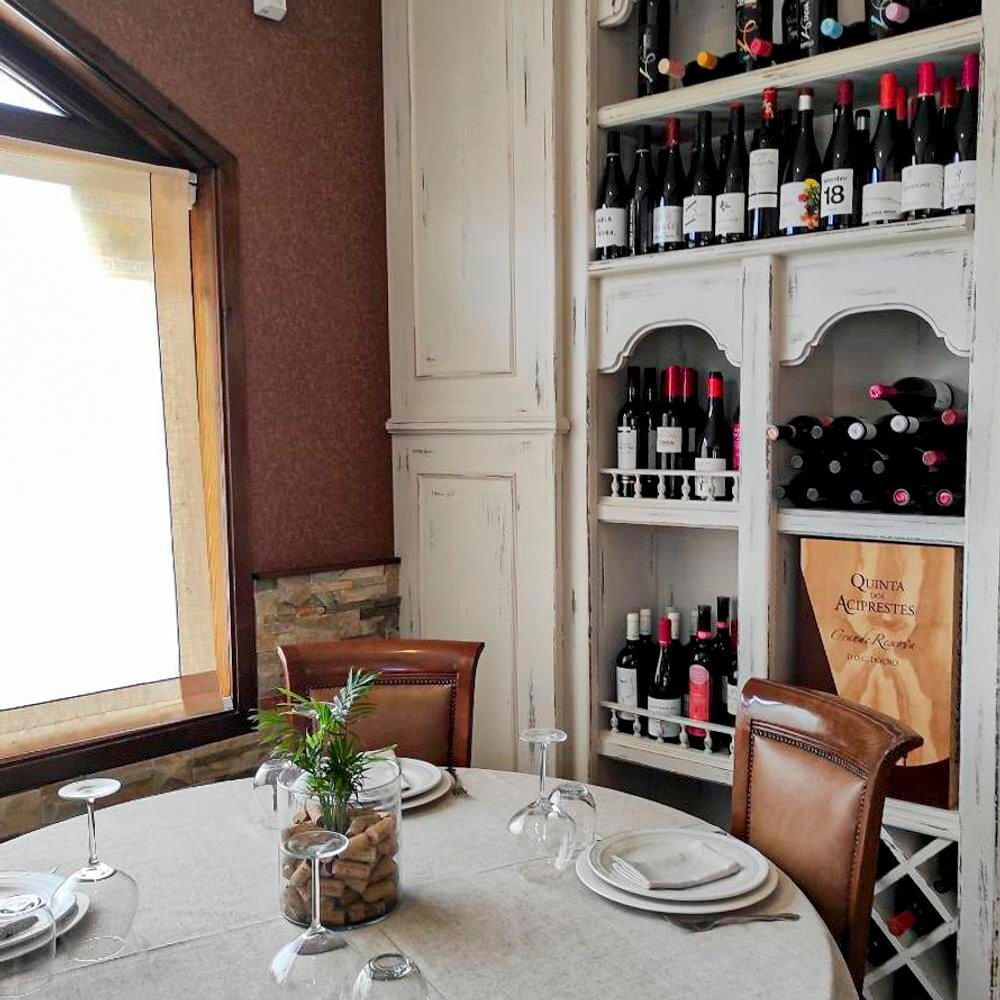
Warm and inviting with a cozy, intimate atmosphere featuring warm lighting and Tuscan-inspired decor, perfect for relaxed conversations at the counter.
Tags
Vibe
Best For
At the Table
- Dress Code
- Smart Casual
- Noise Level
- Quiet
- Service Style
- Upscale Casual
- Meal Pacing
- Leisurely
- Capacity
- Intimate
- Kitchen
- Traditional
- Menu Format
- A la carte
- Wine Program
- Curated
- Drinks Focus
- Italian wine
- Dietary
- Allergy accommodating
Signature Dishes
- Panelle
- Spaghettini with Karasumi
- Roast Lamb
Know before you go
Know Before You Go
- Getting there
- Japan, 〒150-0001 Tokyo, Shibuya, Jingumae, 3 Chome−42−5 スピナッチヒル 1F
Planning details
Location
Japan, 〒150-0001 Tokyo, Shibuya, Jingumae, 3 Chome−42−5 スピナッチヒル 1F · Directions
Recognition and awards
Also consider
Also Consider
- Harutaka, Sushi, ¥¥¥¥
- L'Effervescence, French, ¥¥¥¥
- RyuGin, Kaiseki, Japanese, ¥¥¥¥
- HOMMAGE, Innovtive French, French, ¥¥¥¥
- Crony, Innovative, French, ¥¥¥¥
Restaurant context
BRAMASOLE sits at ¥¥ while virtually every high-profile competitor in Tokyo's serious dining tier runs at ¥¥¥¥. That gap matters for decision-making. L'Effervescence and HOMMAGE both operate at the ¥¥¥¥ level with full tasting-menu formats, significant booking lead times, and a formal service register that BRAMASOLE does not attempt to replicate. If your priority is technical precision and a structured progression through a chef's full vision, those venues deliver it, but you will pay four times as much and book weeks or months in advance. BRAMASOLE's case is different: it is asking you to invest in regional specificity and personal cooking at an accessible price, not to compete with Tokyo's high-formality European dining tier.
Against the city's Japanese-cuisine stalwarts, the comparison is even more distinct. Harutaka and RyuGin are at ¥¥¥¥ with booking difficulty that reflects their international reputations. Crony sits at ¥¥¥¥ with an innovative French approach that is conceptually further from BRAMASOLE than the price gap alone suggests. These are not direct alternatives, they serve a different decision entirely. If you are in Tokyo for a week and allocating one serious dinner, those venues compete for that slot. BRAMASOLE is better framed as the right answer for a second or third meal, or for a visitor who wants Italian done with some genuine knowledge rather than another kaiseki or omakase progression.
Within the Italian category specifically, BRAMASOLE's closest direct competition comes from Aroma Fresca at ¥¥¥¥ and Gucci Osteria da Massimo Bottura Tokyo at ¥¥¥¥. Both offer more formal infrastructure, private dining options, and a higher-profile room. If budget is not a constraint and you want Italian for a major occasion with full-service ceremony, book one of those instead. But if you want to eat regional Italian cooked by someone who spent time in the places the food comes from, at a price that does not require budgeting around it, BRAMASOLE is the more practical answer.
Explore Tokyo
Around this place
Discover more on Pearl
Unlock the full BRAMASOLE guide in Pearl, including awards, comparisons, FAQs, planning details, and nearby places.
Compare BRAMASOLE
| Venue | Awards | Price |
|---|---|---|
| BRAMASOLE | 2026 Bib Gourmand2024 Michelin Bib Gourmand | ¥¥ |
| Harutaka | 2026 Tabelog Silver · #312026 OAD Top Restaurants in Japan Ranked · #1282026 Michelin 3 Stars2026 La Liste Top RestaurantsTabelog 100 - Sushi - TOKYO - 2025 · #372025 Asia's 50 Best Restaurants · #762025 OAD Top Restaurants in Japan Ranked · #1172025 La Liste Top Restaurants2025 Tabelog Bronze | ¥¥¥¥ |
| L'Effervescence | 2026 Tabelog Silver · #682026 OAD Top Restaurants in Japan Ranked · #103Star Wine Lists 20262026 Black Pearl 2 Diamond2026 Relais Chateaux Restaurants2026 La Liste Top Restaurants2026 Michelin 3 Stars2025 Asia's 50 Best Restaurants · #692025 OAD Top Restaurants in Japan Ranked · #92 | ¥¥¥¥ |
| RyuGin | 2026 OAD Top Restaurants in Japan Ranked · #802026 Tabelog Bronze · #3772026 Michelin 3 Stars2026 La Liste Top RestaurantsTabelog 100 - Japanese cuisine - TOKYO - 2025 · #212025 OAD Top Restaurants in Japan Ranked · #542025 Michelin 3 Stars2025 La Liste Top Restaurants2025 The Best Chef Three Knives | ¥¥¥¥ |
| HOMMAGE | 2026 Tabelog Bronze · #1232026 OAD Top Restaurants in Japan Highly Recommended2026 Michelin 2 StarsTabelog 100 - French - TOKYO - 2025 · #762025 Asia's 50 Best Restaurants · #782025 OAD Top Restaurants in Japan Ranked · #1752025 Michelin 2 Stars2025 The Best Chef One Knife2025 La Liste Top Restaurants | ¥¥¥¥ |
| Crony | 2026 Asia's 50 Best Restaurants · #34Star Wine Lists 20262026 OAD Top Restaurants in Japan Recommended2026 Michelin 2 Stars2025 Asia's 50 Best Restaurants · #30Tabelog 100 - French - TOKYO - 2025 · #782025 OAD Top Restaurants in Japan Ranked · #227We're Smart World Top Restaurants 20252025 Michelin 2 Stars | ¥¥¥¥ |















How BRAMASOLE stacks up against the competition.
FAQ
Frequently Asked Questions
Can BRAMASOLE accommodate groups?
Small groups of two to four are the sweet spot here. The ground-floor space in Jingumae is compact and the à la carte format works well for groups who want to share dishes across regional Italian styles. For larger parties of six or more, check availability directly — this is not a venue built around private dining or banquet formats.
Does BRAMASOLE handle dietary restrictions?
The menu is rooted in traditional Italian regional cooking — oven-baked aubergine and tomato from Sicily, pasta in beef and pork ragù from Emilia-Romagna — so meat and dairy feature prominently. Vegetarians will find options on the à la carte menu, but strict vegans or guests with complex restrictions should contact the restaurant ahead of the visit. No dietary accommodation policy is confirmed in available records.
What should I order at BRAMASOLE?
The oven-baked aubergine and tomato and the pasta in beef and pork ragù are the two dishes that most directly reflect chef Reyes's regional Italian training — one from Sicily, one from Emilia-Romagna — and are the clearest reason to come here specifically. The à la carte format lets you build a meal around both, so ordering multiple pasta dishes across long and short formats is a sensible approach.
What are alternatives to BRAMASOLE in Tokyo?
At a higher price point, HOMMAGE in Tokyo takes a Franco-Japanese approach rather than Italian but competes for the same food-focused, mid-evening dining occasion. For Italian specifically, AlCeppo is a comparable mid-tier option worth comparing. If you're open to travel, cenci in Kyoto is the reference point for serious Italian cooking in Japan at a higher tier.
Is BRAMASOLE good for a special occasion?
Yes, for the right kind of occasion — an intimate dinner for two or a small group meal where the food is the point. At ¥¥ pricing, it won't carry the ceremonial weight of a ¥¥¥¥ tasting-menu restaurant, but the regional specificity of chef Reyes's cooking gives the meal a sense of intention that generic Italian restaurants in Tokyo lack. Manage expectations on room scale: this is a quiet ground-floor space, not a grand dining room.
Is BRAMASOLE worth the price?
At ¥¥, yes — the price-to-cooking ratio is one of the stronger cases for Italian in Tokyo. Chef Reyes trained across multiple Italian regions and the menu documents that directly, which is a different proposition from most Tokyo Italian restaurants operating at this price tier. If you want an à la carte Italian meal with genuine regional range without committing to a ¥¥¥¥ tasting menu, BRAMASOLE is a sound call.