.png?width=1200&quality=80)
Bistrot Vivienne
French · Chūō, Tokyo
Restaurant in Tokyo, Japan
 Book with Pearl
The Read
Regional French, Sommelier-Led
Price
$100–150per person
Dress
Smart Casual
Why go
A Michelin Bib Gourmand recipient in Ginza's French dining corridor, Bistrot Vivienne offers a rare low-ceremony alternative to the arrondissement's tasting-menu tier. The kitchen leans into regional French charcuterie, cassoulet, and wine-braised beef cheek, while the wine list maps every French region with a matching philosophy. Chef Alain Poletto and a sommelier partner keep the focus on the everyday rather than the spectacular.
About Bistrot Vivienne
Is Bistrot Vivienne worth booking in Tokyo?
Yes, and it earns that answer clearly. At a ¥¥ price point in one of the world's most expensive dining cities, this is the address to know.
What to Expect
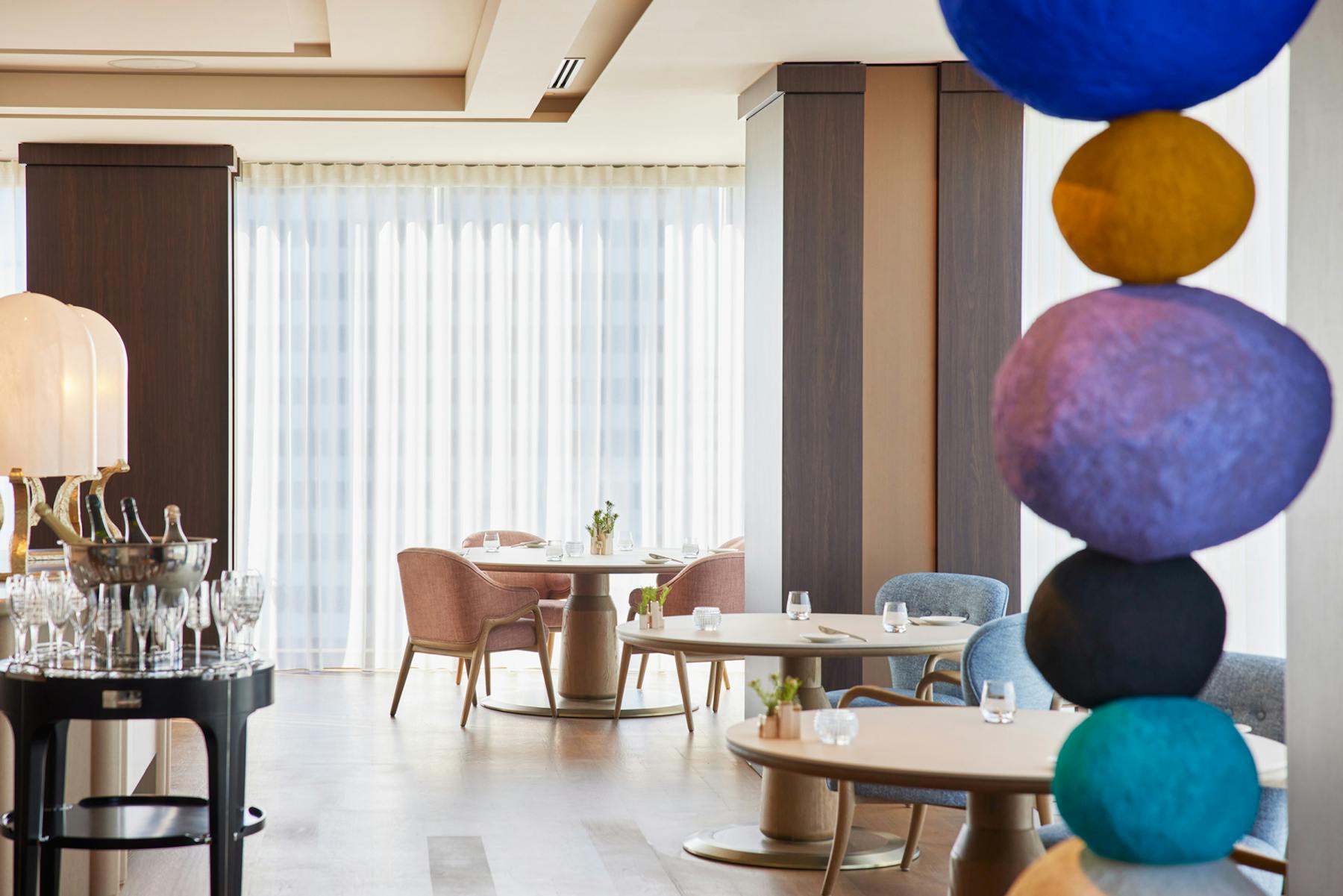
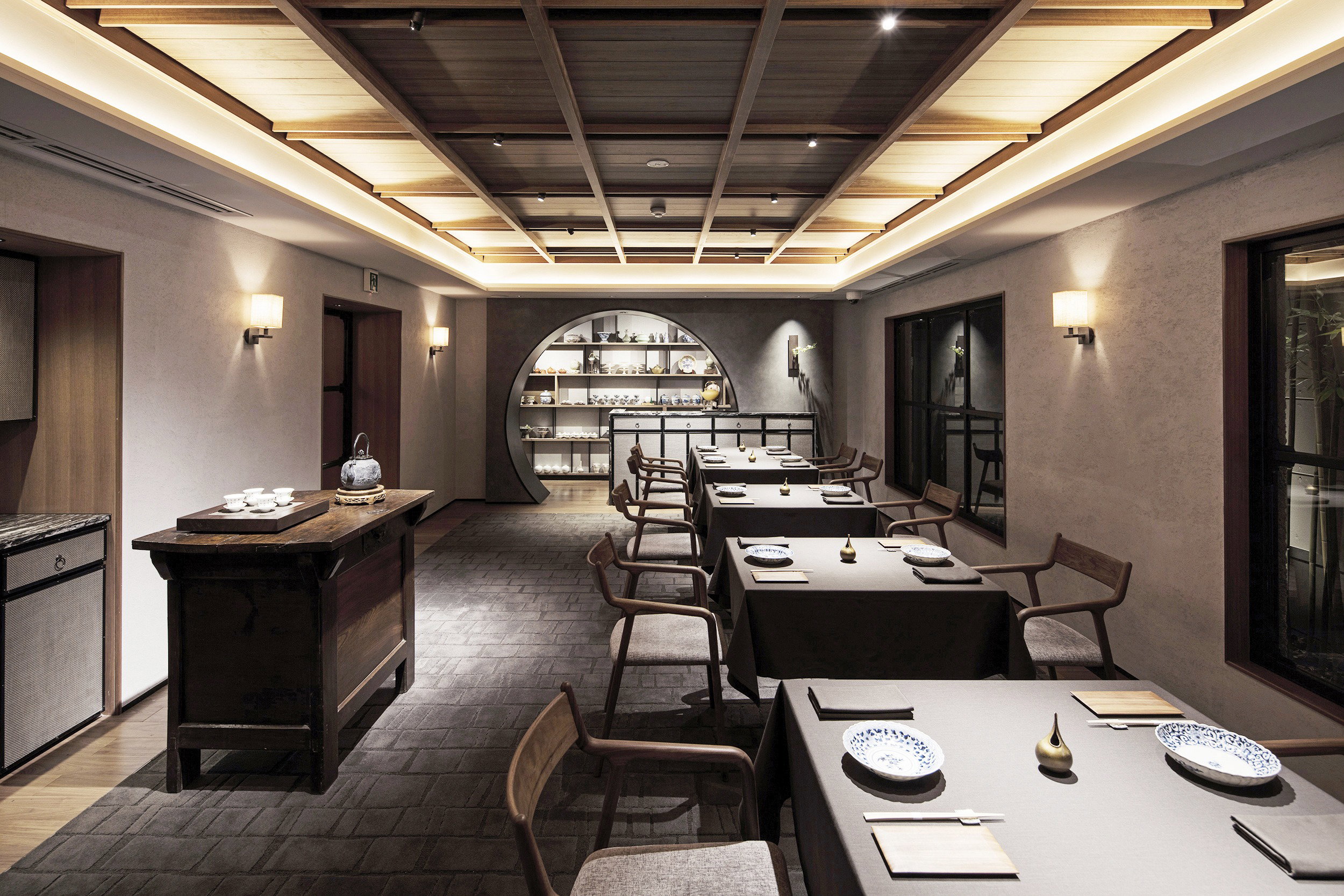
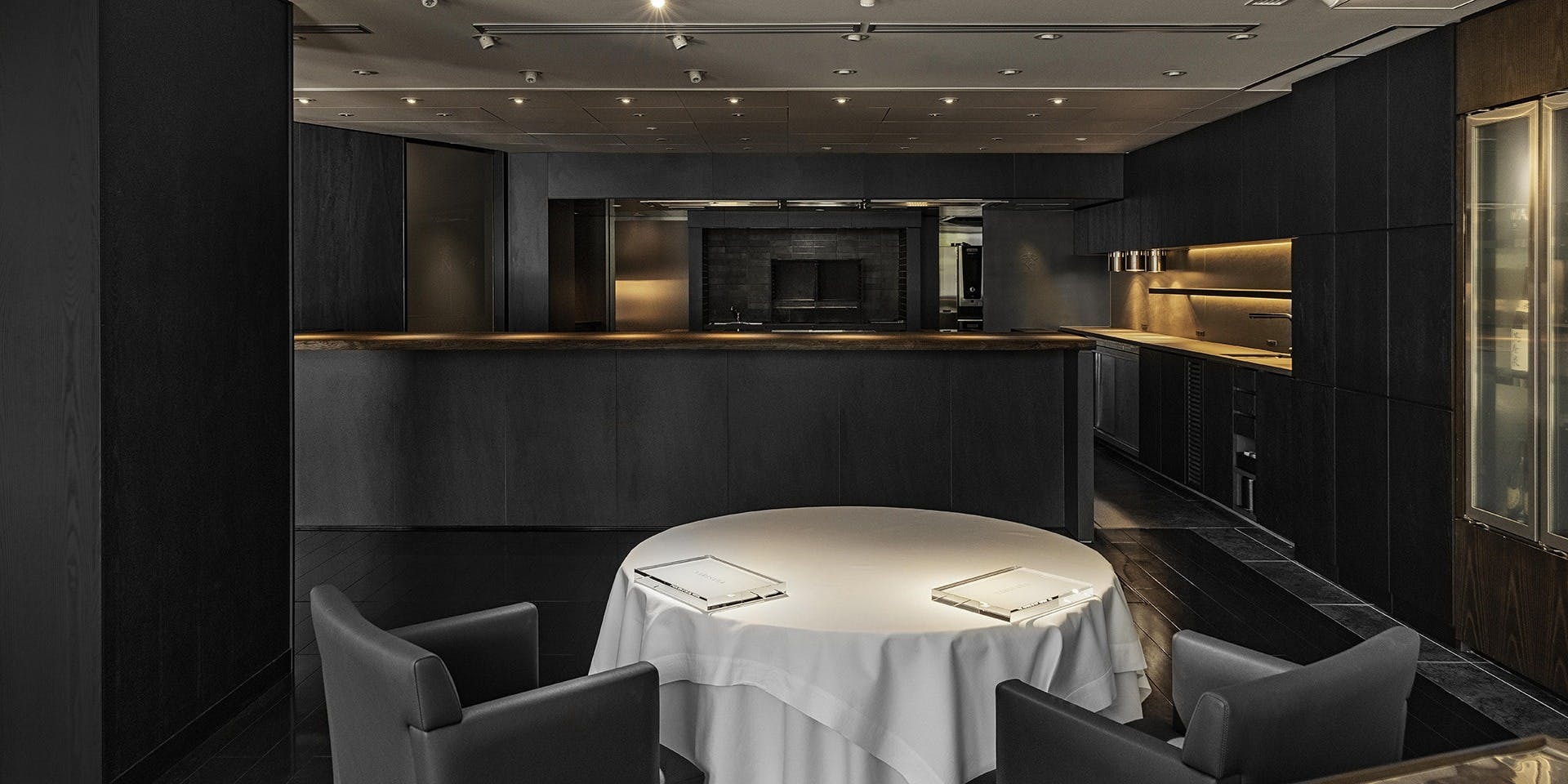
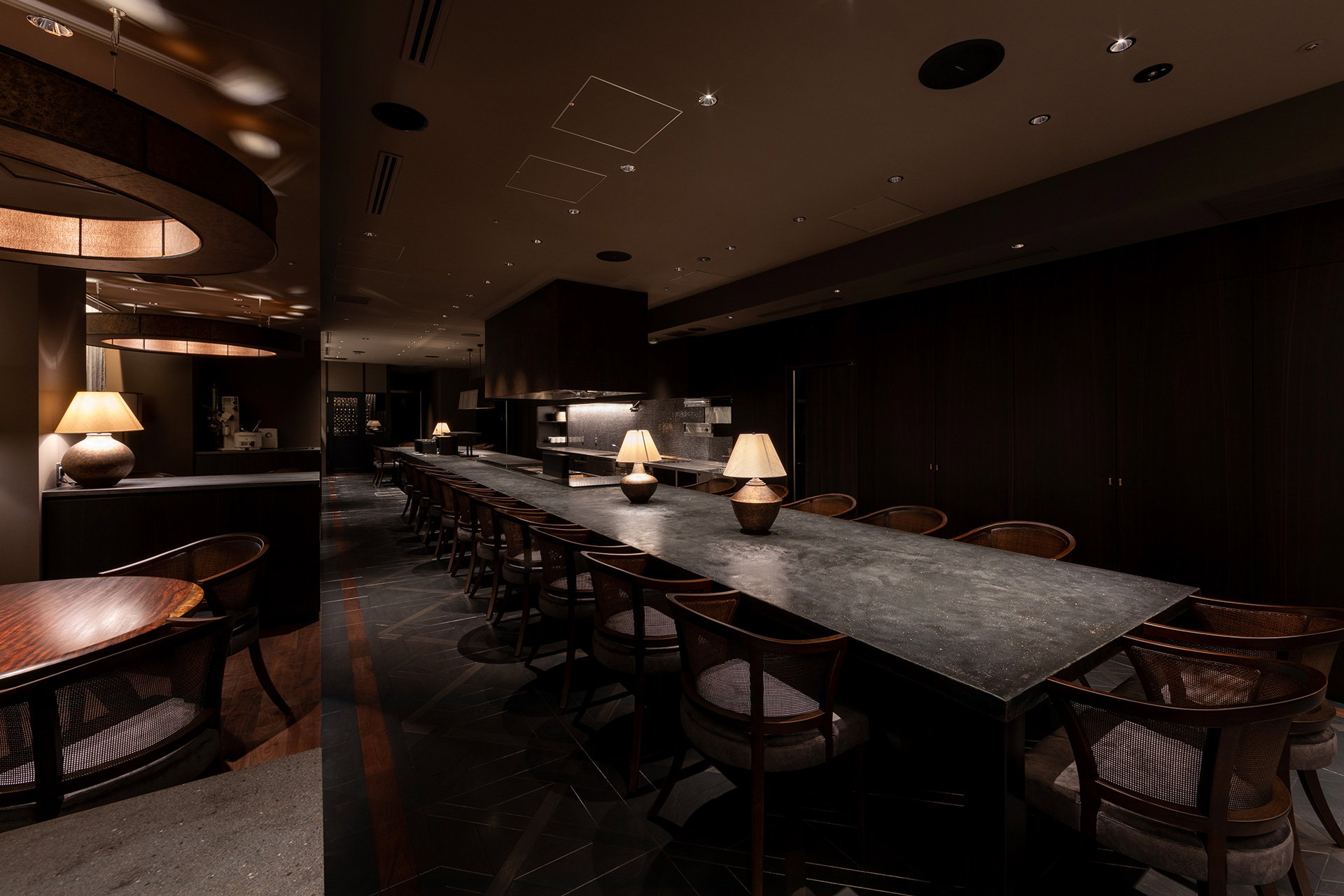
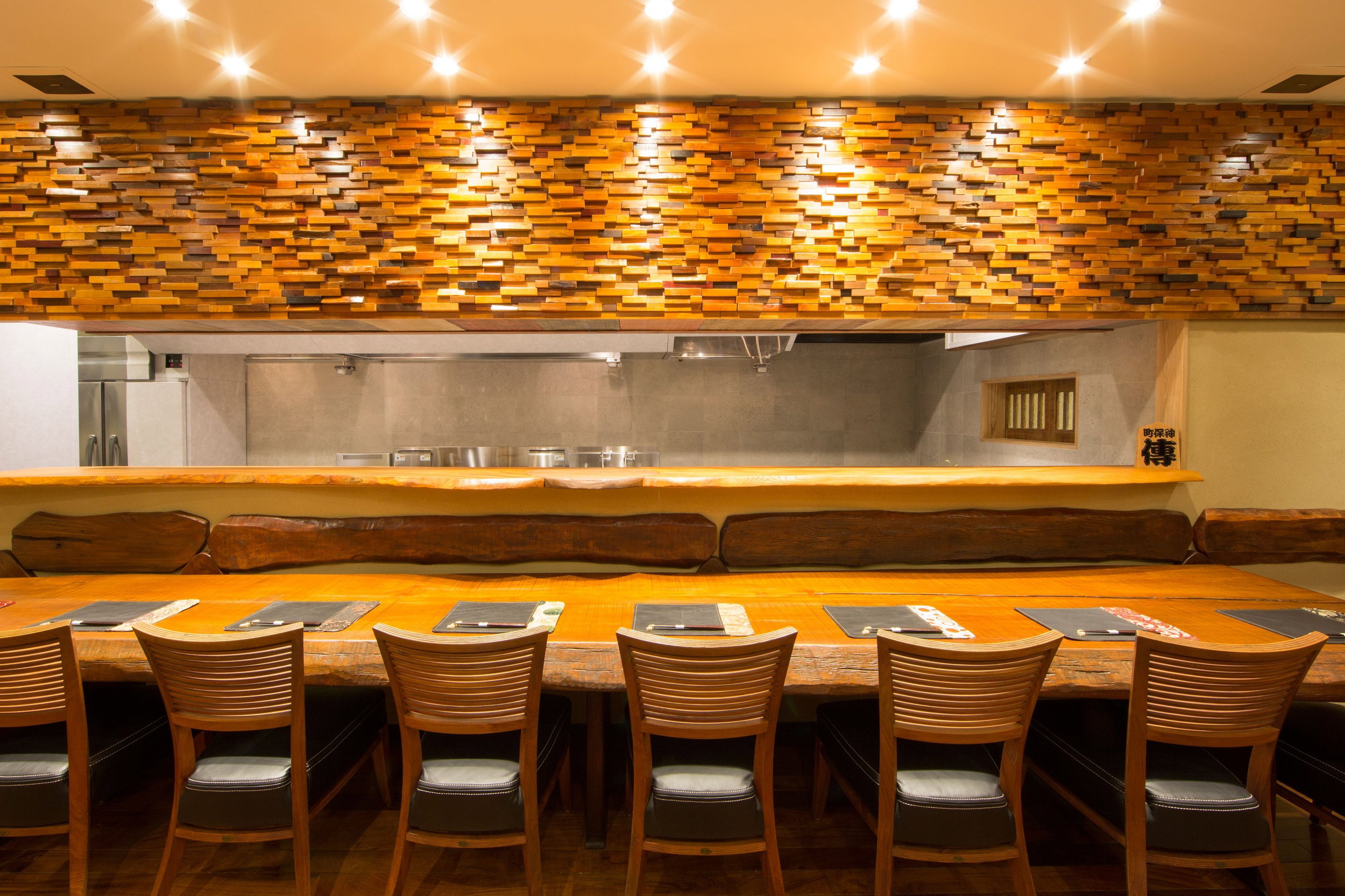
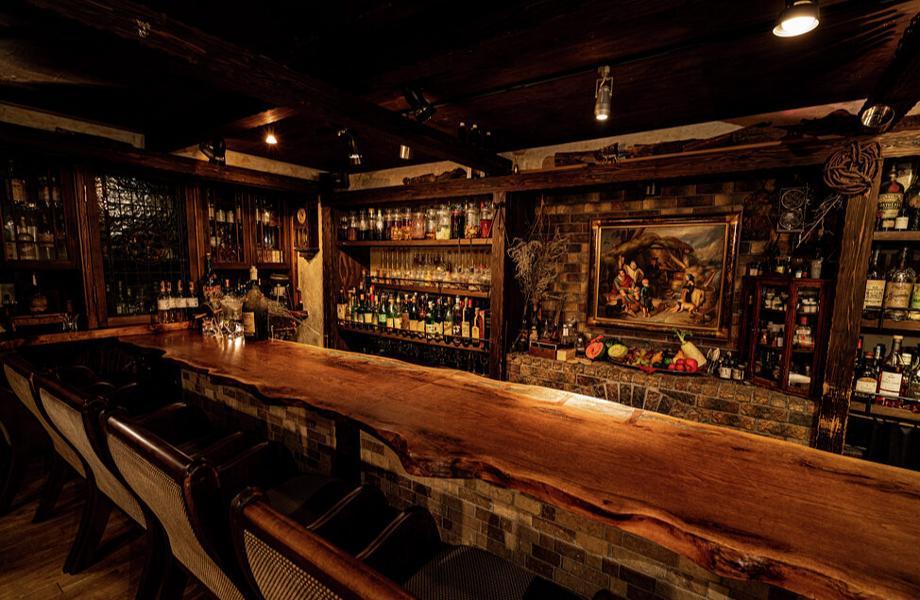
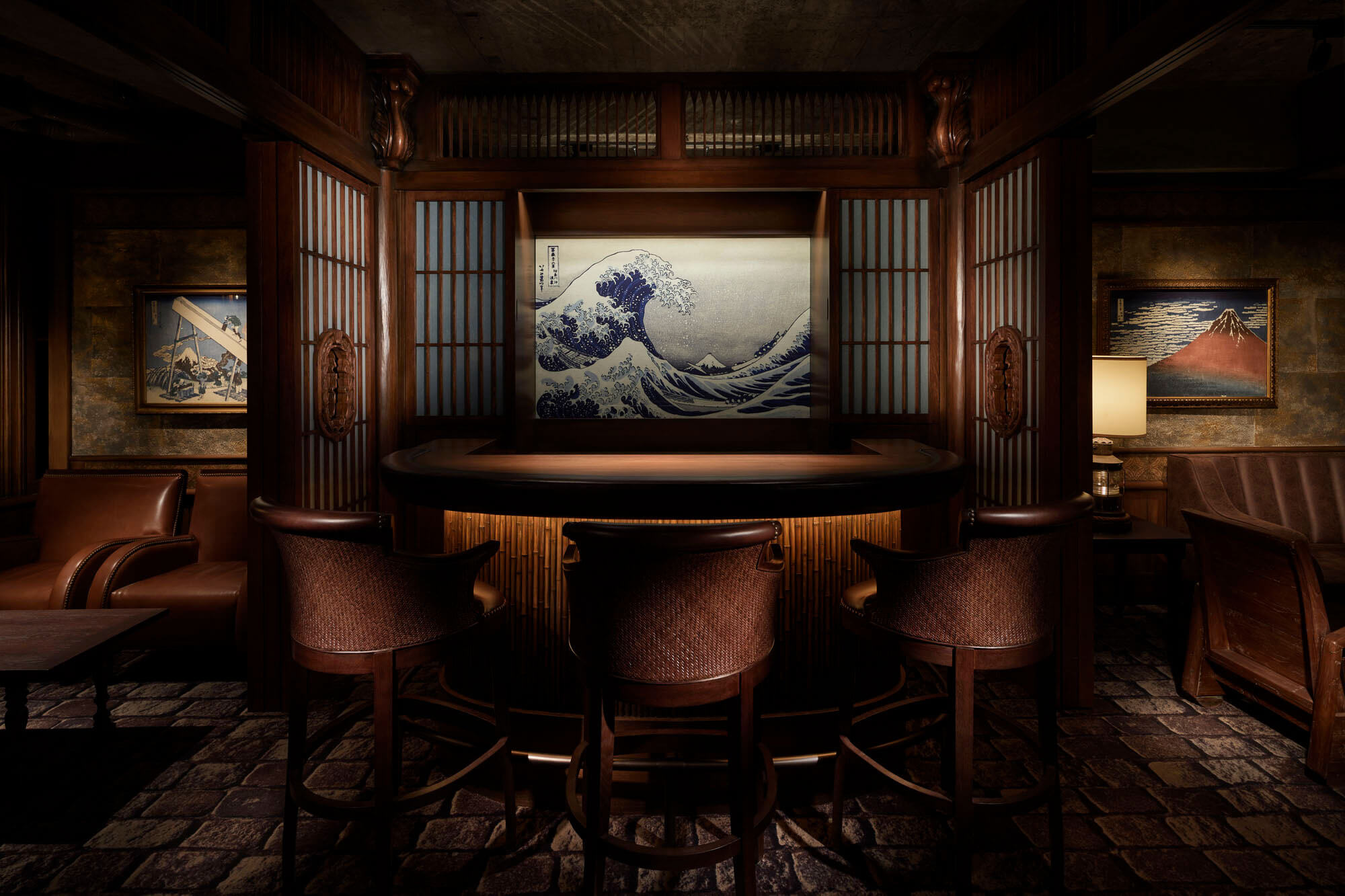
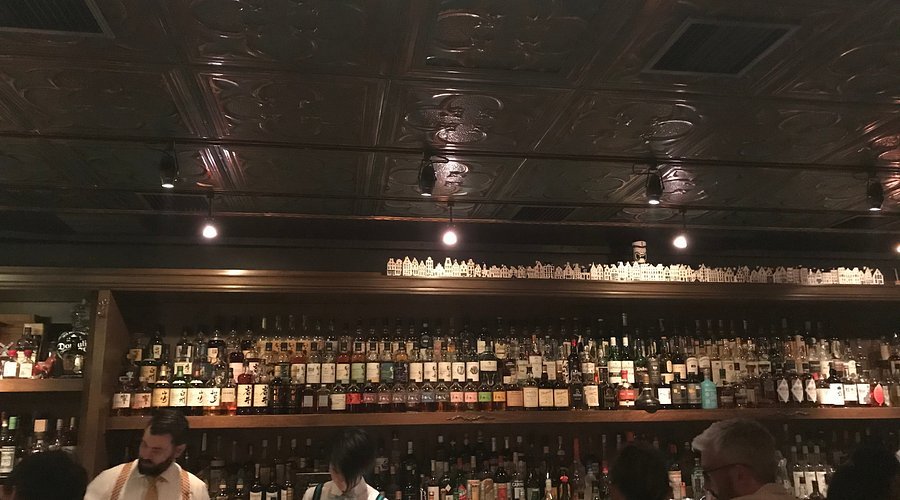
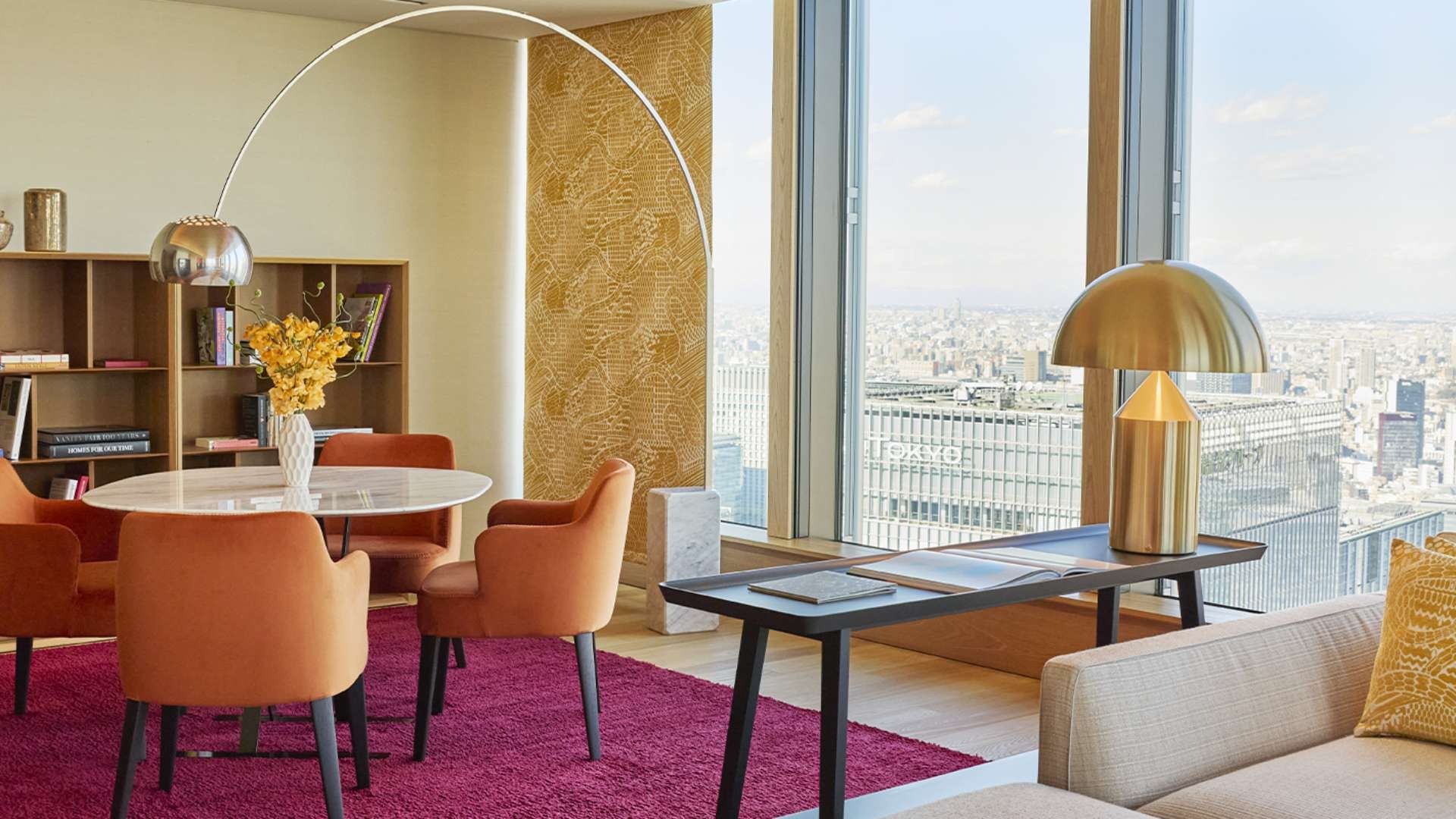
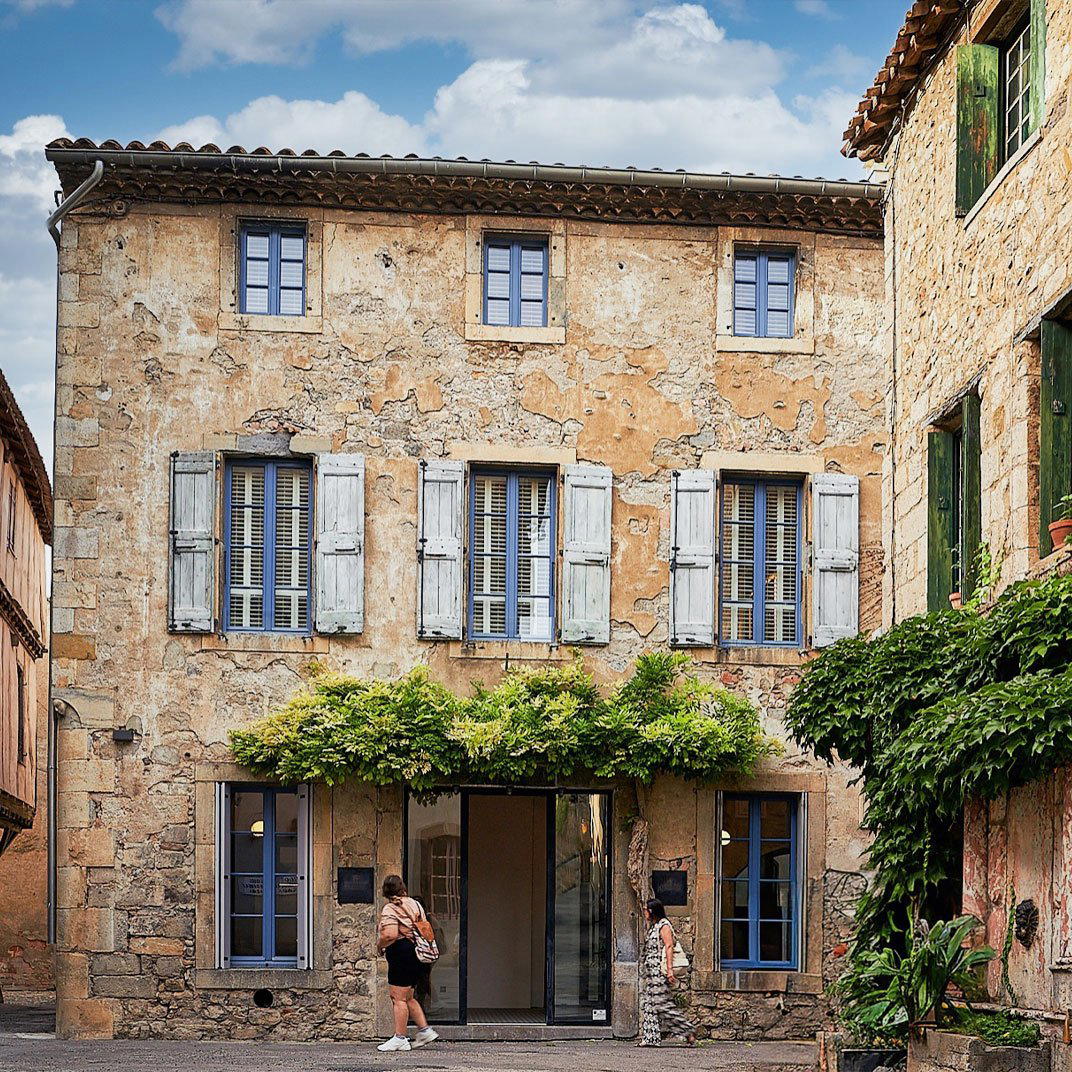
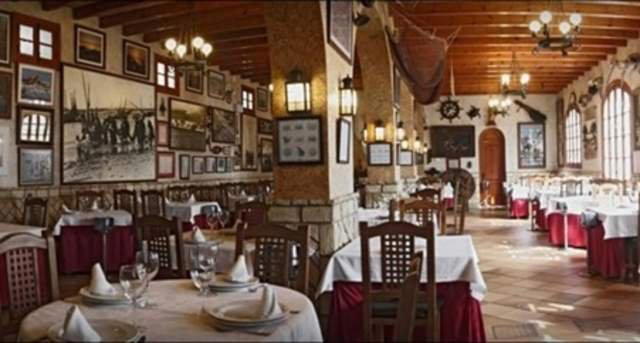
Walk into Bistrot Vivienne and the visual register is deliberate: this is not a modernist tasting room or a hotel dining room with white tablecloths and distance between courses. The room signals France — the kind of France that eats cassoulet on a Tuesday, not the France that sells you a ten-course progression with an amuse-bouche trolley. That clarity of intention is, in itself, a form of curation. You know immediately what kind of meal is coming.
The menu is anchored in the classics of regional French cooking: cassoulet, quenelle, beef cheek simmered in wine, dishes baked in pie pastry. These are not simplified versions of French food adjusted for a Japanese audience. They are the real article, prepared by people who have thought carefully about what everyday French life tastes like and why it matters. For the food-and-wine enthusiast visiting Tokyo, this specificity is the point. You are not getting a fusion interpretation or a chef's personal reinvention of the canon. You are getting the canon itself, cooked with care.
The architecture of the meal here follows a bistro logic rather than a tasting menu progression, but there is still a meaningful arc to how the kitchen builds a table's experience. Charcuterie anchors the opening, providing the cured, salted, and fermented entry point that sets a regional tone before the kitchen moves into the heartier braises and baked dishes that form the core. The pie-pastry dishes add a textural counterpoint — the kind of detail that reveals a kitchen paying attention to contrast, not just execution. If you are accustomed to Japanese tasting menus where every course is a statement, this will feel more relaxed, but no less considered.
The Wine Programme
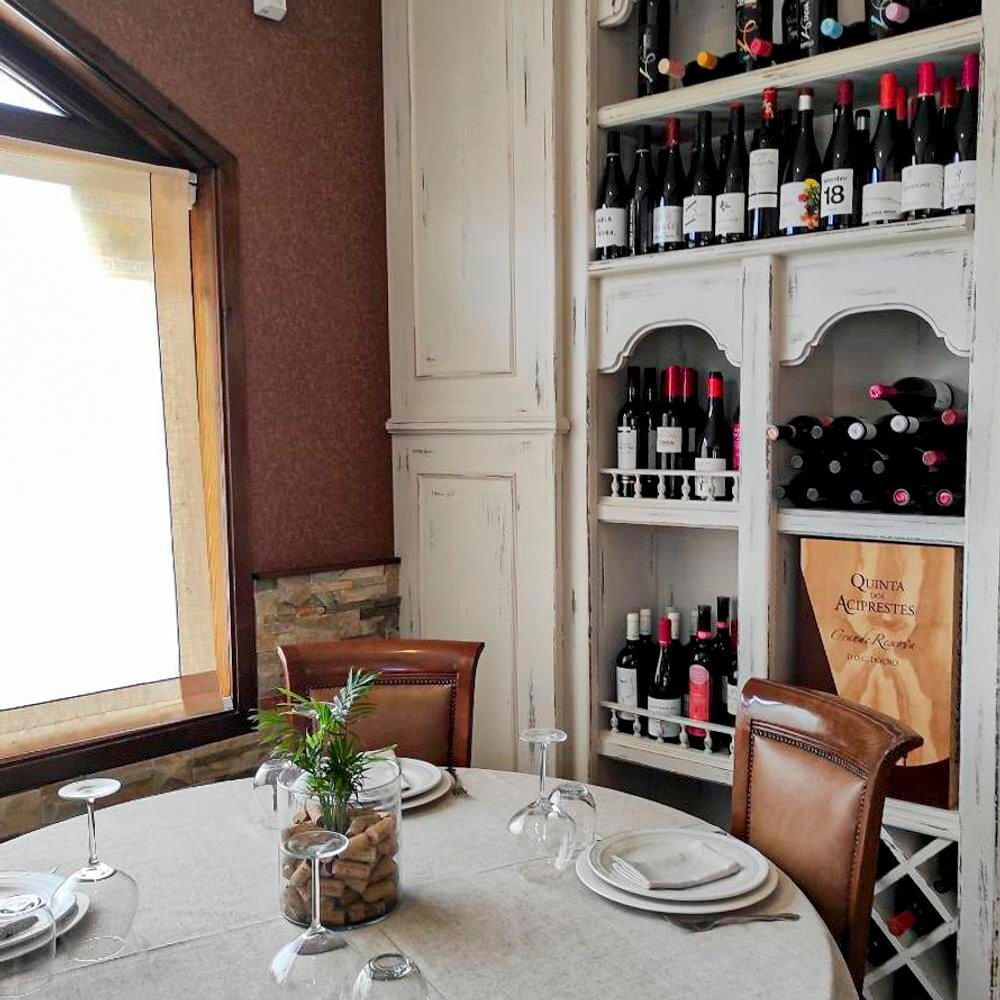
Sommelier partnership at Bistrot Vivienne is not incidental to the experience, it is the structural spine of the room. Wines from every French region are available, and the programme is designed around regional pairing: match the wine to the dish's provenance, not just its weight. This is a more sophisticated approach than most bistros, Tokyo or otherwise, and it rewards guests who want to explore rather than simply drink. For the explorer-type diner, this is one of the more satisfying wine programmes at the ¥¥ price tier in the city. Compare this to the wine depth you get at L'Effervescence or Sézanne and you are paying significantly less for a programme built with genuine regional intelligence.
Booking Window and Timing
Bistrot Vivienne holds a Michelin Bib Gourmand (2024), which in Tokyo creates reliable demand without the months-long lead time of the city's two- and three-star rooms. Booking is rated easy, but do not interpret that as walk-in territory. Plan one to two weeks ahead for weeknight sittings. Weekend evenings and the year-end holiday period (November through January) compress availability noticeably, if you are visiting Tokyo during those months and want a table, book the moment your travel is confirmed. Ginza's concentration of dining options means you have alternatives if Bistrot Vivienne is full, but the regional bistro format at this price point is genuinely hard to replicate nearby.
Who Should Book
Book Bistrot Vivienne if you want regional French cooking executed with conviction at a price that does not require a special-occasion budget. It is the right choice for a food enthusiast who wants depth and context in their meal rather than spectacle. It works for two people who want to eat well and drink well through a proper French wine list without the formality of Tokyo's grand French rooms like Château Restaurant Joël Robuchon or the tasting menu commitment of ESqUISSE. It is not the right choice if you are looking for innovation, Japanese-influenced French cooking, or a high-ceremony occasion dinner.
For context beyond Tokyo: if you have eaten at comparable regional French addresses in France or at Hotel de Ville Crissier or Les Amis in Singapore, you will find Bistrot Vivienne occupies a different register entirely, less formal, less expensive, and more focused on the pleasure of the everyday French table. That is not a limitation. That is the offer.
Pearl Picks, More Tokyo Dining
- Florilège, For contemporary French with Japanese sourcing
- L'Effervescence, For seasonal French at a higher price tier
- Sézanne, For a splurge-level French tasting menu in Tokyo
- HAJIME in Osaka, If your trip extends west
- Gion Sasaki in Kyoto, For kaiseki alongside your French dining
- akordu in Nara, European cooking with Japanese produce outside Tokyo
- Goh in Fukuoka, Regional Japanese for the explorer palate
- 1000 in Yokohama, Worth the short trip from Tokyo
- 6 in Okinawa, For the dedicated traveller going further afield
For broader planning, see our full Tokyo restaurants guide, our Tokyo hotels guide, our Tokyo bars guide, our Tokyo wineries guide, and our Tokyo experiences guide.
Planning details
- Location
- 4 Chome-13-19 Ginza, Chuo City, Tokyo 104-0061, Japan
- Website
- eatpia.com/restaurant/bistro-vivienne-ginza-french
- Phone
- +81 3-6273-2830
The take
The Take
The Vibe
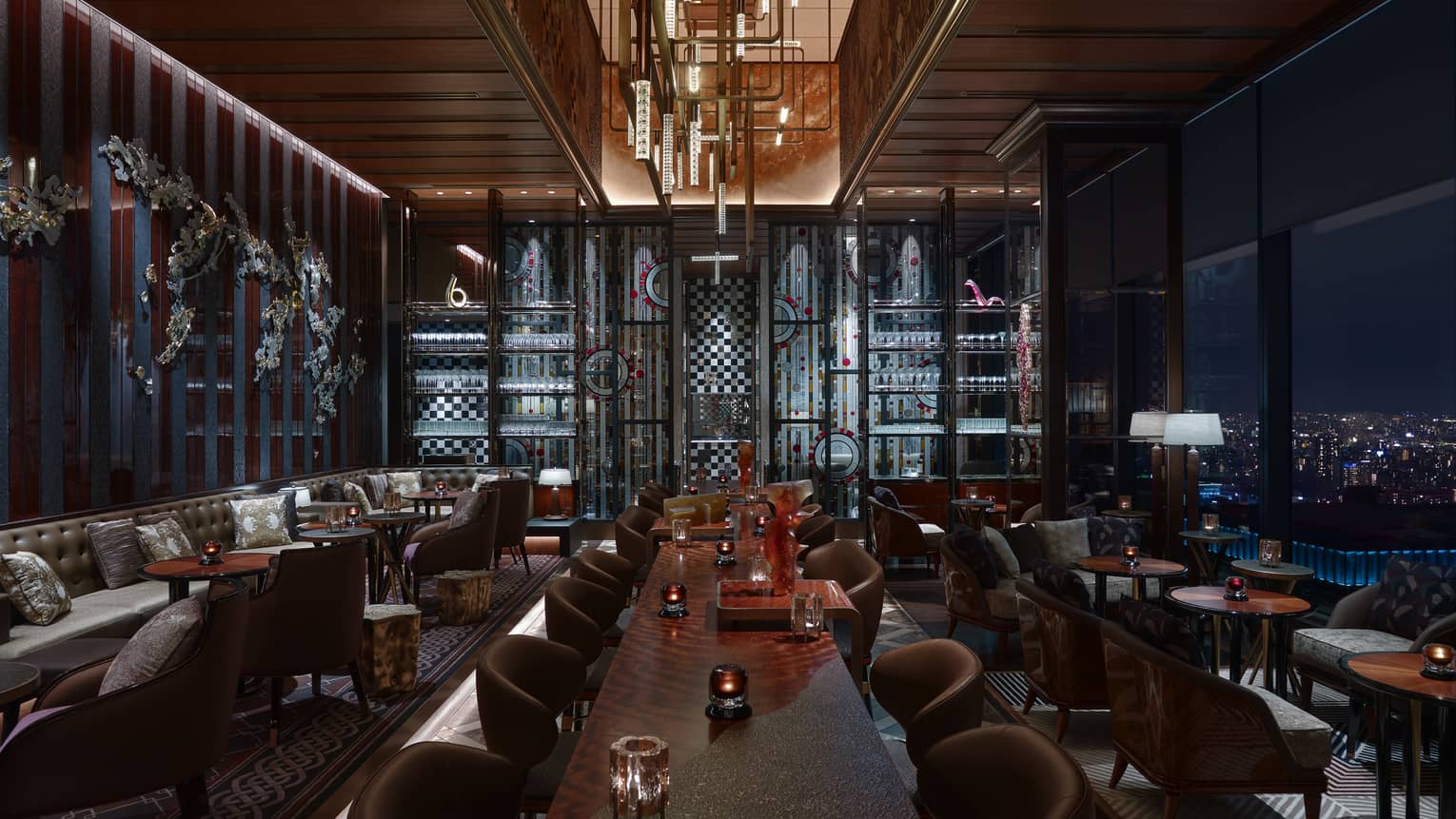
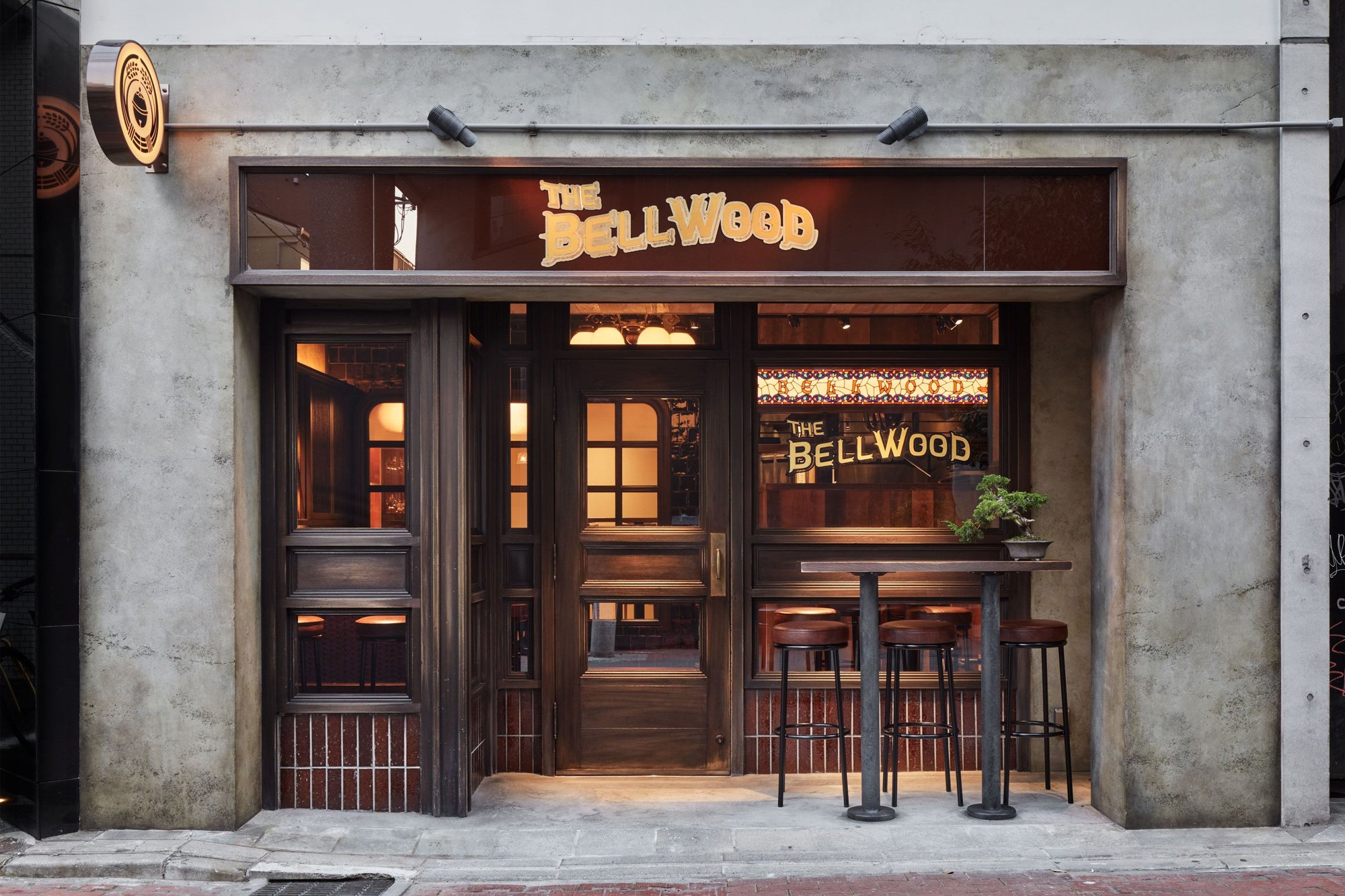
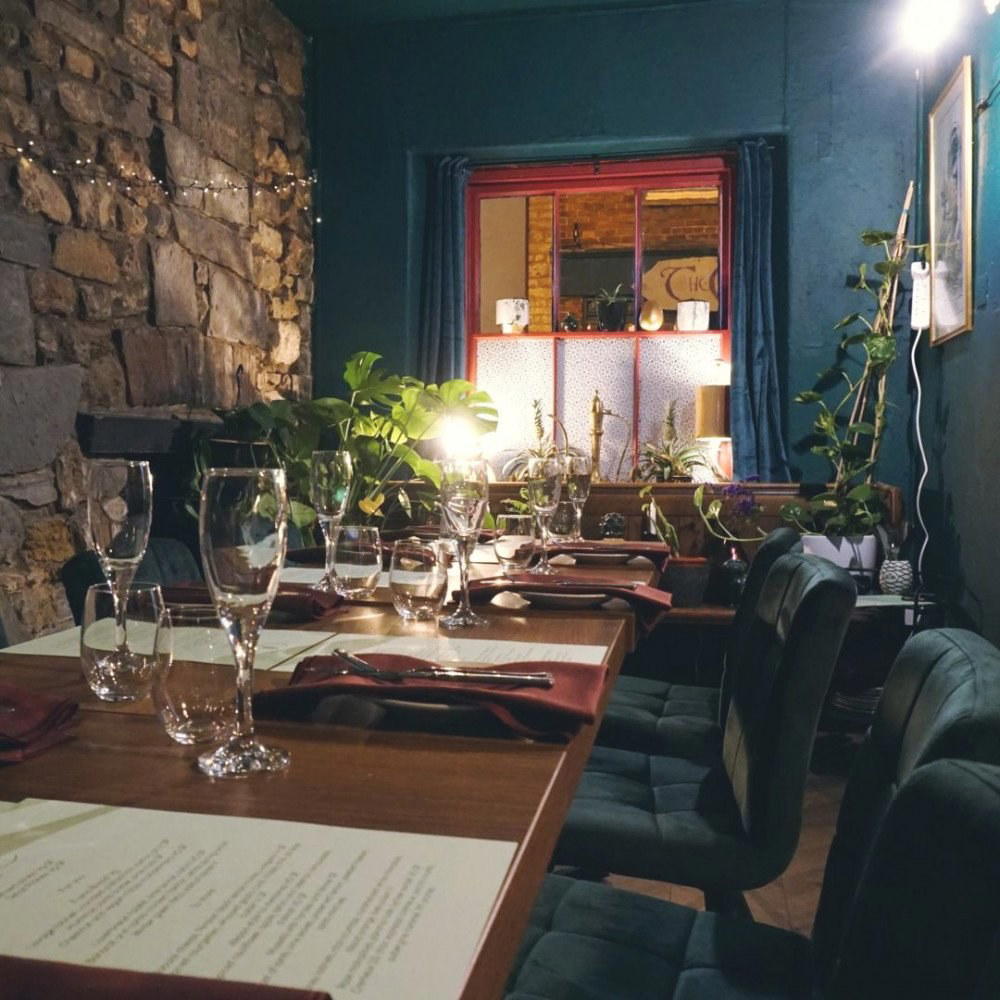
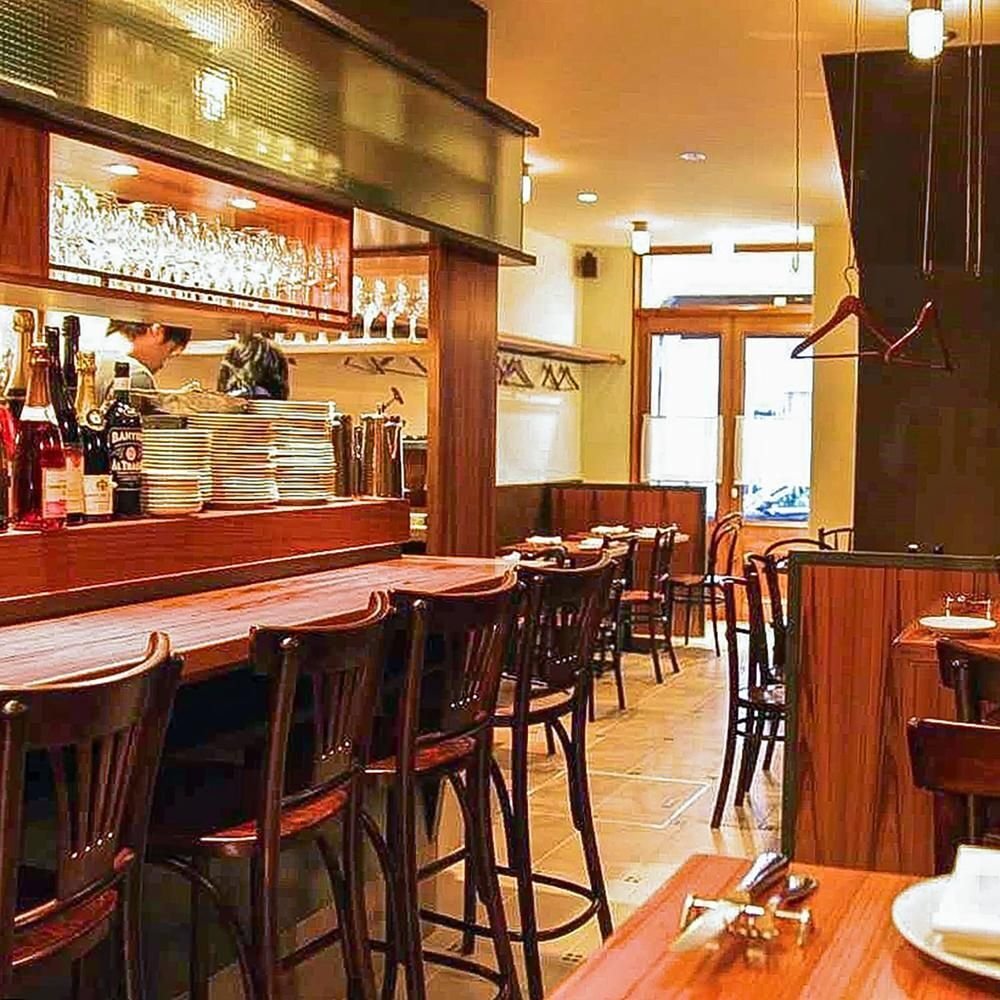
Bistrot Vivienne settles into Ginza like a quietly confident neighbor rather than a spectacle. The room favors the rhythms of a French neighbourhood bistro — low-key lighting, close-set tables and an atmosphere tuned for easy conversation. It deliberately distances itself from Ginza’s theatre of multi-course tasting menus, offering instead a warm, relaxed environment where straightforward cooking and good wine do the talking. The tone is approachable and refined without formality: a place for people who want French technique applied to familiar, satisfying dishes rather than an evening structured around culinary theater.
Best For
This is a neighborhood bistro built for approachable evening dining. The write-up frames it as an alternative to Ginza’s formal tasting rooms, so it works best for diners seeking a relaxed dinner — couples on a low-key date, friends catching up after work, or anyone who favors solid charcuterie and slow-cooked mains over ceremony. The room’s scale and lighting encourage conversation, making it a reliable pick when you want a composed, convivial evening in Ginza without the structure and price of haute tasting menus.
Ordering Tips
Lean into the bistro staples the place emphasizes: the pâté en croûte and homemade charcuterie highlight the kitchen’s focus on cured and slow-prepared proteins, and the roasted sole and roasted baby pigeon showcase its straightforward, well-executed mains. Share plates to sample the house charcuterie and a slow-cooked cut, and pick a bottle or glass of wine — the text notes how you "register the wine being poured at the next seat," underscoring wine as a companion to the food. Avoid expecting formal multi-course service; order in a more casual, shared style.
Venue details
Ambiance
Warm lighting creates a comfortable, homely, and intimate atmosphere.
Tags
Vibe
Best For
Sourcing
At the Table
- Dress Code
- Smart Casual
- Noise Level
- Quiet
- Service Style
- Upscale Casual
- Meal Pacing
- Leisurely
- Capacity
- Intimate
- Kitchen
- Traditional
- Menu Format
- A la carte
- Wine Program
- Exceptional
- Drinks Focus
- Wine
Signature Dishes
- Pâté Encroute
- Homemade Charcuterie
- Roasted Sole
- Roasted Baby Pigeon
Know before you go
Know Before You Go
- Getting there
- 4 Chome-13-19 Ginza, Chuo City, Tokyo 104-0061, Japan
Planning details
Location
4 Chome-13-19 Ginza, Chuo City, Tokyo 104-0061, Japan · Directions
Recognition and awards
Also consider
Also Consider
- Harutaka, Sushi, ¥¥¥¥
- L'Effervescence, French, ¥¥¥¥
- RyuGin, Kaiseki, Japanese, ¥¥¥¥
- HOMMAGE, Innovtive French, French, ¥¥¥¥
- Crony, Innovative, French, ¥¥¥¥
Restaurant context
At the ¥¥¥¥ end of Tokyo's French dining market, L'Effervescence and HOMMAGE both offer multi-course tasting menus with considerably more ceremony, longer progression, and higher price tags. Crony sits at the innovative end of Tokyo's French scene and appeals to a different diner entirely, one who wants the chef's creative interpretation rather than the regional canon. Bistrot Vivienne is not competing in that space. It is the right choice when you want to eat well without committing to a tasting menu format or a four-symbol budget.
For a purely French dining comparison, the most useful contrast is between Bistrot Vivienne's bistro conviction and the tasting-menu architecture of HOMMAGE or Crony. Those rooms require more time, more money, and a preference for progression over comfort. Bistrot Vivienne is faster to book, easier on the budget, and better suited to guests who want to drink generously through a wine list and eat familiar French food cooked with care. Harutaka and RyuGin are in a different category entirely and serve a different purpose in a Tokyo dining itinerary.
The decision is straightforward: if budget and formality are constraints, Bistrot Vivienne is the most practical French option in this peer group by a significant margin. If you are building a Tokyo trip around one high-commitment French dinner, the ¥¥¥¥ rooms offer more structured progression and greater ambition. For everything else, a weeknight dinner, a wine-focused meal, a return visit, Bistrot Vivienne is the call.
Explore Tokyo
Around this place
Discover more on Pearl
Unlock the full Bistrot Vivienne guide in Pearl, including awards, comparisons, FAQs, planning details, and nearby places.
Compare Bistrot Vivienne
| Venue | Cuisine | Price | Awards | Booking Difficulty |
|---|---|---|---|---|
| Bistrot Vivienne | French | ¥¥ | 2026 Bib Gourmand2024 Michelin Bib Gourmand | Easy |
| Harutaka | Sushi | ¥¥¥¥ | 2026 Tabelog Silver · #312026 OAD Top Restaurants in Japan Ranked · #1282026 Michelin 3 Stars2026 La Liste Top RestaurantsTabelog 100 - Sushi - TOKYO - 2025 · #372025 Asia's 50 Best Restaurants · #762025 OAD Top Restaurants in Japan Ranked · #1172025 La Liste Top Restaurants2025 Tabelog Bronze | Unknown |
| L'Effervescence | French | ¥¥¥¥ | 2026 Tabelog Silver · #682026 OAD Top Restaurants in Japan Ranked · #103Star Wine Lists 20262026 Black Pearl 2 Diamond2026 Relais Chateaux Restaurants2026 La Liste Top Restaurants2026 Michelin 3 Stars2025 Asia's 50 Best Restaurants · #692025 OAD Top Restaurants in Japan Ranked · #92 | Unknown |
| RyuGin | Kaiseki, Japanese | ¥¥¥¥ | 2026 OAD Top Restaurants in Japan Ranked · #802026 Tabelog Bronze · #3772026 Michelin 3 Stars2026 La Liste Top RestaurantsTabelog 100 - Japanese cuisine - TOKYO - 2025 · #212025 OAD Top Restaurants in Japan Ranked · #542025 Michelin 3 Stars2025 La Liste Top Restaurants2025 The Best Chef Three Knives | Unknown |
| HOMMAGE | Innovtive French, French | ¥¥¥¥ | 2026 Tabelog Bronze · #1232026 OAD Top Restaurants in Japan Highly Recommended2026 Michelin 2 StarsTabelog 100 - French - TOKYO - 2025 · #762025 Asia's 50 Best Restaurants · #782025 OAD Top Restaurants in Japan Ranked · #1752025 Michelin 2 Stars2025 The Best Chef One Knife2025 La Liste Top Restaurants | Unknown |
| Crony | Innovative, French | ¥¥¥¥ | 2026 Asia's 50 Best Restaurants · #34Star Wine Lists 20262026 OAD Top Restaurants in Japan Recommended2026 Michelin 2 Stars2025 Asia's 50 Best Restaurants · #30Tabelog 100 - French - TOKYO - 2025 · #782025 OAD Top Restaurants in Japan Ranked · #227We're Smart World Top Restaurants 20252025 Michelin 2 Stars | Unknown |















Comparing your options in Tokyo for this tier.
FAQ
Frequently Asked Questions
Is the tasting menu worth it at Bistrot Vivienne?
Bistrot Vivienne operates as a bistro, not a tasting-menu room, so the format is à la carte French classics rather than a set progression. The Michelin Bib Gourmand recognition signals good value at the ¥¥ price point. If you want a structured multi-course omakase-style experience, L'Effervescence or HOMMAGE are the Tokyo addresses to consider instead.
What should I order at Bistrot Vivienne?
The kitchen focuses on French regional standards: cassoulet, quenelle, beef cheek braised in wine, and dishes baked in pie pastry are all documented on the menu. The sommelier-led approach makes regional wine pairing the smart move — matching dish and wine to the same French region is the house philosophy. Order with that pairing logic in mind and the meal lands the way it is intended.
What should I wear to Bistrot Vivienne?
Bistrot Vivienne pitches itself as an everyday French bistro rather than a formal dining room, so relaxed but presentable clothes are appropriate. The Ginza address adds a degree of polish to the neighbourhood, but this is not a jacket-required venue by the bistro format it follows.
Is Bistrot Vivienne good for a special occasion?
Yes, with a specific caveat: it suits occasions where a convivial, wine-forward dinner matters more than ceremony. The sommelier-and-chef partnership and Bib Gourmand standing give it enough credibility for a birthday or low-key anniversary, but if the occasion calls for a grander setting or a tasting format, RyuGin or L'Effervescence would serve that better.
How far ahead should I book Bistrot Vivienne?
The Bib Gourmand listing drives consistent demand at this Ginza address, so booking at least two weeks ahead is sensible. It does not carry the months-long lead time of Tokyo's starred rooms, but walk-in availability on popular evenings is unlikely. Reserve in advance to avoid a wasted trip.
Is Bistrot Vivienne worth the price?
At the ¥¥ price range with Michelin Bib Gourmand recognition, Bistrot Vivienne is one of the stronger value cases for French dining in Tokyo. You are getting a sommelier-directed wine programme and kitchen craft across cassoulet, braised beef cheek, and charcuterie at a price that does not require a special-occasion budget. For the format and price, it delivers.